Фотогалерея ‒ Bolivia

Guide to Bolivia

Basic Information

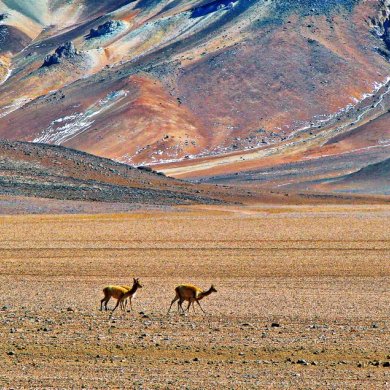
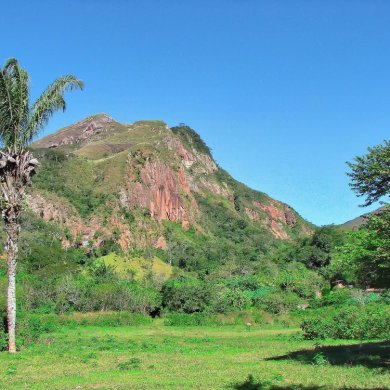
Bolivia is located in the heart of South America and is landlocked. The country’s territory includes the high-altitude plateaus of the Andes, deep valleys, and vast tropical lowlands. Many cities are located at altitudes exceeding 3,500 meters, which is important to consider when planning your itinerary. The climate varies greatly depending on the region and season.

Bolivia maintains strong ties to pre-Columbian cultures and traditional ways of life. Therefore, traveling to Bolivia independently will be a truly incredible experience.

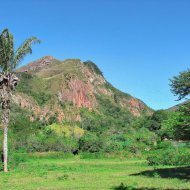
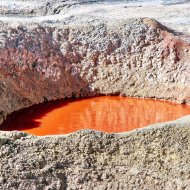
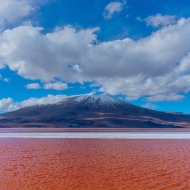
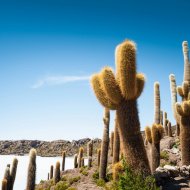
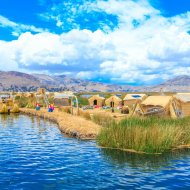
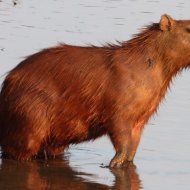
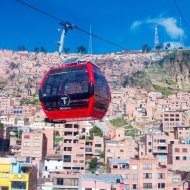
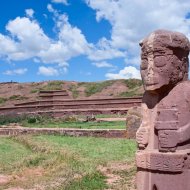
Photos of Bolivia

Capital
Sucre (legally), La Paz (de facto)
Language
Spanish, Quechua, Aymara, Guaraní, and others—a total of 37 official state languages
Currency
Boliviano
Time zone
GMT -4
Population
12 100 000
Territory
69,700 km²

Dishes worth trying:

Salteñas — hearty baked pastries filled with meat and broth.

Pique macho — a spicy dish made with beef, potatoes, green peppers, and spices.

Sopa de maní — a thick peanut-based soup with meat and vegetables.

Silpancho — roast meat with rice, potatoes, and an egg.

Anticuchos — grilled meat skewers, a popular street food.

Things to do in to Bolivia

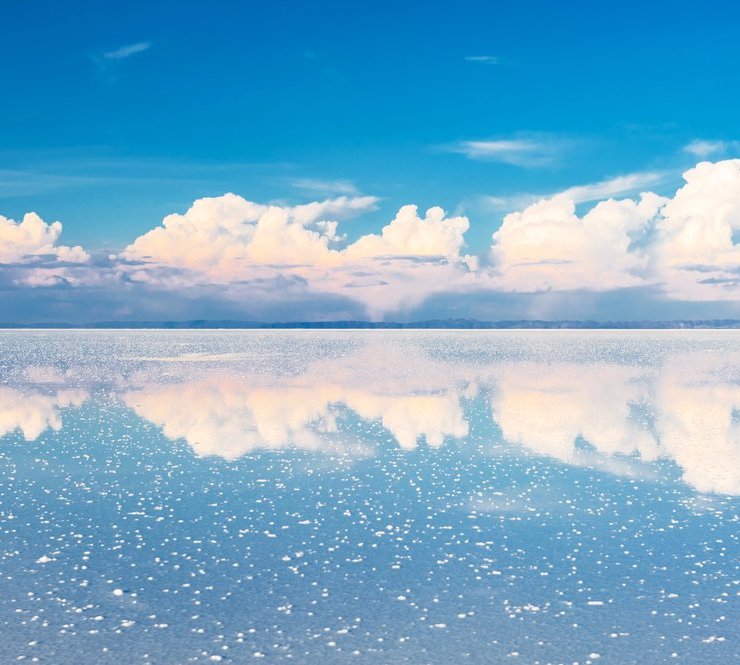
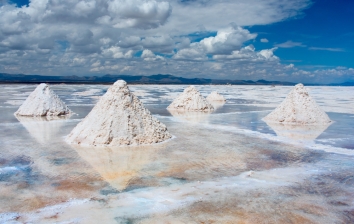
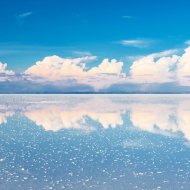
  • See the Uyuni Salt Flats at sunrise or when the water creates a mirror-like effect after rain.
  • Take a drive along the "Road of Death" with views of the Andes.
  • Stop by the witches' market to browse traditional ritual items.
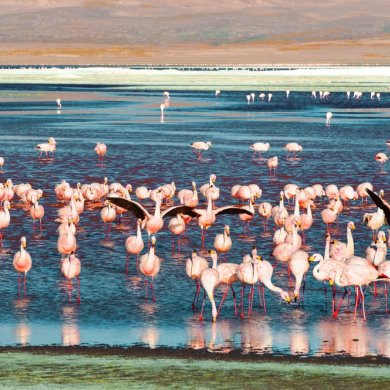
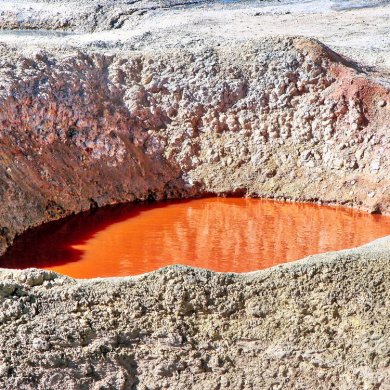
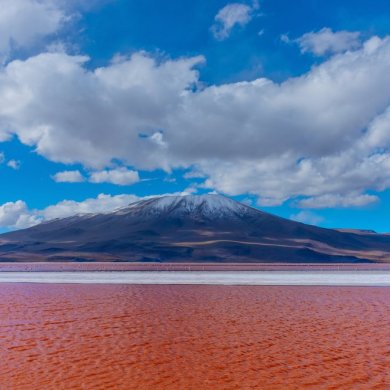
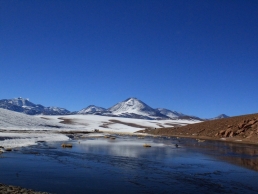
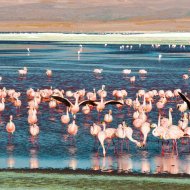
  • See the colorful lagoons of the country's southwest.
  • Visit the silver mines of Potosí.
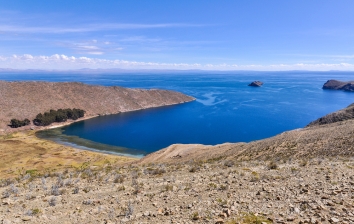
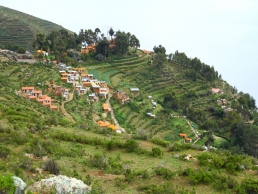
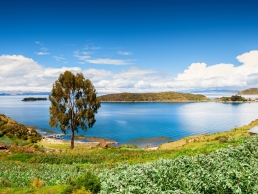
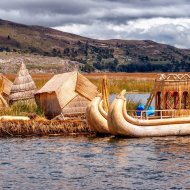
  • Visit Lake Titicaca and the Island of the Sun.

Tips

When traveling to Bolivia, be mindful of the altitude, especially in La Paz and Potosí. During your first few days, it is recommended that you avoid strenuous physical activity, drink plenty of water, and avoid alcohol. Symptoms of altitude sickness can affect even experienced travelers, so acclimatization should be gradual.
Traveling around the country may take longer than expected. Roads in mountainous areas are winding, and weather conditions can sometimes affect transportation schedules. When planning your route, allow for extra time and avoid a tight schedule, especially when traveling between regions.
Not all cities have ATMs, and credit cards are accepted only in limited places. Therefore, be sure to bring plenty of cash with you when traveling to Bolivia. Withdraw the amount you need in advance and keep your money in several different places. This is especially important when traveling to smaller towns.

Tours to Bolivia

Vacations in Bolivia are primarily geared toward travelers who appreciate nature, culture, and off-the-beaten-path itineraries. While there are no typical beach resorts here, the country offers unique natural areas, high-mountain landscapes, and distinctive towns. Most tourist programs center on guided tours, trekking, and nature observation. Trips to national parks, salt flats, lakes, and volcanoes are popular, as are ethnographic tours.

Mountain tourism is well-developed in the Andes, with routes of varying difficulty levels available, including climbs and multi-day hikes. Nature lovers often choose tours to the Amazon region of the country, featuring boat excursions and wildlife viewing.

Accommodations in Bolivia range from small family-run hotels to comfortable lodges in natural areas. You can sample traditional dishes and local products right at the markets. Travel guides highlight the museums and architecture of colonial cities. And local festivals offer a chance to experience ancient crafts, traditions, and rituals. A vacation in Bolivia requires a certain amount of flexibility, but in return offers truly unique experiences.

Where to go to Bolivia?

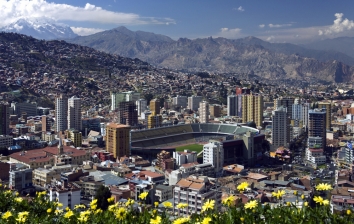
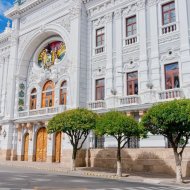
La Paz is the ideal starting point for exploring the country and the surrounding mountains. The Altiplano is a popular choice for its desert landscapes, while Cochabamba is known for its mild climate and culinary scene. Sucre attracts visitors with its colonial architecture and tranquil atmosphere.

For nature-focused itineraries, the Amazon region and national parks are ideal, where you can see rare ecosystems. But be sure to plan your route in advance, because due to the specific logistics, the cost of a trip to Bolivia can vary significantly depending on the stops you’re interested in.

When to go to Bolivia

The best time to visit Bolivia is during the dry season, from May through October. During this period, there is less rainfall, which means roads are more passable and the best mountain routes are accessible to everyone.

Keep in mind that even if it’s comfortable during the day, nights in the highlands are cold. The high season is in the summer, so popular regions can get crowded with tourists. The rainy season lasts from November through March. Nature seems even more vibrant, but travel can be quite difficult.

Bolivia in the spring

Spring in Bolivia lasts from September to November. It is mild and dry in most regions, with temperatures around 25°C on the plains and around 15°C in the mountains. Precipitation remains low, at about 20–60 mm per month, making it a comfortable time to travel throughout the country. There may be snow on the mountain peaks, while the plains and jungles turn green.

Bolivia in the summer

Summer in Bolivia lasts from December to February and coincides with the rainy season, especially in the lowlands and jungles, where rainfall can exceed 200–300 mm per month. Temperatures on the plains range from 25°C to 32°C, and in the mountains from 15°C to 20°C. This is a time of lush, green nature and heavy rains, which can make travel difficult.

Bolivia in the fall

Autumn, from March to May, is a transitional period following the monsoon season, when rainfall decreases and temperatures gradually drop. It gets cooler in the mountains, but the days are still pleasant for traveling. Nature continues to turn green, and the roads are more accessible. It’s a good season for combined itineraries.

Bolivia in winter

Winter in Bolivia lasts from June to August and is experienced differently in various regions. In the highlands of the Andes, daytime temperatures reach up to 15 degrees Celsius, while at night they often drop below 0. Meanwhile, in the lowlands, temperatures range from 20 to 30 degrees Celsius. There is little precipitation, especially in the Altiplano. This is the best season for trekking in the mountains and visiting the salt flats.

Usefulness

The tripmydream service has put together a practical guide to traveling in Bolivia. Here you’ll find useful information to help you easily plan your trip.

Visa to Bolivia

You can obtain a visa for Bolivia upon arrival at the airport or in advance through consulates and embassies. The procedure is standard, and the cost starts at 30 USD. However, in recent years, the country has been changing its visa policy and allowing visa-free travel for citizens of certain countries, so be sure to check the current list of these countries before your trip.

Customs & Tax Free

You may bring personal belongings, as well as limited quantities of alcohol and tobacco, into Bolivia duty-free. It is prohibited to export archaeological artifacts and cultural treasures without a permit. There is no tax-free system in place.

Travel by car

Car rentals are available in major cities, but due to the dangerous mountain roads, it is best to hire a car with a driver. Road conditions vary greatly from region to region. The average rental cost is about 350–450 BOB per day.

Phrasebook for tourists

In tourist areas, you can get by with English, but outside of them, it’s best to know some basic Spanish phrases. Simple polite words, gestures, and a friendly attitude will go a long way.

Public transport and prices

The main modes of transportation are buses, minibuses, and taxis. Night buses of varying comfort levels operate between cities. Schedules can be flexible, so it’s best to check departure times on the spot. Overall, transportation is accessible and affordable.

Events

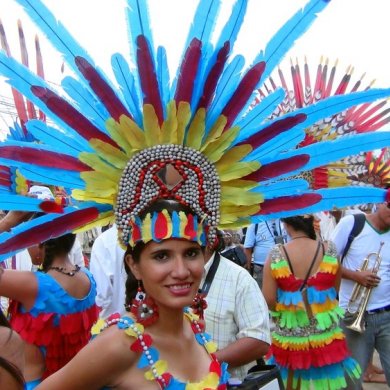
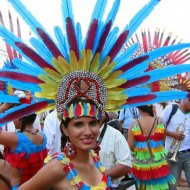
The Oruro Carnival is one of the largest in South America. Inti Raymi and other traditional festivals reflect ancient beliefs. National holidays are accompanied by colorful parades and music, especially in the highland regions. So be sure to check the events calendar to immerse yourself in this vibrant atmosphere.

tripmydream - travel service, that helps to find compare and buy best flights and rooms worldwide with the given budget. All necessary information for travelers - is right here!