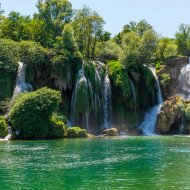
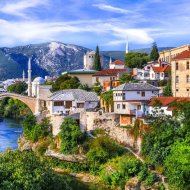
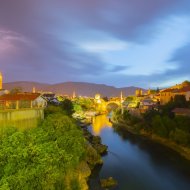
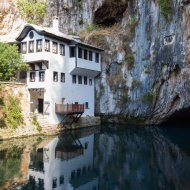
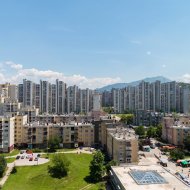
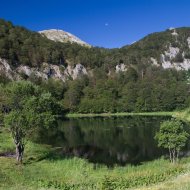
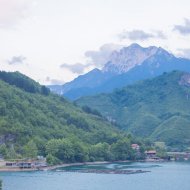
Фотогалерея ‒ Bosnia and Herzegovina

Guide to Bosnia and Herzegovina

Basic Information

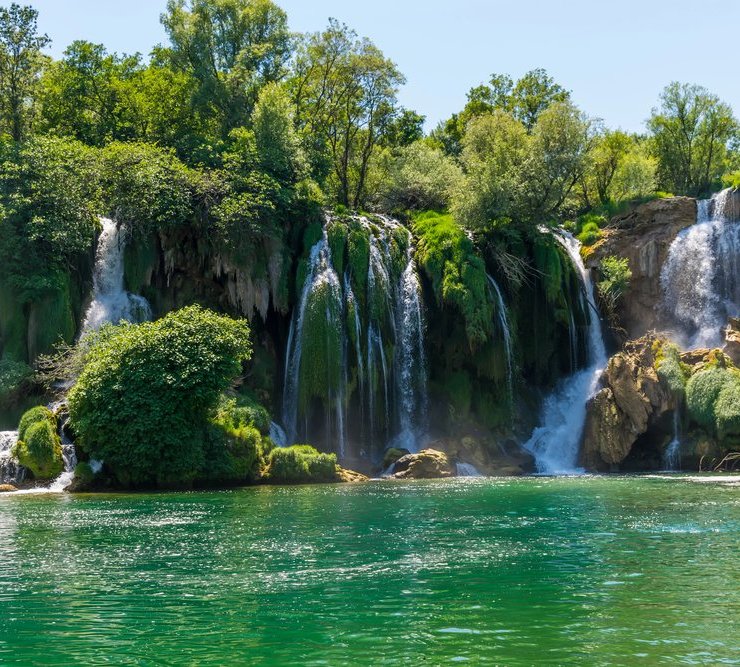
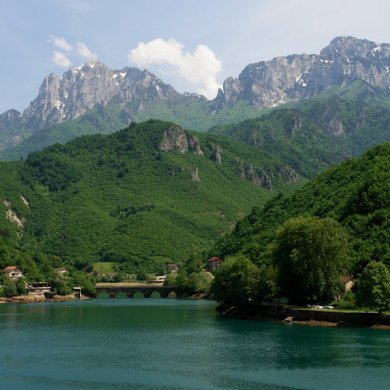
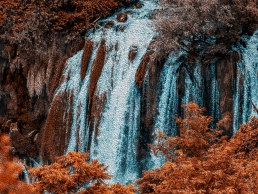
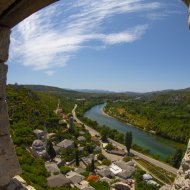
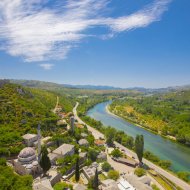
Bosnia and Herzegovina is located in the western Balkans and consists of two historical regions—Bosnia, which occupies most of the country, and Herzegovina in the south. It borders Croatia, Serbia, and Montenegro, and has narrow access to the Adriatic Sea through the city of Neum. The mountainous terrain makes the landscapes simply fabulous.

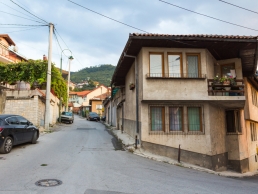
The country was formed under the influence of different cultures, which is reflected in its architecture and diversity of traditions. Therefore, a vacation in Bosnia and Herzegovina, at the crossroads of time and customs, is sure to delight you with new experiences.

Photos of Bosnia and Herzegovina

Capital
Sarajevo
Language
Bosnian, Serbian, Croatian
Currency
Convertible bond
Time zone
GMT +1, GMT +2 in summer
Population
3 453 000
Territory
51,197 km²

Dishes worth trying:

Begova Chorba — thick soup made from lamb or beef with potatoes and other vegetables.

Chevapchichi — a type of kebab, grilled sausages made from minced meat with onions.

Sach — a hearty family dish, aromatic meat with vegetables cooked in a pan under a lid, called "sach."

Burek (pita) — crispy puff pastry pie with meat, cheese, or spinach.

Tufahiyya — apples stuffed with nuts and covered with sweet syrup, a traditional dessert.

Things to do in Bosnia and Herzegovina

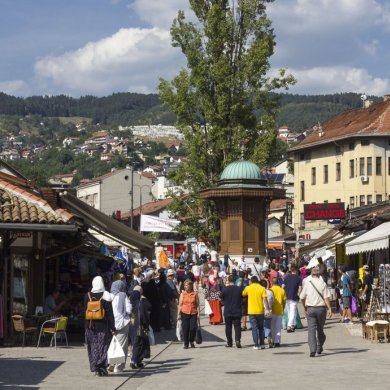
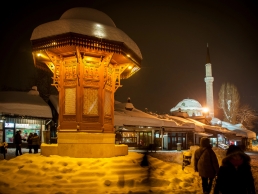
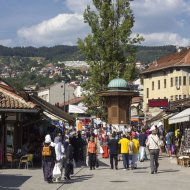
  • Take a stroll through Sarajevo's Old Town.
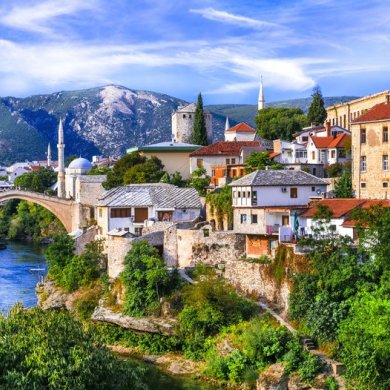
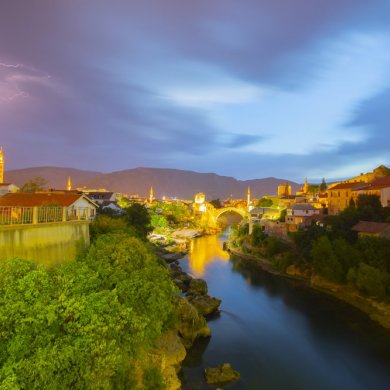
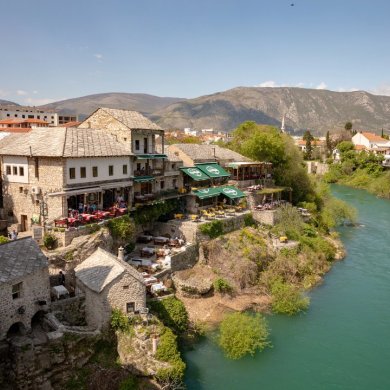
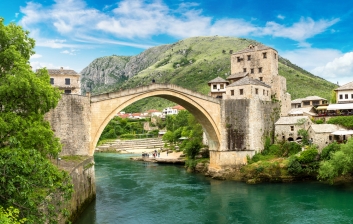
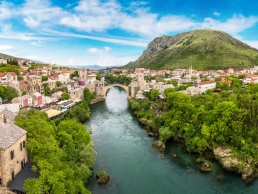
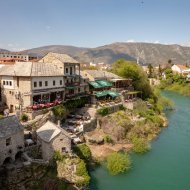
  • See the famous Old Bridge in Mostar.
  • Go rafting or kayaking down the river.
  • Visit breweries and sample authentic local cuisine.
  • Visit small monasteries on mountain trails.
  • See Peruchitsa, one of four relict forests in Europe.

Tips

Wear comfortable shoes. A trip to Bosnia and Herzegovina always involves a lot of walking through old neighborhoods with cobblestone streets, narrow alleys, and steep inclines. For excursions to the mountains and nature parks, you will need hiking boots with good support and non-slip soles.
Only use official currency exchange offices and ATMs to avoid falling victim to scammers. Small purchases at markets, souvenir shops, and small cafes are best paid for in cash, so make sure you have some small change ready in advance.
When visiting mosques, monasteries, and other religious sites, dress modestly and observe the rules of conduct. Remove your shoes where required, avoid loud conversations, and respect cultural differences, which are very important here.

Sights

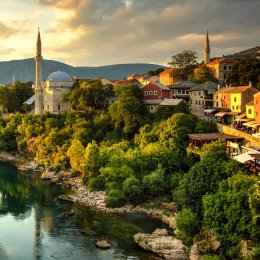
Bosnia and Herzegovina is a country where Ottoman traditions, Austro-Hungarian heritage, and vibrant Balkan character are amazingly intertwined in a small area. Here you can see cities where minarets stand side by side with Catholic cathedrals and synagogues, and ancient stone bridges blend seamlessly into bustling modern neighborhoods. The natural scenery is also impressive, making tourist trips to Bosnia and Herzegovina unforgettable.

Tours to Bosnia and Herzegovina

Tours to Bosnia and Herzegovina combine a rich history, diverse landscapes, and the warm hospitality of the Balkans. The country is full of contrasts. A wide range of accommodation is available, from modern hotels to cozy guesthouses and rural homes where travelers can stay with local families. Tourism is developing rapidly, so even smaller towns increasingly offer stylish boutique hotels and apartments. European travelers will also appreciate how affordable a trip to Bosnia and Herzegovina can be.

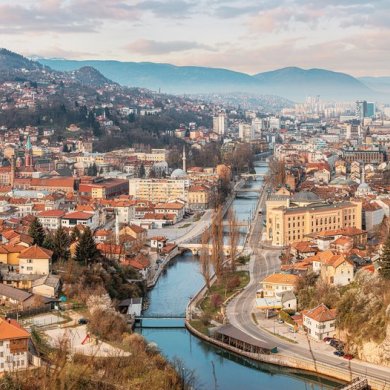
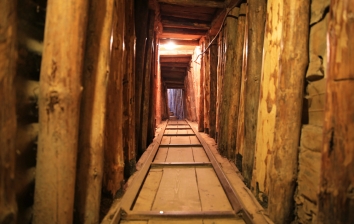
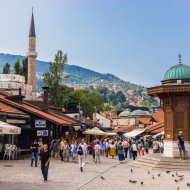
Sarajevo is one of the most atmospheric cities in the Balkans, offering a rare blend of cultures experienced in real time. In the heart of the Old Town, the Baščaršija district, historic craft streets, caravanserais, and centuries-old mosques have been preserved. The city attracts visitors with museums dedicated to both medieval history and the events of the 20th century — from the Tunnel of Hope Museum to the site of the assassination of Archduke Franz Ferdinand.

Traveling through Bosnia and Herzegovina offers a chance to connect with the country’s complex and fascinating past. It is no surprise that this destination has been gaining popularity in recent years.

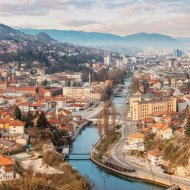
Food lovers will find cafés serving traditional ćevapi, bakeries with burek, and cozy coffee houses in an Eastern style. Pleasant walks await along the Miljacka River embankment, in the Austro-Hungarian quarter, and at scenic viewpoints on the surrounding hills, offering panoramic views of the city. Local markets are the perfect place to experience the city’s rhythm — sampling street food, buying handmade crafts, or enjoying a strong Bosnian coffee brewed in a džezva.

Where to go Bosnia and Herzegovina?

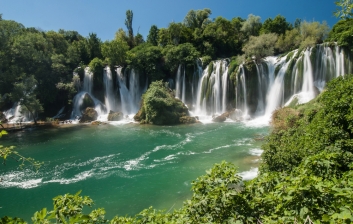
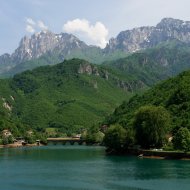
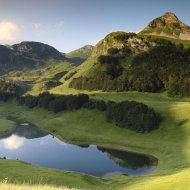
Those who expect to see natural beauty on their trip to Bosnia and Herzegovina should visit the glacial lake Borac or Sutjeska National Park. The Maglic mountain range on the border with Montenegro boasts the highest peak in the region at 2,386 meters. Among the rock massifs, you can go rock climbing or visit the Vetrenica Cave, one of the most important karst systems in the region. Lovers of a quiet vacation will appreciate the clean rivers, small mountain villages, and thermal springs, as well as the proximity of the Adriatic Sea.

When to go Bosnia and Herzegovina

The central part of the country has a temperate continental climate, with warm summers and cool winters, while closer to the Adriatic Sea, the Mediterranean influence is noticeable. The best months to travel to Bosnia and Herzegovina independently are late spring, summer, and early fall. You can expect warm and comfortable days, green landscapes, and plenty of sunshine. It is also the ideal time for excursions and walks. Winters can be cold with possible snow, which limits some routes outside cities and open areas.

Bosnia and Herzegovina in spring

Spring brings nature to life, with daytime temperatures rising to +15 and later to +20 degrees. Nights are cooler, often around +7. Precipitation is moderate, and everything around is covered in green colors — the perfect backdrop for walks, trips to the mountains, and the start of the tourist season.

Bosnia and Herzegovina in summer

Summers in Bosnia and Herzegovina are quite hot, reaching temperatures of up to 30 degrees Celsius and sometimes even higher. Rainfall is not particularly frequent, but short thunderstorms are possible, especially in hilly areas. However, there are many outdoor events, festivals, and fairs, and summer is also the rafting season.

Bosnia and Herzegovina in autumn

In autumn, the weather becomes milder and nature is painted in warm golden hues. The tourist flow decreases and the cost of traveling to Bosnia and Herzegovina becomes even more affordable. This is a great time for a leisurely trip, strolling through historic cities and traveling to the mountains.

Bosnia and Herzegovina in winter

It is cold in the country in winter—the temperature often drops to 0 degrees Celsius and below, and snow is possible, especially in the mountains. Precipitation includes snow and rain, which together limit some outdoor activities but create the charm of winter landscapes and a Christmas atmosphere in the city.

Usefulness

For a comfortable trip to Bosnia and Herzegovina, it is enough to clarify some practical details in advance. Everything else here is simple and natural. Local residents are warm toward tourists and are ready to give directions or help with everyday matters.

Visa to Bosnia and Herzegovina

Citizens of the EU, US and UK can enter Bosnia and Herzegovina without a visa for short-term stays of up to 90 days.

Customs & Tax Free

You can request a VAT refund, but there are a number of restrictions and requirements that apply. These need to be clarified on a case-by-case basis, as conditions are subject to change. Be sure to keep your receipts for purchased goods.

Travel by car

Renting a car gives you freedom and access to remote areas. The road network is generally good, but mountain roads are narrow and steep in places. Also, be prepared for paid parking in cities. Car rental costs approximately 30 BAM per day.

Phrasebook for tourists

Bosnian, Serbian, and Croatian are spoken in Bosnia and Herzegovina, but many residents, especially young people, understand English. However, a few simple phrases in the local languages will delight the friendly locals. People here appreciate such efforts and are happy to respond to friendly communication.

Public transport and prices

Intercity buses are a reliable way to get around, but the number of train routes is limited. In cities, it is more convenient to combine walking and public transport with taxis, but to explore nature, it is better to rent a car or take a guided tour.

Events

The main national holidays in Bosnia are Independence Day on March 1 and Statehood Day on November 25. Traditional religious holidays include Christmas, Easter, Eid al-Adha, and Ramadan. Music and cultural festivals are often held in Sarajevo and Mostar.

tripmydream - travel service, that helps to find compare and buy best flights and rooms worldwide with the given budget. All necessary information for travelers - is right here!