Guide to Botswana
Basic Information
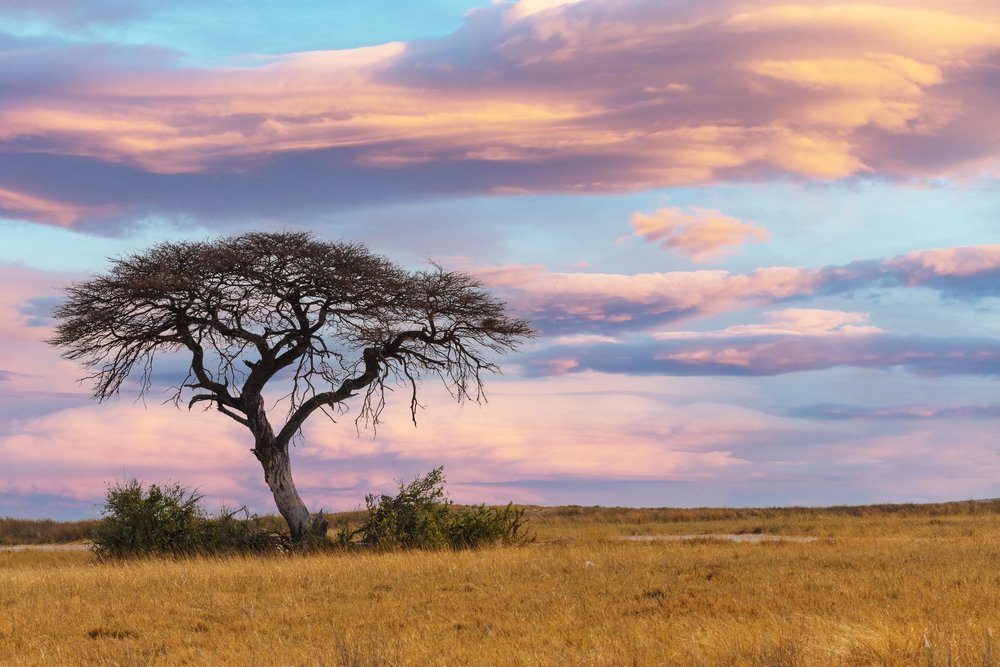
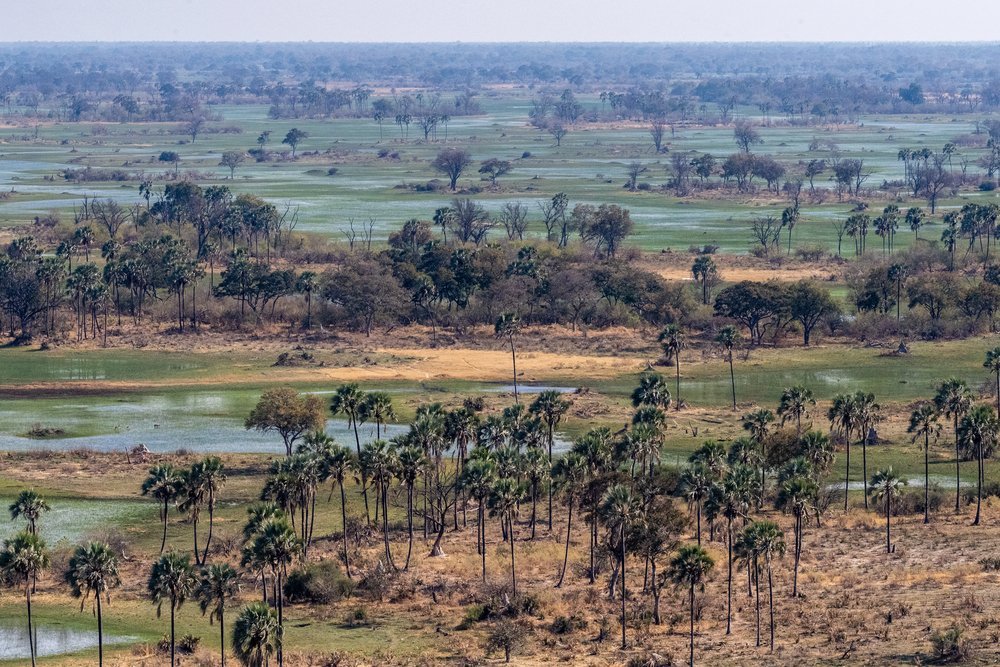
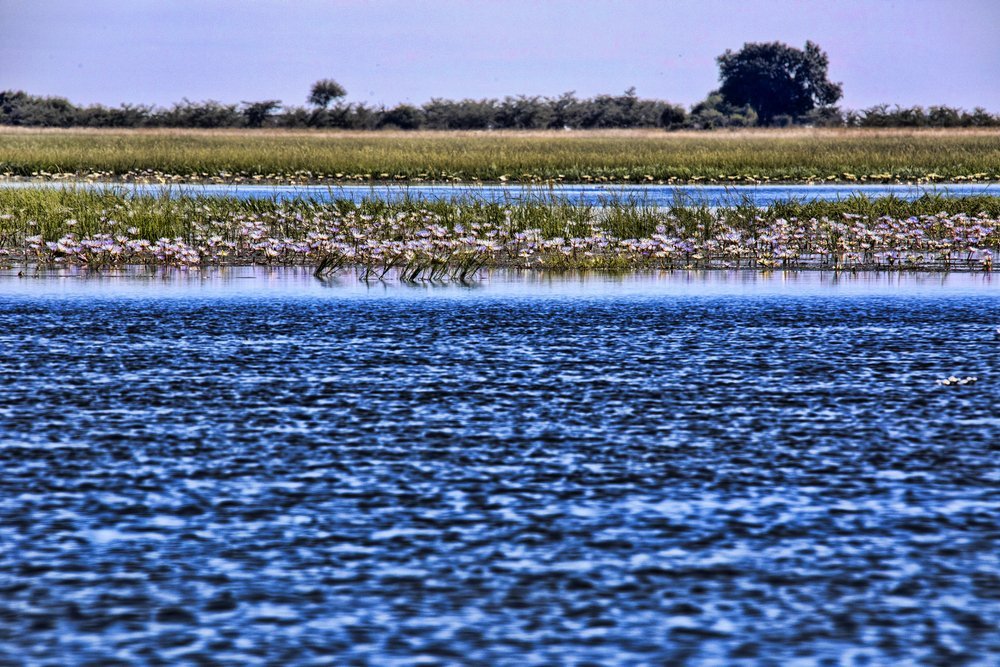
Botswana is located in southern Africa and is landlocked, with the Kalahari Desert covering about 70% of its territory. At the same time, it is one of the wealthiest and most stable countries on the continent, which is why travel to Botswana is very popular. <br><br> Of particular importance is the Okavango Delta—a unique ecosystem listed as a UNESCO World Heritage Site. The climate is subtropical but with pronounced continental characteristics, so there are even occasional frosts here. <br><br> The plateau stretching from Kanbe to Zimbabwe divides the country into two regions—one hilly and greener, and the other desert-like and marshy.
Photos of Botswana
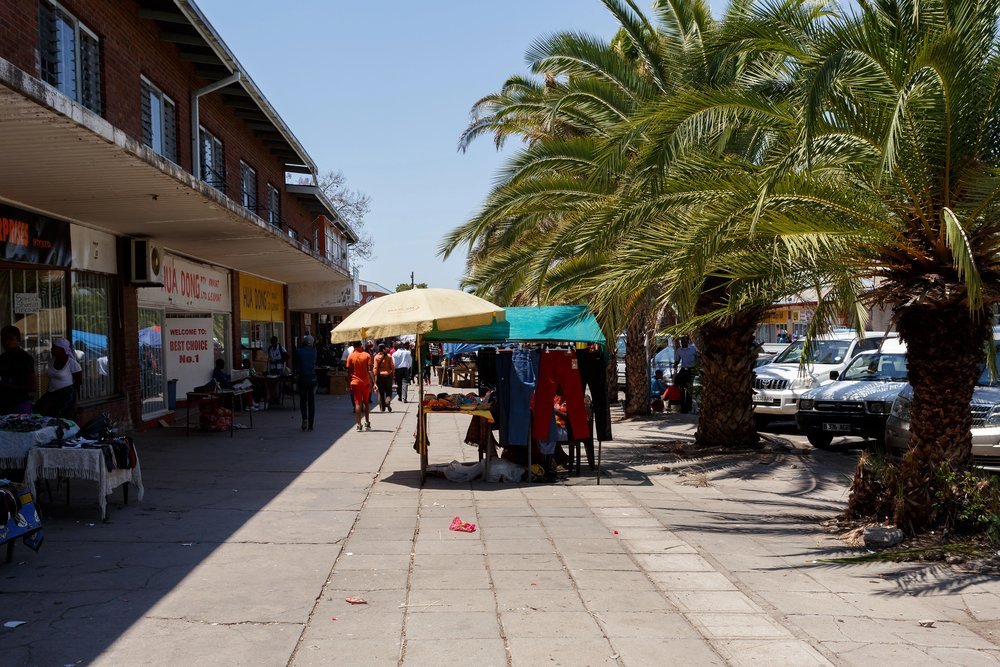
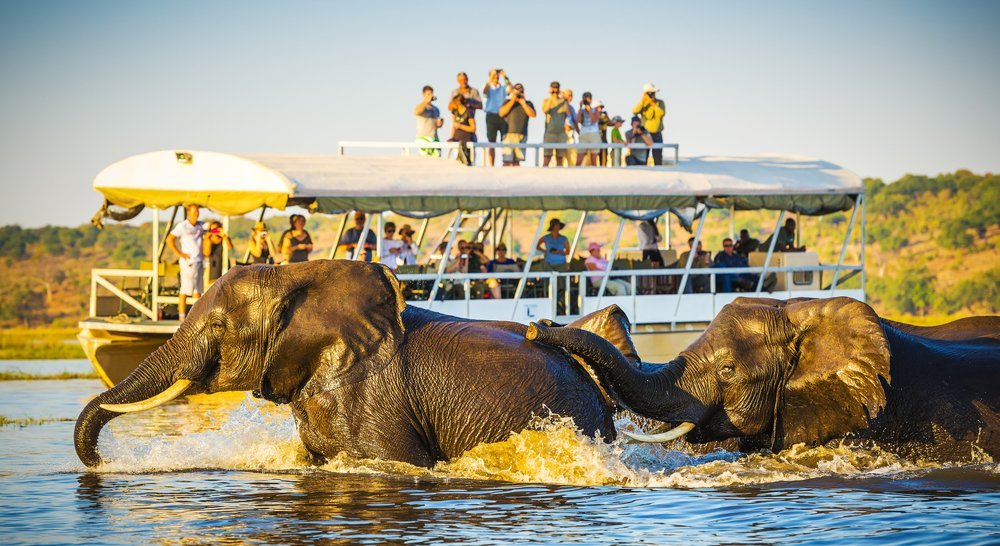
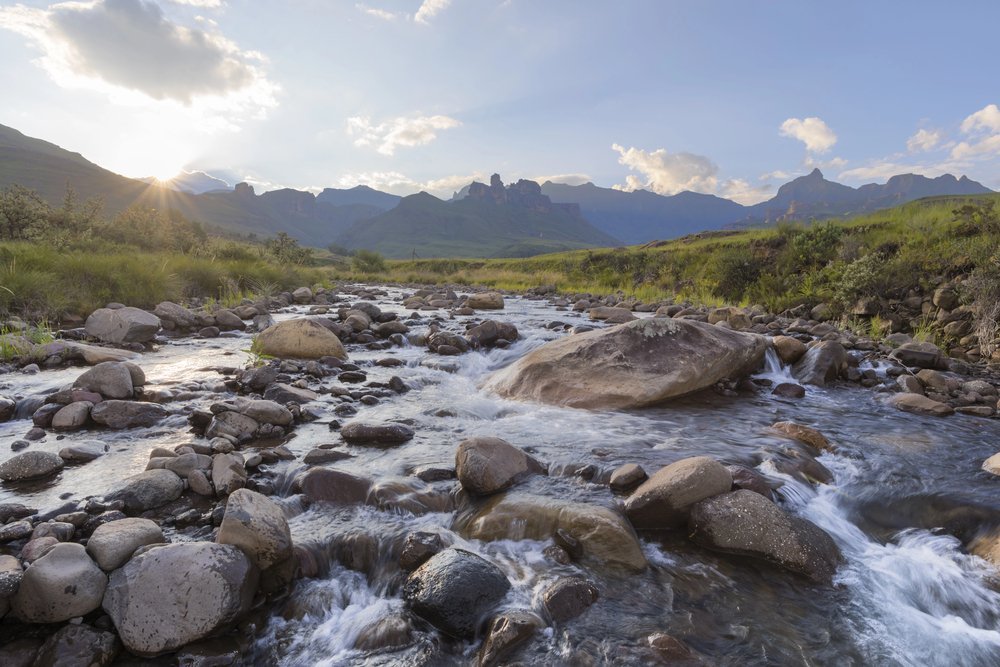
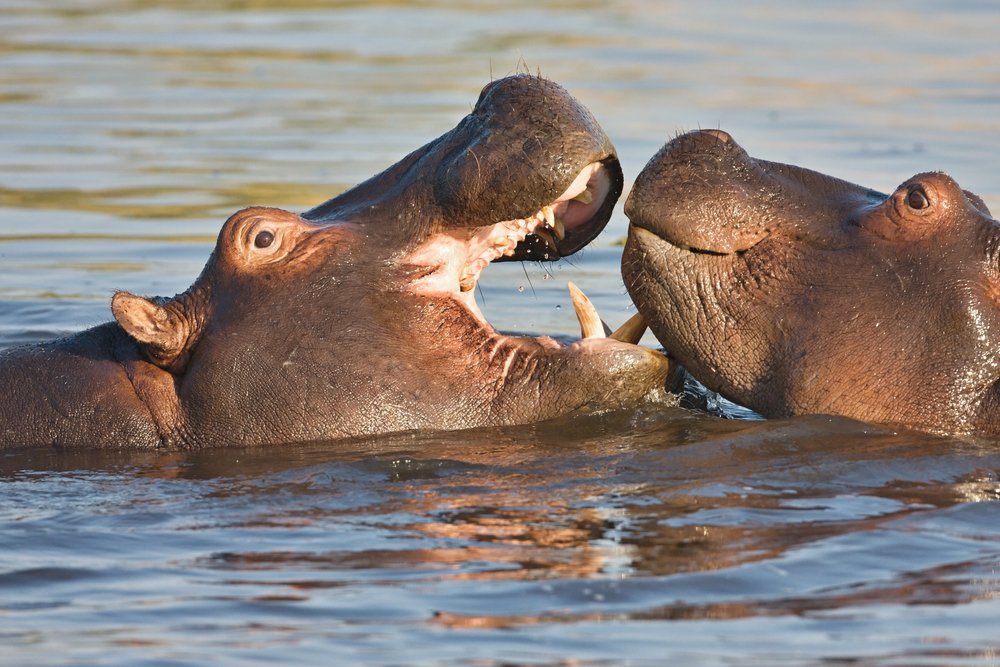

Sights


Tours to Botswana
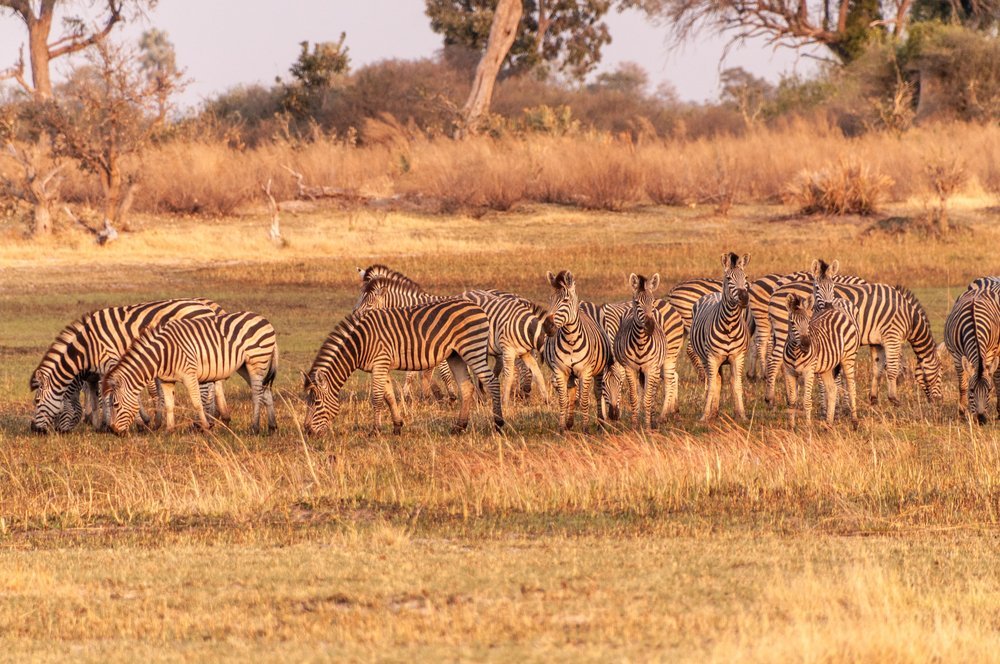
A vacation in Botswana revolves around nature, seclusion, and a high level of service. This destination isn’t about mass tourism, but rather carefully curated trips that offer a deep immersion in the natural environment. The primary format is safaris in national parks and private reserves, where the number of guests is strictly limited. This approach allows you to avoid crowds and ensures closer contact with wildlife.
Because of this format, you need to plan your trip in advance and decide on the locations you’re interested in beforehand to more accurately calculate the cost of a trip to Botswana. Such an experience may not be very cheap, but it will certainly be unforgettable.
Most tourists stay in lodges or camps located directly within the reserves. These range from luxurious eco-lodges with pools and panoramic terraces to simpler but comfortable camps. Often, safaris, transfers, and meals are already included in the accommodation cost.
Safaris in Botswana come in various forms—by car, on foot, and by water. Some require better physical fitness, while others require none at all. For example, in the Okavango Delta, trips on traditional mokoro boats are popular, allowing you to observe animals from the water. In Chobe and Moremi National Parks, classic jeep safaris are more common.
Evenings by the campfire, a night sky free of light pollution, and the sounds of nature become part of the experience. Trips to Botswana are ideal for couples, photographers, nature lovers, and those seeking unique travel experiences.
Where to go to Botswana?
The Central Kalahari Game Reserve is a highlight of African travel guides and the second-largest game reserve in the world. The Kgalagadi Transfrontier Park borders South Africa and encompasses two neighboring national parks in both countries. And the Ghwihaba Caves are a unique natural formation in Africa.
When to go to Botswana

Botswana in the spring

Botswana in the summer

Botswana in the fall

Botswana in winter
Usefulness
Visa to Botswana
Citizens of the EU, and the U.S. do not need a visa for short-term tourist trips to Botswana lasting up to 90 days. There is no entry fee.
Customs & Tax Free
You are permitted to bring personal belongings into Botswana, as well as limited quantities of alcohol and tobacco. It is prohibited to export rough diamonds, hides, ostrich eggs, and other trophies without a permit. There is no tax-free shopping system.
Travel by car
You can rent a car, but for a safari you’ll need a four-wheel-drive vehicle and, in most cases, a guide. Roads outside of cities are often unpaved.
Phrasebook for tourists
English is widely spoken in the tourism industry, which makes communication much easier for travelers. In remote areas, a guide can be helpful.
Public transport and prices
Public transportation in Botswana consists of buses and intercity minivans. They are affordable and inexpensive, and are quite suitable for tourist routes. Public transportation rarely serves the national parks, so visitors typically use shuttle services or rent a car.
Events
Tourists will enjoy Botswana’s Independence Day in late September, which features festivals and concerts. There are also cultural events celebrating the country’s traditions and music, so be sure to check the events calendar. Tourist lodges sometimes organize local celebrations featuring traditional cuisine and dancing.