

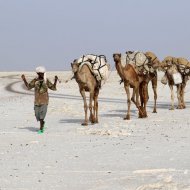
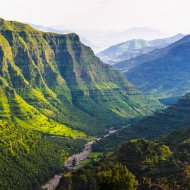
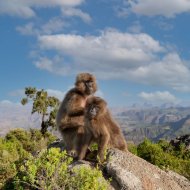
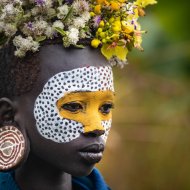
Фотогалерея ‒ Ethiopia

Guide to Ethiopia

Basic Information

Ethiopia, formerly known as Abyssinia, is located in East Africa and has no access to the sea. Its capital, Addis Ababa, can rightly be called the diplomatic and political center of all Africa.

Ethiopia is considered one of the oldest civilizations in the world and the only African country that was practically never colonized. Despite its multi-ethnicity, it has its own Amharic language, its own calendar, and even its own time system. Some paleontological finds in Ethiopia are estimated to be 4 million years old.

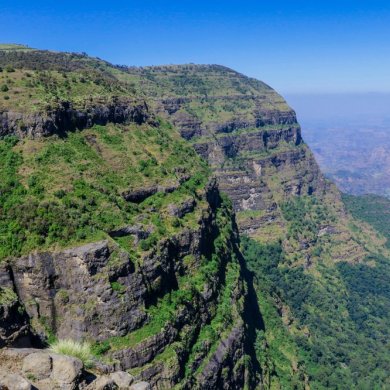
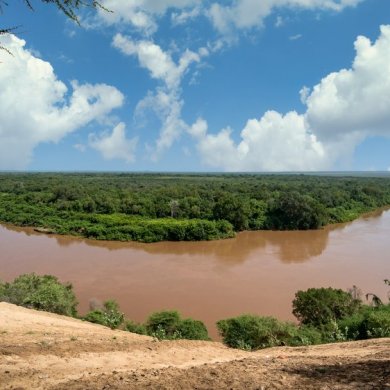
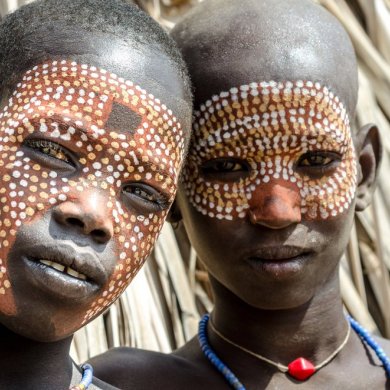
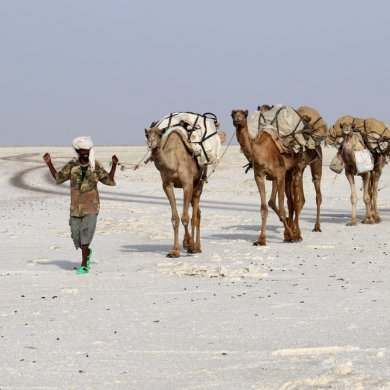
Photos of Ethiopia

Capital
Addis Ababa
Language
Amharic
Currency
Ethiopian birr
Time zone
GMT +3
Population
116 462 712
Territory
1,104,300 km²

Dishes worth trying:

Injera — flatbreads made from the local grain teff, the basis of most dishes.

Doro Wat — а popular spicy dish made from stewed chicken in onion sauce with boiled eggs.

Shiro — а very thick sauce, similar to mashed potatoes. Made from chickpea flour with spices.

Kitfo — marinated or lightly fried ground beef with spiced butter.

Tibs — local roast with onions, peppers, and other ingredients.

Things to do in to Ethiopia

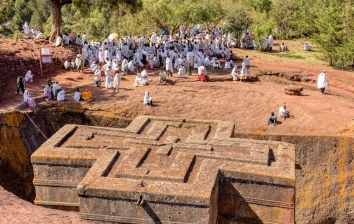
  • See the rock-hewn churches of Lalibela, a unique monument of Christianity.
  • Visit the markets of Addis Ababa and get acquainted with the everyday life of the city.
  • Take part in a traditional coffee ceremony.
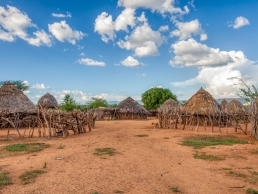
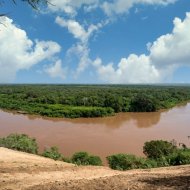
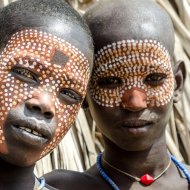
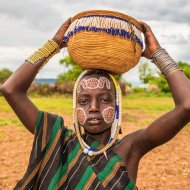
  • Explore the Omo Valley and learn about the culture of the local peoples.
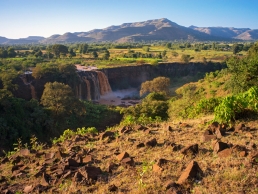
  • See the Blue Nile Falls during the high water season.
  • Try national dishes served on injera.

Tips

Ethiopia demands respectful treatment of its culture and religion. There is a strict dress code in temples and monasteries. This includes covered shoulders, long trousers or skirts, and sometimes headscarves are mandatory. Photographing people and religious objects is only allowed with permission, especially in rural areas.
When planning a trip to Ethiopia on your own, it is important to think through your itinerary and logistics in advance. The distances between cities are significant, and the roads can be very challenging due to the terrain and traffic. Domestic flights save time but require the same amount of planning. Don't overload your itinerary; it's better to leave a few days to spare.
Health and safety are key considerations. It is recommended to drink only bottled water, avoid ice cubes in drinks, and unwashed produce. Medical infrastructure outside major cities is limited, so insurance is essential. In addition, find out about vaccination recommendations.

Sights

Tours to Ethiopia are not just one or two specific points in a guidebook, but a whole mosaic of amazing places. Here you can see monuments that have no analogues in the world and natural landscapes that resemble another planet. Many attractions are associated with early Christianity, ancient kingdoms, and trade routes. Others amaze with the scale of nature and ethnic diversity. A trip to Ethiopia will help you understand why it is called the cradle of civilization.

Tours to Ethiopia

Travel in Ethiopia is primarily focused on educational and cultural experiences, as well as nature-based trips. This destination is ideal for those who appreciate rich itineraries, deep meaning, and rare impressions. Tourism is largely based on organized guided tours through historic regions, with visits to ancient cities, monasteries, and archaeological sites. Religious tourism plays a special role, connected to early Christianity and the country’s Islamic heritage.

Ethiopia does not offer beach holidays in the traditional sense, as the country has no access to the sea. However, Lake Tana, Lake Langano, and Lake Awasa provide a calm atmosphere, boat trips, and excellent birdwatching opportunities. In major cities, visitors are encouraged to explore local cuisine and traditional coffee houses.

Many attractions are best visited as part of a guided group. While this may slightly increase the cost of a trip to Ethiopia, it significantly enhances comfort and safety. Tourist infrastructure is unevenly developed overall: Addis Ababa and popular regions offer hotels of various standards, including international chains, while facilities in remote areas are much more basic.

Where to go to Ethiopia?

Addis Ababa is the starting point for most tourist trips to Ethiopia. Here, it is worth visiting museums, markets, and simply strolling through the streets. The city of Axum is the heart of the former Kingdom of Axum, where, according to legend, Menelik I, son of King Solomon, ruled.

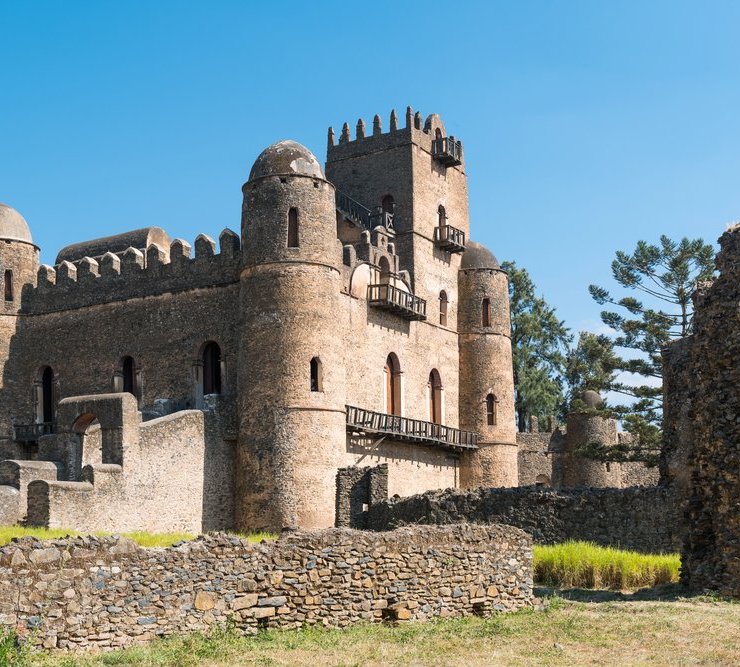
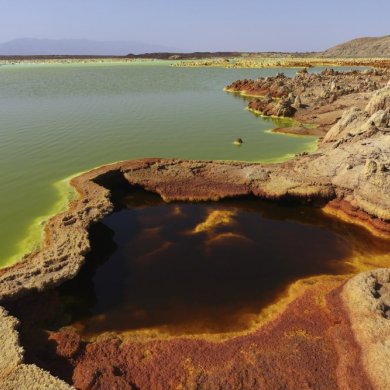
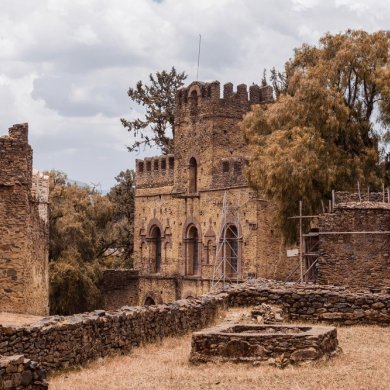
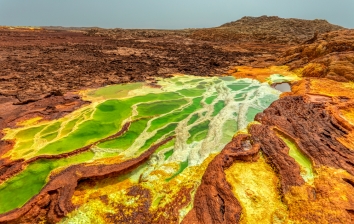
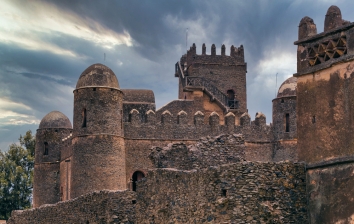
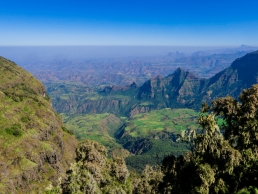
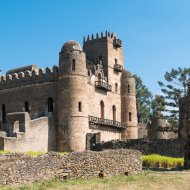
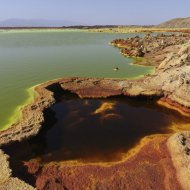
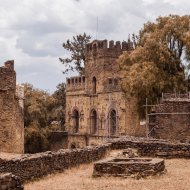
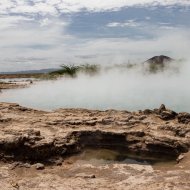
The Fasil Gebbe Fortress is a unique temple complex that combines many architectural styles. Erta Ale is a constantly growing volcano and the most active in Ethiopia. The Dallol volcano is considered one of the most extraordinary places on Earth. Simien National Park is a great way to see different natural areas of Africa in one place.

When to go to Ethiopia

The best time to visit Ethiopia is during the dry season from October to March, when the weather is more stable and comfortable for traveling. Most sightseeing tours and treks take place during this period.

The high tourist season falls during the winter months and major religious holidays. The rainy season lasts from June to September and can complicate travel in some regions due to road conditions. The temperature depends entirely on the location — it is cool in the mountains and very hot in the deserts. Keep in mind that seasonality has a significant impact on the cost of a trip to Ethiopia.

Ethiopia in spring

Spring in Ethiopia is warm and relatively dry, especially in March and April. This is a good time for cultural tours and visiting cities. Nature is still beautiful, and there are fewer tourists than in winter, which makes traveling more peaceful. There are about 5 rainy days in March and up to 10 in May.

Ethiopia in summer

Summer coincides with the rainy season, which is particularly intense in July and August. At this time, it is more difficult to travel to remote regions, but nature looks especially picturesque. Summer is suitable for trips to large cities and for experienced travelers. In August, approximately 15 rainy days bring up to 295 mm of precipitation.

Ethiopia in autumn

Autumn is considered one of the best times to travel. The rains end, the air becomes cleaner, and the landscapes turn a rich green. September and October are ideal for active itineraries and visiting national parks. The closer it gets to winter, the less rain there is.

Ethiopia in winter

Winter is the peak season for tourism. The weather is dry and comfortable, especially in mountainous areas. This is the best time for sightseeing tours and visiting Ethiopia's main attractions, but prices and demand are higher. The temperature in the capital stays around +25 degrees Celsius, and in the east, it can reach +35 degrees Celsius.

Usefulness

The tripmydream service offers several useful tips to make planning your trip to Ethiopia even easier and more enjoyable.

Visa to Ethiopia

Ethiopia issues tourist e-visas online, including for citizens of the United States, EU countries, and the United Kingdom. A standard tourist e-visa costs approximately $50-70, depending on the length of stay.

Customs & Tax Free

Personal belongings may be imported into Ethiopia, but there are restrictions on the amount of tobacco and alcohol. It is prohibited to export cultural heritage items without special permission. The tax-free system for tourists is not well developed here.

Travel by car

Independent travel around Ethiopia by car is not suitable for everyone due to the specific nature of the landscape, distances, and roads. The quality of road surfaces outside major cities leaves much to be desired. Most often, tourists choose to rent a car with a driver or organized transfers.

Phrasebook for tourists

The main language is Amharic, but English is often used in the tourism sector. Outside of cities, English is less common, so a translator app on your phone will be very useful, especially if you are traveling independently.

Public transport and prices

The main forms of public transport are buses, minibuses, and domestic flights between cities. Intercity buses do exist, but they are slow and sometimes almost impossible to use. Ethiopian Airlines flights are the most convenient way to travel long distances within the country.

Events

Timkat is an Orthodox Christian holiday celebrating the baptism of Jesus in January with large-scale ceremonies. Meskel in September is dedicated to the discovery of the Holy Cross and is accompanied by bonfires and other spectacular displays. The Ethiopian New Year, Enkutatas, is celebrated in September with colorful street festivals. Be sure to check the calendar before traveling to Ethiopia!

tripmydream - travel service, that helps to find compare and buy best flights and rooms worldwide with the given budget. All necessary information for travelers - is right here!