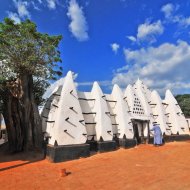
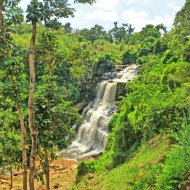
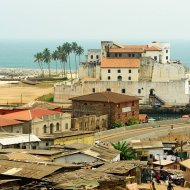
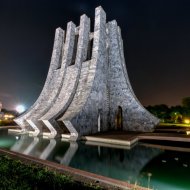


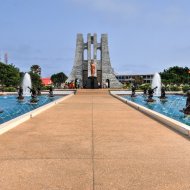
Фотогалерея ‒ Ghana

Guide to Ghana

Basic Information

Ghana is located on the coast of the Gulf of Guinea and is considered one of the most politically stable countries in the region. The state is actively developing, investing in infrastructure and tourism, which greatly simplifies travel. The country has a well-developed road network between major cities and domestic flights.

Ghana is known for its role in the history of transatlantic trade and the struggle for independence in Africa. Today, it is a country with a stable economy, growing cities, and a focus on preserving cultural heritage and natural areas.

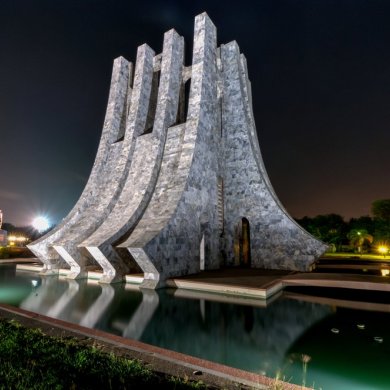
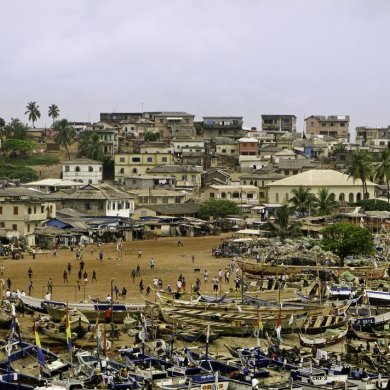
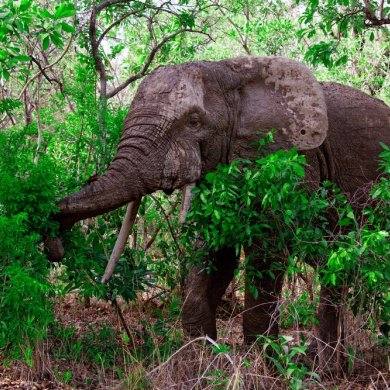
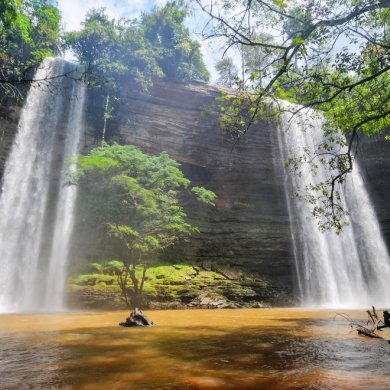
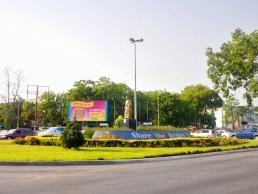
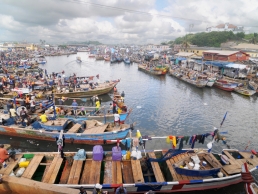
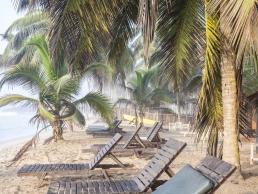
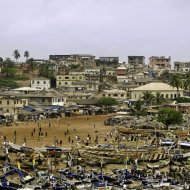
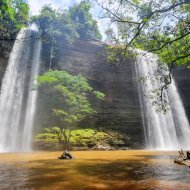
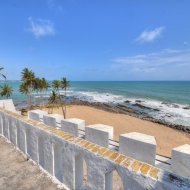
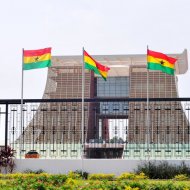
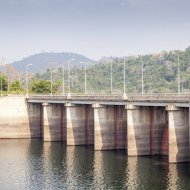
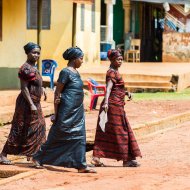
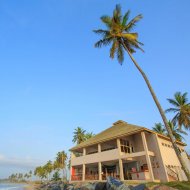
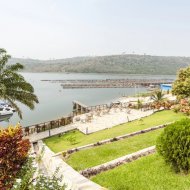
Photos of Ghana

Capital
Accra
Language
English
Currency
Ghanaian cedi
Time zone
GMT 0
Population
35 064 272
Territory
238,533 km²

Dishes worth trying:

Jollof rice — spicy rice with tomatoes and spices, one of the region's most famous dishes.

Fufu — thick puree made from cassava, yams, or other root vegetables, served with rich soups.

Banku — fermented dough made from corn and cassava, a traditional side dish.

Waakye — rice with beans, often served with meat, eggs, and sauces.

Red Red — bean stew fried with tomatoes in red palm oil.

Things to do in to Ghana

  • Take a stroll through the historic James Town district in Accra.
  • Visit villages where the traditions of kente cloth production are preserved.
  • Try street food and local sauces.
  • Visit the spice and craft markets.
  • Learn about the history of the transatlantic slave trade.
  • Listen to live African music in local clubs.

Tips

Before traveling to Ghana, you need to get vaccinated against yellow fever, as your certificate may be checked upon entry. We recommend drinking only bottled water, carrying a first aid kit, and taking out basic medical insurance.
Cash is still widely used, especially in markets and small towns. ATMs are available in the capital and tourist centers, but they may be unreliable. Plan your expenses in advance and do not rely solely on cashless payments.
When traveling to Ghana, choose clothing that is appropriate for the climate and local traditions. In everyday life, a neat, modest style is welcome, especially away from the beaches. Showing respect for the local culture makes it easier to connect with the locals.

Sights

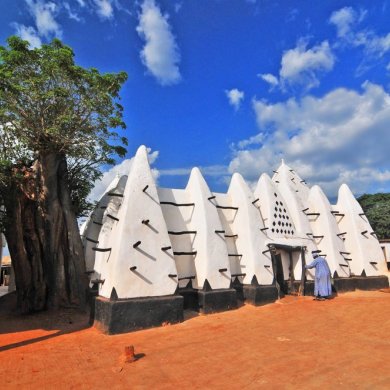
Ghana's attractions reflect the country's complex and important history, linked to its colonial past, trade routes, and struggle for freedom. Here you will find preserved coastal forts, traditional settlements, and nature parks. Many sites are of international significance and are protected by UNESCO.

Traveling through Ghana helps you gain a deeper understanding not only of the country, but of the entire West African region.

Tours to Ghana

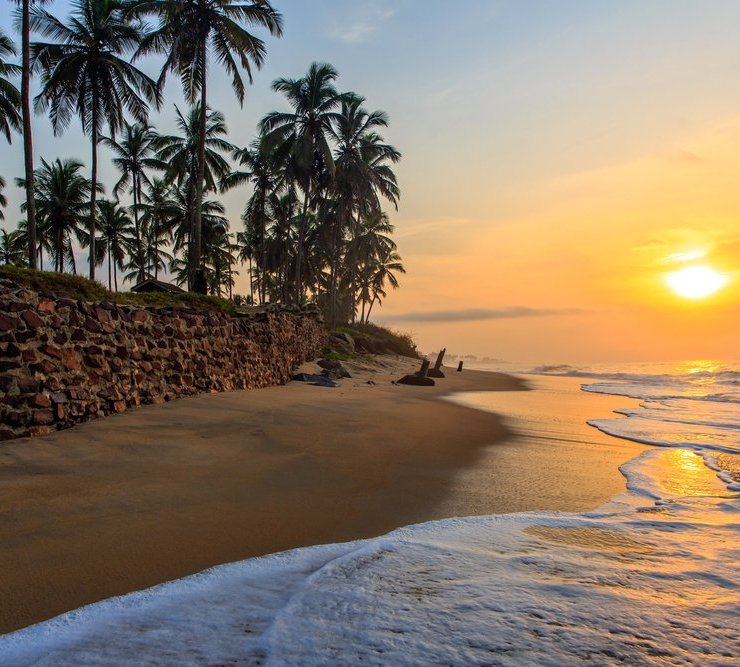
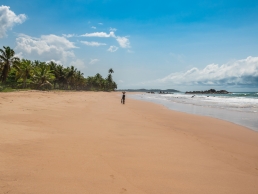
Holidays in Ghana are diverse and suitable for travelers with different interests. The Atlantic coast offers long sandy beaches where you can simply bask in the sun or go surfing. The resorts are not yet overcrowded, the atmosphere is calm, and the cost of a trip to Ghana is lower than popular destinations in East Africa.

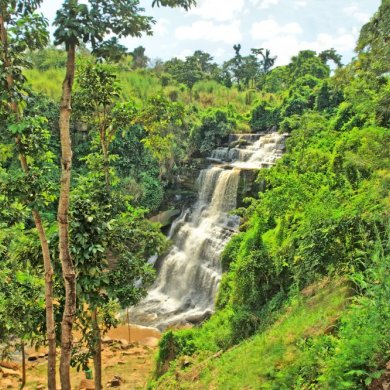
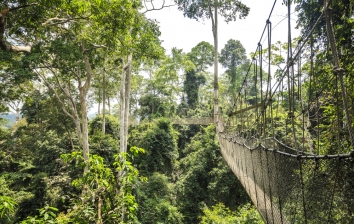
Nature lovers will enjoy trips to national parks and rainforests. City breaks are concentrated in Accra and Kumasi. Accra offers museums, markets, contemporary art galleries, and restaurants serving local cuisine, as well as an active nightlife. Kumasi is considered the cultural center of the Ashanti people and is interesting for its traditional crafts and palaces. For comfort and safety, choose organized tours to Ghana with licensed guides.

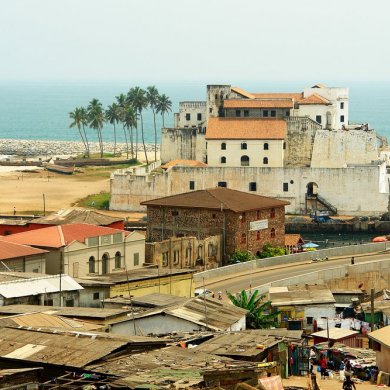
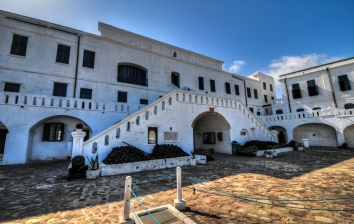
History buffs should check out the forts and castles on the coast. These places give you a deep understanding of the region's history and offer well-organized tours. You can get to know the local communities in rural areas.

If you wish, you can confidently plan your trip to Ghana on your own, booking individual excursions on site. Distances within the country are relatively short, and domestic flights and buses simplify logistics. Ghana is friendly and easy to understand for tourists visiting Africa for the first time.

Where to go to Ghana?

Accra is the starting point for almost any trip. Visit museums, markets, and the waterfront. For a relaxing vacation, check out the coastal towns of Elmina and Busua, which have fewer tourists and a pleasant atmosphere.

Tamale is a city with a rapidly developing tourist infrastructure, so it is becoming more comfortable every year. Obuaasi is the country's gold mine with one of the largest gold mines. Tesi is a curiosity in the Ghana travel guide. This small town is famous for its creative coffins.

When to go to Ghana

The best time to travel to Ghana independently or with a tour is during the dry season from November to March. Humidity is lower, making it much more comfortable to travel and explore the sights.

From April to June and from September to October, there are rains that can make travel difficult. The high tourist season is in winter and early spring. This is the most comfortable time for both the beach and excursions. But keep in mind that seasonality affects how much a trip to Ghana costs.

Ghana in spring

In spring, Ghana gradually becomes hotter and rainfall increases, especially in the south. However, there are still enough dry days for excursions and trips. The beaches are still nice, and there are fewer tourists than in winter.

Ghana in summer

Summer is the main rainy season in Ghana, with rainfall reaching up to 250 mm. The temperature is around +30, but the humidity makes it feel hotter. There is less rain in the north than in the south. Nature blossoms with double enthusiasm, but traveling on dirt roads becomes very difficult.

Ghana in autumn

In autumn, rainfall decreases and the weather becomes more predictable. Humidity is still high, but days are drier compared to the peak monsoon season. This is a time of green nature and picturesque views, especially in the central regions.

Ghana in winter

Winter in Ghana is dry and quite pleasant, with average temperatures ranging from 24 to 29 degrees Celsius. Nights are cooler, rainfall is minimal, and it is a wonderful season for beaches and safaris. The water temperature in the coastal waters of the Atlantic stays around 27 degrees Celsius—perfect for swimming and snorkeling.

Usefulness

The tripmydream service offers tourists a short guide with useful tips on Ghana. Here you will find recommendations that will make your trip even more comfortable and exciting.

Visa to Ghana

All foreigners need a visa to visit Ghana. It must be obtained in advance through a consulate or embassy, following the standard procedure. The cost of a tourist visa is usually around USD 50-100, depending on the type and urgency.

Customs & Tax Free

The import and export of cash in excess of the established limits must be declared. The export of antiques and cultural heritage items without permission is prohibited. The Tax Free system for tourists is not officially developed.

Travel by car

Traveling by car in Ghana is possible, but requires experience and caution. The main roads between major cities are in good condition, but roads in rural areas can be challenging. Car rental costs an average of 300 to 450 GHS per day, depending on the make of the car.

Phrasebook for tourists

Although English is the official language, many local languages and dialects are spoken in the country. Nine of them have "government support" status. However, standard English is sufficient for traveling in tourist regions.

Public transport and prices

The main public transport in Ghana is buses and local minibuses. It is inexpensive, but not always comfortable or punctual. Keep in mind that route schedules are very approximate. The situation is better with intercity buses. Taxis are available in large cities.

Events

The most interesting events in Ghana are the Homowo Festival in Accra, the Ashanti celebrations in Kumasi, Independence Day in March, and traditional harvest festivals in different regions of the country. So check the events calendar before you travel.

tripmydream - travel service, that helps to find compare and buy best flights and rooms worldwide with the given budget. All necessary information for travelers - is right here!