
Фотогалерея ‒ Guyana

Guide to Guyana

Basic Information

Guyana is located in the northeast of South America, between Venezuela and Suriname, with access to the Atlantic Ocean. Before the arrival of Europeans in the late 15th century, the territory was inhabited by the Arawak people. The country gained independence in 1966.

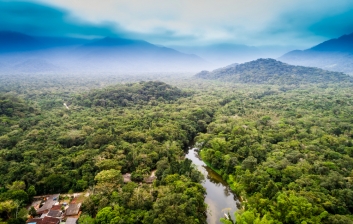
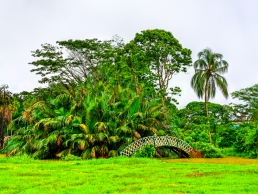
Most of the country is covered by tropical forests, which, on the one hand, makes travel difficult, but on the other, makes tourist trips to Guyana truly unforgettable. For the same reason, the population density here is exceptionally low. Away from the coast, infrastructure is average. Electricity and internet in lodges may be available on a limited schedule.

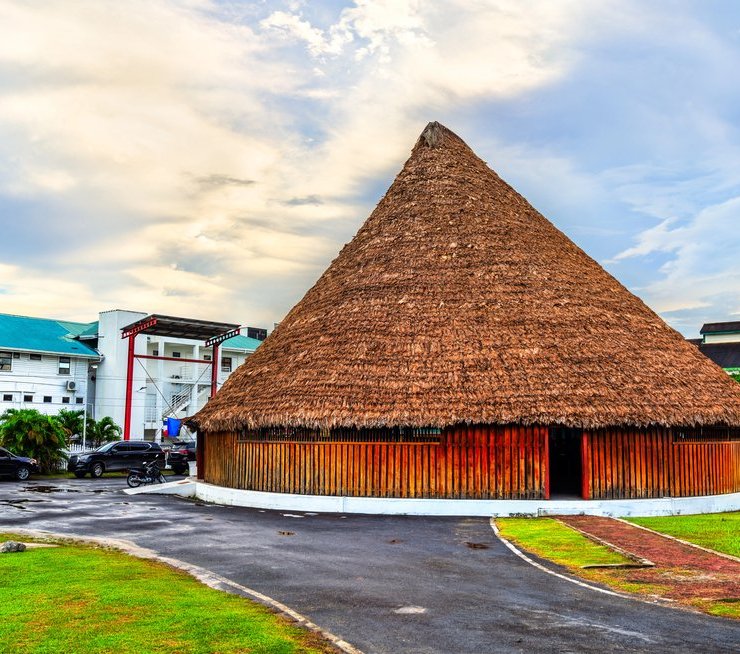
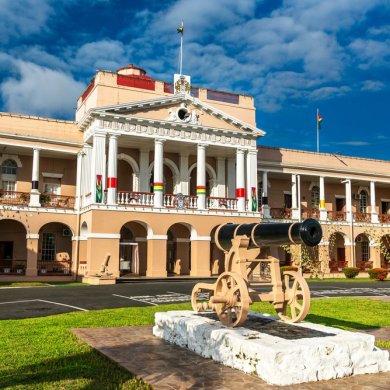
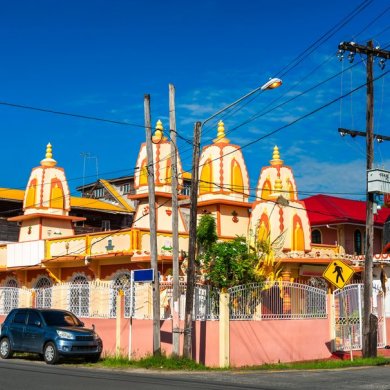
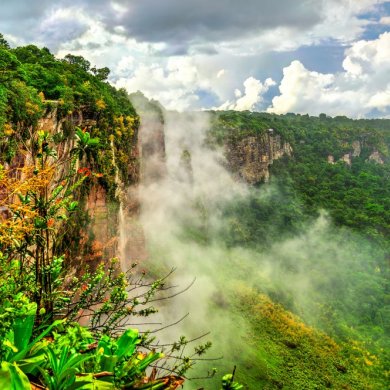
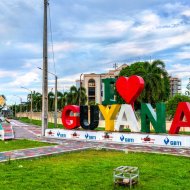
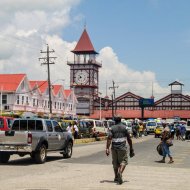
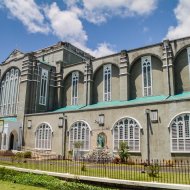
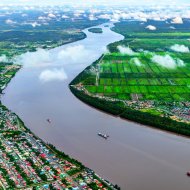
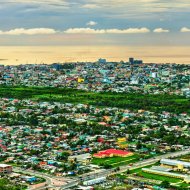
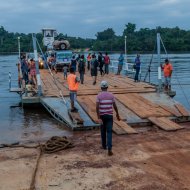
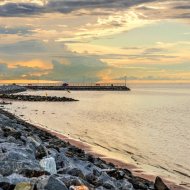
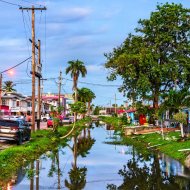
Photos of Guyana

Capital
Georgetown
Language
English
Currency
Guyanese dollar
Time zone
GMT -4
Population
836 000
Territory
214,970 km²

Dishes worth trying:

Pepperpot — a hearty meat stew that is simmered for a long time with spices and served with bread or rice.

Cook-up rice — rice cooked in the same pot as beans, meat, or fish.

Metemgee — a rich coconut milk stew with root vegetables and dumplings.

Chicken Curry — a traditional Indian curry, served with roti flatbread.

Cassava bread — a thin cassava flatbread.

Things to do in to Guyana

  • Learn about the traditional hunting and fishing practices of indigenous peoples.
  • Watch giant river otters.
  • Catch piranhas in the Essequibo River.
  • Explore the mangrove-lined shores of the Atlantic during low tide.
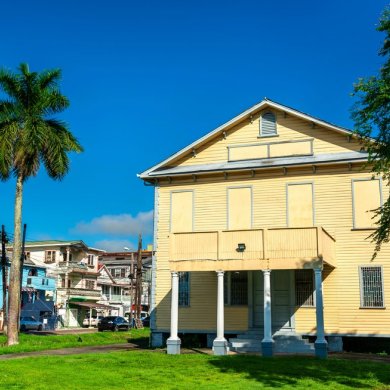
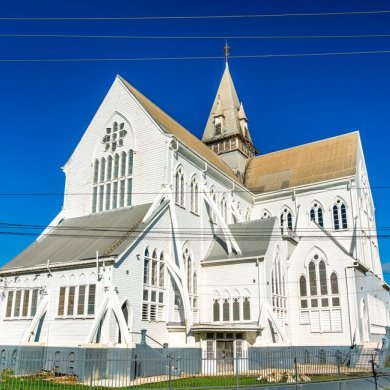
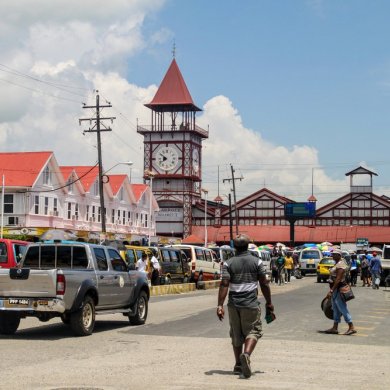
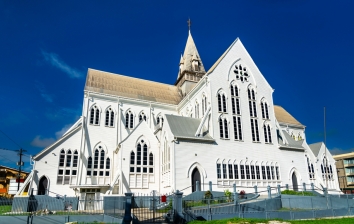
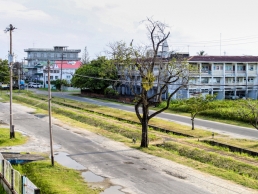
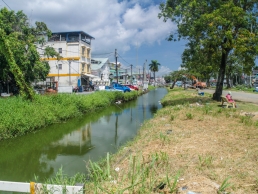
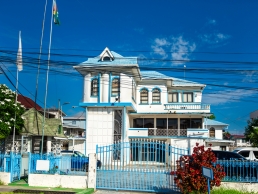
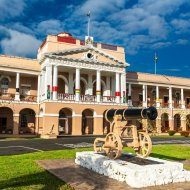
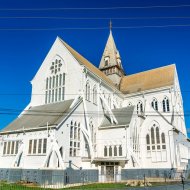
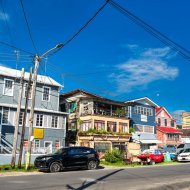
  • Explore Georgetown's colonial architecture and its wooden houses.
  • Join a nighttime river tour and listen to the sounds of nature.

Tips

The jungle and savannahs demand discipline. If you’re planning a trip to Guyana on your own, book domestic flights and lodges in advance, and avoid tight connections. In remote areas, schedules are subject to change due to weather and water levels, so be sure to leave at least one day’s buffer before your international departure.
In cities, credit cards may be accepted, but in rural areas, almost everything is paid for in cash, including entrance fees and fuel. Divide your money into two parts and keep small bills on hand for payments so you don’t reveal your entire supply. Withdraw cash in Georgetown, use a reputable taxi service, and avoid walking around with your phone in plain sight in the evenings.
Guyana is located in the tropics, so be sure to plan ahead for insect protection and vaccinations. Bring insect repellent with a high concentration of active ingredients, lightweight, long-sleeved clothing, and antiseptic for minor cuts. During the rainy season, there are more mosquitoes, and some trails become slippery, so shoes with grippy soles are a must.

Sights

The main advantage of traveling to Guyana is the chance to see pristine jungles without the crowds of tourists. Since it’s not yet the region’s most popular destination, it’s worth taking advantage of this opportunity.

Plan your itinerary in advance with a guidebook, taking into account distances and specific logistics. Keep in mind that some sites can only be visited with a guide, and entrance fees must be paid in cash on site.

Tours to Guyana

A trip to Guyana is more of an expedition than a beach vacation. The main reason people come here is to experience the vast, awe-inspiring natural landscape. Think rainforests, wide rivers, savannas, birds, and the jungle’s nightlife. The trip is structured around lodges and short tours. For example, you stay 2–4 nights in one place, go out at dawn to watch animals, spend the day hiking trails or floating down the river, and return in the evening for dinner and relaxation by the fire.

The most popular activities are water and trail safaris, birdwatching, nature photography, fishing, and kayaking. Locations vary depending on the season. In some places, visibility is better and it’s easier to get around, while in others, the rivers are fuller and the routes are more scenic.

If you want more excitement, opt for frequent travel—boats, small planes, river crossings, and overnight stays in different locations. If you prefer a more comfortable vacation in Guyana, it’s better to limit your travel and choose a single area with good infrastructure.

Local communities are responsible for the cultural aspect. In some villages, you can stay in guesthouses, see local crafts, try home-cooked food, and learn how life is organized away from the coast. Here, they value respect for the rules—where you can take photos, how to dress, and when it’s appropriate to enter someone’s property. In return, you get an authentic, rather than staged, experience.

Beach vacations in Guyana aren’t ideal—strong tides and murky water near river mouths. Also, keep in mind that cell service in remote areas is unreliable. It’s best to always carry a power bank and a flashlight.

Where to go to Guyana?

If you want to experience different sides of Guyana, split your itinerary between the coast and the interior. For a city break, New Amsterdam is a great choice—it offers a relaxed pace, historic neighborhoods, and riverfront promenades.

For nature without complicated logistics, people often head to Bartica—a small town at the confluence of rivers, where boat trips and excursions to small waterfalls begin. In the south, via Lethem, the journey to the Rupununi savannas begins—this means sunrises, herds of animals, birdwatching, and overnight stays at ranches. Ocean lovers will enjoy Shell Beach on the Atlantic, where people come to see sea turtles during nesting season.

When to go to Guyana

It is hot in Guyana almost all year round, and the difference between the seasons has more to do with rainfall than with temperature. On the coast, there are two rainy seasons. The long one usually lasts from April to August, and the short one from December to early February.

The best months for active tours in Guyana are February–April and September–October, when there is less rainfall and it is easier to travel on dirt roads and hike on trails. This period is often considered the high season. Demand for lodges and domestic flights is higher, so the cost of a trip to Guyana also increases.

Guyana in spring

Rainfall increases in Guyana in the spring. Temperatures remain stable—around 30°C during the day and 24°C at night. Precipitation increases significantly—up to 200–300 mm per month. Showers are often brief but intense. Rivers swell, waterfalls appear more powerful, but roads can become washed out.

Guyana in summer

Summers in Guyana are drier than springs. Temperatures are slightly lower—around 27°C during the day—and rainfall drops to a more manageable 100–150 mm. As a result, humidity remains high but is more bearable. This is an ideal time for ecotours and wildlife viewing.

Guyana in fall

Most of the fall is dry and pleasant, but the second rainy season returns in the latter half. Precipitation rises sharply again, reaching 250–350 mm per month, but temperatures remain steady. The water along the coast stays warm.

Guyana in winter

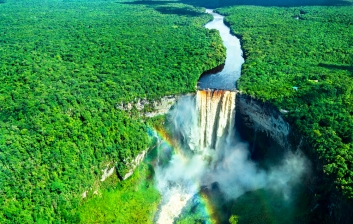
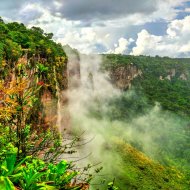
Most of the winter in Guyana coincides with the dry season. Daytime temperatures range from 28°C to 30°C, and nighttime temperatures are around 23°C. Precipitation is relatively low—up to 70–100 mm per month. The water temperature along the Atlantic coast is 27 degrees. This is one of the best seasons for trips to the jungle and to Kaieteur Falls.

Usefulness

To plan your trip, take into account all the logistical details, and get a more accurate estimate of how much a trip to Guyana will cost, use this collection of important and useful facts.

Visa to Guyana

Citizens of the United States and most EU countries can enter Guyana without a visa. However, it is advisable to have a return ticket and hotel reservation confirmation.

Customs & Tax Free

There are restrictions on the import of alcohol and tobacco. Cash amounts exceeding $10,000 or the equivalent must be declared at the border. The tax-free system for tourists is not well developed.

Travel by car

Renting a car is a great option for exploring the coast and traveling between cities. But keep in mind that during the rainy season, dirt roads in inland areas can become muddy, making four-wheel drive almost essential. Traffic drives on the left, and the roads are poorly lit at night.

Phrasebook for tourists

The official language of Guyana is English, and it is widely spoken in tourist areas. Guyanese Creole is commonly heard, and indigenous languages are spoken in local communities. Speak more slowly, double-check amounts and dates, and write down important addresses on a piece of paper just in case.

Public transport and prices

Minibuses and buses run through cities and along the coast. They are inexpensive and stop frequently, but they do not follow a strict schedule. In cities, it is easier to get around by taxi, but be sure to agree on the fare in advance. For longer trips, there are domestic flights and river transport, and packaged tours usually include transfers.

Events

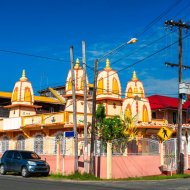
Guyana is home to many vibrant and colorful street festivals. For example, there’s the main Mashramani Carnival, the Holi Festival of Colors, and the Diwali Festival of Lights. So be sure to check the events calendar before your trip.

tripmydream - travel service, that helps to find compare and buy best flights and rooms worldwide with the given budget. All necessary information for travelers - is right here!