Фотогалерея ‒ Lebanon

Guide to Lebanon

Basic Information

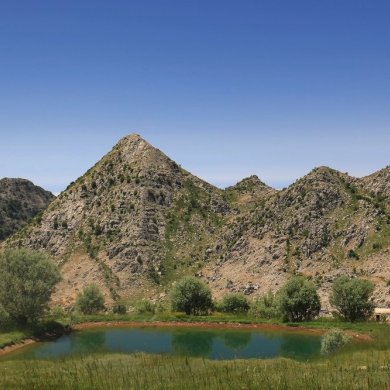
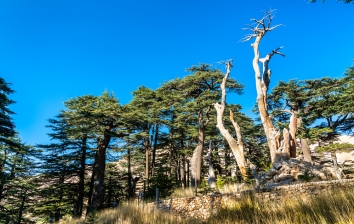
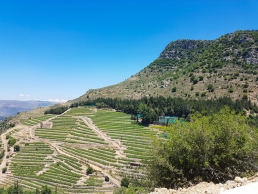
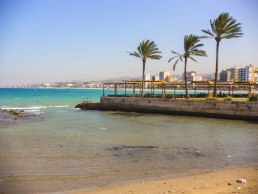
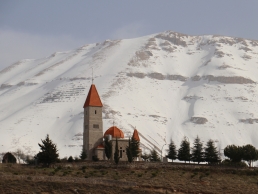
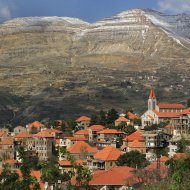
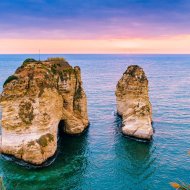
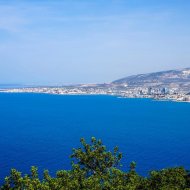
Lebanon is located on the eastern coast of the Mediterranean Sea and is distinguished by a natural diversity that is rare for the region. It is the only Arab country without a desert. Here, beaches, ski resorts, and fertile valleys coexist.

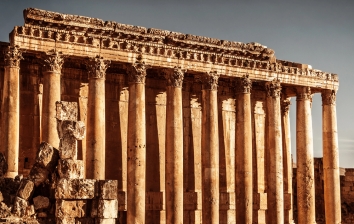
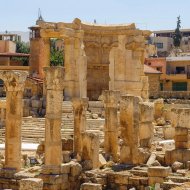
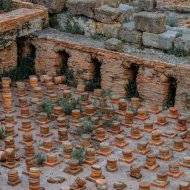
The country has an ancient history linked to the Phoenician, Roman, and Ottoman eras, which is reflected in its numerous archaeological sites. Modern Lebanon is a blend of tradition and European influence, particularly evident in its architecture, cuisine, and urban culture.

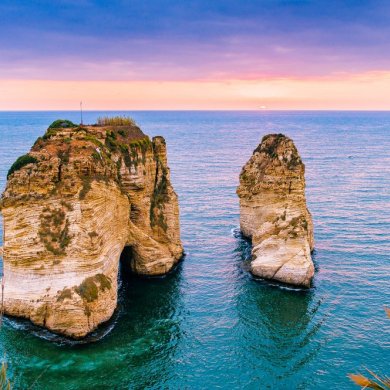
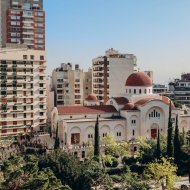
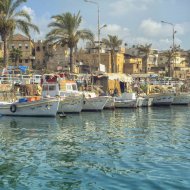
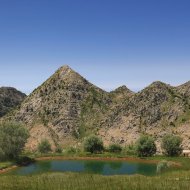
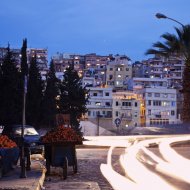
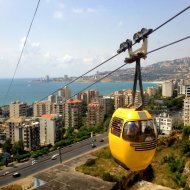
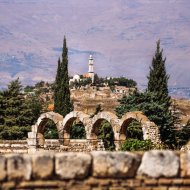
Photos of Lebanon

Capital
Beirut
Language
Arabic
Currency
Lebanese pound
Time zone
GMT +2, GMT +3 in summer
Population
5 849 421
Territory
10,452 km²

Dishes worth trying:

Meze — a selection of cold and hot appetizers that showcase the diversity of Lebanese cuisine.

Tabbouleh — a salad made with bulgur, fresh herbs, tomatoes, and lemon juice.

Kibbeh — a dish made with meat and bulgur in various forms.

Manushi — flatbreads topped with za'atar spices or cheese, a popular breakfast choice.

Knafeh — a dessert made with kadayif, goat cheese, and sweet syrup.

Things to do in to Lebanon

  • Explore the ruins of the majestic Anjar Palace Complex.
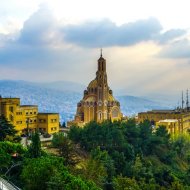
  • Take a walk to the statue of the Virgin Mary in Junia, which can be seen from anywhere in the city.
  • Explore the artifacts at the National Museum of Beirut, one of the richest collections in the Middle East.
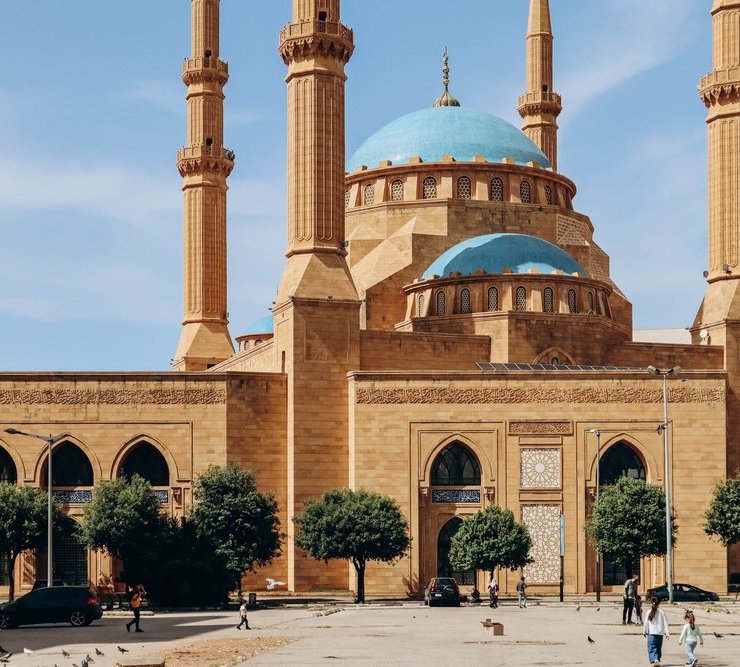
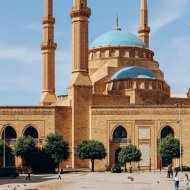
  • Appreciate the architecture of the Muhammad al-Amin Mosque.
  • Try traditional meze at family-run restaurants.
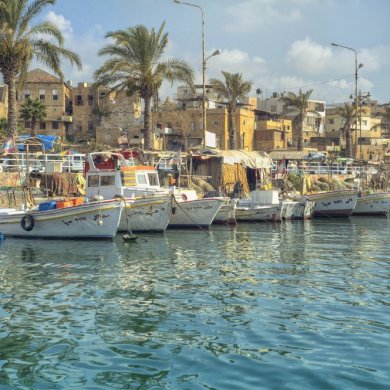
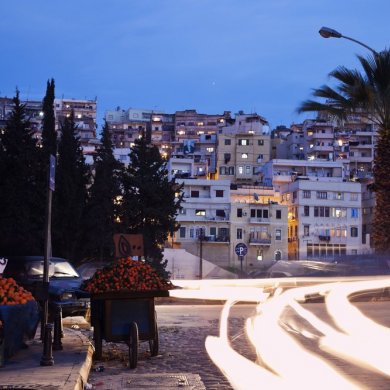
  • Explore the old neighborhoods of Tripoli.

Tips

When planning an independent trip to Lebanon, it is important to stay informed about the current situation and follow the recommendations of the Ministry of Foreign Affairs, as conditions in the region can change. Choose safe areas, official guides, and licensed hotels. In major cities, it is advisable to avoid political demonstrations and large crowds.
When choosing what to wear, strike a balance between casual style and respect for local traditions. European-style clothing is acceptable in coastal areas and Beirut, but when visiting religious sites, it is best to cover your shoulders and knees.
When traveling in Lebanon, be sure to carry cash with you, as credit cards are not accepted everywhere outside the capital. Exchange currency only at official exchange offices. Check the cost of all services in advance, especially when taking taxis.

Sights

A guide to Lebanon will surprise you with the number of historical and natural sites packed into such a small area. Traces of ancient civilizations have been preserved here, and many attractions are located close to one another, making it easy to plan your itinerary.

Traveling to Lebanon reveals ancient cities, medieval fortresses, and picturesque natural landscapes. It’s a true journey through time!

Tours to Lebanon

A vacation in Lebanon is ideal for travelers who want to combine culture, cuisine, and nature into a single, action-packed trip. The country is compact, so travel time between destinations is minimal, yet you’ll have plenty of experiences packed into a short stay.

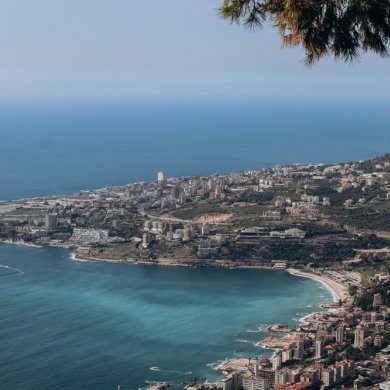
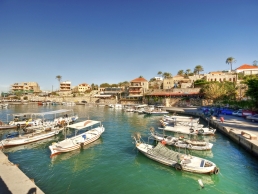
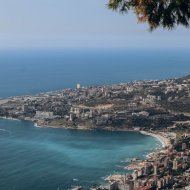
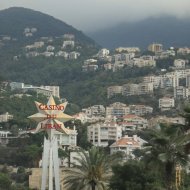
The Mediterranean coast offers a comfortable beach vacation with well-developed infrastructure, private beach clubs, waterfront restaurants, and hotels of various categories—from boutique-style to international chains. The resort areas of Jounieh and Batoun are particularly popular, known for their promenades and nightlife.

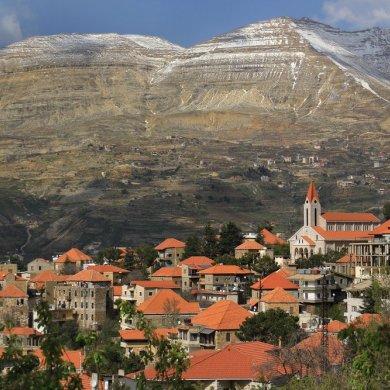
During the summer season, water activities are in high demand—yacht cruises, snorkeling, diving, and water sports. Lebanon’s mountainous regions are appealing because even during the hottest months, they maintain comfortable temperatures and fresh air, making them a popular destination for day trips and ecotourism. In winter, ski resorts such as Faraya and Mzaar are open. All of this combined makes tours to Lebanon unique.

Gastronomic tourism holds a special place. Here you’ll find everything from simple family-run taverns serving home-cooked meals to fine-dining establishments. And in the Bekaa Valley, winemaking thrives, offering tastings and tours.

History buffs should definitely take a stroll through ancient cities, museums, and religious monuments from various eras. Rounding out the picture are spa hotels, wine routes, and hiking trails in the mountains. A vacation in Lebanon is prized for its diversity, the richness of its experiences, and the chance to see all the best sights at once.

Where to go to Lebanon?

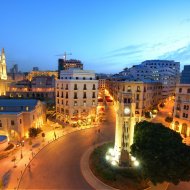
Beirut is the starting point for any trip to Lebanon. Explore its museums, the Corniche promenade, and its cultural districts. The Jeita Grotto is an incredible natural attraction. A music festival is held here every year. Fort Mseilia is a medieval fortress overlooking the river.

The Sidon Fortress on the Mediterranean coast once protected the city of the same name. The Mont-Pelerin Fortress in Tripoli served the Crusaders. The Musa Castle and Museum will appeal to fans of romantic stories. And these are far from all the places you can visit in Lebanon.

When to go to Lebanon

The best time to visit Lebanon is in the spring and fall, when temperatures are comfortable for sightseeing and walking. From April through June, the countryside is particularly lush, and the sea gradually warms up. Summer is ideal for beach vacations, but it can get hot in the cities.

Winter is appealing to ski resort enthusiasts, while the coastal regions maintain a mild climate. The peak tourist season falls during the summer months and major holiday periods. During this time, the cost of a trip to Lebanon is higher.

Lebanon in the spring

Spring in Lebanon is one of the most pleasant seasons. The average temperature gradually rises from 18°C in March to 25°C in May. Precipitation drops sharply and usually does not exceed 40–60 mm per month. Nature bursts into bloom, especially in the valleys and mountainous regions. Spring is ideal for excursions and outdoor activities.

Lebanon in the summer

Summer in Lebanon is characterized by dry and hot weather. The average daytime temperature along the coast is 30°C, but it is noticeably cooler in the mountains. Precipitation is minimal and often does not exceed 5–10 mm per month. The sea temperature reaches 28°C. This is the peak season for beach vacations and nightlife.

Lebanon in the fall

Autumn in Lebanon is considered a mild transitional period. Temperatures gradually drop to around 20°C in November. Precipitation increases, but the sea remains warm—around 25°C. Autumn is ideal for leisurely travel without the summer heat.

Lebanon in winter

Winters in Lebanon are mild along the coast and cold in the mountains. The average temperature in Beirut is around 14°C, while frost and snow are possible in the mountainous regions. Winter brings the most precipitation, especially on the western slopes of the mountain ranges. The water temperature in the Mediterranean Sea stays around 18°C. This period is ideal for city trips and ski vacations.

Usefulness

The tripmydream service has put together a selection of helpful tips for traveling to Lebanon. These tips will help you navigate the key logistical details and get a more accurate estimate of how much a trip to Lebanon will cost.

Visa to Lebanon

Citizens of the United States, and EU countries can obtain a visa upon arrival at Beirut Airport for a stay of up to 30 days. The visa is free of charge. Your passport must not contain any Israeli stamps. Be sure to check the current requirements before traveling, as they are subject to change.

Customs & Tax Free

In Lebanon, travelers are permitted to bring in personal belongings and limited quantities of alcohol and tobacco duty-free. It is prohibited to import weapons and drones without a permit. There is no official tax-free system for tourists.

Travel by car

You can rent a car in major cities and at the airport. An international driver’s license is required. Keep in mind that traffic in Lebanon is heavy and can be quite chaotic.

Phrasebook for tourists

In tourist areas, many people understand English and French. You won’t have any trouble in hotels and restaurants. Outside major cities, it’s helpful to know a few basic Arabic phrases. And if you’re traveling to remote areas, download an offline translator.

Public transport and prices

Public transportation consists of minibuses and taxis. There are no fixed schedules; stops are made on demand, and payment is often made in cash. Minibuses also run between cities. Whenever possible, it is more convenient to use shuttle services.

Events

Multicultural Lebanon is home to many fascinating local festivals. For example, there are summer festivals in Baalbek, wine festivals in the Bekaa Valley, and religious holidays featuring colorful processions. So be sure to check the calendar.

tripmydream - travel service, that helps to find compare and buy best flights and rooms worldwide with the given budget. All necessary information for travelers - is right here!