Italian cuisine isn’t just a collection of exotic sauces; it’s a philosophy of minimalism: a few high-quality ingredients, prepared simply and served as they are. Pasta, olive oil, tomatoes, cheese, and meat form the foundation, which varies from region to region. Behind these 30 signature dishes lie centuries of regional traditions, from Alpine Piedmont to the Sicilian coast.
Inspiration
Italian Cuisine: 30 Signature Dishes
Carbonara, pasta Bolognese, Margherita pizza, and 27 more traditional Italian dishes: what they’re made of, how they’re eaten, and where to start when exploring the regional traditions of Italian cuisine.
28 september 2026
AUTHOR: Kateryna Lindt
0
15 min
Folks, don't forget that we have an extremely comfortable iOS application in App Store
Please try it!

Kateryna Lindt
I write routes the way I would advise a friend before a trip - nothing superfluous, just proven and at a comfortable pace.
 ©
depositphotos
©
depositphotos
Photo author - genious2000de
What Makes Italian Cuisine Special
Italian cuisine is highly regional. The north cooks with butter and eats fresh egg pasta, risotto, and polenta. The central region relies on olive oil, roasted meats, and simple sauces. The south thrives on tomatoes, seafood, and dried pasta. This isn’t a single cuisine—it’s four distinct cuisines on a single peninsula.
The basic ingredients are the same everywhere: extra virgin olive oil, tomatoes (especially the San Marzano variety in the south), hard and fresh cheeses, cured meats, and grains. There’s nothing superfluous: an Italian won’t make a complicated sauce with ten ingredients if they can get by with three. The quality of each ingredient is more important than the quantity.
A meal follows a strict order: appetizer (antipasto) → pasta or soup (primo) → meat or fish (secondo) with a side dish (contorno) → dessert (dolce) → coffee. Pasta is a dish in its own right, not a side dish to accompany meat. This sequence took shape centuries ago and has remained unchanged.
Appetizers and Salads
 ©
depositphotos
©
depositphotos
Photo author - etitarenko
Bruschetta
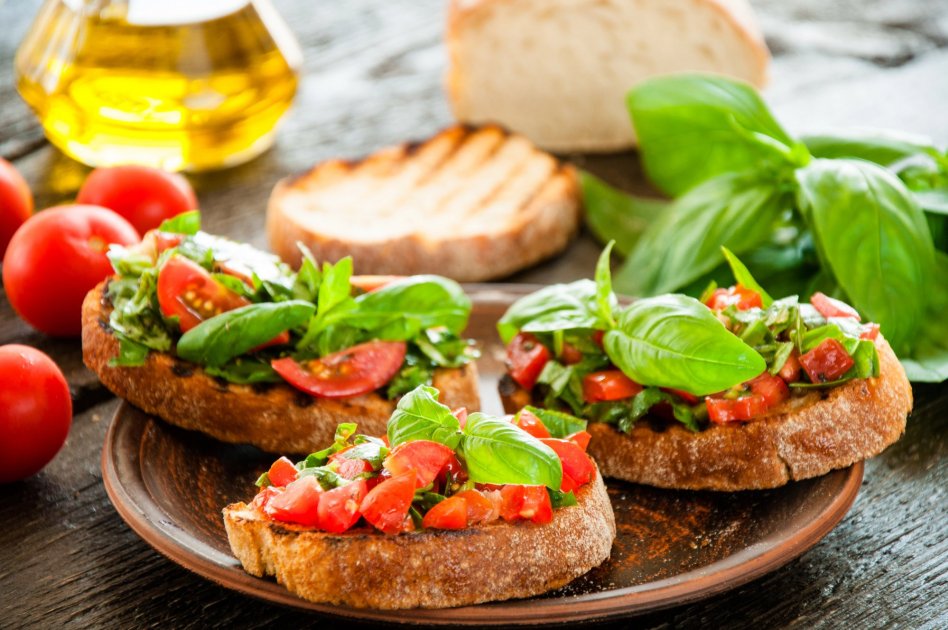
A slice of toasted bread, rubbed with garlic and generously drizzled with olive oil. Classic bruschetta with tomatoes (al pomodoro) is garnished with fresh basil and seasoned with salt. It’s neither a side dish nor an appetizer in the traditional sense—it’s a way to appreciate the quality of olive oil and bread. It’s prepared in Tuscany and throughout central Italy. It’s eaten standing up, in one go, so the bread doesn’t get soggy.
 ©
depositphotos
©
depositphotos
Photo author - Tetiana Chernikova
Caprese
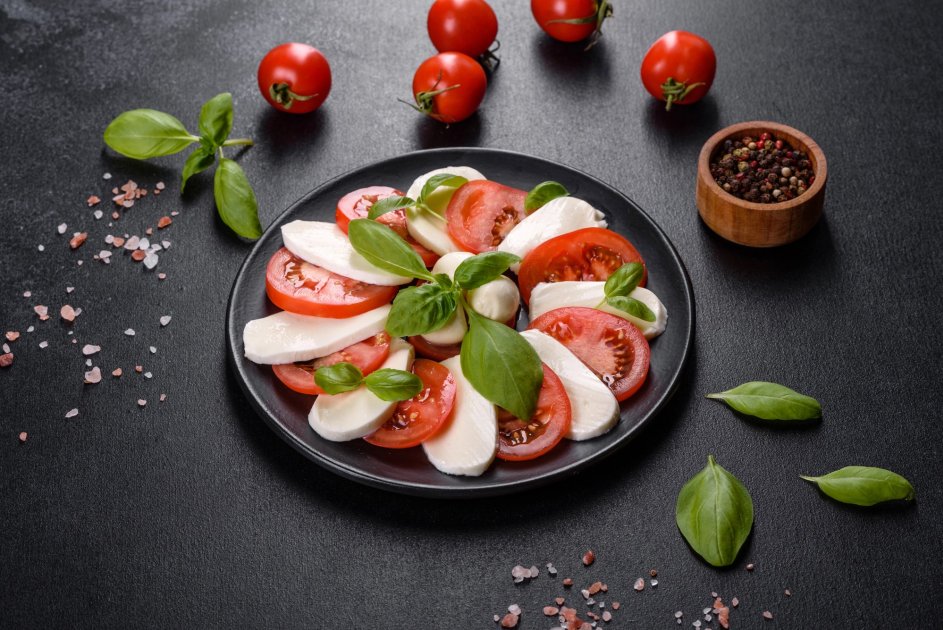
Alternating slices of fresh buffalo mozzarella, ripe tomatoes, and basil leaves, drizzled with olive oil and sprinkled with salt. No vinegar, no seasonings. It originates from the island of Capri in Campania, where all three ingredients grow side by side. The colors on the plate match those of the Italian flag—red, white, and green. This is not just an appetizer, but a manifesto of faith in quality.
 ©
depositphotos
©
depositphotos
Photo author - NatashaBreen
Vitello Tonnato
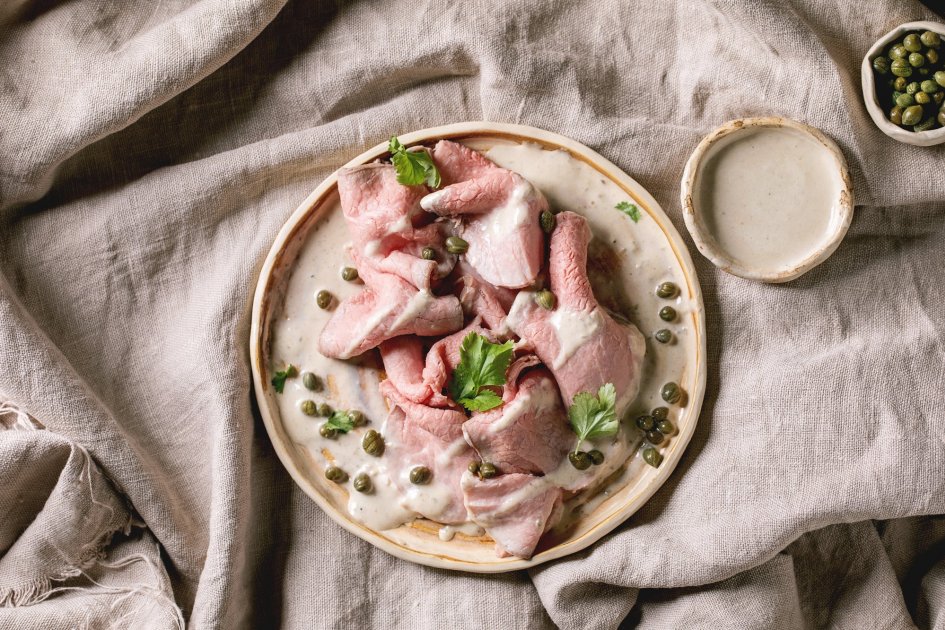
Cold veal, thinly sliced, served with a creamy sauce made from tuna, capers, and anchovies. A dish from Piedmont with French roots. At first glance, it’s an unusual combination—fish and meat—but it works: the tuna and anchovies give the sauce depth, while the capers add a touch of tartness and saltiness. It’s served chilled, as an appetizer or a light main course in the summer.
 ©
depositphotos
©
depositphotos
Photo author - lenyvavsha
Arancini
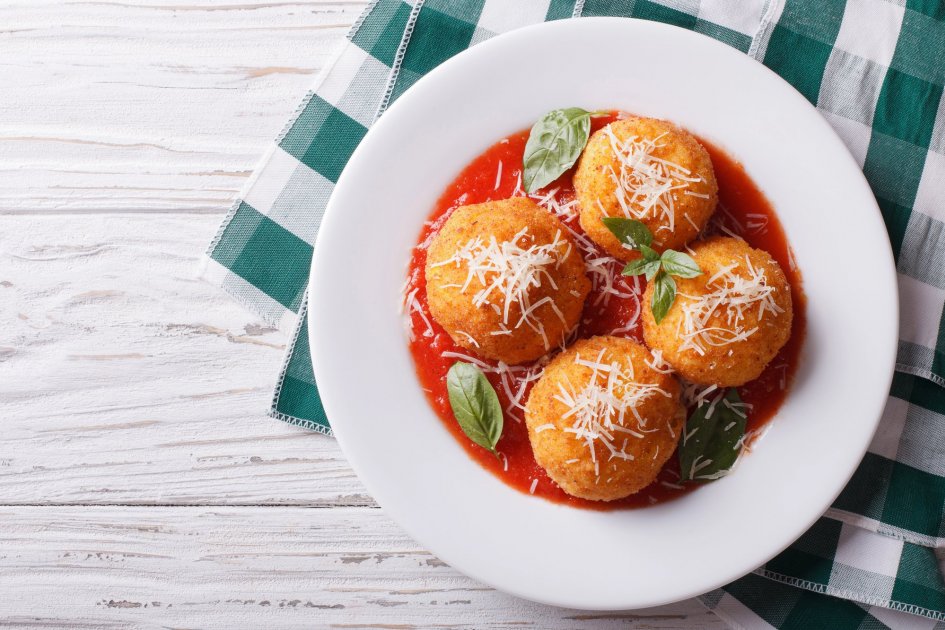
Golden, crispy risotto balls filled with a mixture of ragù, peas, and melted mozzarella. They originated in Sicily, from where they were introduced by Arab conquerors. The name comes from the word “arancia” — orange — because they are exactly that size and color. They’re street food, but also a delicacy: every Sicilian chef takes pride in their own arancini recipe. They’re eaten hot, in one or two bites.
Soups
 ©
depositphotos
©
depositphotos
Photo author - Nalga
Minestrone
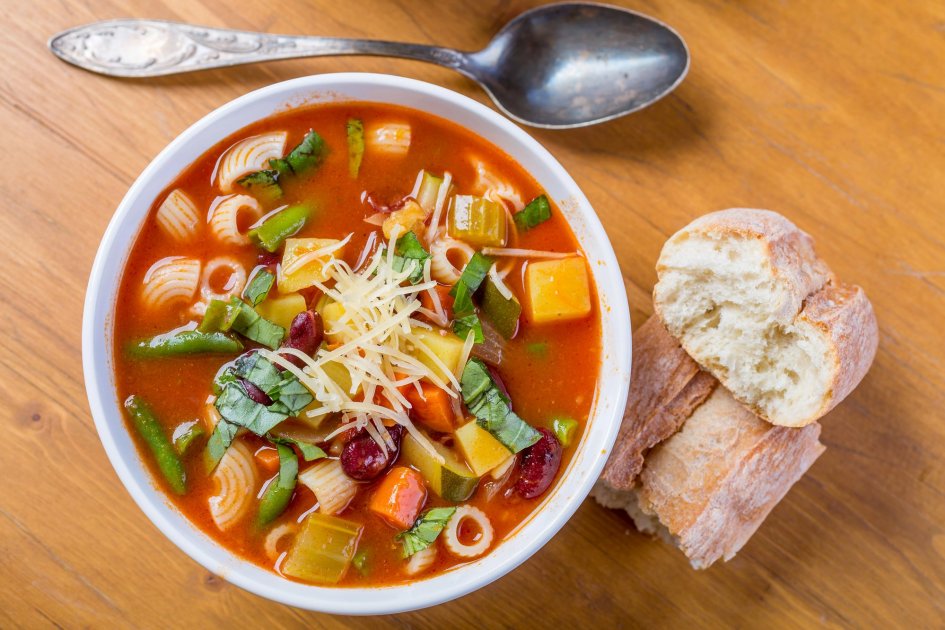
A hearty vegetable soup made with seasonal vegetables, white or black beans, and small pasta or barley. Minestrone means “big soup,” and that’s true: a single bowl can contain carrots, celery, onions, zucchini, eggplant, cabbage, and tomatoes. The ingredients vary depending on the season and region—no two minestrones are alike. It’s a soup of the common people, yet it embodies all the wisdom of Italian cuisine.
 ©
depositphotos
©
depositphotos
Photo author - Jaromatik
Ribollita
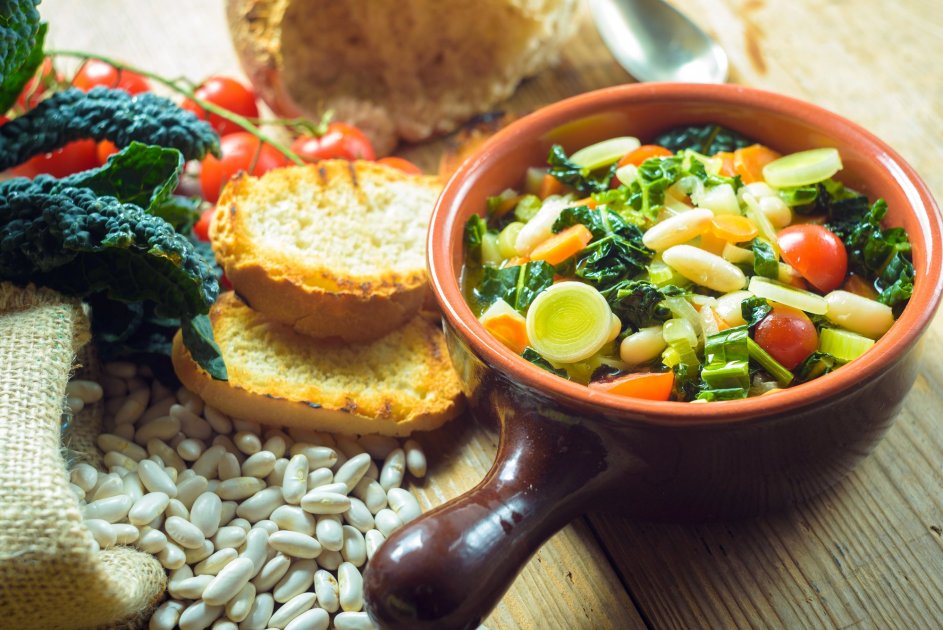
A Tuscan soup made with kale, white beans, tomatoes, and stale bread. The name means “overcooked”—and that’s the whole point: the soup is prepared one day, then simmered again the next so the flavors can blend. The bread doesn’t turn to mush in the broth but retains its texture while absorbing the flavors of the other ingredients. It’s served with a drizzle of olive oil and a sprinkle of black pepper. This dish, once a staple of the poor, has become a dish of renown.
Pasta
 ©
depositphotos
©
depositphotos
Photo author - AntonMatyukha
Carbonara
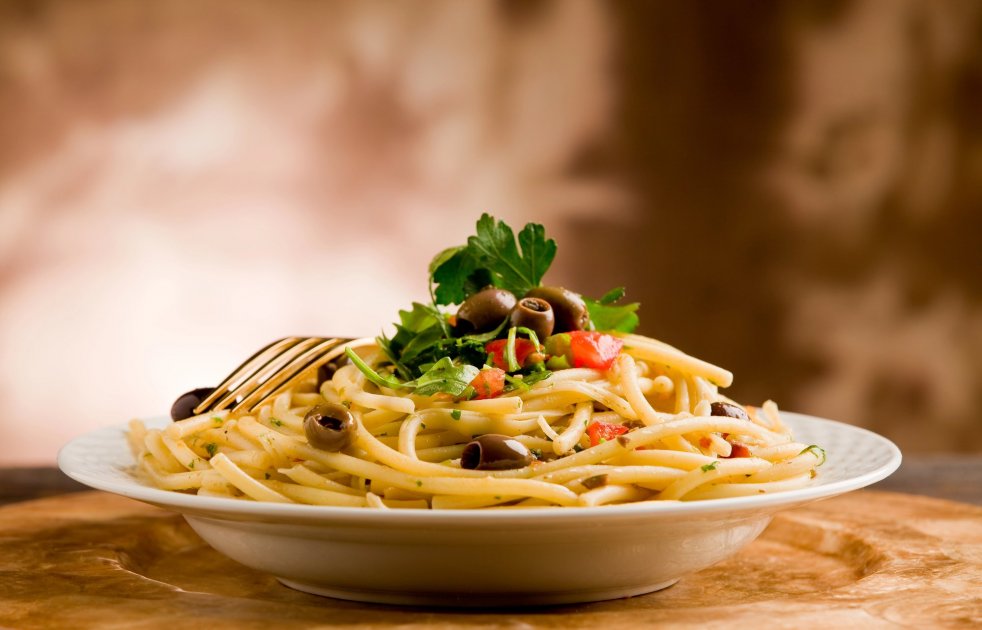
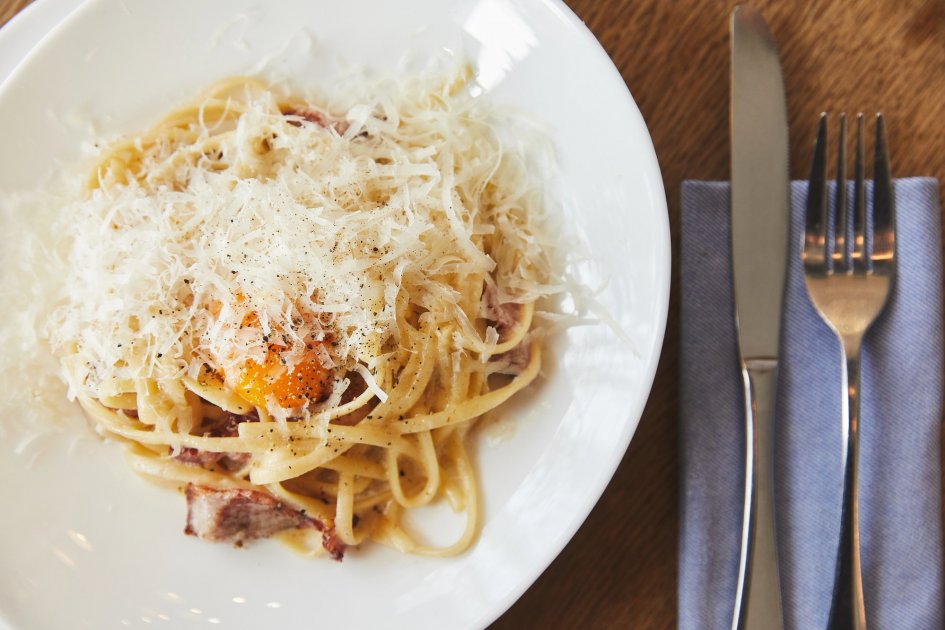
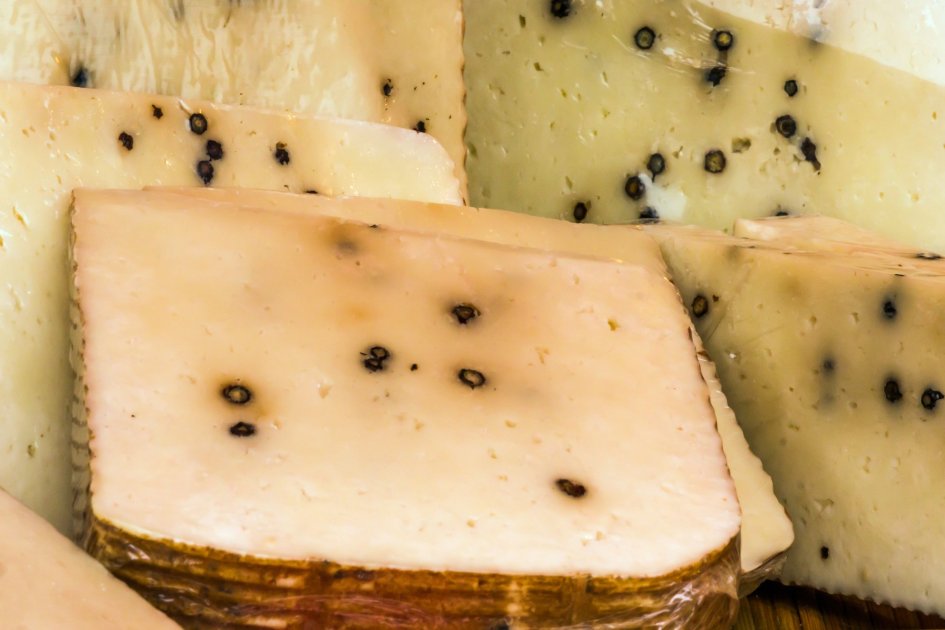
Pasta with guanciale (cured pork jowl), egg yolks, hard Pecorino Romano cheese, and black pepper. No cream—that’s the key. There’s no cream in a classic carbonara. Its origins are disputed: a popular theory links the dish to the postwar years, but there’s little documentary evidence to support it. The Romans took a local ingredient—guanciale—and created a masterpiece. The egg yolks are cooked by the heat of the pasta and become creamy.
 ©
depositphotos
©
depositphotos
Photo author - Moskwa
Cacio e Pepe
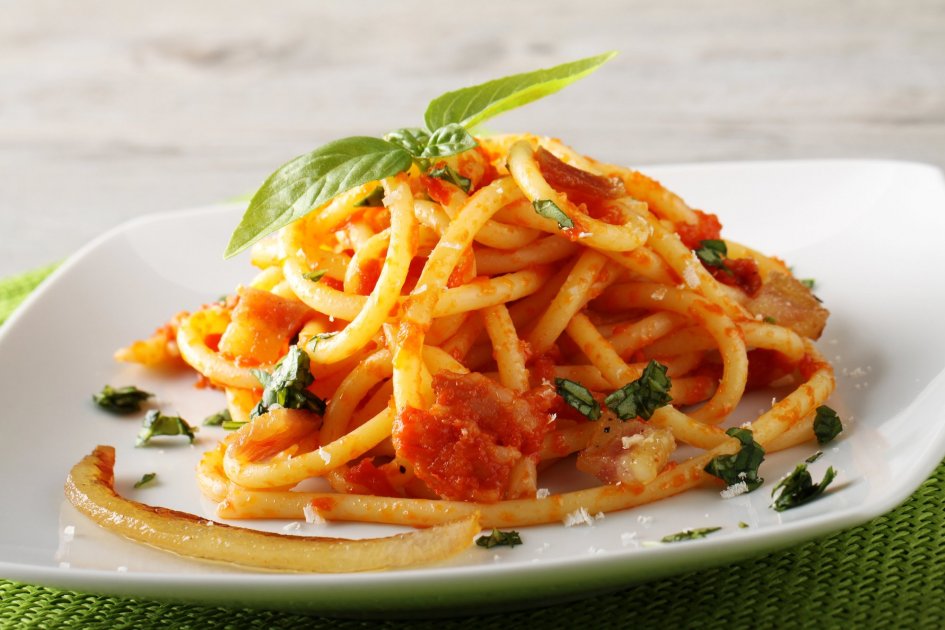
A pasta dish made with just three ingredients: Pecorino Romano, black pepper, and the water used to cook the pasta. No other ingredients. This isn’t a recipe—it’s a meditation. You need to create a creamy sauce from water and cheese, which requires experience and understanding. Originally from Rome, it was a dish of shepherds who took only dry pasta, cheese, and pepper with them into the fields. Today, it’s one of the most challenging sauces in world cuisine.
 ©
depositphotos
©
depositphotos
Photo author - lorenzograph
Amatriciana
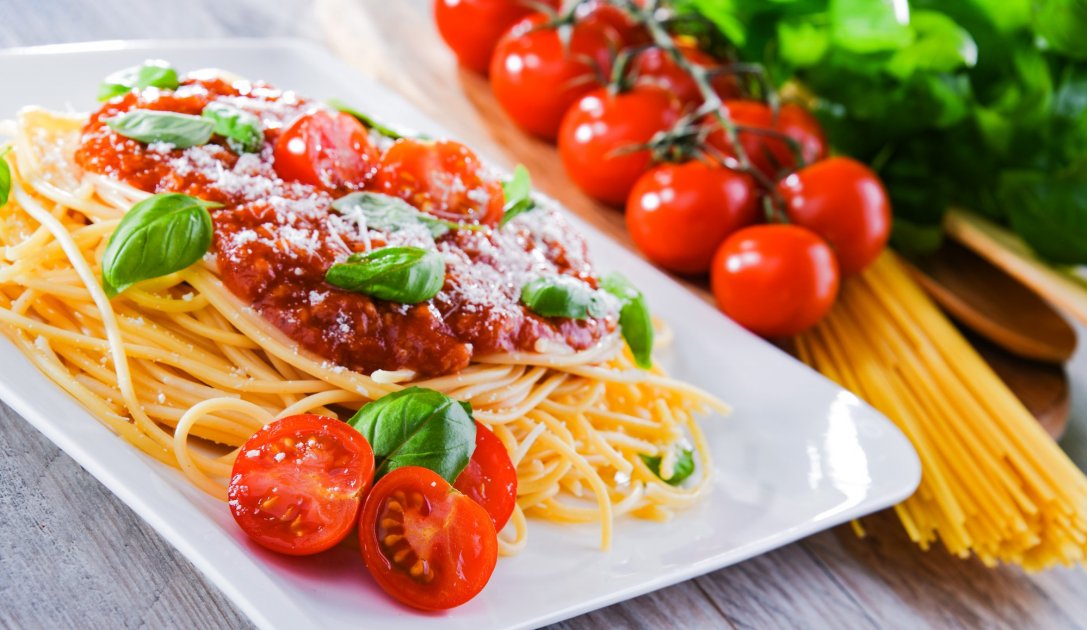
Tomato sauce with guanciale (cured pork jowl) and hot peppers, topped with hard Pecorino Romano cheese. Originally from the town of Amatrice in Lazio, but popular throughout Rome. It’s served with bucatini—hollow strands of pasta that soak up the sauce on both ends. Spicy, salty, and savory—this is the pasta of working-class people who needed calories and flavor.
 ©
depositphotos
©
depositphotos
Photo author - monticello
Ragù alla Bolognese
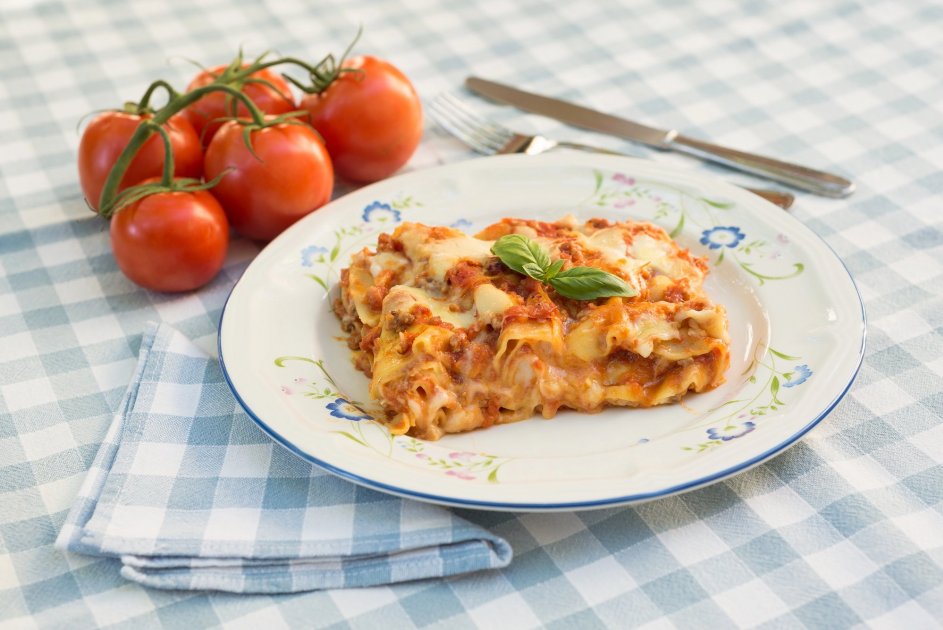
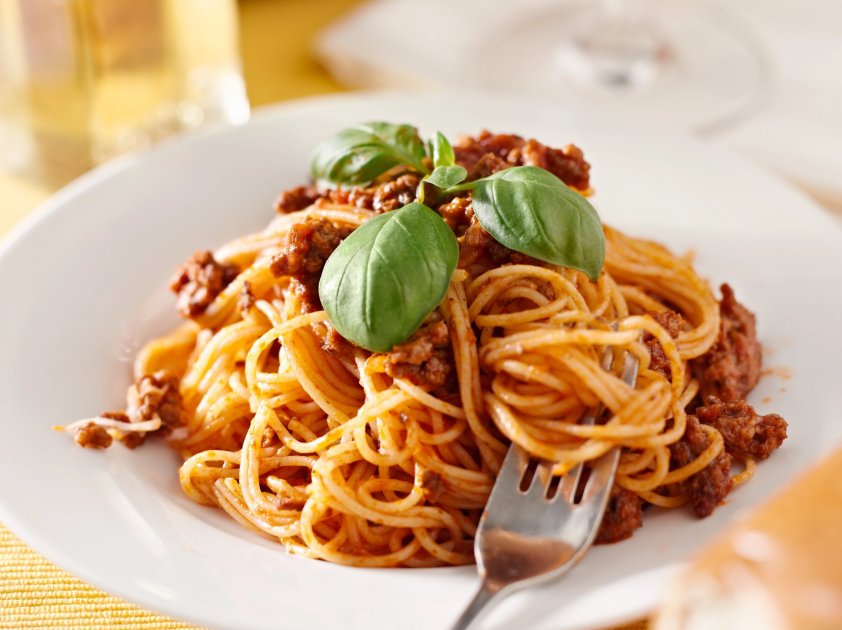
A slow-cooked meat ragù made from a mixture of beef and pork with vegetables, tomatoes, and milk. It comes from Bologna, the gastronomic capital of Italy. It simmers for hours so the meat falls apart into the sauce and the flavors blend together. In Italy, it’s served with TAGLIATELLE—wide egg noodles—rather than spaghetti. The wide noodles hold the thick sauce better. Each serving is topped with a mountain of fresh Parmigiano-Reggiano.
 ©
depositphotos
©
depositphotos
Photo author - marmo81
Lasagne alla Bolognese
Layers of thin egg pasta alternated with meat ragù, white béchamel sauce, and Parmigiano-Reggiano, baked in the oven until golden brown. From Emilia-Romagna. This dish requires patience: each layer is arranged with care, and each sauce is prepared separately. Classic lasagna takes half a day to prepare. It is served hot, with white wine.
 ©
depositphotos
©
depositphotos
Photo author - bhofack2
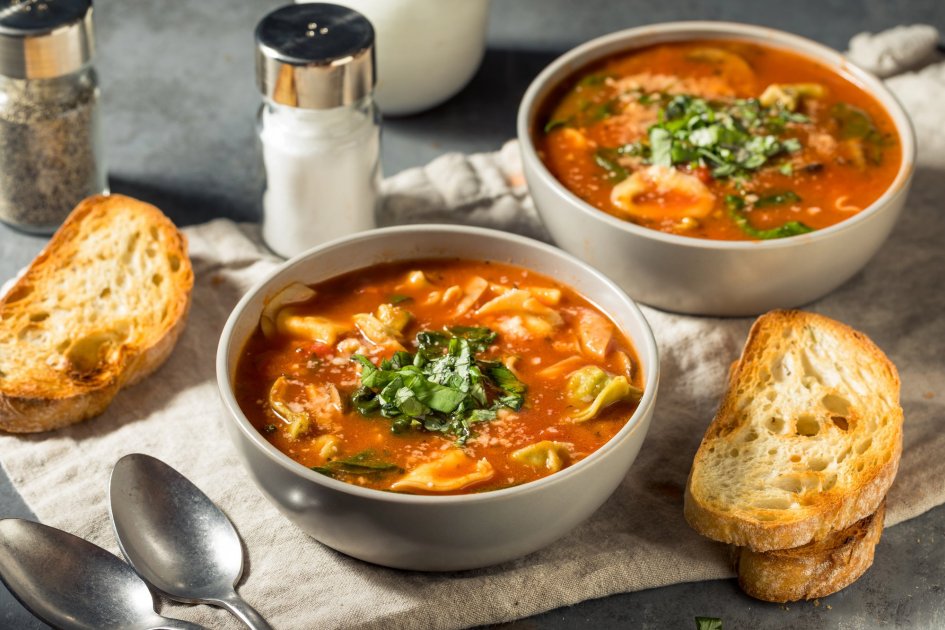
Tortellini in Brodo
Small, coin-sized dumplings made of thin egg pasta and filled with pork, prosciutto, mortadella, Parmigiano, and nutmeg, served in a clear meat broth. From Emilia-Romagna, a festive dish for Christmas. Their shape resembles a Venus ring. This is not a soup in the sense of a main course—it is more of an appetizer served before the main course. The broth should be golden and aromatic, and the dumplings should be tender.
 ©
depositphotos
©
depositphotos
Photo author - romanadr
Pasta alla Norma
Pasta with roasted eggplant, tomato sauce, fresh basil, and crumbled salted ricotta. Originally from Catania, Sicily. Named after Bellini’s opera *Norma*. The eggplants are fried separately until golden brown, then mixed with the tomato sauce. Salted ricotta (ricotta salata) adds saltiness and texture to the dish; it is crumbled on top. This is a summer dish—vegetarian, yet full of flavor.
 ©
depositphotos
©
depositphotos
Photo author - oksixx
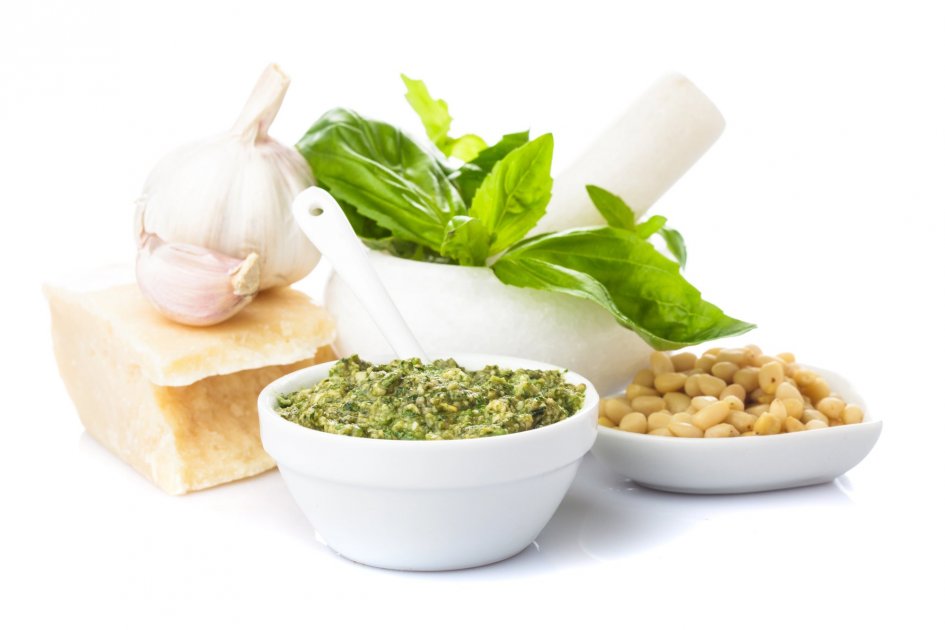
Pesto alla Genovese
A cold sauce made from fresh basil, pine nuts, garlic, Parmigiano-Reggiano, and extra virgin olive oil. It comes from Liguria, from Genoa, where basil grows in the mountains. Traditionally, it’s ground in a marble mortar with a wooden pestle—this takes longer than using a blender, but it prevents the basil from oxidizing. Served with tagliatelle or gnocchi. The flavor of the basil alone is worth the whole recipe.
Rice and Gnocchi
 ©
depositphotos
©
depositphotos
Photo author - alex9500
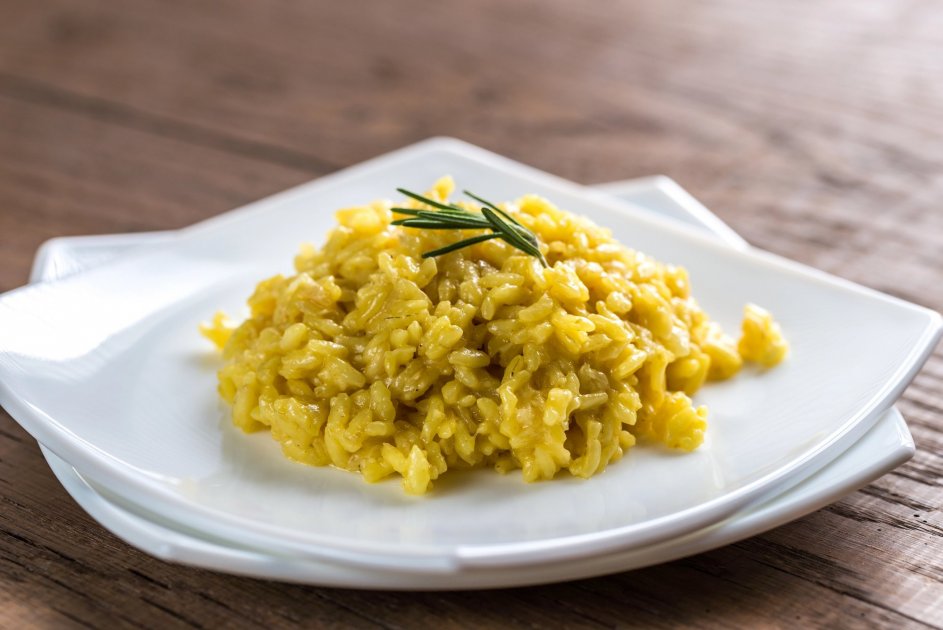
Risotto alla Milanese
Risotto made with beef broth, saffron (which gives it its golden color), white wine, and butter. From Milan. The saffron is added at the end to preserve its color and delicate flavor. It is often served alongside ossobuco—beef shank with bone. This is one of the few Italian dishes where rice plays the leading role, rather than pasta. Risotto requires constant stirring and the gradual addition of hot broth in small portions.
 ©
depositphotos
©
depositphotos
Photo author - bhofack2
Gnocchi
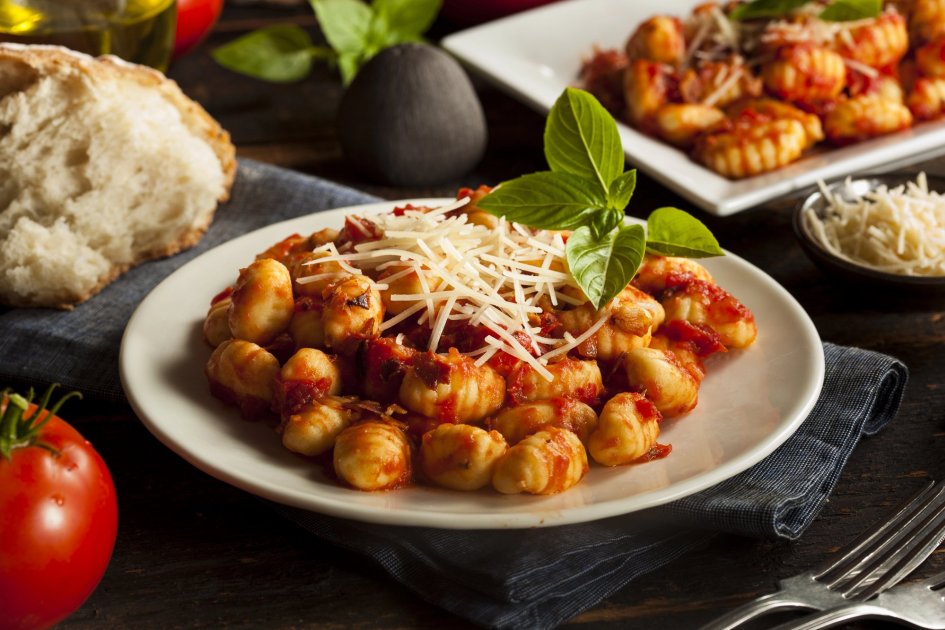
Soft dumplings made from boiled potatoes and wheat flour, sometimes with an egg. They are served with melted butter and sage, tomato sauce, or pesto. Gnocchi have been made for as long as pasta, but they require a delicate touch: too much flour, and they’ll become tough; too little, and they’ll fall apart in the broth. Originally from northern Italy, they’re usually prepared on Thursdays. Their texture is like a cloud.
Pizza and Baked Goods
 ©
depositphotos
©
depositphotos
Photo author - AntonMatyukha
Pizza Margherita
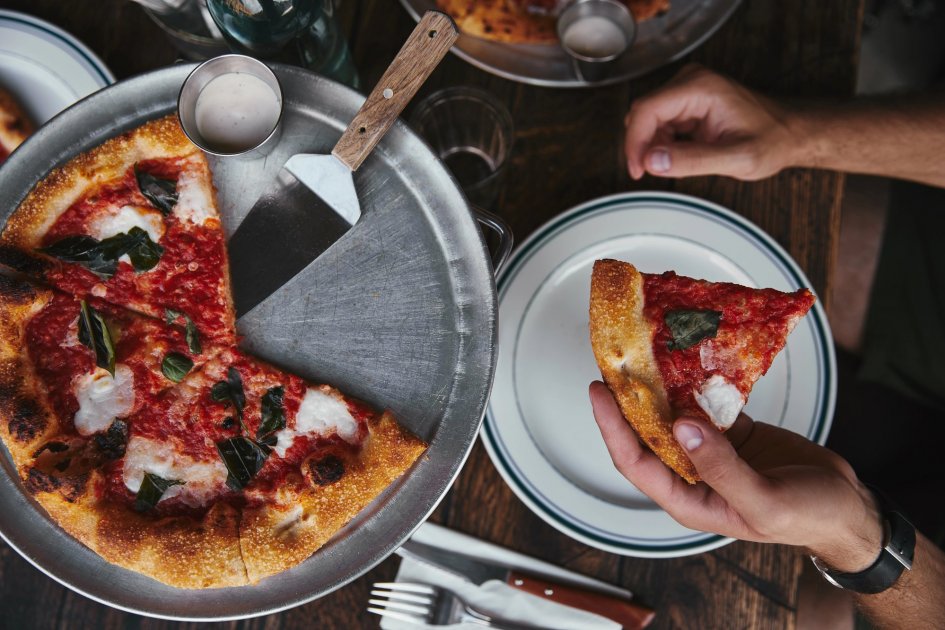
A Neapolitan pizza with a thin crust, puffed and charred edges (cornicione), ripe San Marzano tomatoes, fresh buffalo mozzarella, and a basil leaf. No other ingredients. Originating in 18th-century Naples, it is named after Queen Margherita. Being a pizzaiolo is a profession that requires years of practice. The pizza should be soft in the center and crispy around the edges, with tangy tomatoes and creamy mozzarella. The Neapolitan art of pizza-making has been inscribed on UNESCO’s list of Intangible Cultural Heritage.
 ©
depositphotos
©
depositphotos
Photo author - decoflorum@hotmail.com
Focaccia
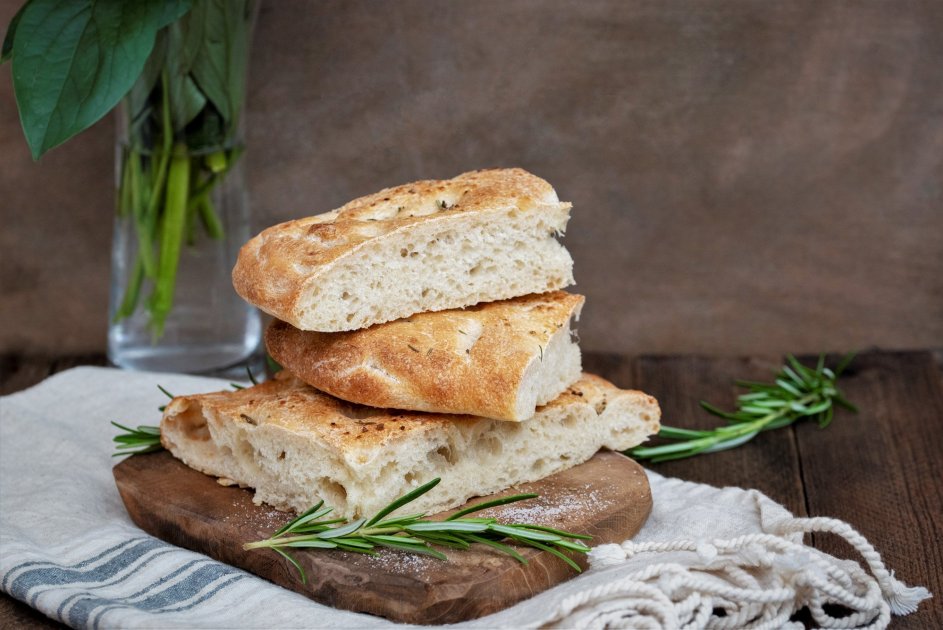
A flat yeast bread with olive oil and coarse sea salt, sometimes with rosemary. The Ligurian version is the best known, although focaccia is made throughout Italy. The dough rises for a long time until it becomes light and airy, then it is pressed down with the fingers and generously drizzled with oil. It is eaten as an appetizer or as an accompaniment to wine. Focaccia is best served warm, straight from the oven.
 ©
depositphotos
©
depositphotos
Photo author - fpwing_c
Piadina
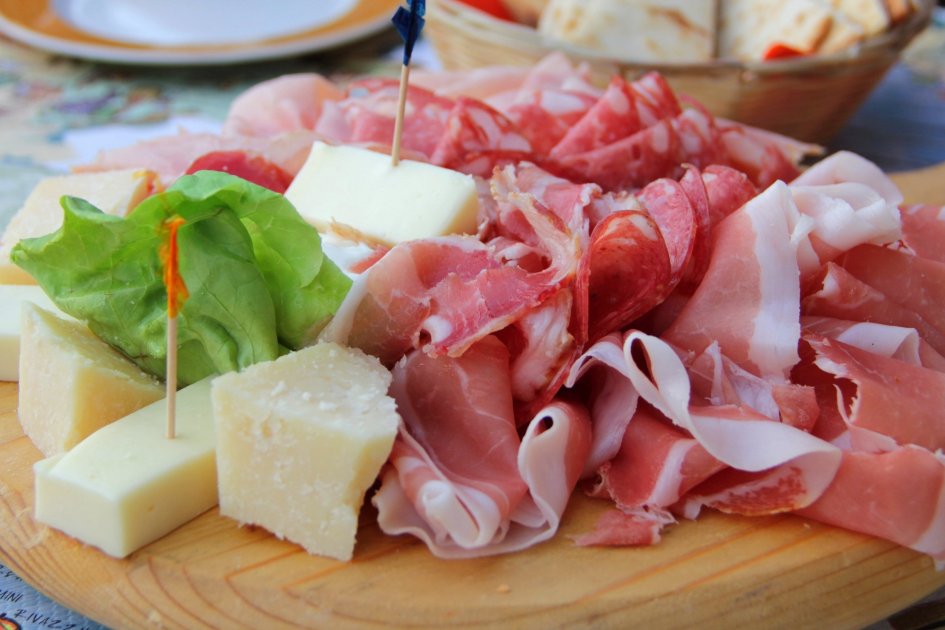
A thin, unleavened flatbread made from flour, water, and lard, cooked in a skillet or on a special griddle. It is served with fillings: usually prosciutto, soft squacronese cheese, and arugula. It comes from Romagna, the region between Bologna and the sea. It’s street food—a quick meal you can take with you. The flatbread should be thin and soft, not crispy.
Main Dishes
 ©
depositphotos
©
depositphotos
Photo author - hamonsemenovich
Ossobuco alla Milanese
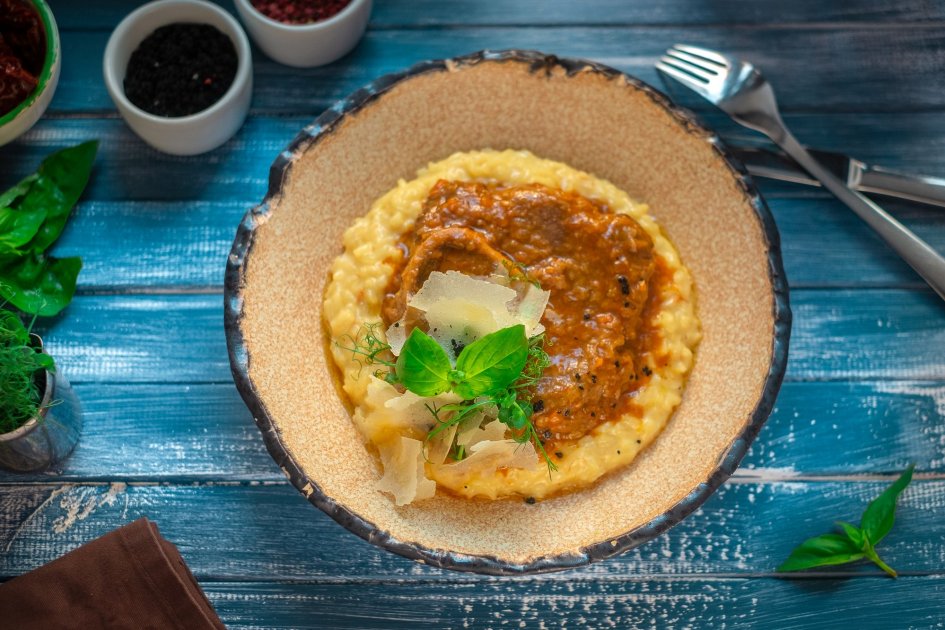
Veal shank with bone marrow, cut crosswise into pieces, braised with vegetables, white wine, and broth until completely tender. From Milan. The meat should fall off the bone with a single flick of the fork. It is served with gremolata—a mixture of lemon zest, garlic, and parsley that adds freshness to the dish. It is often served with risotto alla milanese. This is a dish for the wealthy, requiring high-quality cuts of meat and time.
 ©
depositphotos
©
depositphotos
Photo author - alessandro0770
Bistecca alla Fiorentina
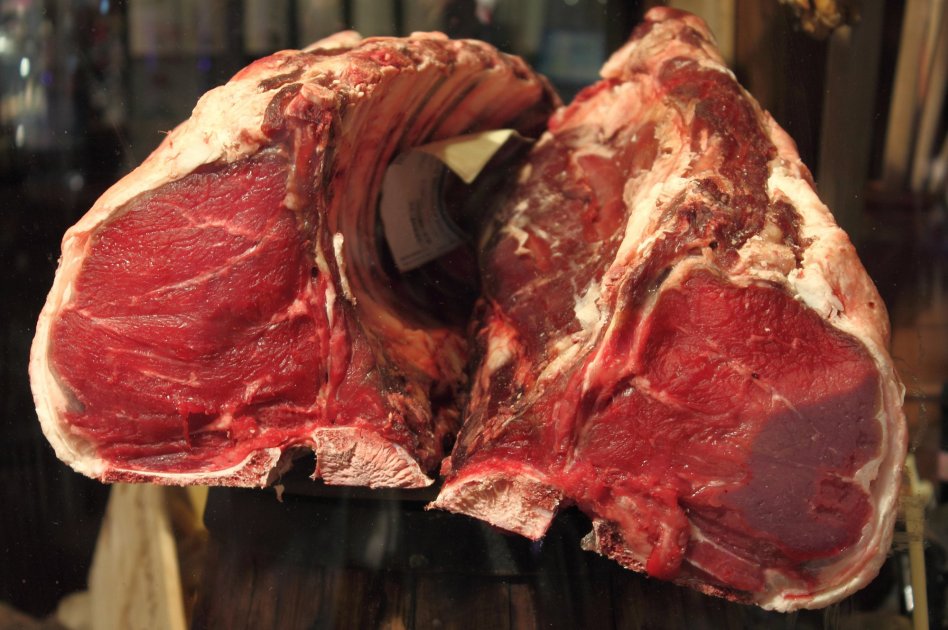
A thick bone-in steak (at least 4 cm) made from Chianina beef, cooked over hot coals, then placed over the fire with only salt and olive oil. From Tuscany. It is cooked “al sangue” (rare), almost raw on the inside—this is part of the dish, not a flaw. After cooking, it is sliced crosswise to reveal the pink meat and eaten with lemon. This isn’t just meat—it’s a philosophy: good meat needs no sauces.
 ©
depositphotos
©
depositphotos
Photo author - asimojet
Saltimbocca alla Romana
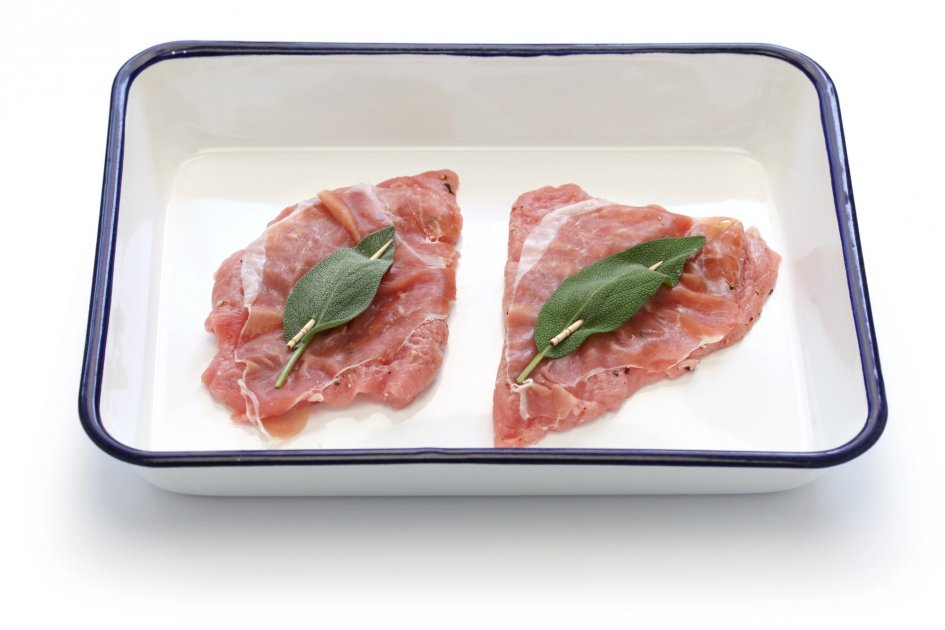
Thin veal cutlets wrapped in a slice of prosciutto and sage, rolled up, and sautéed in oil with white wine. The name means “jumps into the mouth”—that’s how quickly it’s eaten. From Rome. The sage adds aroma, the prosciutto holds the meat together and adds saltiness, and the wine adds depth. It’s prepared quickly, in just a few minutes, so the meat stays tender.
 ©
depositphotos
©
depositphotos
Photo author - lenyvavsha
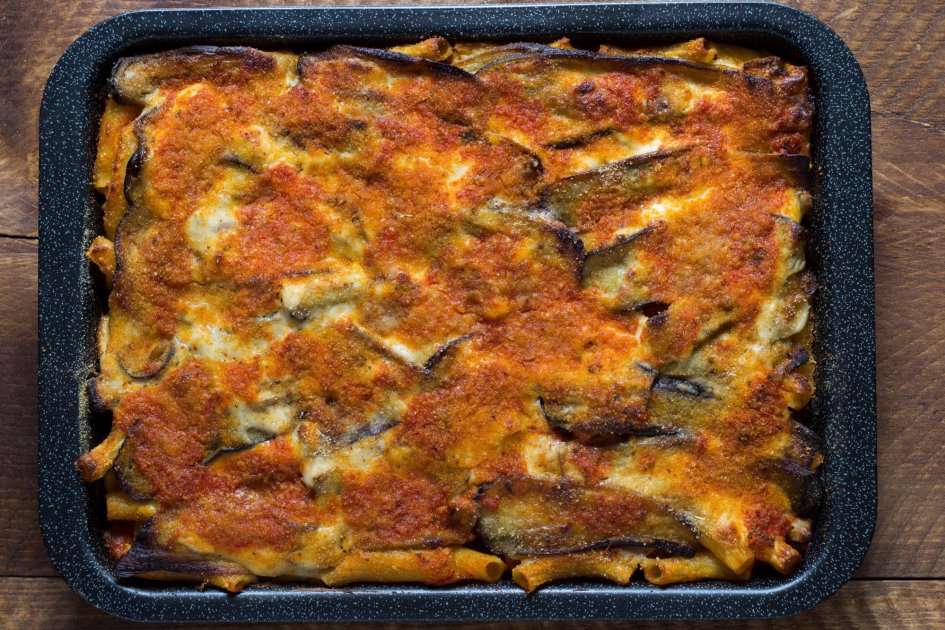
Parmigiana di Melanzane
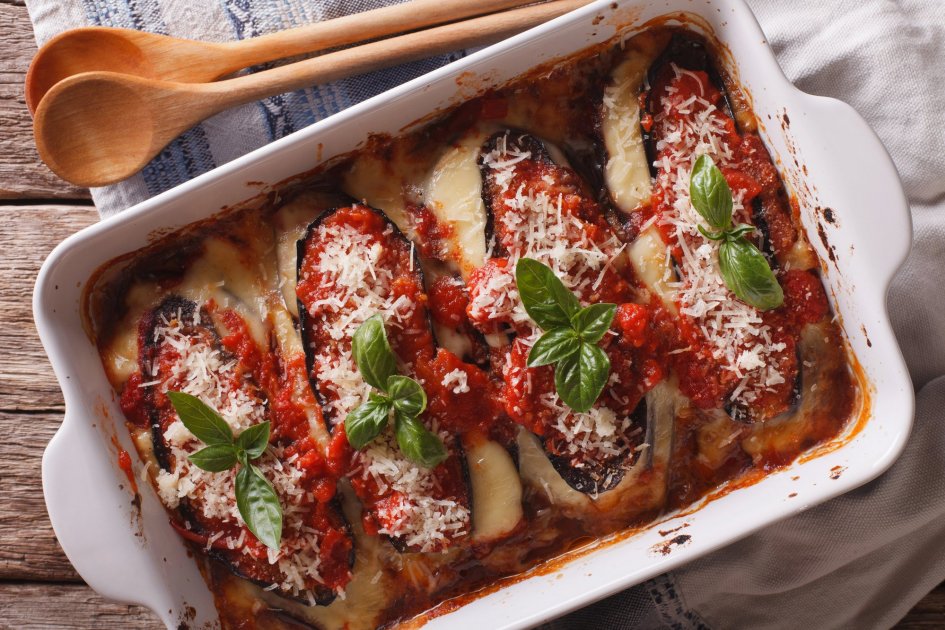
A casserole made with layers of roasted eggplant, tomato sauce, melted mozzarella, and grated Parmigiano, baked in the oven. It originates from southern Italy, particularly Sicily. It is made with eggplant, not chicken or meat—a common misconception. The eggplant is prepared separately by dredging it in flour and frying it in oil until it turns golden brown and tender. In the oven, the layers meld together into a single dish.
 ©
depositphotos
©
depositphotos
Photo author - leonardo1
Porchetta
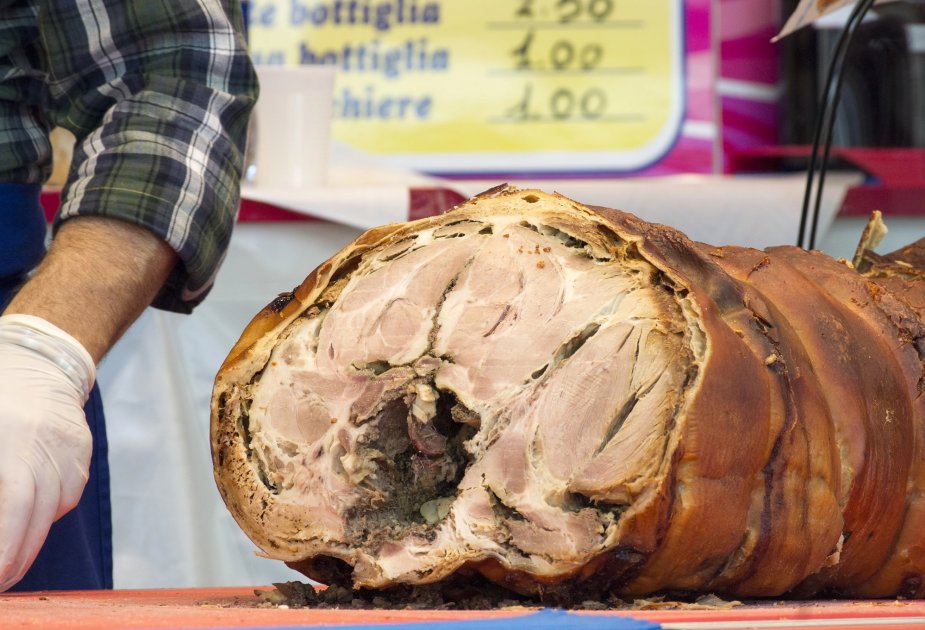
A whole, boneless young pig, larded with rosemary, fennel, garlic, and bay leaves, roasted on a spit or in an oven until the skin is crispy. Originating from Lazio and Umbria, where pork has been prepared since ancient times. The meat inside remains tender and juicy, while the skin is crispy. It’s served during holidays and at fairs, sliced into thick slices, and eaten with bread. The aroma alone of porchetta cooking over an open fire is worth the entire trip.
Desserts
 ©
depositphotos
©
depositphotos
Photo author - studioM
Tiramisù
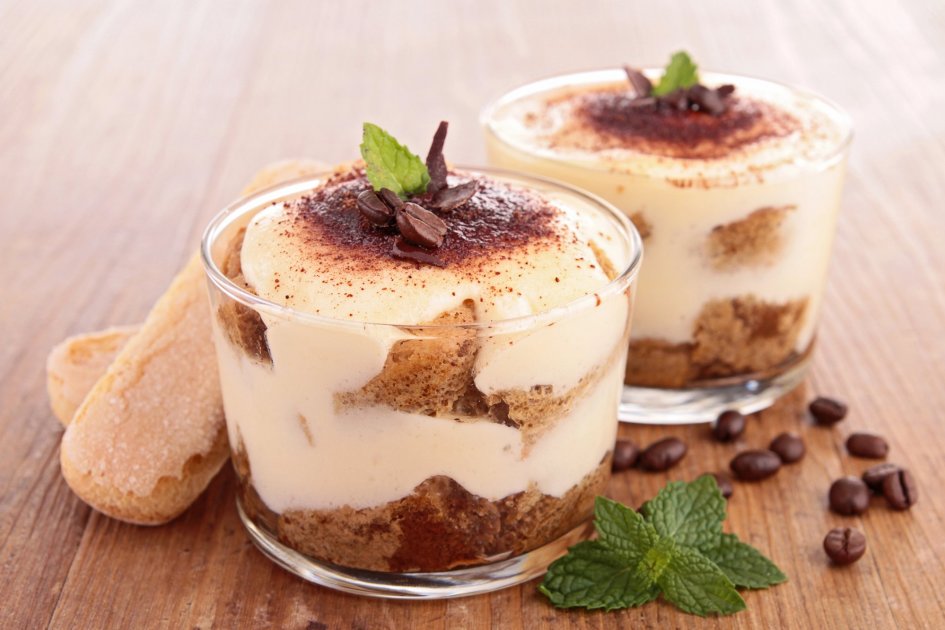
A dessert made of savoiardi cookies soaked in strong coffee and Marsala, layered with a cream made from mascarpone, eggs, and sugar, and dusted with cocoa powder on top. Its origins are disputed: some say Treviso (Veneto, 1969), others say Friuli (1950s). The name means “lift me up”—because of the caffeine in the coffee and the sweetness. It’s neither a cake nor a soup—it’s something in between, cold and melt-in-your-mouth.
 ©
depositphotos
©
depositphotos
Photo author - lsantilli
Cannoli
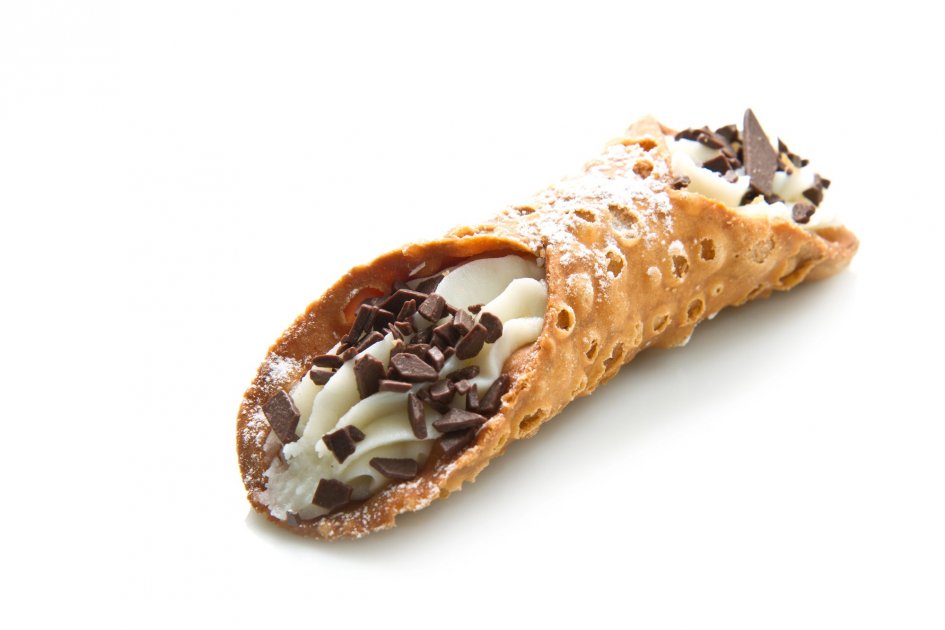
Crispy fried pastry tubes filled with a cream made from ricotta, sugar, and chocolate. They originate from Sicily, specifically the areas around Palermo and Messina. The tube-like shape resembles a reed (cannolo means “reed”), and the recipe reflects the Arab influence on Sicilian cuisine—spices and an abundance of sweets. They’re made to order, as the tubes must remain crispy and not get soggy. They’re eaten immediately, in one or two bites.
 ©
depositphotos
©
depositphotos
Photo author - svariophoto
Panna cotta
A delicate dessert made with cream, sugar, vanilla, and gelatin, set in a mold and served with berry sauce, caramel, or fruit. The name means “cooked cream.” Its origins are unclear, but it is usually associated with Piedmont. The secret lies in the quality of the cream and the minimal amount of gelatin—the dessert should be almost liquid, melting on the tongue. It is prepared in restaurants and at home.
 ©
depositphotos
©
depositphotos
Photo author - OlgaBombologna
Sfogliatella
A shell-shaped pastry made of many thin layers of dough, filled with ricotta, candied orange peel, and semolina. Originating in Naples, it is one of the most complex pastries in the world. There are two versions: riccia (flaky, crispy) and frolla (shortbread, soft). Each layer of dough is prepared for a long time, until it becomes as transparent as parchment. This pastry requires the skill of a chef and the artistry of a pastry chef.
 ©
depositphotos
©
depositphotos
Photo author - Valentyn_Volkov
Gelato
Italian gelato is denser than mass-produced ice cream, with less fat and air, which gives it a brighter, cleaner flavor. It’s served slightly warmer than ice cream straight from the freezer, allowing the flavors to really come through. Each flavor is prepared separately: fruit flavors are made from fresh fruit, and nut flavors from pre-roasted nuts. In Italy, gelato is a source of pride and a subject of regional rivalry.
 ©
depositphotos
©
depositphotos
Photo author - frinz
Panettone
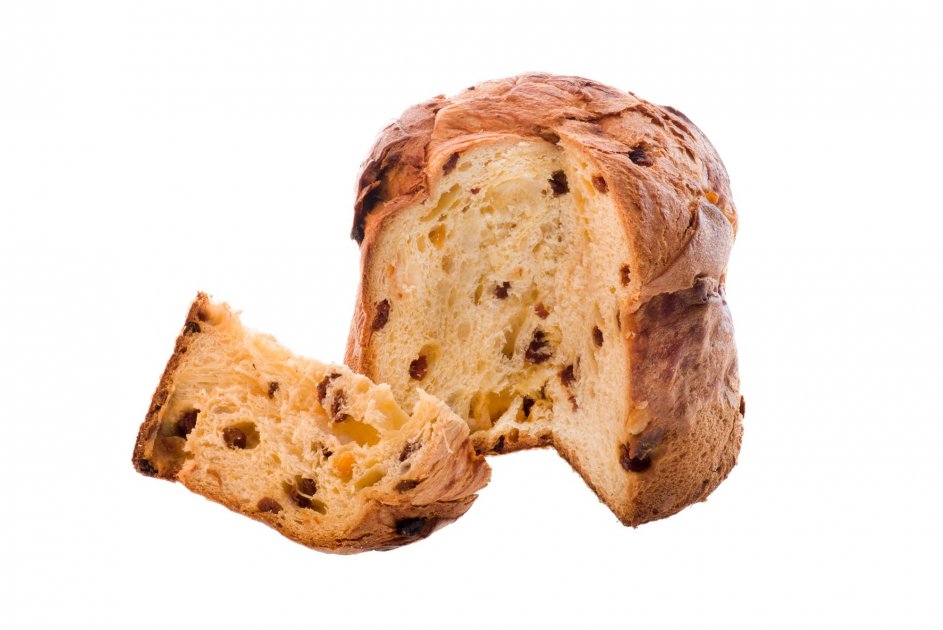
A tall, rich cake with dried fruit, candied orange and lemon peel, perfect for the holidays. A Christmas bread from Milan. The dough is left to rise with sourdough starter for many hours until it becomes light and fragrant. The dried fruit is soaked in rum or Madeira. This isn’t a quick bread—it’s a work of art that requires patience. In December, every home has a panettone.
Drinks
 ©
depositphotos
©
depositphotos
Photo author - didesign
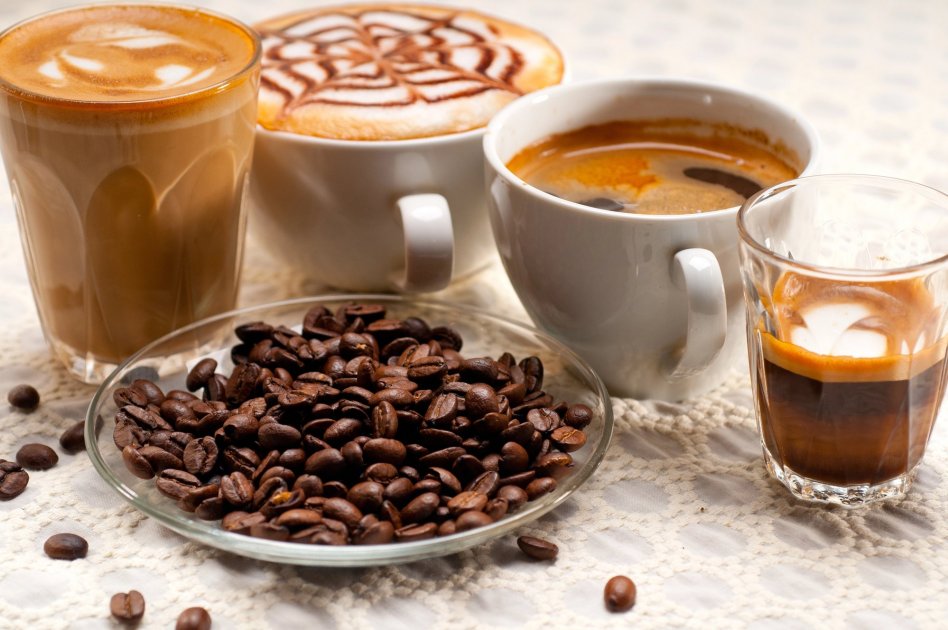
Espresso
A strong coffee brewed under pressure in a special machine and served in a 25–30 ml cup. For Italians, the word “coffee” specifically means espresso. It’s drunk standing at the bar in one or two sips, like medicine. It’s a must after lunch or dinner. The quality of an espresso depends on the quality of the coffee beans, the grind, and the barista’s skill. It’s not just a drink—it’s a whole culture.
 ©
depositphotos
©
depositphotos
Photo author - keko64
Cappuccino
Espresso with hot milk foam in a 1:1 ratio. In Italy, cappuccino is drunk only in the morning and only until 11:00 a.m. People don’t order cappuccino after a meal—the large amount of milk is hard on a full stomach. A proper cappuccino should have a half-centimeter layer of fine foam, and the milk should be hot but not boiling. It’s a morning drink, the start of the day.
 ©
depositphotos
©
depositphotos
Photo author - AtlasStudio
Aperol Spritz
An aperitif made with Aperol (a bitter liqueur), Prosecco (sparkling wine), and sparkling water, garnished with a slice of orange. It has a low alcohol content and a bittersweet flavor. It comes from Veneto, the region where the grapes for Prosecco are grown. This is an evening aperitif, a drink enjoyed before dinner from about 6:30 p.m. to 9:00 p.m. In Venice, it’s as common as air—you’ll find it everywhere.
 ©
depositphotos
©
depositphotos
Photo author - Funandrejs
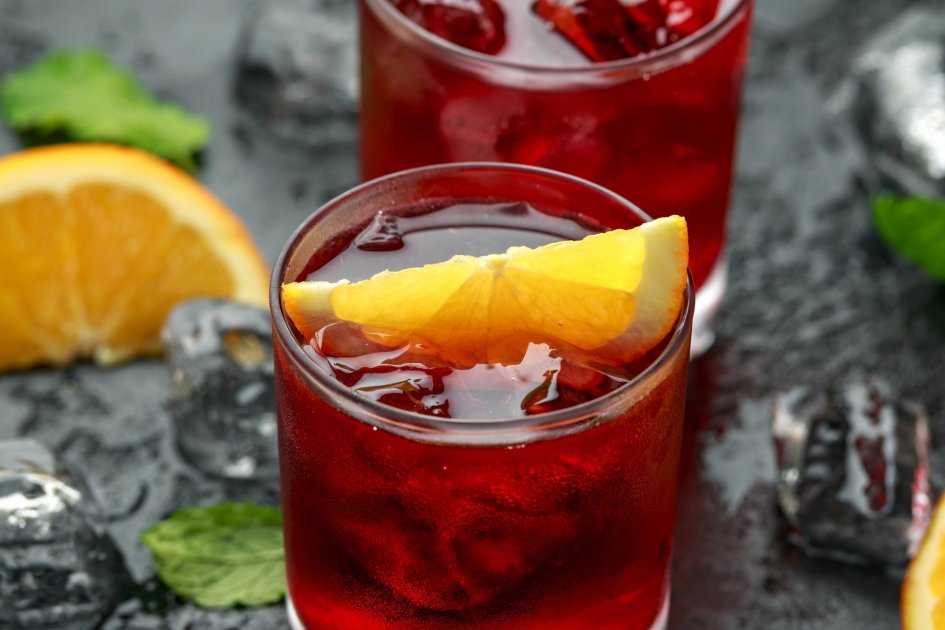
Negroni
A cocktail made with three equal parts: Campari (a bitter aperitif), gin, and red vermouth. Served over ice with a slice of orange. It was created in Florence in 1919 at the Casoni Bar when Count Negroni asked for a stronger drink. Bitter, sharp, and sophisticated—this is a drink for those who appreciate flavor. It’s easy to make, but the taste depends on the quality of each ingredient.
 ©
depositphotos
©
depositphotos
Photo author - tenkende
Limoncello
A sweet and strong liqueur made from lemon zest, prepared by infusing the zest in alcohol. It originates from the Amalfi Coast in Campania, where the lemons are sweet and fragrant. It is served chilled—usually straight from the freezer—after a meal as a digestif. One sip of limoncello, and you can almost smell a summer lemon grove. It is offered to guests as a gesture of hospitality.
 ©
depositphotos
©
depositphotos
Photo author - donogl
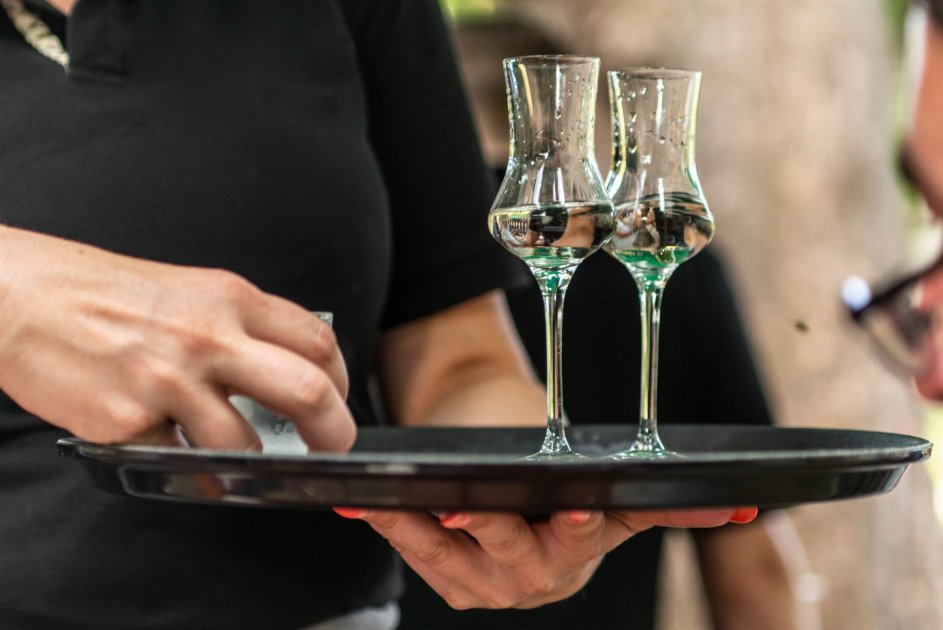
Grappa
A strong spirit (35–60%) distilled from the grape pomace left over after pressing the juice for wine. It originates from northern Italy, specifically Piedmont and Veneto. It is drunk after a meal as a digestif, in small shots, either neat or barrel-aged. The flavor is fiery, yet with fruity notes. Grappa is the Italian way of making use of every part of the grapevine.
 ©
depositphotos
©
depositphotos
Photo author - StevanZZ
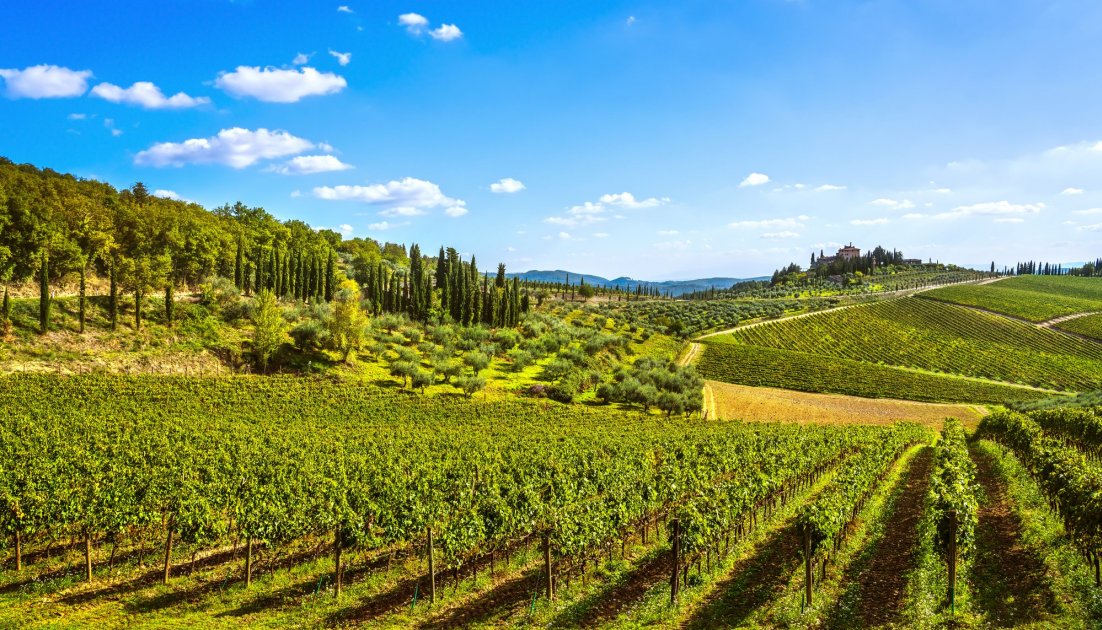
Chianti
A red wine from Tuscany made from Sangiovese grapes with the addition of other varieties. It has a ruby color, medium body, and moderate acidity. Chianti Classico from the historic Chianti region features a black rooster (Gallo Nero) on its label. It is a classic pairing for bistecca alla fiorentina and other grilled meats. A wine of the peasantry that has become a connoisseur’s wine.
 ©
depositphotos
©
depositphotos
Photo author - gregorylee
Prosecco
A sparkling wine from northeastern Italy, from the Veneto region, made from the Glera grape variety. It is light in color, with a delicate effervescence and notes of flowers and fruit. It is the base of the Aperol Spritz, but it is also enjoyed on its own as an aperitif. It’s cheaper than champagne, but just as joyful. Prosecco is the clinking of glasses in a Venetian square; it’s an evening that begins with a smile.
Where to start
Dish | What is it, in a nutshell? | Who it's for |
Caprese | Mozzarella, tomatoes, basil | For a first taste, vegetarian |
Bruschetta | Toasted bread with olive oil and tomatoes | Light appetizer, vegetarian |
Carbonara | Pasta with egg, cheese, and guanciale | Creamy pasta, not spicy |
Margherita pizza | Thin-crust pizza with tomatoes and mozzarella | A classic, vegetarian, and familiar to everyone |
Bolognese sauce | Pasta with meat sauce | For meat lovers—a hearty dish |
Bistecca alla Fiorentina | Large charcoal-grilled steak | For lovers of meat, steak, and simple food |
Tiramisu | A dessert with coffee, mascarpone, and cocoa | For those who love coffee and sweet, non-spicy foods |
Gelato | Italian ice cream | Versatile; kids love it |
 ©
depositphotos
©
depositphotos
Photo author - lidante
Regional Characteristics
Piedmont (northwest): the land of white truffles and fine wines. Here, people cook with butter, catch river fish, and appreciate rice. Bagna cauda—a hot sauce made from garlic and anchovies—is a typical Piedmontese dish into which raw vegetables are dipped. Barolo wine, full-bodied and tannic, hails from this region. The people here speak more softly, take their time eating, and think more deeply.
Emilia-Romagna (north-central): Italy’s gastronomic capital. Bologna is the city of Parmigiano-Reggiano, prosciutto di Parma, and traditional balsamic vinegar. Here they make fresh egg pasta, tortellini, and tortelloni; this is the home of ragù alla bolognese. It is a region of preserves and producers, where every product has a protected designation of origin and a history.
Tuscany (central Italy): a land of simplicity and wine. Here, people eat with deliberate simplicity: meat grilled over charcoal, unsalted black bread, white beans, and the highest-quality olive oil. Ribollita and panzanella are typical Tuscan dishes that foreigners often underestimate. The wine is red Chianti, the meat is Chianina steak—all grilled over charcoal, nothing extra.
Campania and Naples (south): the birthplace of pizza, mozzarella di bufala, and San Marzano tomatoes. Here, people eat spicy food, drink sweet drinks, deep-fry their food, and aren’t afraid of spices. Sfogliatella and cannoli are the sweet symbols of Naples’ culinary heritage. Seafood in the south is fresh and inexpensive; pasta is dried—fresh egg pasta isn’t made in the south.
Sicily (island): a multi-layered cuisine steeped in Arab, Norman, and Spanish influences. Here they eat arancini, caponata, and pasta alla norma, flavored with raisins, pine nuts, and inexpensive wine. In the west of the island, they eat couscous, just like in North Africa. Citrus fruits, capers, and anchovies—these are the flavors of Sicily. Here, the flavors are wilder and less formal than in the center.
Liguria (the northwestern coast): the land of pesto and fish. Basil grows in the mountains behind the coast; Ligurian olive oil is tangy and aromatic; the fish is fresh. Focaccia with salt and oil, vegetable tarts, and focaccia with a finger of cheese are typical Ligurian appetizers. Here, they prepare very little, but what they do is perfection.
 ©
depositphotos
©
depositphotos
Photo author - resnick_joshua1
Dining Traditions and Etiquette
- The order of service is set in stone. First, an appetizer (antipasto), then pasta or soup (primo), followed by meat or fish (secondo) with a side dish (contorno), then dessert (dolce), and finally coffee. This isn’t a suggestion—it’s a law established by generations.
- Cappuccino is only for the morning. After lunch, Italians drink espresso, not cappuccino. Milk is hard on a full stomach—a practical reason that has become the rule.
- Pasta is wound around a fork; it is not cut with a knife or eaten with a spoon. The fork is held in the right hand (in the left for left-handers) and twirled to wind the pasta around it. This isn’t a display of politeness—it’s simply convenient.
- Cheese is not grated over dishes with fish and seafood. The combination of fish and Parmigiano is considered incongruous, almost offensive. The exception is anchovies, which are salty and strong.
- “Skarpetta” is the norm. Using a piece of bread to scoop up the remaining sauce and eating it at the end is considered normal and even desirable. It means the sauce was good.
- An aperitif is served before dinner, and a digestif after. Aperitifs are typically enjoyed from about 6:30 p.m. to 9:00 p.m., accompanied by savory appetizers but without a meal. A digestif (grappa, amaro, limoncello) is drunk after a meal to aid digestion.
Italian cuisine isn’t a fad or a trend—it’s a way of life, steeped in respect for ingredients and the time spent at the table. Every dish tells the story of a region, its climate, and the people who have lived there. Start simple—with caprese and bruschetta—and gradually delve into more complex sauces and techniques. Pasta carbonara, ragù alla bolognese, and bistecca alla fiorentina will become your friends, and the Italian table—your second family.
Хочешь путешествовать чаще?
280 000 подписчиков уже получают наши письма с авиаскидками до -85% и путешествуют чаще. Теперь твоя очередь!
ok
или
Did you like the article?
😍
😂
😄
😐
🤔
😩
