Japanese cuisine is based on three pillars: rice, fish and seafood, and soy. It’s not just food—it’s a philosophy of balance, seasonality, and minimalism, which was added to UNESCO’s Intangible Cultural Heritage list in 2013. From crispy tempura to delicate sashimi, from hot ramen to cold buckwheat noodles—in this cuisine, every dish has its place and purpose. Let’s explore the 20 most important dishes without which it’s impossible to truly understand Japan.
Inspiration
Japanese Cuisine: 20 Must-Try Dishes
Sushi, ramen, tempura, and 17 other traditional Japanese dishes: what they’re made of, how to eat them, and where to start exploring the philosophy of balance, seasonality, and minimalism.
25 september 2026
AUTHOR: Kateryna Lindt
0
13 min
Folks, don't forget that we have an extremely comfortable iOS application in App Store
Please try it!

Kateryna Lindt
I write routes the way I would advise a friend before a trip - nothing superfluous, just proven and at a comfortable pace.
 ©
depositphotos
©
depositphotos
Photo author - AntonMatyukha
What Makes Japanese Cuisine Special
Japanese cuisine is based on the principle of ichi-ju san-sai (“one soup, three side dishes”): a bowl of rice is served with one soup and several small dishes. It’s not about abundance, but harmony. The main ingredients are rice, fish, seafood, soy (soy sauce, miso, tofu), and dashi—a broth made from kombu seaweed and dried bonito flakes (katsuobushi). Vegetables are selected according to the season, and fermentation is one of the key preparation methods.
The cuisine has been influenced by its geographical location (an island surrounded by the sea) and trade connections. Ramen came from China in the early 20th century; tempura was brought by Portuguese traders in the 16th century; and kare-rice and tonkatsu are examples of yoshoku—Western-influenced cuisine. But the Japanese have infused every borrowed dish with their own flavors and techniques, making it their own.
Appetizers and Salads
 ©
depositphotos
©
depositphotos
Photo author - sommaill
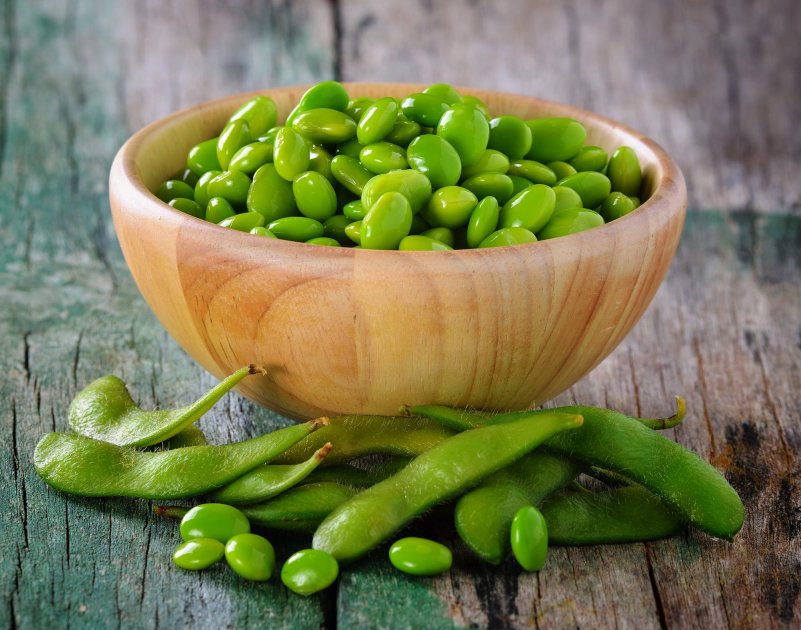
Edamame
Young soybeans in their pods, boiled and generously salted. This isn’t just an appetizer—it’s a dish in its own right, the perfect accompaniment to drinks or a light snack. You eat the beans by squeezing them out of the pod with your teeth. They’re found everywhere, from sushi bars to family dinner tables. Sometimes spicy seasoning or sesame seeds are added.
 ©
depositphotos
©
depositphotos
Photo author - odua
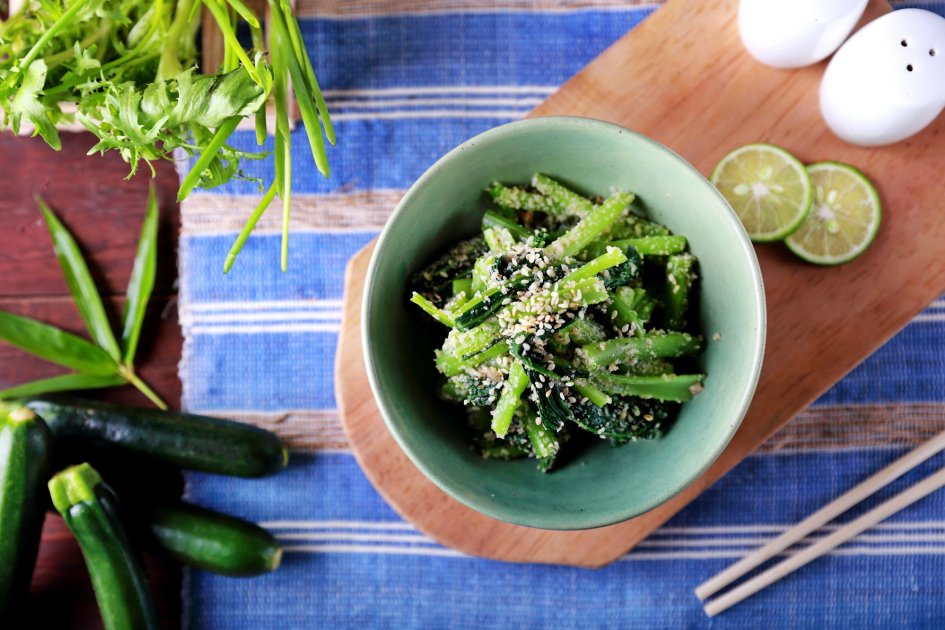
Goma-ae
A cold salad made with blanched greens (most often spinach) and a sesame dressing. The sesame seeds are toasted, ground into a paste, and mixed with sugar, mirin, and soy sauce. Goma-ae is served chilled, and this dish is often served during the hot summer months. Sometimes you can find versions made with other vegetables, but spinach is the classic choice.
 ©
depositphotos
©
depositphotos
Photo author - Magdanatka
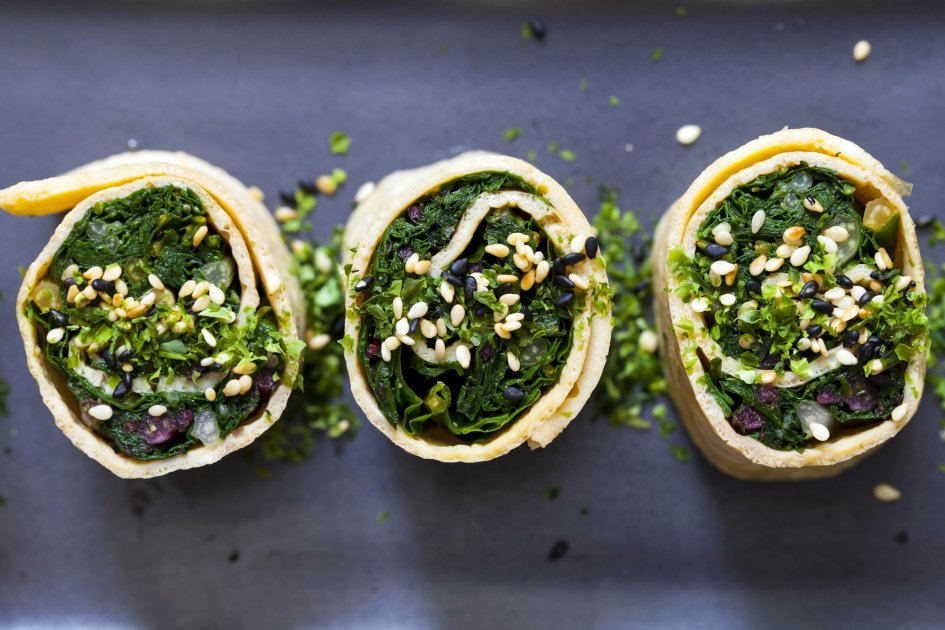
Ohitashi
Blanched greens drizzled with dashi and soy sauce and sprinkled with dried bonito flakes (katsuobushi). The katsuobushi sits on top and, from the residual heat, begins to quiver slightly, giving it a lively appearance. This is not merely a garnish, but a reflection of the ikki-ikko philosophy—everything in one go, one bite, one moment.
 ©
depositphotos
©
depositphotos
Photo author - HanzoPhoto
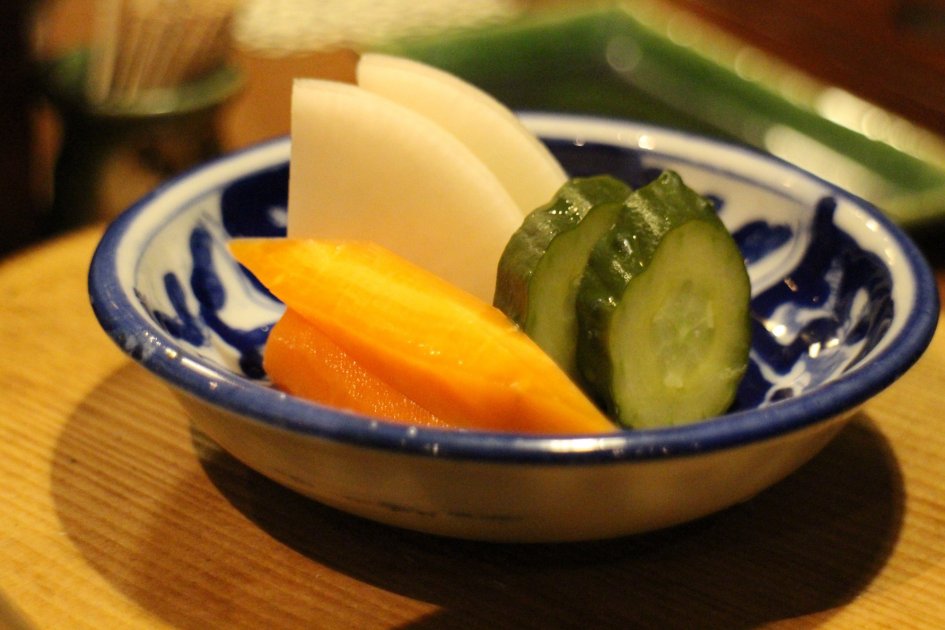
Tsukemono
Japanese pickled vegetables—cucumbers, radishes, eggplant, and plum leaves. Each region makes its own tsukemono according to its own recipe. They’re always served with rice: their sour, crunchy, and spicy flavors aid digestion and refresh the palate between main courses. They’re prepared with salt, rice vinegar, or miso, and the flavor depends on the fermentation time.
Soups
 ©
depositphotos
©
depositphotos
Photo author - akiyoko74
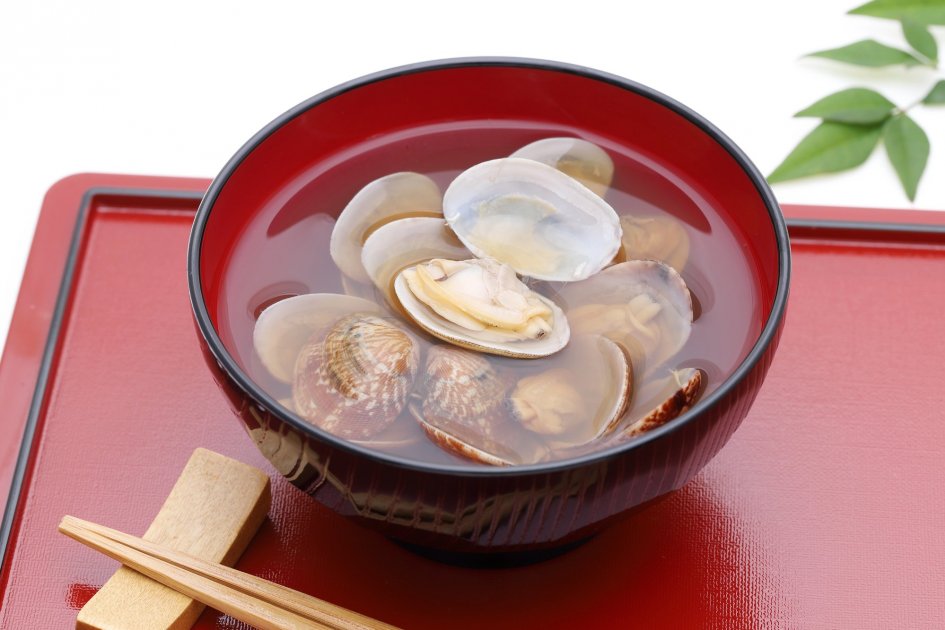
Miso Soup (miso shiru)
This is a soup, not just “fish soup.” It consists of a mild dashi broth with dissolved miso paste, thin slices of tofu, wakame seaweed, and chopped green onions. Each ingredient plays its own role. Miso is never boiled—it’s added at the end to preserve the live bacteria. Miso soup is the first thing people eat for breakfast and the last dish before dessert. Different regions use different types of miso: in Kanto, it’s darker and saltier; in Kansai, it’s lighter and milder.
Main Dishes
 ©
depositphotos
©
depositphotos
Photo author - KarepaStock
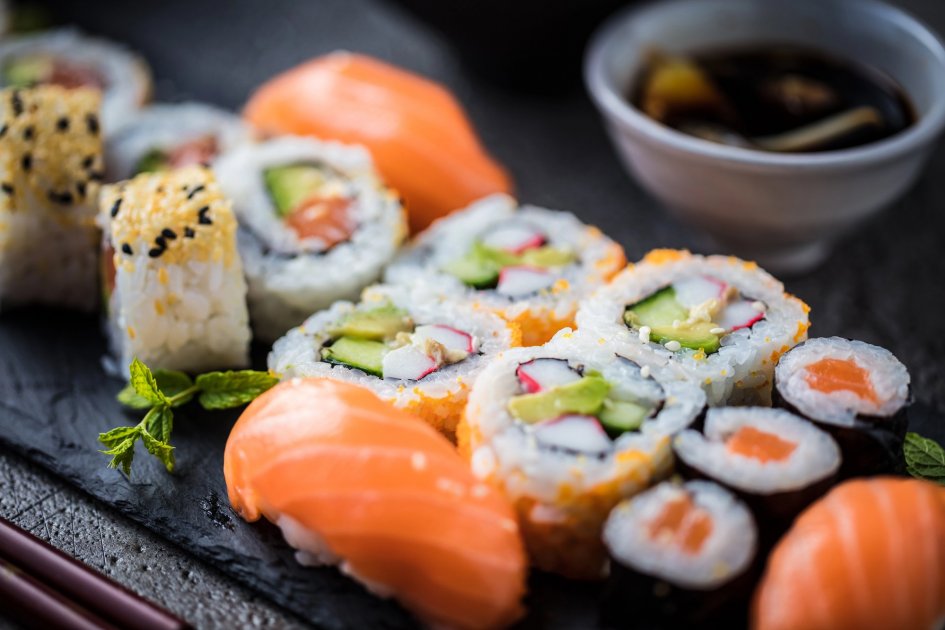
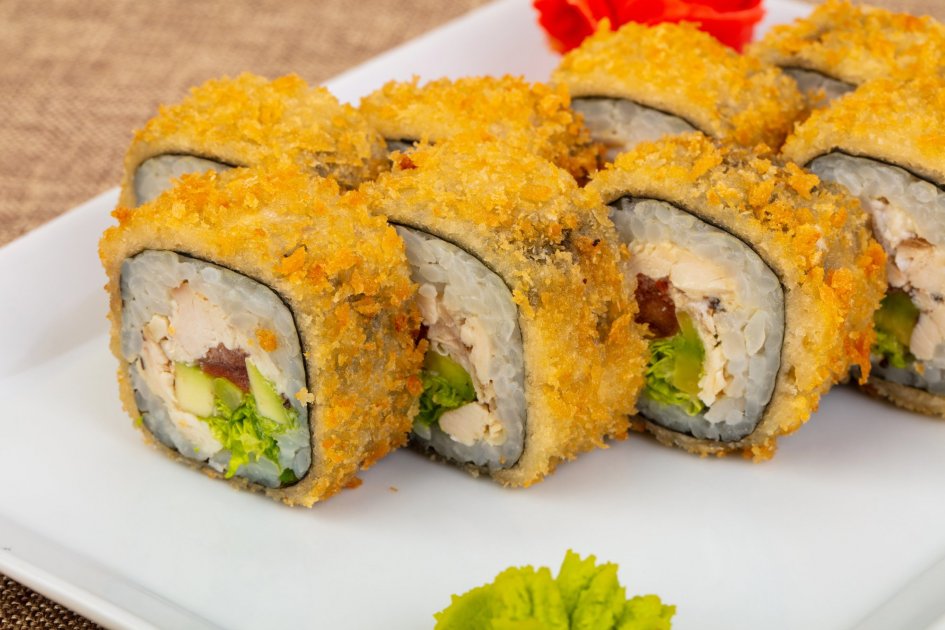
Sushi
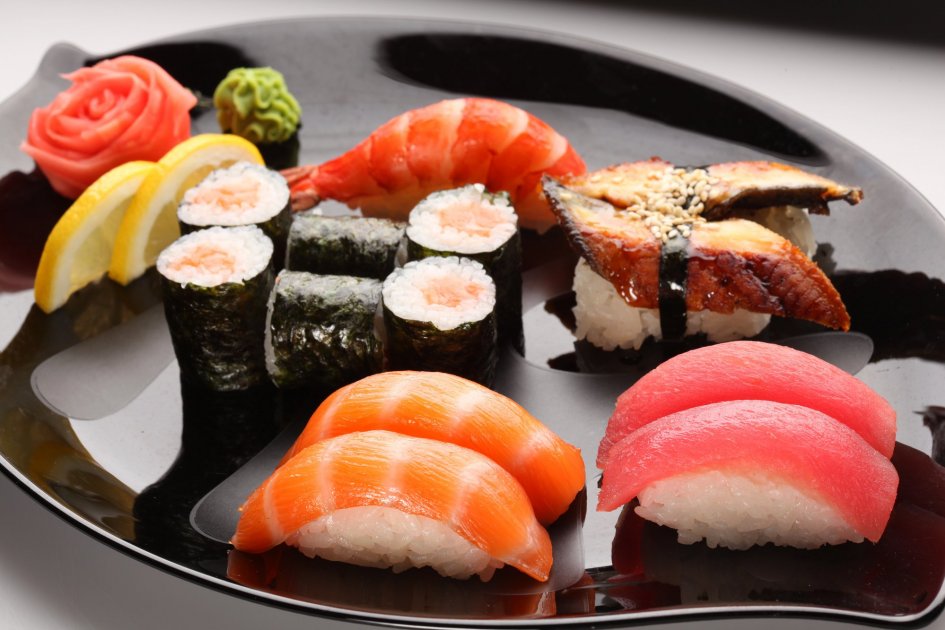
Rice seasoned with rice vinegar, sugar, and salt, topped with seafood, vegetables, or omelet. Sushi originated as street food in Edo (now Tokyo)—a cheap, quick meal for workers. Nigiri sushi (rice topped with a piece of fish) can be eaten in a single bite. Makizushi (sushi rolls wrapped in nori) are sliced before serving. The taste depends on the freshness of the fish and the quality of the rice—good sushi rice takes hours to prepare.
 ©
depositphotos
©
depositphotos
Photo author - hungryworks
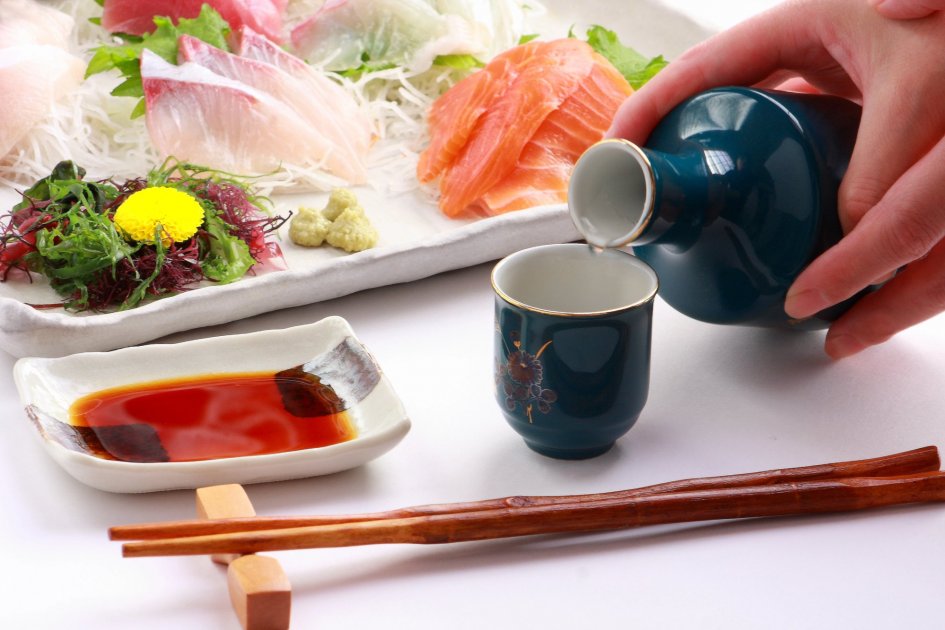
Sashimi
Thinly sliced raw fish or seafood served without rice. It is eaten with soy sauce and spicy wasabi paste. Sashimi is a demonstration of skill and trust: without rice or other ingredients, the flavor of the fish shines through. Each piece is cut at an angle to increase the surface area and bring out the flavor. Sashimi is served with pickled ginger (gari) to cleanse the palate between bites.
 ©
depositphotos
©
depositphotos
Photo author - AndreySt
Tempura
Seafood and vegetables (shrimp, white fish, eggplant, carrots, mushrooms) coated in a light batter and deep-fried. The batter is made from flour, water, and eggs, and it isn’t mixed thoroughly—the lumps of flour give it that signature crispy texture. The technique of deep-frying was introduced to Japan by the Portuguese in the 16th century, but the Japanese perfected it. Tempura is eaten hot, dipped in a broth-based sauce with daikon.
 ©
depositphotos
©
depositphotos
Photo author - tiverylucky
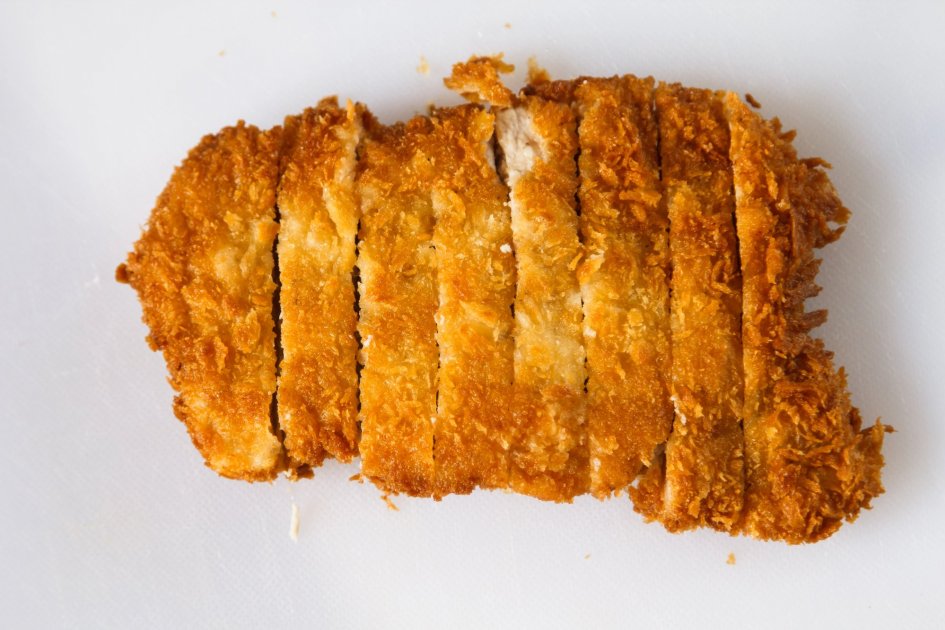
Tonkatsu
A thin pork cutlet breaded and deep-fried. The meat is tenderized, coated in flour, egg, and breadcrumbs, and deep-fried until golden brown. This dish belongs to the yōshoku category—a Western-influenced cuisine—but it has become a national favorite in Japan. Tonkatsu is eaten with spicy sauce, mustard, and thinly sliced fresh cabbage. Miso soup and rice are often served with the dish.
 ©
depositphotos
©
depositphotos
Photo author - piyato
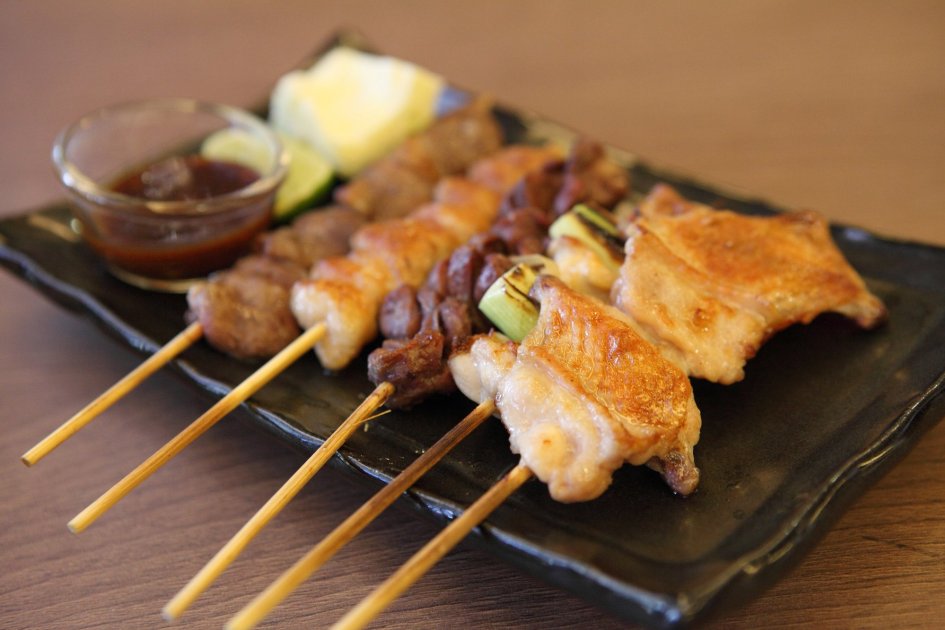
Yakitori
Chunks of chicken on bamboo skewers, grilled over charcoal. It’s served two ways: with tare sauce (a sweet-and-salty sauce made from soy sauce, mirin, and sugar) or simply with salt. Yakitori is street food, pub fare, and the perfect snack for a casual evening out. Each part of the chicken—wings, thighs, drumsticks, and liver—is cooked differently because each has its own texture and cooking time.
 ©
depositphotos
©
depositphotos
Photo author - Chaded
Sukiyaki
Thin slices of beef, shallots, Japanese spinach leaves, mushrooms, tofu, and udon noodles, simmered right at the table in a deep skillet in a sweet-and-salty warishita sauce. Each piece of meat is dipped in a raw egg before eating. This dish is a festive one, not an everyday meal. Cooking it at the table makes it an interactive and social experience.
 ©
depositphotos
©
depositphotos
Photo author - escapejaja
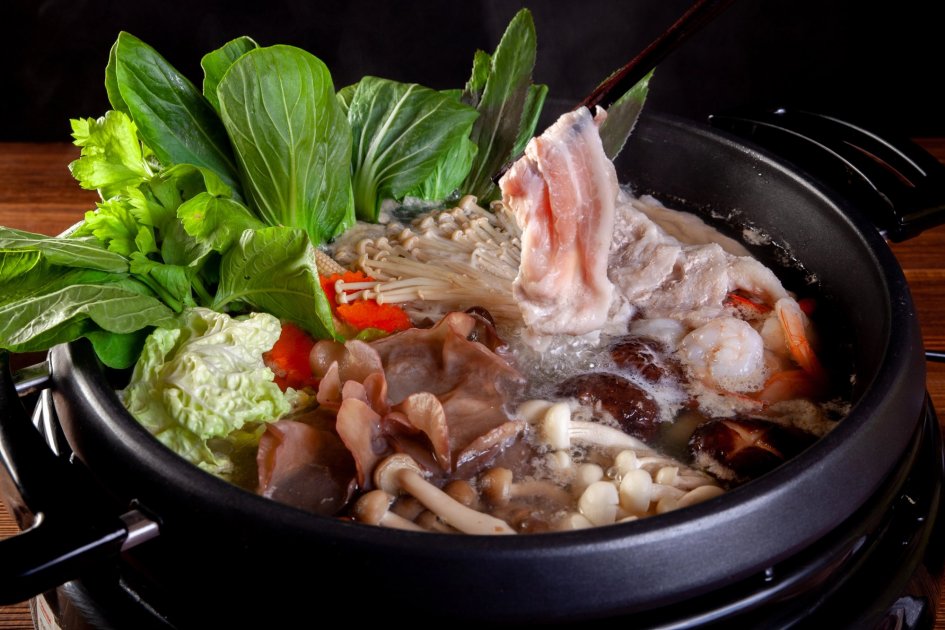
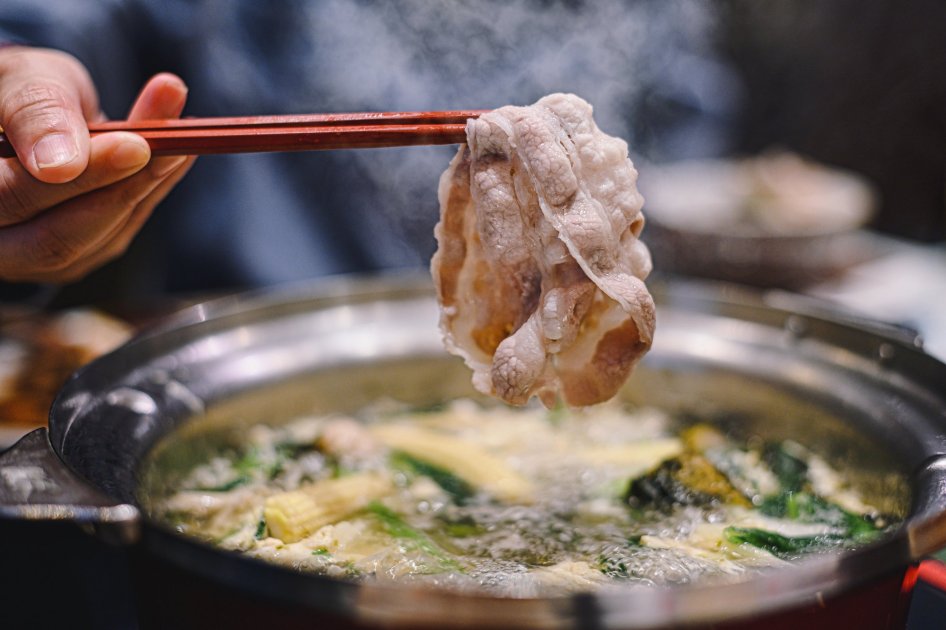
Shabu-shabu
Thin slices of meat that each guest dips into boiling broth in the center of the table and eats immediately. The meat cooks in just a few seconds. It is served with two sauces: ponzu (vinegar-based) and sesame (sesame). Vegetables, mushrooms, and noodles are added to the meat. Shabu-shabu translates as “sound”—the sound the meat makes when it’s stirred in hot water.
 ©
depositphotos
©
depositphotos
Photo author - vichie81
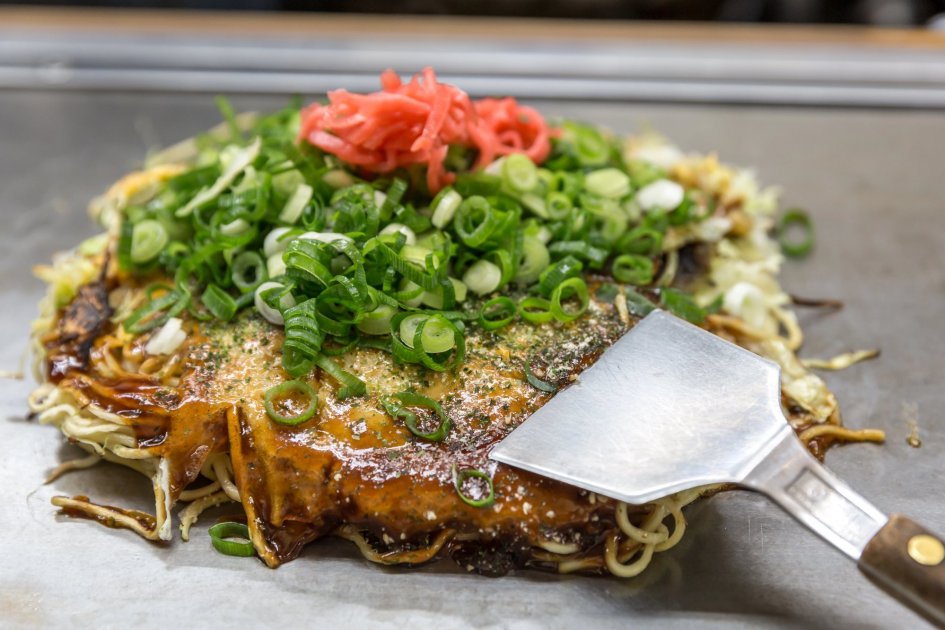
Okonomiyaki
A hearty pancake made from a thin batter with shredded cabbage, meat, or seafood, cooked in a skillet. It is topped with spicy okonomi sauce and sweet mayonnaise, then sprinkled with dried bonito flakes (katsuobushi) and seaweed. Okonomiyaki is a specialty of Osaka and Hiroshima. The name literally means “cook as you like”—the batter is versatile, and the fillings vary depending on personal taste and region.
 ©
depositphotos
©
depositphotos
Photo author - asimojet
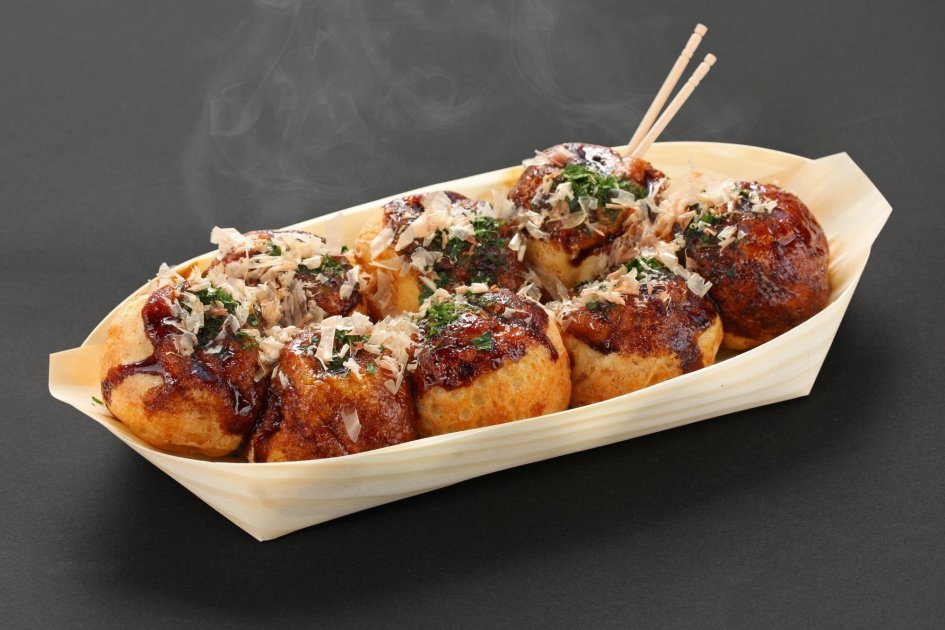
Takoyaki
These balls of batter with a piece of octopus inside are cooked in a special mold, resulting in a crust that’s crispy on the outside and soft on the inside. They are served hot, topped with spicy sauce and colorful bonito flakes. Takoyaki is a street food in Osaka, sold from small stalls. You can eat one takoyaki in a single bite.
 ©
depositphotos
©
depositphotos
Photo author - Ostancoff
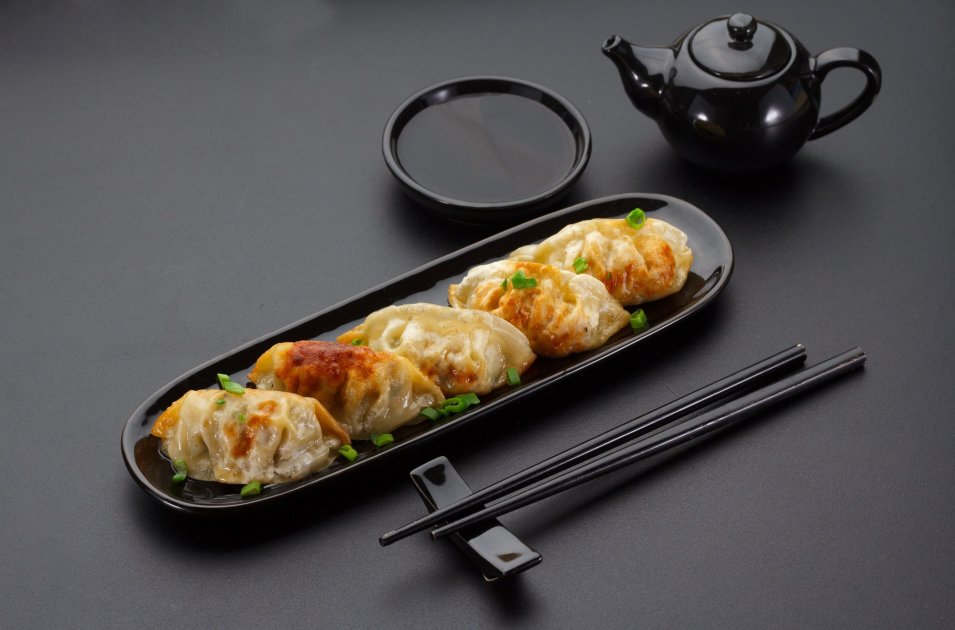
Gyoza
Pan-fried half-moons filled with ground pork, cabbage, and garlic. Gyoza is derived from Chinese jiaozi, but the Japanese version is smaller, thinner, and is typically pan-fried until golden brown. Gyoza are eaten with soy sauce mixed with vinegar and a spicy oil-based condiment. They are often served as a side dish at ramen shops or as an appetizer with alcoholic beverages.
 ©
depositphotos
©
depositphotos
Photo author - Fnatic12
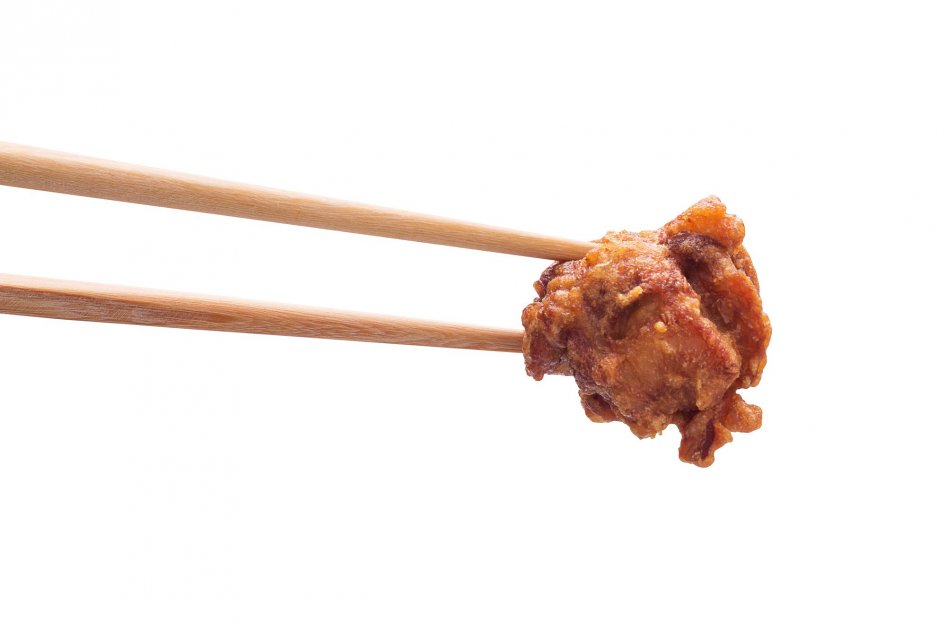
Karaage
Small pieces of chicken coated in a light batter and deep-fried. The chicken is marinated in soy sauce, garlic, and ginger before frying. Karaage is crispy on the outside, tender on the inside, and has a fragrant crust. You can find this dish everywhere—at markets, in pubs, and on family dinner tables. It’s often served with lemon and a spicy mayonnaise-based condiment.
Rice and Donburi
 ©
depositphotos
©
depositphotos
Photo author - akiyoko74
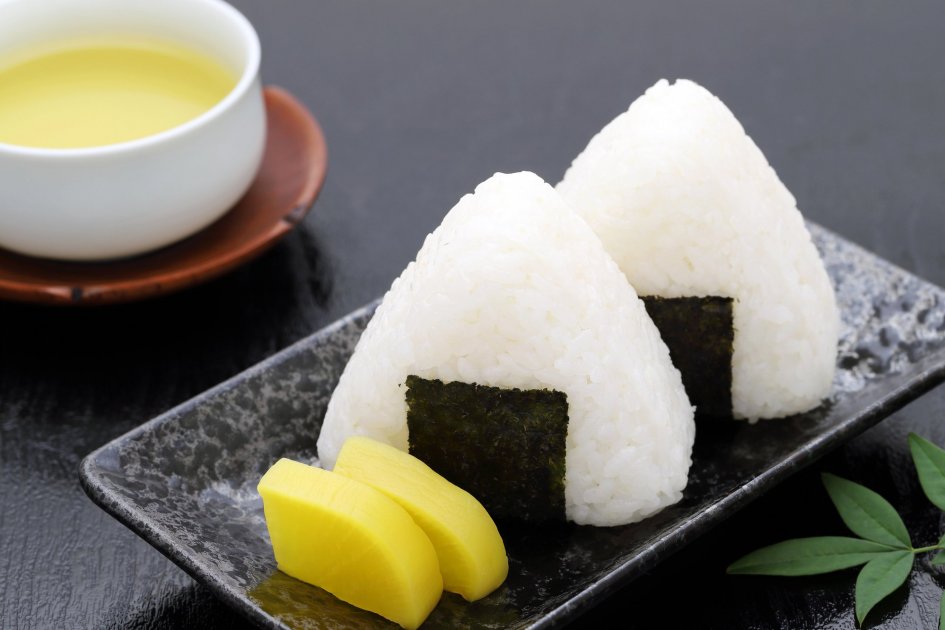
Onigiri
Triangular rice balls with fillings (plum paste, salted fish, pickled plum egg), wrapped in a strip of nori seaweed. Onigiri are a portable food, often taken along on walks or trips. Often, onigiri are made simply with salt and eaten at home or at a picnic. The triangular shape is functional: it’s easy to hold, looks nice, and is simple to prepare.
 ©
depositphotos
©
depositphotos
Photo author - robbin0919@gmail.com
Gyudon
A bowl of rice topped with beef simmered in a sweet-and-salty sauce and thinly sliced onions. The beef is simmered with onions in a sauce made from soy sauce, mirin, and sugar until tender. Gyudon is served hot, with the rice thoroughly soaked in the sauce. This quick, hearty dish is a typical working-class meal. Other donburi dishes with various toppings are prepared using the same method.
 ©
depositphotos
©
depositphotos
Photo author - thirdparty
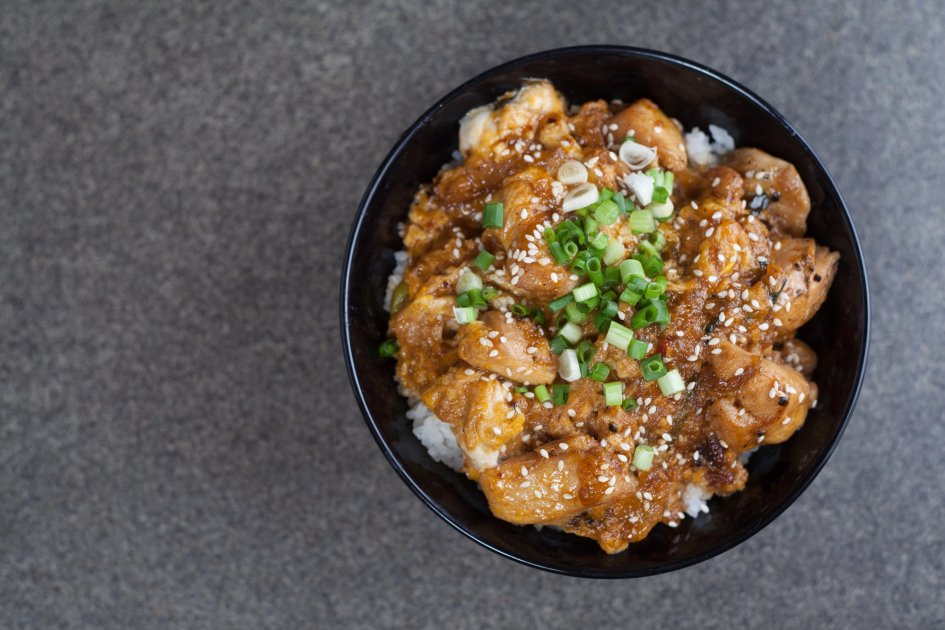
Oyakodon
Chicken simmered in dashi and soy sauce, topped with beaten egg poured directly over rice. The egg isn’t fully cooked—it retains a light, fluffy texture. The name “oyakodon” literally means “chicken parents and their egg child” on rice. It’s a tender, comforting dish.
 ©
depositphotos
©
depositphotos
Photo author - lenyvavsha
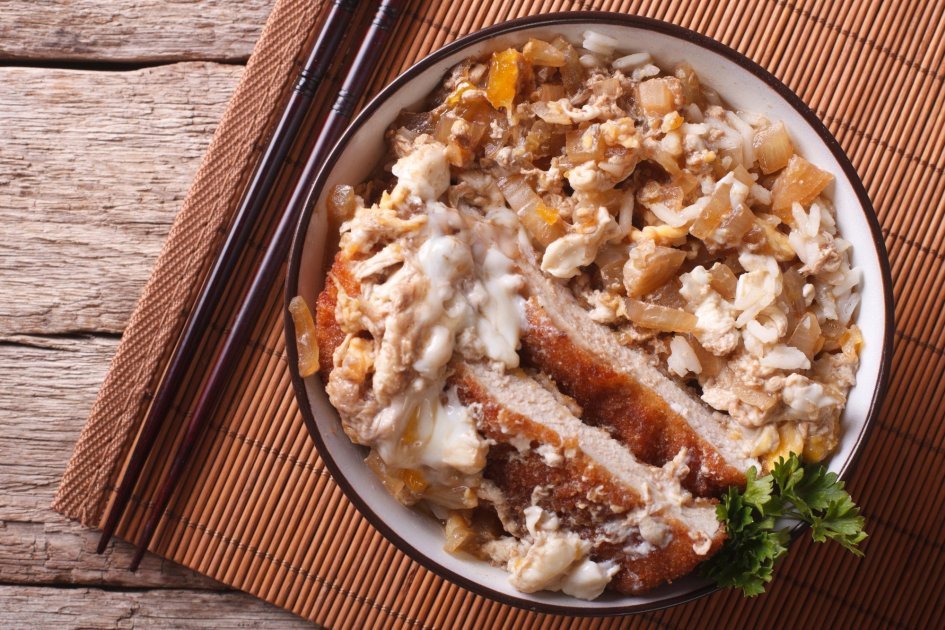
Katsudon
Tonkatsu (breaded pork cutlet) with scrambled egg over rice. The cutlet is placed on hot rice and topped with broth containing onions and an egg—the egg is lightly poached. This hearty dish is often eaten by students and workers: it’s quick, tasty, and inexpensive.
 ©
depositphotos
©
depositphotos
Photo author - topntp
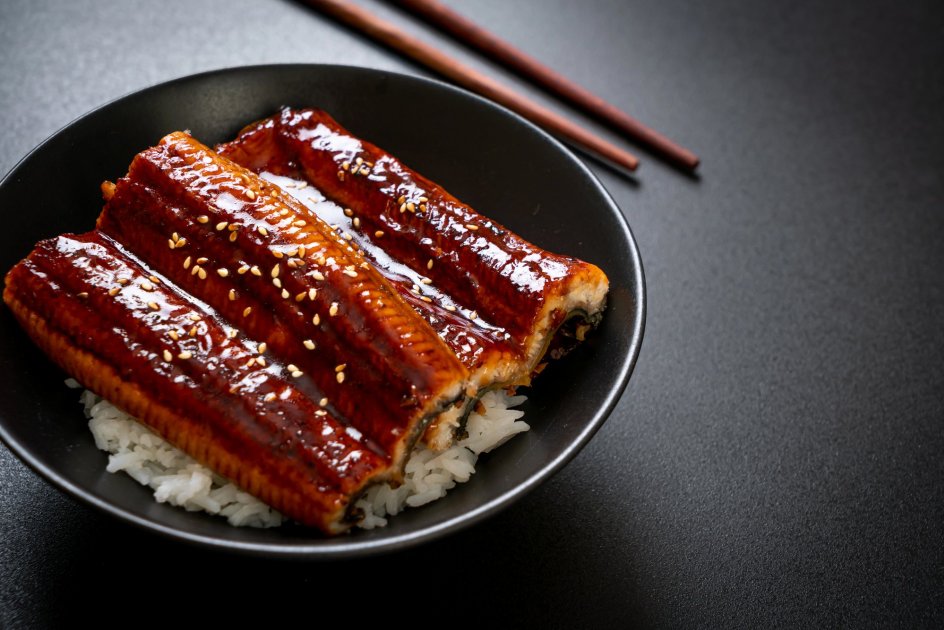
Unadon
Grilled unagi eel in sweet sauce served over rice. The eel is cleaned, split open along the back, cut into pieces, threaded onto a bamboo skewer, and grilled over charcoal, periodically dipped in unagi sauce (a sauce made with soy sauce and mirin). The eel meat is fatty, and the sauce is sweet—a winning combination. Unadon is a festive, expensive dish served in fine restaurants.
 ©
depositphotos
©
depositphotos
Photo author - keiphoto
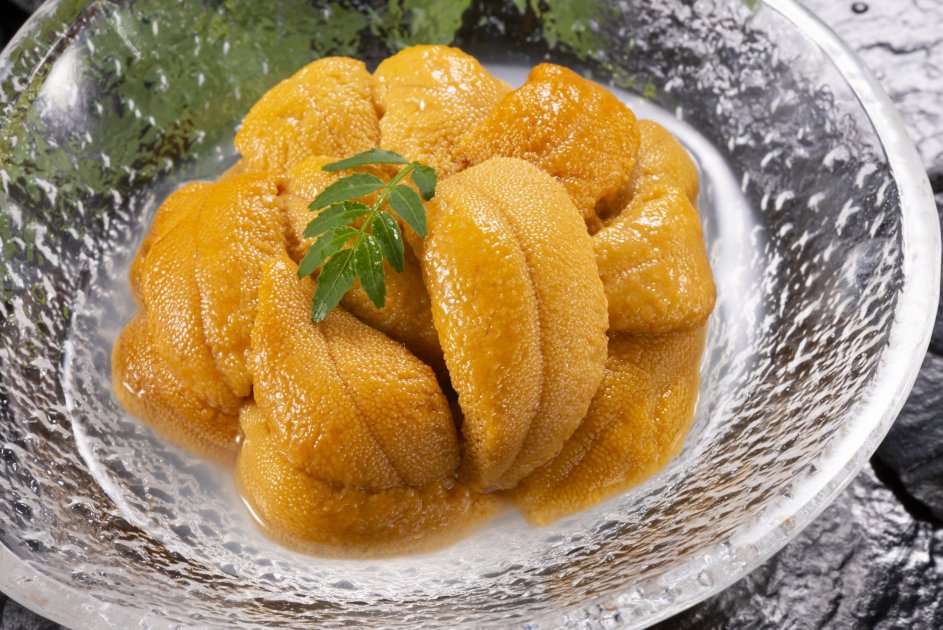
Kaisendon
An assortment of seafood delicacies (sashimi with crab, shrimp, caviar, and squid) served on a bed of rice. Kaisendon is prepared using the freshest seafood available on the day it is made. This dish is expensive and festive, demonstrating generosity and respect for the guest.
 ©
depositphotos
©
depositphotos
Photo author - Aphotots
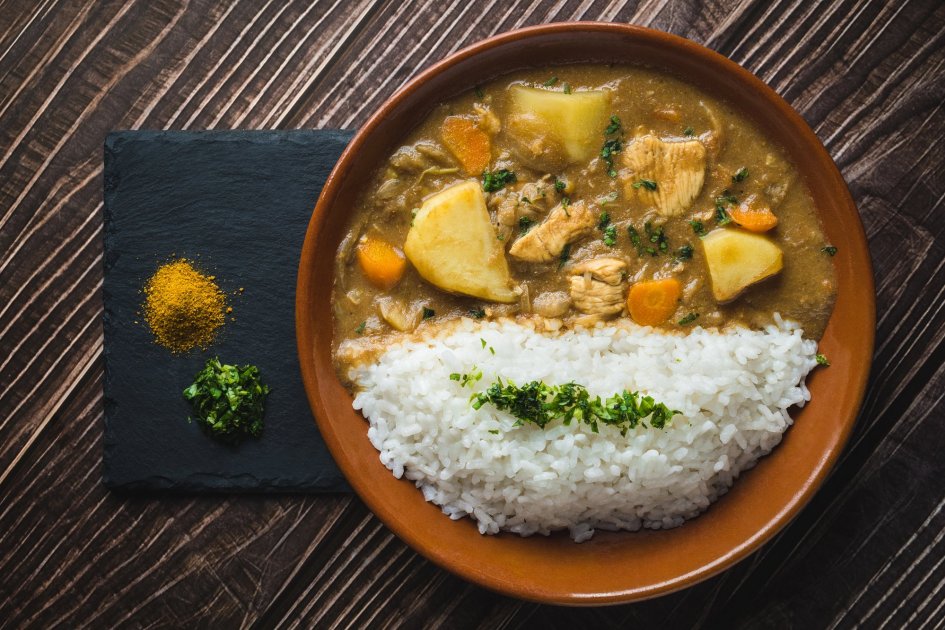
Curry Rice
Japanese curry served over rice. Curry came to Japan via Britain in the early 20th century—it is part of yōshoku (Western-influenced cuisine). Japanese curry is milder, sweeter, and less spicy than Indian or Thai curry. Potatoes, carrots, chicken, or beef are often added to the curry. It’s a comforting dish typically eaten at home.
Noodles
 ©
depositphotos
©
depositphotos
Photo author - lcc54613
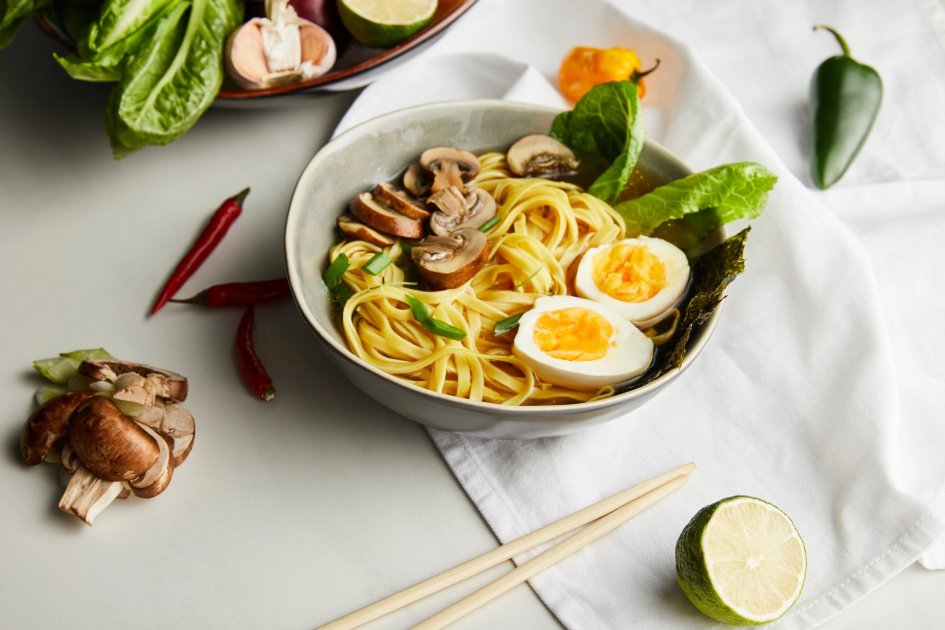
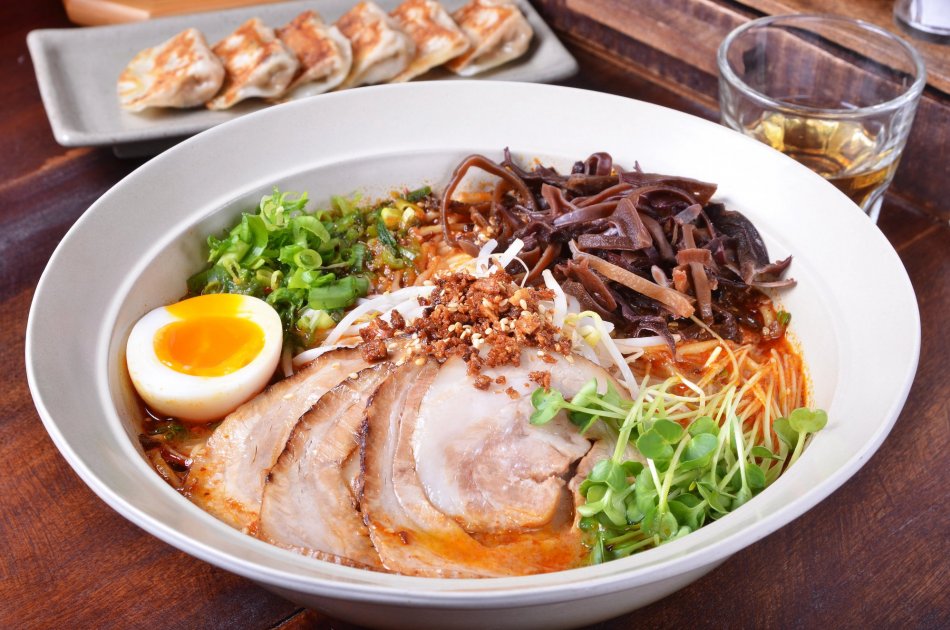
Ramen
Wheat noodles in hot broth, usually with beef, pork, chicken, egg, and nori seaweed. Ramen came from China in the early 20th century, but in Japan it has evolved into a distinct art form. The broth is simmered for hours, the noodles are made fresh, and the toppings are carefully selected. Ramen varies by region: miso ramen from Sapporo, tonkotsu ramen (with pork bone broth) from Fukuoka, and shoyu ramen with soy sauce. It’s customary to slurp the noodles noisily—this is normal and shows you’re enjoying your meal.
 ©
depositphotos
©
depositphotos
Photo author - Torsakarin
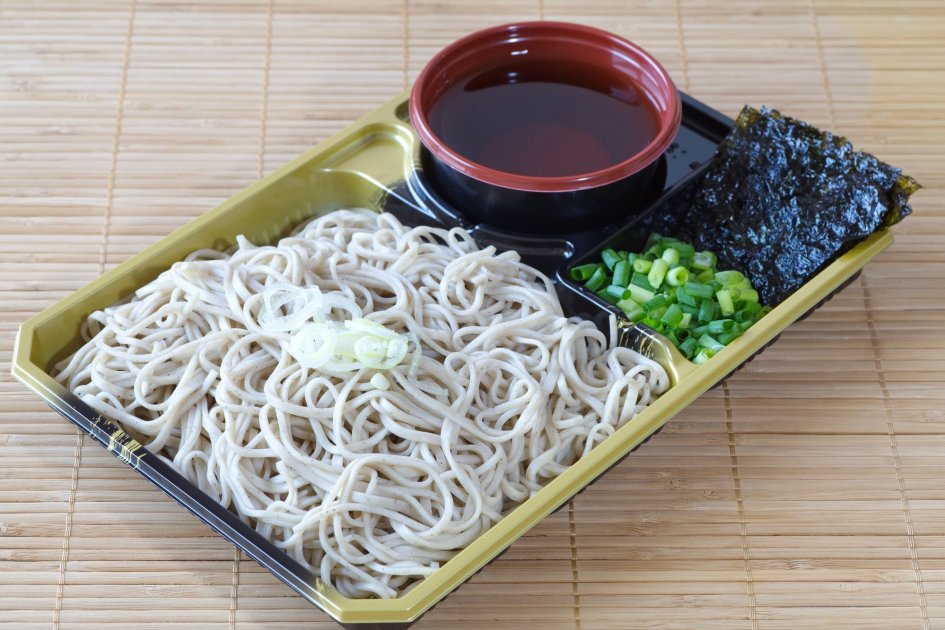
Soba
Buckwheat noodles served hot in dashi broth or cold with tsuyu sauce. Soba is thinner than ramen and has a different flavor—a nutty, buckwheat flavor. Cold soba is eaten in the summer, dipping each bite into cold sauce. Hot soba is served during the colder months in broth with simple toppings (onion, chopped seaweed). Soba is considered a healthier noodle option than wheat noodles.
Udon
Thick wheat noodles in warm dashi broth. Udon is made from a simple dough—flour, water, and salt. The noodles are chewy, soft, and absorb the flavor of the broth. Simple toppings are added to udon: chopped green onions, seaweed, and sometimes a piece of chicken or beef. Udon is a comforting, soothing dish; people eat it when it’s cold and they’re craving something warm.
 ©
depositphotos
©
depositphotos
Photo author - MKPK
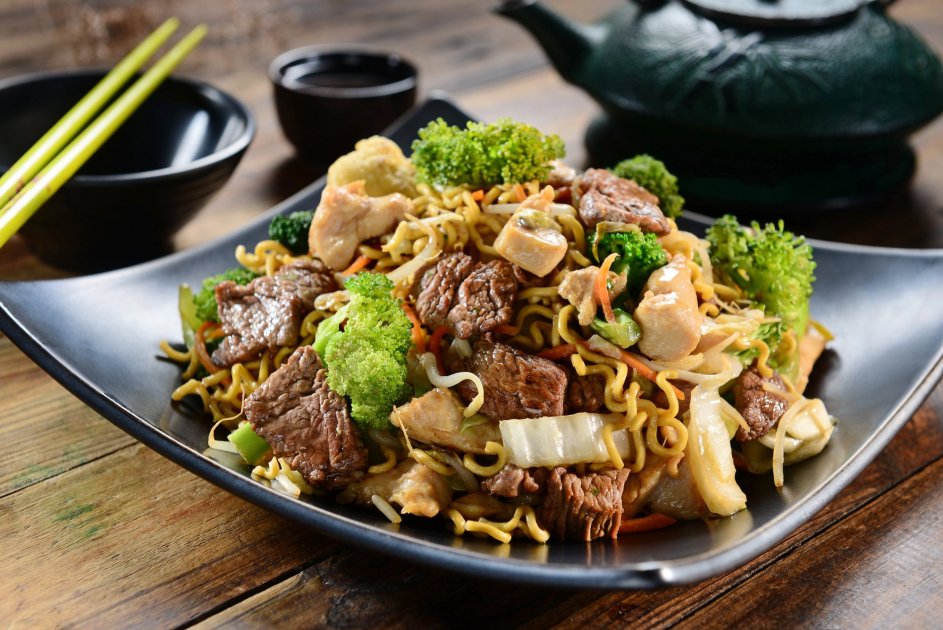
Yakisoba
Stir-fried wheat noodles with vegetables (cabbage, carrots, onions) and spicy yakisoba sauce. All the ingredients are stir-fried in a pan with the noodles, then spicy sauce is added, and the dish is often topped with katsuobushi and mayonnaise. Yakisoba is street food, typically prepared at fairs and festivals. It’s a filling, quick, and inexpensive dish.
Desserts
 ©
depositphotos
©
depositphotos
Photo author - teresaterra
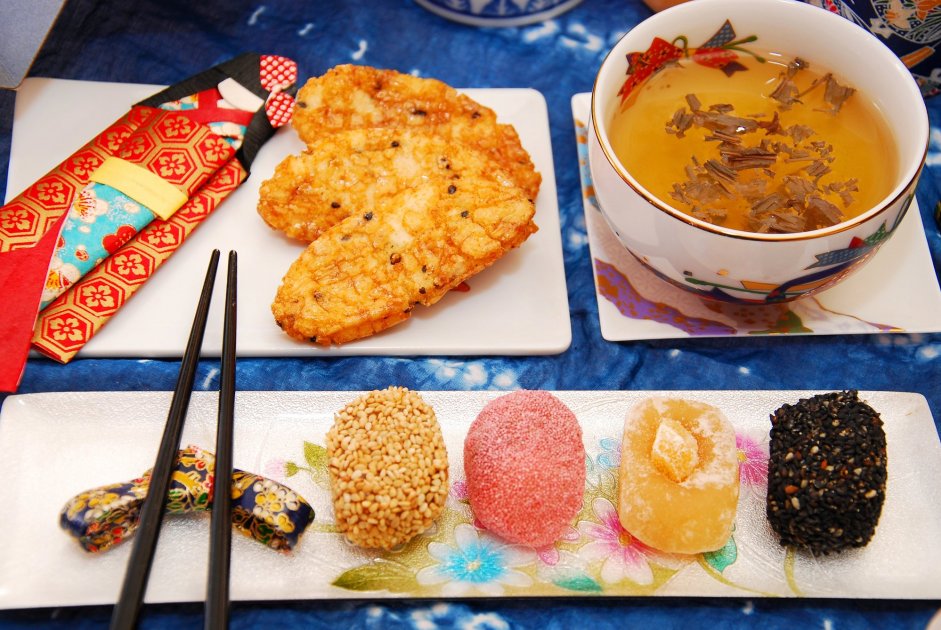
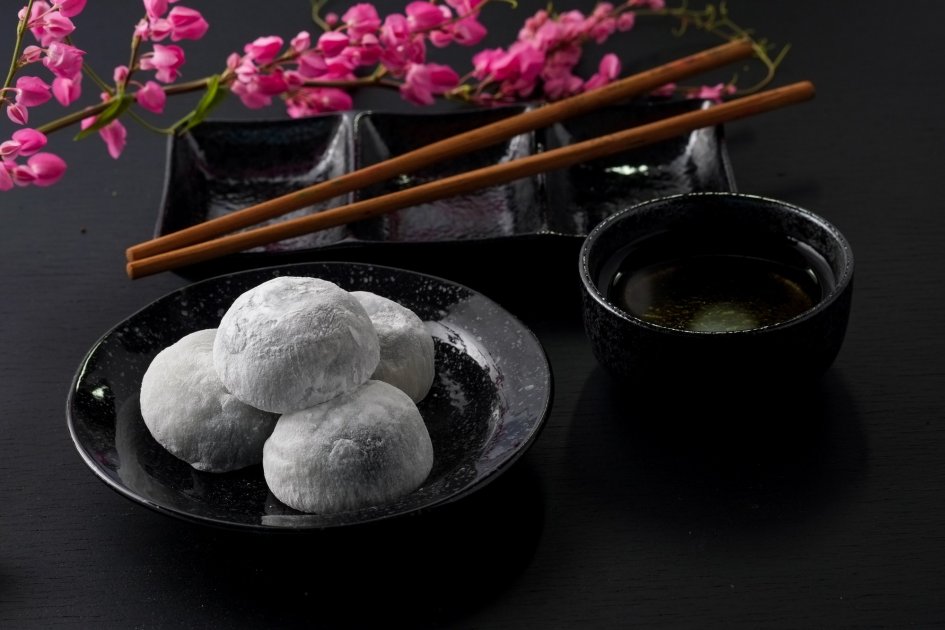
Mochi
Chewy rice cakes made from pounded glutinous rice. Mochi is made from glutinous rice that is pounded into a paste and then shaped into small balls. Mochi is eaten with various fillings or sweet sauces. Mochi has a unique texture—soft, chewy, and slightly sweet. It is an ancient dessert that has been prepared in Japan for centuries.
 ©
depositphotos
©
depositphotos
Photo author - nattapol
Daifuku
Mochi filled with sweet anko paste (azuki bean paste). A popular variety is itigo daifuku, which features a whole strawberry inside, wrapped in sweet paste and mochi. Daifuku is small—just one piece—and slightly sweet. It’s a simple, elegant dessert.
 ©
depositphotos
©
depositphotos
Photo author - primagefactory
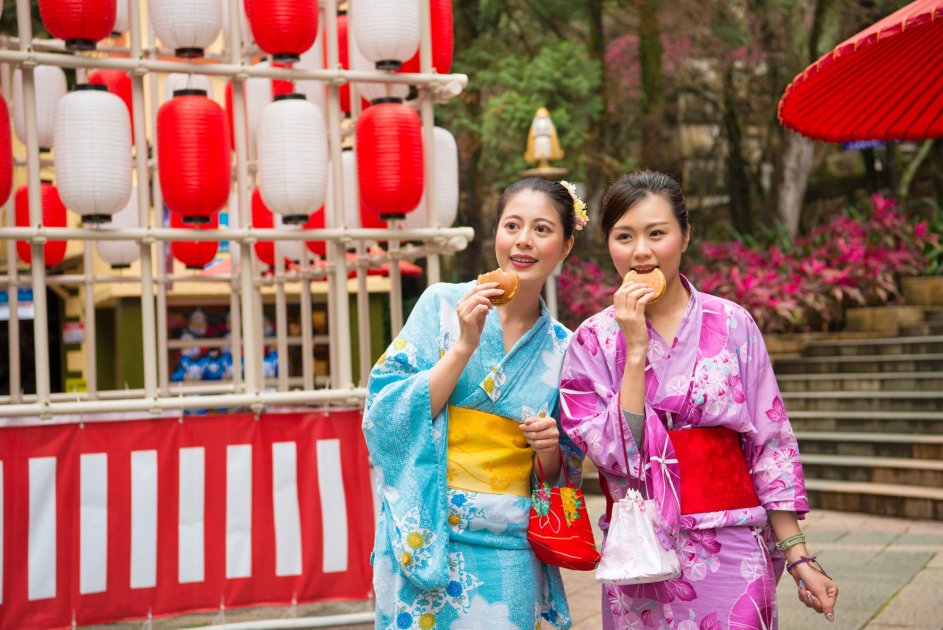
Dorayaki
Two thin sponge pancakes made from castella batter and filled with sweet anko paste. Dorayaki resembles an iron—hence its name (doro = copper pot). It’s an inexpensive, popular dessert sold everywhere. The pancakes are soft, and the anko is sweet but not cloying.
 ©
depositphotos
©
depositphotos
Photo author - sai0112
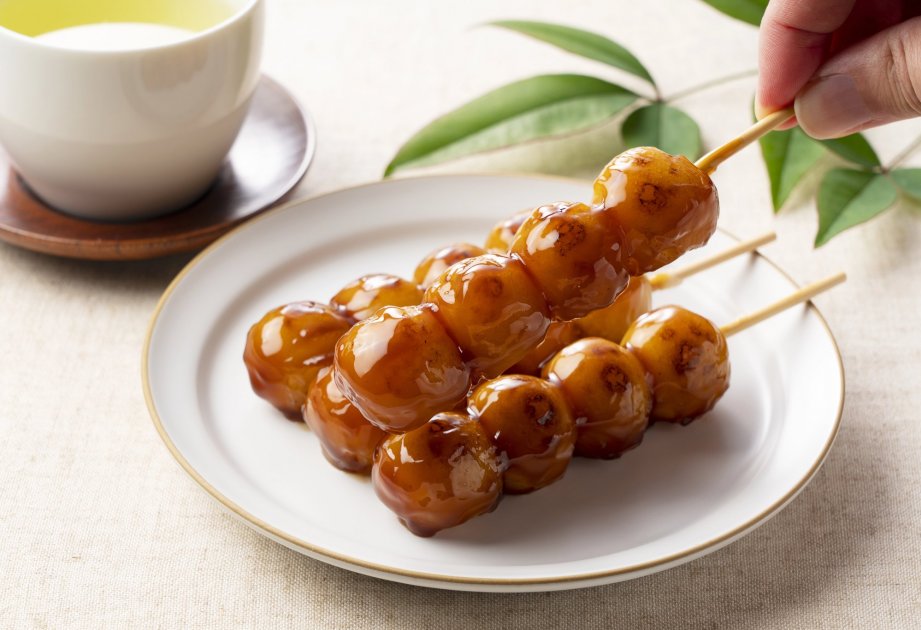
Dango
Small rice balls on a wooden skewer, usually served with a sauce or sweet paste. A popular variety is mitsarashi dango, glazed with a mixture of sugar and soy sauce. Dango is made from rice flour and has a chewy, slightly springy texture.
 ©
depositphotos
©
depositphotos
Photo author - Torsakarin
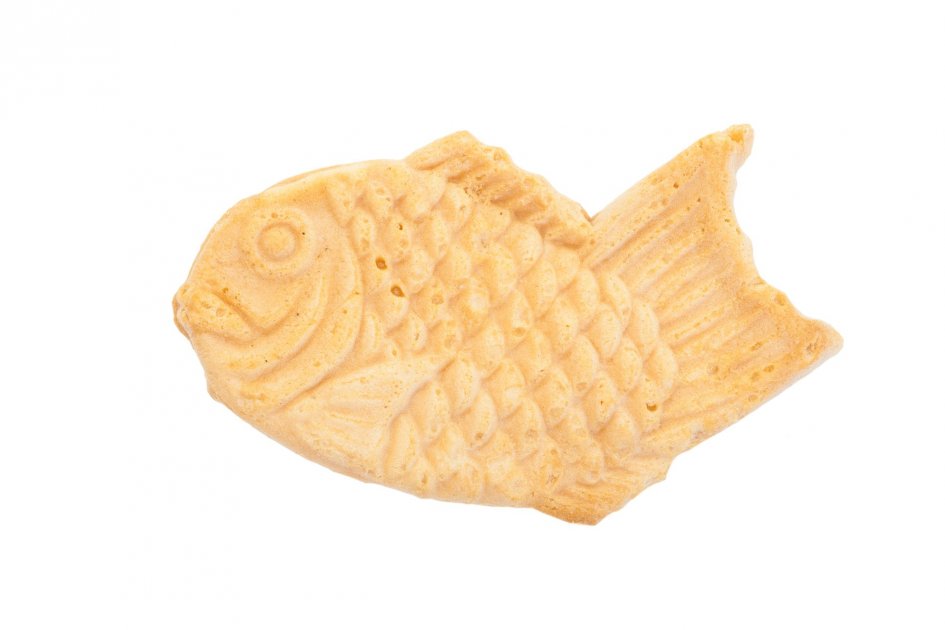
Taiyaki
A fish-shaped waffle filled with sweet anko paste. Taiyaki is made in a special mold, resulting in a fish that is crispy on the outside and soft on the inside. It is a popular street dessert in Japan. The name means “fried sea porridge” (fish).
 ©
depositphotos
©
depositphotos
Photo author - fotoall
Manju
Steamed buns made from simple dough and filled with sweet azuki bean paste. Manju are soft, light, and slightly sweet. This is a homemade, rustic dessert that has been passed down from generation to generation. There are also cold versions with a beautiful finish.
Drinks
 ©
depositphotos
©
depositphotos
Photo author - sai0112
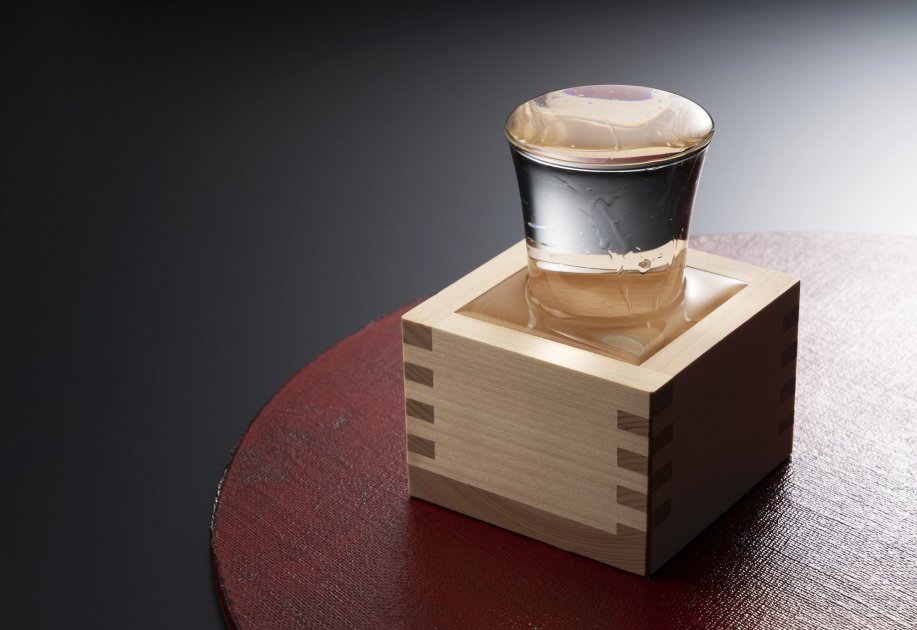
Sake / nihonshu
An alcoholic beverage made from rice that is brewed (fermented) rather than distilled. It has an alcohol content of about 15% by volume. Sake is made from rice, water, and koji mold, which breaks down starch. The fermentation process is complex and takes weeks. Sake is drunk hot, at room temperature, or cold, depending on the type and season. The flavor ranges from dry and sharp to sweet and fruity.
 ©
depositphotos
©
depositphotos
Photo author - akiyoko74
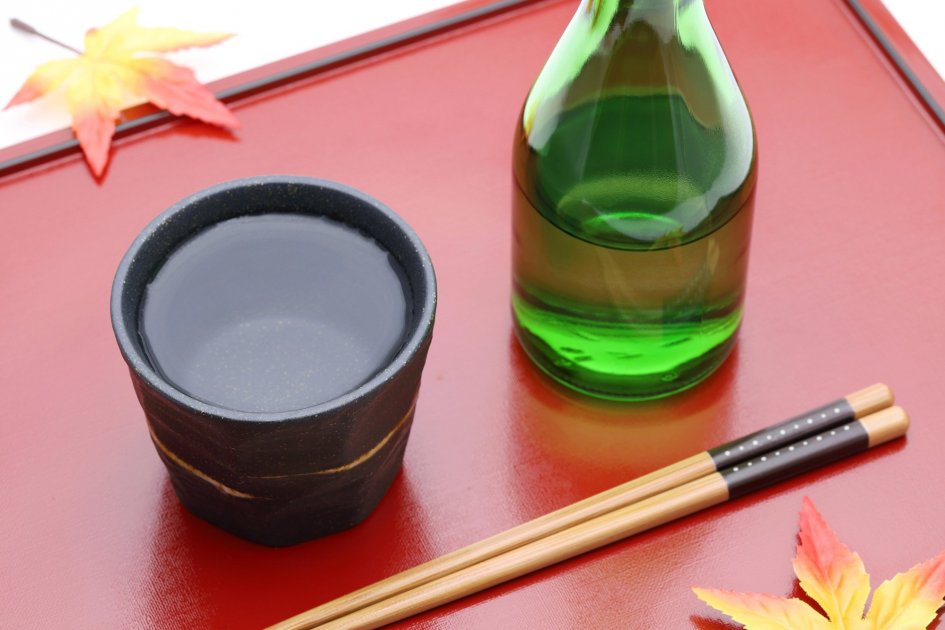
Shochu
A strong distilled spirit made from sweet potatoes, barley, rice, or buckwheat, with an alcohol content of 25–35% by volume. Shochu is drunk neat, with water, on the rocks, or in cocktails. It is stronger than sake and has a sharper flavor. Shochu is popular in southern Japan, especially in Kyushu.
Umeshu
A sweet-and-sour liqueur made by infusing green ume plums in shochu, with an alcohol content of about 10–15%. Umeshu is drunk as an aperitif, diluted with ice or water. It has a fruity, fresh, and slightly tart flavor. It is a homemade drink prepared by families and served to guests.
 ©
depositphotos
©
depositphotos
Photo author - kariphoto
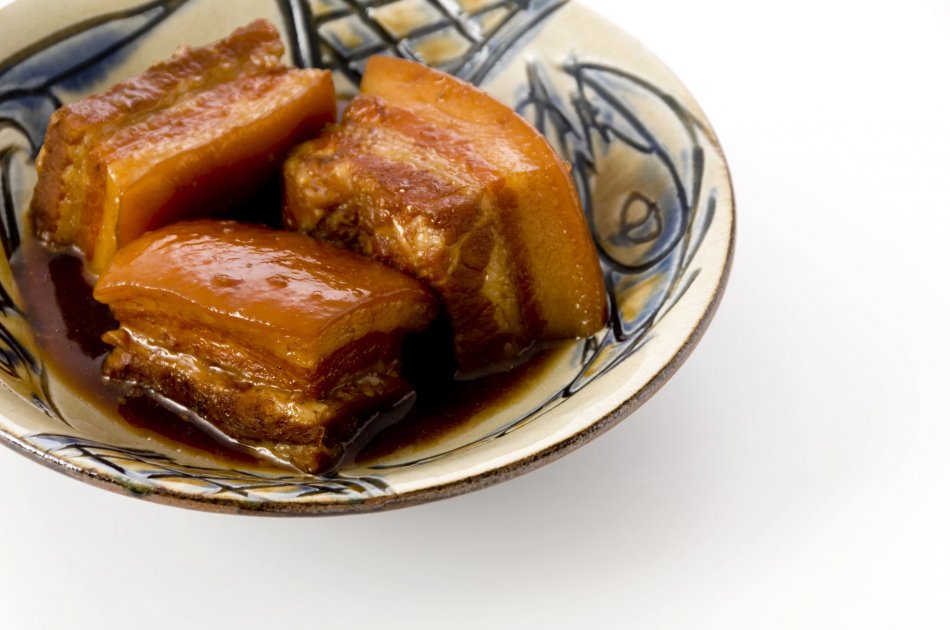
Awamori
An Okinawan rice distillate that is stronger than sake and has a more intense flavor. Awamori is produced in Okinawa from local rice according to an ancient recipe. Alcohol content: 25–60% by volume. Awamori is often diluted with water (this mixture is called mizuwari).
 ©
depositphotos
©
depositphotos
Photo author - akiyoko74
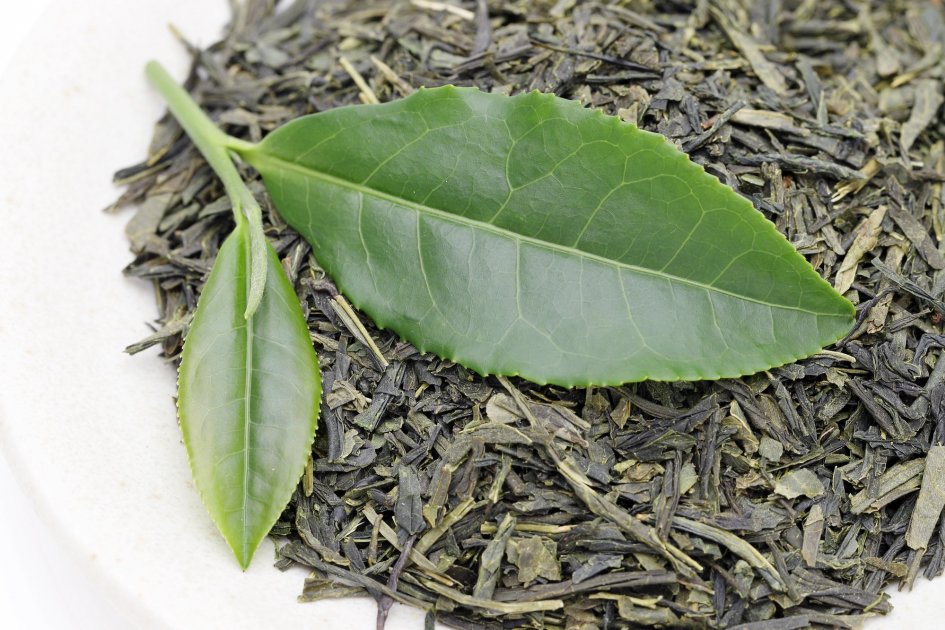
Ryokucha
Green tea in various forms: matcha (powdered green tea), sentya (loose-leaf tea), and gemmaicha (tea with roasted rice). Matcha is used in the tea ceremony and is served as a separate course. Sencha is an everyday tea. Gemmaicha is more affordable and is often enjoyed at home and in restaurants. Green tea is refreshing with a grassy flavor; matcha contains virtually no caffeine.
 ©
depositphotos
©
depositphotos
Photo author - asimojet
Mugicha
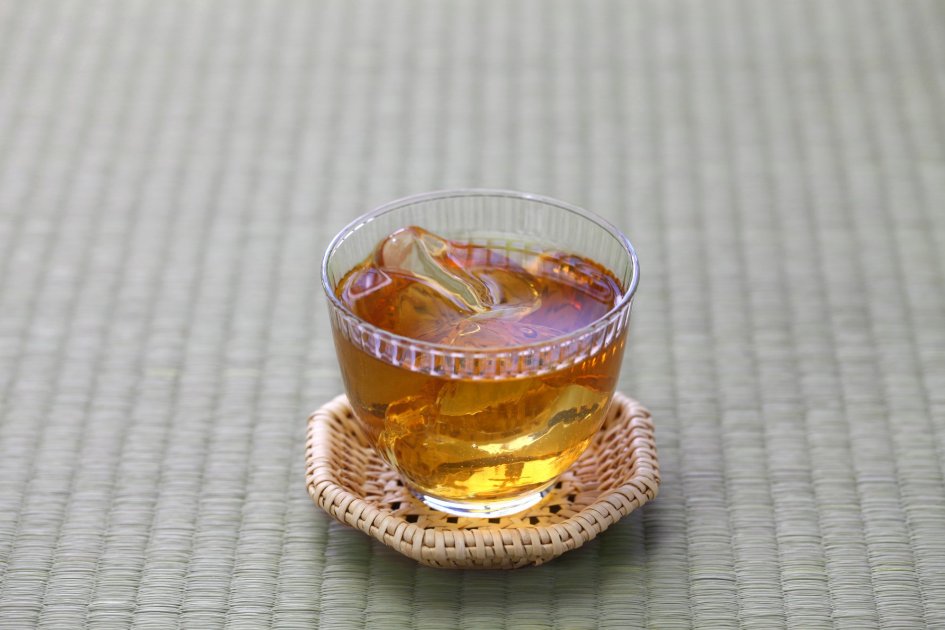
A refreshing, caffeine-free barley tea that is a popular summer drink in Japan. It is made from roasted barley and has a light, nutty flavor. Mugicha is served cold with ice and is perfect for quenching your thirst on a hot day.
Where to Start
Dish | What is it, in a nutshell? | Who it's for |
Sushi | Rice with fish and seafood | For a first taste of the cuisine |
Ramen | Wheat noodles in broth | A hearty dish for cold days |
Miso soup | Dashi broth with tofu and miso | A traditional side dish to accompany the main course |
Tempura | Seafood in a light batter | For those who love crispy food |
Edamame | Boiled soybeans | A light snack to enjoy with a drink |
Okonomiyaki | A pancake made from batter and cabbage | For a hearty snack |
Sashimi | Thinly sliced raw fish | For fans of minimalism |
Mochi | Chewy rice cakes | Vegetarian, sweet |
 ©
depositphotos
©
depositphotos
Photo author - Valentyn_Volkov
Regional Characteristics
Kanto (Tokyo and the east). In this region, people prefer richer, “stronger” flavors. They use dark soy sauce, and dashi is made with katsuobushi. The dishes here are “heartier” than in the western regions. Tokyo ramen is shoyu ramen made with meat or fish broth, often featuring complex recipes.
Kansai (Osaka, Kyoto). Here, they use a lighter kombu-based dashi, and the flavors are lighter and more delicate. Osaka is the capital of okonomiyaki and takoyaki, street foods. Kyoto is known for its exquisite tofu dishes (yudofu), a long-standing imperial tradition. Here, there’s a more conservative approach to food, with respect for tradition.
Hokkaido (north). Seafood and crab form the basis of the local cuisine. Sapporo is famous for miso ramen; the broth is often made with seafood. Local dishes are popular: Ishikari-nabe (soup with salmon and miso) and jingisukan (grilled lamb served at the table). Dairy products are more popular here than in other regions, thanks to the well-developed livestock industry.
Kyushu (Fukuoka). Tonkotsu ramen, with its milky-white broth made from pork bones, originated here. Street ramen stalls (yatai) are a symbol of Fukuoka. Mizutaki—a soup with chicken in a boiling broth—is popular. This region opened up to Western influences earlier than others, which is why there is more culinary experimentation here.
Okinawa (south). Its unique cuisine is a legacy of the Ryukyuan kings. Goya tempura (a fritter made with bitter melon, tofu, and pork) is a symbol of the region. Okinawa soba differs from classic soba. Awamori is a local distilled spirit. Okinawan cuisine is renowned for its role in the population’s longevity, featuring a heavy emphasis on vegetables and tofu and minimal meat.
Traditions and Table Etiquette
- Before a meal. Say “itadakimasu” (literally, “I humbly receive this”), expressing gratitude for the food and the hard work of those who prepared it. After the meal, say “gotousama deshita”—thank you for the meal.
- Chopsticks. Do not stick chopsticks vertically into rice or pass food from hand to hand using chopsticks—these are funeral rituals in Japan. Place chopsticks on a rest or on the edge of the plate.
- Noodles. It’s customary to slurp noodles (ramen, udon) noisily—this is normal and shows an appetite and respect for the food. The sound indicates that the noodles are hot and delicious.
- Soup. Miso soup is drunk directly from the bowl by lifting it to your face. A spoon is not used. Solid pieces are eaten with chopsticks or a small spoon inside the bowl.
- Serving order. The principle of “iti-ju san-sai”—rice, soup, and several side dishes. You should eat with your left hand in a specific order, but in modern Japan, this rule is less strictly enforced.
Japanese cuisine is not just a collection of recipes; it is a philosophy expressed in every plate. The balance of flavors, seasonality, minimalism, and respect for ingredients are what make it unique. From a simple onigiri to a complex bowl of ramen made with broth simmered for hours—every dish embodies history, tradition, and craftsmanship. Start simple, try new things, and you’ll discover the depth of this cuisine, which teaches us that when all ingredients are fresh and prepared with respect, eating becomes a form of meditation.
Хочешь путешествовать чаще?
280 000 подписчиков уже получают наши письма с авиаскидками до -85% и путешествуют чаще. Теперь твоя очередь!
ok
или
Did you like the article?
😍
😂
😄
😐
🤔
😩
