Travelhack

Airline Baggage 2026: Rules, Limits, and How to Avoid Overpaying

The Complete Guide to Baggage Allowances in 2026: Carry-on and Checked Baggage for 9 Airlines, Updated EU Liquids Regulations, Practical Tips, and a Pre-Flight Checklist.
01 june 2026
0

Folks, don't forget that we have an extremely comfortable iOS application in App Store

Please try it!

Airline baggage isn’t a game of chance. Every airline has its own carry-on size limits and baggage fees, and the difference between a €30 ticket and the final price can be as much as five times that amount. The 2026 regulations and the updated rules on liquids—all in one article.

You’ve just bought a plane ticket—and immediately the classic question arises: how much and what can you bring without paying extra at the check-in counter? For some airlines, a suitcase is included in the fare; for others, not even standard carry-on is allowed. And if you’re flying with multiple carriers, airline baggage rules turn into a real maze.

This article will help you figure out the rules in 5 minutes, find the information you need on your airline’s website, and save on extra fees. At the end, you’ll find a ready-to-use checklist for every flight.

Carry-on and Checked Baggage: What's the Difference

Before checking the rules, it’s important to understand the basic terminology used by all airlines.

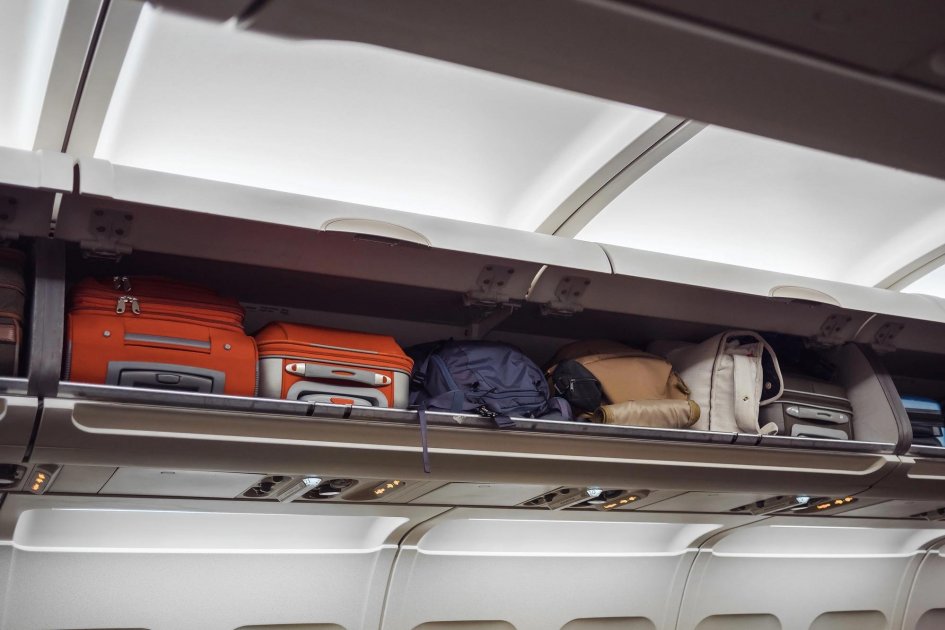
Carry-on luggage is what you bring into the cabin and place in the overhead compartment or under the seat in front of you. Checked luggage consists of suitcases and bags that you drop off at the check-in counter and retrieve in the arrivals hall.

Each category has its own weight and size restrictions, and these vary significantly among different carriers. It is especially important to keep this in mind when flying with low-cost carriers.

Why Rules Vary from Place to Place—and Where to Find Them

Airlines set their own baggage policies based on the type of aircraft, fare structure, and commercial interests. The International Air Transport Association (IATA) provides only general guidelines, but each carrier determines the specific allowances on its own.

Baggage allowances usually depend on:

  • the fare at which the ticket was purchased (basic, standard, flexible);
  • the class of service (economy, business, first class);
  • the destination and flight distance;
  • the passenger’s status in the loyalty program.

Where to find official information

The most reliable way is to check your airline’s website. Look for the “Baggage” or “Hand Luggage / Cabin Baggage” section. It lists the current allowances for each fare.

A second source is aggregator websites like Kiwi or Skyscanner. They display basic information about allowances next to the ticket price, but for exact details, it’s still worth visiting the carrier’s website.

Don’t trust screenshots from social media or articles without a publication date. Rules change literally every season: Ryanair alone has changed its free carry-on allowance twice in the last two years. Always check the official website before your flight.

Baggage Allowances for Major Airlines in 2026: A Comparison Chart

Below is the latest information on popular carriers for 2026. Please note: the allowances for low-cost carriers and traditional airlines differ significantly.

Airline

Free carry-on baggage

Checked baggage

Features

Ryanair

40×30×20 cm (under the seat)

10 kg or more, fee applies

Large bag only with Priority

Wizz Air

40×30×20 cm, up to 10 kg (under the seat)

10–32 kg, fee applies

Priority gives access to the overhead bin

easyJet

45×36×20 cm, up to 15 kg

15 kg and up, fee applies

Second item — for an additional fee

Turkish Airlines

55×40×23 cm, up to 8 kg

20 kg — Economy

Double allowance in Business Class

Lufthansa

55×40×23 cm, up to 8 kg

23 kg — Economy

Depends on fare

LOT

55×40×23 cm, up to 8 kg

23 kg — Economy

The allowance does not depend on the fare

British Airways

56×45×25 cm + personal bag

23 kg — Economy

2 carry-on items

SkyUp (Chisinau hub)

55×40×20 cm, up to 7 kg

20 kg — fee applies

Depends on the fare

Air Arabia

50×40×25 cm, up to 10 kg

20–30 kg — Economy

Generous allowances for the region

Check the current allowances on the airline’s official website before each flight. Figures may be updated without notice, especially for low-cost carriers.

Low-Cost Airlines: The Main Pitfalls and How to Avoid Them

Budget airlines—Ryanair, Wizz Air, easyJet—have long been the norm for European flights. This is where unpleasant surprises with luggage most often occur.

Ryanair

Starting in August 2025, Ryanair has set the size limit for free carry-on luggage under the seat at 40×30×20 cm—this is due to new EU requirements for standardizing minimum standards. You can only bring a larger bag (55×40×20 cm, up to 10 kg) into the overhead compartment with the Priority service—this is either a separate add-on to the ticket or included in the Plus, Flexi Plus, and Family Plus fares.

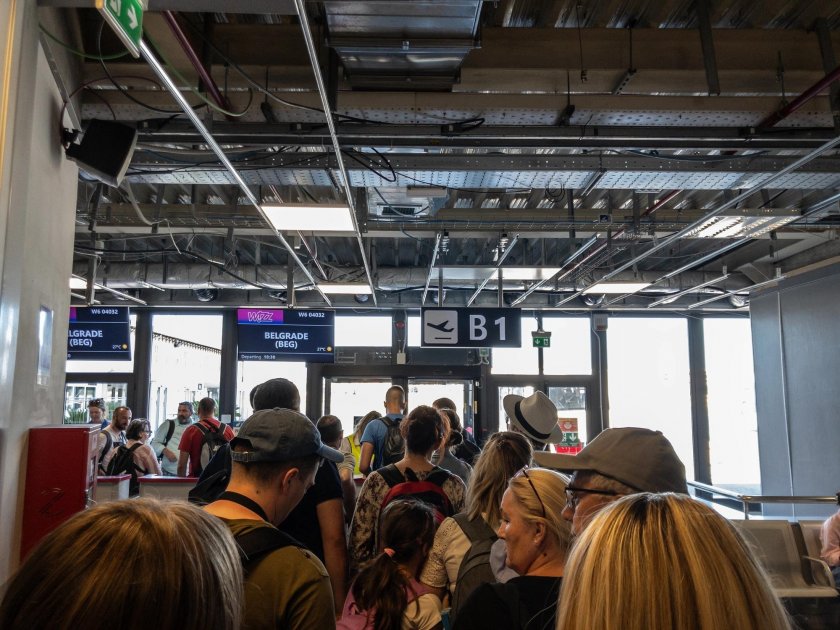
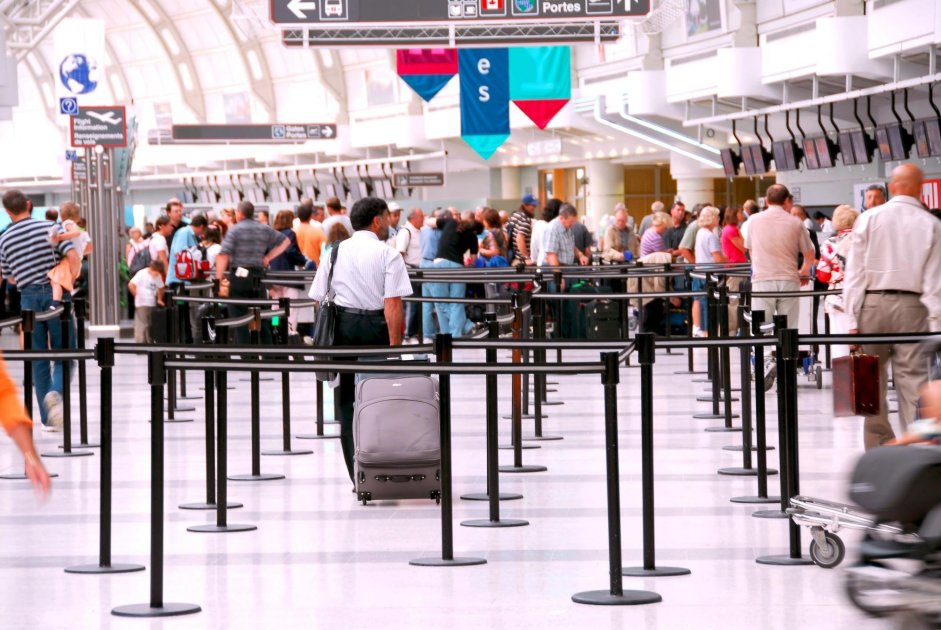
Since November 2025, Ryanair has significantly tightened security checks at the gates: staff receive a bonus for every bag found that does not meet the size requirements. The surcharge at the boarding gate if your bag does not fit within the measuring frame is approximately €70 (as of 2026).

Purchasing checked baggage online at the time of booking is always cheaper than at the airport—typically 2–3 times cheaper. With Ryanair, the price at the airport is usually twice as high as when purchased at the time of booking.

Wizz Air

The policy is similar to Ryanair’s: only a small 40×30×20 cm bag under the seat, up to 10 kg, is free. Larger carry-on luggage for the overhead compartment is available with the Wizz Priority fare or by purchasing it separately. Checked baggage must be purchased separately—it is not included in any base fare.

easyJet

The terms are slightly more generous: free carry-on luggage measuring 45×36×20 cm and weighing up to 15 kg. However, a second item requires an additional fee.

With low-cost carriers, the cheapest fare often includes only a small bag that fits under the seat. A ticket that’s slightly more expensive but includes a full-size carry-on is often a better deal than paying extra at the airport. Calculate the total cost, not just the base fare.

What You Need to Know About Liquids, Electronics, and Special Baggage

Liquids in carry-on luggage: what has changed in 2026

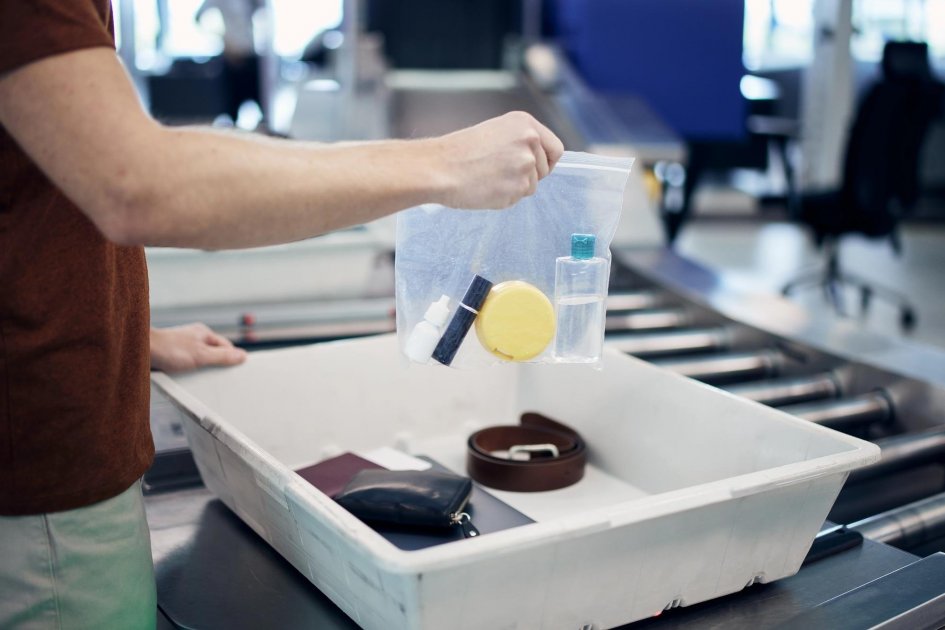
The classic rule—each container no larger than 100 ml, all together in a single transparent 1-liter bag (zip-lock)—remains the default EU standard. But in 2025–2026, the situation became significantly more complicated.

Many major airports have installed new CT (computed tomography) scanners, which allow passengers to carry up to 2 liters of liquids in their carry-on luggage without repackaging or a separate bag. These include:

  • United Kingdom: London Heathrow (from January 2026), Edinburgh, Birmingham, Bristol.
  • Italy: Rome Fiumicino, Milan Linate, Milan Malpensa (Terminal 1), Bologna, Turin (fast-track only).
  • Poland: Kraków, Poznań.
  • The Balkans and the Baltics: Dublin, Prague (Terminal 2), Vilnius, Kaunas, Malta, Billund (Denmark).
  • Germany: Frankfurt and Munich — only at select security checkpoints equipped with new scanners.

The 100 ml rule is still in effect in: Paris (Charles de Gaulle), Madrid, Athens, Lisbon, Brussels, Berlin (until the end of 2026), Amsterdam, and most regional airports.

The main catch: when flying with a layover, you might depart from an airport with the 2-liter allowance but return through an airport with the old 100-ml rule—and lose the liquids you bought during your trip. If you’re unsure, stick to the old rule: take 100-ml containers and pack them in a 1-liter bag.

The exceptions remain the same: baby food, prescription medications, and special dietary products are permitted in the quantities needed for the trip, provided you have the appropriate documentation.

Electronics and Power Banks

Power banks, extra lithium-ion laptop batteries, e-cigarettes, and vapes must be carried only in your carry-on; they are prohibited in checked luggage. This rule applies to all flights without exception.

Laptops, tablets, cameras, and phones can be carried in both carry-on and checked luggage—but the former is safer: there is less risk of damage or theft.

Sports equipment

Skis, snowboards, bicycles, diving gear, and other large sports equipment are transported at separate rates and, as a rule, at higher prices. Book it in advance: space for oversized luggage is limited. Some airlines provide one additional bag allowance for ski or snowboard gear during the season (October–May).

Musical instruments

Small instruments (guitar, violin) can usually be taken into the cabin as carry-on luggage if they fit within the size limits. Large instruments are transported in the cargo hold or a separate seat is purchased for them in the cabin—each airline has its own conditions.

Flying with children

For children under 2 years of age traveling without a separate seat, most airlines allow 10 kg of checked baggage. A standard-size foldable stroller is accepted free of charge—it can be checked at the aircraft door. Check your carrier’s rules in advance.
How to Avoid Overpaying: 5 Practical Tips

Extra baggage fees are one of the most common sources of unexpected expenses when traveling. Here are a few simple rules to help you avoid them.

1. Check the baggage allowance before buying a ticket. The most common mistake is buying the cheapest fare and only then realizing that it includes only a small carry-on bag. Spend 5 minutes comparing fares: a ticket with carry-on baggage included may end up being cheaper than paying extra at the airport.

2. Buy extra baggage allowance online in advance. The surcharge for excess baggage at the check-in counter is, on average, 60% more expensive than the online rate. If you know you have a lot of items, add baggage allowance right when you book or through your account before departure.

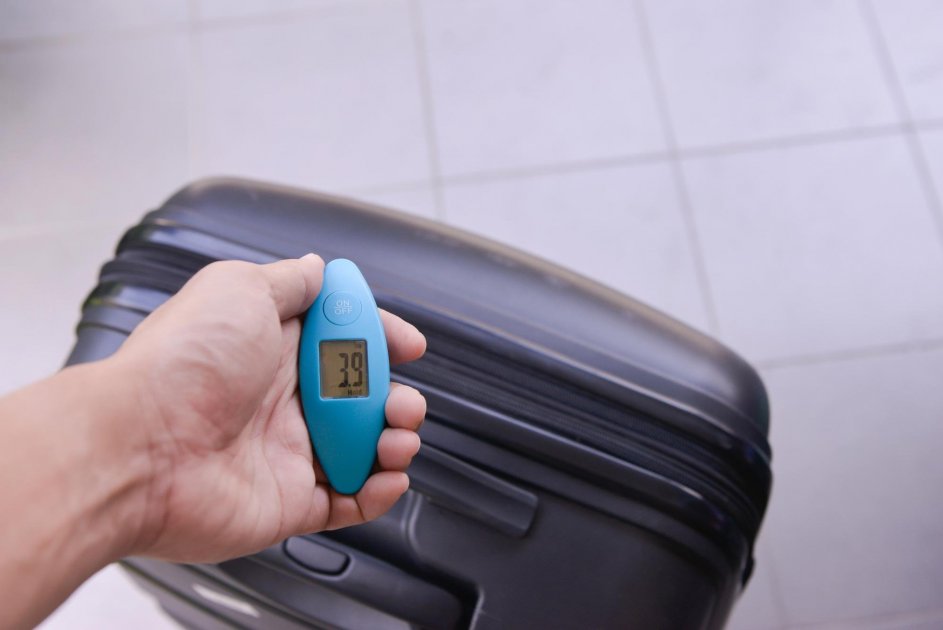
3. Weigh your bags at home. Don’t guess by eye. Use a regular floor scale or a special luggage scale (costs €10–15). This is especially important for your return flight—you’ll always have more stuff after shopping.

4. If you’re traveling together—combine allowances. Most airlines allow family members or group members flying on the same flight to combine their baggage allowances. For example, if one passenger has 15 kg and another has 25 kg, with a 20-kg allowance per person, there is no total excess.

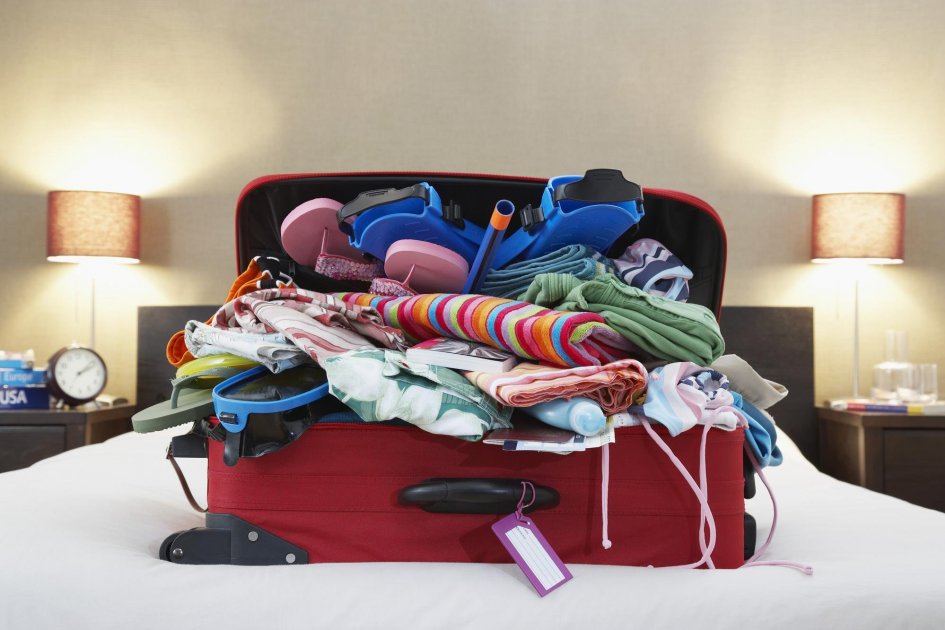
5. Pack your carry-on luggage properly. If you’re flying with a low-cost carrier, pack your most valuable, fragile, and essential items in your carry-on: documents, electronics, medications, and essentials for the first night. Heavy but non-fragile items are best checked in as luggage in advance.

Checklist: What to Check Before Your Flight

  • Go to the airline’s website, navigate to the “Baggage” section, and check the baggage allowances for your fare.
  • Measure your bag and suitcase with a tape measure and weigh them on a household scale.
  • If you have liquids, pack them in a 1-liter clear bag, with each container no larger than 100 ml. If you’re flying through an airport with new scanners, up to 2 liters is allowed.
  • Keep power banks and lithium-ion batteries in your carry-on luggage, not in checked baggage.
  • If you’re traveling with a pet, check the specific airline’s rules in advance.
  • If you’re bringing sports equipment or a musical instrument—book it online in advance.
  • If you need extra baggage allowance—buy it online, not at the airport (it’s 2–5 times cheaper).
  • When flying with children under 2 years old, check the child baggage allowances and stroller transport rules.

Conclusion

Baggage rules aren’t as complicated as they seem. The main rule: always check your airline’s policies on their official website before buying a ticket. Rules are updated regularly, especially with low-cost carriers: Ryanair alone has changed its carry-on size twice in the last two years.

Don’t forget that purchasing extra baggage online is much more cost-effective than dealing with it at the airport. And pay attention to the rules regarding liquids at both your departure and return airports—by 2026, they may vary even within the same country.

Save this checklist and use it before every flight. This will help you avoid unpleasant surprises and unnecessary expenses.

This information is current as of 2026. Baggage allowances and restrictions on liquids are subject to change. Before your flight, check the rules on the airline’s official website and the website of your departure airport.


Хочешь путешествовать чаще?
280 000 подписчиков уже получают наши письма с авиаскидками до -85% и путешествуют чаще. Теперь твоя очередь!
ok
или
Did you like the article?
😍
😂
😄
😐
🤔
😩
SHARE WITH FRIENDS:
No comments
tripmydream - travel service, that helps to find compare and buy best flights and rooms worldwide with the given budget. All necessary information for travelers - is right here!