Snow and precipitation
Real snowstorms are rare, but 2-3 times during the winter there can be heavy snowfalls, during which the whole city literally transforms.
- On average, New York City gets about 60 cm of snow per season, most often in January.
- The snow does not last long: in a day or two it is washed away by rain or melts by itself.
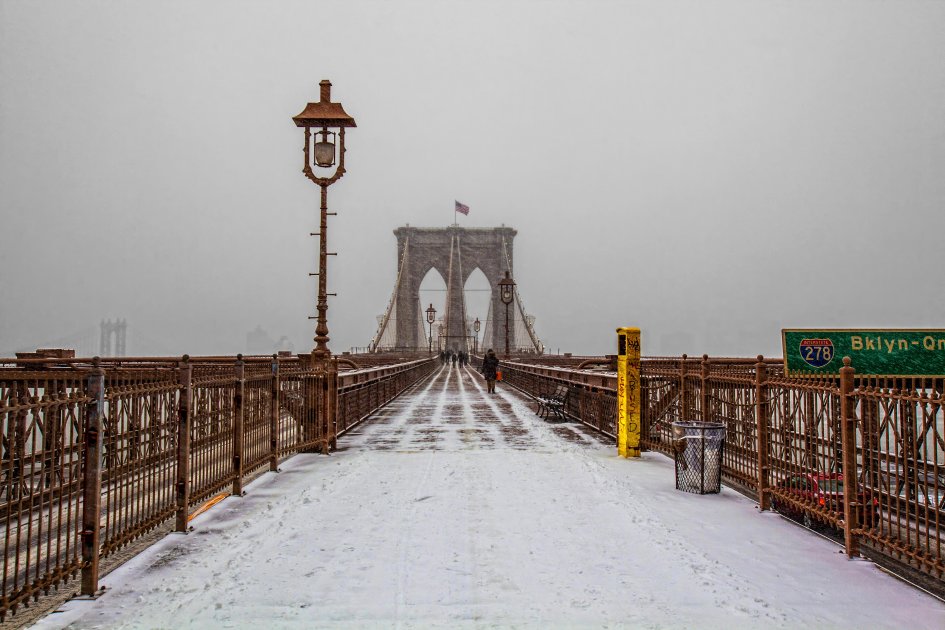
- After the snowfall is the perfect time for photos: Central Park turns into a fairy tale, and the Brooklyn Bridge and the streets of Manhattan look new.
Tip: If you're lucky enough to catch snow, go for a walk in the morning. After a few hours, the streets will be cleared and the atmosphere won't be the same.
Wind and humidity
The main feature of winter New York is the wind. It increases due to the dense building, creating the effect of a "corridor" between skyscrapers.
- The most windy areas are Manhattan-Midtown, East River and Hudson River embankments, Brooklyn Bridge.
- If you are going to walk on bridges or observation decks, take a hat and a scarf, otherwise the cold gets to your bones.
The humidity in winter is high (60-70%), so the cold is felt more acutely. But that's what makes the air crystal clear on clear days - photos are especially sharp and contrasty.
Daylight hours and atmosphere
December and January are the shortest days of the year: the sun rises around 7:20 and sets by 16:30.
But it is the early twilight that gives the city that "cinematic" look - soft light, neon lights, reflections in the wet asphalt.
Photographers love this period: in winter, New York becomes like the setting for a Christmas movie.
How to dress
One of the most common mistakes tourists make is underestimating the wind and humidity. Even at +3 °C it will be cold without a hat and gloves.
Ideal clothing formula:
- A warm parka jacket or down jacket (preferably with a hood);
- Woolen hat and gloves, scarf - must-have;
- Boots on a thick sole, not slippery, waterproof;
- Layers: t-shirt → sweater → jacket to easily adapt when going from the street to a cafe or subway;
- Thermal underwear - if you're planning long walks.
Tip: museums, cafes and subways are very warm in winter - clothes should allow you to quickly remove the top layer to avoid overheating.
What to bring
- A small thermos with coffee or tea - it will come in handy on a walk in Central Park;
- Hand cream and lip balm - the cold wind dries your skin;
- Changing socks - if you get caught in the snow and rain;
- Power-bank - the cold quickly drains phones, especially when taking photos.
When to go
- Early December - decorated shop windows, Christmas atmosphere, but no pandemonium yet.
- Late December - peak holidays, Christmas tree, Times Square show, but hotels are more expensive.
- January and February - fewer tourists, possible discounts and quiet city life.
- March - transition to spring, when you can catch a snowball and the first sunny days.
Useful Lifehacks
If you don't want winter to take you by surprise:
- Download the WeatherBug or AccuWeather app - they have a "real feel" feature that shows how the temperature feels with wind and humidity factored in.
- Check NYC311 - they post warnings for heavy snowfall and closures there.
- If you want to see NYC under snow, the best chance is the second half of January.
You can book a hotel in New York with a discount of up to -60% on the website.
What to see and where to go in winter
Classics with a winter accent
Rockefeller Center
Why winter: The heart of festive New York City is the giant Christmas tree, the ice skating rink and the twinkling lights between the skyscrapers. There's a real sense of Christmas magic here, with music, garlands and views of a glowing Manhattan.
Tips: It's best to come early in the morning or on weekday evenings - fewer people. Dress warmly: the wind between the buildings is strong.
Rockefeller Center official website
Central Park
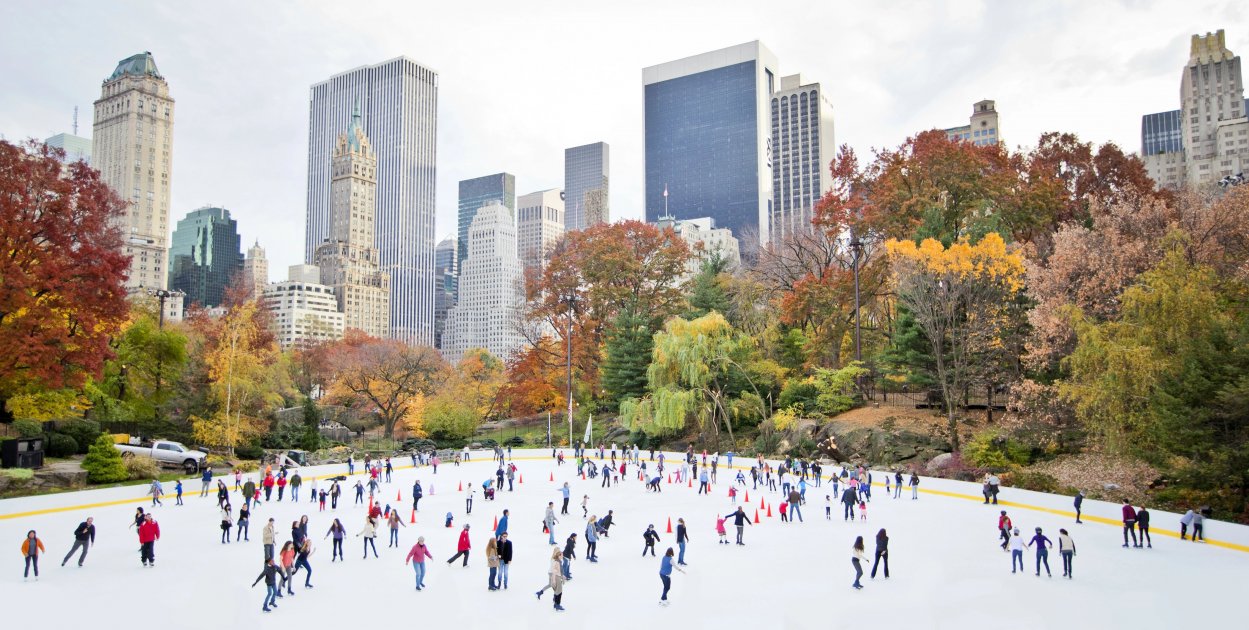
Why in winter: After a snowfall, the park turns into a fairy tale - snow-covered alleys, bridges, reflections of skyscrapers in frozen ponds. A popular activity is ice skating at Wollman Rink.
Tips: The morning after a snowfall is the best time for photos. Boots with non-slip soles are a must.
Central Park Conservancy
Times Square
Why winter: In December, the square glows with thousands of neon lights, and on New Year's Eve, it hosts the legendary Ball Drop. Energy, music, confetti - an atmosphere worth freezing for.
Tips: If you want to get in on the show, grab a seat on the morning of December 31, no backpacks or alcohol. Just walking around is better on a weekday evening.
Times Square Alliance
Winter Village in Bryant Park
Why Winter: Free ice rink (with your own skates), Christmas fair, hundreds of benches, the smell of mulled wine and garlands all around. The atmosphere of a cozy European Christmas.
Tips: Come in the morning - it's crowded later in the day. Book the rink online if you're renting.
Bryant Park Winter Village
Holiday window displays on Fifth Avenue
Why Winter: Saks, Macy's, Tiffany's and other stores turn their facades into theater stages with moving sets. It's a free stroll through a fabulous city.
Tips: The best time is weekday evening. Start at Bergdorf Goodman (59th St) and make your way to Macy's (34th St).