Traditions and legends
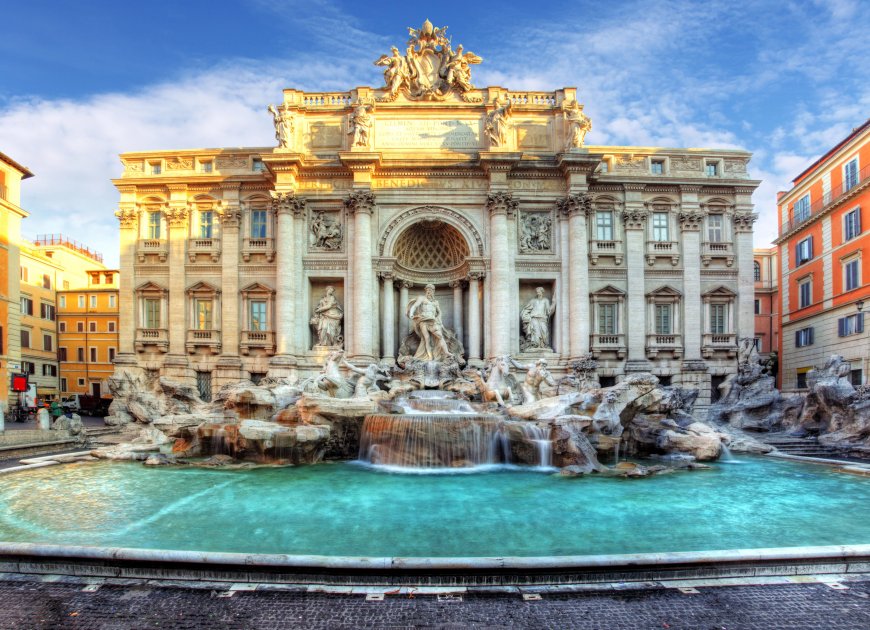
The most famous one is to throw a coin over your left shoulder with your right hand:
- 1 coin will take you back to Rome,
- 2 coins will bring you new love,
- 3 coins for a wedding or a long relationship.
According to statistics, more than €3000 is thrown into the fountain every day. The money goes to charity and help the needy.
Another legend: if two lovers drink from the small spring on the right (Fontana degli Innamorati), their love will be eternal.
Tips
- Beware of pickpockets - the place is popular for them as well.
- Itis officially forbidden to swim in the fountain (fine up to €500), despite the fact that tourists sometimes repeat the scene from Federico Fellini's Sweet Life.
Afternoon (15:00-18:00)
Spanish Steps (Scalinata di Trinità dei Monti)
The Spanish Steps is not just an architectural object, but an iconic place where history, fashion, cinema and Roman lifestyle come together. It is one of the most photogenic and lively places in the city, a must stop for those in Rome for just one day.
During the day, the place is bustling with life: tourists, musicians, photographers. In spring, the staircase is decorated with pots of brightly colored azaleas - at this time it is especially photogenic. In the evening, soft lighting creates a romantic atmosphere, and the top overlooks the lively Via dei Condotti, a street of luxury boutiques.
The Spanish Steps were built between 1723 and 1725, designed by architect Francesco de Sanctis. The construction was financed by the French diplomat Etienne Gueffier and the idea was to connect the Trinità dei Monti church with the lower part of the city. It was named after the Spanish Embassy to the Holy See, which is why the square at the foot is called Piazza di Spagna. Since the XVIII century the staircase became a fashionable meeting place, and in the XX century it was made famous by movies - for example, the movie "Roman Holiday" with Audrey Hepburn.
What to do here
- Climb to the top for a panoramic view of the city.
- Visit the Trinita dei Monti Church (free admission) - there are frescoes from the 16th century inside.
- Take a photo in front of the Barcaccia fountain or the staircase from top to bottom.
- Take a stroll along Via dei Condotti and feel the atmosphere of "Italian fashion".
Capitoline Hill
Capitoline Hill is not only Michelangelo's architectural masterpiece, but also a symbol of the continuity of history, from the temples of ancient Rome to the modern City Hall. It is the perfect point to summarize the day, enjoy the panorama of the city and leave with a sense of accomplished journey.
One of the seven hills of Rome, which played an important role in the political and religious life of the ancient city. Here was the main temple of Rome - the Temple of Jupiter Capitoline, where oaths were taken and military triumphs were celebrated. In the Middle Ages the hill became the center of city power. In the 16th century, the square was completely redesigned by Michelangelo Buonarroti, who gave it a harmonious and solemn appearance.
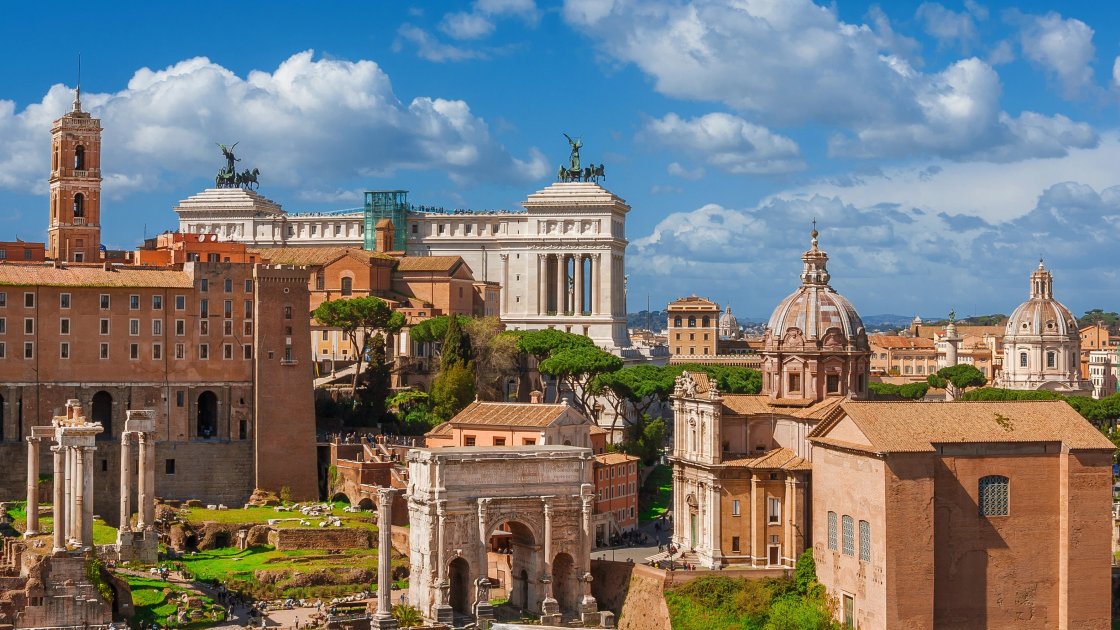
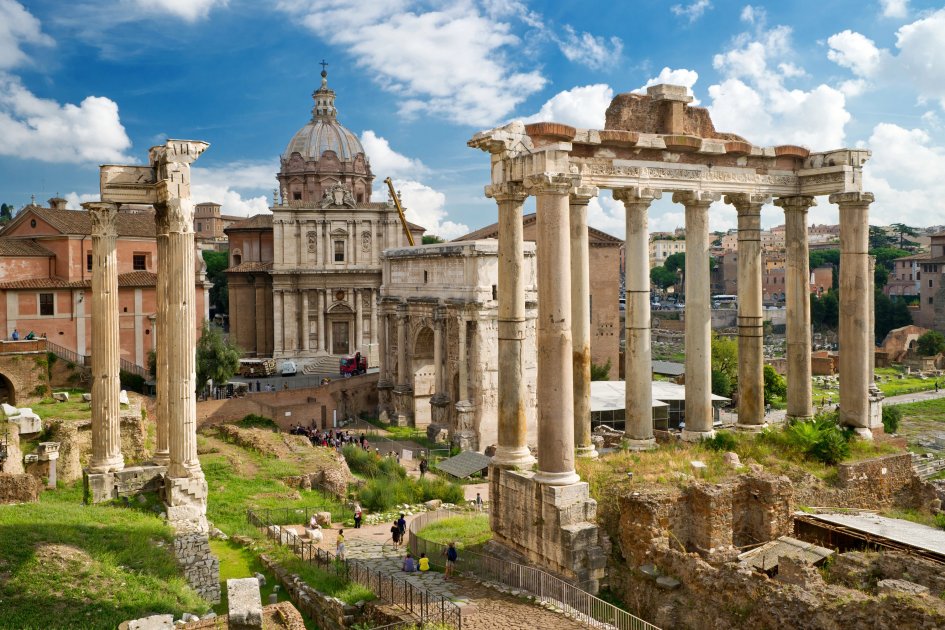
During the day Capitoline Hill is a place of business life and tourist groups. At sunset it is especially beautiful: golden light falls on the ruins of the Forum, and from the square you can see the entire historical center. In the evening, the lights come on, creating a sense of "history come to life".
Architecture and the square
- The Piazza del Campidoglio (Capitol Square) was designed by Michelangelo. Its shape resembles an ellipse and the pattern on the sidewalk symbolizes the universe.
- The statue of Marcus Aurelius (a copy; the original is kept in the museum) is a symbol of the philosopher-emperor, one of the most respected rulers.
- The square is surrounded by three palaces:
Palazzo Nuovo (Palazzo Nuovo),
Palazzo Senatorio (Palazzo Senatorio) is the seat of the Roman City Hall,
Palazzo dei Conservatori (Palazzo dei Conservatori).
- Today the buildings house the Capitoline Museums, the oldest public museum in the world (founded in 1471).