Travel Ideas

Venice in winter: what to see, where to go

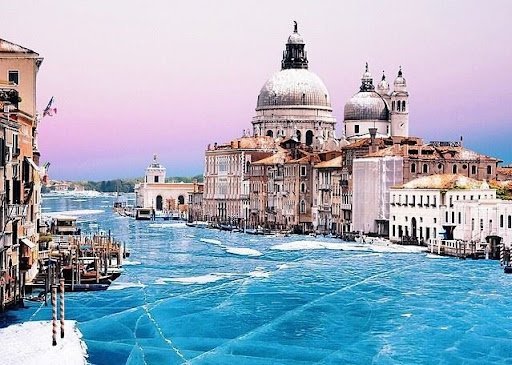
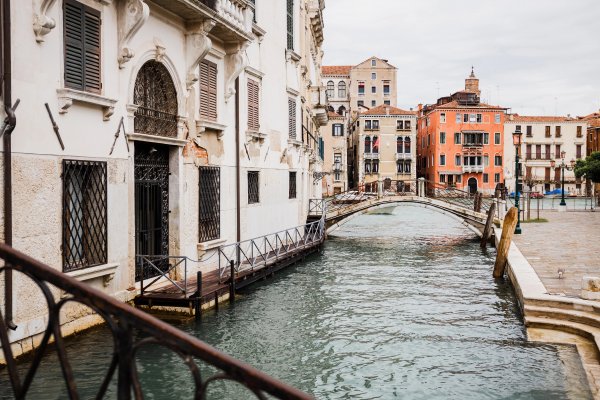
Venice is a city that is beautiful at any time of the year, but in winter it has a special charm. At this time there are far fewer tourists, the city is immersed in mysterious mists and gives a sense of tranquility. The streets become quieter and the canals more mysterious. You can enjoy the famous City on the Water almost alone and see what is hidden from the eyes in summer. In winter, Venice is literally rebooted: life flows at a slower pace, and it's a great chance to get to know the city from a new perspective.
17 november 2025
AUTHOR: Kateryna Lindt
0
22 min

Folks, don't forget that we have an extremely comfortable iOS application in App Store

Please try it!

Kateryna Lindt
I write routes the way I would advise a friend before a trip - nothing superfluous, just proven and at a comfortable pace.

Why visit Venice in winter

  • Less crowded and quieter. In summer, Venice is jam-packed with up to 50,000 tourists a day! In winter, the streets are much more spacious and easier to breathe. You can walk freely along narrow streets and bridges, enjoying the views without crowds behind you. Queues to palaces and cathedrals are shorter or disappear altogether - the perfect time for comfortable sightseeing.
  • Budget travel. The low season is pleasantly pleasing in terms of prices. Flight and accommodation in winter can cost almost half as much as in summer. For example, a good hotel, which cost 270 € in high season, in December can cost about 80-100 € per night. Fewer tourists - more chances to find discounts and favorable offers.
  • Special impressions. Winter Venice is romantic and atmospheric. Imagine: narrow canals in the morning fog, the deserted Piazza San Marco at dawn, when the first rays of the sun play on the wet slabs. Or a gondola ride on a cold, quiet evening - wrap up warm and enjoy the solitude of the canals. Such Venice gives completely different emotions, more calm and deeply memorable.

Of course, winter has its downside: the weather is cool, rains are possible and acqua alta - periodic floods. But let us tell you how to prepare and what to expect in winter Venice.

You can book a hotel in Venice with a discount of up to -65% on the website.

undefined
Photo author - visititaly

Winter weather in Venice

Venice has a temperate climate, with milder winters than in continental Europe. Temperatures are usually around +5...+8 °C during the day and +0...+3 °C at night. Severe frosts are very rare: historical lows have been around -10 °C and highs of +15 °C in unusually warm winters. However, high humidity (about 75%) increases the feeling of cold - +5 °C with lagoonal dampness can feel like a light frost. Chilly winds from the Adriatic often blow, the sky is covered with clouds, and fogs are not uncommon.

Precipitation is in the form of rain, snow is rare and does not lie for long. December is usually less rainy than November, but according to statistics up to 70% of winter days are cloudy. The main winter feature is the "acqua alta", the high tides that cause some areas, especially the low-lying Piazza San Marco, to become partially covered with water after the rains several times a season. Do not be frightened: the city is used to the vagaries of nature. Venetians lay out wooden planks on flooded areas in advance, so that tourists can still pass to the sights. In addition, with the launch of the MOSE system of floodgates, the scale of flooding has been reduced.

Tip: Keep an eye on the water forecast - hotels or apps will let you know if the tide is expected to be unusually high. During acqua alta, wear waterproof shoes or special rubber booties (they are sold at every corner in winter ). Just in case, stay close to the walls of houses, where the water is shallower. But most often a light deluge on the streets is perceived as part of the adventure - for example, many tourists are delighted to meet New Year's Eve ankle-deep in water on the embankment!

On average, the winter weather in Venice is quite comfortable for walking. There are sunny days - bright, cold and very photogenic. The main thing is to dress properly and be ready for weather changes.

What to wear and take with you

In winter in Venice, the most important thing is to dress so that you don't get blown away by the wind or drenched by the rain. Here is a list of what every tourist will need:

  • A warm waterproof jacket or coat. Preferably with a hood, in case of rain and wind.
  • Comfortable waterproof shoes. Ideally - boots on thick soles, which are not sorry to get wet. You can bring rubber boots or buy protective shoe covers on site.
  • Scarf, hat and gloves. The humid air is penetrating and the wind from the lagoon intensifies the cold, so you can't do without insulating your head and hands.
  • Umbrella or raincoat. It rains often, so it's best to be prepared. A mobile folding umbrella or a lightweight raincoat will help in bad weather.
  • Sunglasses. Paradoxically, but you may need them too - on a clear winter day, the sun is low and blinding, reflecting off the water.
  • Good cheer! Not a thing, of course, but the most important "luggage". Winter Venice is capricious, but if you arm yourself with positivity, no weather will spoil the experience.

In the city, humidity is high and rain is possible, so warm, airtight clothing and waterproof shoes are mast-heads for winter walks.

If you plan to attend social events like a masquerade ball at the carnival, bring festive clothes: an evening dress and mask for the ladies, a suit and mask (or even a historical outfit) for the gentlemen. For the rest of the time, dress in something that is comfortable for long walks - Venice is a place for hours of promenades.

Winter festivals and events in Venice

In winter, the city hosts colorful events, for the sake of which tourists from all over the world come here. You will find yourself in the center of a real fairy tale: ancient traditions, costume parades, fireworks lights - all this adds to the magic of winter Venice. Below is a calendar of the main winter holidays and festivals.

Christmas (Natale)

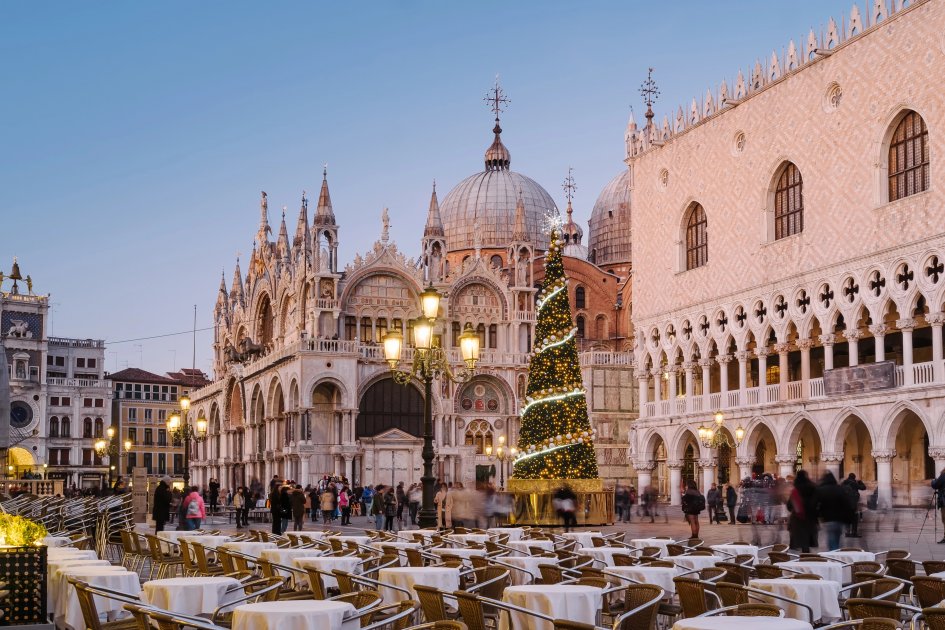
Catholic Christmas on December 25 is a family holiday in Italy. By the beginning of December Venice is transformed: garlands are hung over the narrow streets, Christmas illumination lights up in the squares. There is a cozy Christmas fair in Piazza Santo Stefano - from the first days of December until 24.12 here they sell souvenirs, sweets, brew mulled wine. In the center of Piazza San Marco, the city Christmas tree is set up (contrary to popular belief, Christmas trees still happen in Venice, although quite modest). In store windows appear figures of Babbo Natale (Santa) and creches Presepio - scenes of the Nativity.

Keep in mind that on December 25, almost all restaurants and museums are closed - Italians sit at home at the family table. Therefore, on this day it is better not to count on going to a restaurant. Buy something tasty for the holiday dinner in advance or join the festive night mass in the Cathedral of San Marco. The service begins around midnight and admission is free. It is a unique experience to listen to Christmas carols in an ancient cathedral by candlelight.

New Year's Eve

The Capodanno (New Year's Eve) in Venice is a spectacle worth seeing at least once. From the evening of December 31, people fill Piazza San Marco and the promenades in anticipation of the festivities. At exactly midnight , fireworks of incredible beautysoar over the lagoon . The fireworks are launched from pontoons in the water opposite Piazza San Marco, so it is best to admire them from the shore - for example, from the Riva degli Schiavoni or Riva San Biagio. Literally the whole city gathers by the bay, toasting with bottles of Prosecco to the colorful flashes in the sky. Important: you can't see the fireworks directly from the square itself (buildings interfere), you need to go out to the water. Think over the route back - after midnight it's easy to get lost in the crowd. Public transportation works longer on New Year's Eve, but it is better to go to the hotel closer to 1 or 2 a.m., when the bulk of the people will disperse.

In addition to fireworks, there are other entertainments. For example, on January 1 at noon in the church of Santo Stefano there is a New Year's concert of classical music - a beautiful end to the holiday. And on December 29-31, the La Fenice Theater traditionally hosts holiday opera performances and concerts (the program changes every year). Tickets are expensive (from 80 to 300 €) and sold out in advance, but the experience promises to be unforgettable.

Epiphany (Epiphany) - Befana

January 6 is Epiphany (Epiphany in Orthodoxy). In Italy this day is known as La Befana - the holiday of the good witch Befana, who according to legend delivers presents to children. In Venice, every year on January 6 they organize a funny event - Regata delle Befane, a boat race on the Grand Canal, where instead of racers - dressed as witches! About 50 rowers dressed as Befana compete in traditional boats from the Rialto Bridge along the main canal. The spectacle is very colorful and funny, especially enjoyed by children. In addition, this week in different cities of Italy burn straw effigies of witches in the squares - a symbol of farewell to the holidays. In Venice itself such bonfires are rare, but in neighboring towns (for example, not far from Padua) you can see a similar ritual with a huge bonfire and folk festivities.

Anyway, if you'll be in Venice in the first days of January, stop by the Rialto at noon on the 6th to see the witch rowers. Also, try the traditional seasonal sweet, Dolce carbone, which are black sugar candies that are jokingly given on Befana (symbolizing the same coal that the witch brings to naughty children instead of presents).

Carnival in Venice

The crowning glory of the winter season is the legendary Venice Carnival. For its sake, in February (and sometimes in late January) the city comes alive and fills with people in fantastic costumes. Carnival lasts about two weeks before Lent - usually held in February, the dates change every year. During this time, Venice turns into a huge open-air theater. Everywhere you look there are characters from the past centuries in velvet dresses, wigs, frightening masks of "Dr. Plague" or luxurious masks with feathers.

The main events of the carnival:

  • Official Opening. On the first Saturday of Carnival, the Cannaregio Canal hosts a boat parade and a colorful water show performance with music and lighting effects. This evening show is free to watch from the banks of the canal.
  • Flight of the Angel (Volo dell'Angelo). A tradition when a girl in a carnival costume (the winner of last year's beauty contest) descends on a cable from the bell tower of San Marco to the square. Taking place on the first Sunday of Carnival at noon, it is a spectacle that gathers crowds in the square.
  • Costume and mask contests. A costume contest is held daily on a stage in Piazza San Marco. Participants defile and the jury selects the winners in different categories. The final competition is on the last weekend of the carnival.
  • Neighborhood festivities. Carnival is not only the city center. Fun events are organized on the mainland in the Mestre district (in Piazza Ferretto street performers and musicians perform every evening) and on the Lido Island . And on the territory of the old Arsenal there are evening performances - concerts, food festivals, fireworks (entrance to such events is free).
  • Masquerade Ball. For complete immersion, you can attend a private costume ball in one of the palaces. The most lavish balls are held in luxurious palazzos such as Ca' Vendramin Calergi or Palazzo Contarini. Prices bite - a ticket for the evening can cost from 150 to 500 euros and more. But guests can expect live music, dinner, dancing and a complete sense of time travel. If your budget doesn't allow you to go, at least go to see how the guests in luxurious outfits enter the palace - it's also an experience!

Carnival is worth coming to at least once in your life - the sensations are incomparable. Just plan everything in advance: accommodation for these dates should be booked several months in advance, tickets for balls and paid events should be bought well in advance. And prepare a costume or at least a mask - without a mask you will be a white crow.

undefined
Photo author - travellizy

Chinese New Year

It is a curious fact that in recent years Venice has also celebrated Chinese New Year. It usually falls at the end of January or February. On this day, a colorful procession with Chinese dragons, lions and dances in national costumes takes place in St. Mark's Square. All accompanied by music, traditional lanterns and performances by the Chinese community. Many Italians and tourists specifically come to see this free show. So if you are there at this time, get a bonus holiday! The exact date depends on the lunar calendar (usually between January 21 and February 20). You can find out in advance - as a rule, the information appears on the city posters or on the website of the City Hall.

In addition, in winter Venice hosts various cultural events: opera premieres at the La Fenice Theater, winter exhibitions in museums, and in mid-February - Valentine's Day, when the city is especially romantic for lovers. But we have listed the main milestones of the winter calendar. Now, what to do between the holidays and what places to visit.

Subscribe to our telegram channel @tripmydream to be the first to hear travel news and promotions!

What to see and do in Venice in winter

When you arrive in winter and there's less hustle and bustle around, it's time to take it easy and see all the sights. Here are the best ideas on where to go and what to do to maximize your experience.

See the main sights without queues

Winter gives you a unique chance to see Venice's top attractions with virtually no crowds. Make sure you take advantage of it! First of all, head to Piazza San Marco. It can be nearly empty in the morning - the perfect time to snap a photo of the cathedral and doves against the rising sun. St. Mark's Cathedral is open to the public year-round; in winter, it's usually open from 9:30 to ~17:00 (and from 14:00 on Sundays). Admission to the main cathedral is free, but you have to pay a few euros to access the treasury or climb up to the balcony. In winter, queues are minimal, so you'll have a quiet look at the golden mosaics and luxurious interior. Don't forget to climb the Campanile (bell tower) of San Marco - the observation deck is open in winter, only the schedule is reduced (usually ~9:30-15:45, check locally). The view of the misty city from the top is unforgettable.

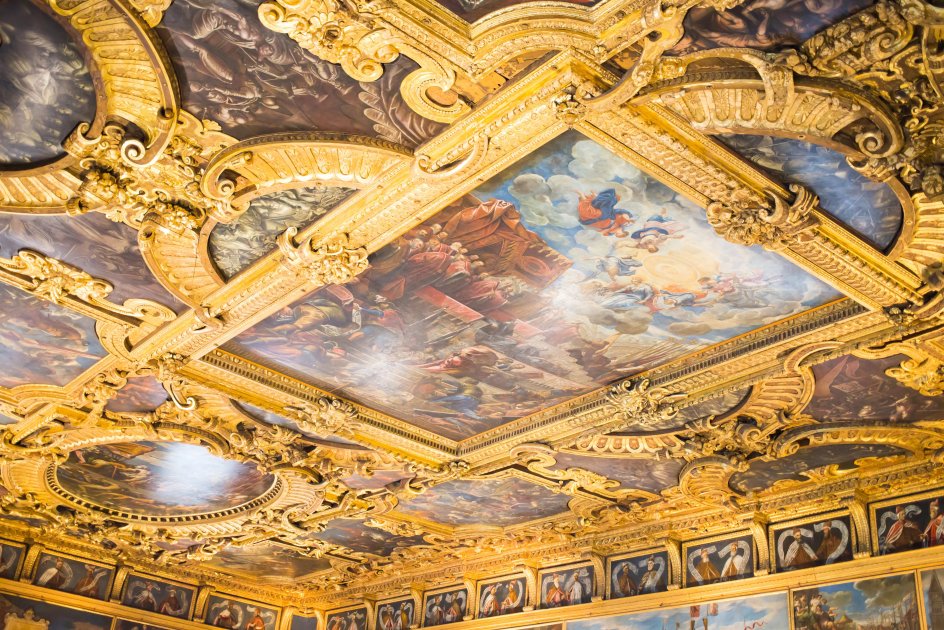
Nearby is the Doge's Palace. In high season there is a multi-meter long line to get in, but in winter you can probably get in with no or minimal wait (especially in the morning). Explore the opulent halls, the Council Hall, the famous Doge's Hall with Tintoretto's Paradise, the largest oil painting in the world. Peek into the gloomy prison cells and walk across the Bridge of Sighs. It will take you 2-3 hours to do everything, but you can enjoy the palace to the fullest. A full ticket costs ~30 € (in winter there are often discounts for certain hours or days of the week). By the way, a ticket to the Doge's Palace includes admission to the nearby Correr Museum, the Archaeological Museum and the Marcian Library - a great opportunity to expand your program. On winter mornings, the Doge's halls are quiet and it's easy to imagine the rulers of Venice sitting here centuries ago.

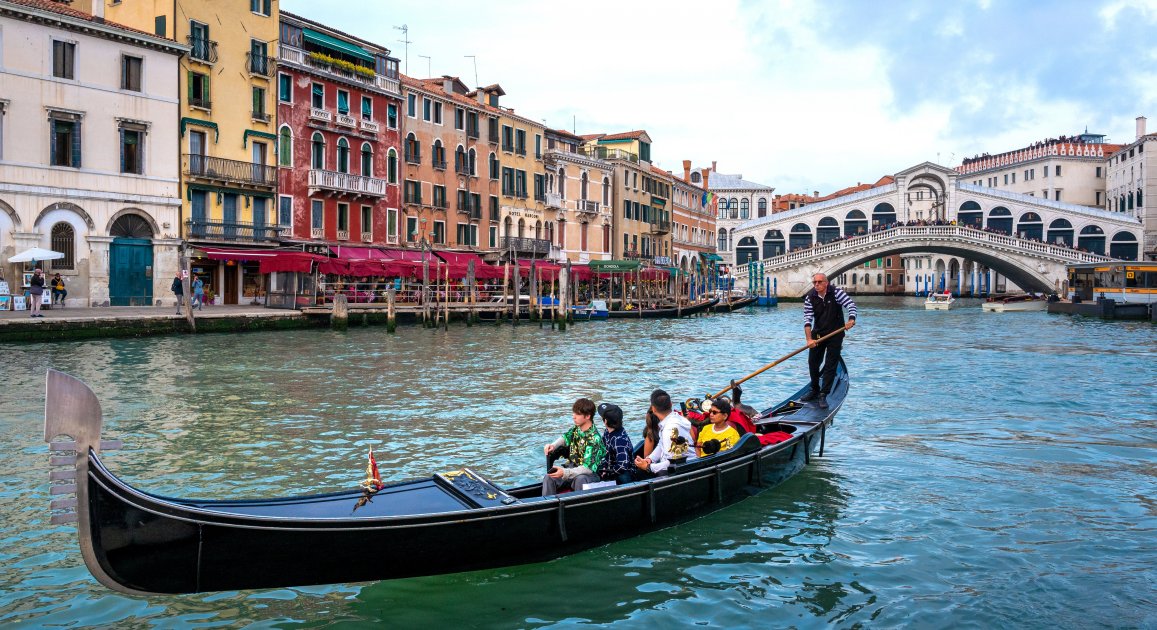
Also, be sure to visit the Rialto Bridge - in winter you can really take a photo on it without crowds, which is almost impossible in summer. The bridge offers a classic view of the Grand Canal. We advise you to walk down from the Rialto along the embankment along the Grand Canal - in the winter evening it is especially beautiful there, the lights of palaces reflected in the water.

From free pleasures we recommend to go on a tour of Venetian churches. There are dozens of ancient churches in the city, from the Basilica of Santa Maria Gloriosa dei Frari (XIV century) to the church of San Giorgio Maggiore on the island. In winter, the churches are almost empty of visitors and you can quietly view the masterpieces: paintings by Tintoretto, Veronese and Titian that adorn their interiors. Many churches are free to enter. Just walk around and enter all the open doors - you're guaranteed to find something impressive (especially as it's a great thing to do on a chilly day to keep warm under the roof).

Go to museums and galleries

Venice is a museum city, and winter is the perfect time to explore its treasure troves without the fuss. In addition to the Doge's Palace and the Cathedral, check out the Galleria dell'Accademia, Venice's main art museum. It houses a huge collection of Venetian paintings: Bellini, Tintoretto, Titian and others. In winter, the halls of the Academy are spacious, no groups with flags, you can look at paintings in silence. Pay attention to the hall with Leonardo's "Vitruvian Man" (it is not always shown, but you may get lucky). Keep in mind that most museums in winter work on a reduced schedule - from about 10:00 to 17:00, keep this in mind when planning your day.

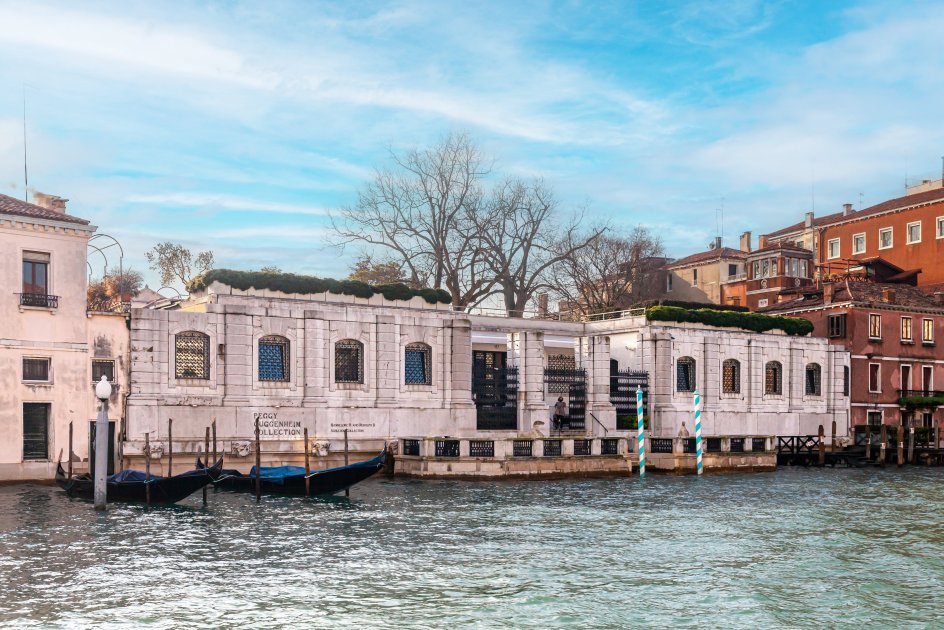
For lovers of 20th century art, I recommend the Peggy Guggenheim Museum on the banks of the Grand Canal. This is the mansion where American collector Peggy lived, and her collection of modernist art is amazing: over 300 works, including paintings by Picasso, Dali, Magritte, and Mondrian. In winter, there are few visitors, so you can look at Giacometti's surrealism and sculptures almost alone. You can also enjoy the view of the canal from the museum's garden, which is an art object in itself.

An interesting winter attraction is the Ca'Rezzonico Palace, a museum of 18th-century Venetian life. Imagine: luxurious halls, antique furniture, paintings by Canaletto... And almost no one around. A great way to escape the damp and travel back a couple of centuries.

Many museums organize special exhibitionsin winter . For example, in February 2024, the Arsenale has a contemporary art exhibition planned, and the Palazzo Dodge may have a photography festival in December (always updated, check the city's events portal).

Take a gondola or vaporetto ride

What's Venice without a walk along the canals! Even in winter it's worth taking a gondola ride at least once. Yes, it is not cheap: a private ride of ~30 minutes costs about 80-100 € (more expensive in the evening). But in winter gondoliers have fewer clients and you can try to bargain - often they agree to make a discount of 20-30 € from the standard price during the slump of tourist traffic. Or they will let you ride a little longer for the same money. Don't hesitate to ask! Another option - to cooperate with other tourists and take a gondola for a group (capacity up to 5-6 people). Then per person will come out quite budget.

In winter on the gondola is a special atmosphere: the canals are quiet, at times you can hear only the splash of water and the voice of the gondolier, telling tales. Be sure to wrap yourself in a warm blanket (they are usually given in the boat) and enjoy the view of ancient facades floating at water level. You can ask for an itinerary along secluded canals, where Venice looks very different - without the crowds of yesteryear. And if you're lucky enough to get caught in a light snow, the experience is simply magical!

If the gondola is too expensive, there is an alternative: vaporetto (water streetcar). Route #1 runs along the entire Grand Canal from the train station to San Marco - effectively an excursion for ~7.5€ (single ticket) or ~20€ for an unlimited day. In winter, the vaporettos aren't as crowded, you can sit on the open stern and take photos of the palaces along the banks. In a 30-40 minute ride, you'll see the main palaces and bridges. For thrifty travelers there's a lifehack: buy a pass for 24 hours for 25 € - then you can ride for a whole day, getting off at different islands. By the way, in winter vaporettos run less often than in summer, especially in the evening - take this into account when planning your routes.

Tip: in winter, be sure to take the vaporetto #2 to Giudecca Island at sunset. The view of the sunset sky and the domes of Santa Maria della Salute Cathedral from the water is one of the most beautiful experiences, and there are hardly any people there.

Go to the islands of Murano and Burano

In winter, it is quite possible to arrange an excursion to the nearby lagoon islands of Murano and Burano. In summer there are crowds of tourists, and in winter the islands are much quieter, which allows you to feel their identity.

Murano is famous for the production of Venetian glass. Visit the Museum of Glass (Museo del Vetro) - in winter the spacious halls are warm and uncrowded. The collection is amazing: from Roman glassware from the 1st century AD to modern masterpieces. Ticket ~10 €. Be sure to go to one of the glassblowing workshops (some let you in for free or for a nominal fee) and watch a glass blowing demonstration. The craftsmen also work in winter, and you'll be one of the few spectators. Murano is easy to get to: the vaporetto #4.1 or 4.2 will take you from Ferrovia (train station) in about 30 minutes.

Burano is an island of colorful houses, which on a cloudy winter day is especially pleasing to the eye. There are very few tourists here in winter, and you can take beautiful pictures against the backdrop of brightly colored facades without strangers. Be sure to take a stroll along the canals and check out the local lace shops (Burano is famous for its lace products). The most picturesque views are from the water, so it's worth taking a boat ride along the island. There are ready tour tickets to both islands (Murano+Burano) with a guide for ~20-25 €, but you can take a vaporetto yourself (line 12 from Fondamente Nove runs in winter, but once an hour approximately). On Burano, by the way, there is an excellent fish restaurant Al Gatto Nero - in winter it is easier to get a table, and you can try the freshest seafood. Also, on a cold day, it's delicious to go to a café and warm up with a bowl of Burano fish soup or a slice of Bussolà pie (a local ring-shaped pastry).

If time permits, take a trip to the island of Torcello (near Burano). In winter, this almost deserted island with an ancient basilica looks mystical - fog, reeds, ruins of ancient buildings... A completely different world.

Taste the winter flavors of Venice

The cold weather is the perfect excuse to explore the gastronomic side of Venice. What to do in the evening? That's right, head to a bacaro - that's the name of the small Venetian bars. They serve the famous cicchetti - one-bite appetizers, like Italian tapas. It can be mini sandwiches with cod baccala, fried tuna meatballs, olives, pieces of polenta with mushrooms - dozens of variants. In winter, such hearty appetizers go down a treat, especially with a glass of red wine or a spritz (Aperol Spritz cocktail, which is drunk in Venice in winter, too). The best time is closer to the evening, at 5-7 o'clock, when Venetians themselves come in for an aperitif after work. You will immediately feel like a local.

We recommend the legendary baccaro Osteria Al Squero, a place famous for the best cicchetti in town. It is located by the Squero di San Trovaso shipyard. Grab a plate of different appetizers and a glass of wine, sit on the waterfront opposite, admiring the gondolas - such is the romance of a winter evening.

For sweet lovers, there are joys in winter too. In December, everywhere sell Christmas cupcakes pandoro and panettone - buy some for your tea. And at the height of the carnival (February) in pastry shops fry fragrant fritole doughnuts with raisins and cream filling - a traditional carnival treat. Be sure to try hot vin brulee (grog) at street fairs or thick Italian cioccolata calda - hot chocolate, almost like a pudding in terms of thickness, especially good at the famous Florian café on San Marco.

And of course, don't forget the Rialto market. In winter it is open in the mornings and it's a real show: mountains of freshly caught fish, squid, scallops, shrimp - everything glistens and shimmers on the stalls. Walk around, look at this colorfulness (it is better to come by 7-8 am). If you rent an apartment with a kitchen, buy fish and vegetables and in the evening cook yourself a Venetian dinner. As the locals say, the main secret is that the products must be of the highest quality, and the recipes are very simple. Even if you don't plan to cook, a visit to the market will give you a sense of real life in Venice, not touristy, but everyday life.

undefined
Photo author - vivovenetia

Shop for bargains

Shopping enthusiasts will also appreciate Venice in winter. Winter sales in Italy start in early January and last until early March. There are no big malls in Venice (except on the mainland, in Mestre), but the historic center is full of boutiques of Italian brands. During the discount season, many goods can be bought 30-50% cheaper. Take a stroll along Mercerie Street (between San Marco and Rialto), where stores from mass-market to luxury are concentrated. Even branded items (Gucci, Prada, etc.) drop in price significantly in January-February.

For a real shopping marathon you can go to the outlet Noventa di Piave (40 km from Venice) - in winter there are huge discounts on past collections, up to -70%. You can get there by shuttle bus from Piazzale Roma or by train to San Dona di Piave + cab. But this is optional - and in Venice itself you will find something to please yourself. Besides clothes, pay attention to winter discounts in leather haberdashery stores (Italian bags, gloves are great souvenirs). And also in winter there are sales of Murano glass - sometimes workshops on Murano reduce prices for products in honor of the holidays.

Keep in mind that during the Carnival (February) prices in hotels and some services jump up again - the high season returns for a couple of weeks. And after the carnival is over, they fall again. So it is better to shop before the carnival or after it.

Useful tips for tourists in winter Venice

To ensure your winter adventure goes perfectly, take note of a few more handy hints and tips:

  • Plan your day with the short daylight hours in mind. It gets light late in winter, and it gets dark around 17:00. Therefore, it is better to plan your main walks and sightseeing for morning and noon. In the evening you can switch to museums (open until 19:00) or restaurants.
  • Check the schedule and opening hours. In winter, many museums and cathedrals reduce their opening hours, and some smaller attractions are closed until spring. Always check the current schedule online or with locals. That way, you'll avoid the frustration of facing a locked door.
  • Take advantage of sightseeing tours. In winter Venice , guides offer group tours at discounted prices, and groups are small. The guide will show you hidden corners you might not have realized to look into on your own. Especially recommended are tours of the Doge's Palace with its secret halls or walks through non-touristy neighborhoods. It will liven up the quiet winter pace a bit with impressions and stories.
  • Check the events poster. In addition to major festivals, there are organ concerts, exhibitions, and theater productions in winter. Check out the Venetian calendar of events (on the Venezia Unica website or at the tourist info center). You may be able to get into an interesting free event.
  • Save on transportation and coffee. Buy vaporetto passes instead of single tickets if you plan to travel a lot - it's much more cost-effective. Also remember: in Italy, it's cheaper to drink coffee standing at a bar. In Venice, an espresso on the go will cost 1-2 €, but if you sit at a table on the terrace, the sum will immediately increase many times over. In winter, of course, you want to sit in the warmth, but sometimes you can stand for 5 minutes with a cup and save money.
  • Get ready for an early heating cut-off. Fun fact: Italy often saves on heating, and even hotels may only have the radiators on for a few hours in the morning and evening. If you're a chilly person, take warmer pajamas. A moisturizer will also come in handy - wind and cold make your skin dry.
  • With children - you can! Many people ask whether it is worth traveling in winter with a child. The answer is yes, if you are properly equipped. Children, by the way, love such events as the Santa Claus race or carnival - a chance to dress up and have fun. The Toy Museum (there is an exposition in Ca'Rezzonico) is not crowded in winter, and a child will be able to look at old dolls. And also there is no heat, and little travelers are less tired.

And lastly - do not be afraid of winter in Venice. Yes, it is cool and capricious, but the city is still the same fabulous labyrinth of canals. Come with the right attitude and you will enjoy cozy evening sit-downs with wine, quiet dawns on the embankments and incomparable charm of winter Serenissima (that's how Venice is called - La Serenissima, the Brightest).

Without a doubt, Venice in winter is a great idea. You will bring back special experiences from there that you can't get in the summer. Enjoy the economy, the special winter mood (about which Joseph Brodsky wrote so beautifully in his essay "The Embankment of the Unhealed"), the empty streets and the opportunity to see the city for real, without the scenery of tourists. Let your journey be magical - have a nice vacation in winter Venice!

Frequently Asked Questions

Is it very cold in Venice in winter?

No, the climate is quite mild. Daytime temperatures are typically between 5 and 8°C, with nighttime temperatures around 0°C. It can be windy and damp, so it feels chilly. But with warm clothing and footwear, you'll feel comfortable. Severe frosts and snowfalls are rare.

Do gondolas operate in winter?

Yes, gondolas operate year-round. Gondoliers provide blankets to keep passengers warm. Winter is even more romantic – the canals are empty and the atmosphere is relaxed. Just dress warmly (coat, scarf, gloves) and enjoy.

What about floods in winter, will the city be flooded?

Acqua alta (high tides) occur in winter, but are usually not critical. Since the protective barriers were put into operation, severe flooding has decreased. Even if the water level rises, it only lasts a few hours, and the city is prepared—boardwalks are being installed. Tourists continue exploring, simply on raised paths. So this problem is minimal.

Where to go to warm up on a cold day?

Many museums and palaces are open in winter – the perfect refuge from the elements. The Accademia Gallery, the Correr Museum, San Marco Cathedral, and churches are all open (perhaps with reduced hours). You can also schedule a wine tasting at a wine bar or a cooking class – a warm and rewarding way to spend your time.

Are all the attractions open in winter?

Almost all cultural venues are operating as usual, with only occasional shortened hours. Amusement parks and beaches are understandably out of the question. But museums, palaces, churches, and theaters are all welcome. In winter, there are even seasonal exhibitions, concerts, and, of course, carnival shows.

What about clothes: how do Italians dress in winter?

Locals wear wool coats, down jackets, and scarves—in short, they bundle up quite warmly because it's damp and cold. You should do the same: layer up—sweater, jacket, hat, and gloves. Waterproof footwear is essential. Heated rooms can get hot, so it's convenient to be able to remove layers (for example, a fleece under a jacket). Style isn't as important as staying warm and dry.

When exactly is the carnival and how can I find out the dates?

The dates of the Venice Carnival change annually and are tied to Easter (Lent begins 40 days before Easter, and the Carnival begins before that). This is usually in February. The current calendar is published on the city's official website and on tourist portals in the fall. Check and plan ahead if you want to attend this show.

Is it worth traveling with children in winter?

It's perfectly fine, as long as the kids can handle the cool weather. There's even entertainment for them: the Santa Claus run in December is a delight for the little ones, and the masked carnival is also a big hit (there's a children's carnival with games and workshops especially for children). Plus, there's no sweltering heat, making it easier to walk. So grab a sled in case it snows (just kidding) and off you go, conquer winter Venice with the whole family!

Take out insurance for traveling abroad in a couple of clicks!

Tags:

Хочешь путешествовать чаще?
280 000 подписчиков уже получают наши письма с авиаскидками до -85% и путешествуют чаще. Теперь твоя очередь!
ok
или
Did you like the article?
😍
😂
😄
😐
🤔
😩
SHARE WITH FRIENDS:
No comments
tripmydream - travel service, that helps to find compare and buy best flights and rooms worldwide with the given budget. All necessary information for travelers - is right here!