Travel Ideas

Vienna in winter: what to see, where to go

Vienna in winter is a special combination of imperial grandeur and a cozy festive atmosphere. When snow falls, the majestic palaces and cathedrals take on a fairy-tale appearance, and millions of lights illuminate the streets. During the cold months, the city offers travelers a lot: from Christmas markets with the aroma of mulled wine to evenings of classical music in luxurious halls, from ice skating in the open air to sitting in historic coffee houses with a cup of hot chocolate. In this article, we will tell you what to see in Vienna in winter and where to go to make your winter trip truly unforgettable.
23 february 2026
AUTHOR: Kateryna Lindt
0
22 min

Folks, don't forget that we have an extremely comfortable iOS application in App Store

Please try it!

Kateryna Lindt
I write routes the way I would advise a friend before a trip - nothing superfluous, just proven and at a comfortable pace.

Weather in Vienna in winter and clothing tips

Winter in Vienna lasts from around the end of November to March. The temperature usually hovers around 0 °C, often dropping slightly below. The average daily temperature in December is around +1 °C, in January it can reach -4 °C, and in February it rises again to +3 °C. The main features of the Viennese winter are high humidity (up to 80–100%) and a biting wind of up to 10–14 m/s. Due to the humidity, it feels colder than the thermometers show. Snow falls in Vienna, but within the city limits it usually does not stay long and melts quickly, making the streets wet and slippery.

How should tourists dress? Be sure to bring a warm, windproof jacket, scarf, hat, and gloves. Dress in layers so you can easily adapt to the transition from the cold streets to heated museums or cafes. Waterproof, comfortable boots are a must-have, as there can be wet snow and ice in winter. Also, don't forget your camera or smartphone —wintertime Vienna is very photogenic, and you're sure to take dozens of spectacular photos against the snowy backdrop of palaces and the lights of the holiday markets.

Christmas markets and winter holidays

In December, Vienna becomes the capital of Christmas markets and celebrations. It is the most vibrant and cozy time of the year: the city is filled with the aromas of cinnamon and mulled wine, lights shine everywhere, and Christmas music fills the squares. Winter in Vienna is a series of festivals: markets are open in the run-up to Christmas, the ball season begins in January and February, and New Year's Eve is marked by a grand street party.

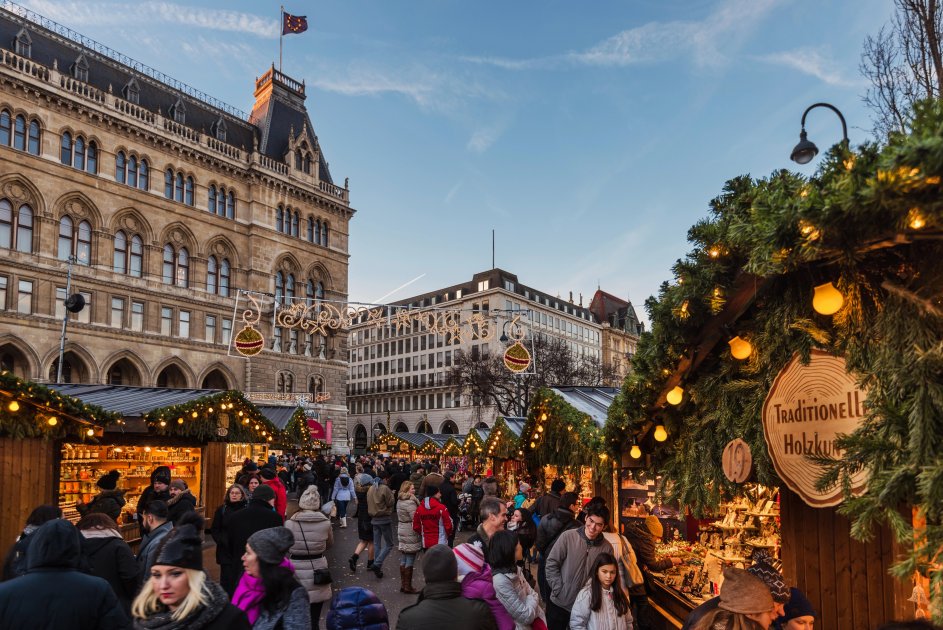
Christmas market on Rathausplatz

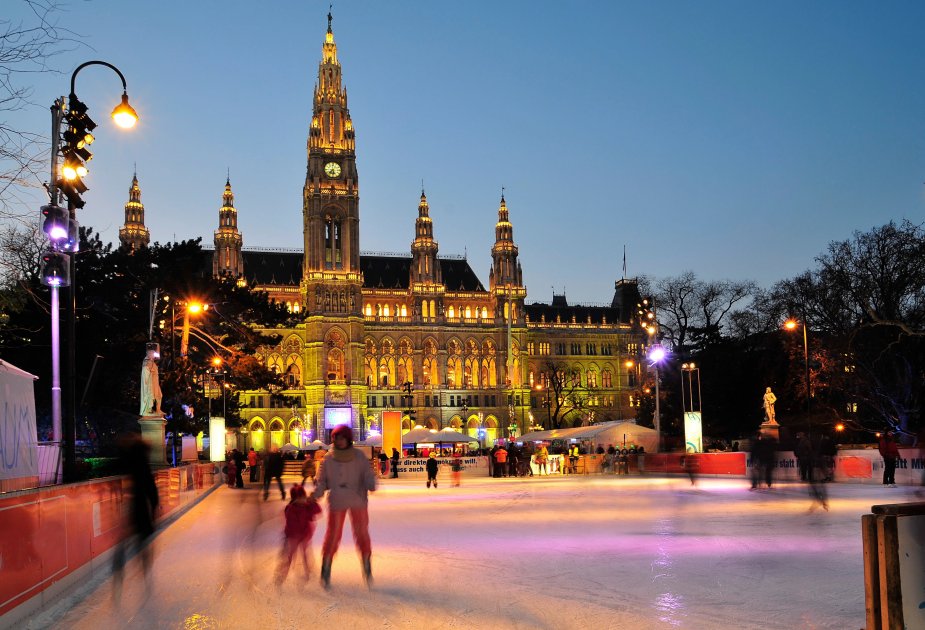
The most famous in the city. Against the backdrop of the Gothic Town Hall, more than 150 Weihnachtstraum stalls sell Christmas tree decorations, handcrafted souvenirs, and traditional treats. Try hot chestnuts, Lebkuchengingerbread , and a glass of steaming punch or mulled wine—without these, it's hard to feel the spirit of Austrian Christmas. The fair is open from mid-November to December 26. It is especially beautiful here in the evenings: the facade of the Town Hall is illuminated, music fills the air, and a festive ice rink is flooded nearby (more on that below).

The fair at Schönbrunn Palace

Against the backdrop of the baroque Schönbrunn Palace stands a decorated Christmas tree, and wooden houses offer handmade Christmas tree decorations, toys, and sweets. You can also hear Christmas concerts here. The market is open until early January, so even after Christmas, you will have a chance to visit it.

Fair on Karlsplatz

Known as the "Artistic Advent." In addition to traditional souvenirs, there is a strong emphasis on products made by local artisans and artists: ceramics, textiles, and jewelry. Entertainment for children is also provided on Karlsplatz, including workshops and carousels.

Old Town Fair on Freie

An atmospheric bazaar in the historic center with more than 30 years of history. It is a little less noisy here and has more old-fashioned charm. The stalls offer Austrian honey, homemade strudel, liqueurs, and handmade candles. Every day there are 19th-century-style performances, from theatrical performances for children to traditional choirs.

Silvesterpfad

Silvesterpfad, the New Year's Eve trail in Vienna on December 31, deserves a special mention. On New Year's Eve, the streets in the center turn into one big party: live music (from waltzes to rock 'n' roll) plays on numerous stages, there are tents with champagne and snacks everywhere, and at midnight, fireworks light up the sky. New Year's Eve in Vienna is an event for every taste: you can dance the waltz under the open sky or take refuge in one of the cozy bars overlooking the festive city.

Open-air ice rinks

If you enjoy active recreation, be sure to visit the Wiener Eistraum ice rink in front of City Hall. From late January to early March, Rathausplatz square is transformed into a huge ice park covering several thousand square meters. Skating here is a special treat: the neo-Gothic City Hall is lit up around you, waltzes and Christmas hits play from the speakers, and garlands sparkle among the trees. Even if you're not a figure skating pro, the festive atmosphere will sweep you off your feet. During the day, children are taught to skate for free on a separate rink, and in the evenings it turns into an ice curling rink—a rare opportunity to try ice stock (a more accessible version of curling). The ice season lasts until about the beginning of March—check the dates each year.

In addition to Rathausplatz, ice rinks are also set up in other places, such as thetraditional rink of the Vienna Ice Skating Club (Wiener Eislauf-Verein) near the city park, which is open every winter. Ice skating among historical decorations is one of themust-do activities in Vienna in winter.

Ball season

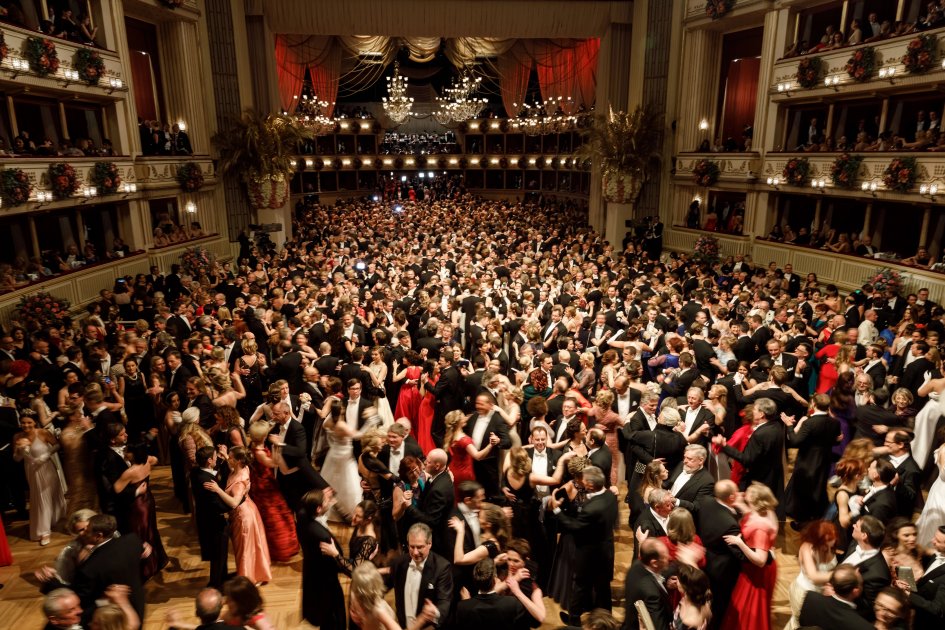
The Austrian capital is known as the "city of waltzes" for good reason— every winter, Vienna hosts more than 450 balls. From January to February, the elegant halls of the Hofburg, the Vienna Opera House, the City Hall, and other palaces host balls with a wide variety of themes almost every week. There are traditional balls (such as the Opera Ball, the Philanthropists' Ball, and the Coffee House Ball) and highly specialized ones (the Doctors' Ball, the Lawyers' Ball, the Flowers Ball, and even the Caramel Ball).

At the height of the ball season, the city seems to return to the era of the empire: motorcades carry ladies in ball gowns through the streets, Strauss melodies can be heard everywhere, and café windows display waltz steps. If time and budget allow, attending a Viennese ball is an unforgettable experience. But even without participating yourself, you can still soak up the atmosphere: during the ball season , public waltz lessonsare held in the city , and on some days you can watch free broadcasts of the balls on screens.

Tip: Tickets for the most popular balls sell out in advance, but for many events (especially corporate balls at the City Hall), you can purchase inexpensive standing tickets before the start. Don't forget to bring your evening attire—the dress code at balls has not been canceled!

Sights of Vienna in winter

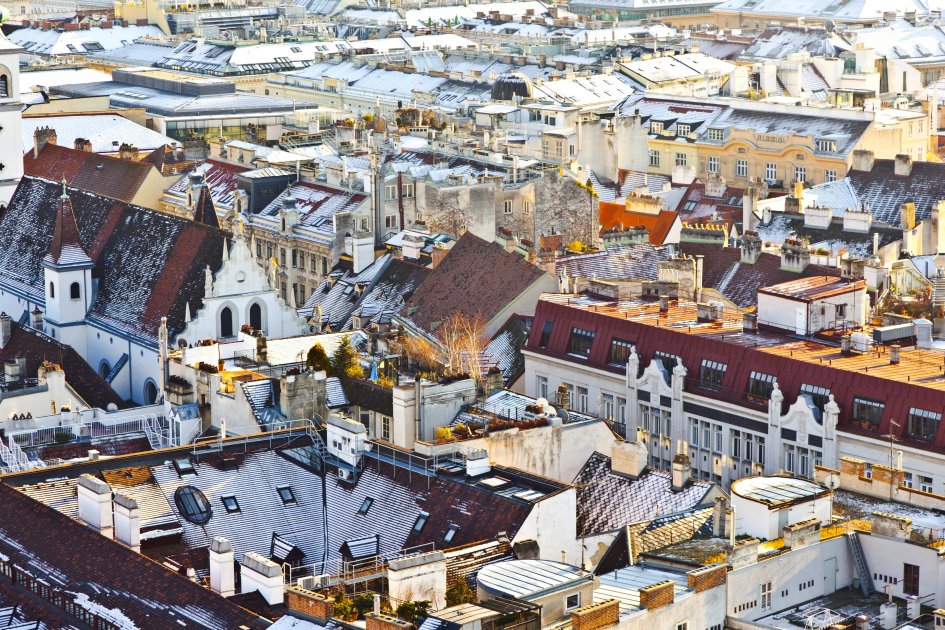
What are the classic sights to see in Vienna in winter? Almost all of the iconic places are open year-round, and a winter visit has its advantages. First, there are fewer tourist crowds, especially in January and February, which means uncrowded viewing platforms and no long lines. Secondly, many historic palaces and streets look even more picturesque in the snow—a great chance to see familiar sights from a new angle.

Here are some of the main attractions that are especially worth visiting in winter:

Schönbrunn Palace

The Habsburgs' summer residence is beautiful even on a frosty day. In winter, you can stroll through the deserted parks and symmetrical alleys of Schönbrunn, covered with light snow, without the hustle and bustle – there are far fewer tourists than in summer. And to warm up, go inside the palace for a tour: the state rooms are open to visitors all year round.

Tip: buy your ticket online in advance and come in the morning, then you can skip the line and explore the luxurious interiors with an audio guide almost alone.

After the tour, don't rush to leave—in December, there is a Christmas market on the square in front of the palace, and during the winter months, an impressive light show called Imperial Lightsis held in the gardenopposite the palace (from November to early January).

St. Stephen's Cathedral (Stephansdom)

Vienna's main symbol looks magical in winter: its colorful tiled roof is often dusted with snow, and in the evening, the lights come on, making the Gothic towers seem to float in the winter sky. Be sure to climb one of the cathedral's observation decks: the south tower (343 steps) is open even in winter and offers the best panoramic view of the old town. The north tower has an elevator to the Pummerin bell, the largest in Austria, which is also interesting to see.

By the way, you can appreciate the interior of the cathedral without crowds of tourists—it is much quieter here in winter. And in the catacombs under the cathedral, there are tours where you can learn the dark secrets of medieval Vienna (the catacombs are open all year round, and the temperature underground is a stable +9 °C).

Hofburg and the city center

In winter, it is especially pleasant to walk around the historic center (Innere Stadt): the ancient streets of Graben, Kolmarkt, cozy courtyards, and monumental squares look like decorations on a Christmas card. Take a walk from the Cathedral through Graben to the Hofburg Palace Square—in the evening, giant crystal chandeliers hang over Graben, shining down on the street. In the courtyard of the Hofburg, you can ride in an old-fashioned carriage through the snow, if you're lucky enough to have some.

In the Hofburgitself , we recommend visiting the Sisi Museum, an exhibition dedicated to the legendary Empress Elisabeth. Her personal belongings, luxurious dresses, a collection of court silver, and the restored imperial apartments are on display there. In winter, the imperial apartments are especially cozy, and there are few tourists.

The Hofburg also has a treasury (with the crowns and regalia of the Habsburgs) and the imperial stables with a riding school. In winter, the Lipizzaner horses perform in the riding hall, you can go to the morning training session in the indoor arena to see the famous white horses in action.

Belvedere and other palaces

The Upper Belvedere is another palace that is a must-see, especially if you appreciate painting. Its halls house Austria's most famous painting, Gustav Klimt's "The Kiss. " In winter, the halls are quiet, allowing you to calmly view works by Klimt, Schiele, Kokoschka, and other Austrian modernists.

The Belvedere Park is quiet and beautiful in winter, and the ponds and alleys against the backdrop of the palace make for excellent photos. Please note: the ponds are drained during the cold season, but this allows the palace's architecture to be seen in all its glory without any reflections in the water.

In addition to the Belvedere, art lovers should visit the Albertina Palace, which has a huge collection of graphic art (Dürer, Rembrandt, etc.) and famous Impressionist paintings. The Albertina often hosts major exhibitions in winter (for example, exhibitions of Dürer, Caravaggio, etc., as was the case in the 2019/20 season), so there is a chance to see not only the permanent exhibition but also unique temporary projects.

Ringstrasse and modern attractions

A walk along Ringstrasse boulevard on a winter evening is a great way to see the city's main buildings illuminated by lights. Along the Ring are the Parliament, City Hall, Burgtheater, and University, all beautifully illuminated.

Take a look at the Museum Quarter (MQ) — even if you don't plan on visiting museums, the MQ courtyard often hosts art installations in winter and has open-air bars serving mulled wine, and in January, they set up a small curling rink here.

Vienna's modern architecture can be appreciated in the cold season without the crowds: for example, the Hundertwasserhaus – in winter, tourists also line up to see its bright walls, but fewer than in summer.

However, it is better to climb the Danube Tower or the Ferris wheel in the Prater on a clear day: in winter, the panoramic views can be slightly obscured by haze. Nevertheless, the Riesenrad Ferris wheel in the Prater operates in winter, and it is worth taking a ride—the view of the snow-covered city and the few people walking in the park is worth it.

Subscribe to our Telegram channel @tripmydream to be the first to hear about travel news and promotions!

Museums and galleries: where to go on a frosty day

If the weather is not ideal or you simply love art, wintertime Vienna is a paradise for museum lovers. The city is famous for its world-class collections, and in winter you have the chance to explore them at your leisure. Winter is the low tourist season, so even the most popular museums are much less crowded, and sometimes they offer extended opening hours and special exhibitions.

Top museums in Vienna to visit in winter:

Kunsthistorisches Museum (Art History Museum)

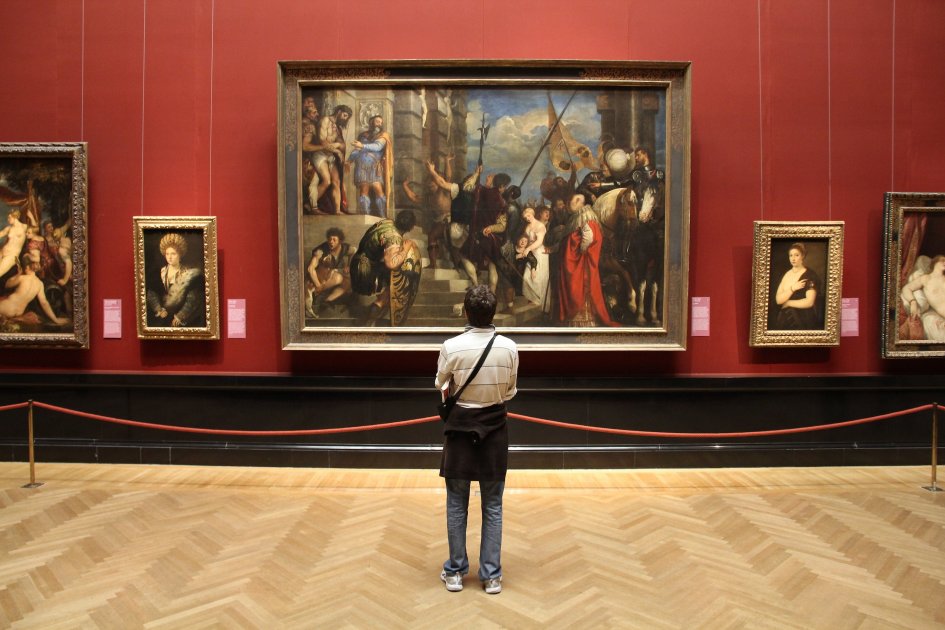
This is Austria's main art museum. It is located in a luxurious building on Maria Theresa Square, opposite the Natural History Museum, which is identical in architecture. Inside, there is a rich collection of paintings by old masters: Velázquez, Rembrandt, and Bruegel the Elder (an entire hall of his works—the largest collection of Bruegel in the world).

In winter, the museum is open according to its standard schedule, but on Thursdays it stays open late (until 9 p.m.) —you can come in the evening when there are very few visitors and enjoy the collection in the evening lighting. Be sure to visit the café on the second floor under the dome: it is called the "Heavenly Café" and is decorated like a palace (it has even been featured on Instagram). Visiting the Kunstkammer, the Egyptian-Oriental Department, and the picture gallery is a great idea for a cold day.

Museum Quarter (MQ)

A huge cluster of museums near the Hofburg. In winter, you can warm up with art for every taste. The MQ is home to the Leopold Museum (focusing on Austrian modernism – Schiele, Klimt), MUMOK (Museum of Modern Art), Kunsthalle (a venue for temporary exhibitions), and even the Zoom Children's Museum. All of them are open year-round.

In December, the MQ square is decorated with fun, brightly colored benches and hot punch is served in street tents, creating a winter art party atmosphere in the courtyard.

Keep an eye out for special seasonal exhibitions: for example, in the winter of 2023/24, the MQ museums hosted exhibitions of contemporary Austrian design and a retrospective of the works of Oskar Kokoschka. You can buy a combined ticket for several MQ museumsat the ticket office .

Albertina

A museum and print library in the former Habsburg residence next to the Opera House. It houses around 60,000 drawings and engravings, from Dürer and Leonardo da Vinci to the French Impressionists. Only a small part of the collection is on permanent display, but there are always masterpieces: Dürer's "Hare," Michelangelo's sketches, and others. The Albertina also has a large collection of modernist paintings (Monet, Picasso, etc.). In the winter of 2024, for example, there was an exhibition of works by Banksy.

In addition , the Albertina is known for its temporary exhibitions, which change every few months and attract connoisseurs from all over the world. In winter, tickets to the Albertina can be purchased on site without queuing , and admission is free for visitors under 19, which is great for families.

undefined
Photo author - tournavigator

Technical Museum, House of Music, Natural History Museum

In winter, it's worth checking out some unusual museums, especially if you're traveling with children.

  • The Vienna Technical Museum is interactive and intriguing, with many "press and try" exhibits—a great way to spend half a day in the warmth and learn something new.
  • Haus der Musik (House of Music) is a modern sound museum where you can virtually conduct the Vienna Philharmonic Orchestra or learn how an unborn child hears the world.
  • The Natural History Museum opposite the Kunsthistorisches Museum is famous for its dinosaur hall and the largest collection of meteorites in Europe – also a good place to shelter from the cold with your family.

Tip: Some museums in Vienna are closed on Mondays, but others stay open late on other days. Plan your route according to the schedule. During the winter holidays (Christmas, New Year), museums may change their opening hours—the current schedule is published on the Vienna Tourist Office website.

Music, opera, and theater in winter

Vienna is the world capital of music, and cultural life is particularly rich in winter. Tours by many orchestras, ballet and opera premieres, and the famous New Year's Concert all make the winter season ideal for art lovers. Even if you are not a big fan of classical music, it is worth immersing yourself in this atmosphere at least once.

Vienna State Opera

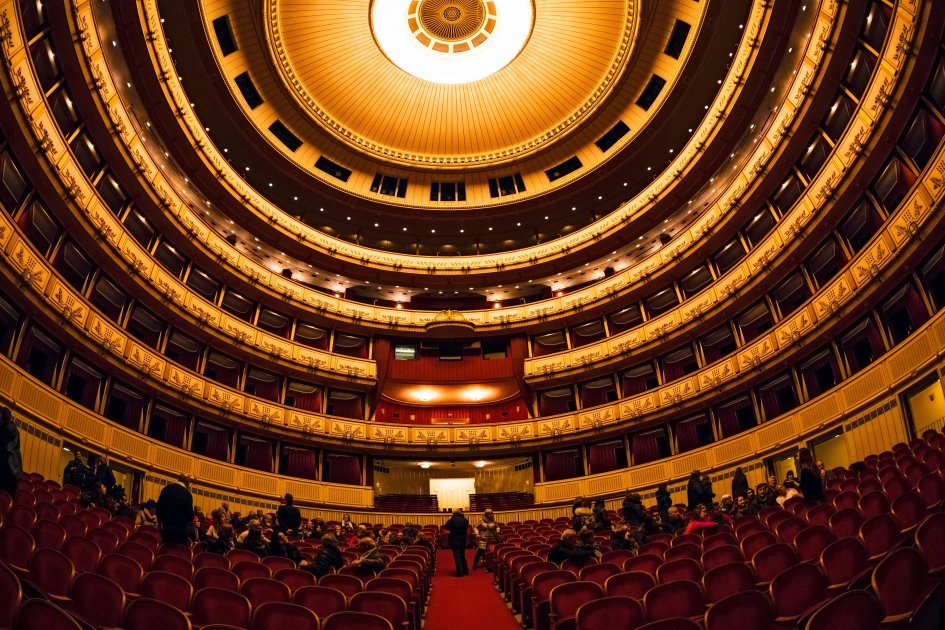
The opera house on Ringstrasse is an attraction in itself. During the winter season (September-June), world-class operas and ballets are performed here almost every evening. It is advisable to buy tickets online in advance, but if you find yourself in Vienna spontaneously, the opera has a life hack: standing room tickets for €2-4. They are sold on the day of the performance, about 80 minutes before the start, at the box office on the side of the building. You will need to queue up (in cold weather, it is warmer to arrive closer to the opening of the box office), but for a nominal fee, you will be able to hear, for example, Tosca or The Nutcracker in the historic hall. All seats (even standing room) are equipped with individual displays with subtitles in several languages, so you will understand the plot.

If opera as a genre is not your thing, but you are interested in seeing the theater itself, take a daytime tour of the building. For about €9, a guide will take you through the auditorium, the imperial box, and backstage and tell you the history of the Vienna Opera in about 40 minutes. Tours are available daily in different languages.

Classical music concerts

On winter evenings, it is especially pleasant to listen to live music in one of Vienna's magnificent concert halls. The most famous is the Golden Hall of the Musikverein, where the Vienna Philharmonic Orchestra's New Year's Concert takes place on January 1. Tickets are difficult to obtain (they are raffled off a year in advance), but in December, tourists can enjoy a variety of Christmas concerts.

Vienna's churches and palaces host festive performances, such as concerts in St. Anne's Church (cello ensembles by candlelight) or in the Schönbrunn Orangery (the orchestra plays Mozart and Strauss). Many ensembles offer evening concerts especially for tourists, with tickets sold online and at box offices around the city. The repertoire ranges from Vivaldi to New Year's songs.

The Vienna Ice Festival, a series of concerts and shows on ice,also takes place in Vienna during the winter months . You can find the event schedule in the calendar on the official website of the tourist office.

If classical music is not your thing, check out the musicals at the Ronacher Theater or the Volksoper (People's Opera). In the winter of 2025, for example, the musicals "Ball of Vampires" and "Rebecca" were performed there. Tickets are also available for inexpensive seats in the balcony.

Organ concert at St. Peter's Church

There is one secret recommendation that not all tourists know about: every day there is a free organ concertin St. Peter's Church in the center of Vienna . On weekdays at 3:00 p.m. and on weekends at around 7:30 p.m., you can visit the Baroque church near Graben and listen to 20-30 minutes of organ music. On a winter evening, this creates a special mood: sitting on a bench under a magnificent dome, enjoying the sound of an ancient organ—the atmosphere is indescribable. After the concert, be sure to take a walk along the brilliantly decorated Graben—you can see those giant chandeliers above the street right from the church.

Tip: In January, Vienna hosts the Resonanzen classical music festival at the Konzerthaus, a series of concerts featuring early music. February is known for the Opera Ball, the country's main ball, which takes place in the Vienna Opera House (on this night, the auditorium is transformed into a ballroom). Tickets for the Opera Ball are expensive, but it is broadcast live on television, and screens are often set up in the city center for those who want to watch the opening of the ball.

Where to go for comfort: Viennese cafés and winter treats

Winter is the best time to experience thefamous Viennese coffee culture. When it's cold outside, you'll want to pop into a warm café with plush sofas, order a fragrant Melange coffee and a slice of fresh apple strudel. Viennese coffee houses are not just places where people drink coffee; they are a cultural phenomenon protected by UNESCO. For independent travelers, visiting historic cafés is as essential as visiting museums or palaces.

Here are a few cafés and gastronomic delights worth trying in Vienna in winter:

Café Central

A legendary coffee house on Herrengasse, dating back to the 19th century. Sigmund Freud, Leon Trotsky, Stefan Zweig, and other regulars sat at the marble tables here. The interior is in the Viennese Neo-Renaissance style, the waiters wear tuxedos, and there is live piano music in the evenings—all the attributes of a traditional café are present.

Order a Wiener Melange (espresso with milk and foam) and a signature cake or strudel. An interesting fact: traditions are strictly observed here—for example, coffee is only served in cups, paper cups are out of the question, and whipped cream is exclusively called Schlag (which amusingly translates as "blow").

undefined
Photo author - travel advisor

Café Sacher

Located in the hotel of the same name next to the Opera House. Here they serve theoriginal Sacher cake, the recipe for which has been kept secret since 1832. Be sure to try this chocolate sponge cake with apricot filling and glaze—it's the perfect pairing with whipped cream and a cup of coffee. Keep in mind that there may be a line of tourists during the day, so either come in the morning when it opens (the coffee shop is open from 8:00 a.m.) or be prepared to wait a while. However, the atmosphere, which seems to have been transported from imperial times, and the portraits of celebrities on the walls will make the wait worthwhile.

Demel Café

Another historic pastry shop, a former supplier to the imperial court. Located on Kohlmarkt Street. At Demel, you can not only try an alternative version of the Sacher cake (here it is called Eduard-Sacher-Torte, the recipe was developed by the son of the creator of Sacher), but also see the pastry chefs at work right before your eyes.

Pay attention to the signature sweets: candied violets, a favorite treat of Empress Sisi, are still made here by hand. Demel is also famous for its marzipan figures and Christmas stollen. The café is open daily from morning to evening (usually 8:00 a.m. to 10:00 p.m.).

undefined
Photo author - traveladvisor

Other legendary cafes

Cafe Sperl (the oldest artistic cafe, where Secessionist artists such as Klimt and others gathered; it also serves excellent pastries), Cafe Hawelka (a bohemian spot from the 20th century, famous for its Buchteln —sweet buns with jam), Cafe Frauenhuber (the oldest cafe in Vienna, where Mozart himself performed). Visit any of them – you will find good coffee and a piece of history everywhere.

Winter treats

Remember that Vienna is famous not only for its sweets but also for its hearty cuisine. On a cold day, nothing warms you up like a plate ofhearty goulash or a serving of hot sausages with mustard from a street stand called a Würstelstand. Try seasonal treats: in December , Kletzenbrot, a Christmas fruit bread, gingerbread, and roasted almonds are sold everywhere . For dessert, in addition to strudel , chestnut purée with cream (Kastanienpurée) and Kaiserschmarrn, a sweet omelet with raisins, torn into pieces and served with plum jam, are popular in winter . Incidentally, you will findKaiserschmarrn on the menu at Café Central and at Christmas markets.

Viennese wine and punch

In winter, especially in the Vienna area, it's nice to visit a heuriger, a wine tavern where young wine is served. The city also hosts punch and mulled wine festivals. For example, in mid-December, you can try dozens of types of punch at Alice Square in the Museum Quarter. If you like beer, you should know that Vienna is home to the Ottakringer brewery, which offers tours with tastings of rare varieties such as smoked beer, hemp beer, and more. Such a tour is perfect for a frosty day for beer lovers.

Walks and outdoor activities

Despite the cold, winter in Vienna is no reason to stay indoors all the time. The city and its surroundings offer plenty of ideas for winter outings in nature or simply for taking a walk and breathing in the frosty air.

Viewing platforms

On a clear day, head to the Danube Tower (Donauturm) – from a height of 252 meters, you can enjoy a magnificent panorama of winter Vienna and even the Alpine peaks on the horizon. At the top, there is a revolving restaurant where you can warm up with a cup of coffee while enjoying the view.

Another option is to take a ride on the Ferris wheel in Prater. The wheel operates year-round, and the cabins are heated in winter. It is not very high (65 m), but it is a historic attraction, over 120 years old, and offers a good view of the city center. It is best to ride on weekends or holidays, when the wheel is definitely open and operates until dark.

Snow-covered parks

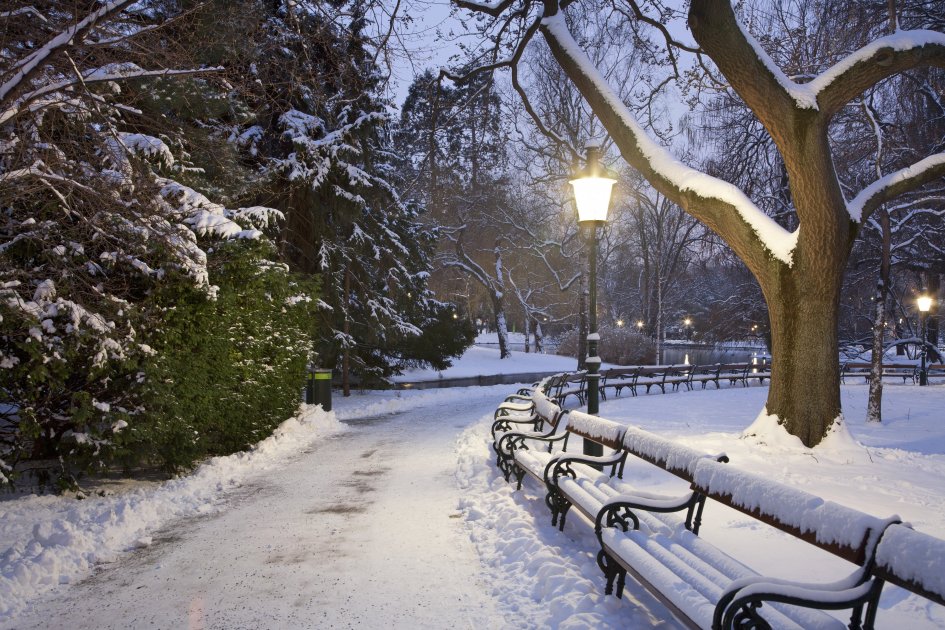
If there is fresh snow, be sure to visit Schönbrunn Park —it is huge and picturesque in winter. Climb up to the Gloriette (a white stone colonnade on a hill) for the best view of the palace and the city against the backdrop of snowy fields.

The Stadtparkis also beautiful in winter with its frozen ponds and Strauss statue, as is the Belvedere Park with its neat snow-covered alleys.

Nature lovers can take a trip just outside the city to the Lainzer Tiergartennature reserve on the outskirts of Vienna. In winter, this forest park is much quieter, and you can see deer and wild boars at the feeding stations. Please note that the reserve may be partially closed during the cold season for hunting, but the main trails are usually accessible.

Sledding

Austrians love sledding —and not just in the mountains. In Vienna itself, there are several places where locals organize Schlittenfahrt after a good snowfall . The most famous is the Jesuitenwiese meadow in Prater Park, which has a long, gentle slope that is ideal for sledding.

The Gallitsinberghill in the Ottakring district and the Hohe Warte in Döbling are also popular . These places are not official resorts, just natural terrain, but when it snows, you can have fun there with the whole family. Sleds (ice sleds) are sold in sports shops for literally €5-10. As the Viennese themselves note, "Viennese sledding" is a great way to return to childhood and have fun without leaving the city.

Thermal bathing

For those who want to relax, there is a wonderful option – visit the Therme Wien thermal complex. It is the largest urban thermal spa center in Europe, located in the Oberlaa district (15 minutes by metro from the center). Five areas with 26 pools and 24 saunas await visitors all year round. Imagine: it's freezing outside, and you're swimming in a hot outdoor pool, surrounded by steam and snowflakes — an unforgettable feeling! Therme Wien also has jacuzzis, slides, a children's water park, and even a cinema and a salt cave. The thermal baths are open daily from morning until around 10 p.m. (except December 24). Admission is around €25-30 for a full day.

If you have Baden (a resort town near Vienna) on your itinerary , be sure to visit the Römertherme thermal baths there —they are smaller but very atmospheric, and easy to reach by train.

undefined
Photo author - kidpassage

Unusual excursions

Winter, when there are few tourists, is the perfect time to discover the less obvious sides of Vienna. For example, take the "In the Footsteps of Sisi" tour , where you will learn the whole truth about the life of Empress Elisabeth, visit places associated with her, and even see her favorite chair at Demel café, where she loved to enjoy violets.

For adults , there is aneccentric "erotic tour" of Vienna, featuring stories about the love affairs at the Habsburg court, a visit to former brothels, and other spicy details. These tours are conducted in small groups and are available even in winter (just remember to dress warmly, as part of the route is outdoors!).

Another unusual option is underground Vienna: a tour of the city's catacombs, canals, and wartime bunkers. In winter, it is more comfortable than in summer (the temperature underground is a stable +10 °C).

If time permits, you can take a day trip to neighboring cities. From Vienna, you can reach Bratislava (Slovakia) or Brno (Czech Republic) in an hour and a half —they also have winter fairs and fewer tourists than usual. Mountain lovers can take a day trip to the Alps —in winter, trips to picturesque Hallstatt or Salzburg are popular to see the Austrian winter in all its glory outside the capital.

Useful tips for travelers

  • Plan your itineraries taking into account the short daylight hours.
    In December, it gets light late and dark around 4:00 p.m. Therefore, it is wise to plan visits to outdoor attractions for the morning and afternoon, and devote the evenings to museums, concerts, and dinners in restaurants. Keep in mind that many palaces and the Schönbrunn Zoo close early in winter (around 5 p.m.), but museums and shops are open until 6 p.m. and later.
  • Save on admission tickets.
    In winter, Vienna's museums offer discounts or special promotions. For example, in the first weeks of December, some museums hold open days — keep an eye on the poster. If you plan to travel a lot and visit paid attractions, consider the Vienna City Card or a tourist pass — they are also valid in winter and can pay for themselves. Standing room tickets to the opera and discounted tickets for young people (under 27 years old in many theaters) will allow you to enjoy culture on a budget.
  • Winter sales.
    January is the time for big discounts. Immediately after the New Year holidays, the shop windows on the main shopping street, Mariahilfer Strasse, are full of signs saying "30-70% OFF." So if you like shopping, set aside some time: there are many outlets in Vienna (for example, Designer Outlet Parndorf near the city with regular bus service ) and large shopping centers. At the end of December and beginning of January, it's easy to find great deals on clothing, electronics, and souvenirs. Remember: December 25 and 26 are official holidays in Austria, and almost all stores are closed, but sales begin on December 27-30 and January 2.
  • Transport and getting around.
    Vienna's public transport is especially appreciated in winter—it is warm and punctual. Buses, trams, and the metro allow you to quickly move between attractions without freezing outside. Buy a weekly pass or a 24/48/72-hour pass—it's cheaper than single tickets if you plan to travel a lot. After walking in the cold, it's nice to warm up for a couple of stops on the tram that runs along Ringstrasse around the center (route #1 or #2). This way, you can see the city and relax. Taxis and Uber also operate in Vienna, but the prices are quite high; it is better to leave them for late at night when public transport runs less frequently after midnight (although on weekends, the night metro operates all night).
    Don't forget about the old-fashioned transport: in winter, the retro Ring Tram continues to run around the Ring — it's interesting to ride it, looking at the sights from a warm carriage.
  • Safety and comfort.
    Vienna is quite safe in winter, but basic precautions won't hurt: watch your pockets in crowded places (fairs, transport) — there is a rush of visitors during the holidays. Be careful at skating rinks and in parks so you don't get injured on slippery surfaces. If you get very cold outside, pop into any shopping center or subway station – you can wait it out and warm up for free. In Austrian cafes, it is customary to sit for a long time in winter, and no one will kick you out, even if you only order coffee – take advantage of this and recharge your batteries between excursions.

Winter in Vienna offers a truly unique experience. The city skillfully combines winter activities—ice skating, fairs, and sledding—with a rich cultural heritage that is accessible year-round. Vienna in winter is cozy and romantic: you will see imperial palaces covered in snow, try hot punch against the backdrop of the Gothic Town Hall, and hear the melody of a waltz floating above the Christmas market. Most importantly, you will feel like part of this winter fairy tale, where history and celebration intertwine. Plan your trip, dress warmly, and head off to experience the winter wonders of Vienna!

Get travel insurance for trips abroad in just a few clicks!


Хочешь путешествовать чаще?
280 000 подписчиков уже получают наши письма с авиаскидками до -85% и путешествуют чаще. Теперь твоя очередь!
ok
или
Did you like the article?
😍
😂
😄
😐
🤔
😩
SHARE WITH FRIENDS:
No comments
tripmydream - travel service, that helps to find compare and buy best flights and rooms worldwide with the given budget. All necessary information for travelers - is right here!