How do you get to the deepest lakes?
Most of these lakes are located in remote and hard-to-reach places. If you want to visit Lake Baikal, the easiest way to get there is via the cities of Irkutsk or Ulan-Ude. Getting to Lake Tanganyika is much more difficult—you’ll need to fly to Dar es Salaam (Tanzania) or Kinshasa (DR Congo), then take local transportation.
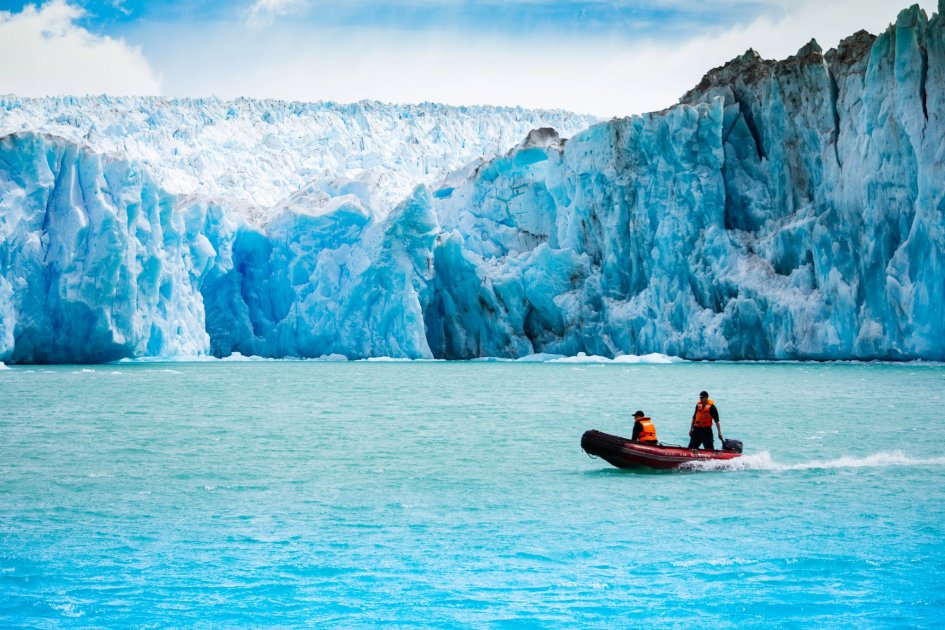
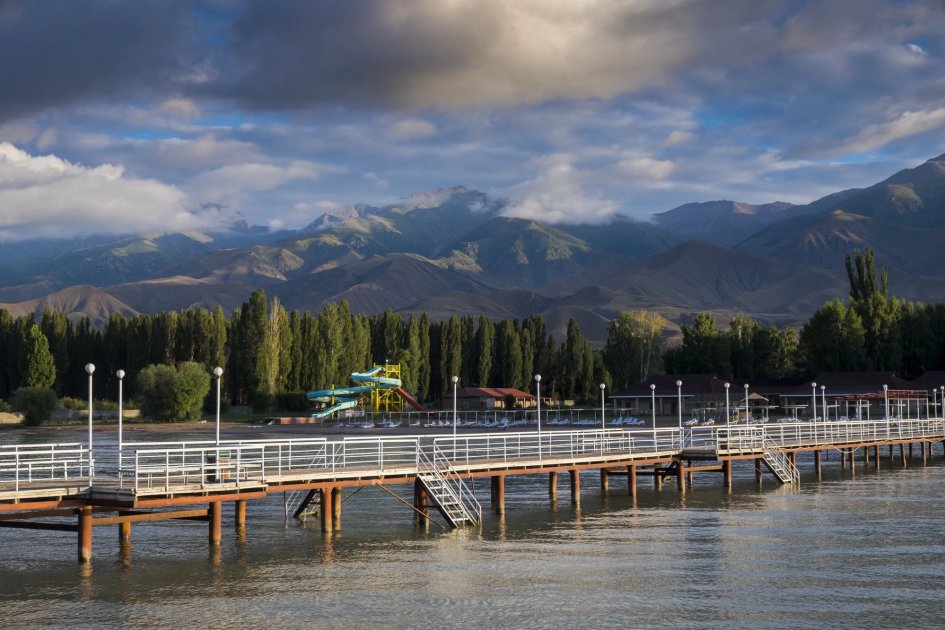
The lakes of Patagonia are more accessible to tourists from Europe and North America: you can fly to Buenos Aires or Santiago, then continue south by plane. Lake Issyk-Kul in Kyrgyzstan is relatively easy to reach—via the capital, Bishkek.
Crater Lake in Oregon is located in a national park and is easily accessible to tourists visiting the U.S. West Coast. Traveling to these lakes requires planning and often a certain level of physical fitness, but it’s well worth the effort.
FAQ
Which lake is the deepest in the world?
Lake Baikal in Russia is the deepest lake in the world, with a maximum depth of 1,642 meters. It is also the oldest lake (about 25 million years old) and contains more than 20% of the planet’s fresh water.
Why are lakes in areas of crustal rifts deeper?
Rift lakes form in areas where the Earth’s crust stretches and splits due to tectonic forces. These fractures create deep depressions that continue to deepen over millions of years, whereas glacial lakes have limited depth due to the physical characteristics of the glacial process.
Which lake is the deepest in Europe?
Lake Hornindalsvatnet in Norway is the deepest lake in Europe, with a depth of 514 meters. It is located in western Norway, surrounded by mountains and forests.
Is it possible to visit Lake Baikal?
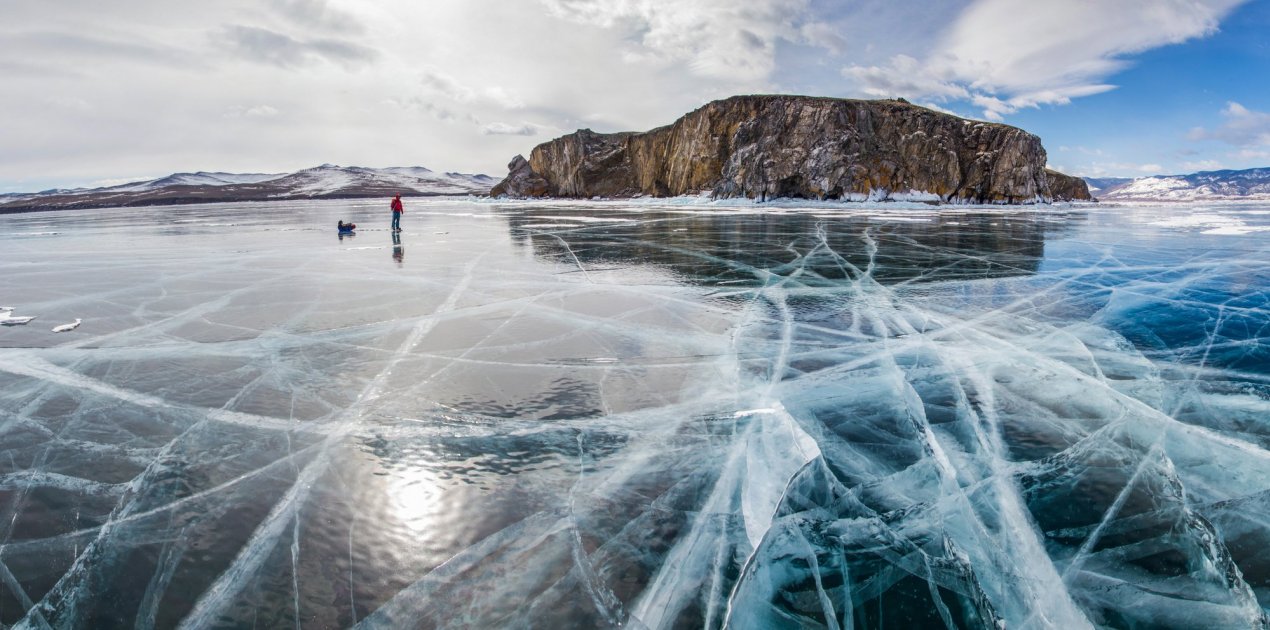
Yes, Lake Baikal is open to tourists. The best way to get there is via the cities of Irkutsk or Ulan-Ude in Russia. In winter, you can drive across the ice; in summer, you can take cruises and stroll along the shores. Lake Baikal in winter is particularly attractive to tourists thanks to its clear ice.
Which lake has the most diverse fish population?
Lake Malawi in East Africa is considered one of the most biologically diverse lakes in the world. It is home to about 1,000 species of cichlid fish, and the vast majority of them are found only in this lake.
When was Lake Sarez in Tajikistan formed?
Lake Sarez was formed quite recently—in 1911, when a powerful earthquake triggered a massive landslide that blocked the Murghab River. It is one of the youngest large lakes in the world.
Why is the Caspian Sea called a lake?
The Caspian Sea is called a lake because it is completely enclosed and does not connect to the world’s oceans. Despite its name and the salinity of its water, it is, by definition, a lake, since it is not connected to the world’s oceans.
Conclusion
The world’s deepest lakes are truly wonders of nature, each with its own history, ecosystem, and geology. From ancient Lake Baikal in Siberia to the young Lake Sarez in the Pamir Mountains, from the rift lakes of Africa to the glacial lakes of Patagonia—these bodies of water showcase the diversity and grandeur of our planet.
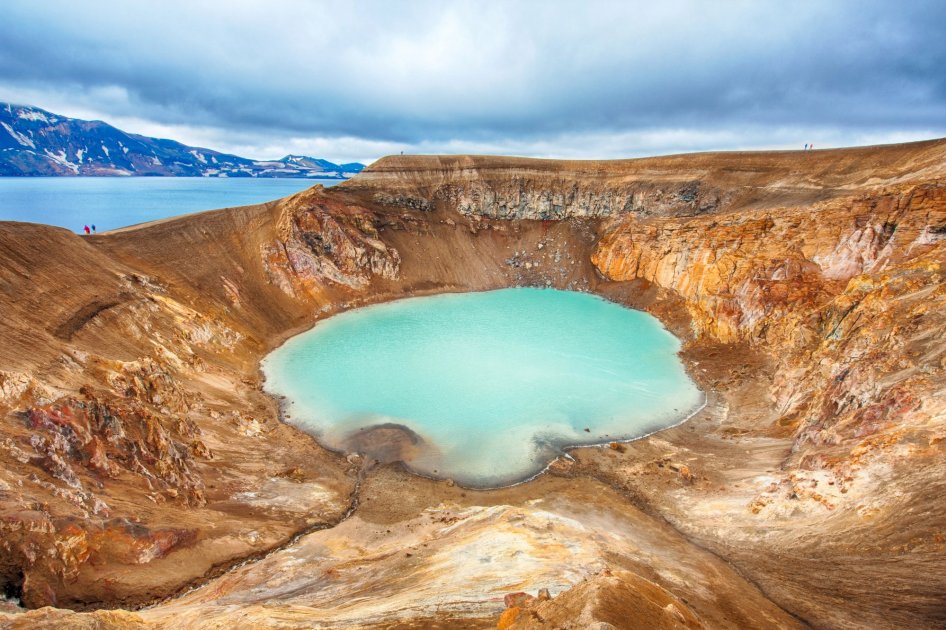
Rift lakes, formed by tectonic processes, contain unique ecosystems with species found nowhere else. The glacial lakes of North America and Europe bear traces of the last ice age. Volcanic lakes, such as Crater Lake, amaze with their clarity and beauty.
Whether you’re interested in geography or biology—or simply want to see one of the most extraordinary places on Earth—these deep lakes are well worth a visit. Each lake on this list offers its own opportunities for exploration, learning, and simply marveling at nature.