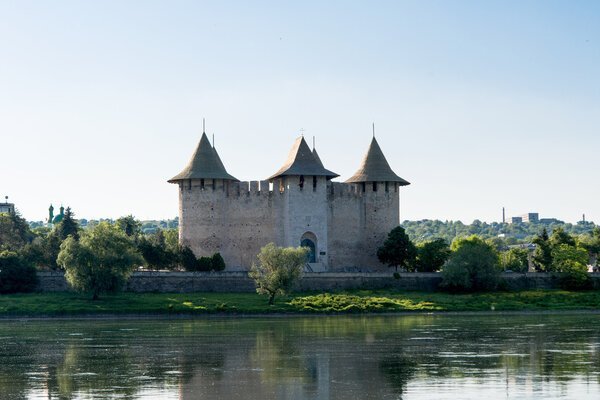
Soroki Fortress on the Dniester
On the left bank of the Dniester River, on the border between Moldova and Transnistria, stands one of the most unusual medieval fortresses—Soroki. Its main distinguishing feature is that it is built in the shape of a star with numerous corners and bastions.
The fortress was built in the 16th century during the reign of the Moldavian ruler Stephen the Great. The fortress’s architecture reflects an effort to counter the anti-tank artillery of the era—the star-shaped design was highly practical: every corner served as a defensive position, and there were no blind spots where defenses could not reach.
Today, most of the fortress has been restored. You can climb the walls, explore the interior, and visit the museum of weapons and historical artifacts. The view of the Dniester River from the top of the fortress walls alone makes the trip worthwhile. The best time to visit is in the summer, when the trail to the fortress is easy to walk and the local beaches are bustling with people you can meet.
Kozlovsky Monastery and Historic Estates
In central Moldova, not far from the village of Kozlov, lies another rock-hewn monastery—Kozlovsky. It’s less well-known than Orhei Vechi, but no less interesting. Here, too, you’ll find a cave church, ancient icons, and an atmosphere of tranquility and seclusion.
If you’re interested in 19th-century architecture, take a look at the wooden and stone estates scattered throughout the country. Many of them belonged to boyars and the local nobility. For example, the Kanta estate near Ialoveni or the old mansion in Ștefan Voda are living monuments to an era when noble culture flourished in Moldova.
Most of these places aren’t protected as museums and are in a state of disrepair, but that’s precisely what makes them special. You get to experience history without restoration, without guidebooks, and without crowds of tourists. It takes a bit of courage and a willingness to embark on a small adventure, but the experience is well worth it.
Nature Parks and Rivers
In addition to historical sites, Moldova boasts some fascinating natural parks. The Vodyanoy Les National Park in the south of the country is the perfect place for hiking and birdwatching. It features many lakes, wetlands, and rare plant species.
The Dniester River, which flows through the entire length of Moldova, offers excellent opportunities for swimming, fishing, and simply relaxing on the riverbank. During the summer months, locals organize river trips on boats and catamarans. It’s a peaceful and very authentic way to explore the country.
How to Get There and When to Go
Moldova is well connected to neighboring countries by buses and minibuses. If you’re traveling from Ukraine, you can reach Moldova via the cities of Odessa or Yavoriv, or through Chisinau Airport. The country’s main airport is the Leonid Uspensky International Airport in Chisinau, which receives flights from major European cities.
The best time to visit is May, June, September, and October. During these months, the weather is mild, nature is in full bloom, and there aren’t too many tourists yet. Summers can be very hot, while winters are cold and damp. If you’re traveling in winter, pack warm clothes and keep in mind that many rural roads may be in poor condition.
Prices for food, lodging, and transportation are very low in Moldova. This means you can spend more time exploring the country without worrying about high costs. Dinner at a good restaurant will cost several times less than in Western European countries.
FAQ
Do Ukrainian citizens need a visa to visit Moldova?
Ukrainian citizens do not need a visa to enter Moldova. A valid passport is sufficient. You can stay in the country without a visa for up to 90 days within a 180-day period.
What language is spoken in Moldova?
The official language of Moldova is Moldovan, which is very similar to Romanian. However, many people in tourist areas and in Chișinău speak English, Russian, and Ukrainian. In rural areas, it may be harder to find English speakers, but the friendliness of Moldovans more than makes up for the language barrier.
Can you get to Orhei Vechi by public transportation?
Yes, there are regular minibuses from Chisinau to Orhei Veche, which takes about an hour. The minibuses depart from the central station. From the village, you’ll need to travel a few more kilometers to the monastery by taxi or on foot.
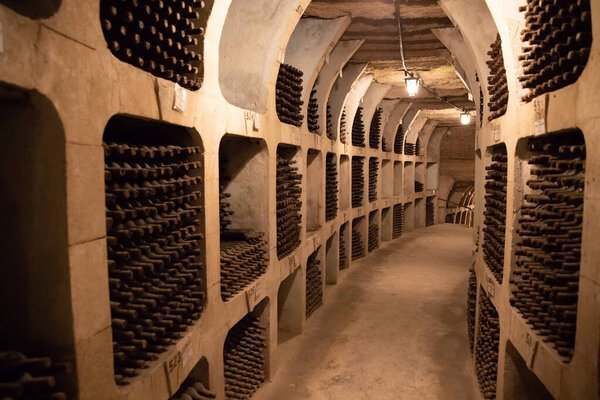
How much does a tour of the underground wineries cost?
Check the official websites of the Milesti Mici and Cricova wineries, as tour prices may vary depending on the season and type of tour. Typically, a tour with wine tasting costs between 200 and 400 Moldovan lei (approximately 10–20 euros).
When is the best time to visit Soroca Fortress?
The fortress is open year-round, but it’s best to visit during the warmer months—from April through October. It’s more beautiful there in the summer, and the roads are in better condition. In winter, the fortress may be closed due to weather conditions, so check the current status before you go.
Is Moldova safe for tourists?
Moldova is generally safe for tourists. In Chișinău, as in other capitals, you should take the usual precautions—avoid walking late at night in unfamiliar areas and don’t leave valuables unattended. In villages and rural areas, the crime rate is much lower, and locals are generally very friendly toward tourists.
Conclusion
Moldova is a country that rewards tourists willing to venture off the beaten path. There are no crowded tourist hotspots here, but there is a rich history, unique architecture, and beautiful nature. If you’re looking for an authentic European travel experience without the typical tourist traps, Moldova is an excellent choice. Wine caves, rock-hewn monasteries, and peaceful village life will leave you with memories that will stay with you for a long time to come.