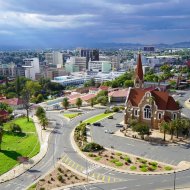
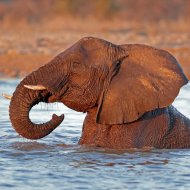
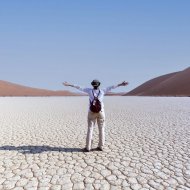
Фотогалерея ‒ Namibia

Guide to Namibia

Basic Information

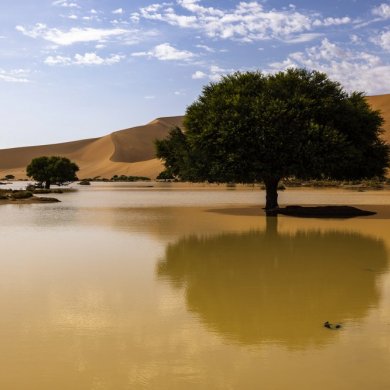
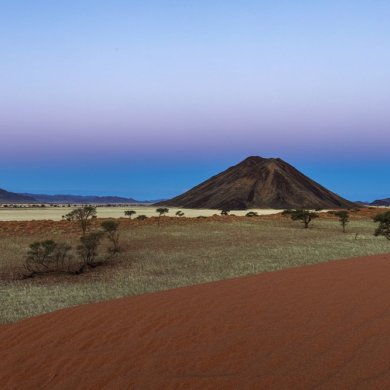
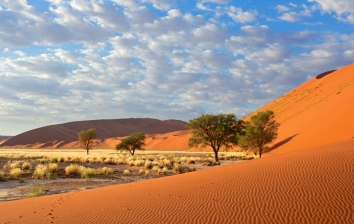
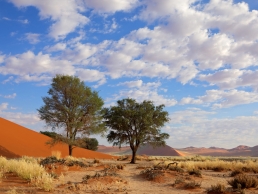
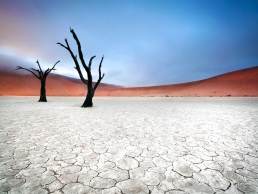
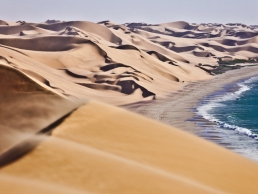
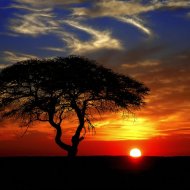
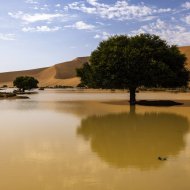
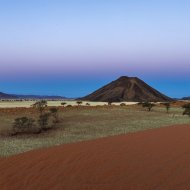
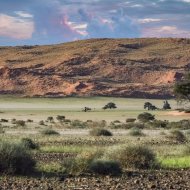
Namibia is located in southwestern Africa and borders the Atlantic Ocean. The country is known for its extremely dry climate and diverse landscapes, ranging from classic waterfronts to deserts, canyons, and savannas. It is home to the Namib Desert, one of the oldest on the planet.

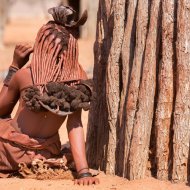
Tours to Namibia are suitable for beginners because it is considered one of the safest countries in the region. In addition, there is a unique opportunity to book campsites within national territories and see the Himba nomadic tribes.

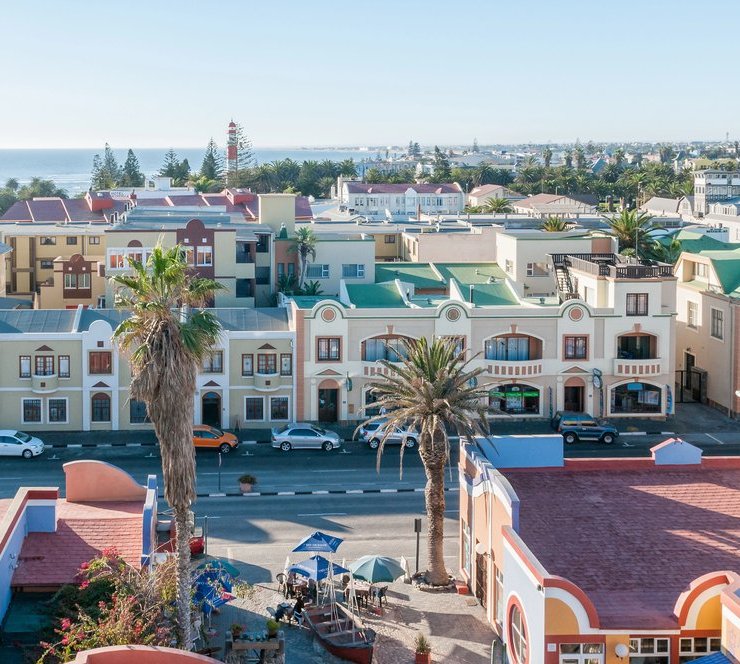
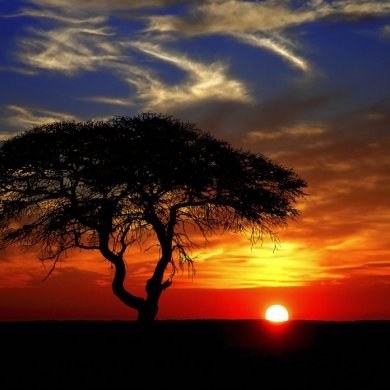
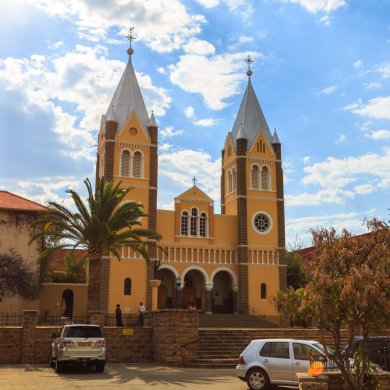
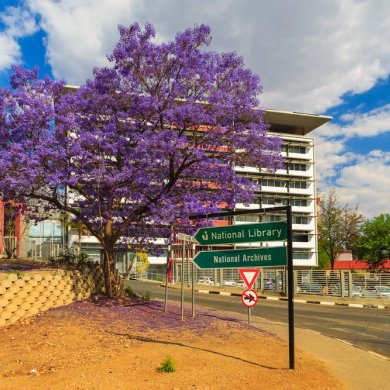
Photos of Namibia

Capital
Windhoek
Language
English
Currency
Namibian dollar
Time zone
GMT +2
Population
2 746 745
Territory
824,292 km²

Dishes worth trying:

Biltong — beef jerky marinated in vinegar, spices, and brown sugar

Fetkuk — local bread made from fried dough, which is rolled into balls.

Oshikundu — a drink made from fermented flour and bran.

Mahangu — fish, goat, or lamb soup with rice.

Kapana — local kebabs with spicy sauces, a popular street food.

Things to do in to Namibia

  • Visit the sea lion colony at Cape Cross.
  • Trying Namibian beer is a local attraction.
  • Watch the picturesque sunset on the Kunene River.
  • Take a ride on traditional mokoro boats.
  • To see unique desert elephants.

Tips

When planning a trip to Namibia, be sure to take distances into account. These can be hundreds of kilometers with virtually no infrastructure. If traveling by car, refuel whenever possible and always take a supply of water with you.
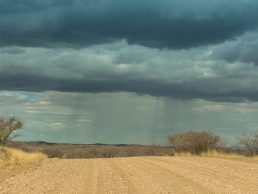
Choose a car with high ground clearance. Many roads are gravel, and ordinary passenger cars cannot always cope with them. Even with good road quality, the speed of travel is lower than it seems on the map. This should be taken into account when calculating daily travel and travel time.
Respect wildlife and national park rules. Do not leave your vehicle during a safari and do not approach animals. Namibia takes nature conservation seriously, and compliance with the rules is not only a matter of fines but also of personal safety.

Sights

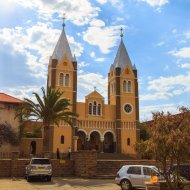
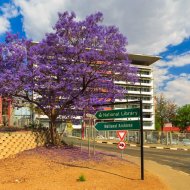
Namibia's attractions are primarily its natural beauty, which no guidebook can convey. There is not much interesting architecture here, but there are unique landscapes that cannot be confused with other countries. Many places require a long journey, but the experience is well worth the effort. National parks, deserts, and the coastline are all hallmarks of the country. And traveling between them also becomes part of the experience.

Tours to Namibia

Travel to Namibia is often chosen by those who are tired of mass tourism and want to see Africa in its most untouched form. The main activities include safaris, desert journeys, wildlife observation, and photographic tours. This type of travel is not suited to travelers seeking comfortable resorts, but it is perfect for adventure seekers and those in search of unique experiences.

In most cases, a trip to Namibia involves constant travel by car with overnight stays in lodges, camps, and small guesthouses. Accommodation is often located in remote areas and blends harmoniously into the surrounding landscape. Many lodges offer panoramic views, open terraces, and minimal artificial lighting, making the night sky an integral part of the overall experience.

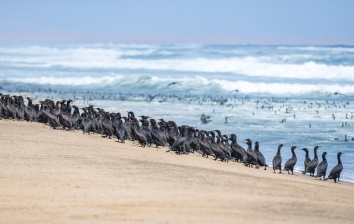
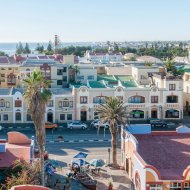
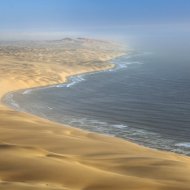
The Atlantic coast offers a different style of holiday, with a cooler climate, frequent fog, water sports, and cuisine based on fresh seafood. In and around Swakopmund, visitors can enjoy sandboarding, scenic flights in small aircraft, quad biking, and boat excursions to see seals and dolphins.

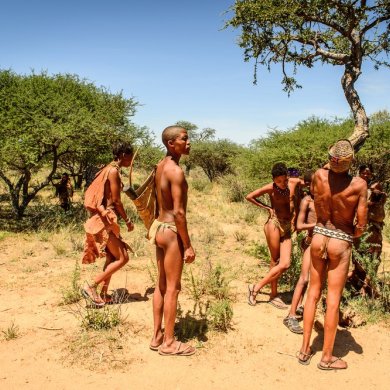
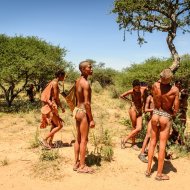
Namibia is also ethnographically fascinating. Travelers can learn about the cultures of the Himba, Herero, and San peoples, although such visits are organized strictly according to established guidelines and with respect for local communities. Overall, a holiday here is ideal for those who appreciate silence, visual aesthetics, and the feeling of a true journey.

Where to go to Namibia?

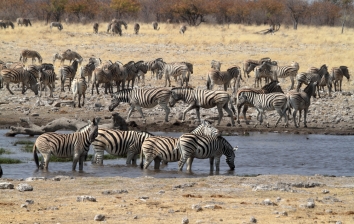
Safaris in Namibia are significantly different from classic East African routes. There are significantly fewer tourists, more space, and a feeling of true freedom, and in many national parks, independent travel by car is permitted.

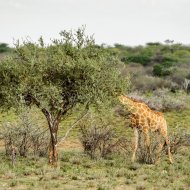
In addition to the famous Etosha Park, private nature reserves are popular, where you can see rare desert elephants, black rhinos, and antelopes adapted to the arid climate. The Fish River Canyon deserves special attention—it is the second largest in the world after the Grand Canyon in the United States.

When to go to Namibia

The best time to visit Namibia is during the dry season from May to October, when daytime temperatures usually range from +20 to +25 degrees Celsius and there is virtually no rainfall. This period offers ideal conditions for safaris, as animals gather around waterholes and are easier to observe.

July to September is considered the high season, especially popular with European tourists. From November to April, the country becomes hotter, with temperatures exceeding +30 degrees and short periods of rain.

Namibia in spring

Spring lasts from March to May and is considered a transitional period. The temperature gradually drops to +22 degrees, and the rains almost disappear. In March, light precipitation is still possible, but by May it almost disappears. Comfortable weather is combined with good value for money when traveling to Namibia.

Namibia in summer

Summer, from June to August, is considered the best time to visit. During the day, temperatures range from 18 to 25 degrees Celsius, but at night in desert areas, they can drop to 5 degrees. Precipitation is minimal, less than 10 mm per month. The air is dry and visibility is excellent, making conditions ideal for safaris.

Namibia in autumn

Autumn in Namibia is characterized by gradual warming. Daytime temperatures rise to +25°C and above, but nights remain cool. Precipitation is rare, averaging 10-30 mm per month. Nature begins to come alive, but there are still few tourists, so roads and parks are accessible without restrictions.

Namibia in winter

Winter, from December to February, coincides with the rainy season. Daytime temperatures often reach +35 degrees, and humidity increases with each passing month. These are mainly short but intense showers, which make some routes inaccessible.

Usefulness

To better plan your trip and calculate more accurately how much a trip to Namibia will cost, we recommend paying attention to these details.

Visa to Namibia

For tourist trips of up to 90 days, a visa is not required. This applies to citizens of the EU, UK, and US. An entry stamp obtained at the airport is sufficient.

Customs & Tax Free

Personal items may be imported duty-free. Restrictions apply to alcohol, tobacco, and cash. The export of ivory, animal skins, and other natural objects is prohibited. There is virtually no tax-free system for tourists in Namibia.

Travel by car

Cars are the primary means of transportation in Namibia. Roads are generally of good quality, but often gravel. It is recommended to rent an SUV, and if you are not confident in your driving skills, hire a driver. Keep in mind that gas stations are few and far between.

Phrasebook for tourists

The official language is English, which is widely used in tourism and the service industry. German and Afrikaans are also common. English is usually sufficient for traveling to national parks and attractions.

Public transport and prices

Public transportation is poorly developed. Buses and minibuses run between cities, but they are not very convenient, irregular, and unsuitable for long distances. Access to natural attractions without a car is limited.

Events

Speaking of interesting events, there is Namibia's Independence Day in March, the Herero and Himba cultural festivals, sporting events in Swakopmund, as well as seasonal wine and food festivals aimed at tourists. Be sure to check the calendar before you travel.

tripmydream - travel service, that helps to find compare and buy best flights and rooms worldwide with the given budget. All necessary information for travelers - is right here!