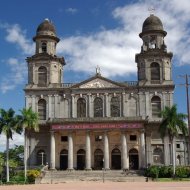
Фотогалерея ‒ Nicaragua

Guide to Nicaragua

Basic Information

Nicaragua is the largest country in Central America, located between the Pacific Ocean and the Caribbean Sea. The Atlantic coast was discovered during Christopher Columbus’s fourth expedition. The country was named after a tribal chief with whom the conquistadors signed a treaty in the 1520s. They also founded Granada and León, turning them into agricultural colonies.

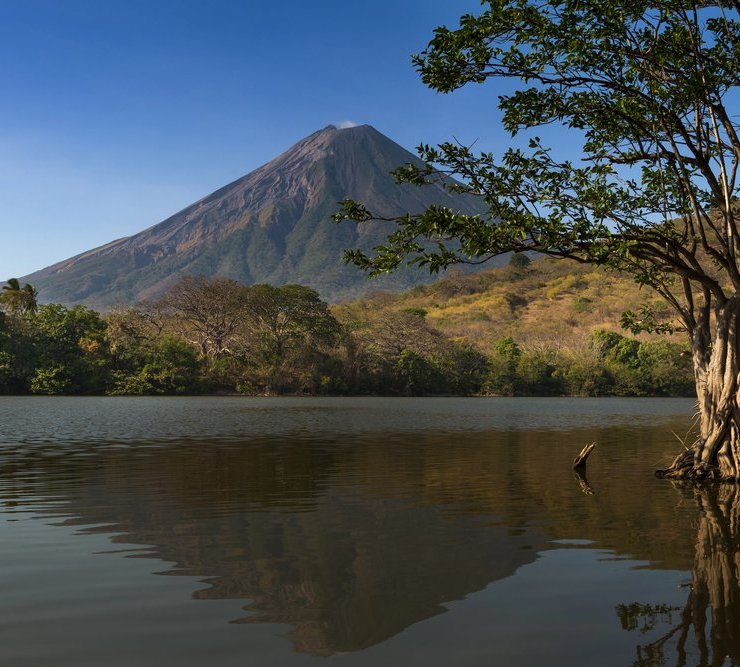
Today, tours to Nicaragua attract visitors with their unique and highly diverse flora and fauna. The country has more than 70 protected areas, which cover 17% of its total land area.

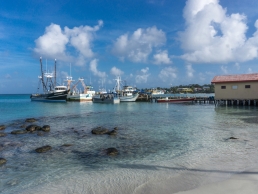
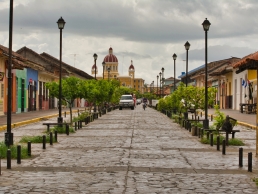
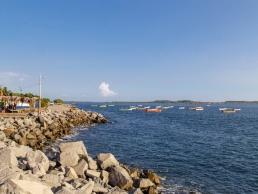
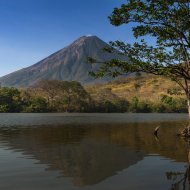
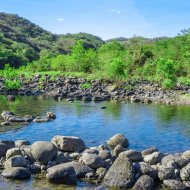
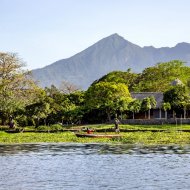
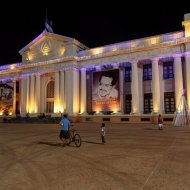
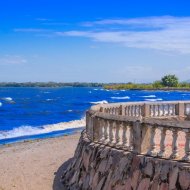
Photos of Nicaragua

Capital
Managua
Language
Spanish
Currency
Córdoba
Time zone
GMT -6
Population
7 000 000
Territory
130,370 km²

Dishes worth trying:

Gallo pinto — rice and beans, often served with an egg and a fried banana.

Vigoron — yucca with crispy pork chicharrón and coleslaw.

Nacatamal — adense mixture of corn and filling, wrapped in leaves and steamed.

Indio viejo — а hearty stew made with cornmeal, meat, vegetables, and spices—filling and very authentic.

Baho — meat and vegetables, braised in layers with yucca and banana.

Things to do in to Nicaragua

  • Swim among the hundreds of small islands of the Islas de Granada archipelago.
  • Go surfing on the beaches of San Juan del Sur with its Pacific waves.
  • Take a boat ride down the San Juan River through the tropical jungle.
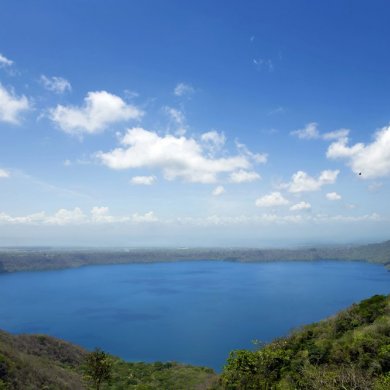
  • Watch the sunset over Apoyo Crater Lake.
  • Take a stroll through the markets of León and try the local rum, Flor de Cana.
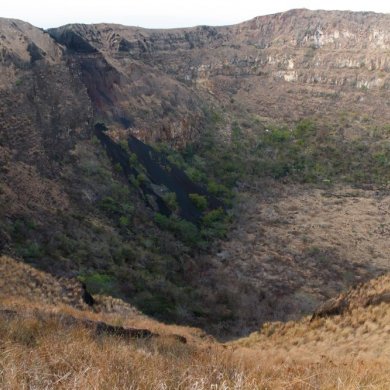
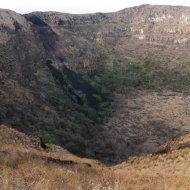
  • Climb Masaya Volcano and see real lava.

Tips

Plan your independent trip to Nicaragua realistically. Distances on a map can be misleading, and the roads are full of potholes, speed bumps, and random checkpoints. If you’re transferring between buses or boats, allow plenty of time, and carry water and a light snack with you. Avoid traveling at night whenever possible.
Keep your cash in different places and don’t show all of it at once. Small bills come in handy at markets and on public transportation, since vendors may not have change. If you’re bringing dollars, choose bills that are free of tears or markings—they’re more likely to be accepted. When paying by card, check the transaction fee and keep your receipts until you leave.
The sun and humidity in Nicaragua can wear you out faster than you might think. Be sure to bring sunscreen with a high SPF, a hat, and electrolyte drinks, and plan your volcano hikes for the morning. Drink bottled water and keep insect repellent on hand, especially near lakes and during the rainy season. There are fewer pharmacies in small towns, so it’s best to pack a first-aid kit in advance.

Sights

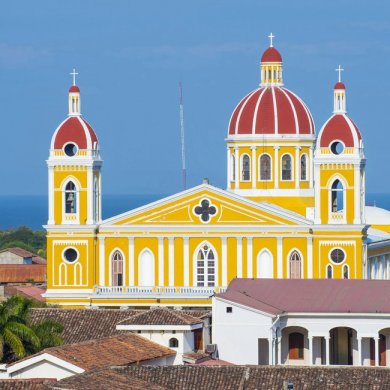
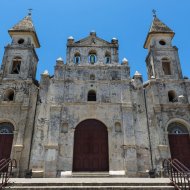
Don’t feel pressured to visit every single spot listed in the guidebook right away. Focus instead on the places that interest you most—and your trip to Nicaragua will be unforgettable. The most memorable sights are usually the volcanoes, the colonial architecture, and the water in all its forms—the ocean, the lagoons, and the vast lake.

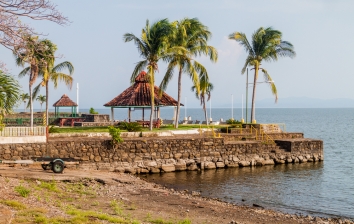
Plan your trip so that you alternate between active days and relaxation—after a hike, it’s nice to spend the evening on the Granada waterfront or in a café in León.

Tours to Nicaragua

A classic trip to Nicaragua involves short drives and destinations with very different atmospheres. Most itineraries start in Managua, but there’s usually no need to linger there. In just a couple of hours, you can reach colonial Granada, and from there, choose your next destination.

Granada and León are the best cities for exploring. In the morning—museums, markets, street food, and coffee; in the evening—waterfronts and the courtyards of colonial houses. For nature, head to the volcanoes and lakes. Masaya is interesting because it’s an active volcanic complex where evening tours are organized when a glow is visible inside the crater. It’s best to take a guided tour and check the current visiting hours.

At the lake, you’ll find ferries, farms, short hiking trails, small hotels, and long sunsets. If you’re looking for beaches and surfing, head to the Pacific Coast. On the Caribbean side, the climate is more humid and there are fewer crowds, but logistics are a bit more complicated.

When it comes to accommodations, Nicaragua is unique in that you can alternate between boutique hotels in colonial buildings, guesthouses, eco-lodges, and surf camps. At the same time, the average cost of a trip to Nicaragua is lower than that of neighboring destinations. However, prices vary significantly depending on the region and holidays—locals flock to the area on weekends and during school breaks, especially when the country offers promotions exempting registered businesses from VAT on tourist services.

Where to go to Nicaragua?

If this is your first trip, plan an itinerary with 3–5 stops so you don’t get too tired and can fully enjoy each one. For example, start in Granada, take a stroll through the historic center, and take a boat to the small islands.

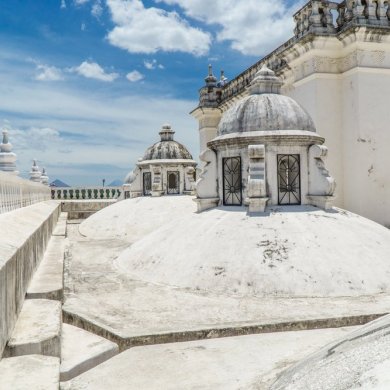
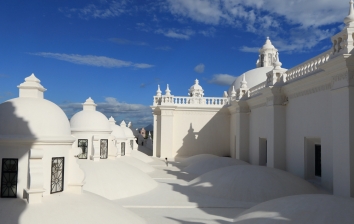
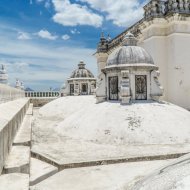
Then head to León to soak up the atmosphere of a university town and climb to the roof of the cathedral. Across the ocean, visit San Juan del Sur and the nearby beaches. If you’re looking for cooler weather, add the northern mountainous regions of Matagalpa or Jinotega with their coffee plantations.

When to go to Nicaragua

Travel plans to Nicaragua should take the season into account. The country has a tropical trade wind climate with distinct wet and dry seasons. The dry season lasts from March to May, and the wet season from June to October.

The high season is considered to be from November through April, so it’s best to book accommodations in advance, and the cost of a trip to Nicaragua will be higher. You can visit the Atlantic coast at any time of year except April and May, when it’s very dusty.

Nicaragua in the spring

The heat intensifies in the spring, especially in April and May. Temperatures can reach 35°C. The rainy season begins in May, with precipitation increasing to 150–200 mm. Showers are more common in the afternoon. The landscape becomes greener, there are fewer tourists, but humidity rises.

Nicaragua in the summer

Summer in Nicaragua is rainy, but not constantly. Temperatures range from 27°C to 30°C, with up to 300 mm of rainfall per month. The Caribbean coast is more humid, and the water temperature is around 29°C. Travel is possible, but be aware of road conditions in rural areas.

Nicaragua in the fall

In the fall, during September and October, rainfall is at its highest—up to 300–400 mm. Temperatures hover around 28°C. Tropical storms are possible, especially along the Caribbean coast. In November, the rains gradually subside, and weather conditions become more predictable.

Nicaragua in winter

Winter in Nicaragua falls during the dry season, from December through February. Temperatures on the Pacific coast are around 30°C, dropping to 22°C at night. Precipitation is very light—5–20 mm per month. The water in the Pacific Ocean is 28 degrees Celsius. This is the peak season for beach vacations and surfing.

Usefulness

To help you plan your trip and calculate how much a trip to Nicaragua will cost, we’ve put together a list of helpful tips.

Visa to Nicaragua

Citizens of the United States, and EU countries do not need a visa for tourist trips to Nicaragua lasting up to 90 days. Upon arrival, you must obtain a Nicaraguan tourist card, which costs $10.

Customs & Tax Free

You may bring in personal items and goods worth up to $500 duty-free, or up to $2,000 with duty paid. There are quantity limits on the import of tobacco, alcohol, and sweets. There is no VAT refund system for tourists.

Travel by car

Renting a car is a convenient option for trips to the beach and to the northern part of the country, but the roads are in poor condition in some areas, and it’s best to avoid driving at night. You’ll typically need your passport and driver’s license to rent a car. Be sure to carefully review the insurance terms and mileage limits. The average price is about 1,150 NIO per day.

Phrasebook for tourists

The main language is Spanish, and knowing a few phrases comes in handy at markets and on public transportation. English is more commonly spoken by tour guides and in hotels, but in small towns, it’s best not to count on it.

Public transport and prices

Regular buses and shuttle minibuses run between cities. The former are cheaper but slower, while the latter are more comfortable, though they must be booked in advance. Within cities, taxis and minibuses are popular, and it’s best to agree on the fare before getting in. Ferries and boats operate on Ometepe and across the lake, with schedules subject to weather conditions.

Events

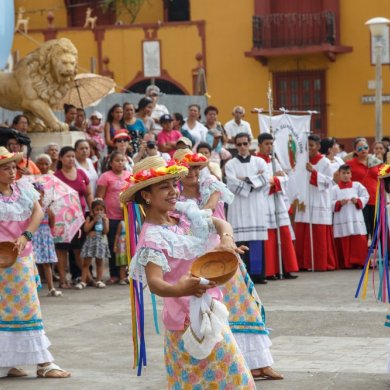
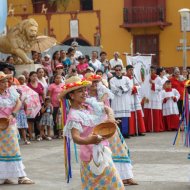
Tourists are sure to enjoy Semana Santa, the Holy Week, with its processions and trips to the coast. There are also local Fiestas Patronales in the towns, featuring fairs, music, and parades. Independence Day is celebrated on September 15, and in December, the religious festivals of La Purísima and La Griteria take place, featuring street processions and treats.

tripmydream - travel service, that helps to find compare and buy best flights and rooms worldwide with the given budget. All necessary information for travelers - is right here!