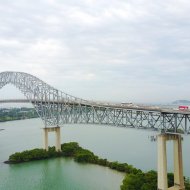
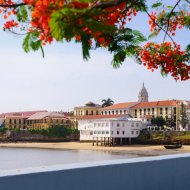
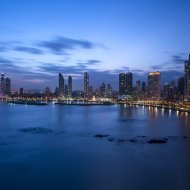
Фотогалерея ‒ Panama

Guide to Panama

Basic Information

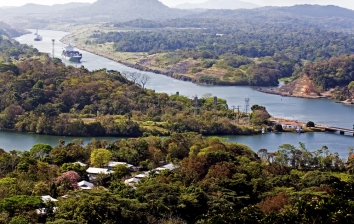
Panama is located in Central America and connects North and South America with a narrow isthmus. The country is bordered by the Pacific Ocean and the Caribbean Sea, which has determined its key role in world trade. The Panama Canal has made the country one of the most important transport hubs on the planet.

The history of the region is linked to indigenous peoples, Spanish colonization, and the construction of the canal itself. Today, it is a stable country with a developed economy, financial sector, and strong tourism potential. Travel to Panama is becoming increasingly popular.

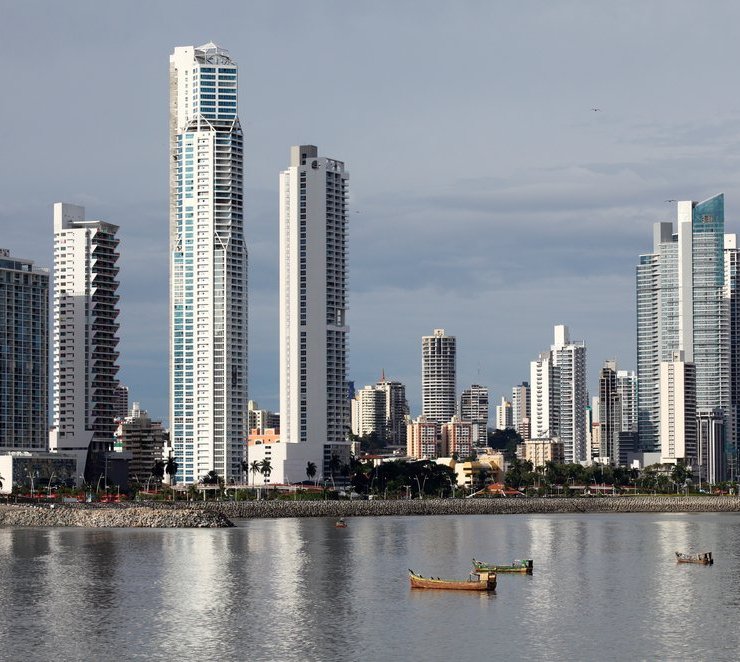
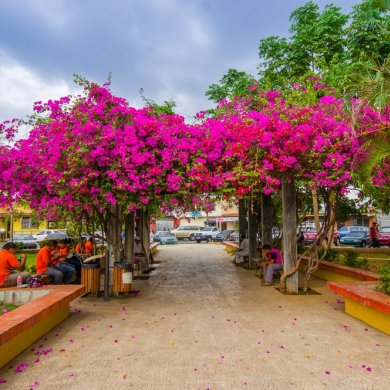
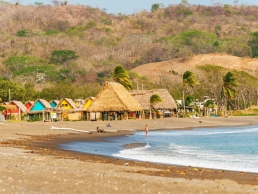
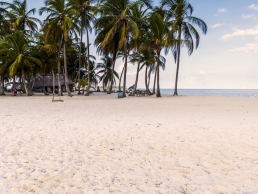
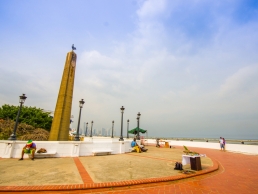
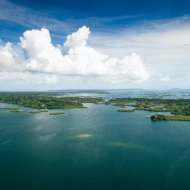
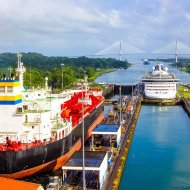
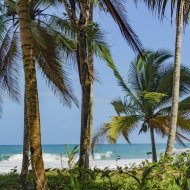
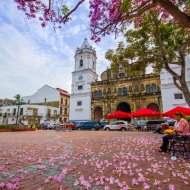
Photos of Panama

Capital
Panama
Language
Spanish
Currency
Balboa, US dollar
Time zone
GMT -5
Population
4 571 189
Territory
78,200 km²

Dishes worth trying:

Sancocho — a traditional hearty stew with meat, vegetables, root vegetables, and spices.

Ropa vieja — braised beef with tomatoes and other vegetables in a rich sauce.

Ceviche — fish or seafood marinated in lime juice with onion and cilantro.

Tamale — corn dough with meat filling, cooked in banana leaves.

Patacones — fried slices of green bananas, a popular side dish and appetizer.

Things to do in to Panama

  • Visit the Panama Canal and appreciate its scale.
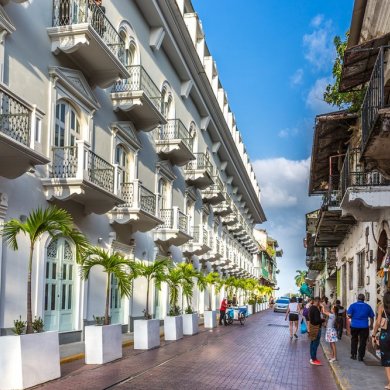
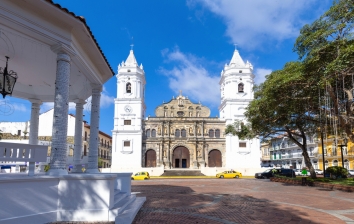
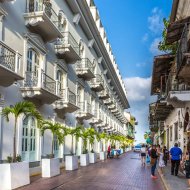
  • Take a stroll through the old town of Casco Viejo.
  • Try Geisha coffee—one of the best varieties in the world.
  • To see a tropical forest near the city.
  • Swim in two oceans during one vacation.
  • Try local cuisine at the markets.

Tips

When planning a trip to Panama, consider distances and traffic. The capital city experiences significant traffic congestion, and domestic flights often save time. For longer routes, it is reasonable to combine air and ground transportation, especially when traveling to the coast.
US dollars are accepted almost everywhere in Panama and are used on a par with the local currency. Small bills are useful for taxis, markets, and small cafes. Bank cards are accepted in many places, but in the provinces, cash is still indispensable.
When visiting nature parks and islands, it is worth checking the access rules and entrance fees in advance. Some areas are managed by local communities, and payment goes directly to them. This is normal and is considered a contribution to the preservation of nature and traditional ways of life.

Sights

A trip to Panama is impossible without exploring its attractions. These include not only world-class engineering structures, but also the living heritage of different eras. Here you can see traces of Spanish colonial history, modern cityscapes, and unique natural areas. Many iconic places are located close to each other, which is also convenient. It is best to plan your vacation in Panama with a guidebook.

Tours to Panama

To plan a trip to Panama independently, start by defining your priorities. Travelers who appreciate urban comfort will enjoy Panama City, with its modern hotels, restaurants, shopping centers, and vibrant cultural scene. The historic district adds character and is ideal for leisurely walks, culinary discoveries, and exploring the country’s history.

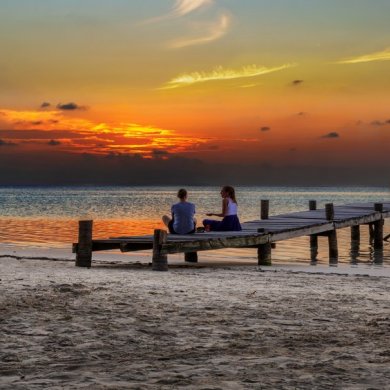
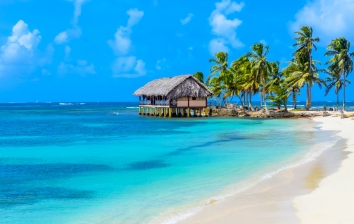
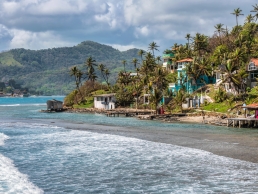
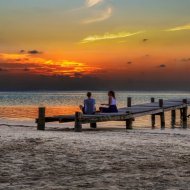
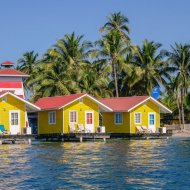
Beach holidays are possible on two different coastlines. The Caribbean side attracts visitors with white sand, calm waters, and islands such as Bocas del Toro and San Blas, where snorkeling and diving are especially popular. The Pacific coast is better suited for surfing, fishing, and resort-style relaxation, with more developed infrastructure and easier access from the capital.

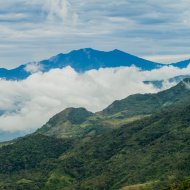
For active travelers, tours to Panama offer national parks, tropical rainforests, and mountain landscapes. In the Boquete area, hiking trails to the Barú Volcano, birdwatching, and excursions to coffee plantations are particularly popular.

Overall, the level of service in tourist areas is high, and domestic travel logistics are relatively straightforward, making Panama a convenient destination even for a first introduction to Central America. At the same time, the cost of a trip to Panama is more affordable than to many more popular destinations.

Where to go to Panama?

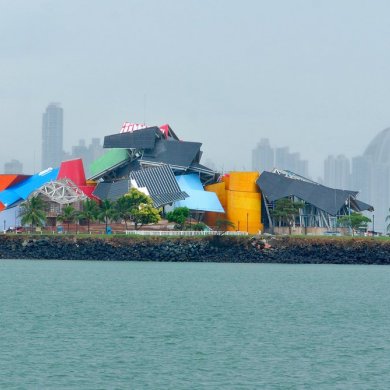
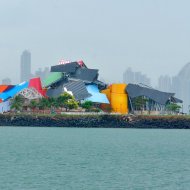
Panama is rich in interesting places that are definitely worth visiting. For example, the golden altar in the Iglesia San José Church in the capital. Or Frank Gehry's biomuseum, which is interesting not only inside but also outside.

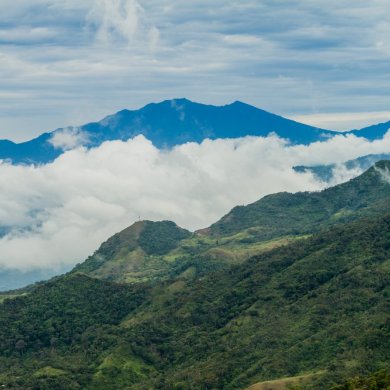
The dormant Barú Volcano is the highest point in the country and a popular stop on tours to Panama. Coiba National Park is notable for its rich marine life and excellent diving conditions. And the Bridge of the Americas was once the first permanent bridge between South and North America.

When to go to Panama

The best time to visit Panama is during the dry season, which usually lasts from December to April. During this period, there is less rainfall, making it more comfortable to travel around the country and relax on the beaches. The high tourist season falls during the winter months and Easter holidays, but prices will be higher. Keep this in mind when calculating how much a trip to Panama will cost. During the green season from May to November, there are fewer tourists, the nature is amazingly beautiful, but there may be rain.

Panama in spring

Spring marks the end of the dry season in Panama, with warm and stable weather. It is a good time for beaches, excursions, and trips around the country. There are slightly fewer tourists than in winter, and nature gradually becomes even greener. The average air temperature is around +30°C.

Panama in summer

Summers are hot and humid, with frequent but short-lived rains. At the same time, this is a good time for ecotourism, surfing, and trips to mountainous areas, where it is cooler. The water temperature is around +28 degrees Celsius.

Panama in autumn

In autumn, precipitation may be more frequent, especially in October. However, there are fewer tourists, prices are lower, and nature looks its most colorful. It is an excellent season for those who prefer quiet travel and are not afraid of bad weather.

Panama in winter

Winter is the peak tourist season and the driest time of year. It is the best time for beach holidays and excursions. The weather is stable, but demand is high, so it is worth booking accommodation and flights in advance.

Usefulness

Here is a short list of recommendations to help you not miss anything important when planning your trip to Panama on your own.

Visa to Panama

Citizens of the United States, EU countries, and the United Kingdom can enter Panama without a visa for tourism purposes for up to 90 days. No fees are charged.

Customs & Tax Free

Panama allows duty-free import of personal belongings, limited quantities of alcohol, and tobacco products. The Tax Free system for tourists is not officially developed, and VAT refunds on purchases are not provided, which is important to consider when planning your shopping.

Travel by car

Traveling around Panama by car is convenient within the main routes. Roads between major cities are in good condition, but there may be difficult sections in the mountains and rural areas, and traffic jams are common in the capital. Cars can be rented through international and local companies.

Phrasebook for tourists

The main language is Spanish, and knowing at least a few basic phrases will make your trip much easier. Many people speak English in hotels and tourist areas, but outside of popular routes, English is less common.

Public transport and prices

The capital has a well-developed bus network and a two-line metro system, which is gradually expanding. Intercity buses are inexpensive, but they don't travel very fast. A convenient option for tourists is a taxi, which is best to budget for in advance.

Events

One of the country's most vibrant events is the carnival. Also of interest are the festivals in Casco Viejo, Independence Day in November, and regional celebrations related to indigenous culture and music. In any case, be sure to check the calendar.

tripmydream - travel service, that helps to find compare and buy best flights and rooms worldwide with the given budget. All necessary information for travelers - is right here!