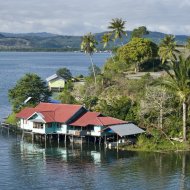
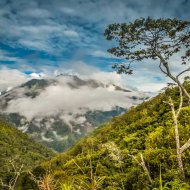
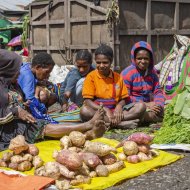
Фотогалерея ‒ Papua New Guinea

Guide to Papua New Guinea

Basic Information

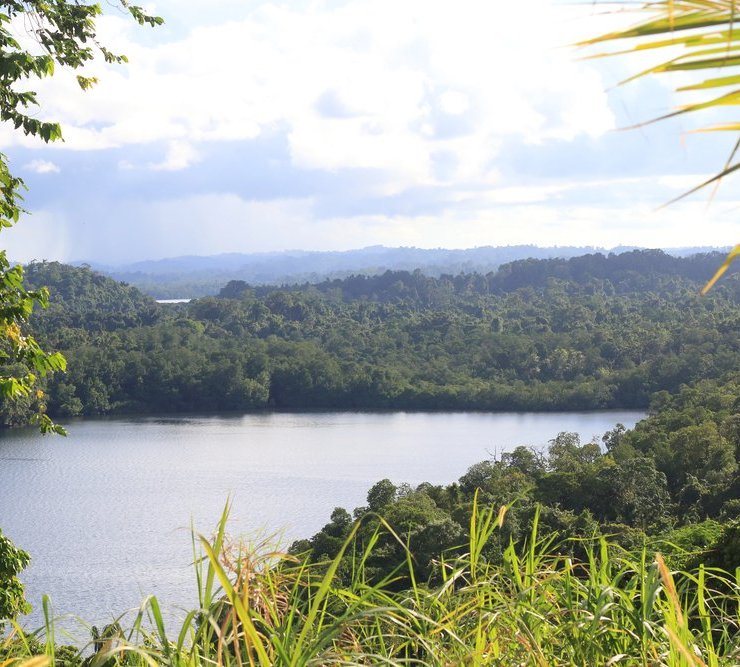
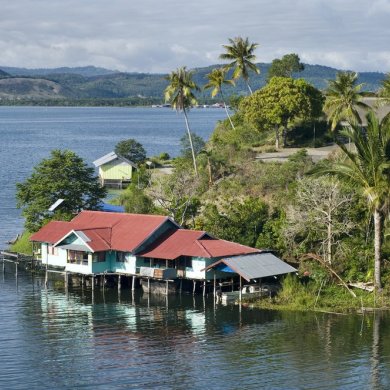
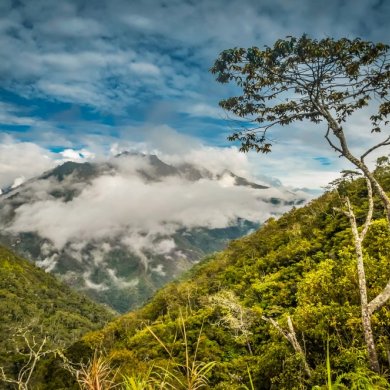
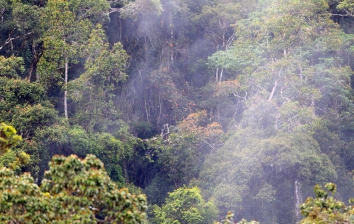
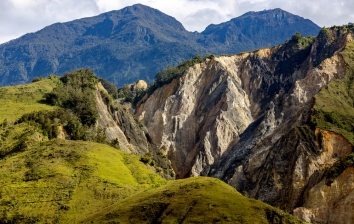
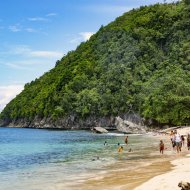
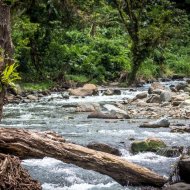
Papua New Guinea is located in the southwestern Pacific Ocean and occupies the eastern half of the island of New Guinea, along with numerous archipelagos. The country is known for its complex terrain—mountain ranges, active and extinct volcanoes, dense tropical jungles, and an extensive coastline.

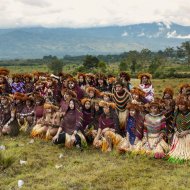
To this day, traditional communities continue to play a strong role in everyday life. The economy relies on natural resources, agriculture, and fishing, and infrastructure outside of major cities is limited.

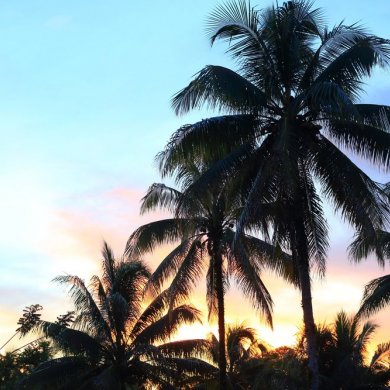
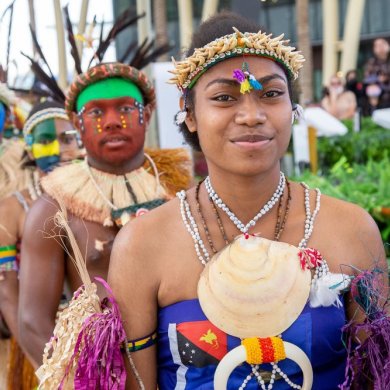
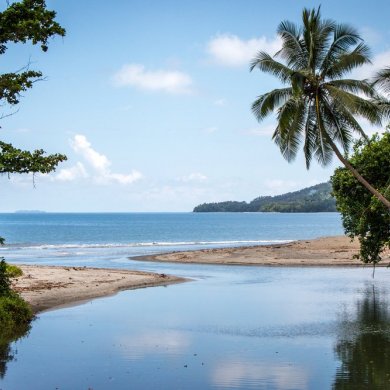
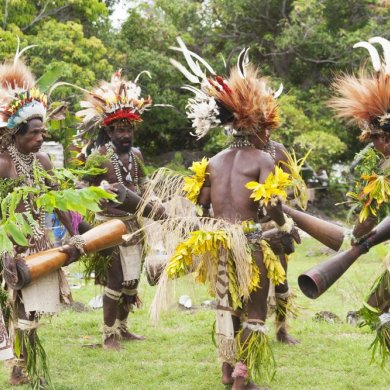
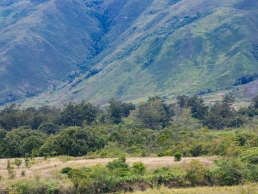
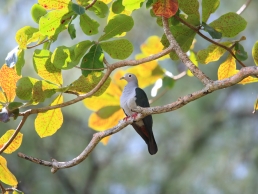
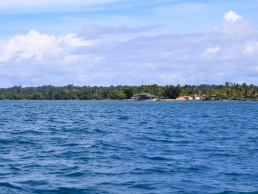
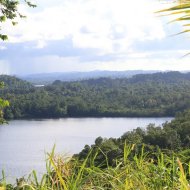
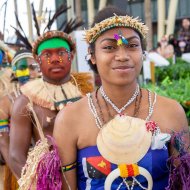
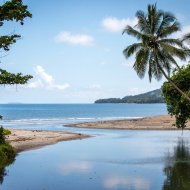
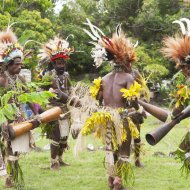
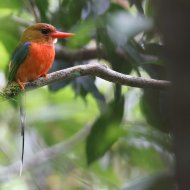
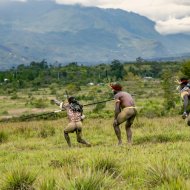
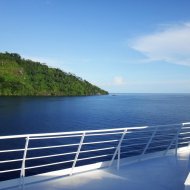
Photos of Papua New Guinea

Capital
Port Moresby
Language
English, Tok Pisin, Hiri Motu
Currency
Kina
Time zone
Time zone GMT +10
Population
10 850 000
Territory
462,840 km²

Dishes worth trying:

Mumu — a traditional dish made from meat and vegetables cooked in an earthen oven on hot stones.

Coconut kau kau — baked sweet potatoes with coconut cream.

Sago porridge — a hearty everyday dish made from a product derived from the core of a palm tree.

Bananas on coals — a simple dessert baked over an open fire, common in villages.

Fufu — thick porridge made from sweet potatoes, yams, cassava, or plantains.

Things to do in to Papua New Guinea

  • Visit a traditional village and see the rituals and dances of local tribes.
  • Attend one of the cultural festivals featuring masks and ritual costumes.
  • Explore tropical forests with birds of paradise.
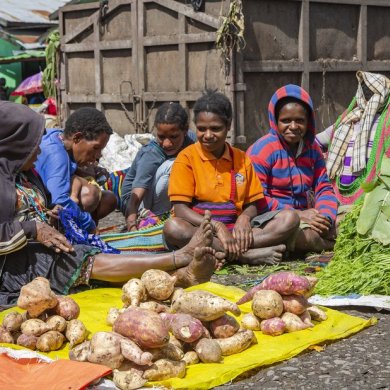
  • Stroll through the markets of Port Moresby and sample local products.
  • Take a boat trip along rivers with mangrove thickets.

Tips

Be sure to plan your route and trip details carefully when traveling to Papua New Guinea. Distances here often take longer than they appear on the map. Remote locations can only be reached by water or air, and flights are dependent on weather conditions.
When vacationing in Papua New Guinea, respect local traditions and community rules, especially outside major cities. It is customary to ask permission before photographing people or visiting villages, and modest clothing and restrained behavior will help avoid misunderstandings.
It is recommended to take care of medical training and insurance in advance, as access to quality medical care outside the capital is limited. We also advise you to stock up on cash and all necessary items in advance, as shops and ATMs are not available in all regions of the country.

Sights

It is difficult to fit all of Papua New Guinea's attractions into a standard travel guide. This is a country where natural landscapes remain almost untouched and traditions have been preserved for centuries. Travelers can expect not only picturesque views, but also the opportunity to see a way of life that has changed little over hundreds of years. Many places require effort to reach, but this is what makes the experience of a tour to Papua New Guinea especially valuable.

Tours to Papua New Guinea

Traveling independently to Papua New Guinea is a truly unique experience. Tourism here is primarily aimed at travelers who are looking for unusual routes and are willing to give up familiar comforts in exchange for unforgettable impressions. The core of tourism offerings consists of expedition-style trips, ecotourism, and cultural programs that include visits to villages and regional festivals.

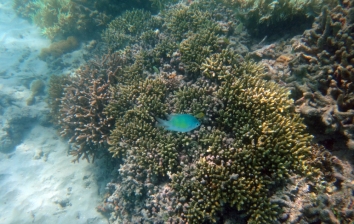
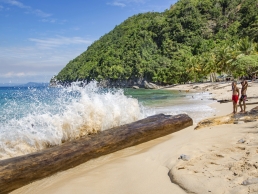
Beach holidays do exist, but they are not mass tourism and are usually combined with diving or snorkeling. Coastal waters are rich in coral reefs, and many locations remain largely unexplored, which is especially appealing to underwater enthusiasts.

A separate area of travel in Papua New Guinea is trekking and hiking routes that run through mountainous regions and tropical forests. These trips require good physical fitness and professional guidance, but they offer the chance to see landscapes that have been barely touched by modern civilization.

Accommodation mainly consists of small hotels, lodges, and guesthouses, with standards varying greatly depending on the region. In the capital and larger cities, conditions are more familiar, while in remote areas comfort may be quite basic. It is best to plan a trip individually in order to choose transportation, accommodation, and routes carefully, as well as to calculate the overall cost of traveling to Papua New Guinea.

Where to go to Papua New Guinea ?

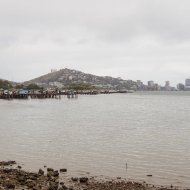
Start your journey in Port Moresby, home to museums, markets, and major transportation hubs. The historic center is located on a protruding peninsula, and Paga Hill offers a panoramic view of the city.

To enjoy nature and diving, head to the Kimbe Bay and New Britain Island areas, known for their underwater landscapes. Hiking enthusiasts should check out the mountainous areas along the Kokoda Trail. To learn about local traditions, visit the small towns and villages in the interior regions, where local festivals are held.

When to go to Papua New Guinea

The climate in Papua New Guinea remains warm all year round, but weather conditions are heavily dependent on the rainy season. This also affects the cost of traveling to Papua New Guinea.

The best time to travel is from May to October, when there is less rainfall and it is easier to get around the country. From November to April, humidity and rainfall increase, which can affect transportation and access to remote areas. Also, keep in mind that weather conditions in different regions may vary even on the same days.

Papua New Guinea in spring

In spring, Papua New Guinea has a humid tropical climate. In March and April, there is up to 250-300 mm of rainfall, and the temperature stays between +26 and +30 degrees Celsius. The nature is lush and green, but traveling around the country can be difficult due to muddy roads and high humidity.

Papua New Guinea in summer

Summer is considered the rainiest time of year, especially from June to August. Precipitation reaches 300-400 mm per month, with frequent short but intense showers. Temperatures are stable, around +28 degrees Celsius. There are few tourists, but the routes require a lot of time and flexibility in planning.

Papua New Guinea in autumn

In autumn, rainfall gradually decreases, especially in September and October. The weather becomes more predictable, and temperatures remain virtually unchanged from summer. This is a good time to explore the country's culture and nature, as conditions finally become more comfortable.

Papua New Guinea in winter

Winter is considered one of the best times to travel. From December to February, there is less precipitation, around 150-200 mm, and the days are warm and sunny. The temperature does not exceed +30 degrees, making it an excellent time for domestic flights to remote locations. It is also ideal for trekking and diving.

Usefulness

A few useful facts will help you plan your trip to Papua New Guinea without unnecessary stress and ensure you don't miss anything important.

Visa to Papua New Guinea

Citizens of the EU, UK and US require a visa to visit Papua New Guinea. The easiest way to obtain one is online through the eVisa system. The cost is from USD 50, but be sure to check the latest information.

Customs & Tax Free

Papua New Guinea has standard customs regulations for the import of personal belongings, alcohol, and tobacco. It is prohibited to export cultural heritage items without permission. The Tax Free system for tourists is not officially developed.

Travel by car

Road travel is possible within major cities and between certain regions, but the road network is very limited. Many routes require an off-road vehicle, and weather conditions greatly affect passability.

Phrasebook for tourists

The official language is English, although the local Tok Pisin is also widely used. In tourist areas, it is possible to communicate in English, but in remote areas, it is better to rely on simple phrases and nonverbal communication.

Public transport and prices

Public transportation consists of buses and minibuses in cities, as well as boats and domestic flights between regions. Schedules are often irregular, so tourists are advised to take possible delays into account when planning their trip to Papua New Guinea.

Events

Papua New Guinea has some particularly interesting traditional festivals celebrating culture, dance, music, and crafts. These festivals offer an opportunity to learn about the customs of different regions of the country. Therefore, be sure to check the events calendar before traveling to Papua New Guinea.

tripmydream - travel service, that helps to find compare and buy best flights and rooms worldwide with the given budget. All necessary information for travelers - is right here!