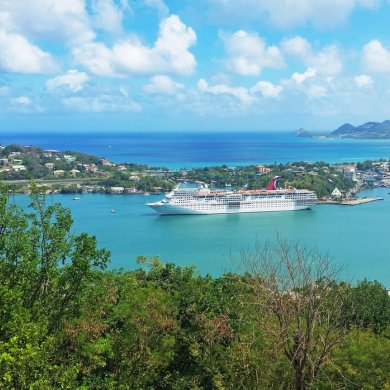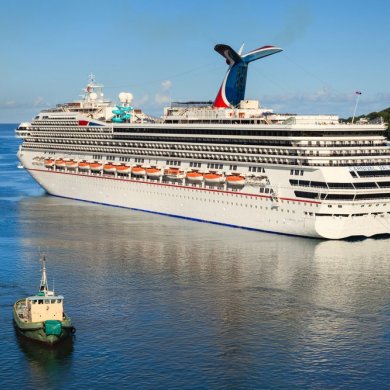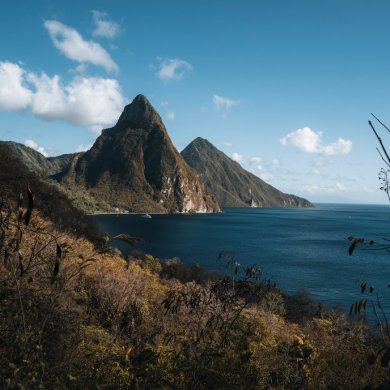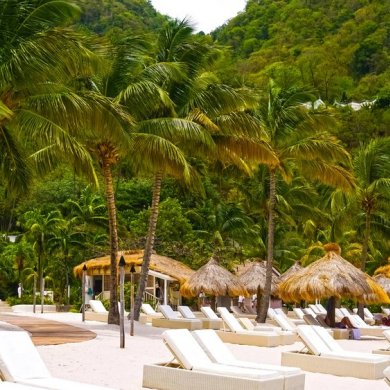
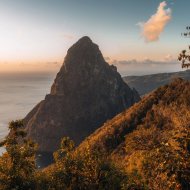
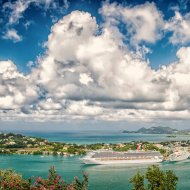
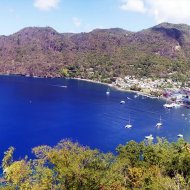
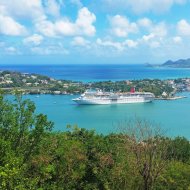

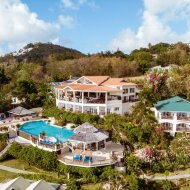
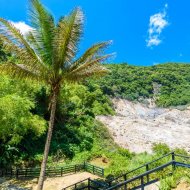
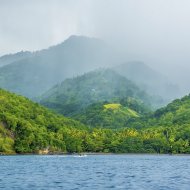

Фотогалерея ‒ Saint Lucia

Guide to Saint Lucia

Basic Information

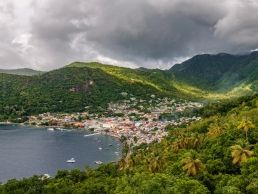
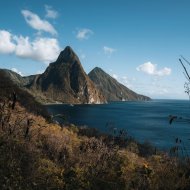
Saint Lucia is located in the eastern Caribbean Sea between Martinique and Saint Vincent and the Grenadines. The island is volcanic in origin, which has shaped its terrain, rich soils, and natural landscapes. It features mountain ranges, dense tropical forests, and coastal bays. The country's history is linked to the colonial rivalry between France and Great Britain, traces of which are visible in its architecture and culture.

Today, Saint Lucia is an independent state and a popular tourist destination with a stable economy, making tours to Saint Lucia increasingly popular.

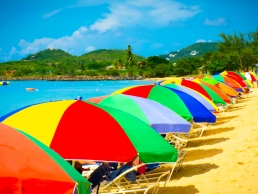
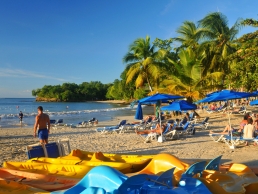
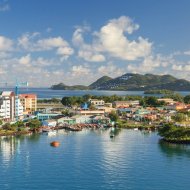
Photos of Saint Lucia

Capital
Castries
Language
English
Currency
Eastern Caribbean dollar
Time zone
GMT -4
Population
180 766
Territory
616 км²

Dishes worth trying:

Green fig and saltfish — a national dish made from bananas and salted fish.

Callaloo soup — thick soup made from leafy vegetables with coconut milk.

Bouyon — a hearty stew or thick soup with meat, root vegetables, and spices.

Accra — deep-fried fish or vegetable balls.

Cocoa tea — a traditional hot drink made from cocoa.

Things to do in to Saint Lucia

  • Go on a boat trip along the coast.
  • Take part in a Caribbean cuisine cooking class.
  • Spend a day at the beach with black volcanic sand.
  • Visit small fishing villages and chat with the locals.
  • Arrange a romantic dinner overlooking the Caribbean Sea.

Tips

When planning a trip to Saint Lucia on your own, think about your routes in advance, because the roads here are winding and pass through mountains. Distances seem short, but this is deceptive.
When walking and sightseeing, it is important to take into account the natural features of the island. Closed shoes and headgear are useful in the mountains and forests. Use sun protection even in cloudy weather. Keep a supply of water and first aid supplies with you.
When visiting small towns and villages, it is important to respect local traditions and the measured pace of life. The island's residents are friendly and open, but they value polite communication. Beachwear is appropriate on the coast, but in populated areas it is better to dress more modestly.

Sights

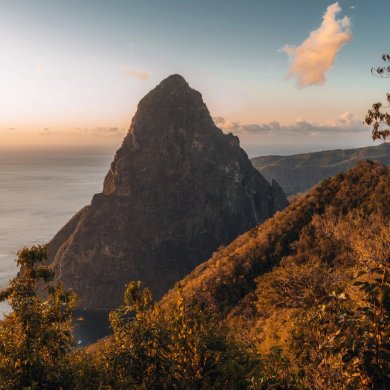
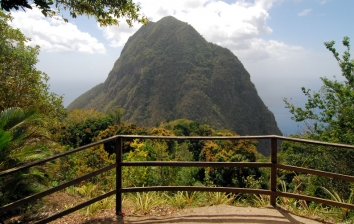
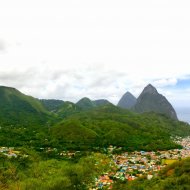
The St. Lucia travel guide is full of natural attractions. There are no large cities or monumental architecture here, but there are amazing landscapes that have become the hallmark of the entire Caribbean region.

Traveling through Saint Lucia is an opportunity to see volcanic peaks, tropical forests, and the coastline from different angles. Most places are accessible and do not require difficult physical training, as is often the case in mountains and jungles.

Tours to Saint Lucia

Travel to Saint Lucia is a blend of nature, comfort, and the unhurried rhythm of island life. The country is known as one of the most romantic destinations in the Caribbean, which is why resorts for couples and honeymooners are especially popular here. Many hotels are located on hillside slopes or in secluded bays, offering panoramic views of the sea and lush tropical landscapes.

At the same time, Saint Lucia is not limited to an all-inclusive format. Travelers can choose active routes and explore the island independently. This means a self-planned trip to Saint Lucia can be exactly the way you want it to be.

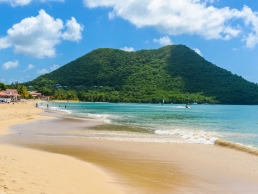
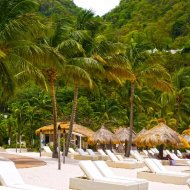
Beach holidays are available for every taste, with both white- and dark-sand beaches. The water remains warm throughout the year, and the underwater world attracts divers from around the globe. The western coast is usually calmer, making it particularly suitable for families and less confident swimmers. Visitors can also enjoy Creole cuisine, explore historic districts, and experience local musical traditions.

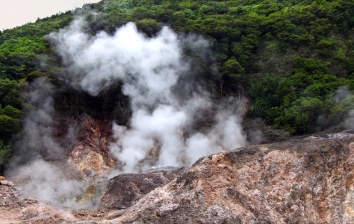
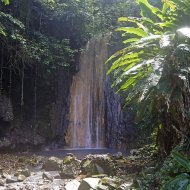
Nature lovers will appreciate the tropical rainforests, waterfalls, and hiking trails of varying difficulty. Popular activities include excursions to volcanic springs, walks through national parks, and trips to scenic viewpoints. Active recreation includes hiking, kayaking, boat tours, and fishing. Planning your activities in advance will help you estimate the cost of a trip to Saint Lucia.

Where to go to Saint Lucia?

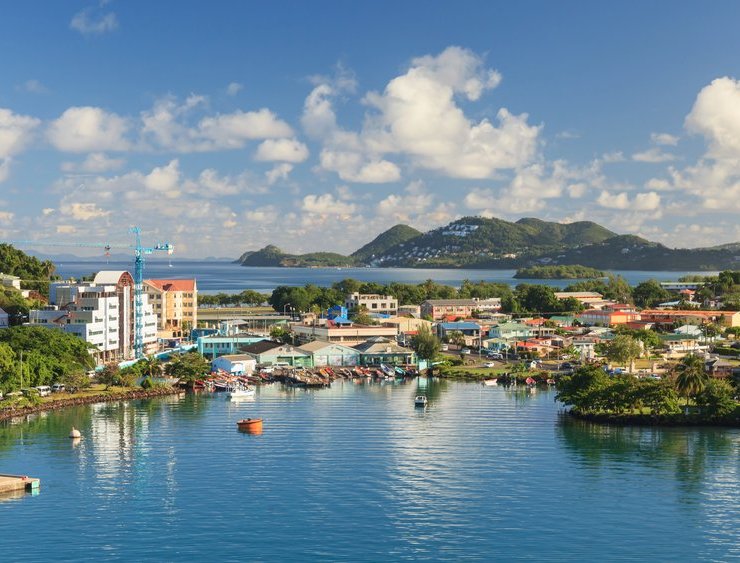
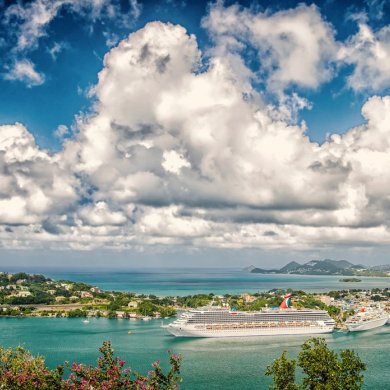
The starting point for your island tour is Castries, the country's capital with its markets, waterfront, and museums. In the south is the town of Soufrière, convenient for trips to the Pitons, sulfur springs, and waterfalls.

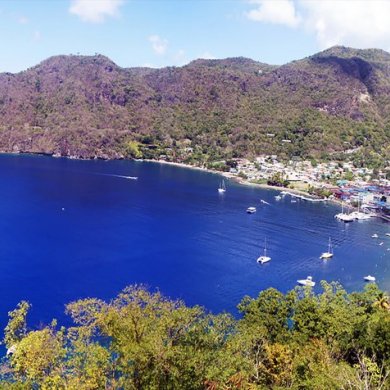
The north of the island attracts visitors with its developed tourist infrastructure and beaches around Rodney Bay. For a more relaxed trip, visit the fishing villages on the west coast, where you can see everyday life on the island. The inland areas are interesting for their nature trails and panoramic roads.

When to go to Saint Lucia

The best time to visit Saint Lucia is between December and April, when the weather is dry and sunny. This season is considered high season because the climate is most comfortable and there is minimal rainfall. It is a good option for both beach relaxation and excursions. The wet season lasts from May to November, so there are fewer tourists. However, the rains are mostly short-lived.

Saint Lucia in spring

Spring in Saint Lucia brings warm and stable weather. In March and April, the air temperature ranges from +26 to +30 degrees Celsius. Precipitation is moderate, up to 70-90 mm per month. This is a good season for walks, excursions, and beach holidays without crowds of tourists.

Saint Lucia in summer

Summers on the island are hot and humid. From June to August, temperatures reach +32 degrees Celsius and above, and rainfall increases to 150-200 mm. Rainfall is usually short-lived, but tropical downpours are possible. Travel is possible, but you need to be prepared.

Saint Lucia in autumn

Autumn is the rainiest time of year. In September and October, rainfall can exceed 200 mm per month, and there is also a risk of hurricanes. Temperatures are consistently high, there are fewer tourists, and hotels often offer attractive discounts.

Saint Lucia in winter

Winter is considered the high season in Saint Lucia. From December to February, it is dry, sunny, and comfortable, with an average temperature of around 27 degrees Celsius. There is almost no precipitation, and evenings are cooler. This is the best time for beaches, trekking, wedding trips, and sea excursions.

Usefulness

The tripmydream service has compiled a collection of tips to help you plan your trip better and calculate the cost of traveling to Saint Lucia more accurately.

Visa to Saint Lucia

Citizens of the United States and Schengen Area countries do not require a tourist visa for stays of up to 90 days. However, it's best to check the latest information before your trip.

Customs & Tax Free

Personal belongings may be imported into the country duty-free within reasonable limits. Restrictions apply to alcohol, tobacco products, and cash. The traditional tax-free system for tourists is not well developed.

Travel by car

A car is the best way to get around, but driving in Saint Lucia requires experience because the roads are narrow and winding, especially in the mountains. To rent a car, you may need a temporary permit, which can be obtained on site upon presentation of your driver's license.

Phrasebook for tourists

The official language is English, but Creole is often used in everyday life. There are no communication problems in hotels, restaurants, and on excursions. Knowing a few polite words in Creole will bring a smile to the faces of the locals.

Public transport and prices

The main form of transport is minibuses, but they do not run to a fixed timetable. If you use a taxi, agree the fare in advance. For longer journeys, tour transfers are more suitable.

Events

Saint Lucia has some interesting local cultural and music festivals. There is a carnival in the summer, and Independence Day is celebrated in style in the winter. Check the calendar so you don't miss anything.

tripmydream - travel service, that helps to find compare and buy best flights and rooms worldwide with the given budget. All necessary information for travelers - is right here!