Фотогалерея ‒ Samoa

Guide to Samoa

Basic Information

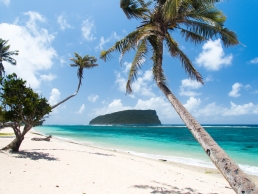
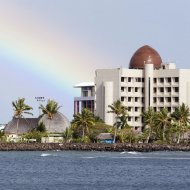
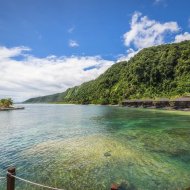
Samoa is an island nation in the South Pacific. The capital, Apia, is located on the island of Upolu, one of the two largest islands in the archipelago. The archipelago itself is an extension of an underwater volcanic ridge, which is why Samoa’s terrain is mountainous, with steep slopes and a narrow coastline indented by lagoons and reefs. The islands of Upolu and Apolima are separated by a strait.

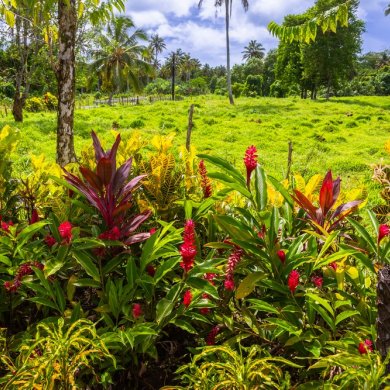
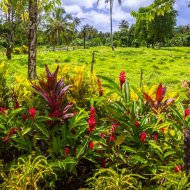
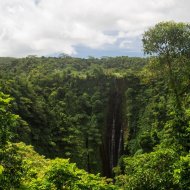
Thanks to the tropical climate, the archipelago’s natural environment is incredibly rich and diverse, but at the same time, the forests are very humid. Dolphins can be spotted in the coastal waters.

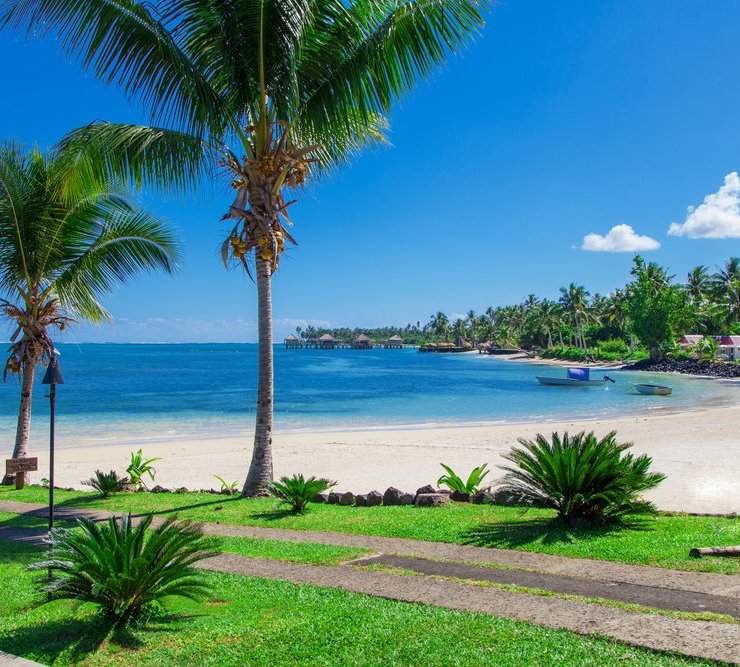
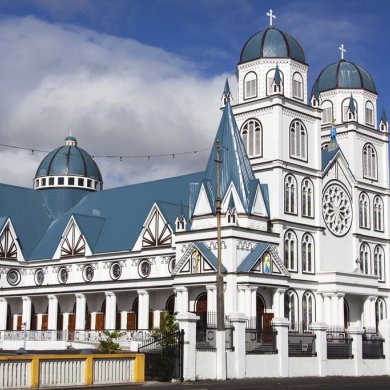
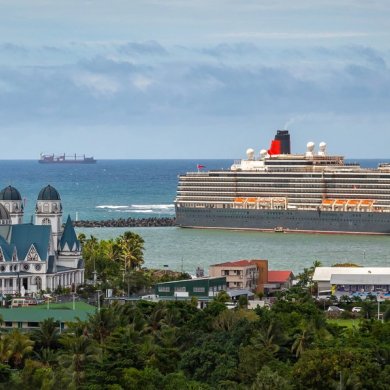
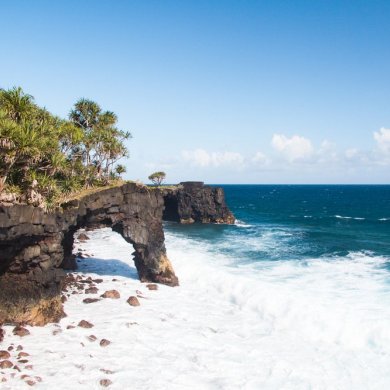
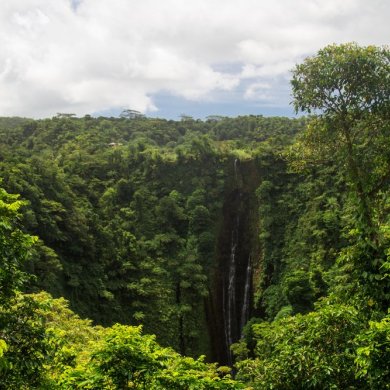
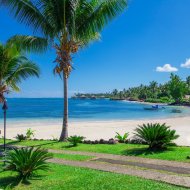
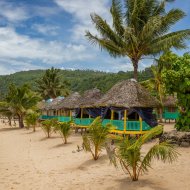
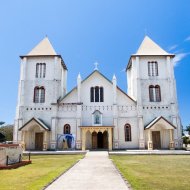
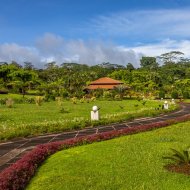
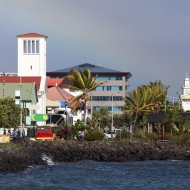
Photos of Samoa

Capital
Apia
Language
Samoan, English
Currency
Samoan tala
Time zone
GMT +13
Population
220 000
Territory
2832 km²

Dishes worth trying:

Oka — raw fish marinated in citrus and coconut cream.

Palusami — taro leaves with coconut cream, baked in an umu.

Sapasu — a local version of "chop suey" with noodles and sauce.

Fauci — taros in a sweet coconut-caramel sauce.

Panikeke — small, sweet pancakes, often with banana.

Things to do in to Samoa

  • Take part in an Ava ceremony and learn about the social structure of Samoan society
  • Try some umami dishes cooked in an earthen oven.
  • Watch sea turtles off the coast of Savai'i Island.
  • Organize a night fishing trip with lanterns and vintage gear.
  • Watch the sunset on the deserted beach of Lalomanu.
  • Attend evening events featuring traditional dances.

Tips

If you’re planning a trip to Samoa on your own, make sure to plan your logistics in advance. On Upolu and Savai’i, it’s easiest to rent a car or hire a taxi for the day, since public transportation to the waterfalls and lagoons runs on an irregular schedule. Remember that traffic drives on the left and be aware of local speed limits; in the evening, plan your route with poor lighting in mind.
When planning a beach vacation, keep the ocean in mind. There are strong currents near the reefs, and the water near the shore becomes murky after rain. Bring water shoes, a snorkel mask, and antiseptic for minor cuts from coral, and don’t forget sunscreen, even on cloudy days. For water activities, make sure to get insurance that covers water sports.
Many natural attractions are located on village land. When calculating the cost of your trip to Samoa, be sure to factor in entrance fees right away. These fees usually go directly to the local community. Keep small bills on hand, check the rules regarding swimming and photography, and do not go beyond the barriers without permission. Away from the beach, dress modestly and do not photograph people without their consent.

Tours to Samoa

Vacations in Samoa generally revolve around beach relaxation and short trips. For example, in the morning you might swim in a lagoon or natural pool, spend the afternoon visiting a waterfall or scenic overlooks, and return to a fale by the ocean in the evening. The country’s main advantage is the lack of mass tourism. Even popular spots feel peaceful if you arrive early.

For more active leisure and more complex logistics, Upolu near Apia is a good choice, while Savaii is more about a classic, laid-back island vacation. There are plenty of nature-based activities on the ground, such as trails to waterfalls, walks through green hills, and trips to lava fields. The rules are simple: respect local customs and don’t litter.

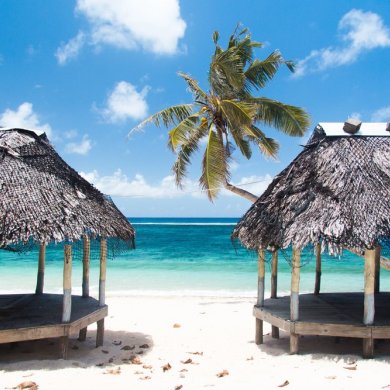
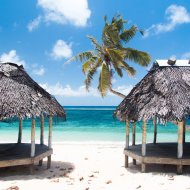
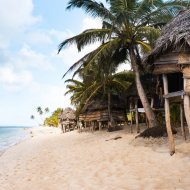
The choice of accommodations isn’t very wide due to the archipelago’s modest size. You can stay at a hotel in Apia and go on excursions, or you can live in a beach fale. These are simple huts by the shore, sometimes almost without walls, but with the sound of the ocean and quick access to the water. In a fale, you’ll need a flashlight, insect repellent, and a waterproof bag for your belongings; however, for those who rely on reliable power outlets and internet, we still recommend resorts.

An important detail to keep in mind when planning a trip to Samoa is Sundays. Here, it’s a day for family and church, so some cafes and shops are closed or have limited hours, and villages may have their own rules of conduct. On the other hand, it’s a great opportunity for a peaceful getaway by the sea. Just make sure to stock up on food and water in advance.

All in all, a trip to Samoa is ideal for those who appreciate nature, the water, and simple forms of relaxation, and who are willing to follow local customs for the sake of these truly beautiful islands.

Where to go to Samoa?

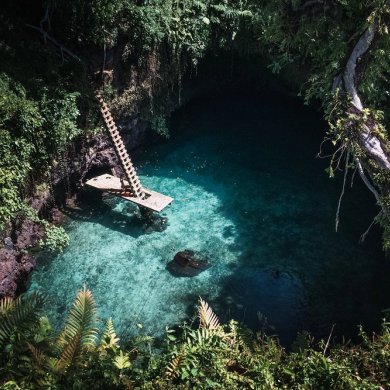
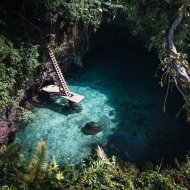
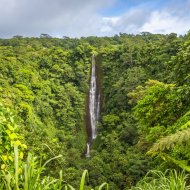
At the start of your trip to Upolu, stay in Apia or on the south coast and visit To Sua Ocean Trench, several beaches on the north side, and one of the waterfalls in the island’s interior. Set aside a separate day for the market and museums.

If you have enough time, head to the Saleula and Mauga lava fields, which were formed after the eruption of Mount Matavanu in the early 20th century. In the northwest of Savai’i Island, there is a nature reserve with a suspension bridge. Also worth visiting is the Papassea-Sliding Rock waterfall, where you can slide down the slippery ledges.

When to go to Samoa

Samoa can be visited year-round, but the dry season from May to October is the most comfortable time to visit. During this period, there is less rain, lower humidity, and the water is crystal clear. The islands have a tropical climate, and temperature fluctuations throughout the year are minimal—just a few degrees.

However, humidity depends not only on the season but also on elevation—the higher you go, the heavier the rain. The rainy season in Samoa runs from November through April. Showers are short but intense, the sea is often rough, and underwater visibility is poorer.

Samoa in spring

Spring in Samoa lasts from September through November and gradually becomes hotter and more humid. Daytime temperatures rise to 31°C, and rainfall reaches 120–180 mm per month. The sea remains warm, but winds sometimes pick up, and by November the transition to the rainy season begins.

Samoa in summer

Summer in Samoa runs from December to February. It is characterized by heat and high humidity. Daytime temperatures stay above 30°C, and even at night they rarely drop below 25°C. There is a lot of rainfall, up to 250–350 mm per month. Tropical downpours and storms are possible, the ocean is rough, but the landscape is incredibly green.

Samoa in autumn

Autumn in Samoa lasts from March to May and is considered a transitional period. There is still plenty of rain in March, but by May the amount decreases. Daytime temperatures are around 29°C. Humidity gradually drops, the ocean becomes calmer, and travel conditions improve.

Samoa in winter

Winter in Samoa lasts from June to August and is considered the most pleasant time to visit. Daytime temperatures hover around 27°C, while nighttime temperatures are around 23°C. There is little rainfall, and humidity is lower than at other times of the year. The ocean is calmer and the water clearer, making this a great season for beach activities and snorkeling.

Usefulness

To help you plan your trip to Samoa more effectively and calculate the cost, the tripmydream service has put together a short list of useful facts.

Visa to Samoa

You do not need to apply for a visa for Samoa in advance. Upon arrival at the airport, you will be issued a tourist permit valid for 90 days. To obtain this, you will need a valid passport, a return ticket, and sufficient funds to cover your stay. This applies to citizens of the EU, and the United States.

Customs & Tax Free

There are restrictions on bringing alcohol and tobacco into Samoa. There is no tax-free program for tourists. It is prohibited to export coral, rare shells, and unprocessed historical artifacts, but there are no restrictions on souvenirs.

Travel by car

A rental car offers the greatest freedom in Samoa. Keep in mind that they drive on the left, the roads are of average quality, and street lighting is poor. Check with the rental company regarding insurance and whether you need a temporary license. Expect to pay around 75 WST per day. Parking lots near beaches are usually simple, unpaved lots.

Phrasebook for tourists

The official languages are Samoan and English, but English is widely spoken at hotels and among tour operators. In villages, people often speak Samoan, but they are friendly toward tourists. Make a note of basic phrases and place names in case of poor internet connectivity.

Public transport and prices

Local buses and minibuses run in Apia and along the main road to Upolu, but the schedule is approximate and depends on passenger volume. Taxis are more convenient but more expensive. If you’re planning ahead, you can hire a car with a driver. A ferry runs between Upolu and Savai’i, though its schedule depends on the weather.

Events

The most interesting events in Samoa are the local holidays and festivals, which showcase the authentic culture. Be sure to check the events calendar when visiting the islands.

tripmydream - travel service, that helps to find compare and buy best flights and rooms worldwide with the given budget. All necessary information for travelers - is right here!