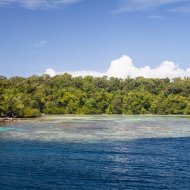
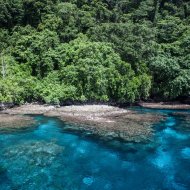
Фотогалерея ‒ Solomon Islands

Guide to the Solomon Islands

Basic Information

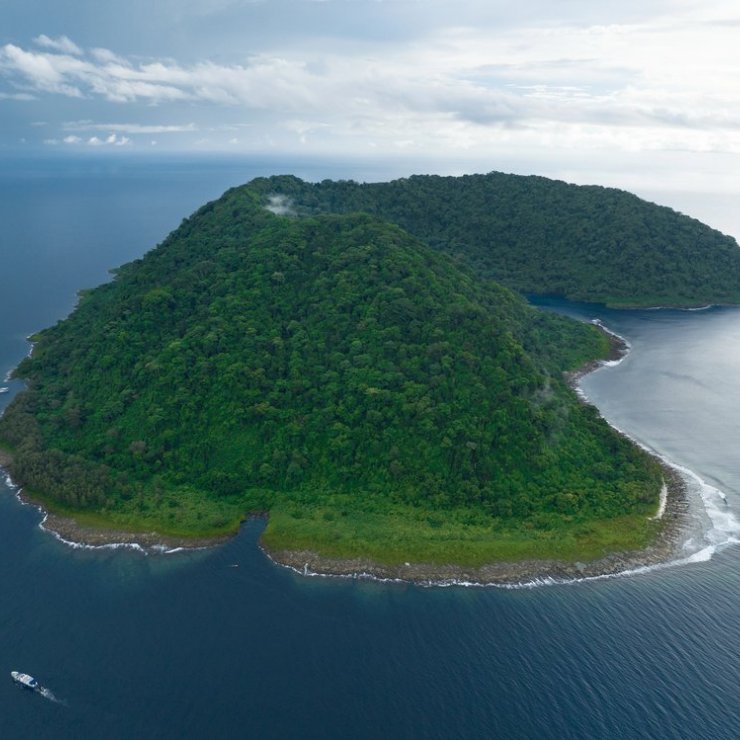
The Solomon Islands comprise the archipelago of the same name, located east of the island of New Guinea. These are volcanic islands, so there are many active volcanoes here. The archipelago stretches for 1,400 km; there are virtually no lakes on the islands, but there are short, full-flowing rivers.

The first settlers arrived in this region as early as 3000 BCE. Europeans began to settle here in the 1860s. When planning an independent trip to the Solomon Islands, it is important to consider the remoteness of the islands, the limited number of hotels, and the dependence on sea conditions.

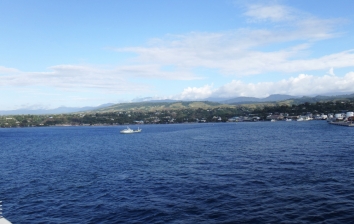
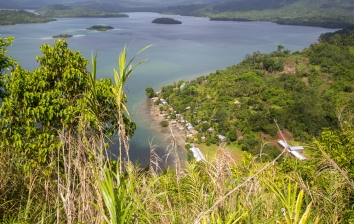
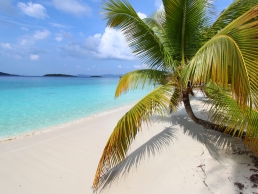
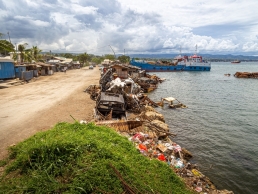
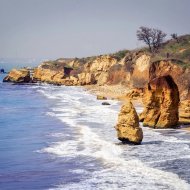
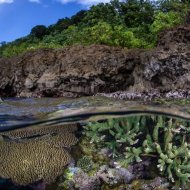
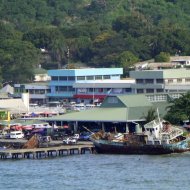
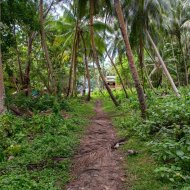
Photos of Solomon Islands

Capital
Honiara
Language
English, Neo-Solomonian
Currency
Solomon Islands dollar
Time zone
GMT +11
Population
750 000
Territory
450 km²

Dishes worth trying:

Fish in coconut milk — the fresh catch is simmered with coconut and herbs and served with root vegetables.

Cassava — baked root vegetable, often served with a fish or coconut sauce.

Taro with meat — а hearty traditional dish made from taro root.

Laplap — а paste made from grated root vegetables and coconut cream, baked in banana leaves.

Seafood soup — а light broth with fish, shellfish, and local spices.

Things to do in to Solomon Islands

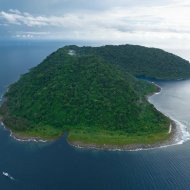
  • Visit Savo Island, home to active volcanic springs.
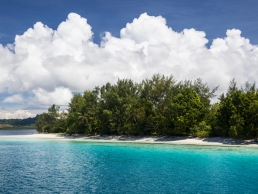
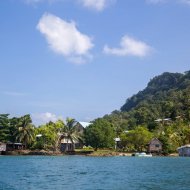
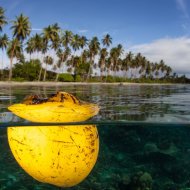
  • Swim in lagoons with water in every shade of turquoise.
  • See how a canoe is built from a single tree trunk.
  • Go fishing and cook your catch over an open fire.
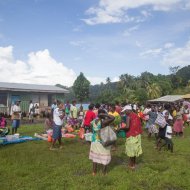
  • Visit the markets in Honiara and try some fresh tuna and taro.
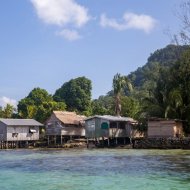
  • Spend the night in an overwater bungalow and listen to the ocean without any outside noise.

Tips

When planning a trip to the Solomon Islands, allow plenty of time for domestic flights and transfers. Due to weather conditions, schedules are subject to frequent changes and cancellations. If you have a connecting flight to an international destination, allow at least 24 hours as a buffer. Confirm your hotel and transfer reservations a few days before arrival, and keep important contacts and information offline.
Medical preparation is important. The climate here is tropical and there are plenty of insects, so don’t forget to bring insect repellent and long-sleeved clothing. Pack a first-aid kit, and if you plan on engaging in outdoor activities, make sure to purchase insurance that covers diving and medical evacuation. Tap water isn’t always safe to drink, so stick to bottled water.
Respect for local communities helps prevent misunderstandings. On many islands, the land belongs to the villages, and visiting certain places may require permission or a small fee. It’s best to ask for permission before taking photos of people, and to dress modestly away from the beaches.

Sights

The highlights of a trip to the Solomon Islands aren’t so much about specific attractions as they are about the natural scenery and history. It’s more important to choose the right locations and maintain a comfortable pace than to try to see everything at once.

Diving spots, lagoons, waterfalls, and military relics are scattered across different islands, so it’s best to plan your itinerary around a few key points from the guidebook.

Tours to Solomon Islands

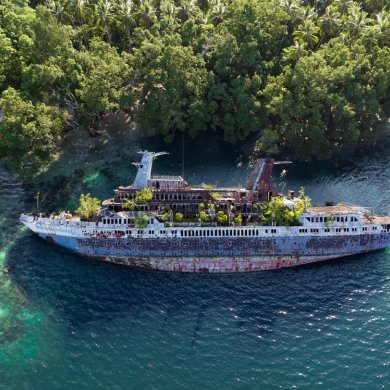
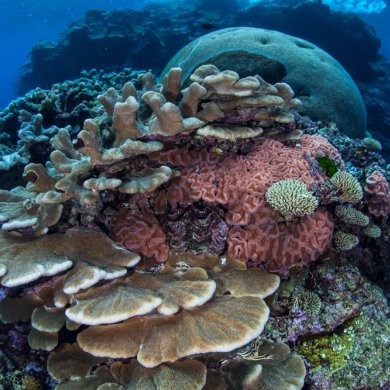
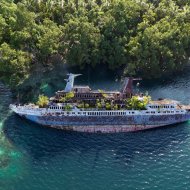
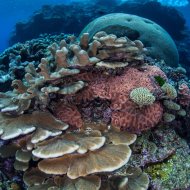
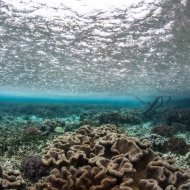
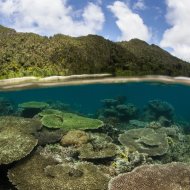
The main purpose of most trips to the Solomon Islands is diving. The waters around the archipelago are known for their diverse coral reefs, large schools of fish, and the opportunity to explore shipwrecks and aircraft from World War II. Dive sites are suitable for both experienced divers and beginners, but it’s important to choose certified centers and take weather conditions into account. Diving is one of the main components of the cost of a trip to the Solomon Islands.

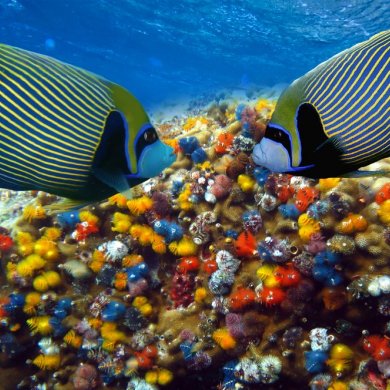
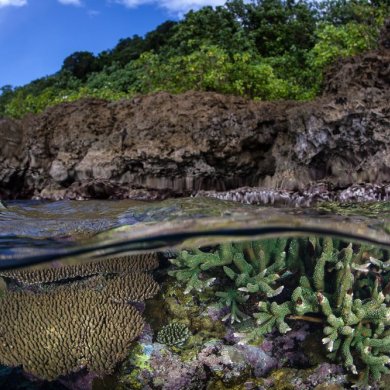
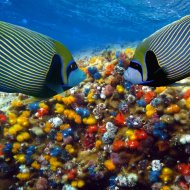
Snorkeling is available on almost every island. Even near the shore, you can see colorful corals and tropical fish. For those who don’t dive, this is an easy way to explore the underwater world. Some islands offer excursions to mangrove forests and small uninhabited islets.

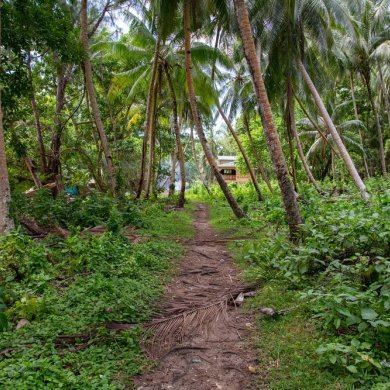
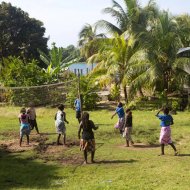
Land-based activities are less varied but equally interesting. These include jungle walks, visits to waterfalls, and exploring villages and traditional ways of life. On Guadalcanal and neighboring islands, tours of World War II sites with local guides are popular.

The main accommodation options are small lodges, guesthouses, and eco-hotels. Comfort levels can vary greatly, so it’s important to clarify conditions in advance—such as the availability of electricity, water, and internet. In remote areas, electricity is supplied on a schedule, and there may be no cell service. A beach vacation here is more about seclusion than infrastructure. There are few lounge chairs and bars, but there is clear water, the shade of palm trees, and no crowds. For many, this is the country’s main appeal.

Where to go to Solomon Islands?

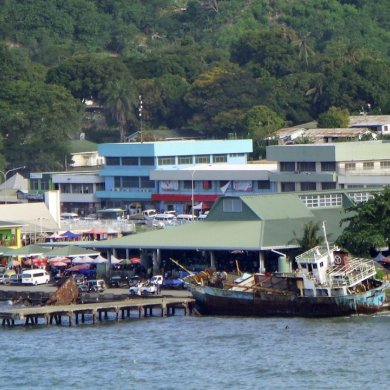
The key destination for a vacation in the Solomon Islands is Honiara. It serves as the main transportation hub and a base for your first excursions. From here, you can visit waterfalls, historical sites, and coastal areas for snorkeling.

Next, head to the Western Province—to the islands of Gizo and Munda, where the best reefs and diving spots are concentrated. For those seeking solitude, the small islands in the Marovo Lagoon are ideal. If you have time, add Malaita to your itinerary—an island with strong traditions and an authentic atmosphere.

When to go to Solomon Islands

The weather in the Solomon Islands is warm year-round, but travel conditions vary significantly by season. The dry season typically lasts from May through October. During this time, there is less rain, the sea is calmer, and underwater visibility is better—making it the ideal season for diving and traveling between islands.

From November through April, tropical downpours are more frequent, humidity rises, and storms are possible, which can affect boat and flight schedules. During this period, the natural scenery is particularly vibrant, but planning itineraries is more challenging. The islands are located in the Southern Hemisphere, so the seasons here are different.

The Solomon Islands in Spring

In spring, September, and October, the weather remains stable, with temperatures staying nearly constant, but rainfall decreases to 100–150 mm. The sea is calm, and underwater visibility is good. This season is often chosen for active recreation and trips between the islands.

The Solomon Islands in the summer

The summer season, from December through February, is rainier. Precipitation can reach up to 350 mm per month, and high humidity makes the heat feel even more intense. Air temperatures hover around 30 degrees Celsius. Tropical cyclones are possible, so it’s best to adjust your plans based on the forecast.

The Solomon Islands in the Fall

In the fall, especially in April and May, precipitation gradually decreases to 200–250 mm. Temperatures remain around 28°C. This is a transitional period with changeable weather, but without extreme heat, so traveling remains comfortable.

The Solomon Islands in Winter

Winters in the Solomon Islands are warm and humid. From June through August, both the air and the water in the Pacific Ocean are around 28°C. Precipitation averages 150–200 mm per month. This is a relatively dry period, ideal for diving and boat tours.

Usefulness

To help you plan your trip more effectively and get a better idea of how much a trip to the Solomon Islands will cost, the tripmydream service has put together a short list of tips.

Visa to Solomon Islands

U.S. and EU citizens need a valid passport and return tickets to obtain a visa upon arrival. The visa is valid for 90 days.

Customs & Tax Free

Upon entry, you must declare large amounts of cash and goods exceeding personal allowances. Restrictions apply to alcohol, tobacco, and certain food items. Exporting coral and other natural resources may require a permit. The country does not have a well-developed tax-free system for tourists.

Travel by car

Car rentals are available in Honiara, but outside the capital, the roads can be challenging, especially during the rainy season. It is often more convenient to hire a car with a driver. The average rental price is about 800 SBD per day, depending on the type of vehicle and the terms of the rental.

Phrasebook for tourists

The official language is English, but the local pidgin is widely used in everyday conversation. In tourist areas, English is easily understood, but in villages it’s best to speak slowly and simply.

Public transport and prices

The main modes of transportation are boats and small vessels between the islands, and within the islands, shuttle minibuses and taxis. Schedules are often approximate and depend on the weather and passenger volume. For remote locations, it’s best to arrange transfers in advance.

Events

The most interesting local holidays, featuring parades, dancing, music, and festivities, include Independence Day, Christmas, and the Cultural Festival. In any case, be sure to check the events calendar before traveling to the Solomon Islands.

tripmydream - travel service, that helps to find compare and buy best flights and rooms worldwide with the given budget. All necessary information for travelers - is right here!