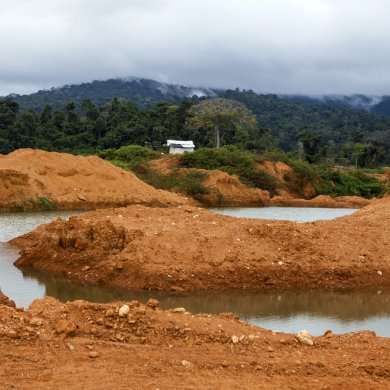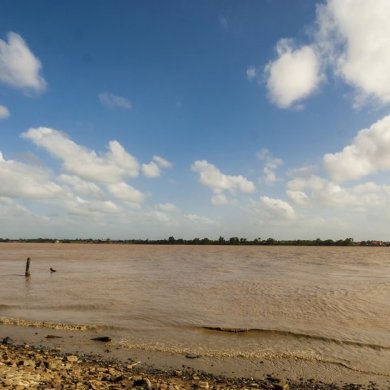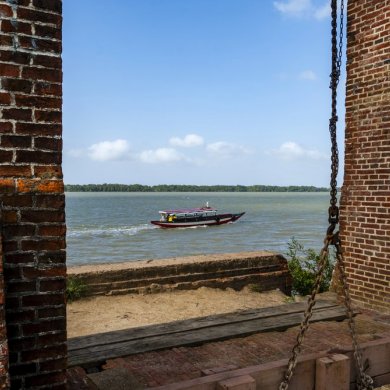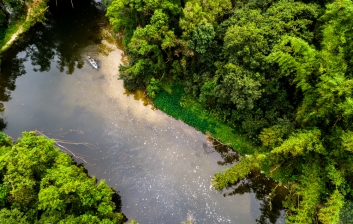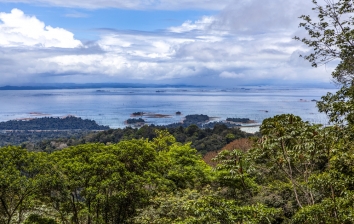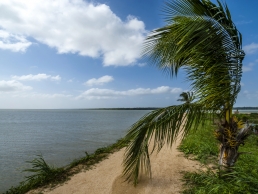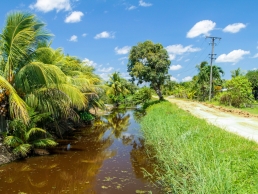
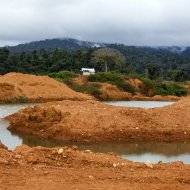
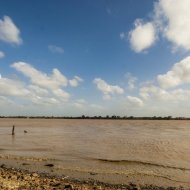
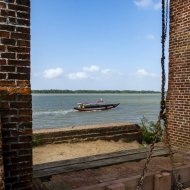
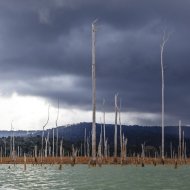
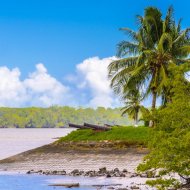
Suriname is located in the northeast of South America and has a coastline on the Atlantic Ocean. The country has many large rivers, which is why most tours in Suriname are centered around them. The large Brokopondo Reservoir is located in the northeast.
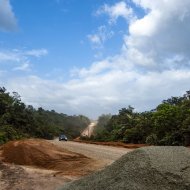
Due to the density and abundance of untouched jungle, the population density here is one of the lowest in the world. South of the coastal strip lie hills and savannas. The interior southern region is covered by impenetrable jungle. The climate is very humid—up to 200 rainy days a year—which is worth keeping in mind when planning a trip to Suriname.
- Main Page
- Suriname
Suriname
The Mosaic of Amazonian Cultures
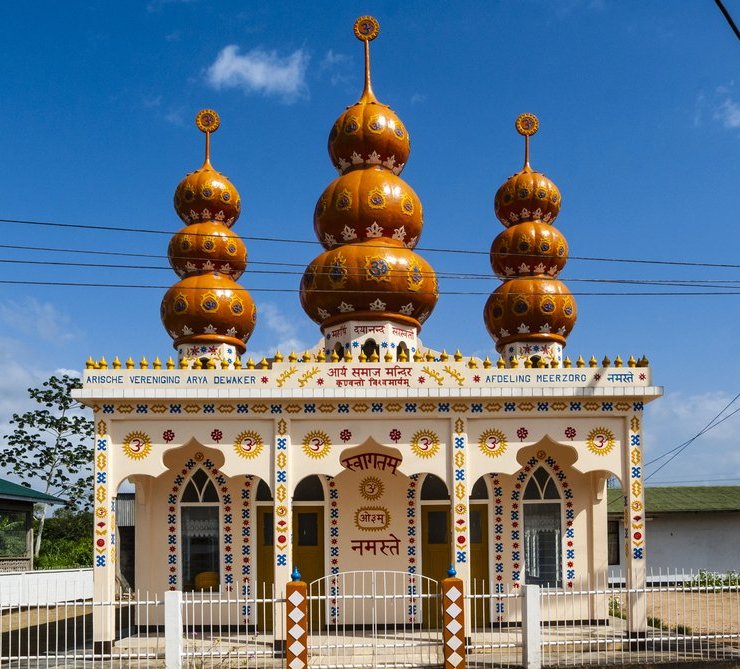
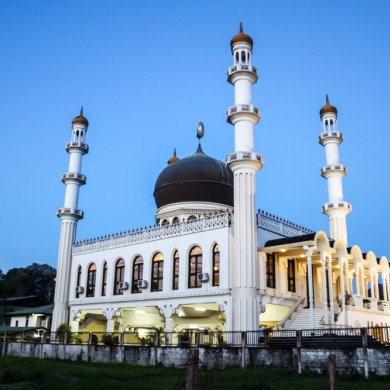
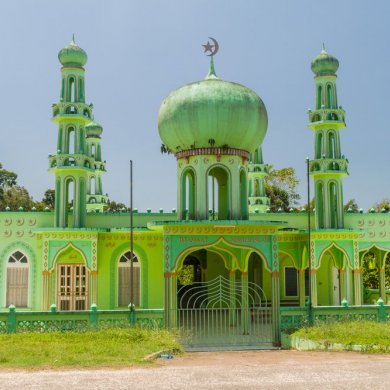
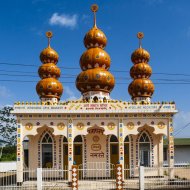
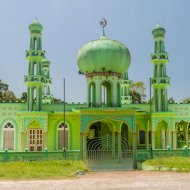
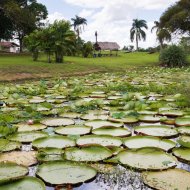
Suriname is the smallest country in South America, with 90% of its territory covered by tropical rainforests. It is this unique natural environment that attracts tourists first and foremost. A second distinctive feature is the fascinating blend of cultures evident in its architecture, traditions, and even its cuisine.
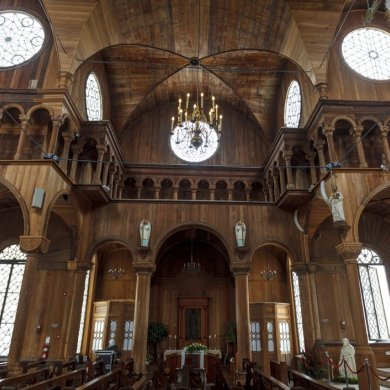
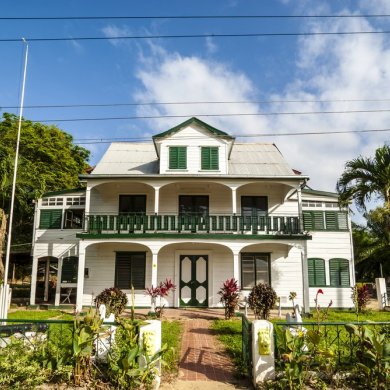
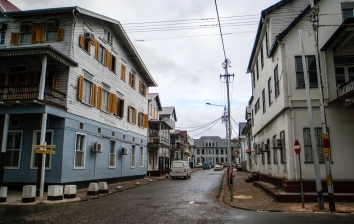
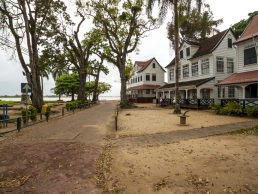
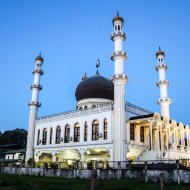
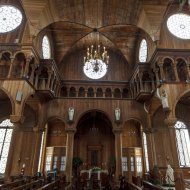
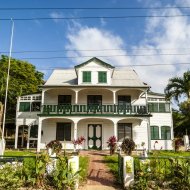
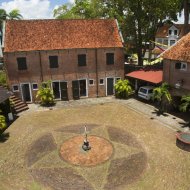
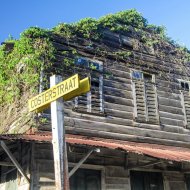
The capital, Paramaribo, is famous for its wooden colonial architecture, which sits just an hour’s drive from the lush Amazon rainforest.
FURTHER
The capital, Paramaribo, is famous for its wooden colonial architecture, which sits just an hour’s drive from the lush Amazon rainforest.