Фотогалерея ‒ Tajikistan

Guide to Tajikistan

Basic Information

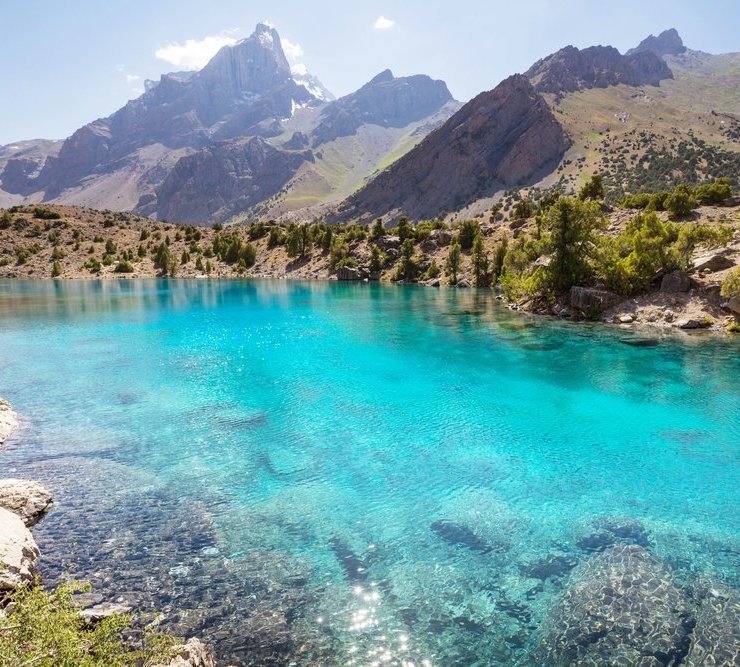
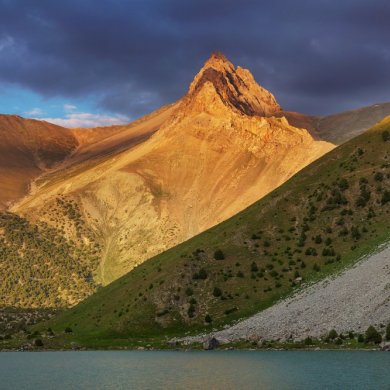
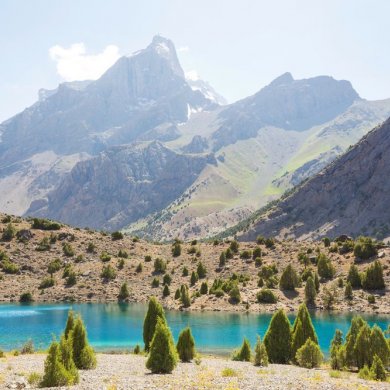
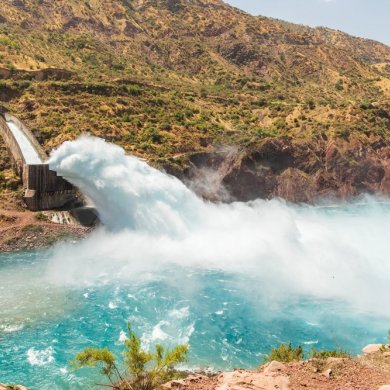
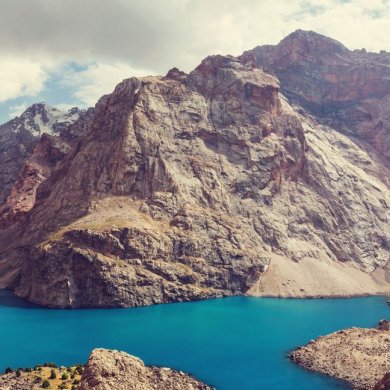
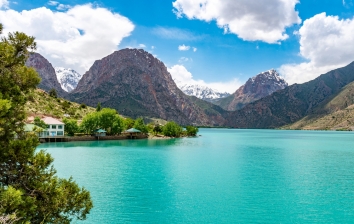
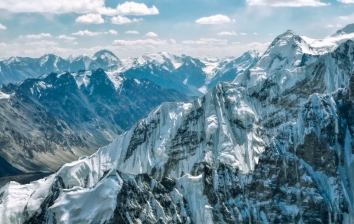
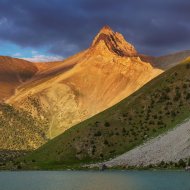
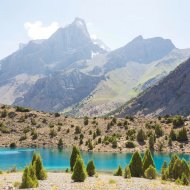
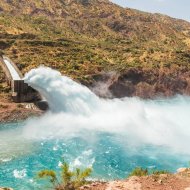
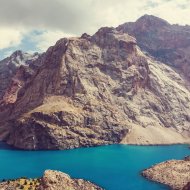
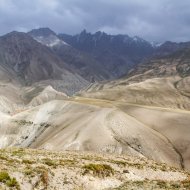
Tajikistan is a mountainous country in Central Asia, where travel routes wind through the Pamir and Fann ranges and the Zeravshan Valley. The country is home to the Nurek Hydroelectric Power Plant, one of the highest dams in the world. It is also home to Lake Iskanderkul, named after Alexander the Great.

In addition to its many mountain ranges, Tajikistan has about a thousand rivers. It is also home to one of the oldest cities in Central Asia—Penjikent. The traditional clothing, still popular among the indigenous population to this day, is also of interest.

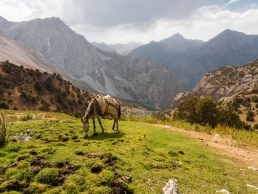
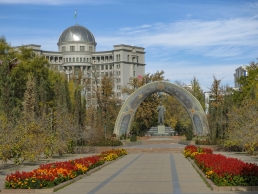
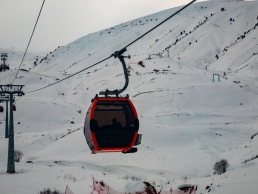
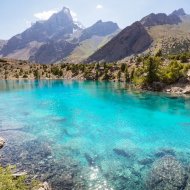
Photos of Tajikistan

Capital
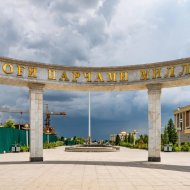
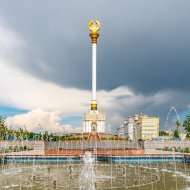
Dushanbe
Language
Tajik, Russian
Currency
Tajikistani somoni
Time zone
GMT +5
Population
10 600 000
Territory
141,400 km²

Dishes worth trying:

Qurutob — a salad made with flatbread, sour milk, and herbs, often with vegetables and onions.

Oshi palov — tajik pilaf with carrots and meat; it is usually cooked in large pots.

Shurbo — a hearty soup with meat and vegetables.

Manti — large steamed dumplings with a meat filling, served with sauces and herbs.

Sambusa — layered pastries filled with meat or pumpkin, baked in a tandoor.

Things to do in to Tajikistan

  • Drive along the Pamir Highway—one of the highest-altitude roads on the planet.
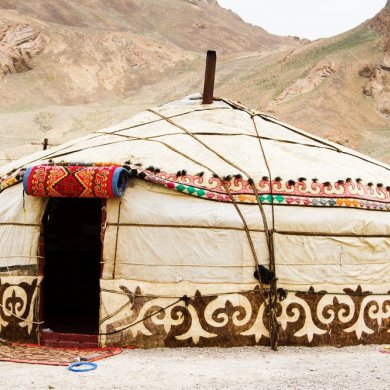
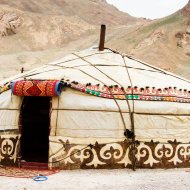
  • Spend the night in a yurt at an altitude of over 3,500 meters.
  • See the starry sky without light pollution.
  • Take a stroll through the market in Khujand and try some flatbread, sambusa, and fresh dried fruit from the Fergana Valley.
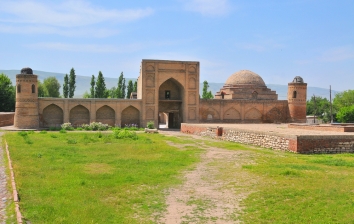
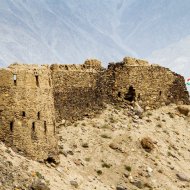
  • Explore the ruins of the Sogdian civilization.
  • Visit the Wakhan Corridor and see the Afghan villages on the opposite bank of the Panj River.

Tips

If you’re planning a trip to the Pamir Mountains, check in advance whether you need a permit for GBAO and where to obtain it. Without it, you may be turned back at some checkpoints, even if you have a hotel reservation. On average, this will add $30–50 to the cost of your trip to Tajikistan. Keep printouts of your passport, visa, or proof of visa-free entry, as well as your itinerary, with you at all times.
In the mountains, your gear makes all the difference. Layered clothing, a windbreaker, sunscreen, and hiking boots are often more important than extra gear. At high altitudes, dehydration and sunburn can creep up on you, so carry water and electrolytes, and don’t push yourself too hard on the first few days. If you have any chronic health conditions, discuss the route with your doctor and bring a first-aid kit.
If you plan to take taxis, be sure to agree on the fare, pickup points, and travel time before setting off, especially on long stretches of road and winding routes. Cell service can be spotty outside of cities, so download offline maps in advance and mark gas stations and places to stay for the night.

Sights

When planning an independent trip to Tajikistan, aim to experience as wide a variety of sights as possible. For example, choose one mountain trail or lake, one section of the Pamir Highway, and one historical site. This way, you’ll get to see the high mountains, legendary roads, and the country’s authentic culture without spending half your vacation in the car. Keep in mind that the distances and winding roads are actually more challenging than they appear on a map.

Tours to Tajikistan

Those who prefer active recreation and nature over beaches and shopping choose to vacation in Tajikistan. The main attraction is the mountains. This can include short day hikes in the capital’s surroundings, multi-day treks through gorges, routes to high-altitude lakes, as well as drives along winding roads to plateaus and mountain passes. There are options for every taste—you can hike with a backpack and tent, stay in guesthouses, or, for longer distances, hire a car with a driver and make day trips.

For hiking enthusiasts, areas with well-marked trails and designated campsites are particularly appealing. You’re guaranteed clean water, views of the peaks, and the chance to encounter shepherds and small villages along the way. In any case, it’s worth allowing extra time, because mountain logistics rarely run on a strict schedule.

The cultural part of the trip usually revolves around bazaars, craft workshops, and local cuisine. In cities, it’s a good idea to set aside a couple of days for museums, teahouses, and walks, and then head back out into nature. Other available activities include cycling routes, horseback riding, photography tours, fishing, and local ski resorts in winter.

Keep in mind that some high-altitude areas require a separate permit, and for extended stays, registration at your place of residence may be required, so it’s worth checking entry regulations in advance. Guides and drivers in Tajikistan often handle half the work—helping with daily logistics, safety, and route selection, especially where clear navigation is lacking. During the first few days, it’s best to stay at lower elevations, drink plenty of water, and avoid trying to cover too many miles. Cell service and ATMs are concentrated in cities, so it’s helpful to carry cash and use offline navigation while on the trails.

Where to go to Tajikistan?

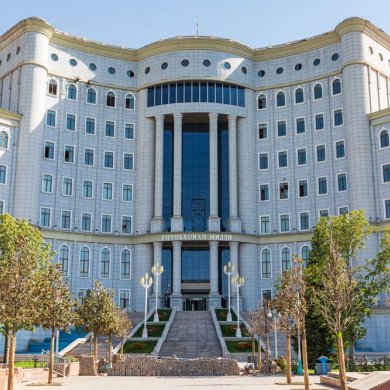
The starting point for most tours in Tajikistan is Dushanbe, which serves as a convenient base for exploring the lakes, mountain passes, and ancient cities along the Silk Road. The Pamir Highway features several interesting hot springs, the most popular of which is Garm Chashma.

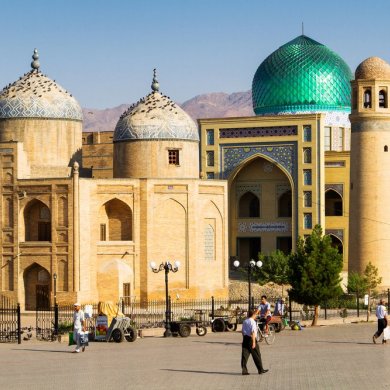
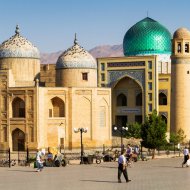
The ancient and second-largest city in Tajikistan is Khujand. People come here for its history and architectural landmarks. People visit Istaravshan to experience the spirit of Islamic culture. They go to Penjikent to see the ancient settlement and learn about the local craft of suzane—hand-embroidery on silk.

When to go to Tajikistan

When planning a trip to Tajikistan, keep in mind the subtropical climate and significant daily temperature fluctuations. The weather also varies greatly with altitude, so the peak season differs for cities and mountain routes.

For trekking and high-altitude trips, the period from late June to September is most often chosen, as it offers more comfortable daytime temperatures. In April and May, the valleys are already warm and green with blooming vegetation, but snow still lingers in the mountains. Fall is suitable for those who want stable weather at low and medium altitudes, but nights in the highlands are already very cold.

Tajikistan in the spring

In the spring, during March and April, temperatures rise to 15°C or even 22°C in the valleys. Precipitation increases to 60–100 mm, and avalanches are possible in the mountains. Nature quickly comes to life, with gardens and fields in bloom, making this an ideal time to travel through the country’s lowland regions.

Tajikistan in the summer

Summers are hot and dry. In Dushanbe, temperatures range from 30°C to 36°C, and rainfall is very light—up to 15 mm per month. In the mountains, temperatures range from 15°C to 20°C. This is the best season for traveling along the Pamir Highway, trekking, and visiting high-altitude lakes, while the mountain passes are still open.

Tajikistan in the fall

In the fall, during September and October, temperatures hover around 22 degrees Celsius, and precipitation is minimal. It’s already cooler in the mountains, but the roads are still passable. The weather is stable, with no intense heat, making this a convenient time for combined trips to Tajikistan.

Tajikistan in winter

Winters in Tajikistan are cold, especially in the mountains. In Dushanbe, the average temperature is around 3°C, but in the Pamir Mountains it can drop to -15°C. Precipitation is moderate, ranging from 40 to 60 mm per month, with snow in the mountains. This is the season for those who enjoy winter scenery and city breaks.

Usefulness

To help you plan your trip more effectively and estimate the cost of a trip to Tajikistan, the tripmydream service has put together a short collection of useful facts.

Visa to Tajikistan

Citizens of the United States, and most EU countries are eligible for a visa-free stay of up to 30–90 days, depending on the country. Entry is granted upon presentation of a valid passport. It is advisable to check the current regulations before traveling.

Customs & Tax Free

The import of cash is permitted, and it must be declared in accordance with currency control regulations when crossing the border. A customs declaration is required when exporting foreign currency in excess of the equivalent of 10,000 USD. There is no official VAT refund system for tourists.

Travel by car

For long mountain routes, people usually hire an SUV and a local driver. The roads are rough in places, there may be landslides, and navigating without experience can be exhausting. If you rent a car yourself, check the road conditions and insurance coverage in advance, and allow extra time when traveling in the mountains. The approximate cost of renting a car in Dushanbe is about 500 TJS per day.

Phrasebook for tourists

Tajik and Russian are widely spoken in everyday life, so in cities you can often get by without speaking English. In rural areas, it’s best to keep your language simple, show the address on a map, and have basic phrases saved offline in a translation app.

Public transport and prices

Minibuses and shuttle taxis run between cities; they depart once the vehicle is full, so the schedule is approximate. In larger cities, there are buses and taxis, and it’s best to arrange early departures the day before.

Events

The most popular and exciting holiday in Tajikistan is Navruz, celebrated in late March with street festivities and fairs. Independence Day is celebrated in September. The “Roof of the World” summer ethnocultural festival in Khorog is notable for its Pamir music and crafts.

tripmydream - travel service, that helps to find compare and buy best flights and rooms worldwide with the given budget. All necessary information for travelers - is right here!