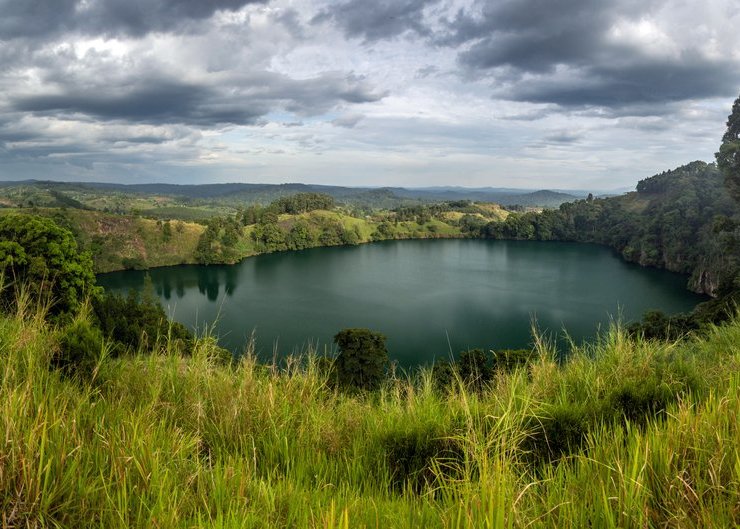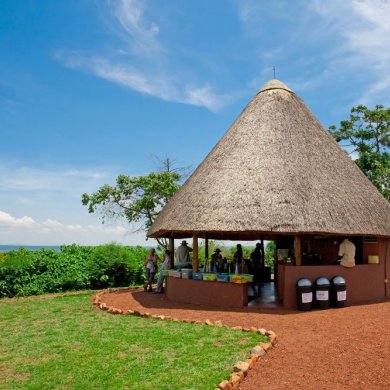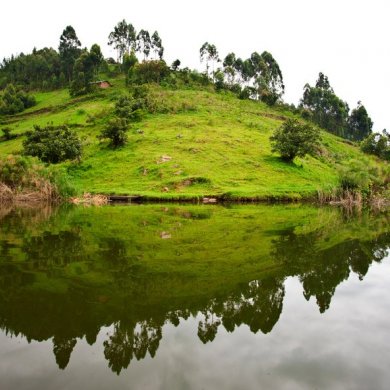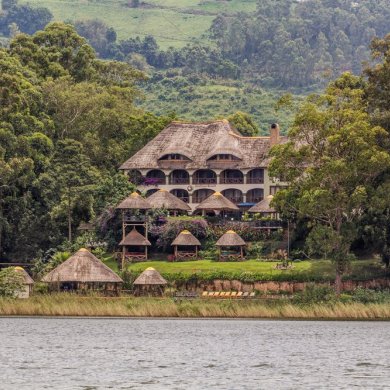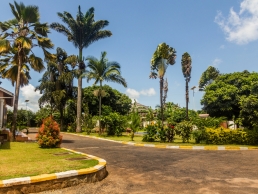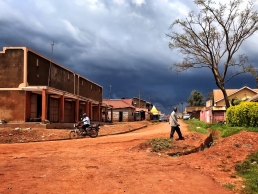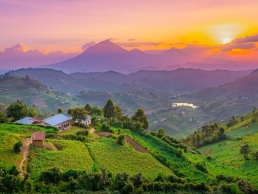
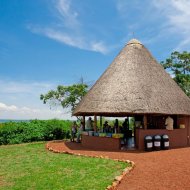
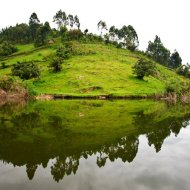
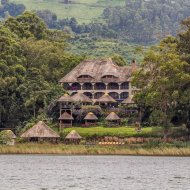
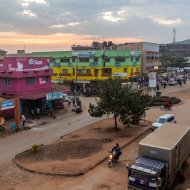
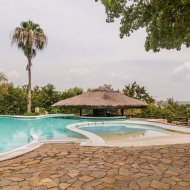
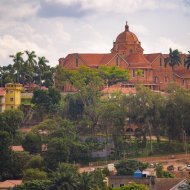
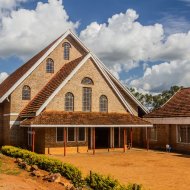
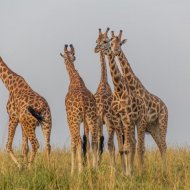
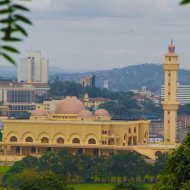
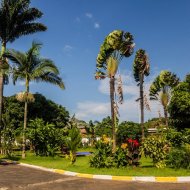
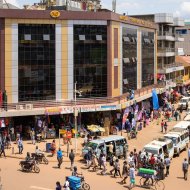
Фотогалерея ‒ Uganda

Guide to Uganda

Basic Information

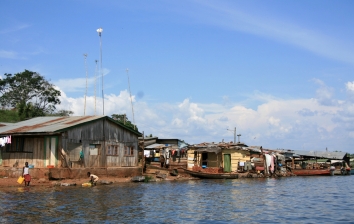
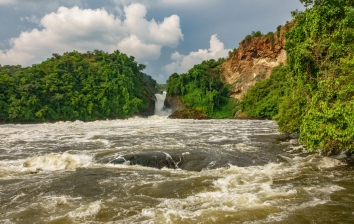
Uganda is located in East Africa and is landlocked, but this is offset by its many rivers and lakes. A significant portion of Lake Victoria’s basin lies within its borders, as do the headwaters of the White Nile.

Uganda is characterized by great natural diversity—from savannas and tropical forests to mountainous regions. It is considered one of the most biologically rich countries in the region and is home to many rare species of animals and birds.

The economy relies heavily on agriculture and tourism, and tourism infrastructure near national parks and major cities is actively developing.

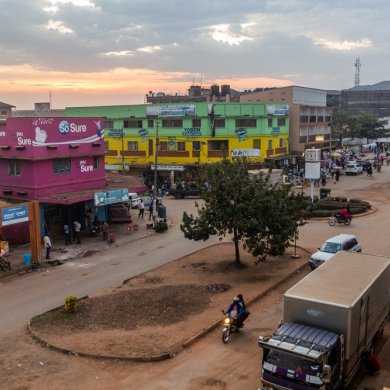
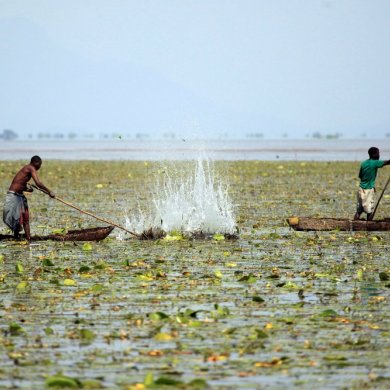
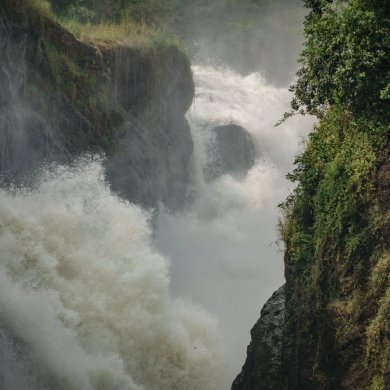
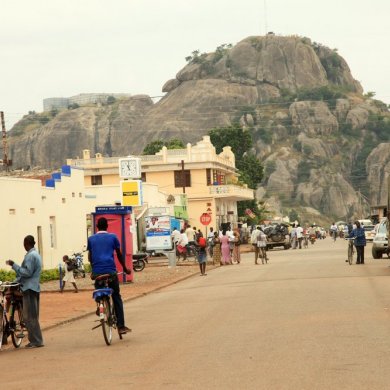
Photos of Uganda

Capital
Kampala
Language
English, Swahili
Currency
Ugandan shilling
Time zone
GMT +3
Population
51 380 000
Territory
241,038 km²

Dishes worth trying:

Matoke — mashed stewed green plantains, a traditional staple of the local cuisine.

Luvombo — meat or fish cooked with vegetables in banana leaves.

Rolex — a street food dish consisting of an omelet and vegetables wrapped in a flatbread.

Nyama Choma — meat grilled over charcoal.

Posho with sauces — сorn porridge with vegetable or meat toppings.

Things to do in to Uganda

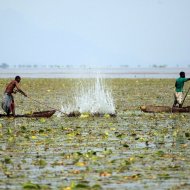
  • Take a boat ride on Lake Victoria.
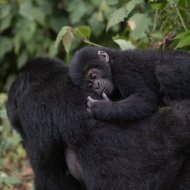
  • Watch chimpanzees in the Kibale forests.
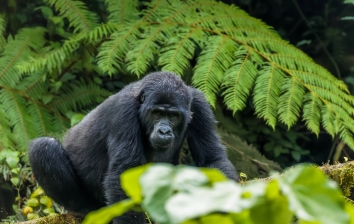
  • See mountain gorillas in their natural habitat.
  • Take a selfie with a rhinoceros.
  • Take a boat ride along the Kazinga Canal.
  • See the equator.

Tips

When planning an independent trip to Uganda, be sure to take current health requirements into account. For example, you will need a yellow fever vaccination certificate. It is recommended that you consult with your doctor in advance regarding malaria prevention and purchase comprehensive travel insurance.
When visiting national parks, use the services of licensed guides and tour operators. This is not only a matter of safety, but also a mandatory requirement for gorilla trekking. Independent travel within protected areas is prohibited. There are also restrictions on photographing animals.
Choose modest clothing for your trip to Uganda, especially in small towns and villages outside tourist areas. Please respect local culture and traditions.

Sights

The focus of this guide to Uganda is its natural attractions. The national parks here are fully functioning, living ecosystems. Many of these places require preparation and a guide, but in return offer truly unique experiences.

Uganda doesn’t offer quick tours, but it does allow you to truly immerse yourself in African life. That’s exactly why experienced travelers choose it.

Tours to Uganda

Tours to Uganda are primarily about nature and exploring the unique African wilderness. In the country’s numerous national parks, relaxation in the fresh air is combined with hiking trails, river cruises, and wildlife viewing. Uganda is famous not only for trekking to see mountain gorillas but also for chimpanzee watching in its forests.

Tourist trips to Uganda are not mass-market vacations at typical beach resorts. Most programs involve being accompanied by rangers and strict adherence to nature conservation rules. This is regulated by law here.

In addition to safaris, trips along the Nile are popular, especially in the Jinja area. Water sports enthusiasts will enjoy kayaking and rafting, while those seeking a peaceful getaway can visit lakeside resorts on the shores of Lake Victoria and Lake Bunyoni.

Eco-tourism is gradually developing in the country. Lodges and small hotels strive to minimize their environmental impact. For a city break, travelers head to Kampala, where museums, markets, restaurants, and cultural centers are concentrated. Even so, the capital remains fairly compact and not overrun with tourists. In any case, it’s best to plan your itinerary in advance, as this significantly affects the cost of a trip to Uganda.

Where to go to Uganda?

For a first visit to Uganda, it’s best to start in Kampala and the area around Lake Victoria. Bwindi and Kibale National Parks are popular destinations for primate trekking. Lake Bunyoni is considered one of the most picturesque places in the country.

Lake Mburo is perfect for a family vacation. Leopards, lions, and buffalo inhabit the nearby park. And in the Ziva Game Reserve, you can take a walk among rhinos. Queen Elizabeth National Park boasts lions, chimpanzees, and a variety of birds along the Kazinga Channel.

When to go to Uganda

The best time to visit Uganda is during the dry seasons, from December through February and from June through August. During these periods, rainfall is minimal, and roads and trails remain passable. Daytime temperatures typically range from 24°C to 28°C.

The peak tourist season falls during the summer months and winter holidays. During this time, the cost of a trip to Uganda is higher. During the rainy seasons, the landscape looks even greener, but getting around is more difficult.

Uganda in the spring

Spring in Uganda coincides with the first rainy season, and rainfall increases to 120–180 mm per month. Temperatures remain consistently high, but humidity rises significantly. Rainfall is brief but frequent. Traveling to Uganda in the spring requires some experience.

Uganda in the summer

Summer is considered relatively dry and comfortable, with average temperatures ranging from 23°C to 28°C. There is less rainfall and lower humidity than in spring. The roads become more passable, marking the start of the second trekking and safari season.

Uganda in the fall

Autumn in Uganda marks the start of the second rainy season. Humidity rises rapidly, but heavy downpours usually don’t last very long. The scenery is once again vibrant and spectacular, and there are fewer tourists than in the summer, making for a more relaxed travel experience. However, you should be aware of potential logistical challenges.

Uganda in winter

Winter in Uganda is one of the driest times of the year. Average temperatures range from 25°C to 30°C, and even the nights remain warm. The temperature rarely drops below 18°C. The water in Lake Victoria is warmed to 26°C. This is an excellent season for safaris and gorilla trekking.

Usefulness

The tripmydream service offers travelers helpful tips for trips to Uganda. This will help make your trip comfortable and safe.

Visa to Uganda

Citizens of the EU, and the U.S. are required to obtain an electronic visa to enter Uganda. It can be applied for online through the official government portal. The cost of a tourist visa starts at 50 USD.

Customs & Tax Free

The export of ivory and products made from protected species from Uganda is prohibited. There are quantity restrictions on the import of alcohol and tobacco. There is no official tax-free system for tourists in Uganda.

Travel by car

Driving in Uganda requires caution and considerable experience. Roads outside of cities can be in poor condition, and you need to take the natural terrain into account. It may be best to rent a car with a driver.

Phrasebook for tourists

English is widely spoken in tourist areas, which makes communication easier. In small towns and villages, it’s helpful to know basic greetings in the local languages and dialects, but there are quite a few of them, so it’s easier to get around with an offline translator.

Public transport and prices

The main forms of public transportation are minibuses and motorcycle taxis. They are affordable and inexpensive, but not always convenient for tourists. Schedules are very flexible, and comfort is minimal. For long-distance travel, there are intercity buses.

Events

Some of the events of interest to tourists include Independence Day in October, cultural and music festivals in Kampala, and religious holidays. Local festivals celebrating crafts and traditional cuisine take place throughout the year, so be sure to check the calendar.

tripmydream - travel service, that helps to find compare and buy best flights and rooms worldwide with the given budget. All necessary information for travelers - is right here!