Guide to Vanuatu
Basic Information
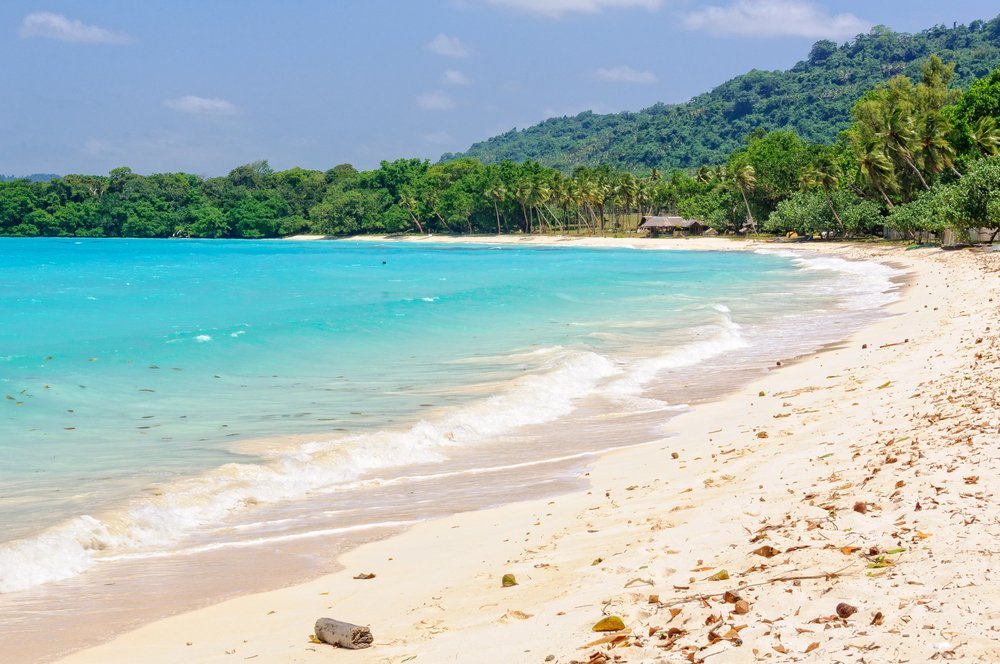
Vanuatu is an island nation in the southwestern Pacific Ocean, with its main transportation hub in Port Vila. The country is known for its volcanic origins, coral reefs, and blue holes, so itineraries typically include trips between Efate and several outer islands. <br><br> On the one hand, it is one of the first countries to ban plastic bags. On the other hand, in some villages, you can still pay with pigs as currency. <br><br> Traveling to Vanuatu is always an extraordinary experience for adventure seekers.
Photos of Vanuatu
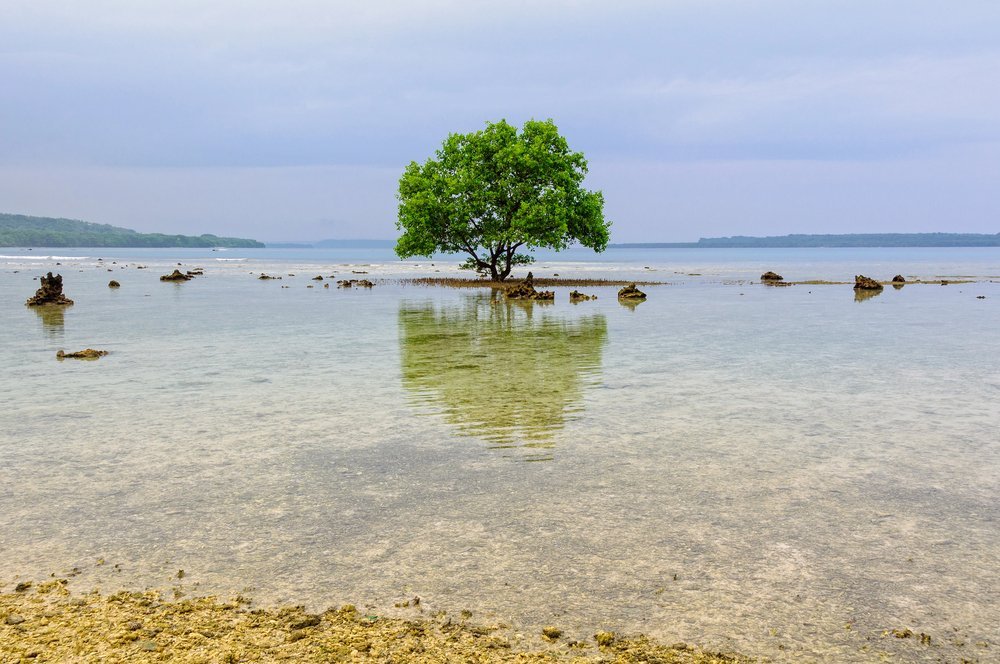
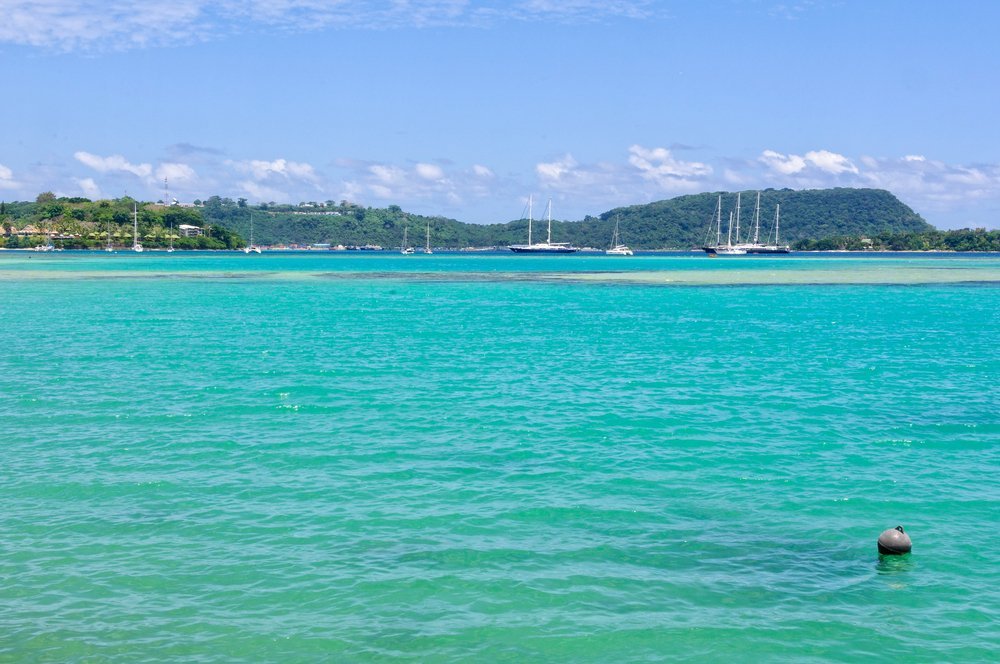
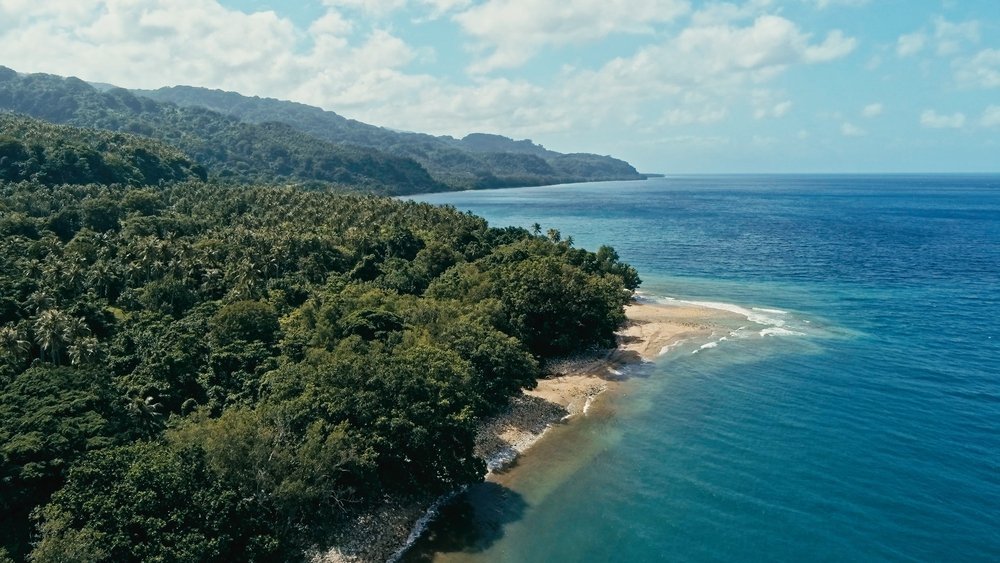
Sights


Tours to Vanuatu
To make the most of your vacation in Vanuatu, you first need to figure out what you’re looking for. Port Vila on Efate is a good place to start—it’s easier to get your bearings here when it comes to accommodations, transportation, and money, and to take short trips around the island. After that, people usually choose one island for a specific purpose—the volcano on Tanna, diving and beaches on Espiritu Santo, or cultural trips to the small islands near Efate.
Snorkeling requires good visibility and calm seas, but otherwise it’s available almost everywhere. Diving in the Vanuatu islands is closely tied to military history. And if you’re looking for something less extreme, you can always relax peacefully in a quiet cove.
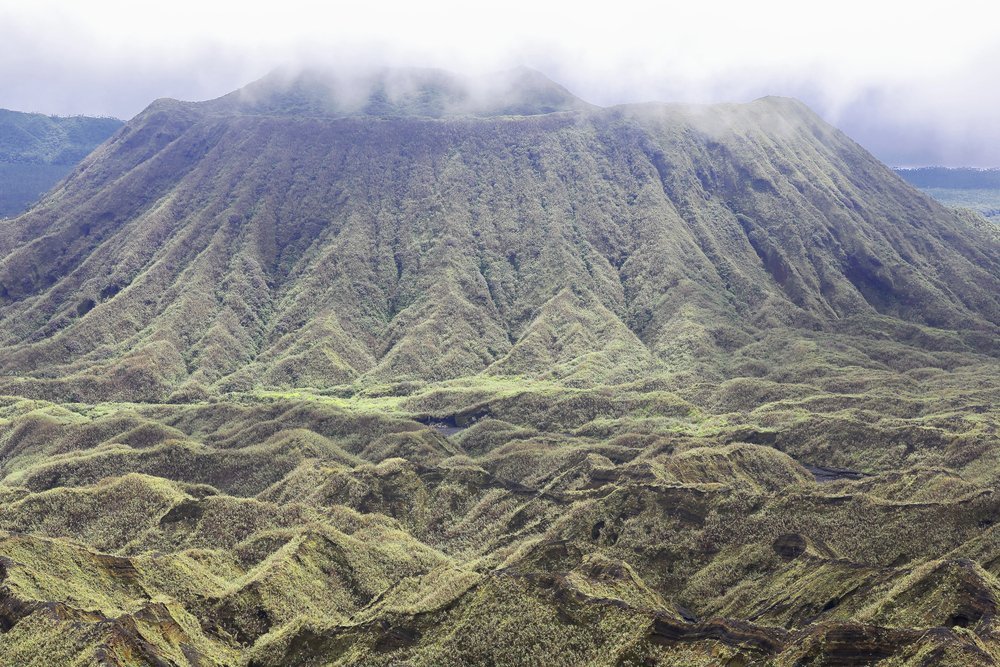
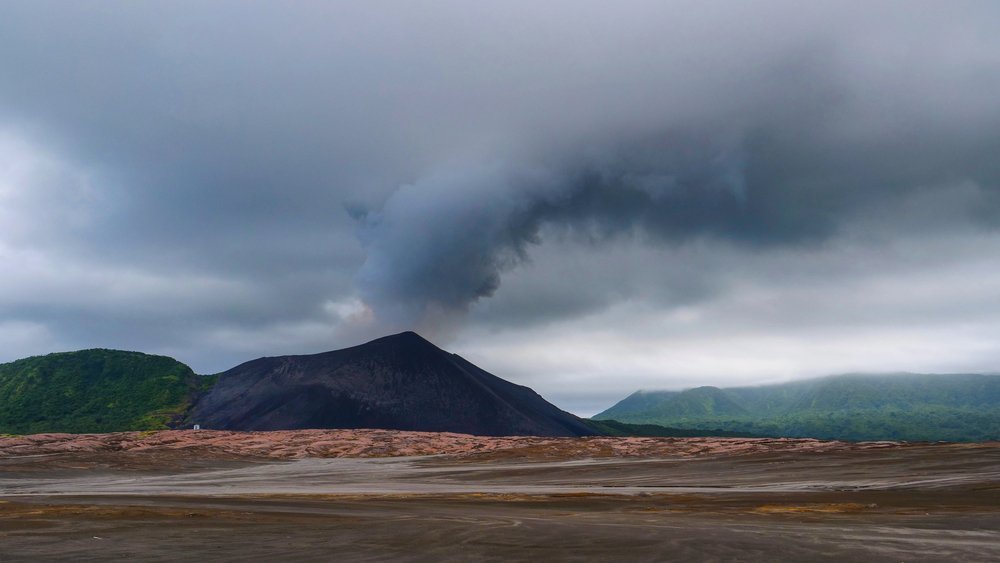
A trip to the local volcanoes offers a rare opportunity to see an active crater with a relatively short climb. It’s important to go only with local guides and make safety decisions on the spot, as access may be restricted due to changes in volcanic activity.
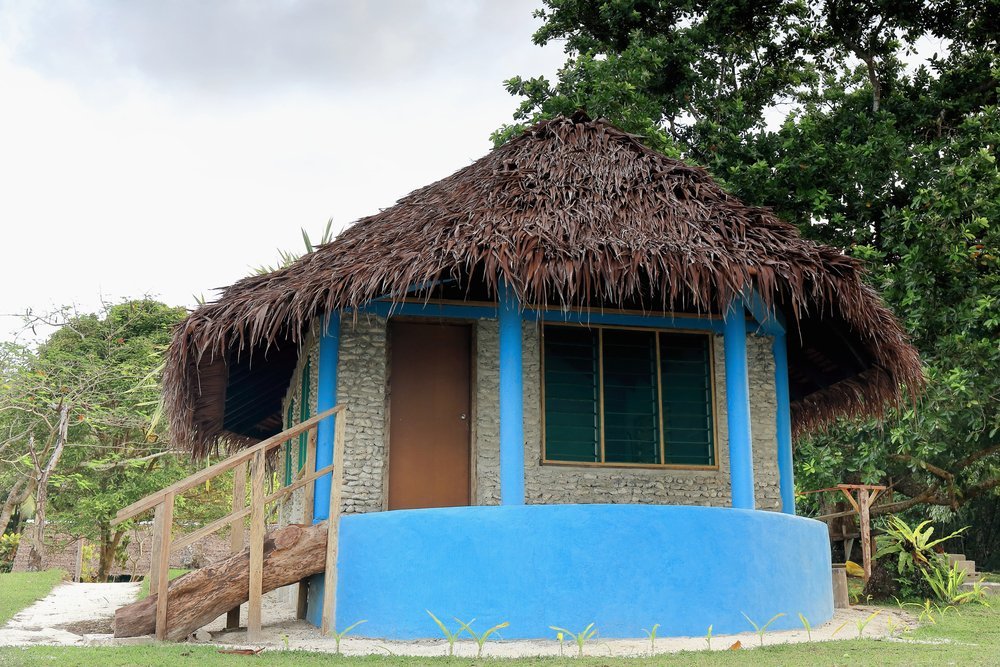
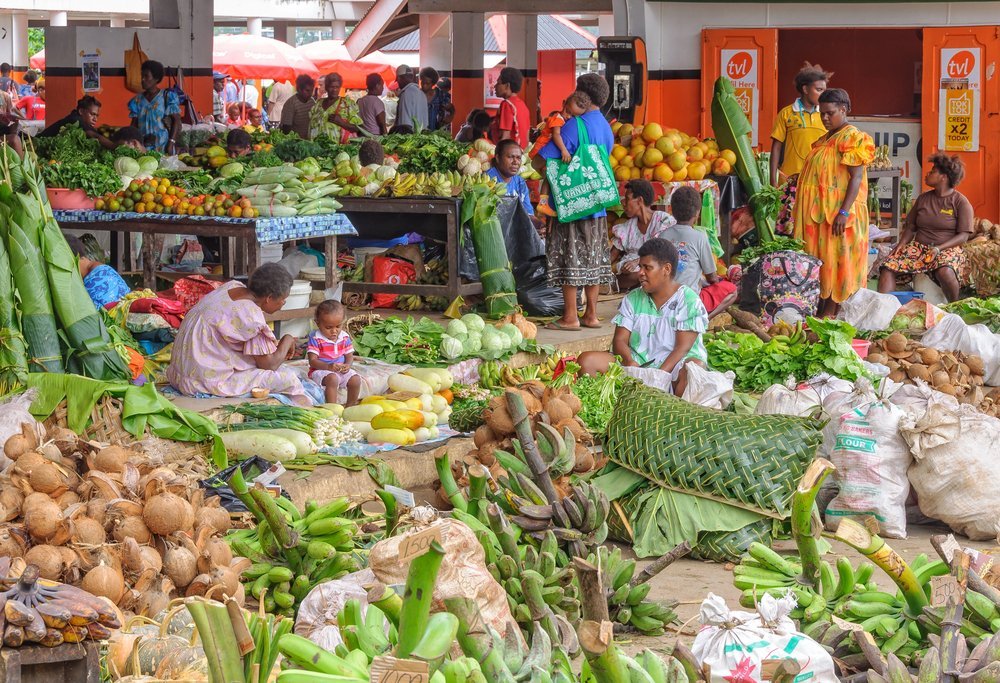
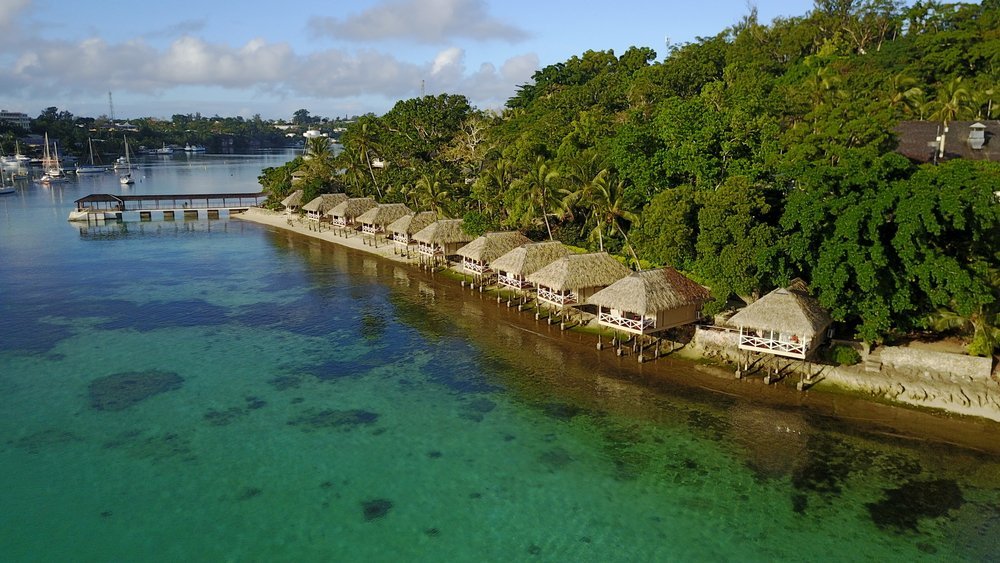
Accommodation options are quite diverse—ranging from city hotels in Port Vila to bungalows and eco-lodges on the islands, or simple fales by the water. In some regions, electricity and internet are limited, and generators run on a schedule, so a flashlight and a power bank will come in very handy. The staple diet consists of fish, coconuts, taro, and seasonal fruits. On the outlying islands, meals are simpler but very fresh. It’s best to view the complex logistics as an integral part of the experience rather than a challenge.
Where to go to Vanuatu?
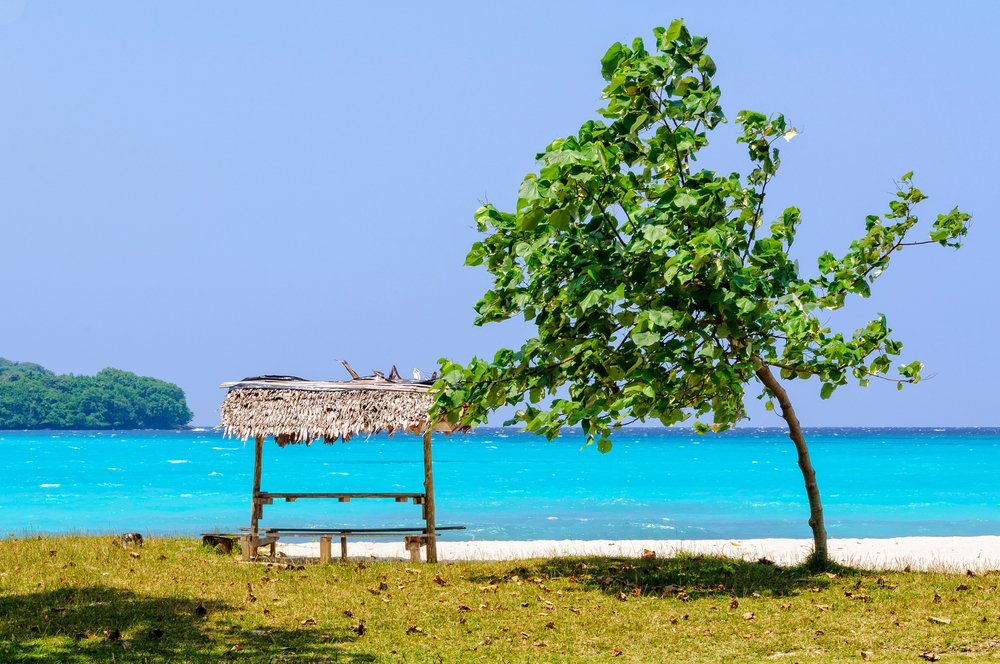
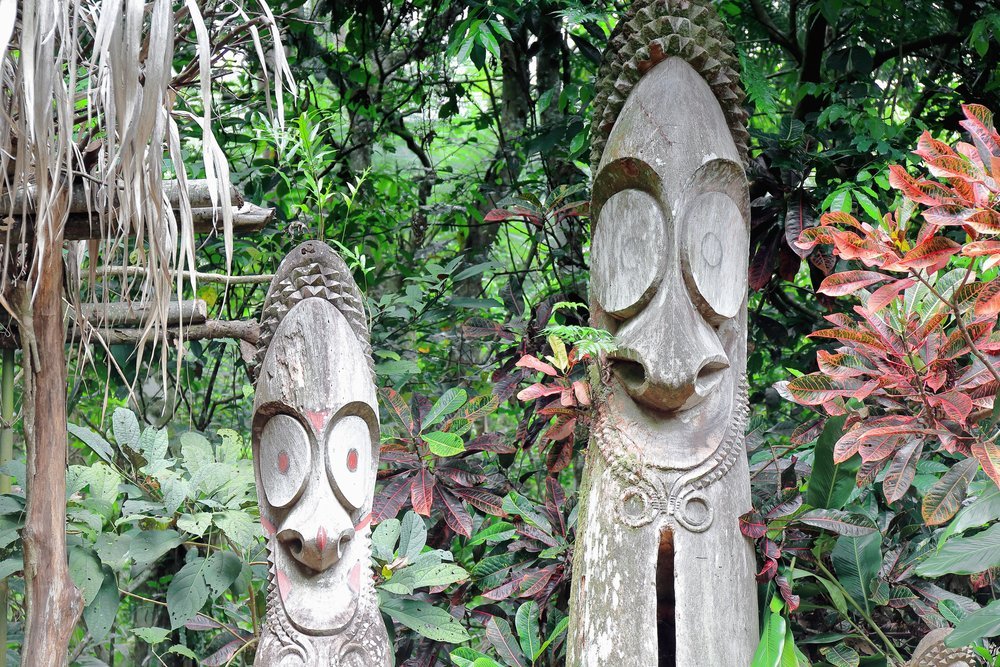
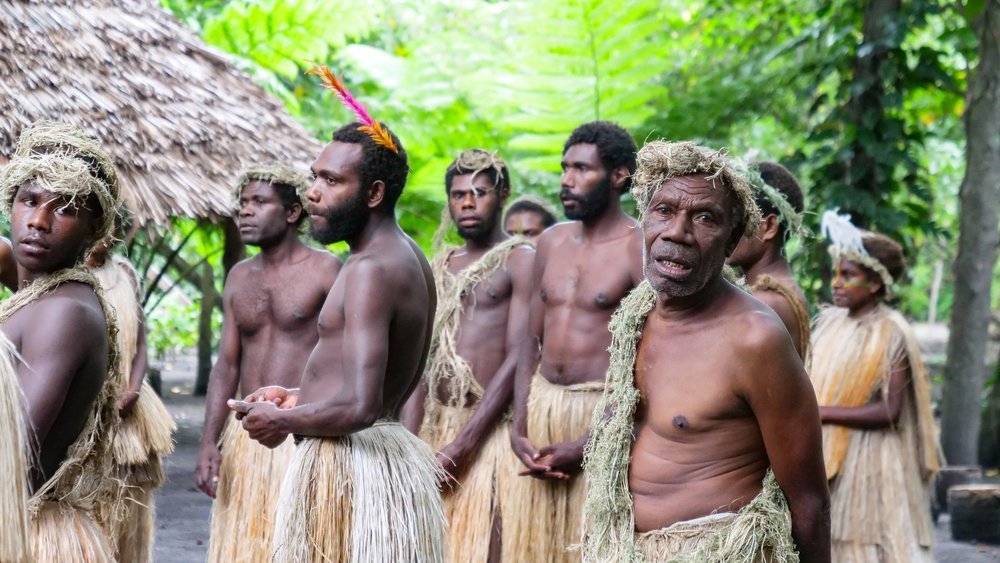
For snorkeling and diving, it’s best to fly to Espiritu Santo to dive down to the sunken liner “President Coolidge.” Mystery Island is a true postcard-perfect paradise. The village of Ekasup will introduce you to the ancient customs of the Melanesians, and the Millennium Cave will amaze even seasoned adventurers.
When to go to Vanuatu

Vanuatu in spring

Vanuatu in summer

Vanuatu in fall

Vanuatu in winter
Usefulness
Visa to Vanuatu
Citizens of most countries may stay in Vanuatu for up to 90 days within a six-month period without a visa. Visa-free entry also applies to citizens of the United States and EU countries.
Customs & Tax Free
There are no restrictions on bringing cash into the country, but amounts exceeding 1,000,000 VUV must be declared. A limited quantity of alcohol and tobacco for personal use may be brought in duty-free. It is prohibited to export rare animals, corals, and products made from them without a permit. The duty-free system is not well-developed.
Travel by car
On Efate and Santo, it’s easier to get around in a rental car so you can reach all the interesting beaches and waterfalls. Traffic drives on the right, and the roads are narrow and unlit in places, so it’s best to plan your return trip before sunset.
Phrasebook for tourists
In Vanuatu, people speak Bislama, English, and French, but in Port Vila and tourist areas, English is usually sufficient. On the outer islands, it’s easier to point to a location on a map or show an address in writing.
Public transport and prices
Local minibuses run in Port Vila and around Efate, but schedules are flexible and depend on passenger volume. Be sure to agree on taxi fares before your trip. Travel between islands relies on domestic flights and ferries, which are subject to weather conditions and may be rescheduled.