Фотогалерея ‒ Zambia

Guide to Zambia

Basic Information

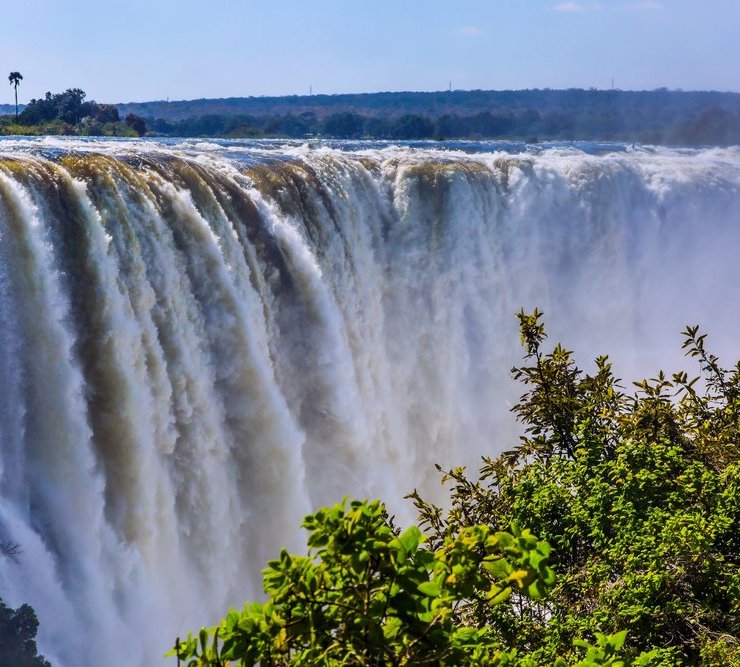
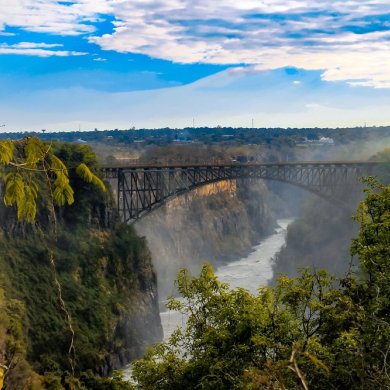
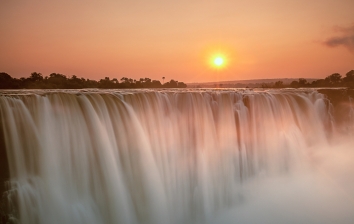
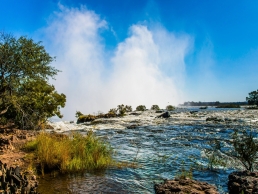
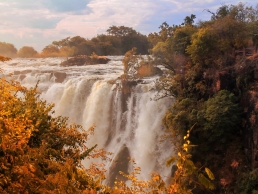
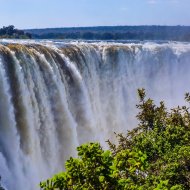
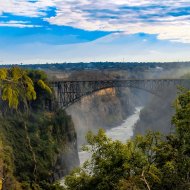
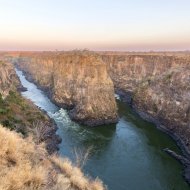
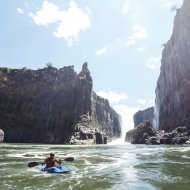
Zambia is located on a plateau and has no access to the sea, but it is part of the basins of two massive rivers—the Zambezi and the Congo. The famous Victoria Falls is located on the Zambezi River, on the border with Zimbabwe.

The territory of modern-day Zambia was inhabited as early as thousands of years before Christ. In the 18th century, Portuguese traders arrived here, and later, under British rule, rich deposits of copper and polymetallic ores were developed. The country is also rich in other minerals. The main transportation hub is the capital, Lusaka.

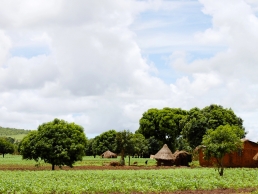
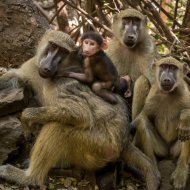
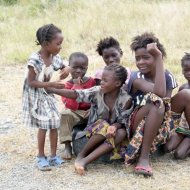
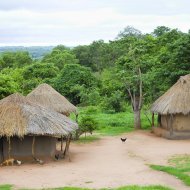
Photos of Zambia

Capital
Lusaka
Language
English
Currency
Zambian kwacha
Time zone
GMT +2
Population
21 000 000
Territory
752,614 km²

Dishes worth trying:

Nshima — a thick corn porridge, served with meat or vegetables.

Chikanda — a dish made from orchid roots and peanuts, resembling a dense cake.

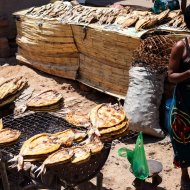
Kapenta — small dried fish, often fried or stewed.

Ifisashi — a stew made with leafy greens and vegetables in a spiced peanut sauce.

Grilled game — meat from antelope or other game, cooked over an open fire.

Things to do in to Zambia

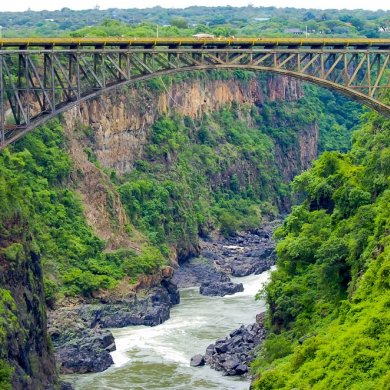
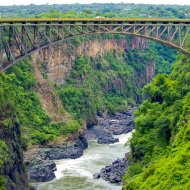
  • Walk across the Knife-Edge Bridge and see the waterfall just a stone's throw away.
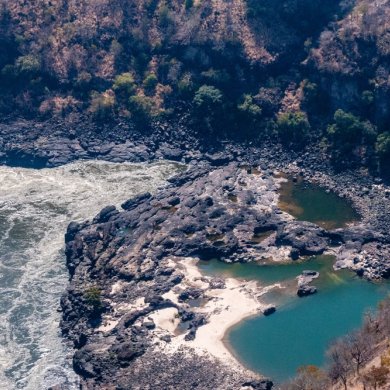
  • Take a dip in the natural Devil's Pool at the edge of the waterfall.
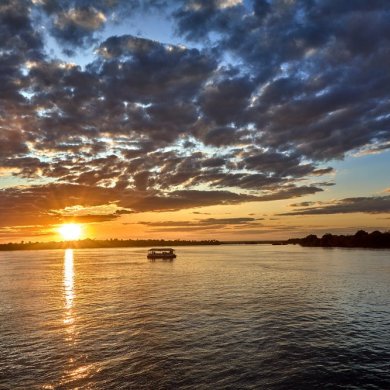
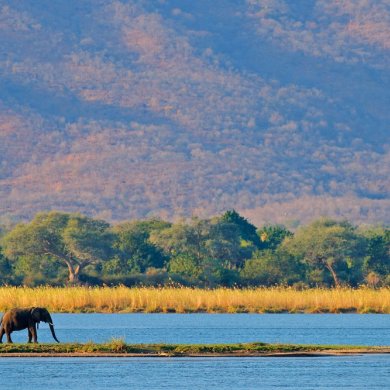
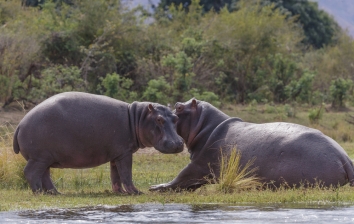
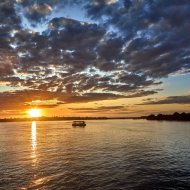
  • Watch the hippos come ashore on the Zambezi River at sunset.
  • Learn about the initiation ceremonies of the Bemba people.
  • See bat colonies during their seasonal migration.
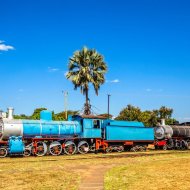
  • Take a ride on the vintage TAZARA train along the historic railway.

Tips

If you’re planning to travel to Zambia independently, you’ll need to take certain health precautions. The region is classified as a malaria risk area, so you should discuss preventive measures with your doctor and bring insect repellent, long-sleeved clothing, and a first-aid kit. Drink only bottled water, and make sure your insurance covers outdoor activities and potential evacuation from remote areas.
Plan your safari with the season and the specific park in mind. During the dry months, animals tend to gather near water sources, making them easier to spot, while during the rainy season, roads can become washed out and some routes may be closed. Check the details of your accommodations and transfers in advance, especially if the lodge is accessible only by small plane or river.
While touring Zambia, please follow the rules of conduct in the parks. Do not get out of the vehicle without the guide’s permission, keep your distance from the animals, and do not feed them. During walking safaris, carefully follow the ranger’s instructions. In the evenings at the lodges, do not walk around unaccompanied—wild animals may approach the area.

Sights

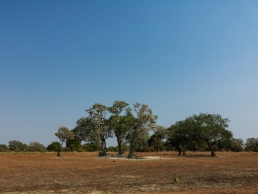
While a guidebook to Zambia may not feature dozens of architectural landmarks, it does boast stunning natural beauty. Exploring the parks takes time, distances across the country are vast, and logistics depend on the weather, so it’s best to select a few key destinations in advance and give yourself time to fully experience them.

The highlights of any trip to Zambia are the waterfalls, national parks, and the Zambezi River.

Tours to Zambia

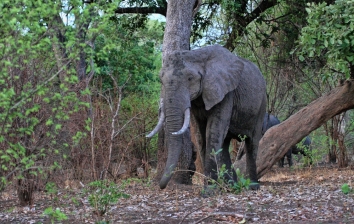
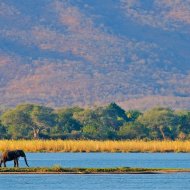
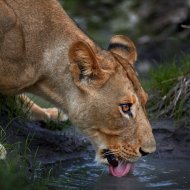
A trip to Zambia is all about nature, not urban infrastructure. The main attraction is safaris, and the country is considered one of the best destinations for those looking to avoid overcrowded parks. Both classic 4x4 safaris and guided walking safaris are popular here, offering a different way to experience the surroundings. This format requires attentiveness and discipline, but offers a deeper immersion in the atmosphere.

Water activities are the second most popular. The Zambezi River offers world-class rafting, especially near Victoria Falls, where the rapids are considered among the most powerful. Boat trips, fishing, and wildlife viewing from the water are also available. When calculating the cost of a trip to Zambia, be sure to factor in these main activities right away.

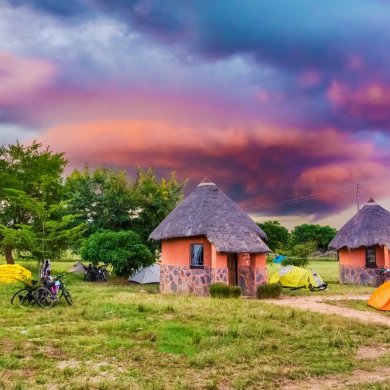
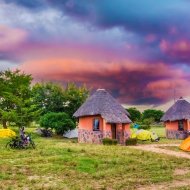
Accommodations in the country are most often lodges and camps located in natural areas. The level of comfort depends on the specific location. In remote areas, electricity and communication may be intermittent, which is worth considering in advance.

For those who prefer a more relaxed vacation, the Victoria Falls region is ideal, offering a combination of walks, excursions, and infrastructure. Extreme activities are also available here, including bungee jumping and helicopter flights.

Traveling within the country takes time—roads aren’t always in perfect condition, and the distances between parks are significant. A trip to Zambia is suitable for those who aren’t afraid of roughing it. There’s less mass tourism here, but more space and tranquility.

Where to go to Zambia?

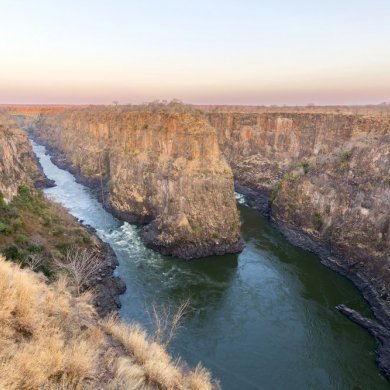
In addition to the most popular tourist destinations, Zambia has other interesting places to visit. For example, the Ngoni Falls cascade downstream on the Zambezi River is just as beautiful as Victoria Falls. Nearby is Sioma Ngwezi National Park.

Kafue National Park—the largest national park in the country and the second largest in all of Africa—is located 200 km from Lusaka. Lake Tanganyika, on the border with Tanzania, Congo, and Burundi, attracts visitors not only for its scenery but also for fishing. And for history and museum lovers, head straight to the city of Livingstone or Maramba.

When to go to Zambia

Zambia has a subequatorial climate, with distinct cool, hot, and wet seasons. The best time to visit depends on your purpose. The dry season, from May to October, is considered the peak season and the best time for safaris. The grass is shorter, animals gather around water sources, and there is little rainfall.

The rainy season lasts from roughly November through April. Roads become muddy, making it harder to spot wildlife, but nature is particularly vibrant, and the waterfalls are at their fullest. Victoria Falls is at its peak from March through June.

Zambia in the spring

In spring, specifically in September and October, temperatures rise—reaching up to 35°C during the day. Before rain, temperatures can even hit 38°C. Rainfall is rare, with up to 20 mm. This marks the end of the dry season, so animals gather around the remaining water sources, making them easier to spot. Victoria Falls has a lower flow, but visibility is better.

Zambia in the summer

Summer, from December through February, is the rainy season. Temperatures remain stable and don’t drop too much even at night, but rainfall can reach 250 mm per month. Showers are more common in the afternoon. Safaris are more challenging due to logistical issues, but the lush greenery and water bodies make up for it.

Zambia in the fall

In the fall, from March through April, the rains gradually subside. Temperatures range from 26°C to 28°C, and precipitation drops to 20–40 mm. Victoria Falls is impressive for its volume of water and the mist hanging over the gorge, while the rivers are at their fullest. However, there are fewer people around at this time.

Zambia in winter

Winter in Zambia lasts from June to August, as it does throughout the Southern Hemisphere. It is dry and mild, with daytime temperatures ranging from 22°C to 25°C. At night, temperatures can drop to 6°C. This is the best time for safaris, as the roads are passable even in remote parks, making it easier to spot wildlife.

Usefulness

The tripmydream service has put together a short list of tips to help you plan your trip more effectively and calculate the cost of your trip to Zambia more accurately.

Visa to Zambia

Citizens of the United States, and the EU can apply for a visa online or upon arrival. A single-entry visa costs $25. Some countries are on the visa-waiver list, but it is best to check the current list before traveling.

Customs & Tax Free

Customs imposes restrictions on the import of alcohol, tobacco, and certain goods. You may bring in up to $500 in cash duty-free, and up to $2,000 subject to duty. There is no tax-free system for tourists, and VAT refunds are not available.

Travel by car

Car rentals are available in major cities, but for trips to national parks, people usually opt for a car with a driver. Roads outside of cities can be challenging, especially during the rainy season. The average rental price is about 1,200 ZMW per day.

Phrasebook for tourists

The official language is English, which makes communication much easier for tourists. Local languages are also spoken in everyday life, but communication is generally not a problem in tourist areas. Outside of cities, we recommend speaking simply and clearly.

Public transport and prices

Public transportation consists of buses and minibuses that connect cities. Within cities, minibuses and taxis are popular. For tourists, organized transfers or car rentals are more convenient, especially when traveling to national parks.

Events

The most interesting events for visitors to Zambia are the ethnic and cultural festivals. For example, Kuomboka—a traditional festival of the Lozi people featuring a ceremonial water procession of the king—or Ncwala—a ceremony of the Ngone people featuring dances and rituals. Be sure to check the calendar.

tripmydream - travel service, that helps to find compare and buy best flights and rooms worldwide with the given budget. All necessary information for travelers - is right here!