Фотогалерея ‒ Zimbabwe

Guide to Zimbabwe

Basic Information

Zimbabwe is located in southern Africa, bordered by Zambia, Mozambique, South Africa, and Botswana. The country is landlocked but boasts an extensive river network, which includes numerous tributaries of the Zambezi River. The highest point is Mount Iyanganani, at 2,582 meters.

The economy has experienced ups and downs, including the severe economic crisis of 2008, which led to the abandonment of the national currency—the Zimbabwean dollar. At the same time, the country is renowned for its rich sporting history—in soccer, cricket, rugby, golf, tennis, and basketball.

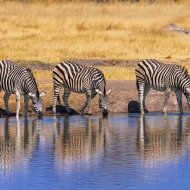
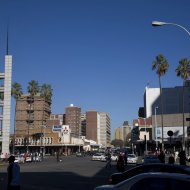
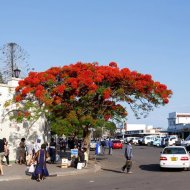
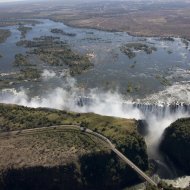
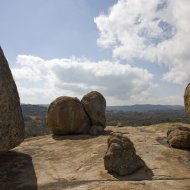
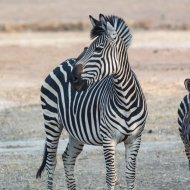
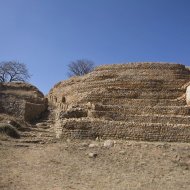
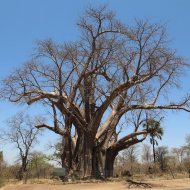
Photos of Zimbabwe

Capital
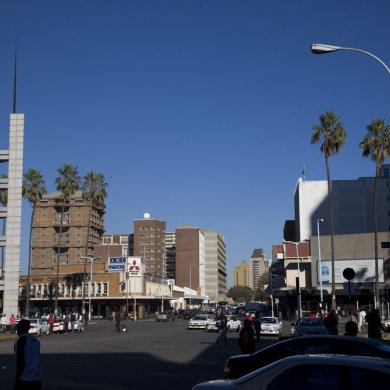
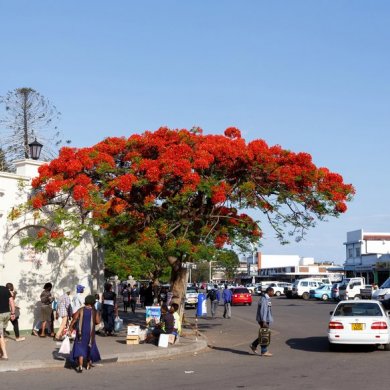
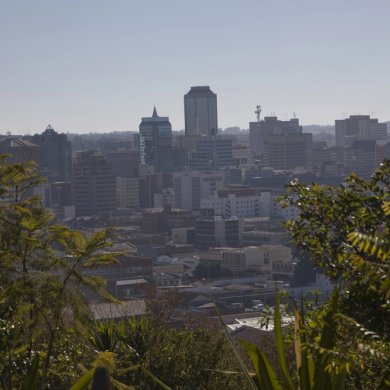
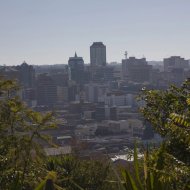
Harare
Language
English, Shona, Ndebele, and 13 other local languages
Currency
U.S. dollar, Zimbabwean ZiG
Time zone
GMT +2
Population
16 950 000
Territory
390,757 km²

Dishes worth trying:

Sadza — corn porridge, served with meat, vegetables, or sauces.

Grilled Nyama — beef or game cooked over an open fire.

Kapenta — small lake fish, usually fried or dried.

Dovi — meat or chicken in a thick peanut sauce.

Whawha — traditional corn beer, which is most often brewed for holidays.

Things to do in to Zimbabwe

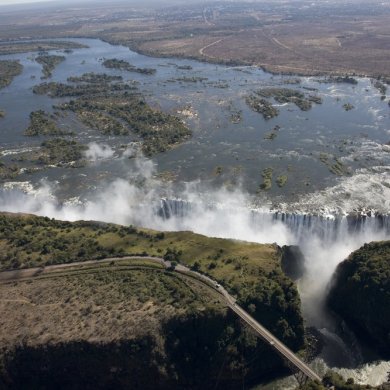
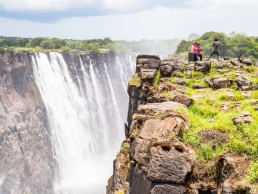
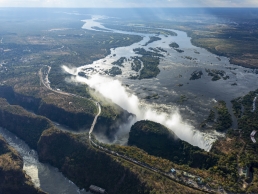
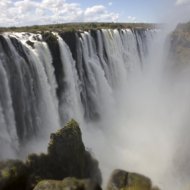
  • See the rainbow over Victoria Falls from a helicopter.
  • Take part in the traditional ceremonies of the Shona people.
  • Hear mbira music performed live
  • Try saza with crocodile meat at one of the restaurants near the Zambezi River.
  • Go fishing for tigerfish in Lake Kariba.
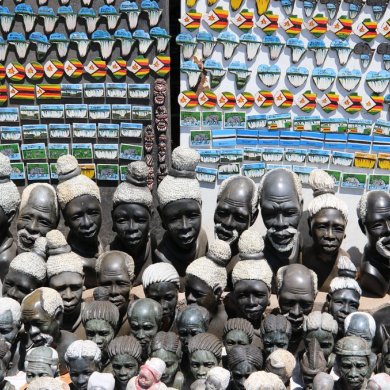
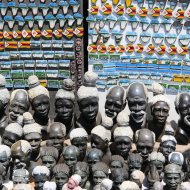
  • Visit a local stone sculpture workshop in Harare.

Tips

When planning a trip to Zimbabwe, keep in mind how the season affects travel logistics. The dry months are best for safaris, while the wet months are best for waterfalls. However, during the rainy season, some roads become impassable, so you’ll need to allow extra time for travel. Check in advance how you’ll get to the lodge—sometimes it involves a small-plane flight or a long transfer.
Plan your budget in advance. This will not only help you calculate more accurately how much your trip to Zimbabwe will cost, but also prepare you for dealing with multiple currencies in the country. Keep some of your money in small bills for tips, transportation, and small purchases. ATMs are available in major cities, but they may be unreliable, and card payments aren’t accepted everywhere.
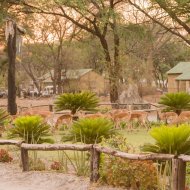
Strictly follow safety guidelines in national parks. Do not get out of the car without the guide’s permission, do not approach the animals, and do not feed them. In the evenings at the lodges, move around only when accompanied by a guide—animals may wander onto the grounds. During walks, keep your distance and follow the rangers’ instructions without question.

Tours to Zimbabwe

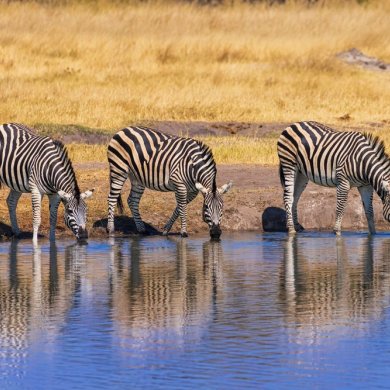
A vacation in Zimbabwe revolves around nature and a modest yet well-organized infrastructure. The main attraction is safaris of all kinds, but the area is less crowded and generally more peaceful compared to some neighboring destinations. In the national parks, you’ll more often encounter small groups and attentive guides, which makes wildlife viewing more comfortable.

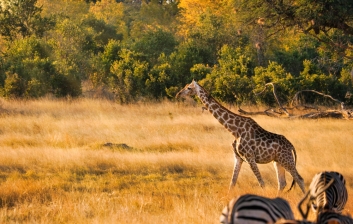
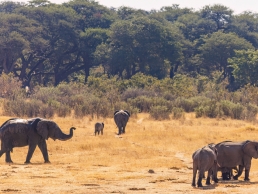
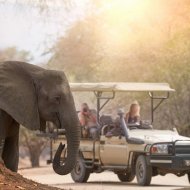
Safaris come in various formats. The classic option involves off-road vehicle tours with stops at watering holes and open savanna areas. Some parks offer walking safaris, where you study animal tracks, behavior, and ecosystem features. This option requires discipline and a willingness to follow the ranger’s instructions.

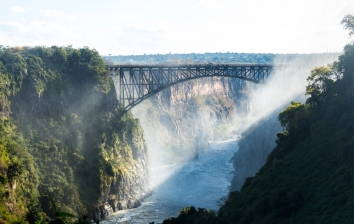
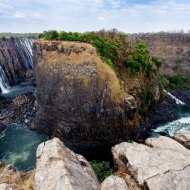
The highlight of any travel guide is Victoria Falls, and the surrounding region offers plenty of outdoor activities. Here you can go whitewater rafting on the Zambezi River, bungee jumping, helicopter tours, and walks along viewing platforms. The infrastructure is better developed than in the rest of the country, making this a good place to start or end a trip to Zimbabwe.

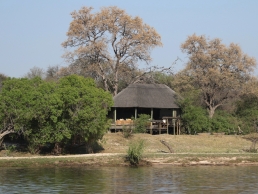
Accommodations range from lodges of various levels. Many are located near parks or right inside them. This allows you to observe animals directly from the hotel grounds, but requires adherence to safety rules.

Logistics aren’t the simplest, and the distances are significant, which is one of the main factors affecting the cost of a trip to Zimbabwe. Domestic flights help reduce travel time, especially if you’re combining visits to several parks. But be sure to allow extra time for potential delays.

Where to go to Zimbabwe?

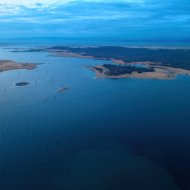
Lake Kariba, located near the border with Zambia, is another must-see destination. It is the world’s largest reservoir by volume, built to serve the Kariba Hydroelectric Power Station, which supplies energy to both countries.

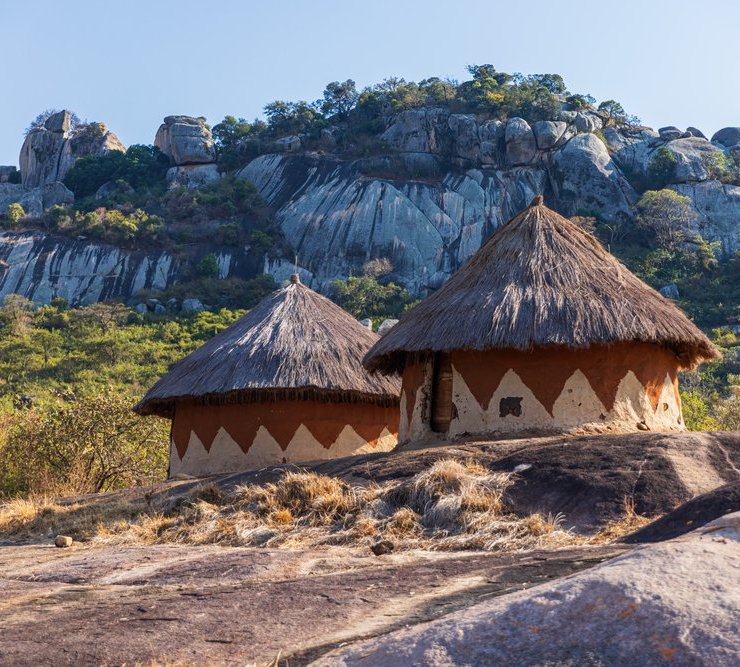
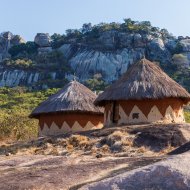
Those who prefer a more secluded getaway will enjoy Mana Pools National Park for walking safaris. Vehicle access is restricted here, and a licensed guide is required. Another popular national park is Matobo, featuring granite cliffs and caves with rock art. Gonareju Park is unique for its red cliffs and deep canyons.

When to go to Zimbabwe

The best time to travel to Zimbabwe is during the dry season, from May through October. During this time, the grass is shorter, animals congregate around water sources, and safaris become more productive and interesting. The weather is more comfortable, there is less rainfall, and road conditions are better.

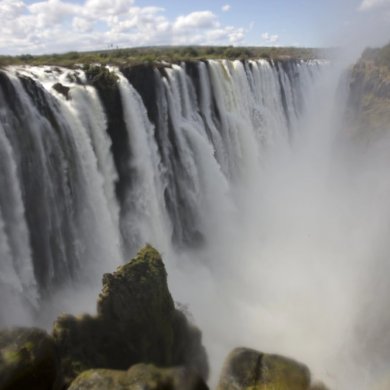
The rainy season lasts roughly from November to April. During this time, nature becomes green and vibrant, but some roads may be difficult to access, and wildlife viewing becomes more challenging. For Victoria Falls, the peak flow occurs at the end of the rainy season. That is when it looks most spectacular.

Zimbabwe in spring

In September and October, the heat intensifies and temperatures rise to 35°C or even higher. Rainfall remains scarce—up to 15–20 mm per month. Victoria Falls has a lower flow, but the mist doesn’t obscure the view, and the panoramas are particularly spectacular. However, the rainy season begins in November.

Zimbabwe in summer

Summer in Zimbabwe lasts from December to February. Temperatures gradually drop to 25°C during the day and 18°C at night. There is plenty of rainfall—100–200 mm per month—with possible thunderstorms. The landscapes become more vibrant, but some dirt roads get washed out. Safaris are less predictable, but this is the best time for birdwatching.

Zimbabwe in autumn

Autumn in Zimbabwe lasts from March to April. In April, rainfall drops to 30–50 mm, and temperatures fall slightly. Rivers and Victoria Falls remain full-flowing after the rainy season. There are fewer tourists than in summer or during the height of the dry season, so you can explore without the crowds.

Zimbabwe in winter

Winter in Zimbabwe lasts from June to August, and it is dry and sunny here. Daytime temperatures range from 20°C to 24°C, while nighttime temperatures can drop as low as 8°C. There is almost no rainfall—less than 5 mm per month. This is the peak season for safaris in Hwange and Mana Pools, as animals gather around waterholes and the dry conditions don’t hinder travel.

Usefulness

The tripmydream service has put together a short list of tips to help ensure that even a self-guided trip to Zimbabwe goes smoothly.

Visa to Zimbabwe

To enter Zimbabwe, you can apply for an e-visa online. The cost starts at 30 USD for a single-entry visa. An alternative option is to obtain a visa upon arrival at international airports and official land border crossings. The cost is the same. The KAZA Univisa (Zimbabwe and Zambia) is also available for approximately 50 USD.

Customs & Tax Free

There is no limit on the amount of currency you can bring into the country when declaring it, but there are restrictions on alcohol, tobacco, and certain goods. Permits are required to export antiques and certain souvenirs of natural origin. There is no tax-free program for tourists.

Travel by car

Car rentals are available in major cities and through tour operators. Roads are generally passable, but there may be difficult sections in rural areas and national parks. It is often more convenient to hire a car with a driver.

Phrasebook for tourists

The official language is English, which makes the country a convenient destination for travelers. Local languages are also spoken in everyday life, but there are usually no communication issues in tourist areas.

Public transport and prices

Buses run between cities, covering the main routes. Within cities, taxis and minibuses are popular. For tourists, transfers or car rentals are more convenient, especially when traveling to national parks.

Events

The most interesting events for visitors to Zimbabwe include Independence Day in April, the Harare Arts Festival featuring music and theater, and the music festival at Victoria Falls.

tripmydream - travel service, that helps to find compare and buy best flights and rooms worldwide with the given budget. All necessary information for travelers - is right here!