Chinese cuisine is not a single tradition, but a whole family of regional culinary schools, each with its own history, techniques, and flavors. From spicy Sichuan specialties to the delicate Cantonese philosophy of pure flavor—in Chinese cuisine, every dish tells a story about the region’s geography, climate, and culture. We’ll explore 30 signature dishes—dumplings, soups, main courses, rice, baked goods, and desserts—that shape the global image of Chinese cuisine.
Inspiration
Chinese Cuisine: 30 Must-Try Dishes
A Complete Guide to Chinese Cuisine: Xiaolongbao, Peking Duck, Mapo Tofu, and 27 Other Traditional Dishes. Learn what they’re made of, how to eat them, and where to start exploring China’s regional culinary traditions.
03 october 2026
AUTHOR: Kateryna Lindt
0
18 min
Folks, don't forget that we have an extremely comfortable iOS application in App Store
Please try it!

Kateryna Lindt
I write routes the way I would advise a friend before a trip - nothing superfluous, just proven and at a comfortable pace.
 ©
depositphotos
©
depositphotos
Photo author - VadimVasenin
What Makes Chinese Cuisine Special
There is no such thing as “Chinese cuisine” as a single, unified entity. The classic classification is based on eight major culinary traditions: Shandong, Sichuan, Cantonese, Jiangsu, Fujian, Zhejiang, Hunan, and Anhui. The main dividing line runs between the north and the south. In the south, the diet is based on rice and seafood; in the north, it’s wheat: noodles, steamed buns, and dumplings. Northern cuisine is thicker and saltier, while southern cuisine emphasizes the freshness of ingredients and uses minimal sauces.
Basic cooking techniques include stir-frying in a wok over high heat, steaming, and slow simmering. The flavor profile is built around soy sauce, rice wine, ginger, garlic, green onions, fermented bean pastes, and rice vinegar. Sichuan cuisine is characterized by “ma”—a combination of the burning heat of chili peppers and the numbing sensation of Sichuan peppercorns (huajiao), which creates a tingling sensation rather than heat. In Cantonese cuisine, on the other hand, there is almost no heat, and each ingredient retains its own distinct flavor.
Dumplings and dim sum
 ©
depositphotos
©
depositphotos
Photo author - ronniechua
 ©
depositphotos
©
depositphotos
Photo author - serezniy
 ©
depositphotos
©
depositphotos
Photo author - AntonMatyukha
 ©
depositphotos
©
depositphotos
Photo author - tiffanyqq2002@gmail.com
 ©
depositphotos
©
depositphotos
Photo author - jianghongyan
 ©
depositphotos
©
depositphotos
Photo author - michaeljung
 ©
depositphotos
©
depositphotos
Photo author - tsuguliev
Xiaolongbao
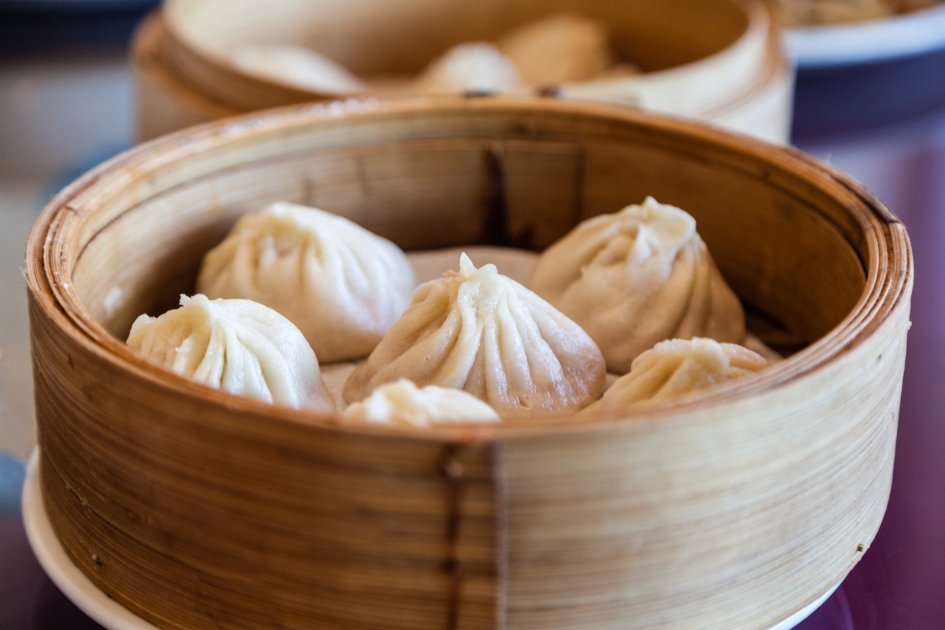
Thin steamed dumplings filled with meat and hot broth, served in bamboo steamers. They originated in Changzhou, Jiangsu Province, but outside of China, the Shanghai Nanshang version is the most famous. The filling consists of ground pork, sometimes mixed with crab meat or shrimp. The broth is poured into the filling in the form of a gelatinous substance during shaping, which becomes liquid when steamed. They are eaten carefully: first, you take a bite and sip the hot broth through the opening, then you eat the wrapper with the filling. This is a festive dish and a staple of “yam cha”—the Cantonese tradition of morning tea with snacks.
Jiaozi
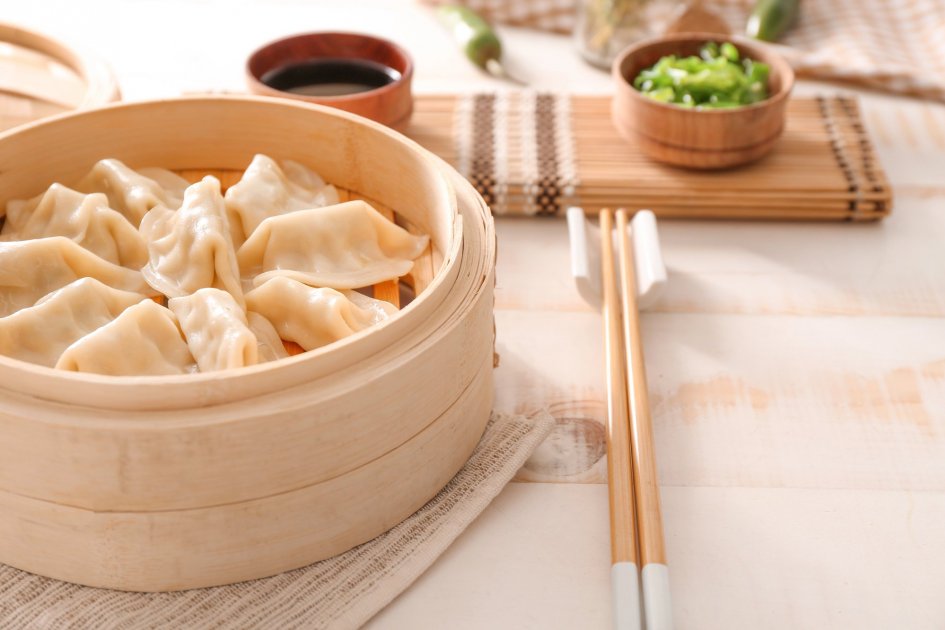
Dumplings with thick dough, boiled or fried, filled with ground meat and cabbage, or less commonly with shrimp. This is a northern tradition, a symbol of prosperity and family unity. A must-have dish for the Lunar New Year: the family gathers to make the dumplings together. Their shape resembles ancient gold ingots—they’re believed to bring wealth. They are eaten with a sauce made from soy sauce, black vinegar, and chili oil. The number of dumplings on the table is always even—this is important.
Baozi
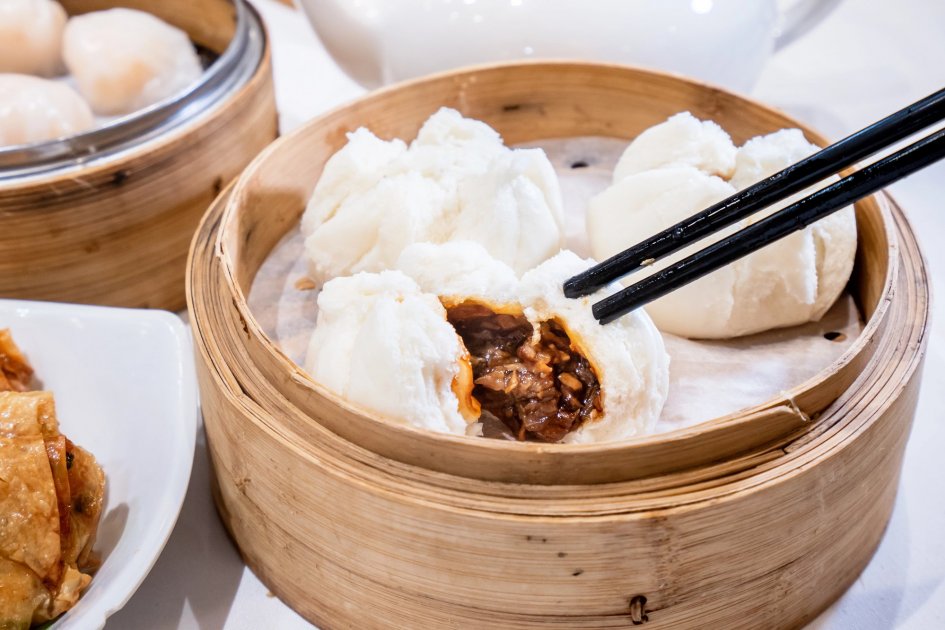
Plump steamed buns made from yeast dough and filled with meat, vegetables, or red beans. The classic version is filled with pork and shallots. This is a typical breakfast for people in southern China: it’s quick, filling, and available on the street. The buns are cooked in multi-tiered bamboo or metal steamers; the bottom part of the dough remains white and soft, while the top develops a light golden sheen from the condensation. They’re eaten hot, washed down with soy milk or tea.
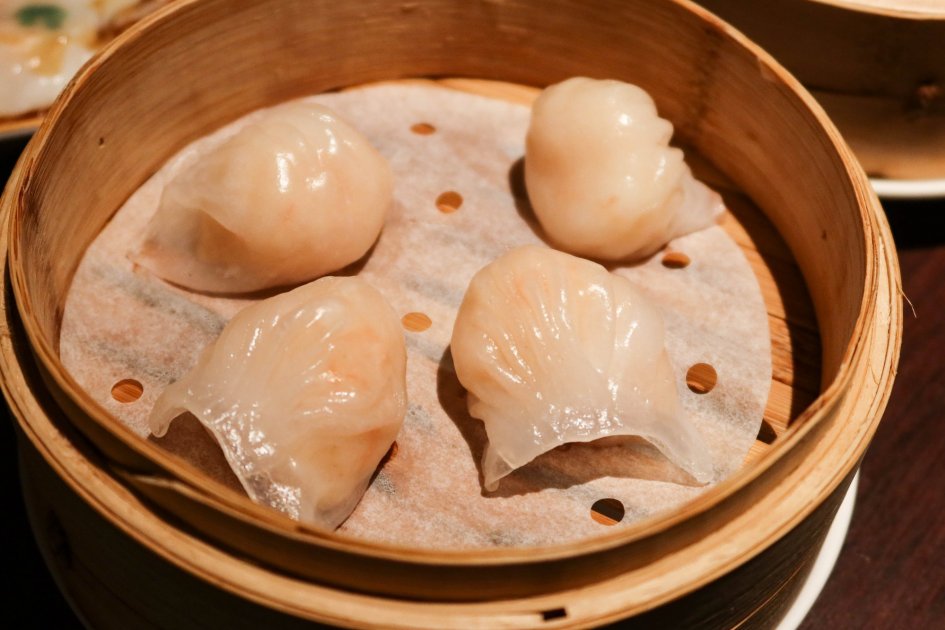
Har gow
Semi-transparent steamed dumplings filled with whole shrimp, wrapped in wheat starch dough. This is the signature dish of Cantonese dim sum and the most popular street food during “yai sum.” The dough should be thin and slightly sticky, with the shrimp peeking out slightly from the opening. They are eaten with chopsticks straight from the steamer, dipped in a spicy sauce or a vinegar-based sauce. They take no more than ten minutes to prepare.
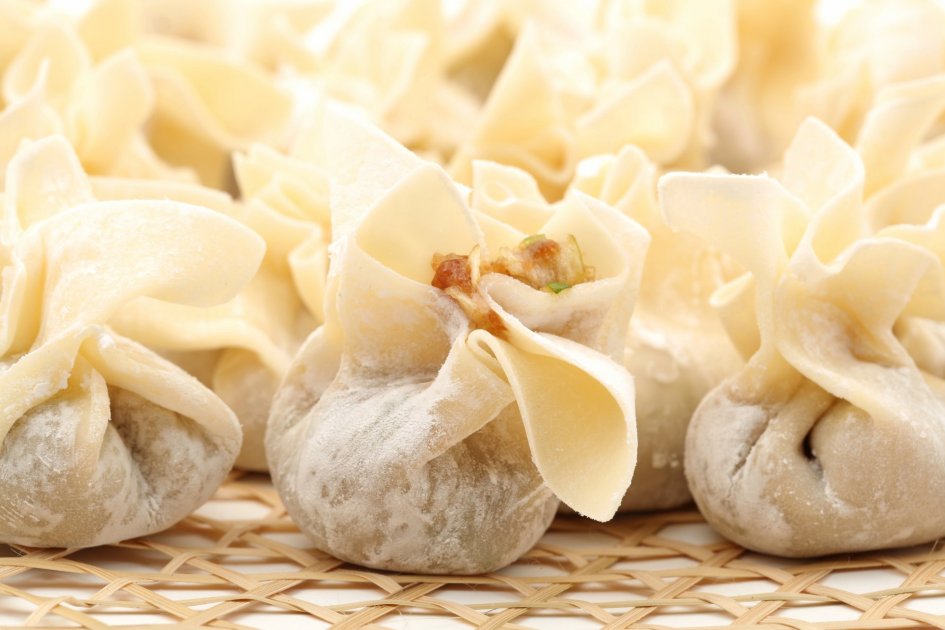
Shumai
Steamed dumplings with pork and shrimp in thin dough, open at the top and wrapped so that the filling is visible through the opening. The name literally means “something wrapped.” They are steamed and served in bamboo steamers. The flavor is delicate, with a very pronounced shrimp taste. They are eaten with chopsticks, dipped in a spicy red pepper sauce or in soy sauce with vinegar and oil.
Chunjuan
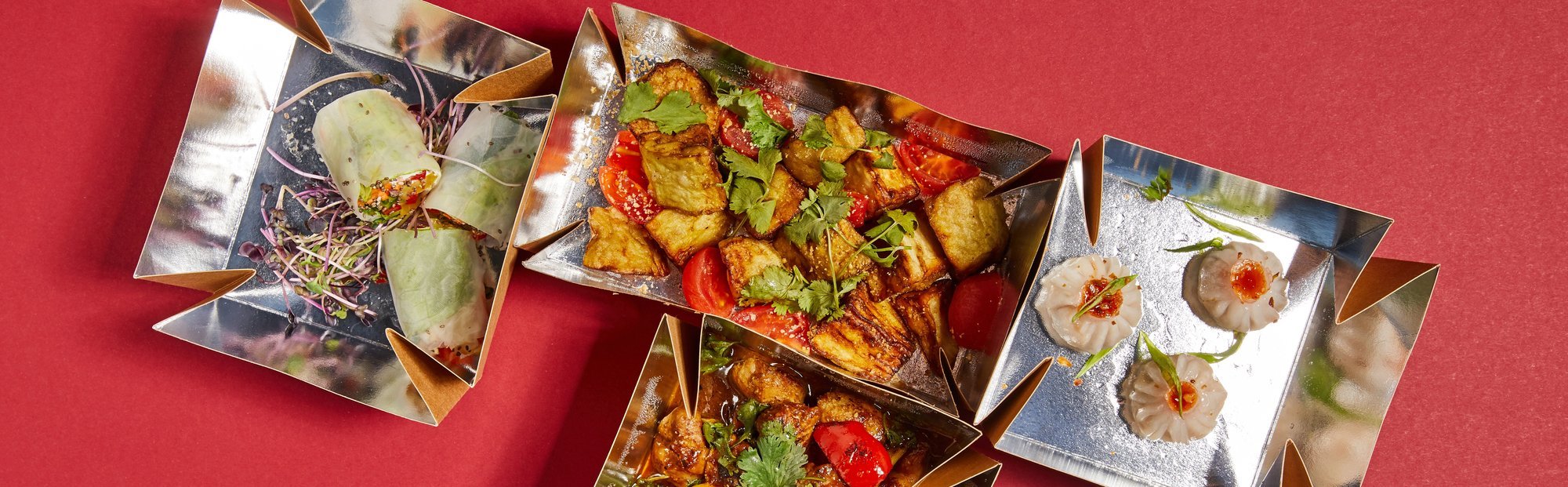
Crispy rolls filled with vegetables or meat, deep-fried until golden brown. Their name is associated with the Spring Festival: chunjuan are eaten to bring good luck and fertility. The filling consists of cabbage, carrots, mushrooms, and sometimes pork. The crispy exterior contrasts with the soft filling. They are served hot with sweet chili sauce or mustard. This is a popular appetizer in restaurants and as street food.
Cong You Bing
A flaky flatbread with green onions, pan-fried until crispy. The dough is layered like a croissant, and inside, green onions are spiraled with oil and salt. When broken apart, the flatbread falls apart into crispy layers. This is a street food from Northern China; it’s eaten for breakfast with thin rice porridge or soy milk. It’s quick to prepare, filling, and inexpensive.
Soups and Noodles
 ©
depositphotos
©
depositphotos
Photo author - asimojet
 ©
depositphotos
©
depositphotos
Photo author - asimojet
 ©
depositphotos
©
depositphotos
Photo author - jobrestful
 ©
depositphotos
©
depositphotos
Photo author - HayDmitriy
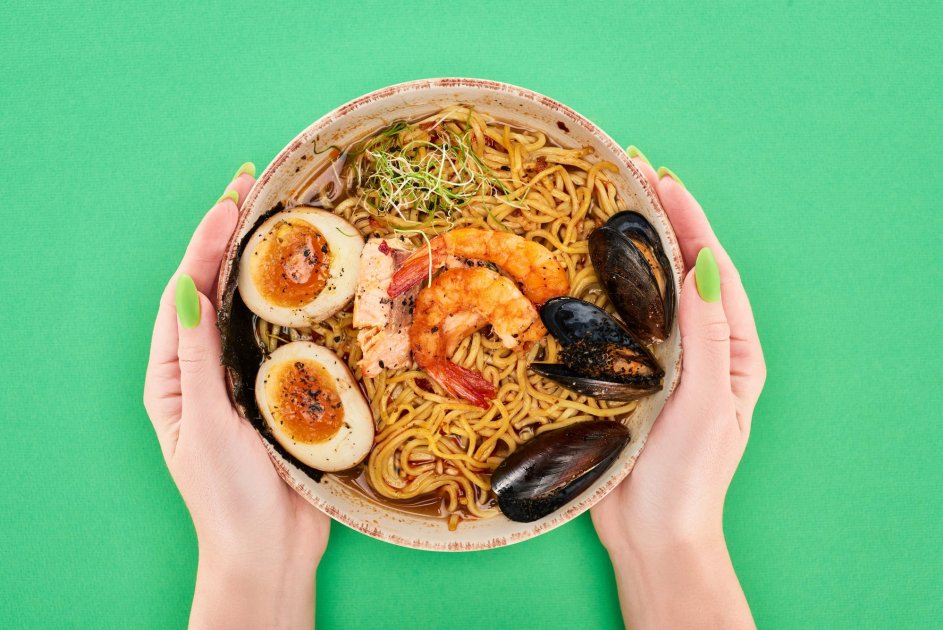
Lanzhou Lamian
Beef soup with hand-pulled noodles, garnished with cilantro, radish, and spicy chili oil. The noodles are made to order: the dough is folded, stretched, folded again, and so on, many times, until thin noodles are formed. This is one of the most popular noodle varieties in Northern China, originating from the city of Lanzhou in Gansu Province. There, it is prepared by Hui Muslims, and this dish has become a symbol of their culinary identity. The broth is amber-colored and is simmered for hours from beef bones and spices. It’s eaten hot, quickly, without fear of getting burned.
Dan Dan Noodles
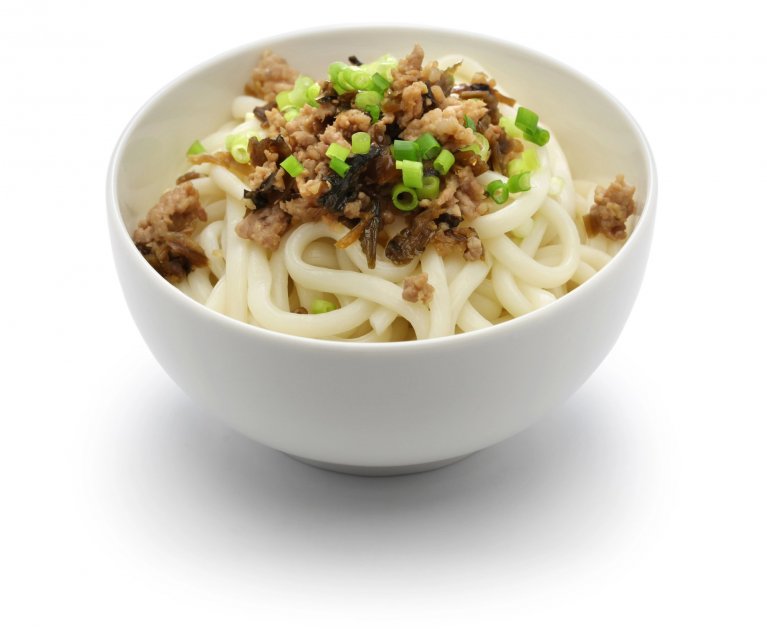
Thin wheat noodles with a spicy sauce made from chili oil, Sichuan peppercorns, chopped pork, and salted ya-cai greens. The name comes from the yoke (dan dan) used to carry the noodles through the streets of Chengdu. The sauce is creamy or oily, with bits of pork, sesame oil, and peanuts floating in it. The flavor is spicy, with a numbing sensation from the huajiao. It is served at room temperature or slightly warm. This dish requires high heat and a chef’s quick hands.
Zhajiangmian
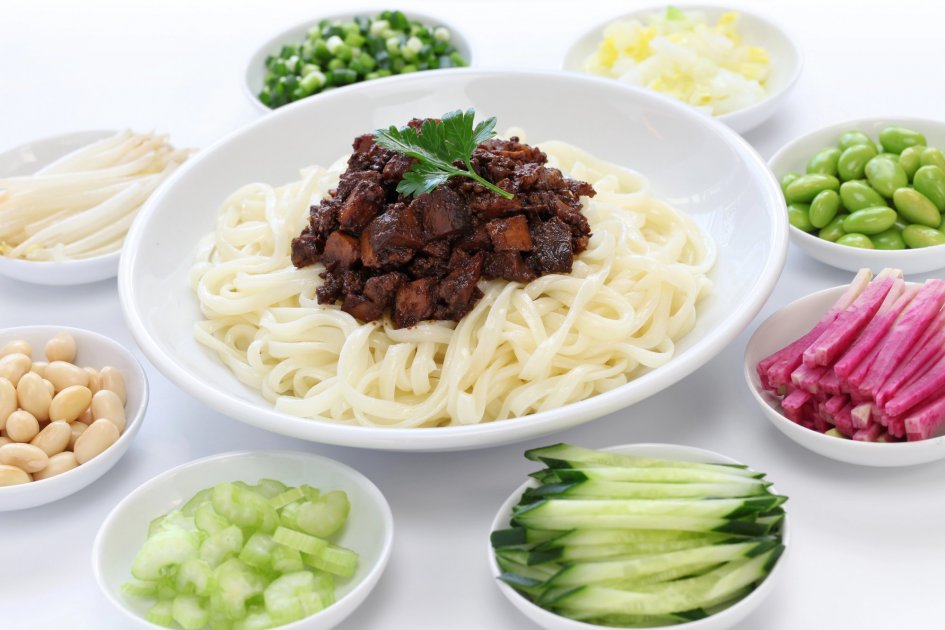
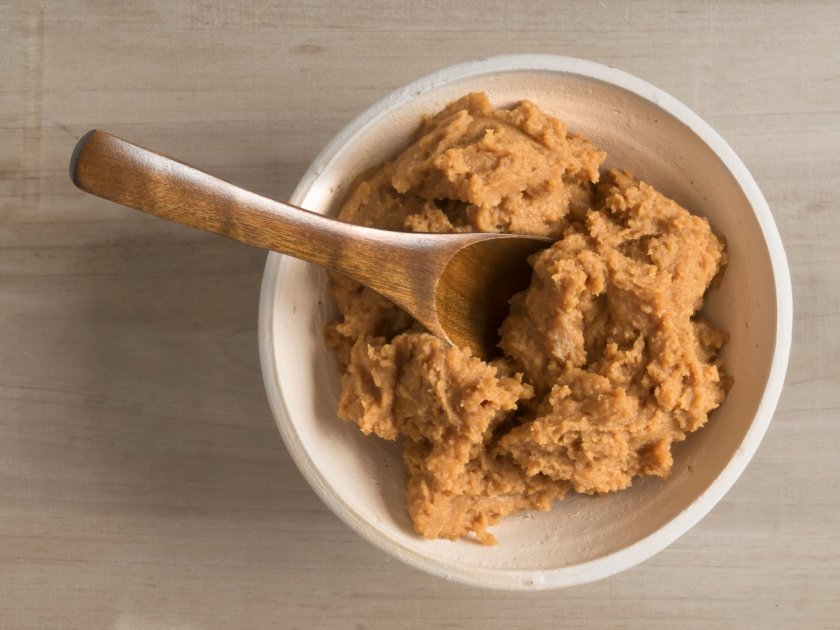
Noodles with a thick sauce made from fermented soybean paste and pork, served with fresh cucumber. A classic Beijing dish, something like northern-style fast food. The sauce is cooked for a long time, until the paste and meat form a smooth, thick mixture resembling peanut butter. The noodles are boiled, placed on a plate, topped with the sauce, and the diner mixes everything together themselves. The sauce is served with sliced cucumber and radish, and sometimes green onions. The flavor is salty and rich, without any spiciness.
Wonton
Small dumplings made with very thin dough, served in a clear broth with green onions and bean sprouts. They are smaller and thinner than jiaozi, making them easier to chew. The filling consists of pork, shrimp, or vegetables. The broth should be clear and light; it is often made from shrimp heads and chicken bones. This is a traditional Cantonese dish, eaten for breakfast or lunch. A single serving can contain up to twenty dumplings.
Hot pot
A pot of boiling broth in the center of the table, in which each guest cooks their own meat, offal, vegetables, mushrooms, and noodles. The pot can be divided into two sections—spicy and mild—allowing people with different preferences to eat together. This isn’t just a dish; it’s a way of dining, a social event. The meat is cut into thin slices and cooks in just a few seconds. It is eaten with sauces: sesame oil, garlic paste, soy sauce, and spicy chili oil. It is popular in Sichuan and Chongqing but is widespread throughout China.
Main Dishes
 ©
depositphotos
©
depositphotos
Photo author - Bombaert
 ©
depositphotos
©
depositphotos
Photo author - imarksm
 ©
depositphotos
©
depositphotos
Photo author - bhofack2
 ©
depositphotos
©
depositphotos
Photo author - yunduan
 ©
depositphotos
©
depositphotos
Photo author - tang90246
 ©
depositphotos
©
depositphotos
Photo author - romixcontact@gmail.com
 ©
depositphotos
©
depositphotos
Photo author - AntonMatyukha
 ©
depositphotos
©
depositphotos
Photo author - VadimVasenin
 ©
depositphotos
©
depositphotos
Photo author - lcc54613
Peking Duck
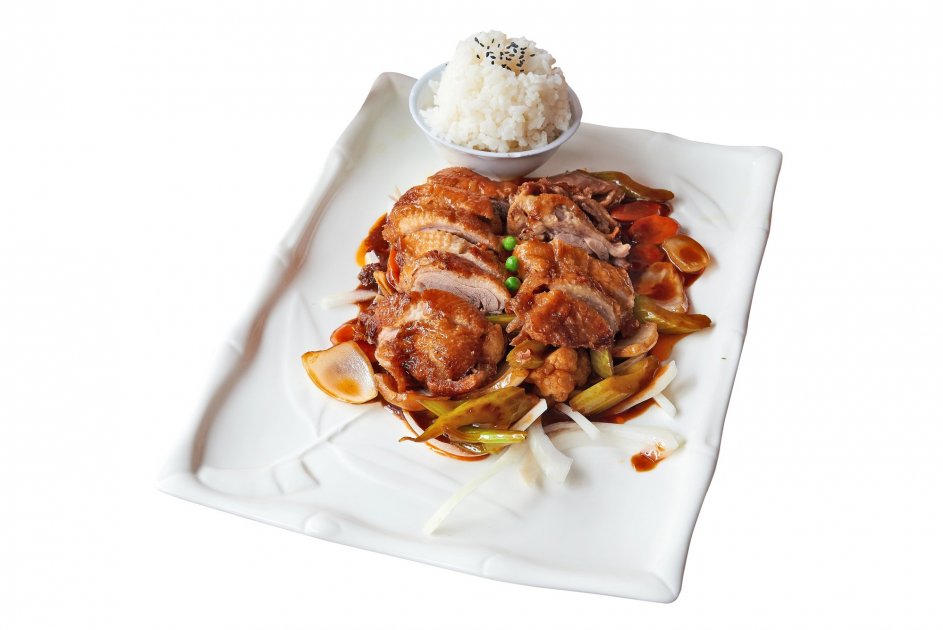
Specially prepared duck with crispy, golden skin, sliced thinly and wrapped in thin pancakes with green onions, cucumber, and Tianmianjiang sauce—a sweet-and-salty sauce made from soy sauce and sugar. This dish originated in the imperial court of Beijing; it is a symbol of Chinese cuisine and a reason to celebrate. The duck is first inflated with air between the skin and the meat, hung in the oven, and slowly roasted. The skin becomes crispy and glossy, while the meat remains tender. The dish is served with cucumber, radish, green onions, and sauce. It is one of the few dishes that is eaten in a specific order: first the skin, then the meat.
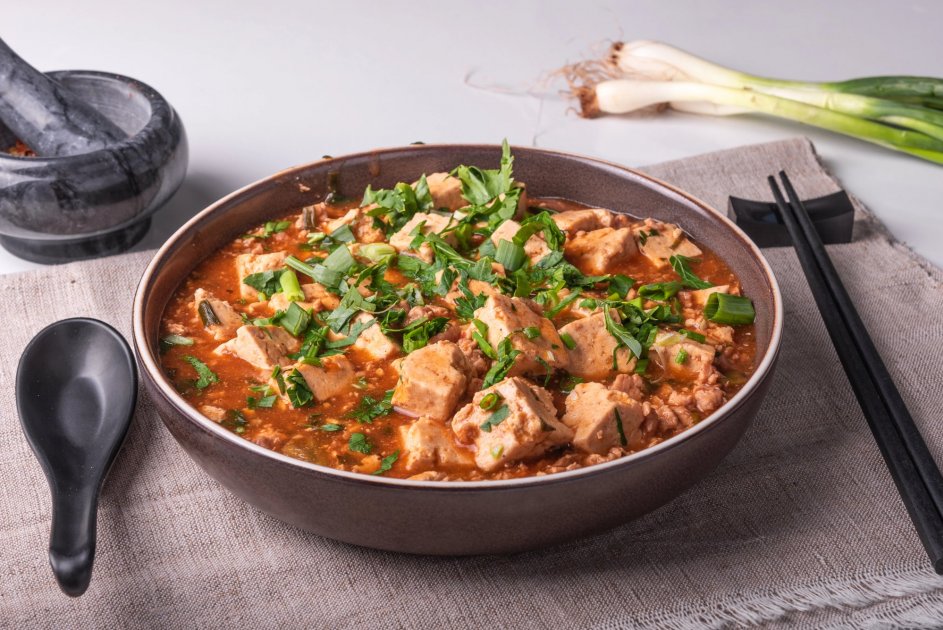
Mapo Tofu
Tender tofu in a spicy red sauce made from doubanjiang bean paste, chili oil, and Sichuan peppercorns, served with chopped pork. The dish is named after the owner of a small eatery in 19th-century Chengdu, whom her neighbors nicknamed “the pockmarked old woman” because of the smallpox scars on her face. Her name lives on in the dish’s title, but the dish itself has become legendary. The flavor is spicy, with a numbing sensation on the tongue from the huajiao. Diced tofu is added last so it doesn’t fall apart. It is served hot, often with a slice of fresh ginger and cilantro. This dish requires some courage for first-time eaters.
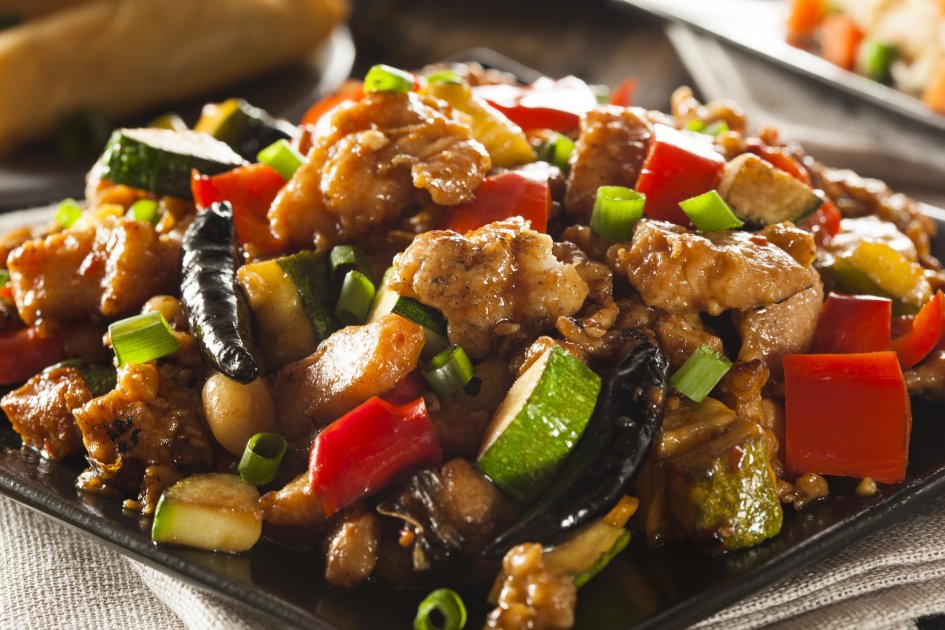
Kung Pao Chicken
Diced chicken with peanuts, dried chili peppers, and Sichuan peppercorns in a sweet, sour, and spicy sauce. The name means “Gongbao Palace Chicken,” although the dish’s origins are disputed. The chicken is cut into small cubes and stir-fried very quickly in a wok, then a sauce made of vinegar, sugar, soy sauce, and starch is added. Peanuts are added at the end to keep them crunchy. In the West, this dish is noticeably sweeter and lacks the numbing sensation, but the authentic Sichuan version requires huajiao. It is served with rice.
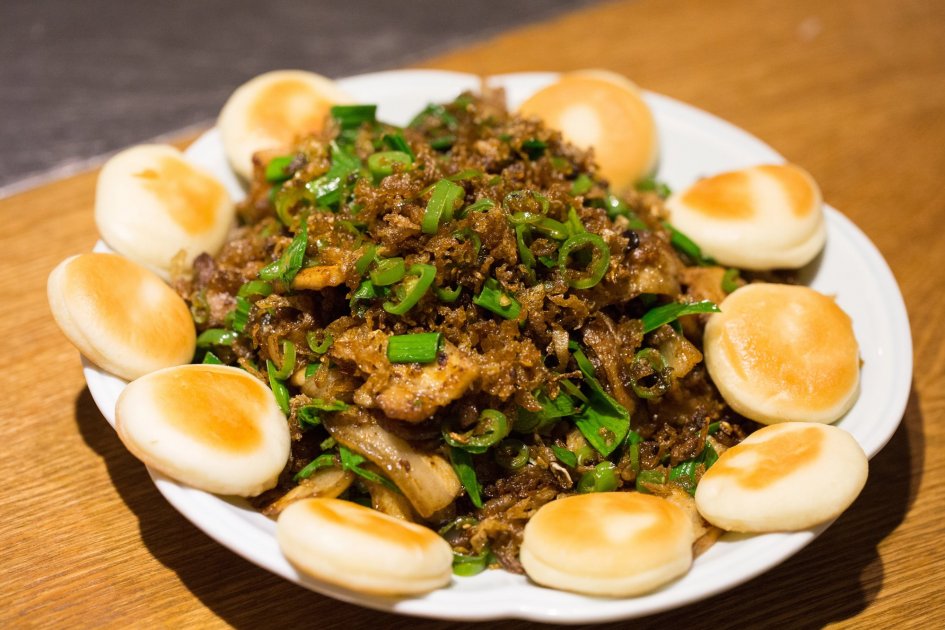
Hui Gao Zhou (Twice-Cooked Pork)
Pork belly, first parboiled until half-cooked, then stir-fried in a wok with bean paste, spicy oil, and green onions. The name literally means “meat cooked twice.” The first step involves boiling the meat with ginger and rice wine, which tenderizes it. The second step involves stir-frying it in a wok over high heat with the sauce. The meat develops crispy edges and absorbs all the flavor of the spices. This is a classic dish of Sichuan cuisine—spicy and hearty. It is served with rice.
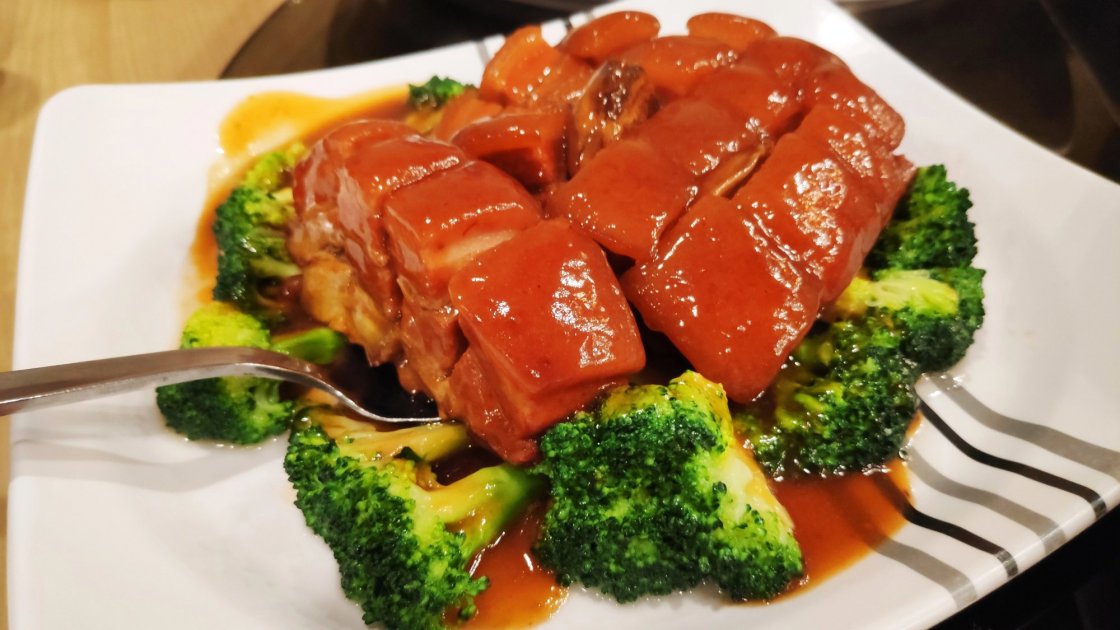
Dongpo Pork
Large chunks of pork belly, braised for hours in rice wine, soy sauce, and sugar until they reach a texture similar to soft jelly. The dish is named after the poet and official Su Dongpo from Hangzhou and is considered his favorite. The meat is cut into squares with crispy skin and cooked in a clay pot. The flavor is sweet and salty, and the meat literally melts in your mouth. It is served in its own sauce, often with young cabbage or bamboo shoots. This is a festive dish that requires time and patience.
Char Siu
Pork marinated in a sweet-and-salty mixture and roasted until it develops a caramelized crust. This is a Cantonese tradition of roasted meat and one of the cornerstones of Cantonese cuisine. The meat is cut into long strips, marinated in a mixture of soy sauce, sugar, five-spice powder, and red food coloring, then baked in the oven. The finished meat has a reddish-brown color and a sweet flavor. It is served with rice, noodles, or in buns. It is one of the most recognizable dishes of Chinese cuisine worldwide.
Gulao Zhou (Sweet and Sour Pork)
Battered pork in a sweet-and-sour sauce with pineapple and bell peppers. This is a Cantonese dish, and it has inspired many Western variations. The pork is cut into cubes, coated in a starch batter, and deep-fried until golden brown. It is then tossed into a hot sauce—prepared in minutes using sugar, vinegar, tomato paste, and cornstarch—and the pineapple adds tartness and freshness. In the West, this dish is usually much sweeter than the original Cantonese version. It is served with rice.
Shuizhu Yu
Slices of white fish poached in a spicy broth and doused with hot oil infused with chili and Sichuan peppercorns. The name is misleading: the “water-poached” fish turns out to be very spicy due to the oil and peppercorns. This dish originates from Sichuan. The fish is cut into thin slices, quickly boiled in the broth for literally a minute, then placed in a bowl and doused with boiling oil and spices. The fish absorbs the spicy flavor while remaining tender on the inside. It’s eaten with caution and plenty of rice.
Bai Jie Ji (White Cut Chicken)
A whole chicken simmered gently at a low temperature and served cold with a ginger-scallion sauce and oil. This dish exemplifies the Cantonese philosophy: minimal intervention, maximum flavor of the ingredient itself. The chicken is simmered in water with ginger and green onions at a temperature just below boiling, keeping the meat tender and juicy. It is then cooled, cut into portions, and served with two sauces: one made from fresh ginger, salt, and oil, and the other from green onions and oil. This simple dish requires the chicken to be perfectly fresh.
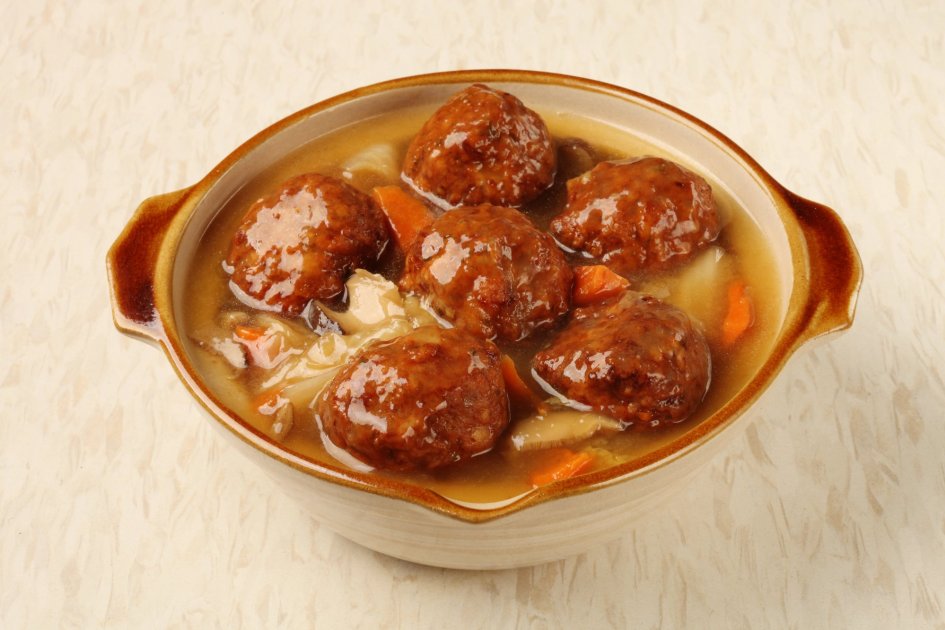
Shizi Tou (Lion’s Head Meatballs)
Large braised meatballs made of pork and herbs in a broth with cabbage. Their name comes from their size and fluffy appearance—they resemble a lion’s head. This dish originates from Yangzhou in Jiangsu Province and is considered a masterpiece of fine cuisine. The meatballs are made from pork, green onions, ginger, and starch; they are steamed and then braised in broth with cabbage for about an hour. The meat becomes tender, and the flavors blend together. It is served hot in soup. This is a festive dish prepared for special occasions.
Rice and Baked Goods
 ©
depositphotos
©
depositphotos
Photo author - vvoennyy
 ©
depositphotos
©
depositphotos
Photo author - glowonconcept
 ©
depositphotos
©
depositphotos
Photo author - toa55
 ©
depositphotos
©
depositphotos
Photo author - Au_hoo
Yangzhou Fried Rice
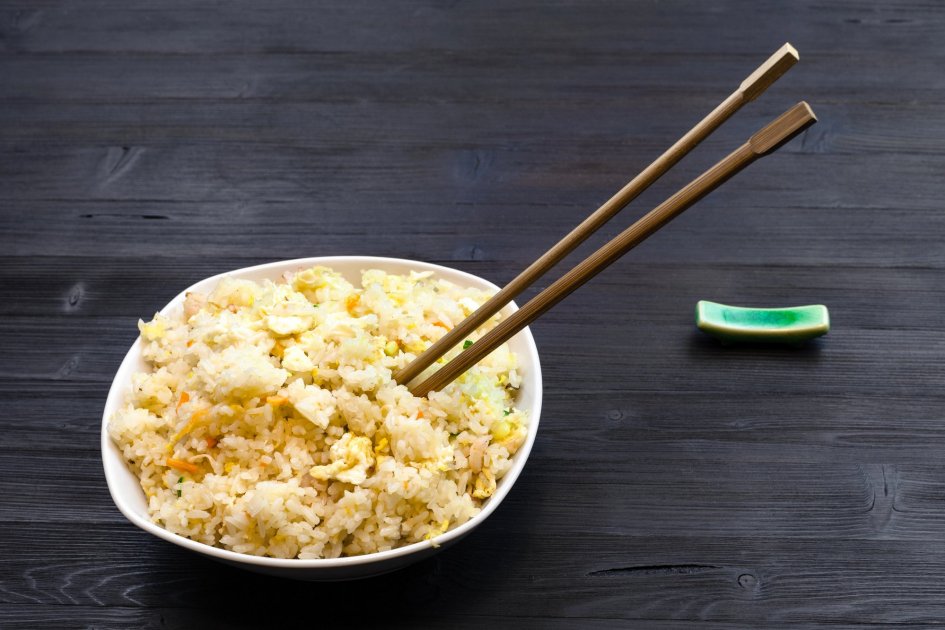
Rice stir-fried in a wok with egg, shrimp, ham, and green peas. This is one of the most popular rice dishes not only in China but also around the world. It originates from Yangzhou in Jiangsu Province. The rice is made with leftovers from the day before—fresh rice tends to stick together. The egg is lightly beaten and added first so that it coats every grain. Then the remaining ingredients are added. All of this happens very quickly, over high heat, in a wok that’s already hot. The flavor is clean, and each ingredient stands out. It’s a simple dish, but one that requires skill.
Zhou (congee)
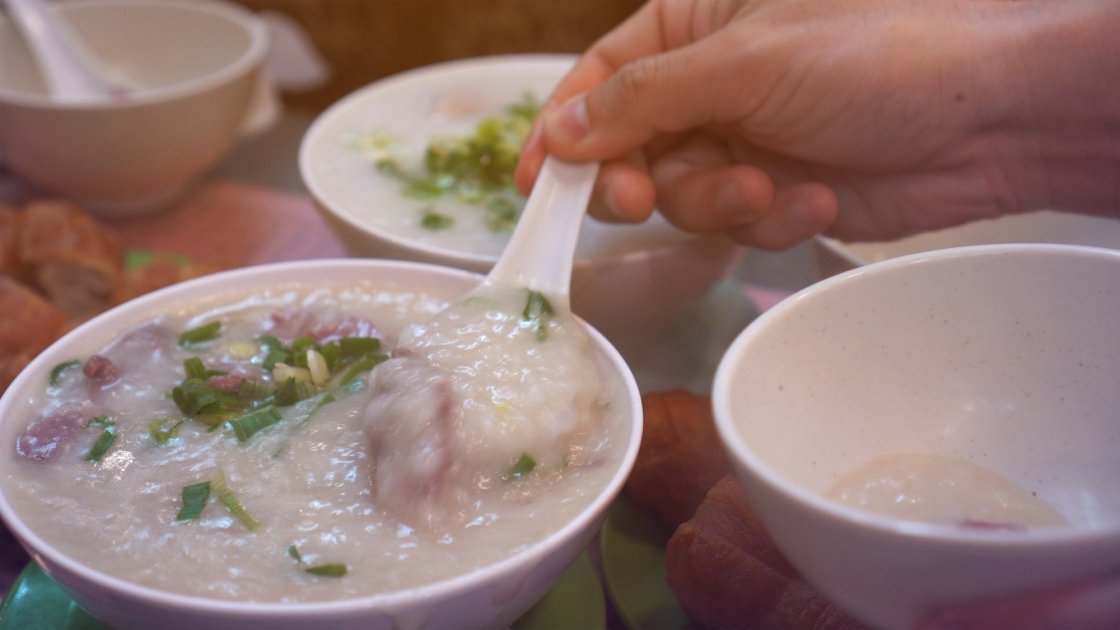
Rice porridge, which is simmered for hours in a large amount of water until it reaches the consistency of an almost uniform paste. This dish is eaten for breakfast and is given to the sick and those recovering from illness. It is made from long-grain white rice, less commonly from brown rice. It is cooked in a ratio of one part rice to seven or even ten parts water. It is served with pickled vegetables, meat, “century eggs,” fried onions, and fresh cilantro. The flavor is mild, so the accompaniments add depth. In each region, the porridge is prepared slightly differently, but the basic concept remains the same.
Zongzi
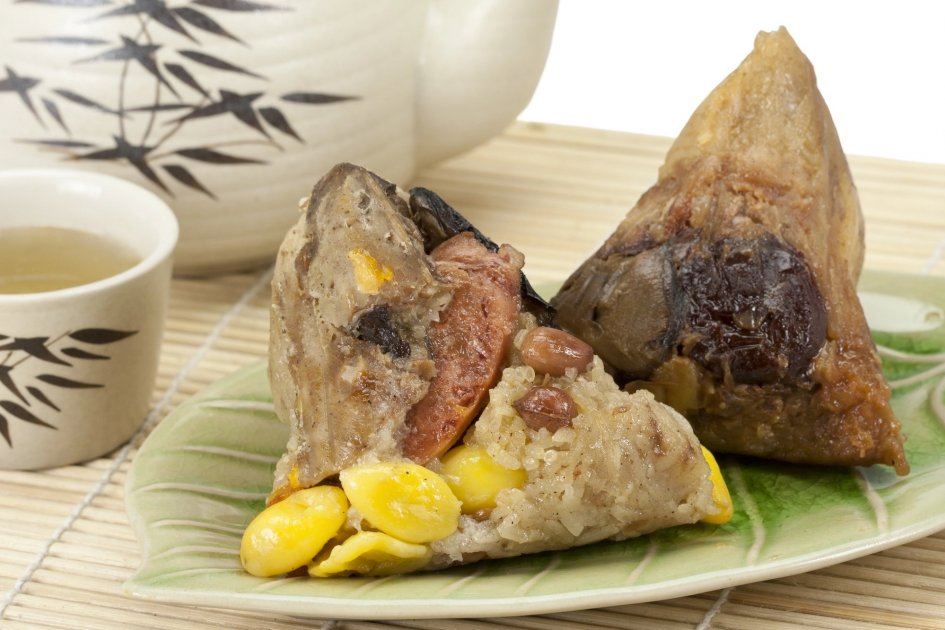
Sticky rice with a filling, wrapped in bamboo leaves and steamed. This dish is eaten during the Dragon Boat Festival on the fifth day of the fifth month of the lunar calendar. The shape and filling vary: in the north, they’re often sweet, with red beans or dates; in the south, they’re savory, with meat, smoked pork, or salted egg yolk. The leaves are rolled into a pyramid or triangle shape. They are boiled for a long time until the rice absorbs the flavor of the leaves. This is a labor-intensive dish that families prepare together.
Youtiao
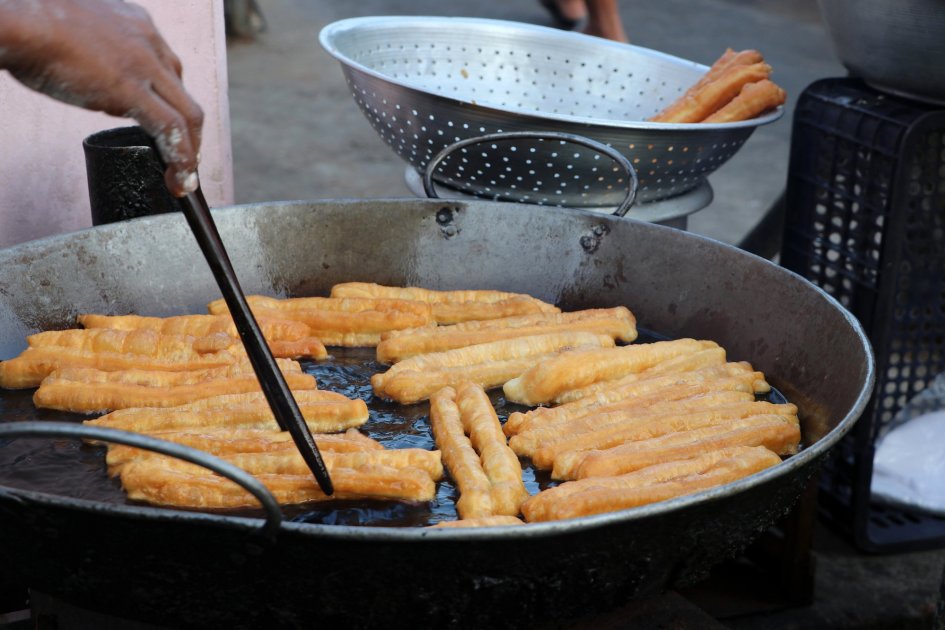
Long strips of fried dough, similar to éclairs but unsweetened. This is a classic breakfast dish that is dipped in soy milk or eaten with rice porridge. The dough is made from flour, water, and a small amount of salt; sometimes an alkaline agent is added to make it fluffy. It is deep-fried in plenty of oil until it puffs up and turns golden brown. The dough turns out crispy on the outside and light and airy on the inside. This is one of the most recognizable snacks in Chinese cuisine; you can buy it on every street corner. It’s eaten hot.
Desserts
 ©
depositphotos
©
depositphotos
Photo author - AntonMatyukha
 ©
depositphotos
©
depositphotos
Photo author - limco72
 ©
depositphotos
©
depositphotos
Photo author - romixcontact@gmail.com
 ©
depositphotos
©
depositphotos
Photo author - TopCreativePhotography
Yuebin (mooncake)
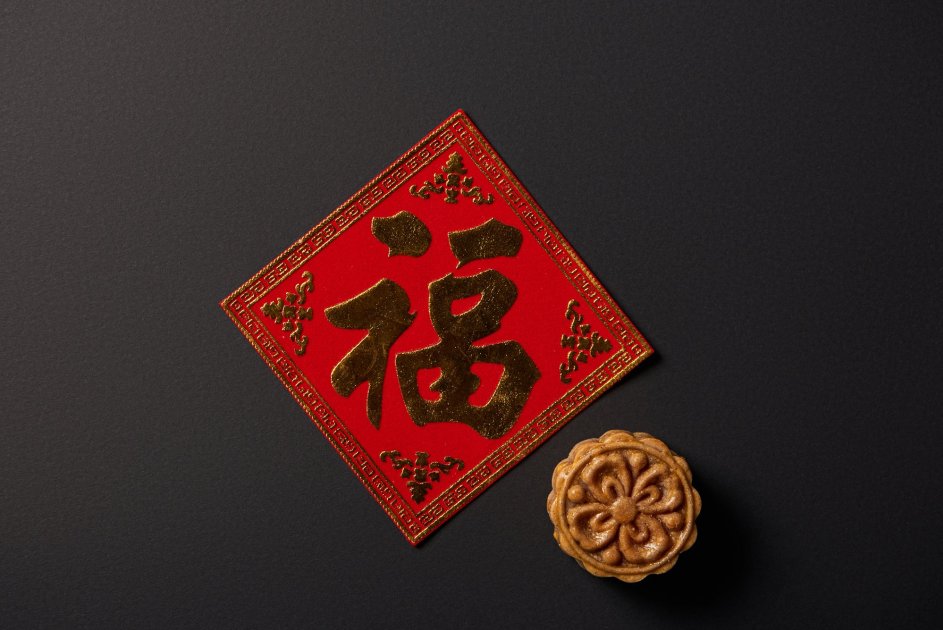
A dense cookie filled with lotus paste or red bean paste, often with a salted duck egg yolk inside. This festive dish is eaten during the Mid-Autumn Festival, celebrated on the fifteenth day of the eighth month of the lunar calendar. The cookies symbolize the moon and family reunion. Traditional cookies have an embossed pattern on the surface, often featuring the characters for “harmony” or “moon.” They have a sweet flavor and a sticky filling. Modern variations include cream, fruit, and even ice cream fillings. They are more of a gift than an everyday dish.
Dantá (egg tart)
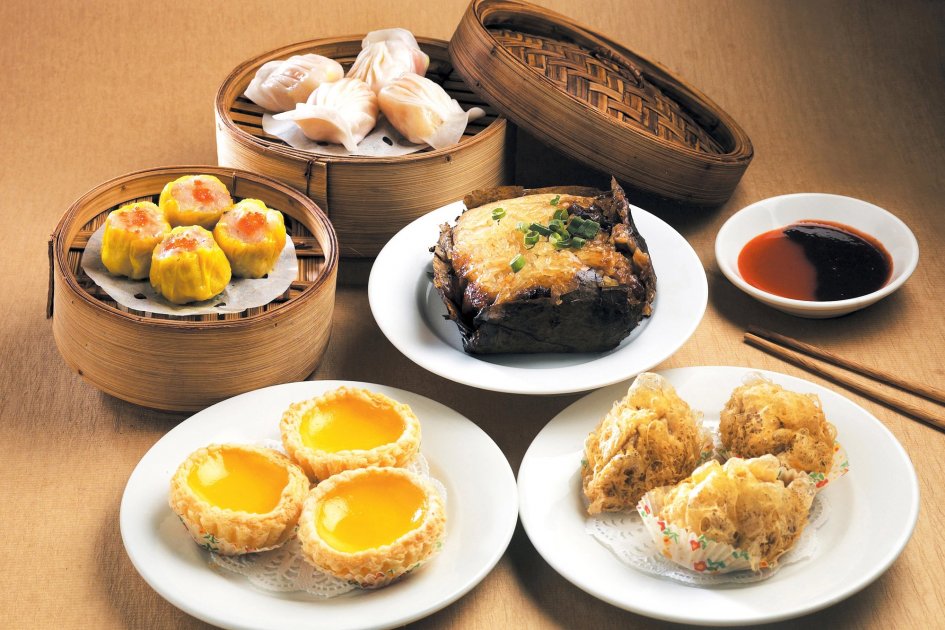
A tartlet filled with a delicate egg custard, baked in shortcrust or puff pastry. It is a fusion of Chinese and Portuguese cuisine. The Hong Kong version is made with shortcrust pastry and a smooth glaze, while the Macau version is made with puff pastry and has a caramelized—and even slightly charred—top. The creamy filling—a mixture of eggs, condensed milk, sugar, and vanilla—is very delicate. It’s eaten warm, when the pastry is crispy and the cream inside melts. This is a modern dish, no more than a hundred years old, but it’s already considered a classic Hong Kong delicacy.
Tangyuan
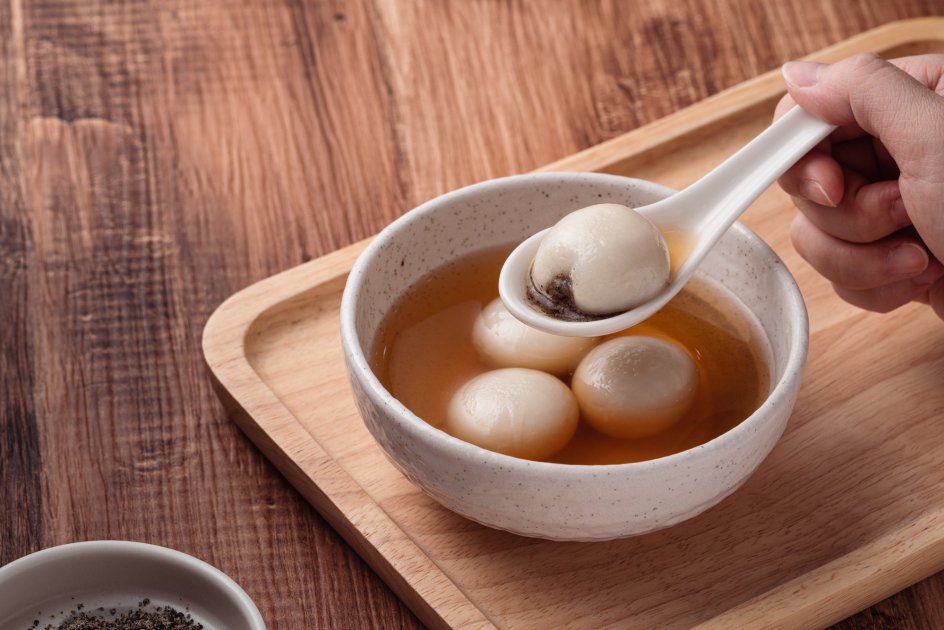
Glutinous rice balls filled with black sesame seeds or peanuts, served in hot sugar syrup. This dish is eaten during the Lantern Festival and other important holidays. The name sounds similar to the word “reunion,” so the dish symbolizes family unity. The dough is made from rice flour and water, and it becomes gelatinous. The filling is made from sesame paste and sugar or peanut paste. The balls are boiled in water until they float to the surface. The syrup is made from sugar and water; ginger is sometimes added. They are eaten hot, in the syrup, with a spoon.
Tanghulu
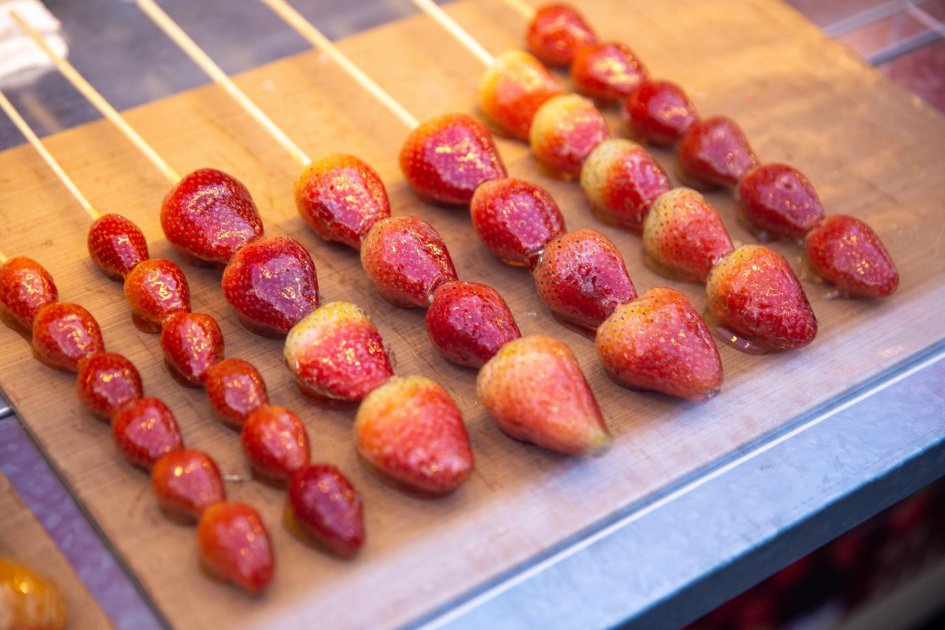
Hawthorn berries on a wooden skewer, coated with hardened caramel. This is a winter street treat from northern China, popular in Beijing. Five to seven berries are strung onto a skewer, then quickly dipped into hot caramel syrup. The caramel hardens into a thin layer, forming a crispy crust. The flavor is a contrast: sweet caramel and tart hawthorn. It’s a treat for children, sold in parks and at markets. The name comes from the dialect word “hulu” for “skewer.”
Drinks
 ©
depositphotos
©
depositphotos
Photo author - BalkansCat
 ©
depositphotos
©
depositphotos
Photo author - eyeofpaul
 ©
depositphotos
©
depositphotos
Photo author - asiastock
 ©
depositphotos
©
depositphotos
Photo author - tiantan
 ©
depositphotos
©
depositphotos
Photo author - HayDmitriy
 ©
depositphotos
©
depositphotos
Photo author - bhofack2
 ©
depositphotos
©
depositphotos
Photo author - zkruger
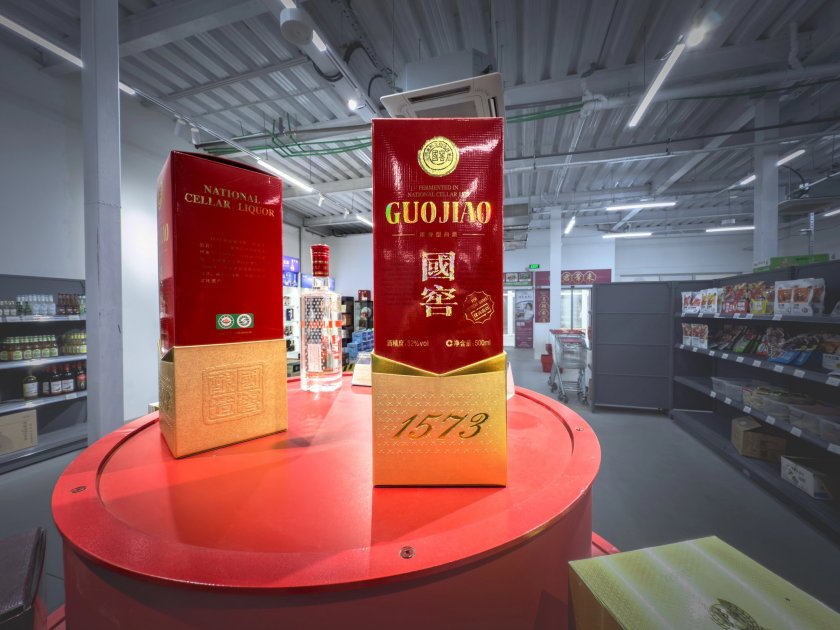
Baijiu
A strong grain distillate, most often made from sorghum, with an alcohol content ranging from approximately 35 to 53 degrees. It is the main drink served at banquets and toasts and is an integral part of business and diplomatic culture. The drink can be clear or slightly cloudy, and its flavor ranges from light and floral to sharply spicy. It is drunk from small cups, usually in one gulp. Baijiu is not served sweetened or chilled, but at room temperature. It is a straightforward, honest drink and part of the way of life.
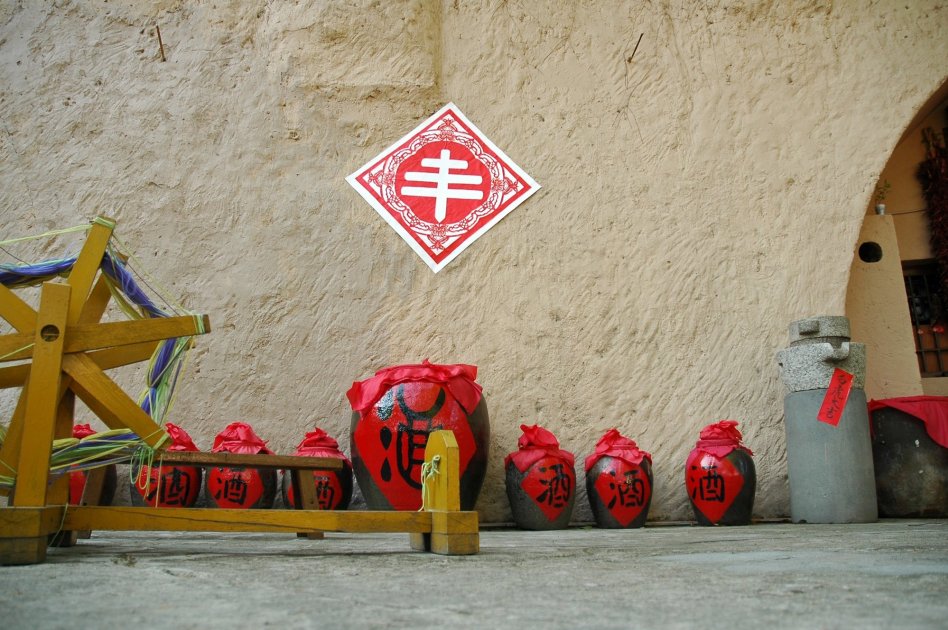
Shaoxing Wine
A fermented rice wine from Shaoxing in Zhejiang Province, with an alcohol content below 20 degrees. It is a cooking wine, drunk hot from small cups and widely used in cooking to remove odors and add depth of flavor. The taste is slightly sweet, with nutty notes. The color ranges from amber to brownish. Authentic Shaoxing wine is produced only in a specific region, taking into account the local water and climate.
Longjing
A green tea from the area around West Lake in Hangzhou; the leaves are pan-fried until they take on a distinctive flat shape. It is one of China’s most famous teas. The flavor is fresh, with a nutty note and often floral undertones. The leaves resemble small swords. Brew at 70–75 degrees; otherwise, the tea will taste bitter. The first infusion is premium; the second and third are still quite good. This is a tea for the morning, for reflection, for enjoyment—not for accompanying a meal.
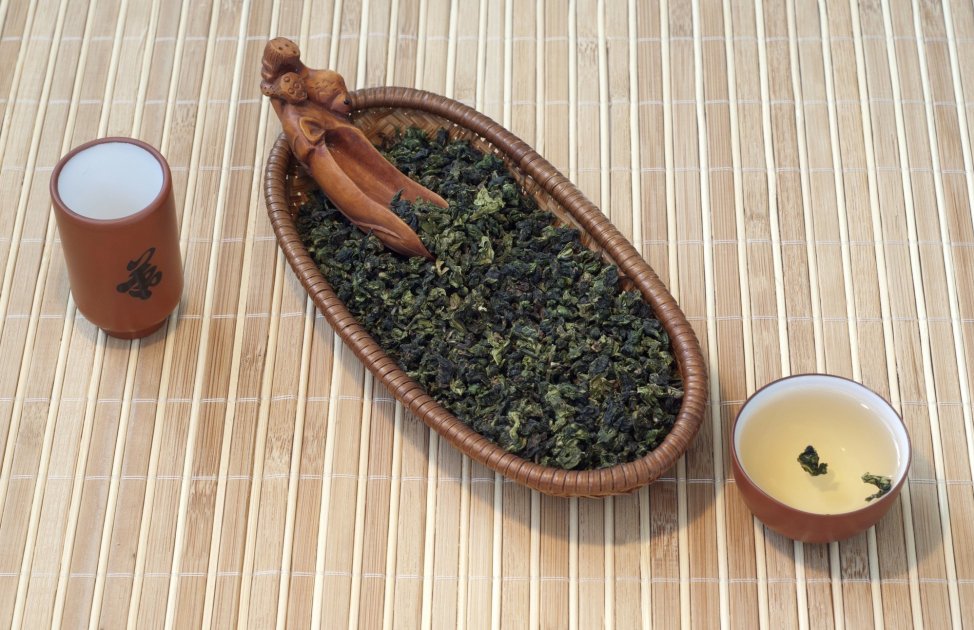
Tieguanyin
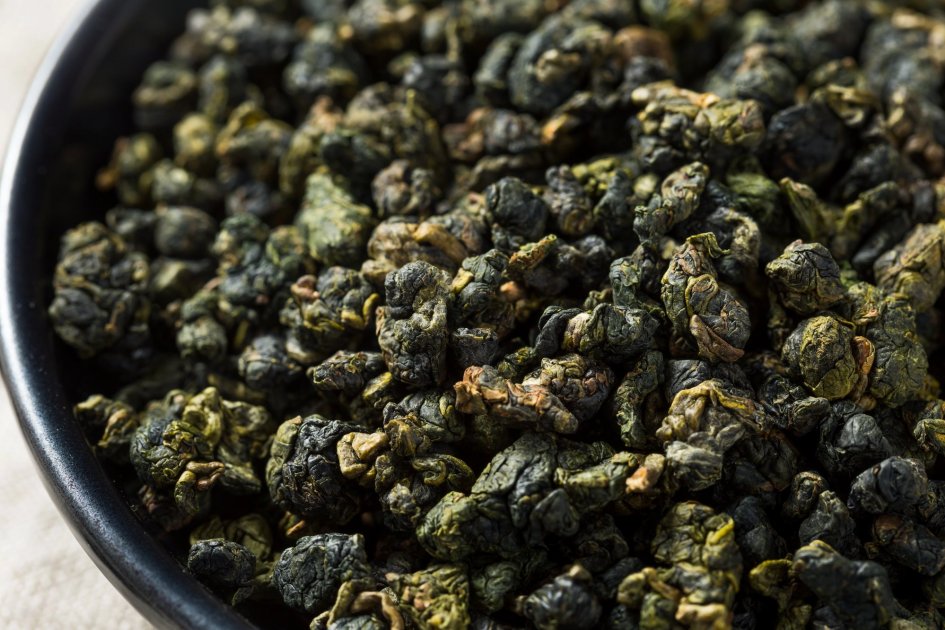
An oolong from Fujian Province, a semi-fermented tea with a floral aroma and a mellow, slightly sweet flavor. The name means “Iron Goddess of Mercy.” The leaves are rolled into tight balls that unfurl when brewed, yielding several infusions. The aroma features orchid and floral notes. The flavor is sweet, with hints of fruit. This tea is highly prized by connoisseurs, and each harvest has its own unique characteristics. It is brewed in small bowls and drunk from tiny cups.
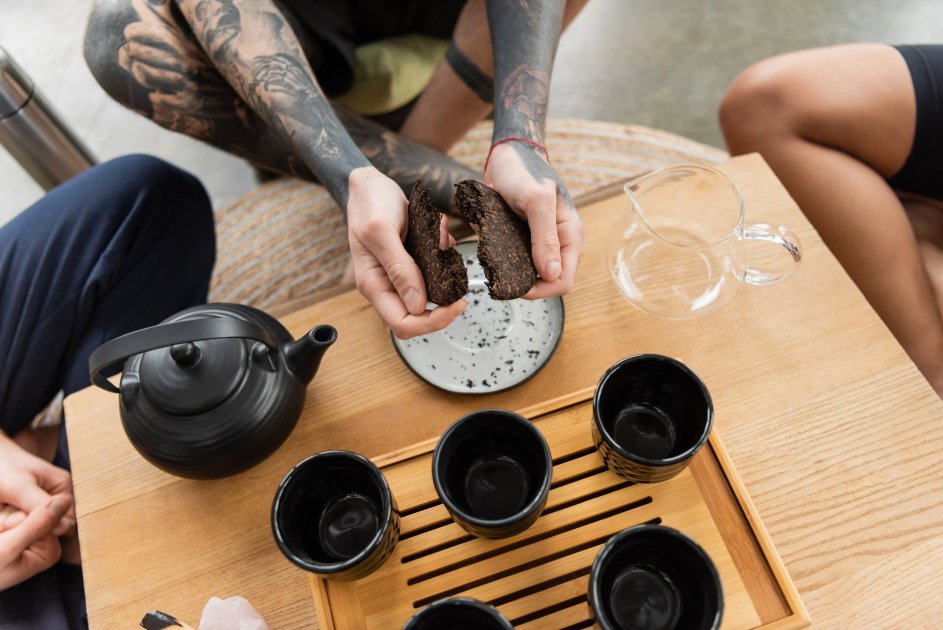
Pu-erh
A fermented tea from Yunnan, available as young sheng with a grassy flavor and aged shu with earthy notes. It improves with age, much like wine. Pu-erh can be very expensive, especially if it is more than twenty years old. It is often drunk after a heavy meal, as it aids digestion. The leaves are pressed into cakes or pellets and stored in a dry place. It can be steeped several times, with the flavor developing in new ways with each infusion. The first infusion is usually poured out to rinse away any dust.
Jasmine Tea
Green tea flavored with fresh jasmine flowers in several stages. It is one of the most popular flavored teas. The flowers are added to the tea for several hours, then removed; the process is repeated several times until the tea is saturated with the aroma. The finished tea contains dried jasmine flowers. It has a very fragrant aroma and a delicate, slightly sweet taste. It is brewed at 70–80 degrees. This is an evening tea, perfect for relaxation; it is often enjoyed at home or in a restaurant with a meal.
Doujiang
Warm soy milk, a classic breakfast drink, is often enjoyed with fried youtiao or served sweet with translucent dumplings. It is made from soybeans that are soaked, ground, and boiled, then strained. It has a delicate, slightly nutty flavor. It’s served hot in bowls with a spoon. This is a very inexpensive and filling breakfast, an essential part of morning life in China. You can buy it just about anywhere, from street stalls to 24-hour convenience stores.
Suanmeitang
A sweet-and-sour, refreshing drink made from smoked plums and osmanthus flowers. It’s a summer drink, especially popular in southern China. The plums are dried and lightly smoked, then boiled with water and sugar, and osmanthus flowers are added. The drink turns out dark, with a sour and sweet taste and a floral aroma. It is drunk chilled, often with ice. It is a traditional drink, often made at home, but you can also buy it ready-made. It is considered healthy and helps prevent heatstroke.
Where to Start
Dish | What is it, in a nutshell? | Who it's for |
Peking Duck | Crispy duck in pancakes with sauce | For a first impression, a festive dish |
Xiaolongbao | Steamed dumplings with hot broth | For soup lovers and those who enjoy delicate flavors |
Kung Pao Chicken | Chicken with peanuts and chili | For those who love spice without the numbing sensation |
Mapo Tofu | Tofu in a spicy sauce with pork | For fans of Sichuan-style spice and vegans |
Lanzhou Lamian | Beef soup with hand-pulled noodles | For noodle and beef lovers |
Yangzhou Fried Rice | Rice with shrimp, egg, and peas | For a simple and hearty starter |
Har Gau | Translucent shrimp dumplings | For lovers of Cantonese dim sum |
Yuebin | Cookies with lotus paste and salted egg yolk | A sweet, festive treat |
 ©
depositphotos
©
depositphotos
Photo author - AntonMatyukha
Regional Characteristics
Sichuan and the “ma la” sensation. Sichuan cuisine is known for its spicy flavor, but it’s not just simple heat. “Ma la” is a combination of the burning heat of chili peppers and the numbing sensation of Sichuan peppercorns (huajiao). Huajiao doesn’t burn the mouth; instead, it creates a tingling sensation and numbness, much like anesthesia. Fermented bean pastes such as danjiang and douchi are popular in Sichuan cuisine, adding depth and complexity. Typical dishes include mapo tofu, huigou zhou, dandan mian, and hogo. This cuisine is for adventurous eaters.
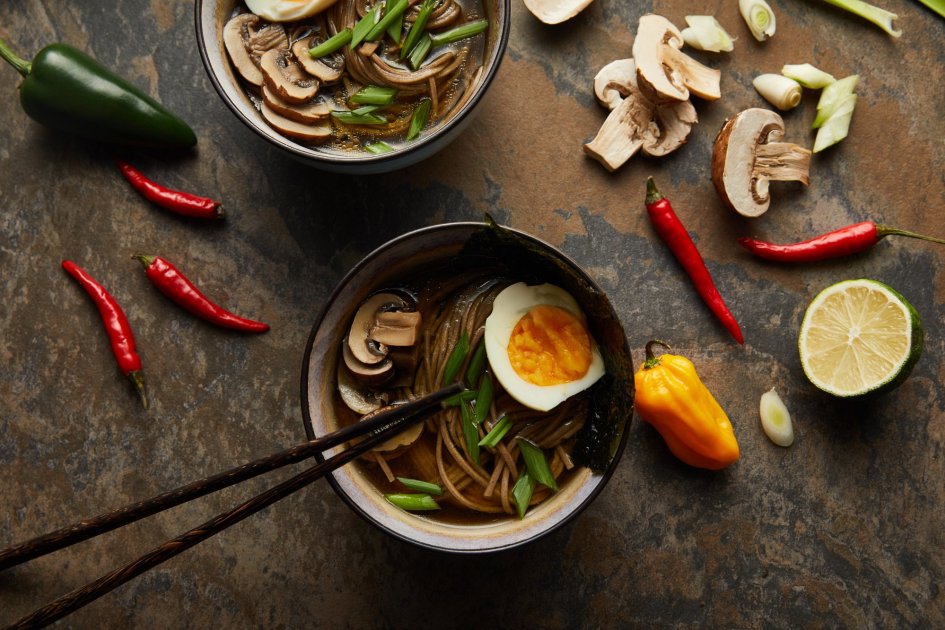
Cantonese Philosophy. At the opposite end of the spectrum lies Cantonese cuisine, which values the purity of the ingredients’ flavors. Here, sauces are kept to a minimum, and freshness is paramount. Cooking methods include steaming and gentle stir-frying in a wok. Cantonese cuisine is known for dim sum and the “yai sum” tradition—a morning tea ceremony with light bites. Typical dishes include bai jie ji, har gow, shumai, and cha shao. This cuisine is for those who want to savor every ingredient.
The Northern Wheat Tradition. In northern China, the foundation of the cuisine is wheat, not rice. This is where noodles, steamed mantou buns, baozi, and jiaozi dumplings originated. Broths are often clear, thanks to long simmering and meticulous preparation. Seafood is less popular, as the sea is far away. Shandong cuisine is one of the oldest and has influenced all of northern Chinese cuisine. Typical dishes include Peking duck, Zhejiang noodles, and Lanzhou lamian.
Jiangsu and Refinement. Jiangsu cuisine is known for its courtly refinement. The presentation is neat, the textures are tender, and the flavors are well-balanced. Sugar and soy sauce are often combined to create a sweet-and-salty flavor profile. Examples of dishes include shizi tou, Yangzhou fried rice, and Nanjing salted duck. This cuisine is for those who appreciate balance and aesthetics.
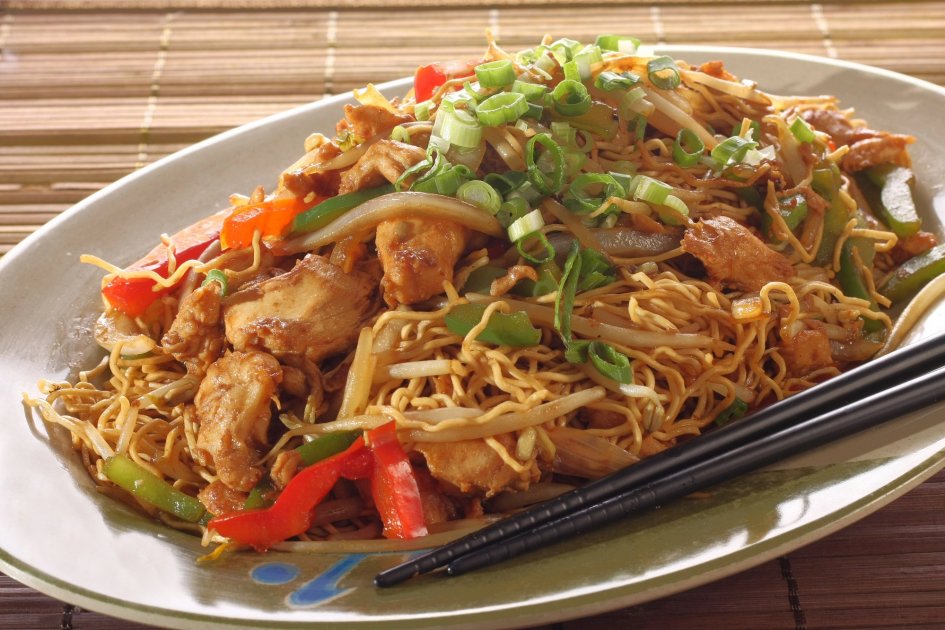
Hunan and Smoked Flavors. Hunan cuisine is spicy, but its heat differs from that of Sichuan—it’s the pure, burning heat of chili peppers without the numbing sensation of huajiao. There are plenty of smoked and fermented ingredients here. Characteristic ingredients include hot peppers, preserved vegetables, and smoked meats. This is a cuisine with character—not for the faint of heart.
 ©
depositphotos
©
depositphotos
Photo author - Hannamariah
Dining Traditions and Etiquette
- Never stick chopsticks vertically into rice: this resembles funeral incense, and it’s considered a bad omen.
- Do not pass food from one pair of chopsticks to another: this mimics a funeral ritual involving bones. Use shared chopsticks or a serving spoon to portion out the food.
- Dishes are placed in the center of the table, and everyone eats from shared plates, serving themselves with their own chopsticks. This is a communal way of eating, not an individual one.
- Do not tap chopsticks on tableware or poke at your conversation partner with them. During breaks, place them on a special rest or on the edge of your plate in a zigzag pattern, not crossed.
- The eldest or guest of honor begins eating first. People usually wait for them to start. Pour tea for your neighbors and guests, not just for yourself—this is a sign of respect.
- When tea is poured for you, tap the table lightly with your bent fingers as a sign of thanks: this shows that you are grateful but cannot immediately express it in words.
- It’s perfectly normal and acceptable to bring a bowl of rice or noodles to your mouth while eating—it’s not considered bad manners, as it is in the West. This makes it easier to eat with chopsticks.
Chinese cuisine is not just about food; it is a philosophy of balance, history, and respect for the ingredients. Each dish tells a story about the region, the people who prepared it, the climate, and the bounty of the land. When you eat Chinese food, you’re traveling across the country, from Beijing in the north to Hangzhou in the south, from the mountains of Sichuan to the coast of Fujian. The point is to try as much as possible; there’s no need to rush, and every meal is an event, not a chore.
Хочешь путешествовать чаще?
280 000 подписчиков уже получают наши письма с авиаскидками до -85% и путешествуют чаще. Теперь твоя очередь!
ok
или
Did you like the article?
😍
😂
😄
😐
🤔
😩
