Georgian cuisine is a rich blend of meat, cheese, herbs, and spicy sauces, where every dish tells a story of the Caucasus. We’ll take a look at 20 of the most iconic dishes: from the famous khinkali and khachapuri to lesser-known delicacies that are definitely worth trying.
Inspiration
Georgian Cuisine: 20 Must-Try Dishes
Khinkali, khachapuri, chakhokhbili, and 17 other traditional Georgian dishes: what they’re made of, how to eat them, and where to start when exploring Georgian cuisine.
21 september 2026
AUTHOR: Kateryna Lindt
0
9 min
Folks, don't forget that we have an extremely comfortable iOS application in App Store
Please try it!

Kateryna Lindt
I write routes the way I would advise a friend before a trip - nothing superfluous, just proven and at a comfortable pace.
 ©
depositphotos
©
depositphotos
Photo author - bbivirys
What Makes Georgian Cuisine Special
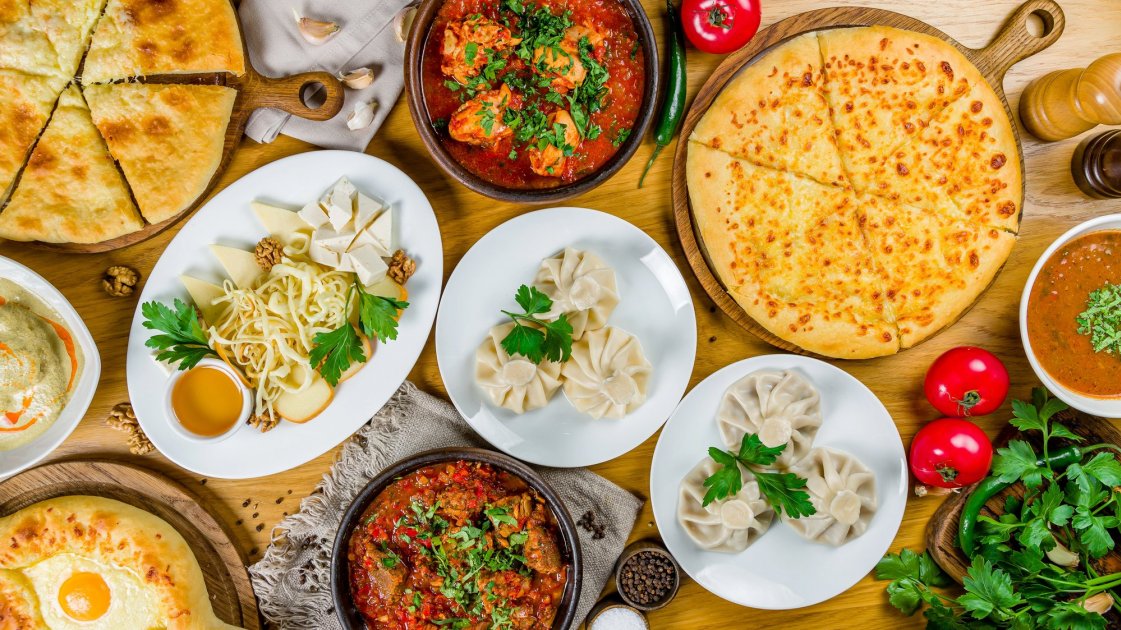
Georgian cuisine developed at the crossroads of East and West: the influence of Persian, Turkish, and Armenian culinary traditions is evident in every dish. It is recognized by its generous use of walnuts, garlic, cilantro, and adjika—a spicy red sauce served with almost everything.
The cuisine is based on meat (beef, pork, poultry, and lamb), dairy products (especially suluguni and Imeretian cheeses), and herbs: cilantro, parsley, dill, and tarragon (tarragon). The cooking techniques are simple: stewing, braising, grilling over an open fire, and baking in a tona. In many dishes, the sauce or culinary skill plays the leading role—for example, in khinkali, not only the filling is important, but also the pleats on top (the “tail”), and in khachapuri, it’s the balance between the dough and the cheese.
Georgian cuisine is festive and convivial. Dishes are served in abundance, much of it is eaten with the hands, and toasts are made during the meal. It is a cuisine of hospitality: even a simple appetizer is served generously, and a festive feast (supra) can last for hours.
 ©
depositphotos
©
depositphotos
Photo author - belchonock
Appetizers and Salads
Pkhali
Pkhali is a cold appetizer made from roasted or blanched vegetables (spinach, beets, green beans, cabbage), chopped and mixed with a dressing of walnuts, garlic, wine vinegar, cilantro, and spices (utsho-suneli, coriander). The mixture is shaped into small balls or patties, with a small indentation made on top and garnished with pomegranate seeds. The flavor is savory, nutty, and spicy, with a pleasant tang.
Badrijani
These are eggplant slices fried lengthwise, rolled into small rolls or folded into small envelopes and stuffed with a nut paste (nigvziani) mixed with garlic, khmeli-suneli, wine vinegar, and cilantro. It is served cold and garnished with pomegranate seeds. This vegetarian dish has a rich nutty, garlicky, and spicy flavor.
Lobio
Lobio is a traditional dish made from red beans that have been boiled until tender and mashed with spices, garlic, onion, cilantro, utsho-suneli, and wine vinegar. It is often served in a clay pot (kvezi), hot or warm, with mchadi corn flatbread and pickles (including jondzoli). The flavor is rich, full-bodied, and spicy.
Harcho
Harcho is a thick, rich, and hearty Georgian beef soup made with rice, walnuts, and a sour dressing of tklapi (dried plums) or tkemali sauce. The dish is generously seasoned with garlic, cilantro, khmeli-suneli, and hot peppers. The flavor is vividly spicy, with a distinctive tartness and heat.
Jonjonoli
Jonjonoli are fermented flower clusters of the Colchis buckthorn (a local shrub). They have a pleasant salty-sour, slightly spicy flavor. It is served as a cold appetizer, drizzled with raw Kakhetian sunflower oil and mixed with thinly sliced onions.
 ©
depositphotos
©
depositphotos
Photo author - Gala_Didebashvili
Soups
Chikhirtma
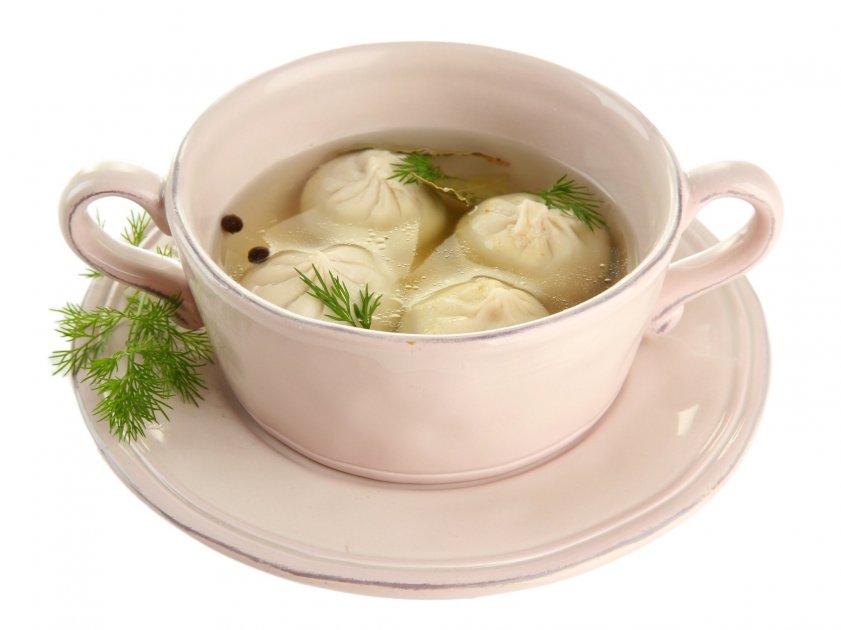
A thick, traditional Georgian soup made with chicken (or, less commonly, lamb) broth, seasoned with an egg-and-acid emulsion (eggs mixed with lemon juice or wine vinegar) and a roux. Unlike most soups, chikhirtma does not contain chopped vegetables (such as potatoes or carrots). The flavor is delicate and velvety, with a slight tang and the aroma of cilantro and saffron.
Khashi
A very hearty and rich broth made from beef shanks and tripe, simmered for hours without salt or spices. It is served hot early in the morning; salt, minced garlic, and wine vinegar are added to taste directly into the bowl. Khashi is traditionally served with dried lavash and chacha.
Main Dishes
Khinkali
Khinkali are juicy pouches made of firm unleavened dough filled with minced meat (beef and pork or lamb) seasoned with spices (cumin, coriander, hot peppers) and herbs (or without them in the mountain version). A rich broth forms inside. They are boiled in water. They are eaten with the hands: hold the tail, take a bite, drink the broth, and then eat the main part, leaving the tough tail on the plate.
Khachapuri
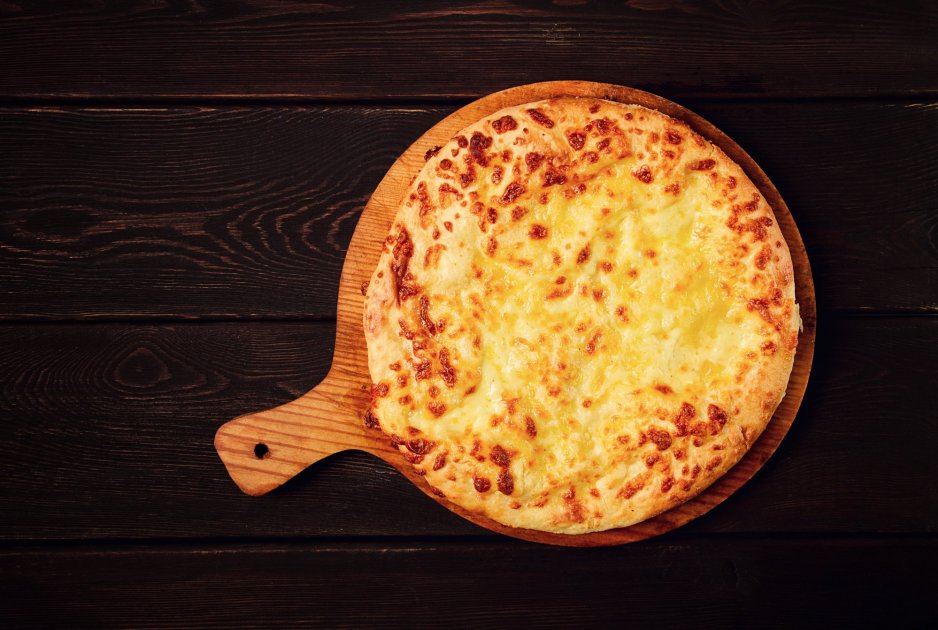
Khachapuri is a traditional pie or flatbread filled with cheese (Imeretian or suluguni). There are many regional varieties: Adjarian (boat-shaped with butter and an egg in the center), Imeretian (a round, closed flatbread with cheese inside), and Megrelian (with cheese both inside and on top). The flavor is creamy, slightly salty, and rich.
Odzhakhuri
A traditional family dish consisting of pan-fried meat (pork or beef) with potatoes, onions, garlic, spices, and herbs. It is served sizzling in a portion-sized clay or stone skillet called a kvetzi. The flavor is hearty and meaty, with an appetizing crust and the aroma of garlic and fresh herbs.
Chakhokhbili
Chakhokhbili is a poultry stew (originally made with pheasant, but now typically with chicken) simmered in its own juices with tomatoes, onions, garlic, spices (utsho-suneli, saffron) and plenty of fresh herbs (cilantro, basil). A distinctive feature of the technique is dry-roasting the poultry before braising, without adding any fat. The flavor is juicy, with a slightly tangy and spicy note.
Satsivi
A festive cold dish made with boiled poultry (turkey or chicken) served with a thick, spicy, nutty sauce called bazhe. The sauce is made from walnuts, garlic, wine vinegar, Imeretian saffron, utsho-suneli, and spicy adjika. It is served completely cooled, once the sauce has soaked into the meat.
Beef Shashlyk
Juicy pieces of marinated meat (pork, veal, or lamb) threaded onto skewers and grilled over charcoal. The meat is marinated with onions, salt, pepper, and wine vinegar or pomegranate juice. It is served hot with pickled onions, fresh herbs, and satsibeli or tkemali sauce.
Mtsvadi
The Georgian name for shashlik. The most authentic version is mtsvadi made from fresh, unsoaked pork or tenderloin, grilled over dry grapevines, which gives the meat a unique aroma. The finished mtsvadi is sprinkled with salt and freshly chopped onions right in the pot before serving.
Chashushuli
A spicy Georgian stew made with veal or beef, simmered in tomato juice with onions, bell peppers, garlic, adjika, and herbs (cilantro, basil). The meat turns out extremely tender and infused with a spicy, aromatic sauce. It is served hot in a kvetzi.
Kebab
Lula-kebab—an oblong patty made of juicy ground meat (pork, beef, or lamb) with onions, herbs, and spices, shaped around a skewer and grilled over charcoal. It is served wrapped in thin lavash with thinly sliced onions, pomegranate seeds, and sumac.
Pastries and Bread
Puri
Shoti-puri (or shoti) is a traditional Georgian bread shaped like a saber with a hole in the middle. It is baked on the inner walls of a clay tone oven. The bread has a crispy crust and a soft crumb inside. It is served hot with any dish, cheese, and wine.
Lavash
A thin, unleavened bread baked on the inner wall of a clay oven. It is dried until crispy and keeps for a long time. It is used as a wrapper for meat, cheese, and herbs. It is eaten with the hands, dipped in hot dishes or wrapped around fillings. It has a neutral flavor with a slight nutty note from the oven.
Mchadi
A thick, flatbread made from cornmeal and water, fried in a skillet (traditionally a clay one—ketsi). It has a crispy crust and a dense texture. Mchadi is served hot with suluguni cheese, lobio, and various appetizers.
 ©
depositphotos
©
depositphotos
Photo author - aileenchik
Beverages
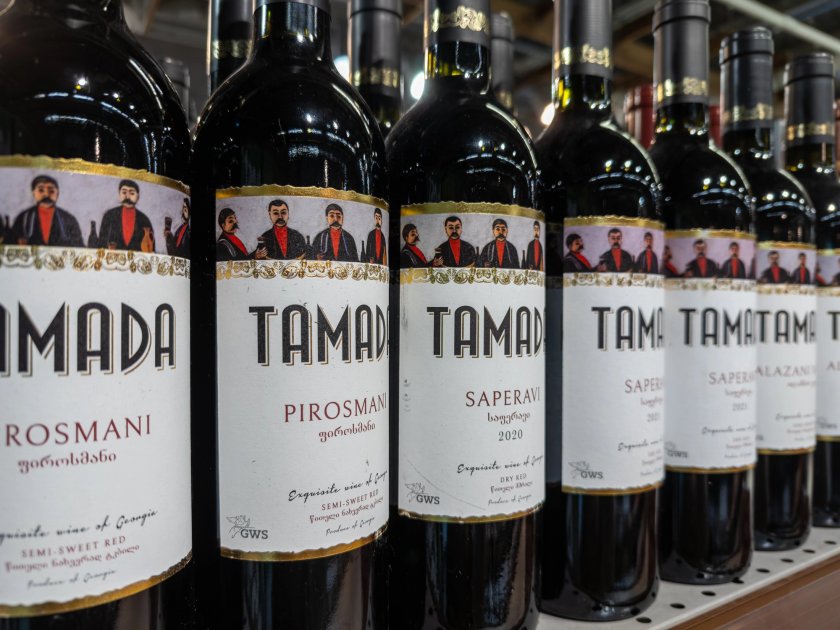
Saperavi
The flagship indigenous red grape variety and the dry wine made from it. It has a deep ruby color, high tannins, good acidity, and notes of dark berries (blackberries, cherries, plums). It is traditionally aged in kvevri (clay jars buried in the ground). It pairs perfectly with mtsvadi and rich meat dishes.
Kindzmarauli
A famous semi-sweet red wine with a Protected Designation of Origin (PDO), produced from the Saperavi grape variety in the Kindzmarauli microzone (Kakheti). It has a velvety taste, balanced natural sweetness, and aromas of ripe cherries and pomegranates.
Rkatsiteli
The most popular white grape variety in Georgia. Produced using traditional Kakhetian methods in qvevri, the wine takes on an amber color, a full body, noticeable tannins, and aromas of dried fruits, nuts, and herbs (the so-called “amber” or orange wine).
Chacha
A traditional strong alcoholic beverage (grape brandy/distillate) made from the grape pomace after fermentation and pressing. It has a mild grape aroma. It is served in small shot glasses with hearty meat dishes, khashi, and during toasts.
Tan
A refreshing fermented milk drink based on matsoni (Georgian fermented milk), diluted with water and seasoned with salt and sometimes fresh herbs (mint). It’s excellent for quenching thirst in the heat and cuts through the spiciness of Georgian dishes.
Dried Fruit Compote
A drink made from dried pears, apples, dried apricots, and prunes, boiled in water with sugar. It is served cold. The flavor is sweet, fruity, and slightly spicy. It’s an alternative to wine at feasts and is often served to children and those who don’t drink alcohol.
Where to Start
Dish | What it is in a nutshell | Who it's for |
Khachapuri | A baked dish with suluguni or Imeretian cheese | For first-timers, vegetarian |
Khinkali | Meat dumplings served in hot broth | For meat lovers—an interesting way to eat |
Chakhokhbili | Chicken stew with tomatoes, garlic, and herbs | For fans of slow cooking and rich flavors |
Satsivi | Chicken in a spicy nutty bazhe sauce | For special occasions; vegetarians can try it with vegetables |
Pkhali | A vegetable appetizer with nut paste | For vegetarians and nut lovers |
Saperavi | Dry red wine | For lovers of natural red wine |
Shashlik | Marinated meat grilled over charcoal | For a classic Georgian experience |
Mchadi | Corn flatbread (often served with cheese) | For a quick snack, vegetarian |
Regional Characteristics
Georgia is traditionally divided into Western and Eastern culinary schools. In Western Georgia (Megrelia, Adjara, Guria), corn flour (mchadi, gomi), spicy vegetable oil, nuts, brined cheeses (suluguni), and spicier seasonings are widely used. In Eastern Georgia (Kakheti, Kartli), wheat bread (shoti), meat dishes made from beef, pork, and lamb—roasted on grapevines—as well as traditional winemaking in qvevri are predominant.
Kakheti is the country’s main wine-producing region, the birthplace of the Saperavi grape variety and amber wines made in qvevri. In the mountainous regions (Pshavi, Khevsureti, Tusheti), people make authentic khinkali without herbs and age distinctive cheeses (guda).
Traditions and table etiquette
- The supra (feast) is the main ritual. The tamada presides over the table and delivers the customary toasts. It is not customary to interrupt the tamada or to drink without first making a toast.
- Many dishes are traditionally eaten with the hands: khinkali are picked up by the tail, the edges of khachapuri are torn off and dipped in cheese, and mchadi is broken into pieces.
- Hospitality is considered sacred (“a guest is a gift from God”), so declining food or wine should be done very politely.
- The eldest person at the table is given the honor of making the first toast (the tamada). Then toasts are made in order, with each person raising their glass.
- Spicy sauces and herbs are served on separate plates; guests decide for themselves how much to add. No one judges you for choosing spicy or mild.
- Bread, cheese, and vegetables are often eaten with the hands, tearing off pieces and dipping them in sauces. This is part of the culture.
Georgian cuisine is not just about food; it’s a way of socializing and fostering friendship. Every dish tells a story of hospitality, craftsmanship, and respect for the ingredients. Even a simple khachapuri at the table becomes a celebration, and a spicy sauce is a reason to raise a toast. Once you’ve tried one dish, you’ll want to come back to try all the others.
Хочешь путешествовать чаще?
280 000 подписчиков уже получают наши письма с авиаскидками до -85% и путешествуют чаще. Теперь твоя очередь!
ok
или
Did you like the article?
😍
😂
😄
😐
🤔
😩
