Korean cuisine revolves around rice, soup, and a variety of small side dishes—known as banchan—which are served all at once. Fermentation, spicy pastes, and seafood create a distinctive flavor profile, but Korean food isn’t necessarily spicy: many dishes are mild in flavor, with specific items providing the heat. We’ll take a look at 28 essential Korean dishes that define the cuisine and are definitely worth trying.
Inspiration
Korean Cuisine: 28 Signature Dishes
A comprehensive guide to Korean cuisine featuring 28 national dishes: from kimchi and bibimbap to samgyeopsal and traditional beverages. Learn about Korean dining customs, regional variations, and table manners.
12 october 2026
AUTHOR: Kateryna Lindt
0
12 min
Folks, don't forget that we have an extremely comfortable iOS application in App Store
Please try it!

Kateryna Lindt
I write routes the way I would advise a friend before a trip - nothing superfluous, just proven and at a comfortable pace.
 ©
depositphotos
©
depositphotos
Photo author - zhanglianxun
What Makes Korean Cuisine Special
Korean cuisine is based on rice and fermented foods. Kimchi (fermented cabbage), the soybean paste doenjang, the spicy chili paste gochujang, and fish sauce play a central role. These ingredients create a deep, layered flavor that cannot be confused with any other cuisine in the region.
Contrary to a common myth, Koreans do not eat meat every day. Beef and pork are festive foods, not everyday staples. Rice, soup, or stew take center stage at the table, while meat and fish serve as accompaniments. Barbecues (samgyeopsal, kalbi) are just one part of the cuisine, on par with soups, street food, and rice dishes.
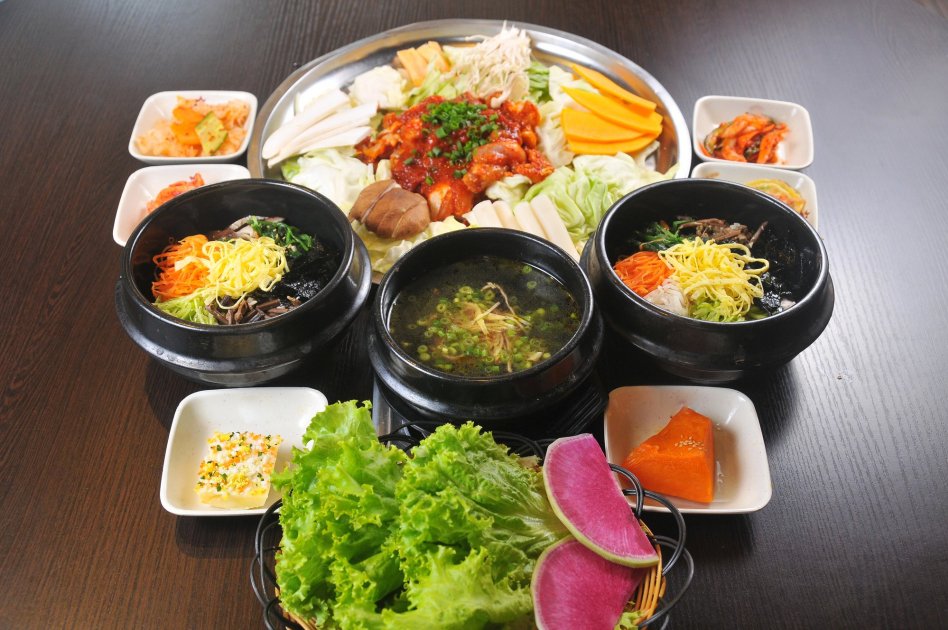
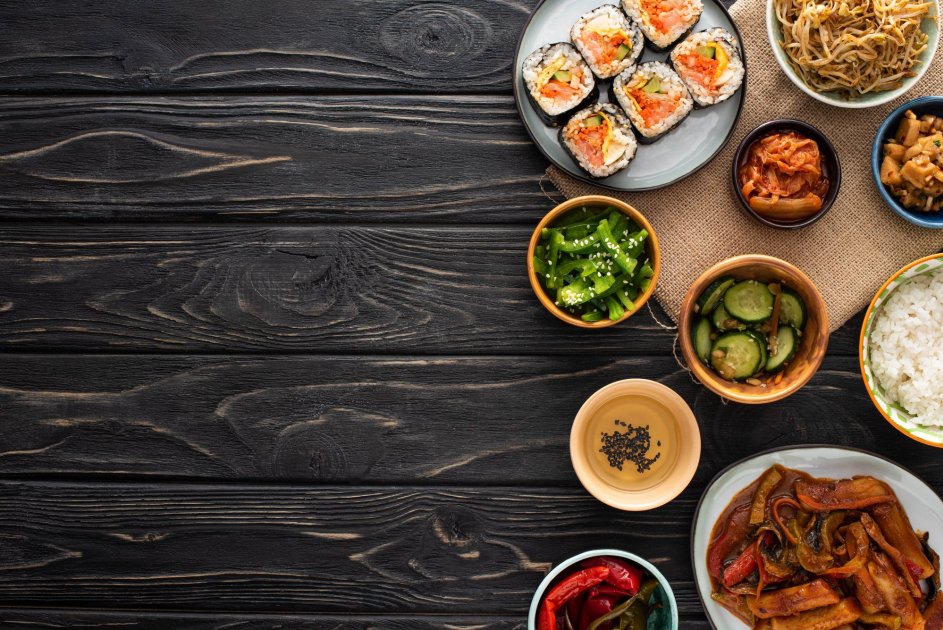
A Korean meal is not organized as a sequence of dishes but as a single whole: rice, a hot dish (soup or stew), and banchan—small side dishes made from vegetables, fish, or meat—are placed on the table. They are all served at once, and the number depends on the occasion: a typical lunch might include 2–3 banchan, while a holiday meal might feature 10–15.
Korea’s history and geography have shaped its unique cuisine. Long winters led to the need to preserve the harvest through fermentation. Proximity to the seas provided fish and seafood. The influence of its neighbors—China and Japan—is evident in certain dishes, but the distinct identity of Korean cuisine remains clear.
Panchan: Appetizers and Pickles
 ©
depositphotos
©
depositphotos
Photo author - Ink N Propeller
Baechu Kimchi
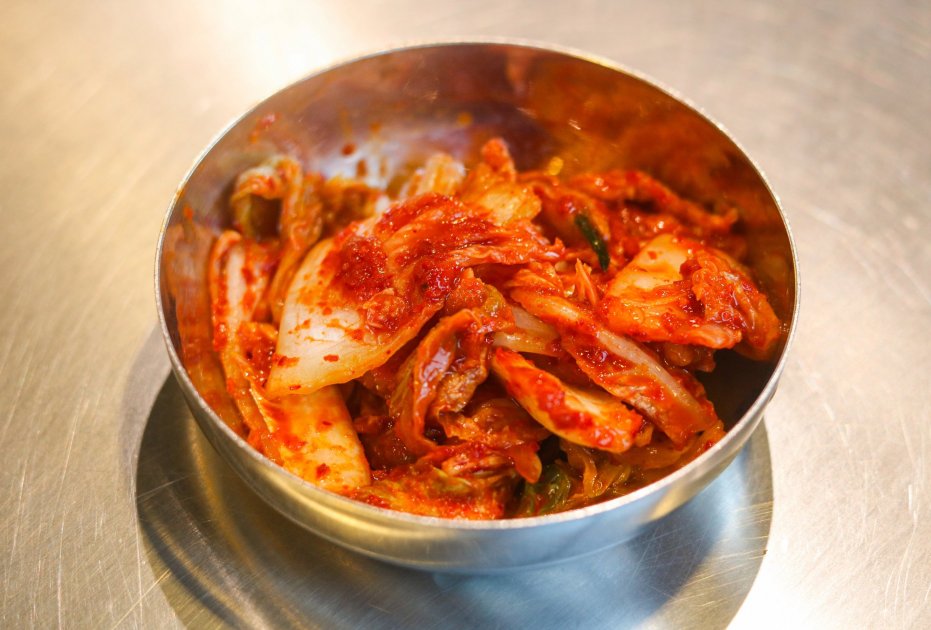
This is the most recognizable banchan—fermented napa cabbage with spicy gochujang paste, garlic, ginger, and fish sauce. Fresh kimchi is milder and less spicy, while aged kimchi is tangier and spicier, with a deep aroma. It is served with almost every meal, added to soups and stews, and stir-fried with rice. The fermentation process lasts from a few days to several months—each family has its own secret recipe.
 ©
depositphotos
©
depositphotos
Photo author - coolazrael
Kkakdugi
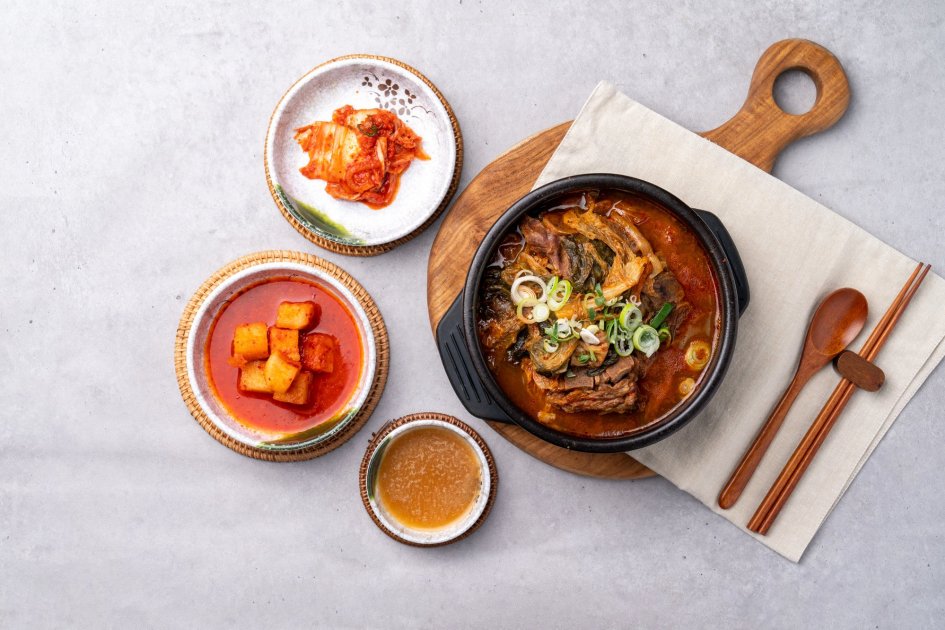
Diced, fermented daikon radish. Kkakdugi is crunchier than cabbage kimchi and has a slightly sweet flavor beneath its spiciness. It is prepared the same way as baechu kimchi, but the radish retains its firmness even longer. It is often served diced to highlight its crunch.
 ©
depositphotos
©
depositphotos
Photo author - Phototora
Namul
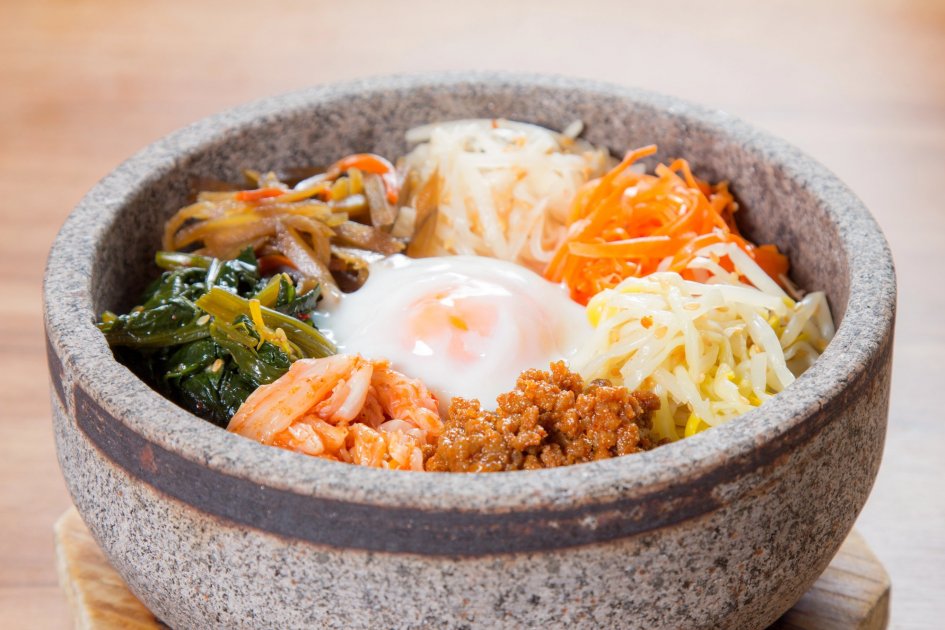
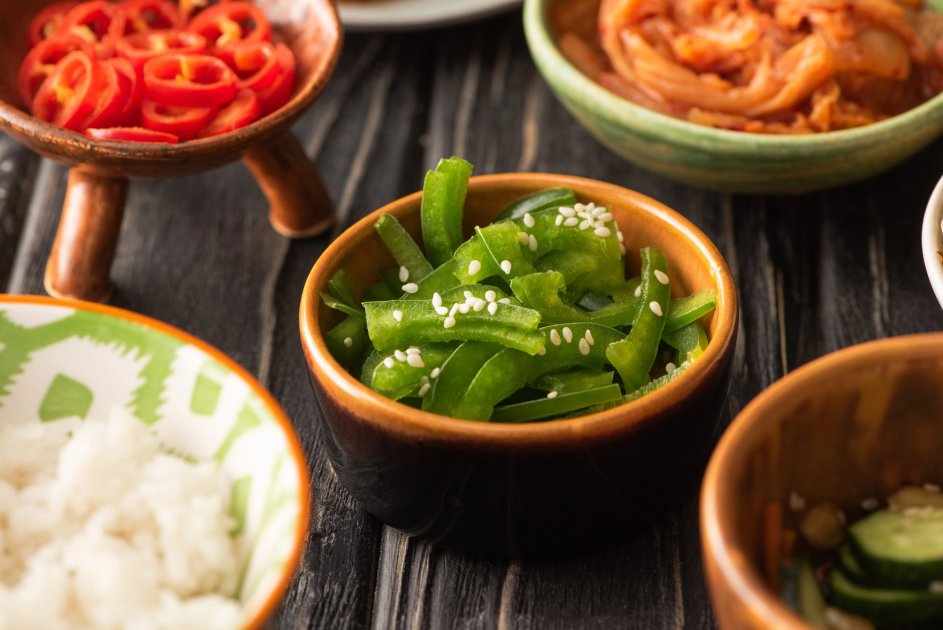
A general term for a group of panchan dishes made from seasonal vegetables that are blanched and dressed with sesame oil, garlic, and soy sauce. These may include soybean sprouts, fern, spinach, bamboo shoots, and carrots. Each vegetable is prepared separately, resulting in a delicate, subtle flavor that contrasts with the spicy dishes on the table.
 ©
depositphotos
©
depositphotos
Photo author - topntp
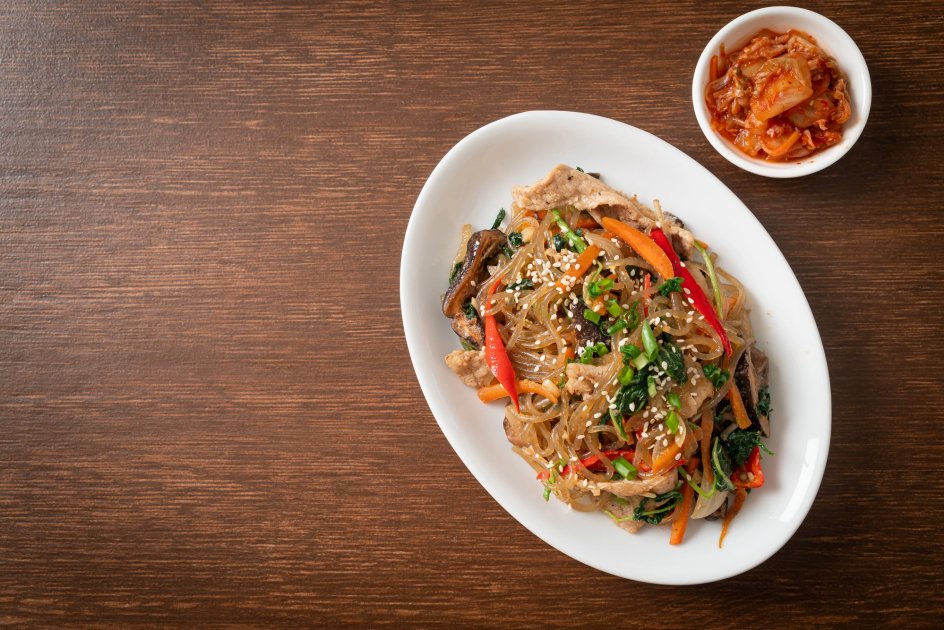
Japchae
Sweet potato glass noodles stir-fried in a pan with thinly sliced beef, mushrooms, and vegetables—carrots, onions, and zucchini. The dish turns out slightly sweet and tender, without any spiciness. Japchae is a festive dish prepared for weddings, anniversaries, and Seollal (Korean New Year). When stir-fried, the glass noodles become slightly crispy on the outside and soft on the inside.
 ©
depositphotos
©
depositphotos
Photo author - topntp
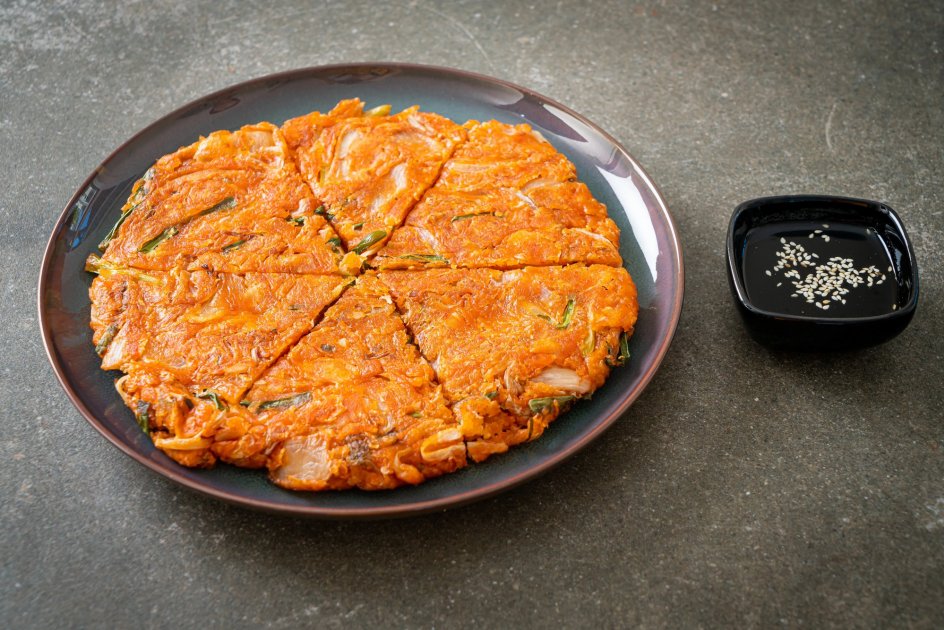
Kimchi Jeon
Pancakes made from a thin batter with chopped kimchi, fried in a skillet until golden brown. The batter becomes crispy on the outside while remaining soft on the inside, and the spiciness of the kimchi comes through the starch. They’re served hot, often cut into triangles and dipped in spicy soy sauce. A classic pairing with makgeolli.
 ©
depositphotos
©
depositphotos
Photo author - waqarg744@gmail.com
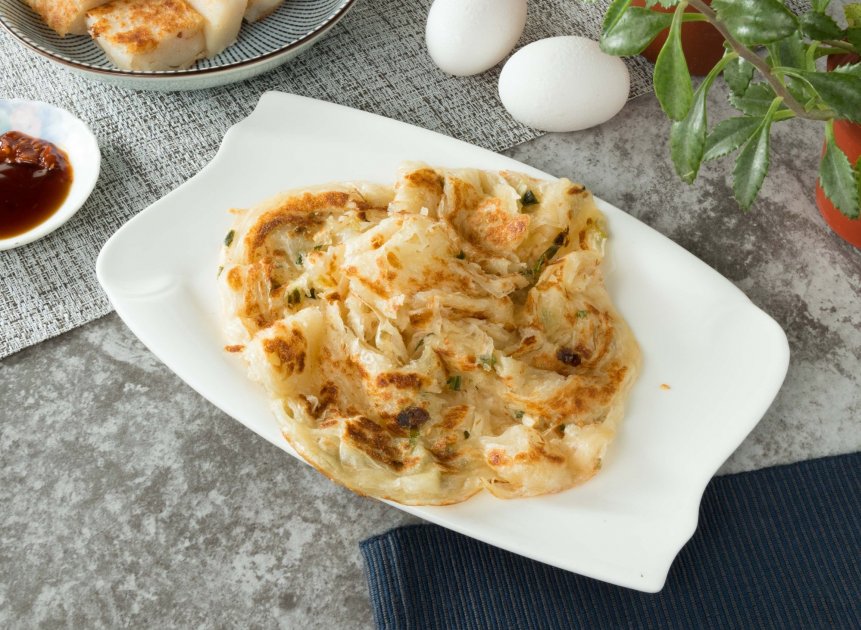
Pajeon
Pancakes made with green onions, often with seafood—such as shrimp, squid, or mussels. The batter is thin and crispy when fried in plenty of oil. Pajeon is served with a spicy sauce made from gochujang, soy sauce, vinegar, and garlic. A traditional Korean pairing is pajeon with makgeolli on a rainy day.
Soups and Stews: Guk and Jjigae
 ©
depositphotos
©
depositphotos
Photo author - hssbb79
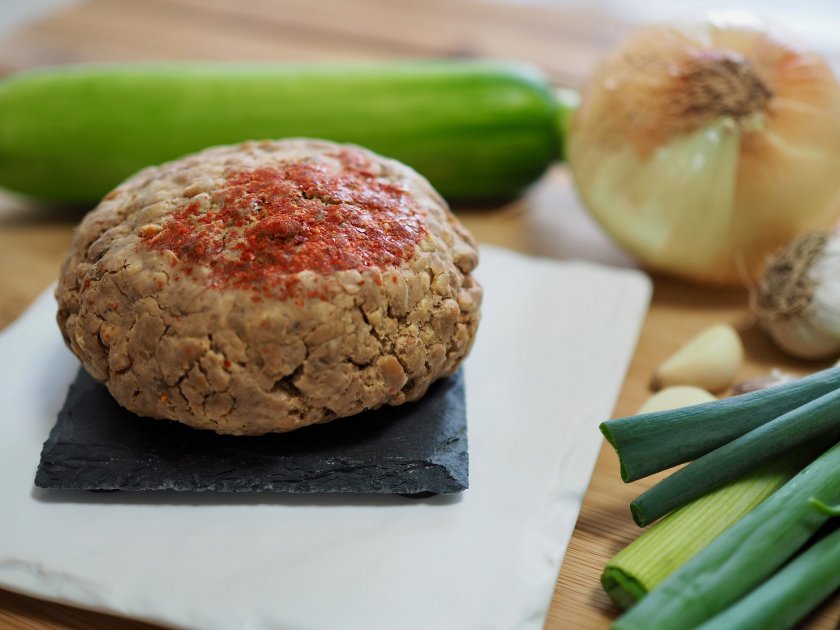
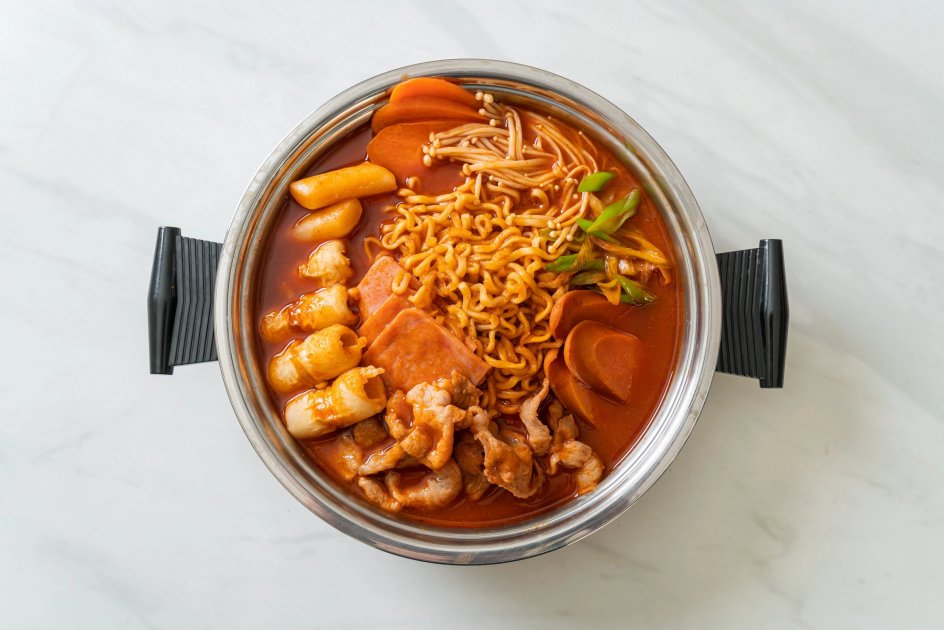
Doenjang Jjigae
A thick stew made with doenjang soybean paste, featuring cubes of soft tofu, vegetables (carrots, zucchini, onions), and often seafood—such as clams or abalone. This is one of the most common everyday dishes in Korean cuisine; it is eaten several times a week. The flavor is rich and slightly salty, without any spiciness. It is served piping hot in a clay or cast-iron pot, with its own spoon.
 ©
depositphotos
©
depositphotos
Photo author - topntp
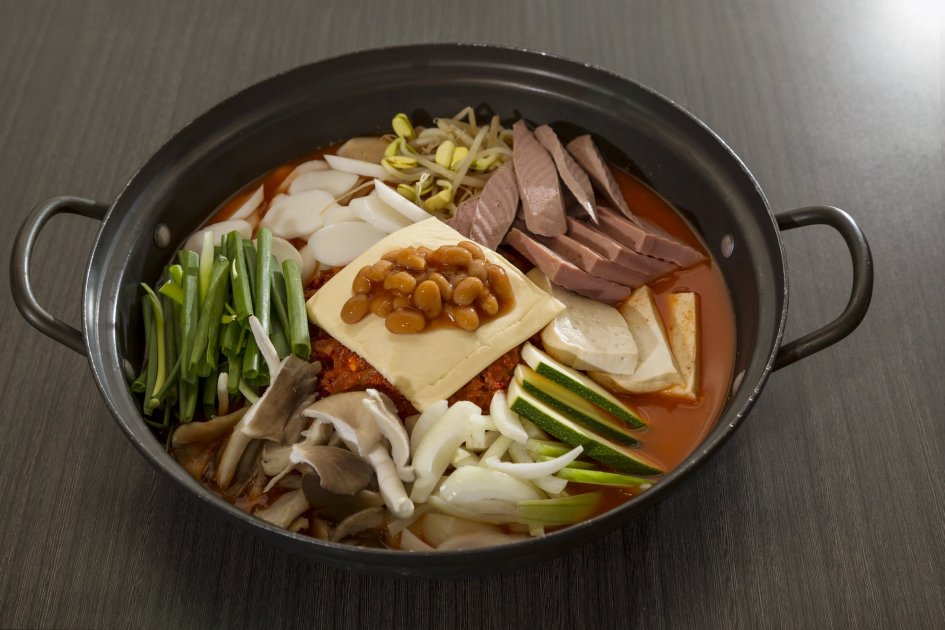
Kimchi Jjigae
A spicy stew made with aged, tangy kimchi, pork or tuna, and soft tofu. The bubbling stew is served in a hot pot with its own spoon—the rim of the bowl can be scalding hot, adding a touch of drama to the meal. The flavor is both spicy and sour, and the pieces of meat or fish melt into the broth.
 ©
depositphotos
©
depositphotos
Photo author - lteck
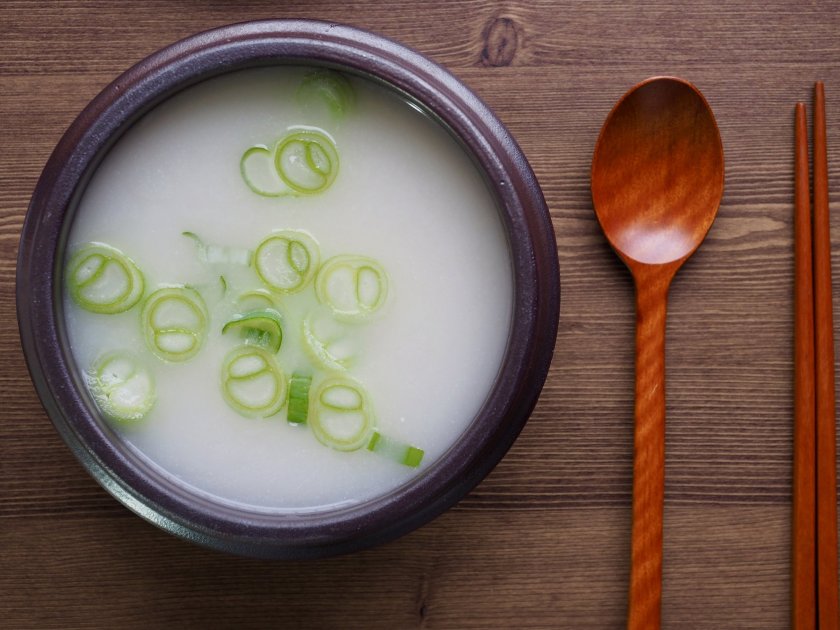
Sundubu Jjigae
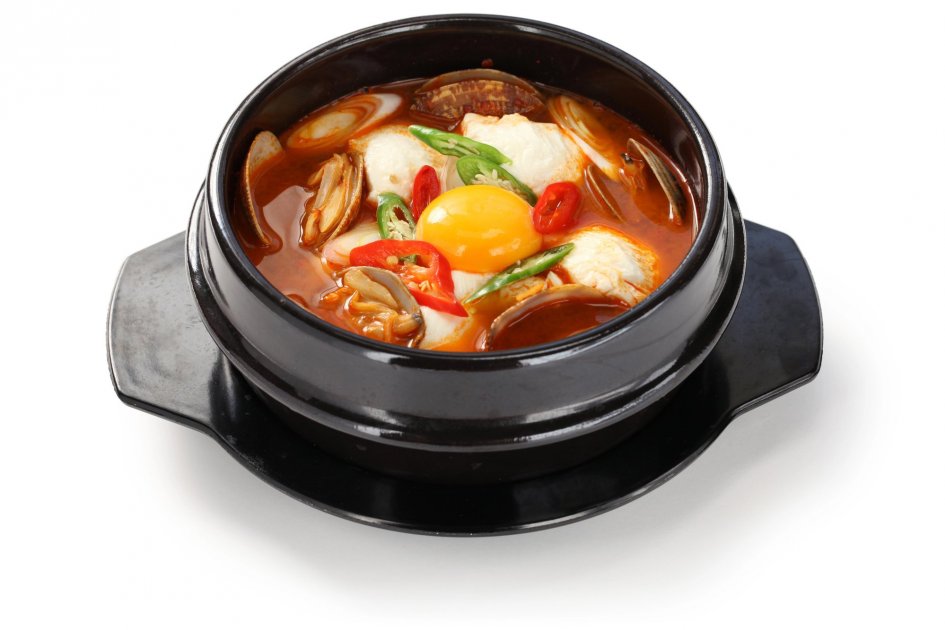
A spicy stew made with soft, unformed tofu that has the consistency of custard, often served with seafood and a thin layer of spicy paste. The classic version contains a raw egg, which is stirred into the boiling broth just seconds before serving—the yolk cooks in the hot broth and creates a creamy texture. It is served in the same boiling pot.
 ©
depositphotos
©
depositphotos
Photo author - hssbb79
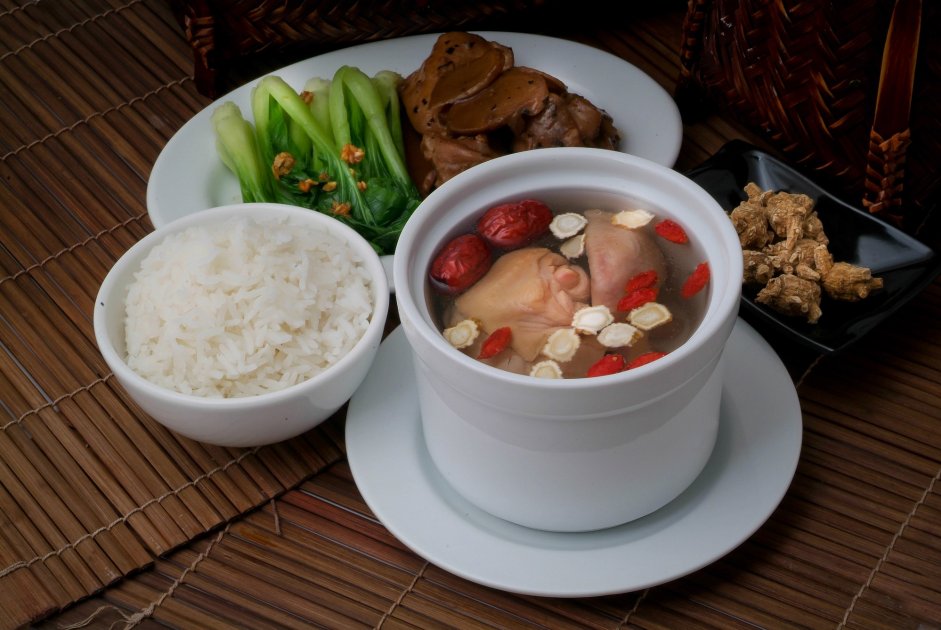
Seolleongtang
A milky-white broth made by simmering beef bones for a long time—the bones are simmered for 6–8 hours until the calcium imparts a milky color to the broth. It is served with almost no seasoning; rice is cooked and served separately, and salt and pepper are added to taste at the table. Thinly sliced beef and green onions are added to the broth. A classic breakfast choice.
 ©
depositphotos
©
depositphotos
Photo author - heinteh
Samgyetang
A soup made from a whole young chicken stuffed with glutinous rice, garlic, chestnuts, and ginseng root. A summer dish that Koreans use to “treat the heat from within”—according to traditional medicine, this hot, nutritious soup helps restore energy on hot days. The soup is simmered slowly, making the meat tender and easy to separate from the bone.
 ©
depositphotos
©
depositphotos
Photo author - vvoennyy
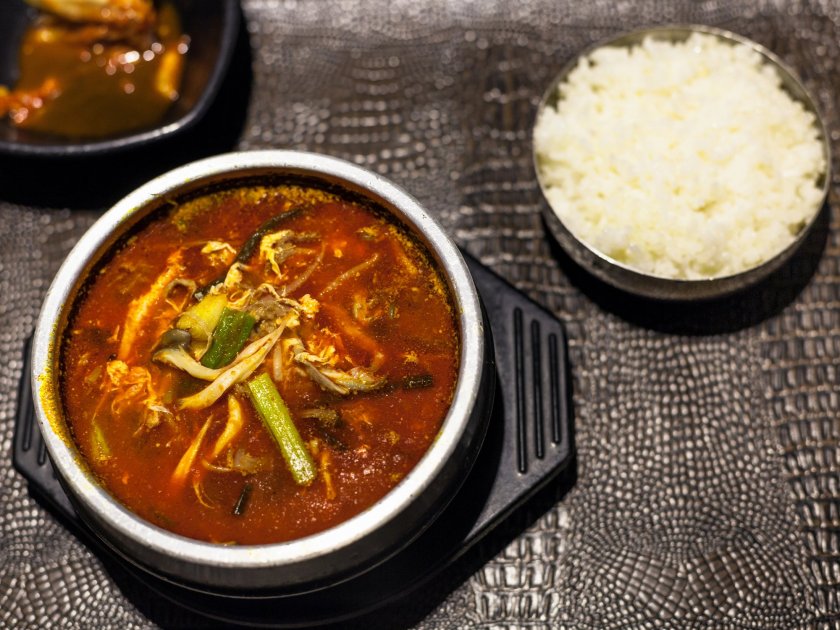
Yukgaejang
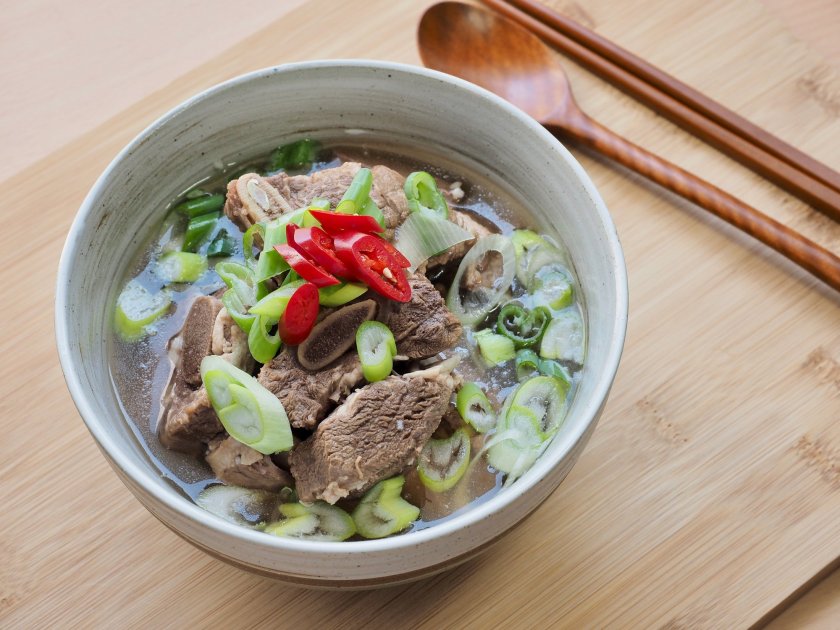
A spicy soup made with braised beef, usually shank, along with fern, bean sprouts, green onions, and gochujang. The broth is red from the spicy paste, and the meat falls apart into long strands. This soup is warming; it is eaten in winter and is considered medicinal. It is simmered for a long time so that the meat breaks down into fibers.
Rice and rice dishes
 ©
depositphotos
©
depositphotos
Photo author - Braxma
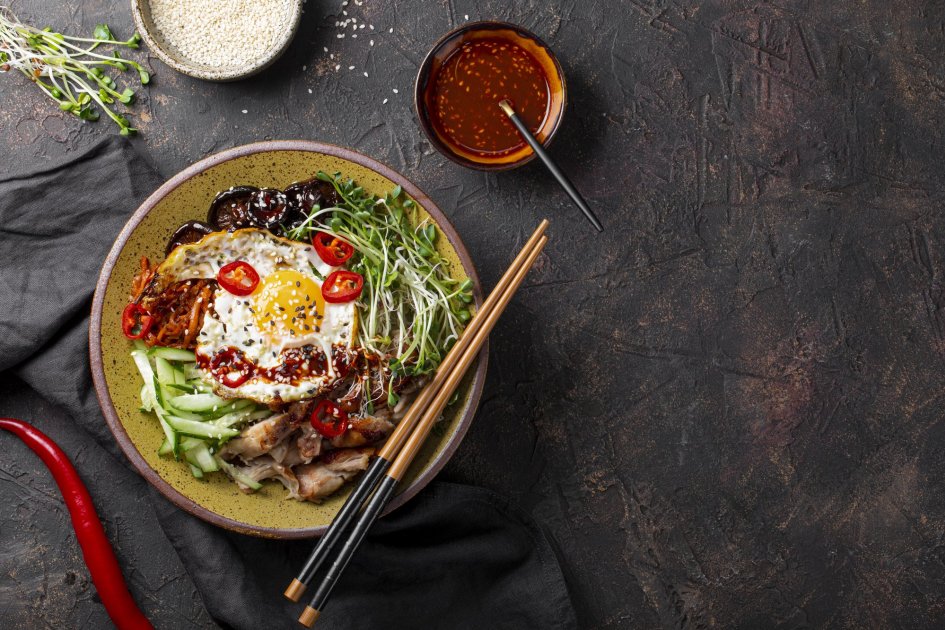
Bibimbap
Rice topped with seasonal vegetables (bean sprouts, carrots, zucchini, spinach), thinly sliced beef, an egg, and spicy gochujang paste. Before eating, everything is mixed together in a single bowl. The classic version from the city of Jeonju is made with rice cooked in bone broth. In Jeonju, it is also served in a piping-hot stone bowl, which makes the rice at the bottom crispy.
 ©
depositphotos
©
depositphotos
Photo author - sorapopu@gmail.com
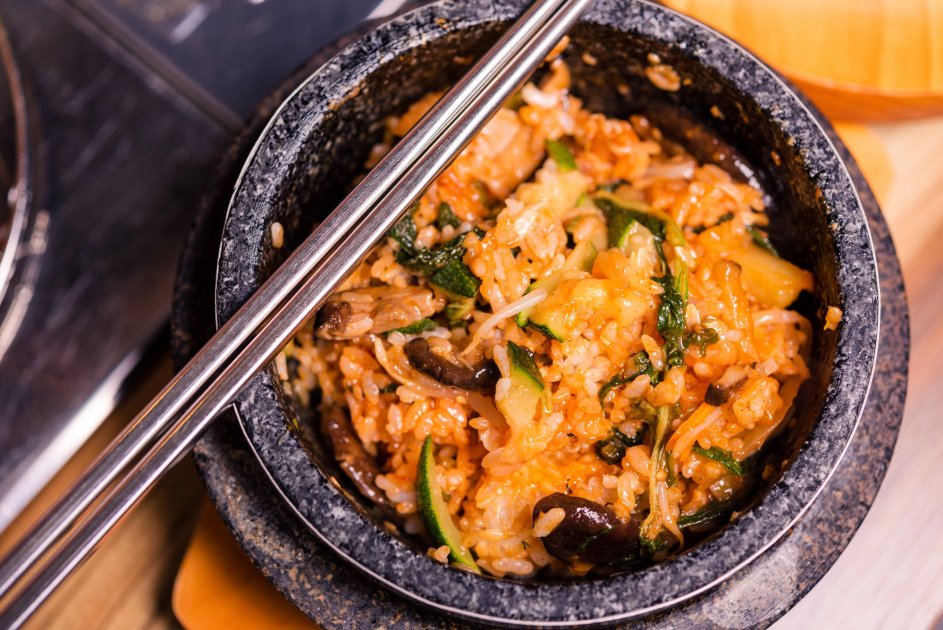
Dolsot Bibimbap
The same as bibimbap, but served in a piping-hot ceramic stone bowl. Due to the high temperature, the rice at the bottom turns into a crispy, golden layer within a few minutes—this is the most delicious part of the dish. Vegetables, meat, and sauce are arranged on top of the hot rice in the bowl right before eating.
 ©
depositphotos
©
depositphotos
Photo author - coolazrael
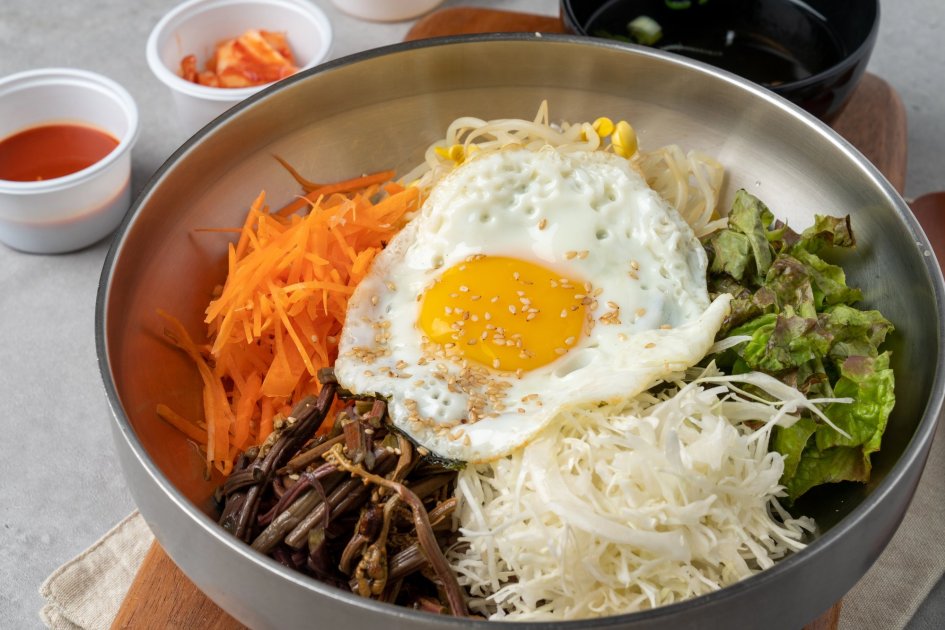
Gimbap
Rice and fillings (boiled beef, hard-boiled egg, bean sprouts, carrots, cucumber, zucchini) rolled in a sheet of dried seaweed (kim) and cut into 2-cm-thick rounds. Gimbap is eaten with the hands or chopsticks; it is not dipped in soy sauce like sushi. It has a delicate flavor, and the vegetables are crunchy. It is a popular street food and a favorite picnic dish.
 ©
depositphotos
©
depositphotos
Photo author - lenyvavsha
Bokkeumbap
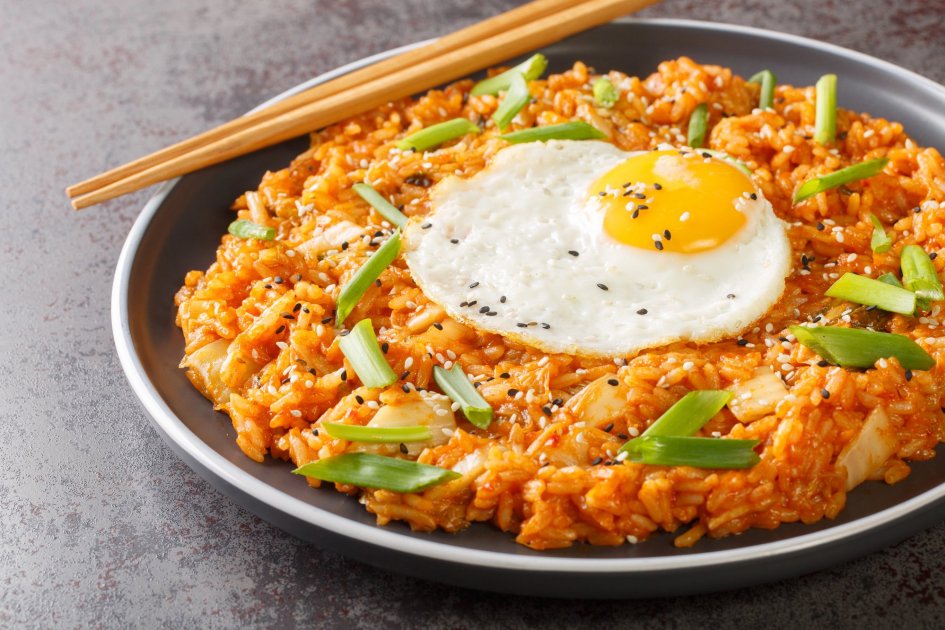
Pan-fried rice with vegetables, meat, or kimchi, often topped with an egg and drizzled with sweet tomato sauce. The flavor is more intense than that of plain rice, thanks to the stir-frying. The egg is fried sunny-side up and placed on top of the hot rice so that the yolk spreads slightly. A quick, nutritious dish.
Meat and the Grill
 ©
depositphotos
©
depositphotos
Photo author - lenyvavsha
Bulgogi
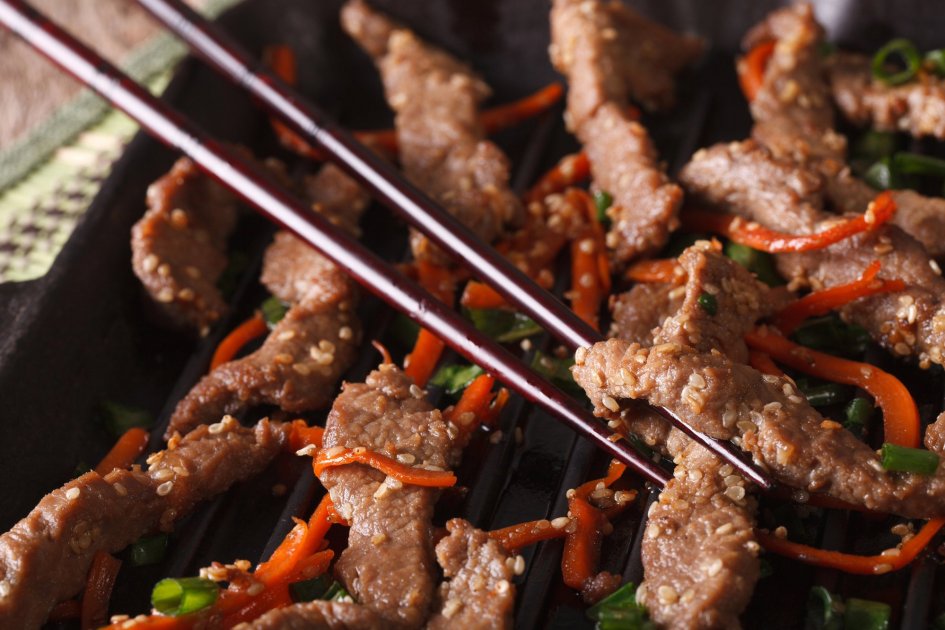
Thinly sliced beef marinated in a sweet-and-salty mixture of soy sauce, pear, garlic, and ginger. The pear acts as a tenderizer—its enzymes break down the meat fibers. The beef is quickly grilled or pan-fried over high heat so that the edges caramelize slightly. The name means “fiery meat.” It is served with lettuce leaves and the spicy ssamjang paste.
 ©
depositphotos
©
depositphotos
Photo author - asimojet
Samgyeopsal
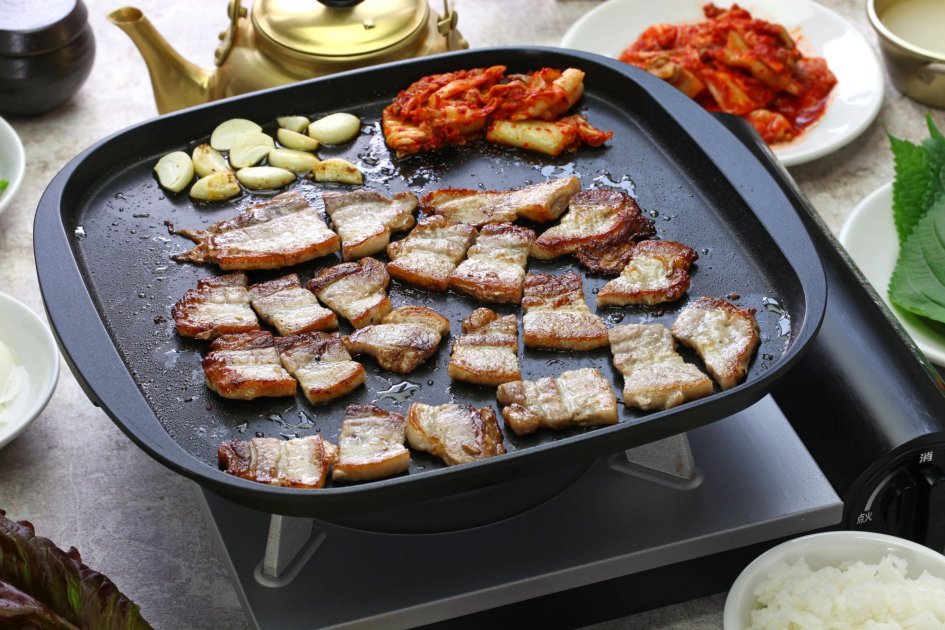
Thick slices of pork belly (1–1.5 cm), which each guest grills themselves on a grill built into the table. The meat is not marinated; it is seasoned with salt and pepper while grilling. The cooked meat is wrapped in lettuce or perilla leaves with garlic cloves, fresh chili peppers, and the spicy ssamjang paste. This is a communal dish; people eat together and prepare it right at the table.
 ©
depositphotos
©
depositphotos
Photo author - hssbb79
Galbi
Marinated grilled beef ribs, sliced along the bone so that each rib yields 2–3 pieces. The marinade is similar to that used for pulgogi—soy sauce, pear, and garlic. The ribs are grilled briefly over an open flame, leaving the meat juicy on the inside and crispy on the outside. They are served plain or with a spicy sauce.
 ©
depositphotos
©
depositphotos
Photo author - hssbb79
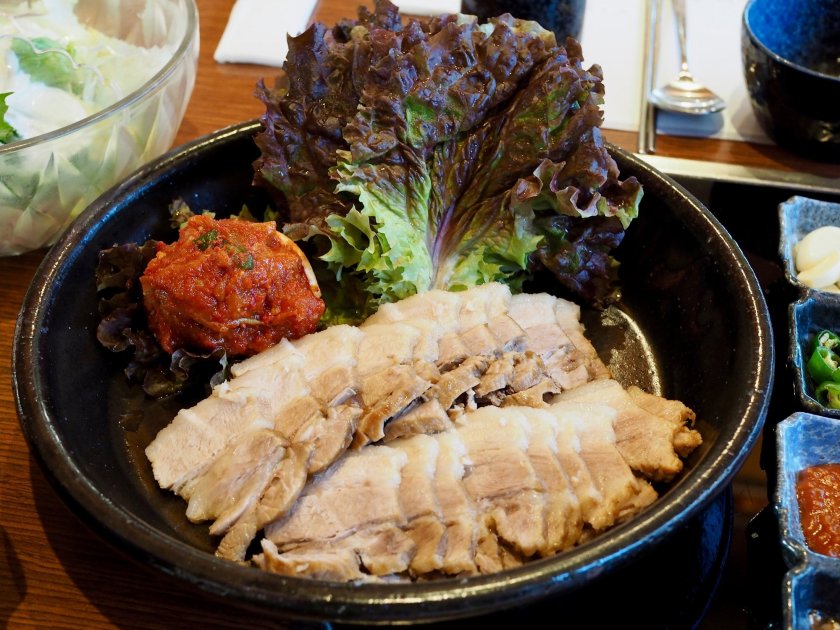
Bossam
Boiled pork belly, sliced thinly, is served with lettuce leaves, kimchi, the spicy ssamjang paste, and marinated shrimp or anchovies. Each guest wraps their own combination in a lettuce leaf. The dish is light, despite the meat, because it is boiled rather than fried.
 ©
depositphotos
©
depositphotos
Photo author - coolazrael
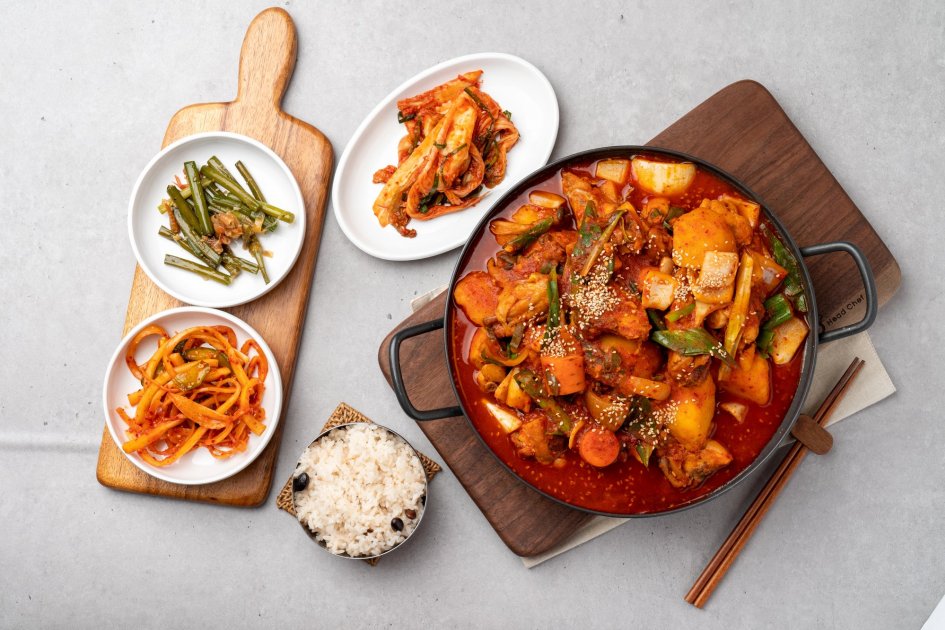
Dakdoritang
Chicken braised in a spicy red sauce made with gochujang, along with potatoes, carrots, and onions. The sauce is both sweet and spicy, and the meat becomes tender after being simmered for a long time. The name means “chicken with jackal pepper,” though this is merely a figurative expression. It is served hot in a single pot.
 ©
depositphotos
©
depositphotos
Photo author - Akarat9888@gmail.com
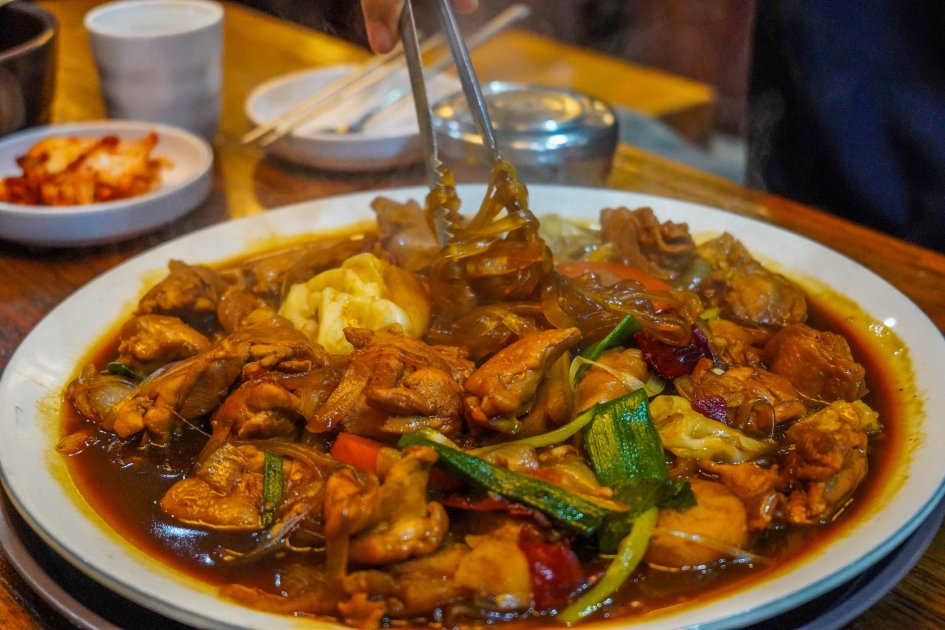
Andong Jjimdak
Chicken braised in a sweet-and-salty sauce made with soy sauce, sugar, garlic, and thinly sliced chili peppers, served with glass noodles, potatoes, and vegetables. The dish originates from the city of Andong in Gyeongsang Province. The flavor is more delicate than that of spicy stews, although chili peppers are present. It is served as a family-sized portion in a shared pot.
 ©
depositphotos
©
depositphotos
Photo author - iplusbrand
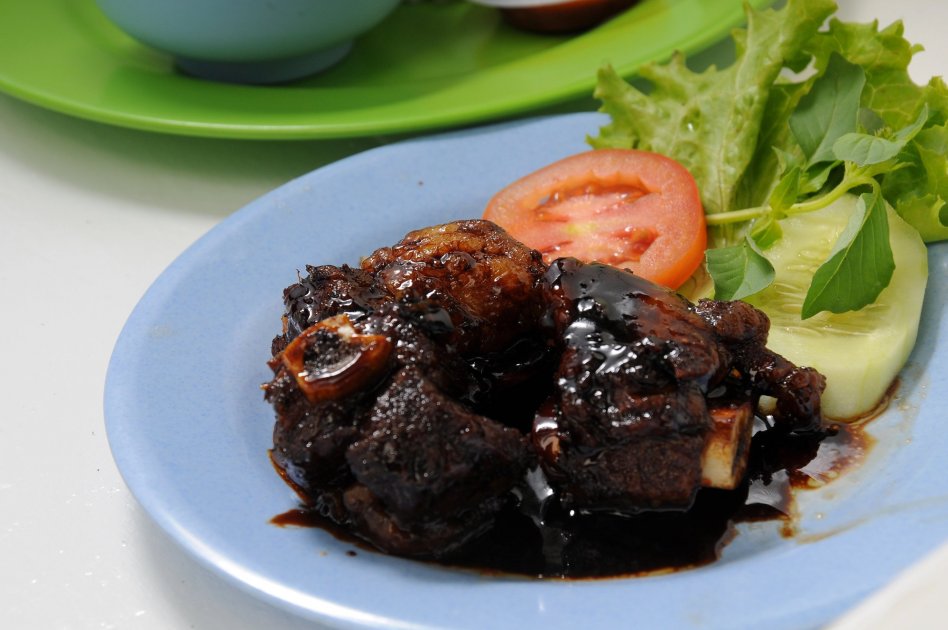
Tteok-galbi
Minced beef (a mix of beef tenderloin and short ribs), shaped around a flat bone and grilled. Originally, this was a dish served at the royal court, created in an effort to make galbi (meat on the bone) more tender and easier to eat. The meat is marinated in a sauce made with pear, garlic, and ginger, which keeps it juicy on the inside.
Noodles and street food
 ©
depositphotos
©
depositphotos
Photo author - tjdals2245@naver.com
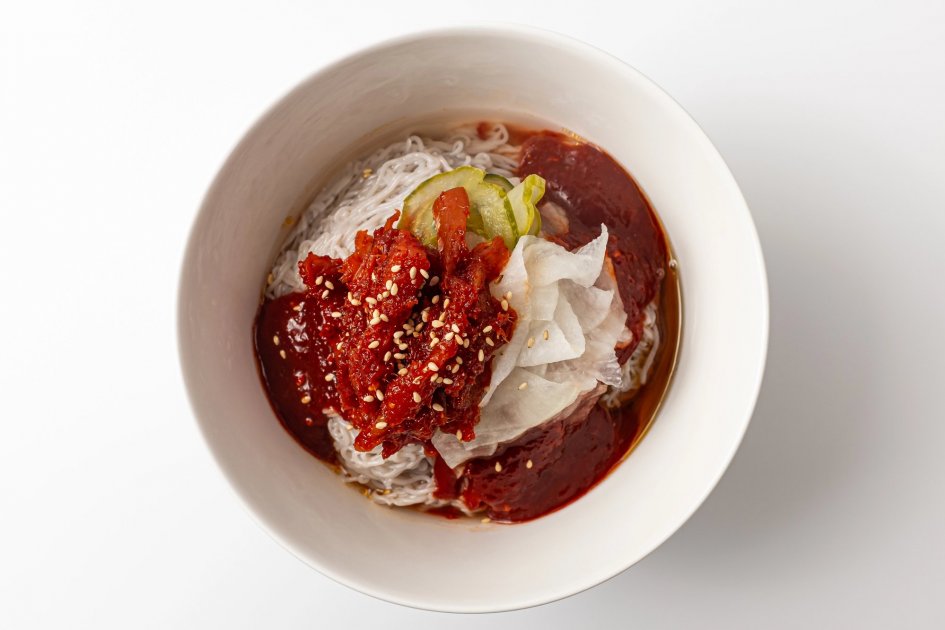
Naengmyeon
Cold buckwheat noodles served in an icy, clear beef bone broth or in a spicy red sauce. The dish originated in North Korea and became widespread in the South during the Korean War. The noodles are thin and crispy and are eaten with chopsticks. The dish is served with sliced egg, cucumber, pear, beef, and spicy mustard.
 ©
depositphotos
©
depositphotos
Photo author - topntp
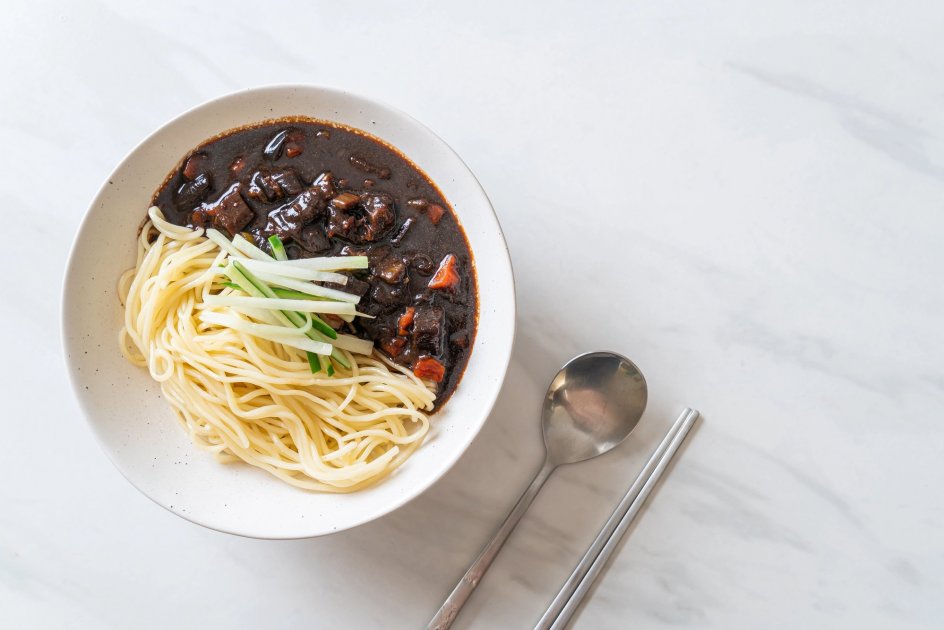
Jajangmyeon
Wheat noodles with a thick black sauce made from roasted chunjang soybean paste, meat, vegetables, and potatoes. This dish originated at the intersection of Chinese and Korean cuisines in the port of Incheon in the early 20th century, but today it is considered part of everyday Korean cuisine. The noodles are usually soft, and the sauce coats them in a thick layer. It is served with a side of spicy paste and vinegar to adjust the flavor.
 ©
depositphotos
©
depositphotos
Photo author - topntp
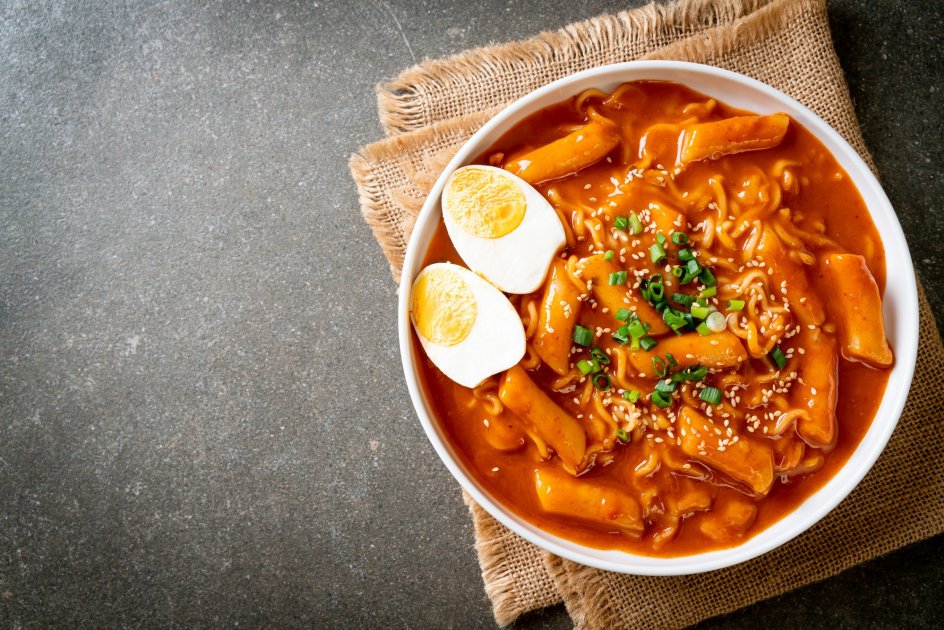
Tteokbokki
Cylindrical rice cakes simmered in a spicy, slightly sweet sauce made from gochujang, sugar, garlic, and fish sauce. Korea’s most popular street snack, it’s sold at every corner in food stalls. The dumplings become soft and soak up the sauce. Boiled eggs, seaweed, or fish cakes are often added.
 ©
depositphotos
©
depositphotos
Photo author - hssbb79
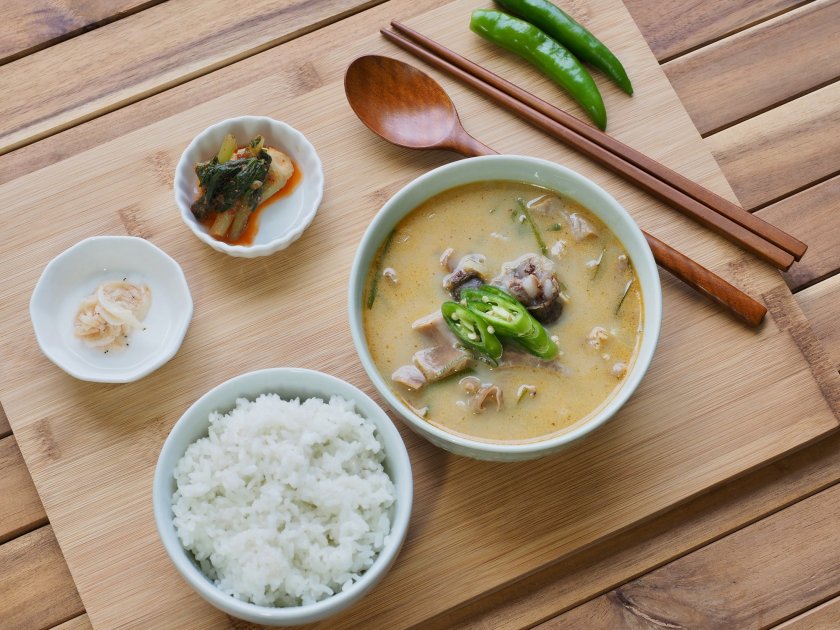
Sundae
A blood sausage made from pork casings, stuffed with blood, glutinous rice, or glass noodles, with the addition of onions and garlic. It is served sliced, usually with a spicy sauce or simply with salt. This is an old-fashioned dish that was eaten to ensure no meat went to waste when an animal was slaughtered. It has an intense flavor and a tender texture. Do not confuse it with the American dessert “sundae”—the similarity in names is purely coincidental.
 ©
depositphotos
©
depositphotos
Photo author - Jelly_stock
Hotteok
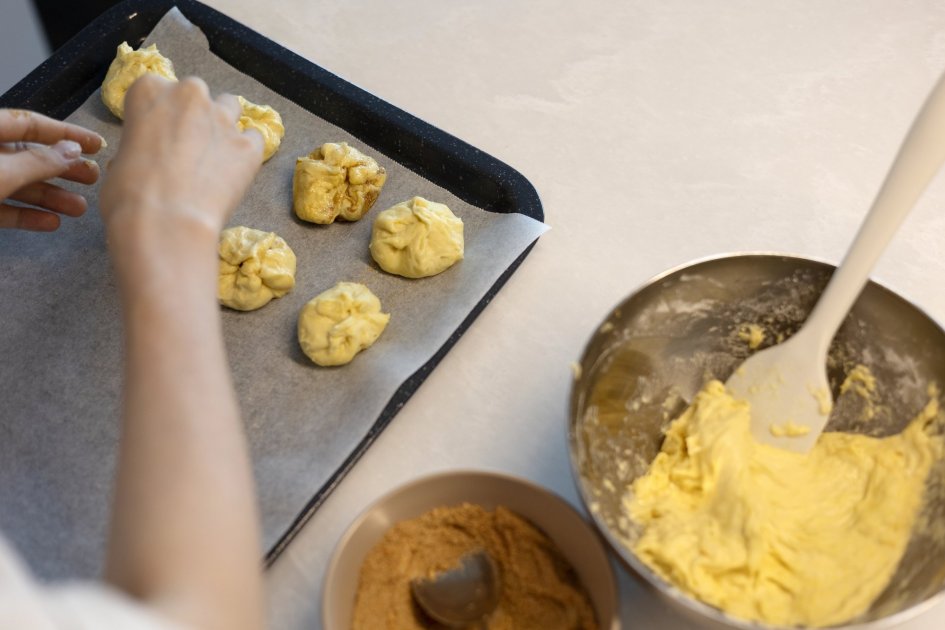
A sweet fried pancake filled with brown sugar, ground peanuts and cashews, and cinnamon. The pancake is fried in a pan until golden brown; inside, the sugar caramelizes and becomes chewy. This is a winter street food sold from November through March on the streets and near subway stations. It’s eaten hot, usually by hand, wrapped in a napkin.
Drinks
 ©
depositphotos
©
depositphotos
Photo author - bhofack2
Soju
A clear distilled spirit with an alcohol content of 12–20%, originally made from rice, but today often made from sweet potatoes, barley, or a blend. It is Korea’s national spirit. It is drunk from small shot glasses in small sips, rather than in one gulp. Traditionally, soju is served chilled, and it is often the first drink poured for the guest of honor at the table.
 ©
depositphotos
©
depositphotos
Photo author - Ikarahma
Makgeolli
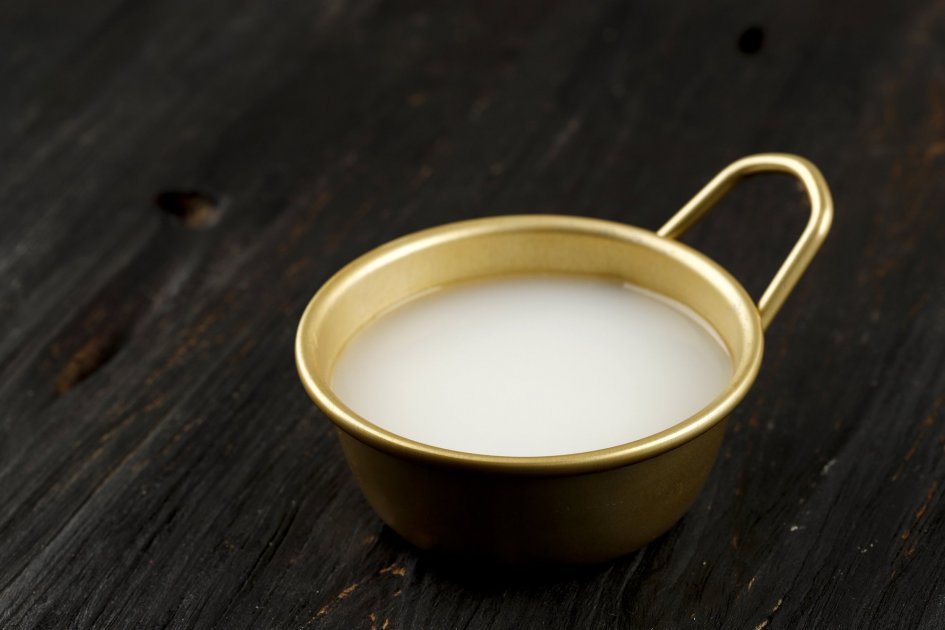
A cloudy, sparkling rice wine with an alcohol content of 6–8%, slightly sweet. Traditionally a peasant drink, it has experienced a renaissance today. Makgeolli is drunk from cups, often chilled. The classic and almost obligatory pairing for makgeolli is pajon (scallion pancakes) on a rainy day.
 ©
depositphotos
©
depositphotos
Photo author - hssbb79
Baekseju
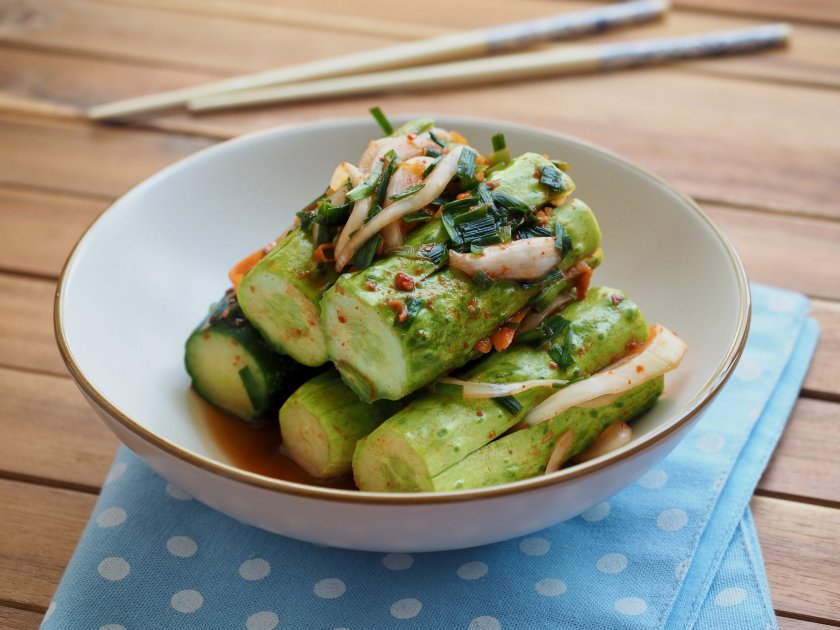
A rice wine infused with ginseng, magnolia fruit, and a dozen other herbs, with an alcohol content of about 13%. It is a more complex and refined beverage compared to makgeolli. It is drunk in small portions, often chilled. It is considered a beverage with health benefits in traditional Korean medicine.
 ©
depositphotos
©
depositphotos
Photo author - Nattkamol
Insamju
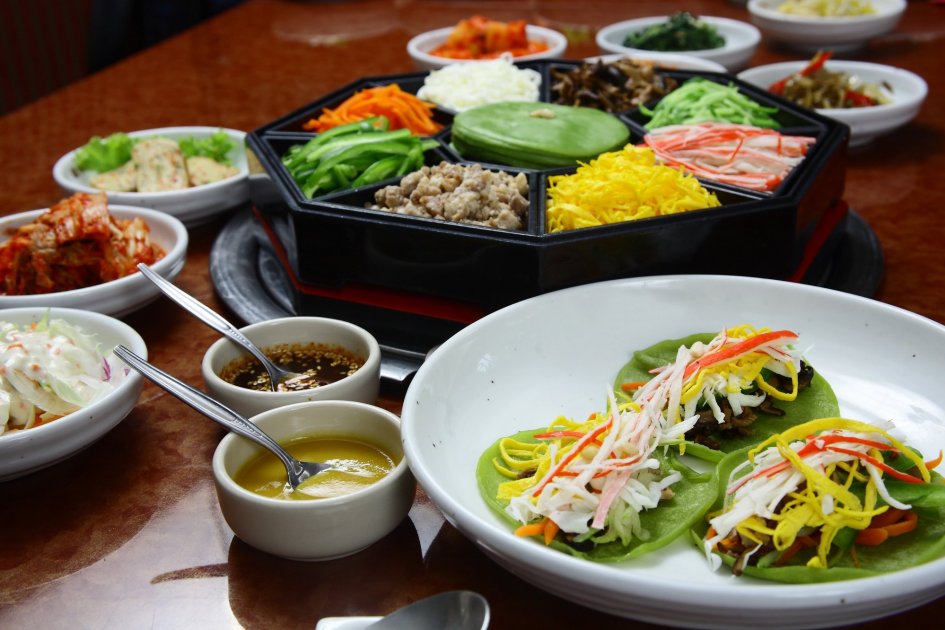
Rice wine infused with ginseng root is simpler to produce than baekseju. Its alcohol content is about 12–15%. The flavor is cleaner than that of paekseju, and the ginseng imparts a distinctive slightly bitter aftertaste. It is served chilled or at room temperature.
 ©
depositphotos
©
depositphotos
Photo author - ArturVerkhovetskiy
Sikhye
A sweet, non-alcoholic beverage made from fermented rice malt, with whole grains of rice floating in it. It is prepared by steeping rice in a special starter culture, then filtering it and adding sugar. It is served cold. This is a traditional dessert drink, often given to children and the elderly. It has a sweet, slightly honey-like flavor.
 ©
depositphotos
©
depositphotos
Photo author - VadimVasenin
Sungnyung
Warm water left over after rice has scorched to the bottom of a cauldron (surahana), often with malt added or simply salted. It is traditionally served at the end of a meal instead of tea to cleanse the stomach. It has a light flavor with a barely perceptible hint of burnt rice. It is considered a healthy drink.
Where to Start
Dish | What is it, in a nutshell? | Who it's for |
Bibimbap | Rice with vegetables and an egg in a spicy sauce | For first-timers, vegetarian |
Baechu kimchi | Spicy fermented cabbage | Basic banchan—you’ll find it everywhere |
Samgyeopsal | Grilled pork belly served at the table | For meat lovers, a social dish |
Tteokjang jjigae | Tofu and vegetable stew with soybean paste | Everyday, hearty, neutral |
Yukgaejang | Spicy beef soup with vegetables | For lovers of spicy and warming dishes |
Kkimppap | Rice and vegetables wrapped in seaweed, cut into rounds | Light and easy to eat with your hands—perfect for picnics |
Tteokbokki | Rice cakes in a spicy sauce | Street food, spicy and slightly sweet |
Pulgogi | Thinly sliced beef in a sweet-and-salty marinade | For meat lovers—a delicate flavor |
 ©
depositphotos
©
depositphotos
Photo author - asimojet
Regional Characteristics
Cholla (southwest): Considered the gastronomic capital of Korea. The meals here are the most abundant—with plenty of banchan and more generous portions. The quintessential bibimbap is prepared in the city of Jeonju in this region, where the rice is cooked in bone broth and served in a piping-hot stone bowl. Jeolla is known for hon-oh-hwe (fermented skate), fried oysters, and braised sabrefish. The flavor profile is milder than in neighboring regions, with an emphasis on delicacy.
Gyeongsang (southeast): The cuisine is spicier, saltier, and features prominent garlic and fermented anchovies (myeolchichot). The proximity to the sea provides an abundance of dishes made with raw fish (hwe). This is where Andong chimdak and milmyeon (cold noodles) originate. After the Korean War, many residents from North Korea resettled in Busan, bringing naengmyeon with them, which became popular in the southeast.
Jeju Island: Its volcanic isolation has given rise to a unique cuisine. The Jeju black pig is a local breed, and its meat is more flavorful. Dishes made with abalone, fresh sea urchin, and citrus desserts are all characteristic of the island. The seafood here is fresh and varied—something other regions cannot boast of.
The royal cuisine of the Joseon court (Seoul): exquisite, multi-course meals featuring delicate preparation of ingredients. This is where such delicacies as tteokgalbi and neobi-ani (the predecessor of modern pulgogi) originated. Seoul cuisine is more visually appealing, with an emphasis on asymmetrical presentation and a balance of flavors.
 ©
depositphotos
©
depositphotos
Photo author - VadimVasenin
Dining Traditions and Etiquette
- People begin eating only after the eldest person at the table has started. This is a sign of respect for the hierarchy, which is important in Korean culture.
- Rice and soup are eaten with a spoon, while other dishes are eaten with wooden or metal chopsticks. It is not customary to hold a spoon and chopsticks in the same hand at the same time—you switch from one to the other.
- Unlike in Japanese tradition, the rice bowl is not brought to the mouth. Rice is scooped up with a spoon and eaten while keeping the bowl on the table.
- Chopsticks are never stuck vertically into the rice—this is associated with a memorial ritual at funerals and is considered a bad omen.
- Drinks are poured for others, not for oneself. When accepting a drink from a senior, hold the cup with both hands or with one hand in a respectful manner as a sign of gratitude.
- Take small portions from shared plates, rather than piling a large amount onto your plate at once. This leaves food for others and demonstrates modesty.
Korean cuisine is more than just food: it is a way of socializing at the table, respect for hierarchy and natural ingredients, and the art of fermentation and flavor balance. Each of the 28 dishes has its place in a Korean meal, from the everyday twenjang jjigae to the festive chapchae. Start with bibimbap or paechu kimchi—and you’re already on your way to understanding one of the world’s most recognizable cuisines.
Хочешь путешествовать чаще?
280 000 подписчиков уже получают наши письма с авиаскидками до -85% и путешествуют чаще. Теперь твоя очередь!
ok
или
Did you like the article?
😍
😂
😄
😐
🤔
😩
