Folks, don't forget that we have an extremely comfortable iOS application in App Store
Please try it!

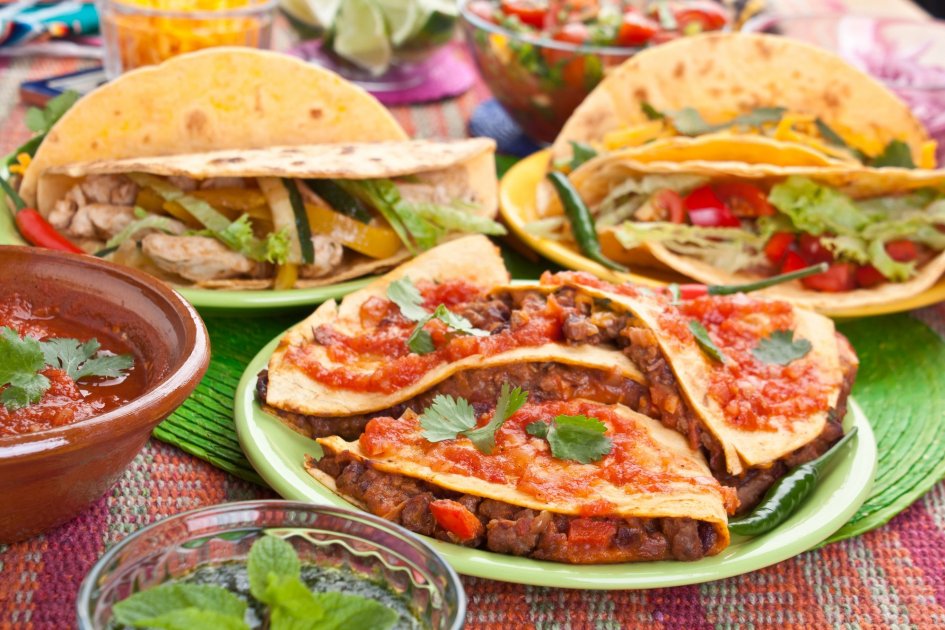
Mexican cuisine is one of the oldest and most diverse culinary traditions in the world, recognised by UNESCO in 2010 as intangible heritage of humanity. Its foundations reach back to the pre-Hispanic era of the Aztecs and the Maya and rest on corn, beans, chilli peppers and squash, to which Spanish, Lebanese and French influences were later added. It cannot be reduced to a single level of heat or a single recipe: every region of Mexico has its own dishes, its own spices and its own traditions. Here we cover the 30 key Mexican dishes and drinks that define the character of this cuisine.
 © depositphotos
What makes Mexican cuisine special
Mexican cooking is built on nixtamalisation — treating corn with limewater before grinding it into masa. This ancient process does more than prepare the kernels: it makes them digestible, unlocks their nutrients and creates the base for tortillas, tamales and pozole. Without nixtamalisation there would be no Mexican cuisine at all.
The fundamental ingredients — corn, beans, chilli peppers, squash, tomatoes, avocado, cacao and agave — are the same ones used in pre-Hispanic times. To them the Spanish added pork, dairy, wheat and cheese. Later came Lebanese influence (visible in tacos al pastor) and French influence (in the baking and the elaborate sauces of Puebla).
The cuisine is intensely regional: the food of Yucatán barely overlaps with that of Oaxaca or Jalisco. Each region has its own moles, its own techniques, its own festive dishes. And an important clarification: not all Mexican food is hot by default. The heat is added by the diner from the salsa, lime and pickled onion on the table, not by the cook.
Snacks and street food
 © depositphotos
Guacamole
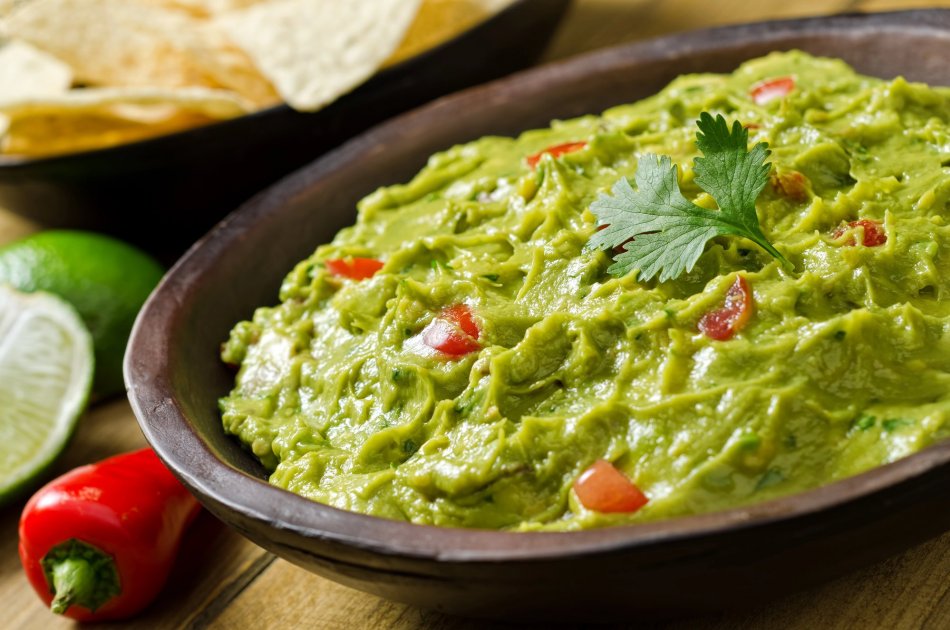
Guacamole is mashed avocado with lime, onion, coriander, green chilli and salt. The name comes from the Aztec ahuacamolli. This is not a dip made with mayonnaise or sour cream: classic guacamole contains only avocado, the acidity of lime, heat and herbs. It is served with totopos — triangles of fried tortilla. Guacamole is made right before eating so the avocado does not darken.
 © depositphotos
Totopos
Totopos are triangles of corn tortilla, dried or fried in oil, crisp and salty. They are street food and a snack with drinks, and the ideal base for guacamole and salsa. Nachos were later born from totopos: they were invented in the border town of Piedras Negras for American visitors. Totopos themselves are simpler: just corn, oil and salt.
 © depositphotos
Quesadilla
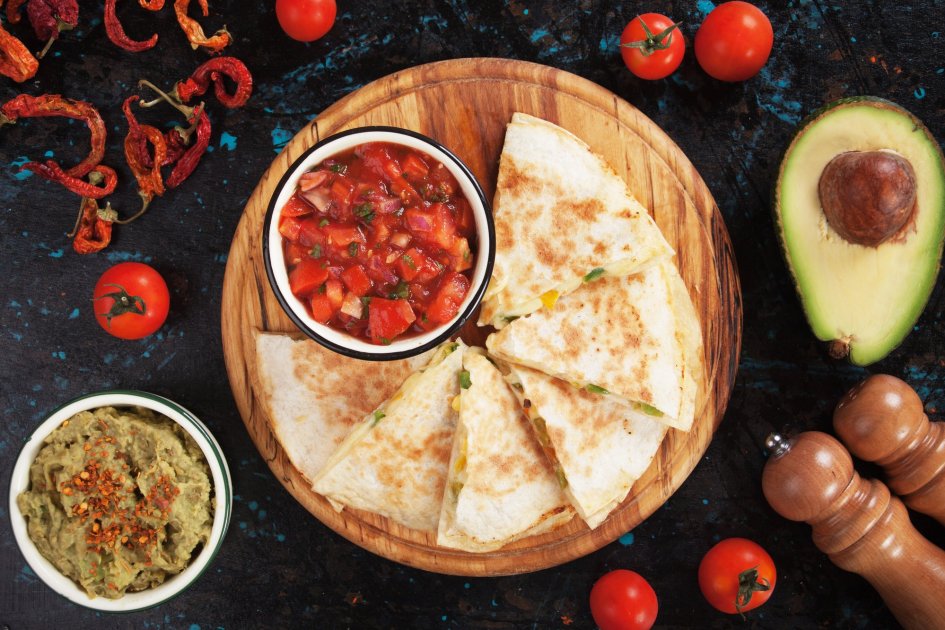
A quesadilla is a corn or wheat tortilla folded in half with melted cheese inside and fried until the edges are crisp. In central Mexico, especially in Mexico City, quesadillas are made with mushrooms, potato or fresh curd cheese, and locals still argue over whether cheese is compulsory at all. Served with sour cream and salsa.
Sopes
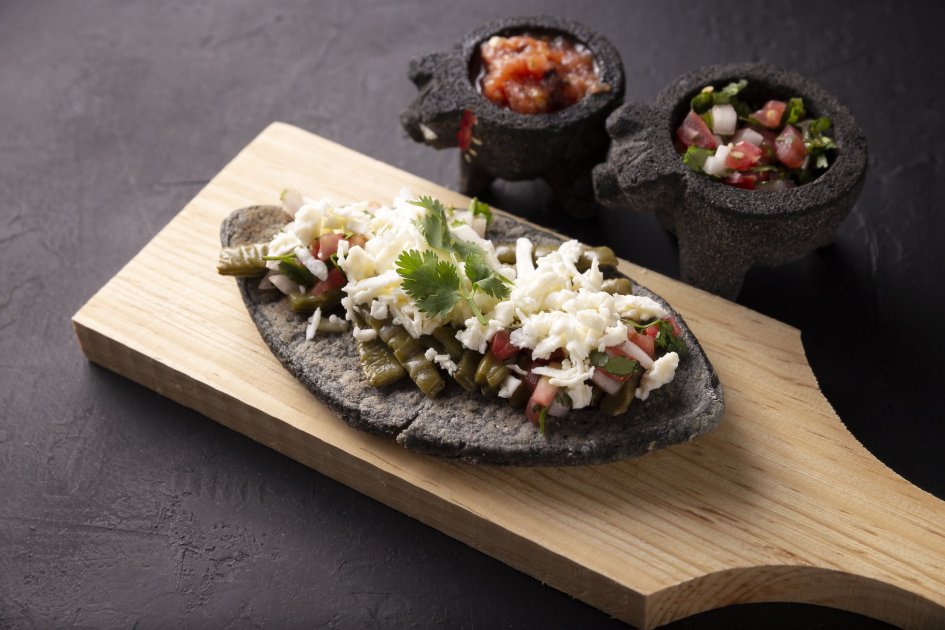
A sope is a thick, raised corn cake with a pinched rim, like a small plate made of dough. It is layered with beans, stewed meat, grated cheese, sour cream and hot salsa. Eaten with the hands, usually on the street or at a food stand. Each layer is added separately, so everyone builds their own mix.
 © depositphotos
Tlacoyos
Tlacoyos are oval, slightly flattened masa cakes with beans or fresh curd cheese hidden inside the dough. They are cooked on a hot griddle until brown spots appear on the surface. This is street food from central Mexico, served with sour cream, salsa and pickled onion.
 © depositphotos
Elote
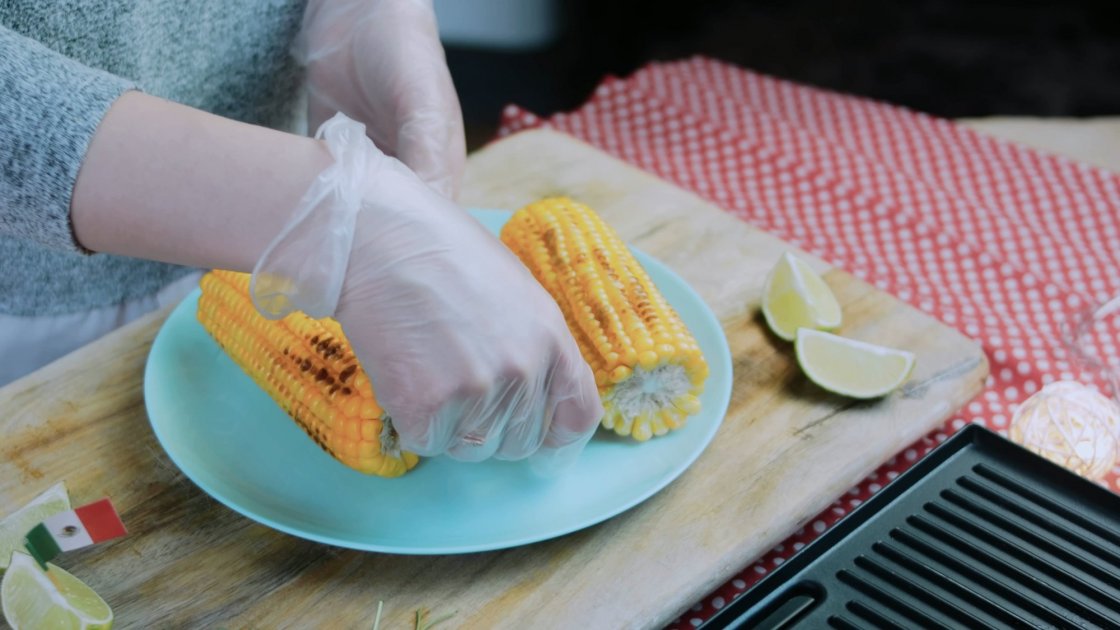
Elote is a whole fresh ear of corn on a wooden stick, boiled and coated with a creamy sauce (mayonnaise or sour cream), sprinkled with cotija cheese and ground chilli and finished with a squeeze of lime. It is summer street food, sweet with heat and salt. A variant of elote is esquites — the same thing, but the kernels are cut off the cob and served in a cup with broth.
Esquites
Esquites are boiled corn kernels cut from the cob and served in a cup with corn broth, butter, cotija cheese, ground chilli and lime. You eat them with a spoon straight from the cup while they are hot. This is the more compact, portable version of elote, popular at markets and schools.
Tacos and tortas
 © depositphotos
Tacos al pastor
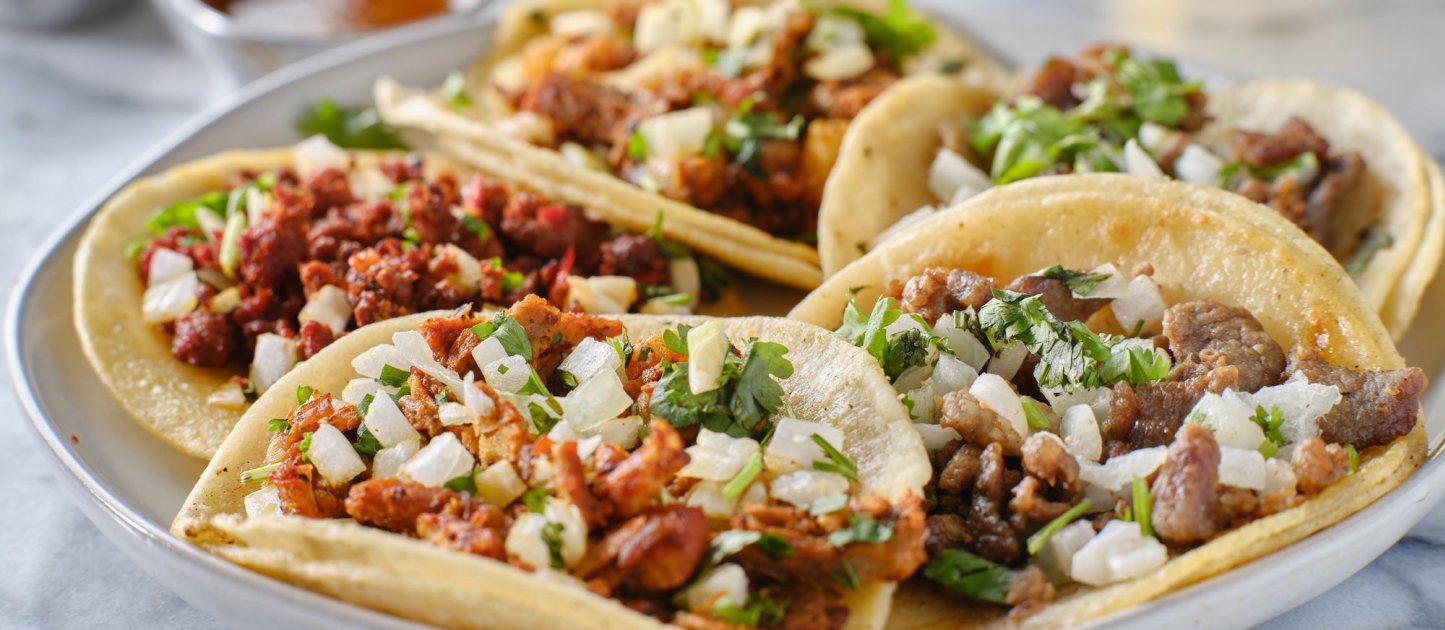
Tacos al pastor are made from pork marinated in achiote, vinegar and spices and roasted on a vertical spit called a trompo, like doner or shawarma. The meat is shaved off in thin slices onto a small soft corn tortilla and topped with a piece of pineapple from the spit, raw onion, coriander and hot salsa. The spit was brought to Mexico City by Lebanese immigrants in the twentieth century, but the lamb was swapped for pork — a characteristically Mexican reinvention.
 © depositphotos
Carnitas
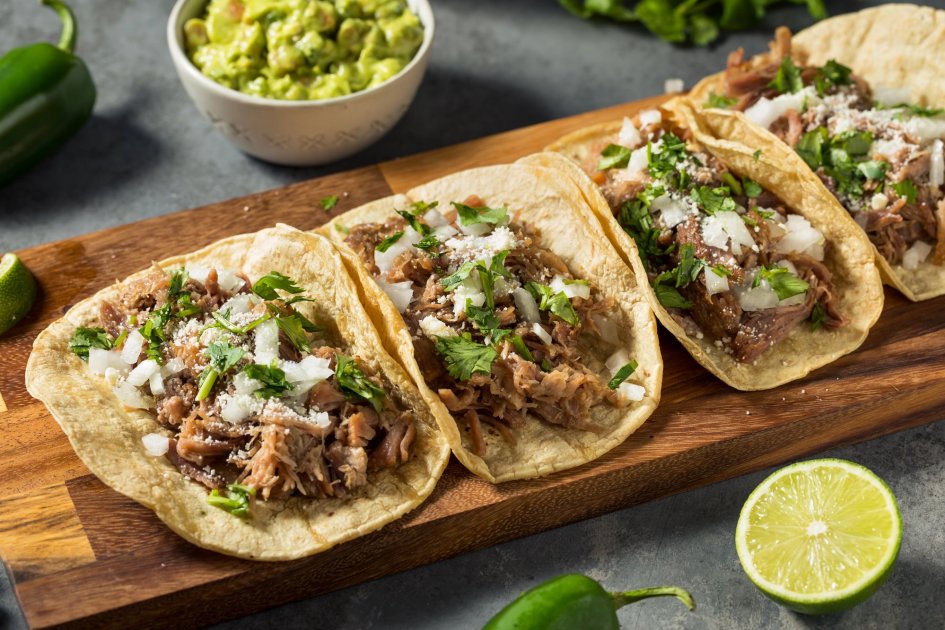
Carnitas is pork simmered for hours in its own fat in a heavy copper pot or clay vessel until it is completely tender inside with a crisp brown crust outside. It is a dish from Michoacán, once reserved for festivals and family gatherings. Served with a hot tortilla, onion, coriander and lime, and eaten straight from the fat.
 © depositphotos
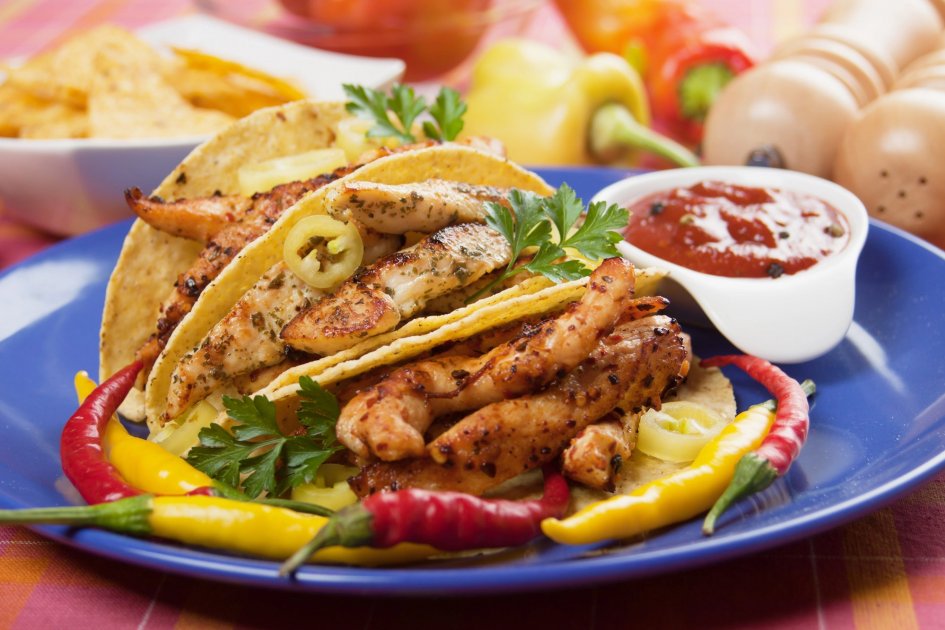
Barbacoa
Barbacoa is meat — most often lamb, goat or beef — wrapped in agave leaves, placed in a pit in the ground with hot coals and stones and baked until it falls off the bone. The meat absorbs the smoke and turns deeply aromatic. The English word barbecue comes from this one. Served with lemon juice, onion and a hot tortilla.
 © depositphotos
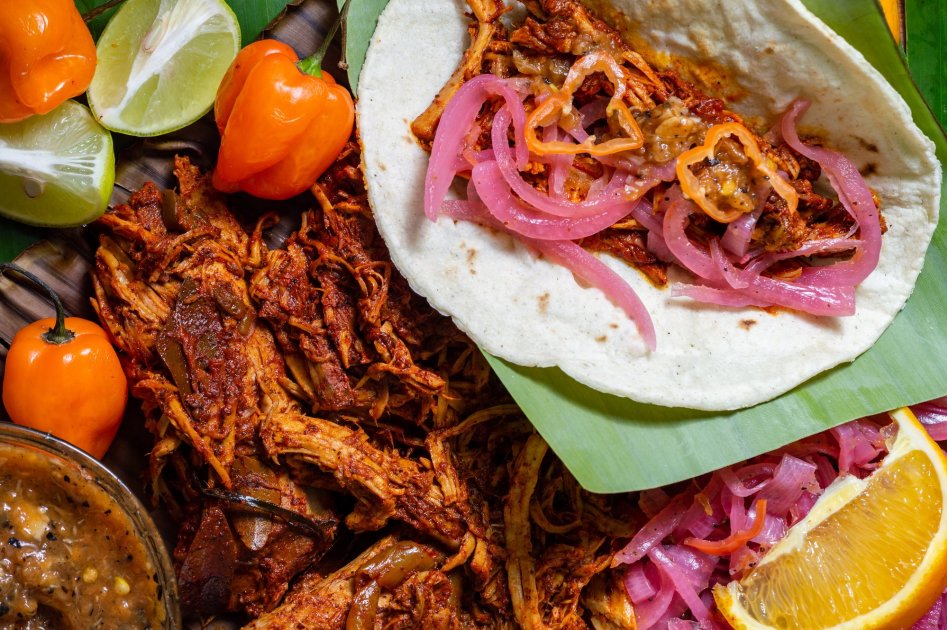
Cochinita pibil
Cochinita pibil is pork marinated in a paste of achiote (a red seasoning made from annatto seeds), sour orange, garlic and spices, wrapped in banana leaves and baked in an earth oven called a píib. It is a Yucatán dish with Mayan roots. Served with pink pickled onion, lime and a hot tortilla; the meat should be so tender that it falls apart under a fork.
 © depositphotos
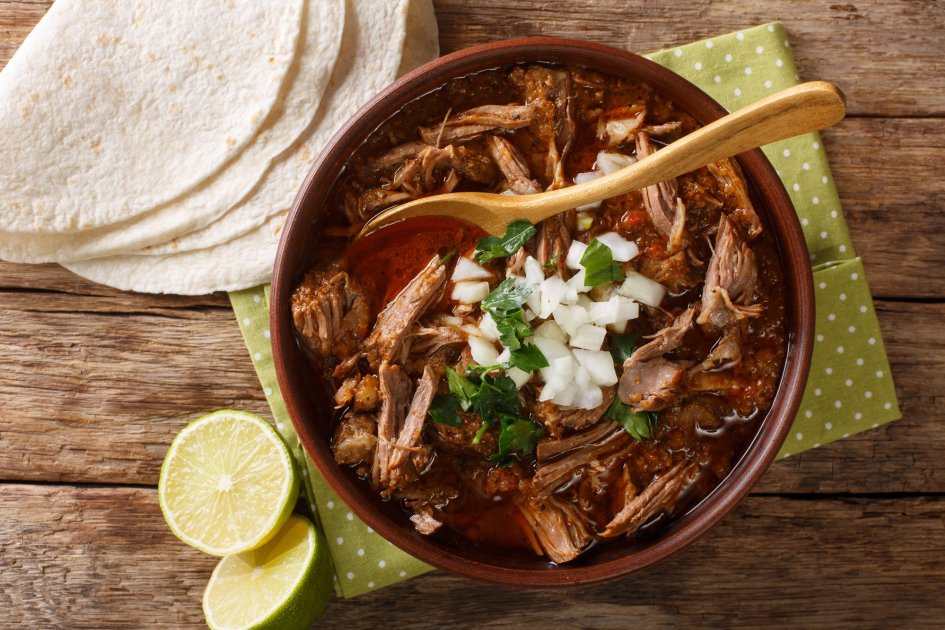
Birria
Birria is goat or lamb stewed in a spiced tomato broth with chillies, vinegar and spices until it is completely falling apart. It comes from Jalisco. It is served two ways: as a soup in a bowl, or as a filling for tacos that are dipped in the hot broth (tacos de consomé). The meat should be tender enough to shred on its own.
 © depositphotos
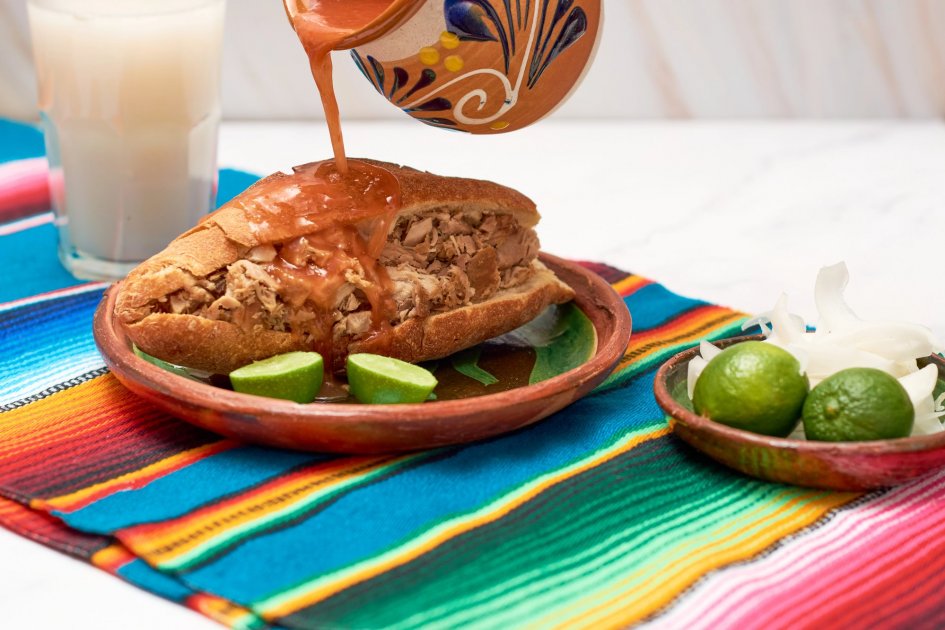
Torta ahogada
A torta ahogada is a birote roll filled with pork and completely submerged — "drowned" — in a hot tomato and chilli sauce, sometimes with carrot and onion. It is a Guadalajara dish and has to be eaten quickly, before the bread goes soft. The sauce soaks through the whole sandwich; traditionally you eat it with your hands and let it drip.
 © depositphotos
Panuchos
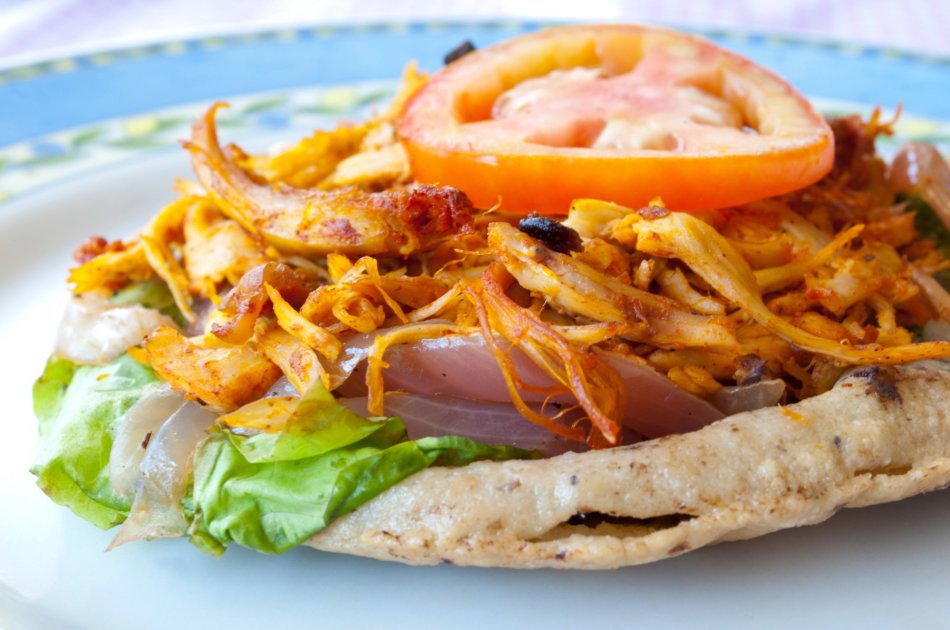
Panuchos are fried corn tortillas stuffed with refried black beans, topped with shredded turkey or chicken, pickled red onion and tomato. A Yucatán dish of Mayan origin. Served with sour cream and salsa verde, and eaten with the hands.
Soups
 © depositphotos
Pozole
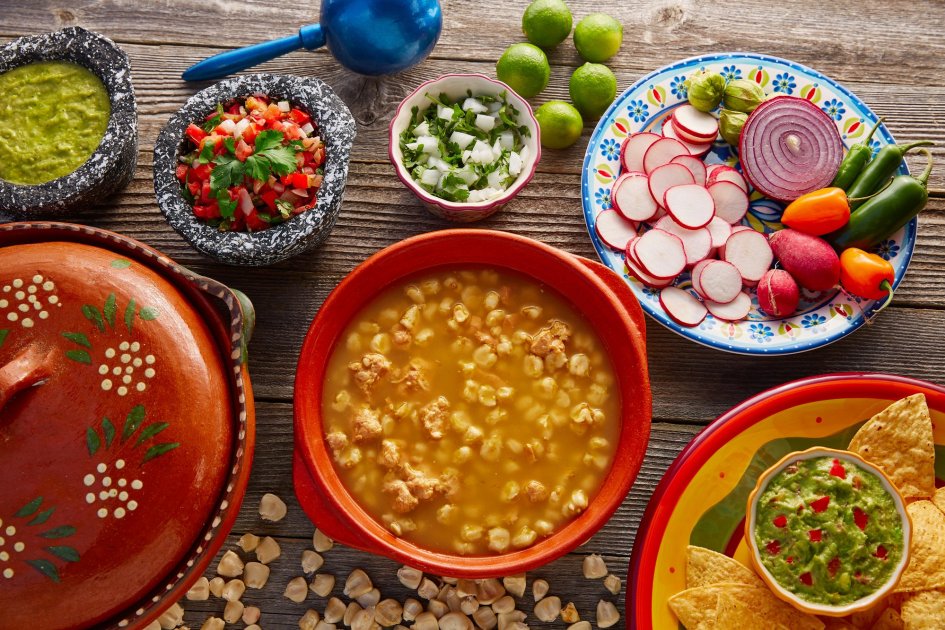
Pozole is a soup of large-kernel nixtamalised corn cooked with meat (pork or chicken), onion, garlic and spices. Radish, shredded cabbage, oregano, lime and hot chillies are brought to the table separately, and every guest adds as much as they want. There is white pozole, green (with green chillies) and red (with red chilli). It is a celebratory dish, usually eaten at weekends or on the Day of the Dead.
 © depositphotos
Menudo
Menudo is a rich soup of beef tripe cut into small cubes, with red chillies, onion and spices. It is traditionally eaten on weekend mornings as a hangover cure, or as a festive dish. Served with lemon, onion, coriander and a hot tortilla. The flavour is deep and meaty, and it needs long, slow cooking.
 © depositphotos
Sopa de lima
Sopa de lima is a clear chicken soup made with the local Yucatán lime, reinforced with strips of fried corn tortilla placed at the bottom of the bowl. Tomato and avocado are sometimes added. It is a light, fragrant dish with a sour edge, typically Yucatecan, and often served as a first course at lunch.
Main dishes
 © depositphotos
Mole poblano
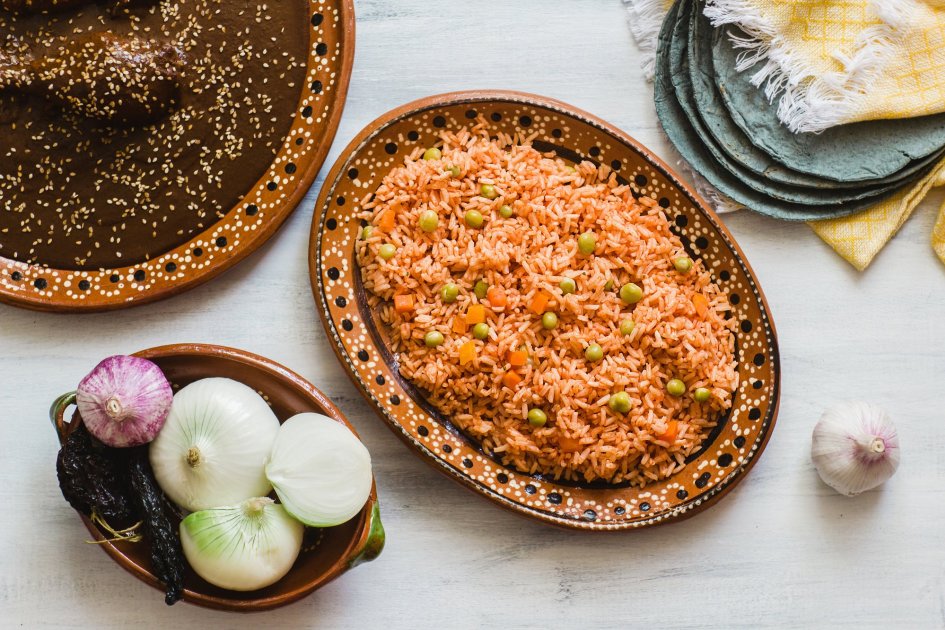
Mole poblano is a thick, dark, almost black sauce made from 15–20 ingredients: several kinds of dried chilli, chocolate, sesame, cinnamon, cloves, dried fruit (raisins, apricot), nuts and spices. It can take a whole day to make, and the sauce simmers for a long time so that all the flavours merge. It is served with turkey or chicken and sprinkled with sesame seeds. Mole is the symbol of Puebla, and the region has many versions: there are more than twenty kinds of mole, and by no means all of them contain cacao.
Chiles en nogada
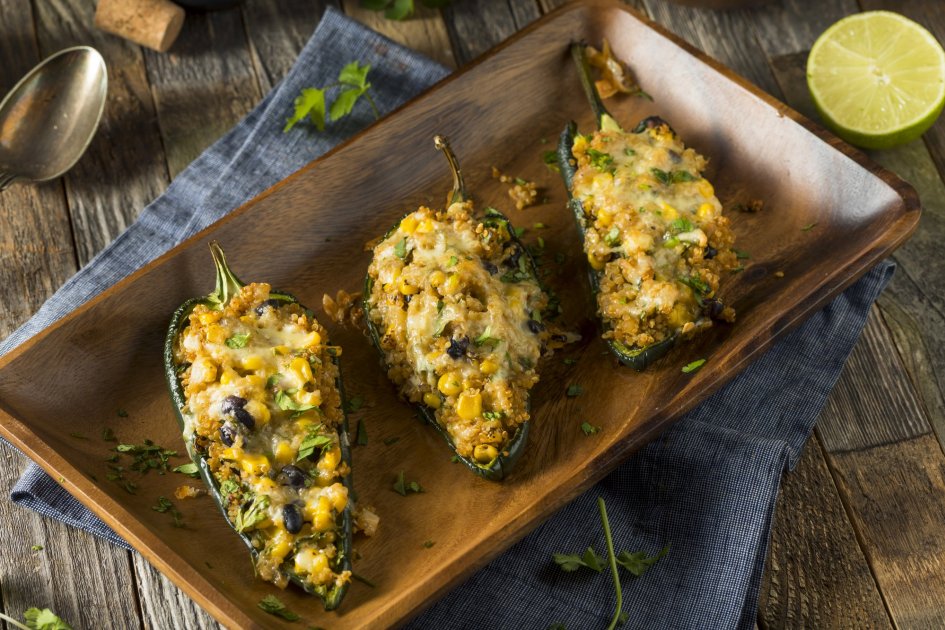
Chiles en nogada are poblano peppers (green, medium-hot) stuffed with a meat picadillo studded with dried fruit, under a creamy walnut sauce of ground walnuts and milk, decorated with red pomegranate seeds and green parsley. The colours match the Mexican flag: green, white and red. It is a seasonal dish of late summer (August–September), from Puebla, and it demands real skill with the nut sauce.
 © depositphotos
Chile relleno
A chile relleno is a large poblano pepper stuffed with grated cheese or with meat, onion and tomato, dipped in a light egg batter, fried and then covered with tomato sauce. Served hot. It is a homely, family dish found all over Mexico. The pepper should be soft inside with a crisp shell of egg.
 © depositphotos
Chilaquiles
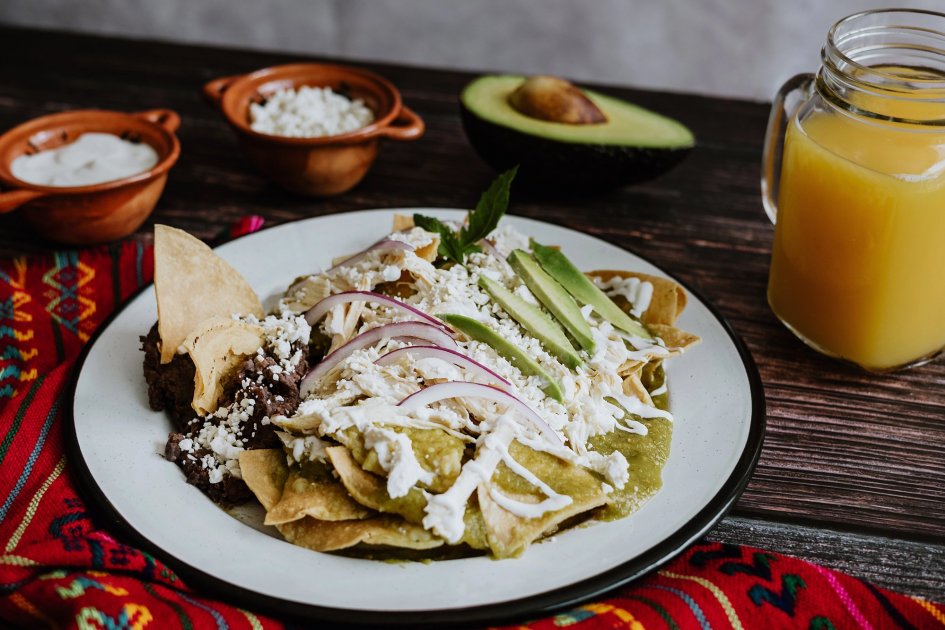
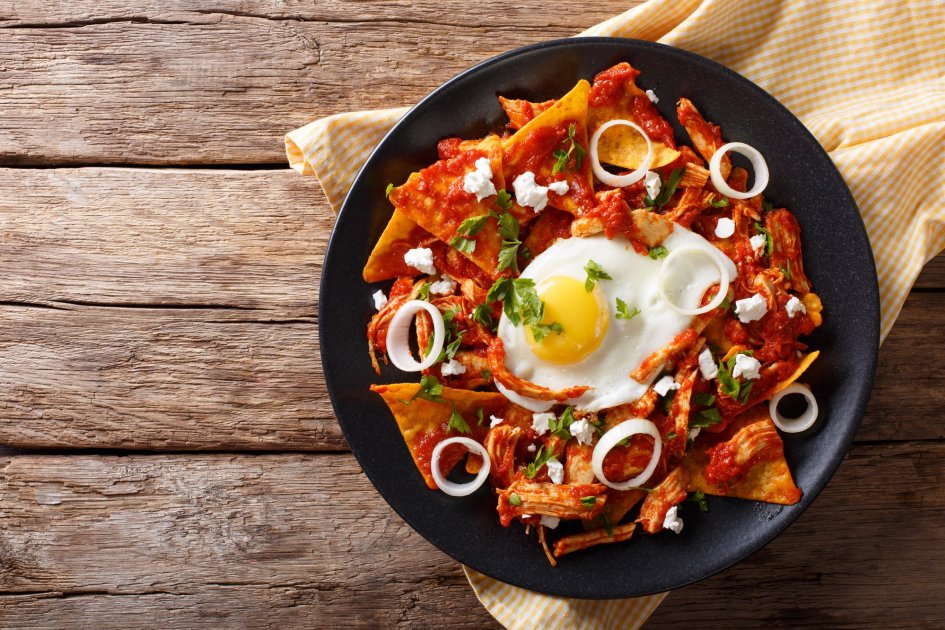
Chilaquiles are pieces of yesterday's fried corn tortilla simmered in hot salsa verde or roja until soft, then mixed with grated cheese, sour cream, onion and fresh coriander. Chicken or egg is sometimes added. This is the classic Mexican breakfast, eaten straight from the pan, hot and mildly spicy. It is a thrifty dish, made from leftover tortillas.
 © depositphotos
Enchiladas
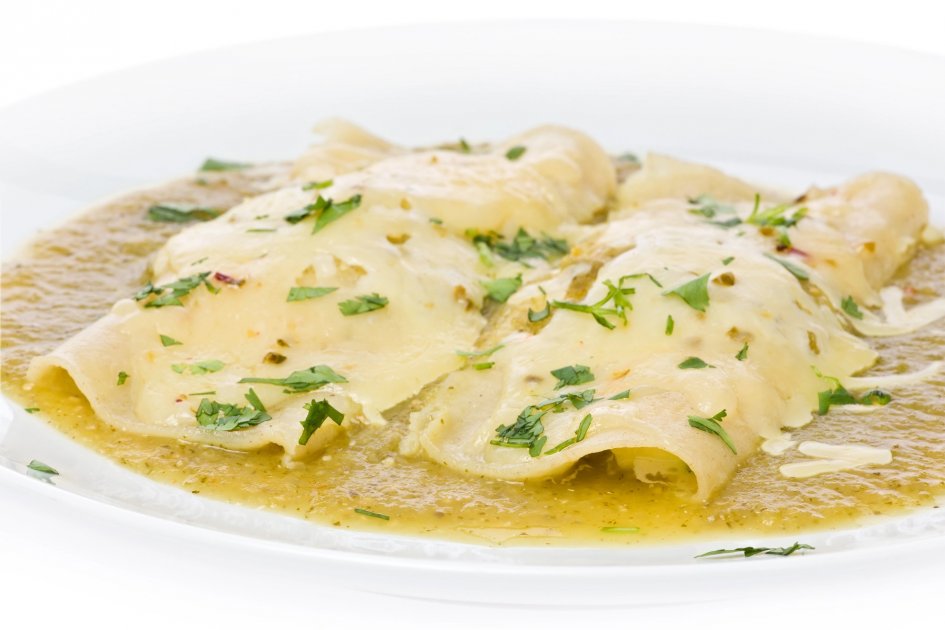
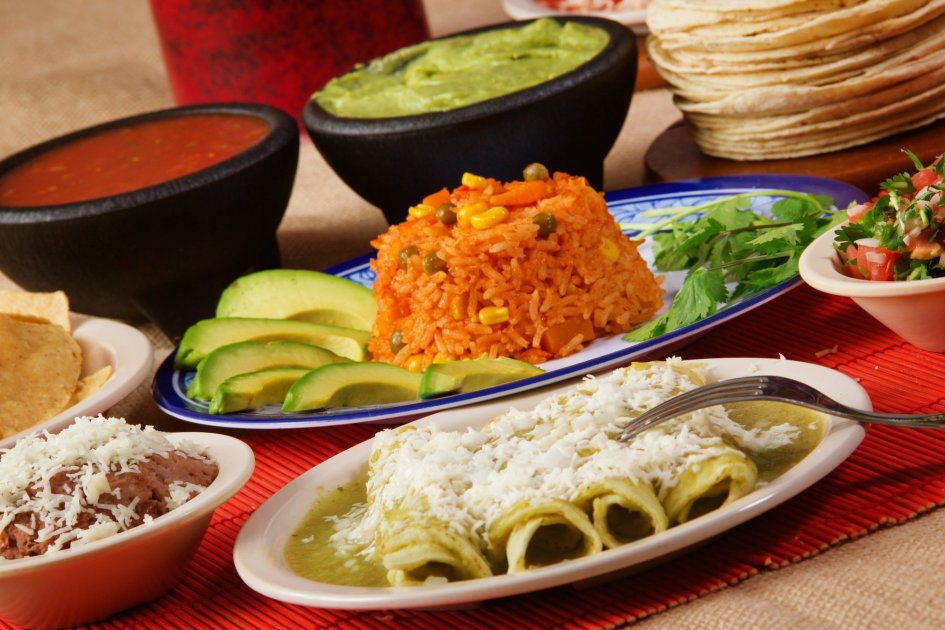
Enchiladas are corn tortillas rolled around a filling (chicken, cheese, meat), covered with a tomato or green chilli sauce and baked, often with cheese and sour cream. The flavour depends on the sauce: hot, mild or creamy. It is a home-style dish prepared differently in every region.
 © depositphotos
Tamales
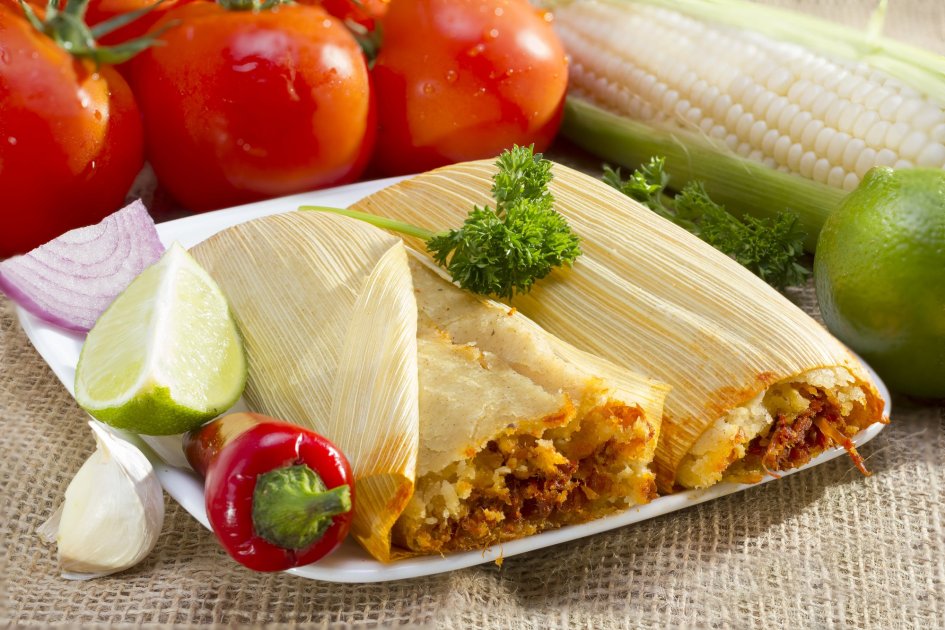
Tamales are masa (corn dough) with a filling (chicken, meat, cheese, chilli, beans), wrapped in corn husks or banana leaves and steamed. They are ritual, festive food, often made for Christmas, New Year and the Day of the Dead. Every region has its own tamales: those from Oaxaca are nothing like those from Michoacán. Eaten with the hands, once the wrapping is opened.
 © depositphotos
Tlayuda
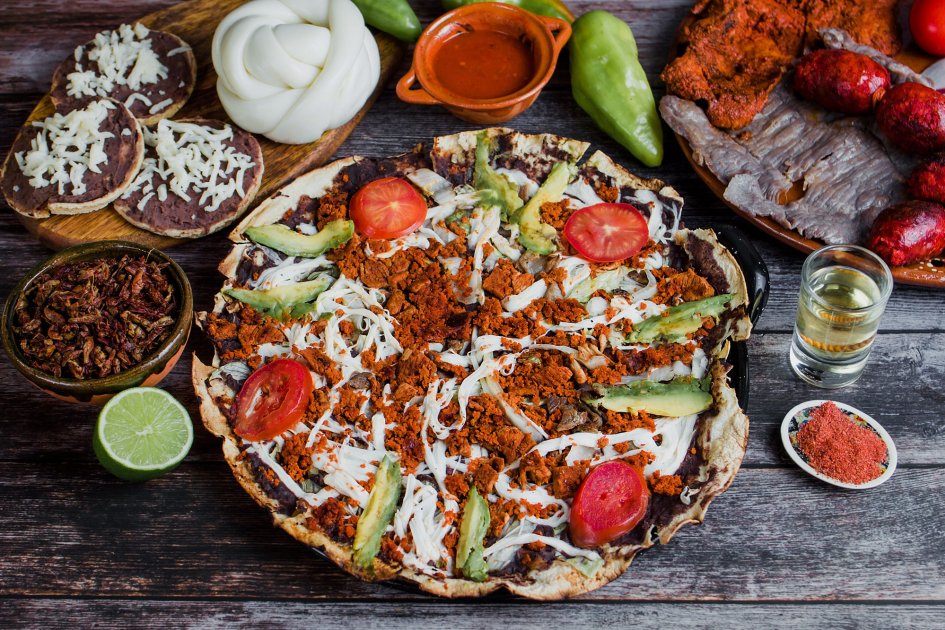
A tlayuda is a large, almost round, crisp corn flatbread (20–30 cm across) spread with black bean paste and topped with stringy Oaxacan cheese (quesillo), meat, tomato, avocado and pickled onion. It is an Oaxacan dish, eaten with the hands and folded in half. The flatbread should be as crisp as possible and the cheese should melt.
 © depositphotos
Huachinango a la veracruzana
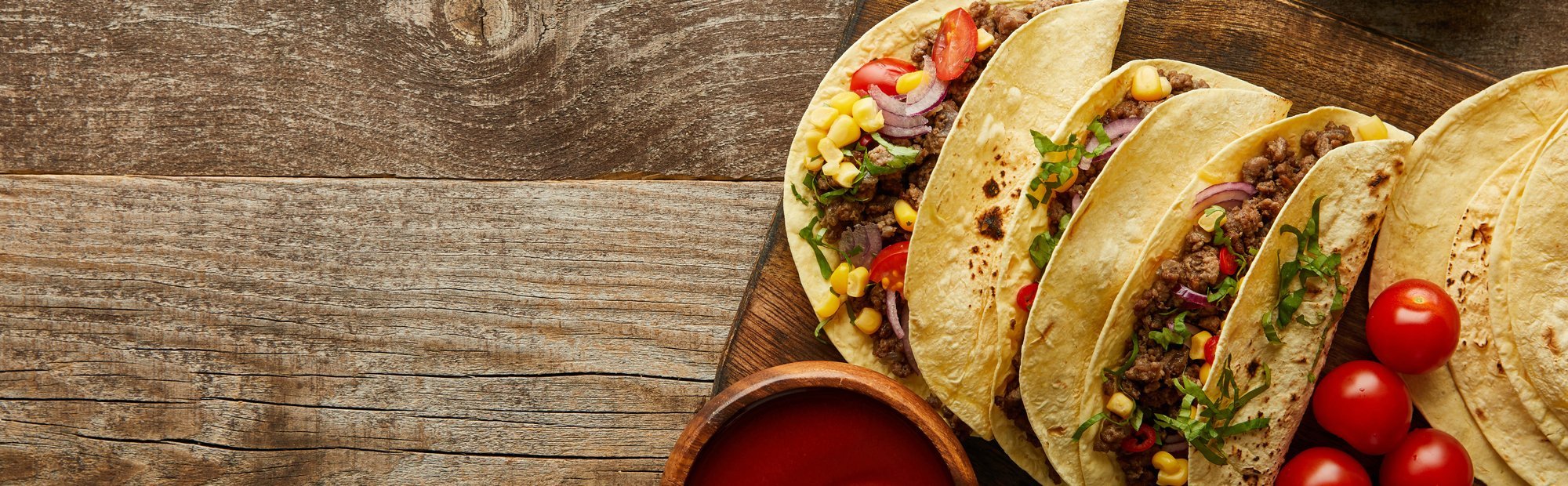
Huachinango a la veracruzana is red snapper, baked whole or as fillets, under a sauce of tomatoes, olives, capers, onion, garlic and herbs (thyme, bay). It is one of the few Mexican dishes without chilli, although a light heat is possible. A dish from Veracruz that reflects Spanish and Caribbean influence. The fish should be delicate and the sauce piquant and slightly sour.
 © depositphotos
Aguachile
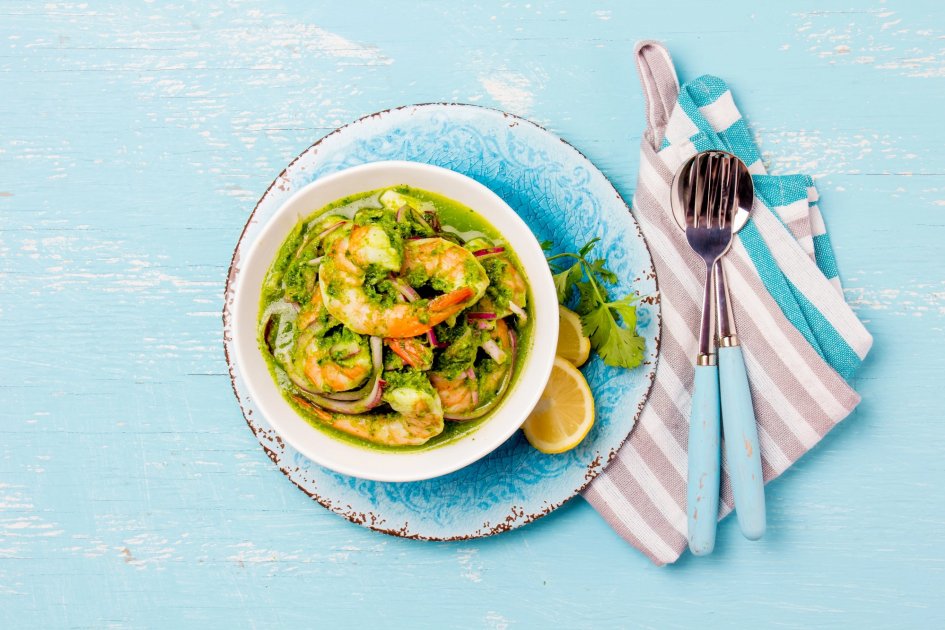
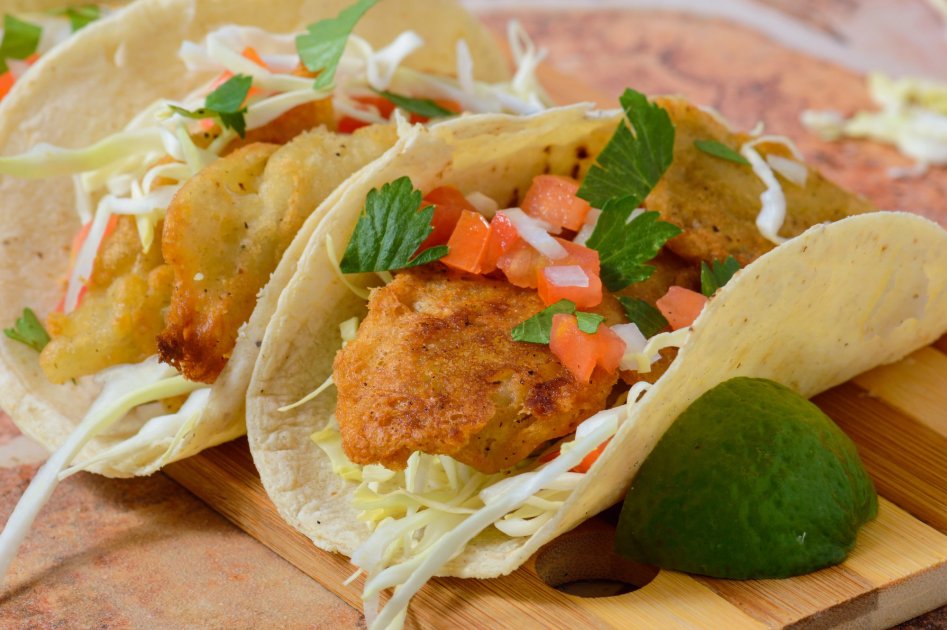
Aguachile is raw prawns in a fierce sauce of fresh lime, cucumber, onion and green habanero or serrano chilli. The name literally means "chilli water". It is a raw dish, eaten immediately so the prawns do not "cook" for too long. A Sinaloa dish, hot and fresh, that demands the freshest seafood.
 © depositphotos
Pescado zarandeado
Pescado zarandeado is a whole medium-sized fish, butterflied along the spine like an open book, marinated in lime, oil, garlic and spices, then grilled on a rack directly over coals. The fish is cooked until the skin is crisp and the flesh still moist. It is a coastal dish from the states of Nayarit and Sinaloa, and it takes skill and an open fire.
Desserts
 © depositphotos
Flan
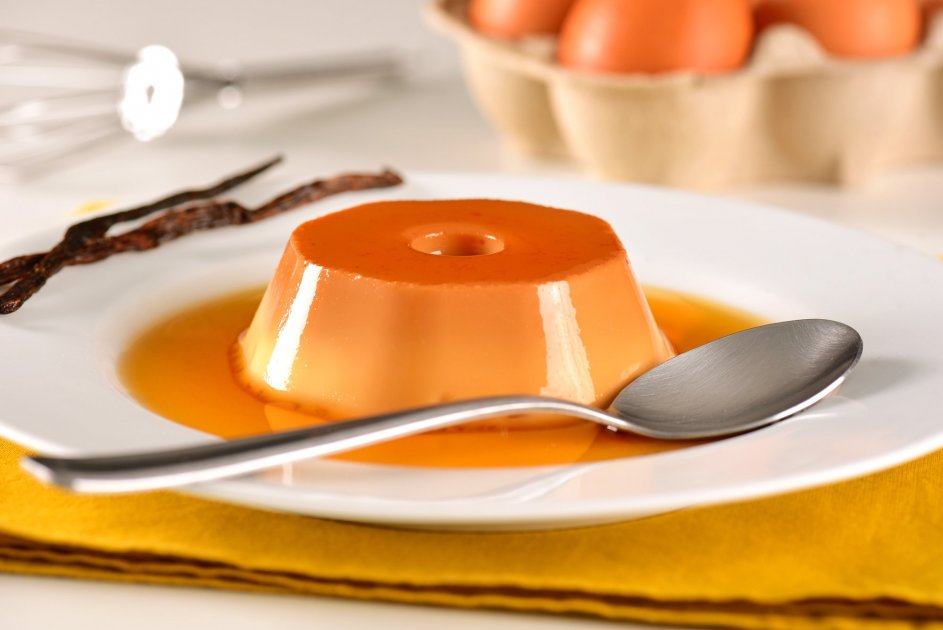
Flan is a delicate caramel custard, set and covered with liquid caramel. It is part of the Spanish legacy, and in Mexico it is often made with coffee, rum or dark chocolate. It is baked in moulds and served chilled. The taste is sweet and creamy and the texture should be almost airy.
 © depositphotos
Churros
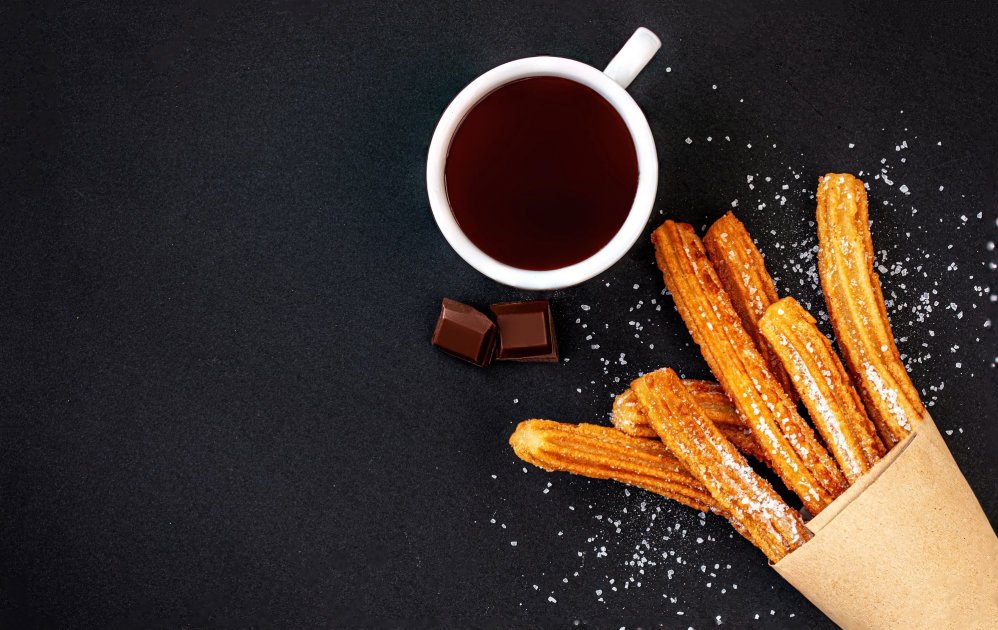
Churros are long strips of choux dough fried in oil and dusted with cinnamon sugar, sometimes coiled into a spiral. They are Spanish in origin, but in Mexico churros are a popular breakfast and snack. They are served with thick hot chocolate for dipping, or with warm cajeta. Eat them hot and crisp.
 © depositphotos
Pastel de tres leches
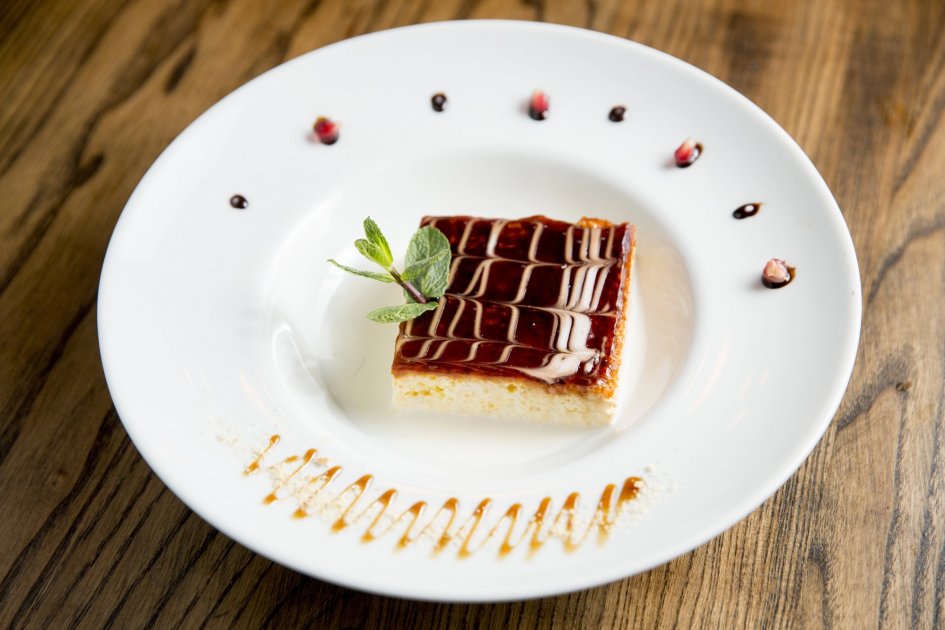
Pastel de tres leches is a light sponge soaked in three kinds of milk — condensed milk, evaporated milk and cream — and covered with a layer of whipped cream. Several Latin American countries claim it; the cake appeared in the nineteenth century. In Mexico it is a common dessert at celebrations. The sponge should be thoroughly soaked but still hold together, with a creamy, tender texture.
Drinks
 © depositphotos
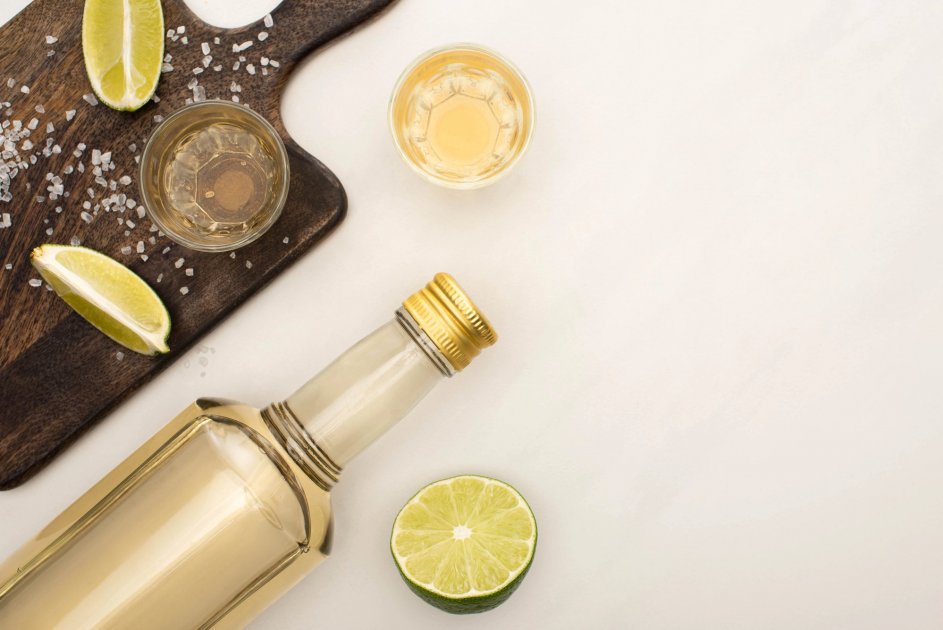
Tequila
Tequila is a spirit distilled exclusively from blue agave, with protected origin: it may only be produced in the state of Jalisco and a few other designated regions. The taste is sharp and herbaceous, usually 38–40% ABV. It is served in shot glasses, often with lime and salt, or in cocktails. There is blanco (clear, young), reposado (aged in oak) and añejo (dark, old).
 © depositphotos
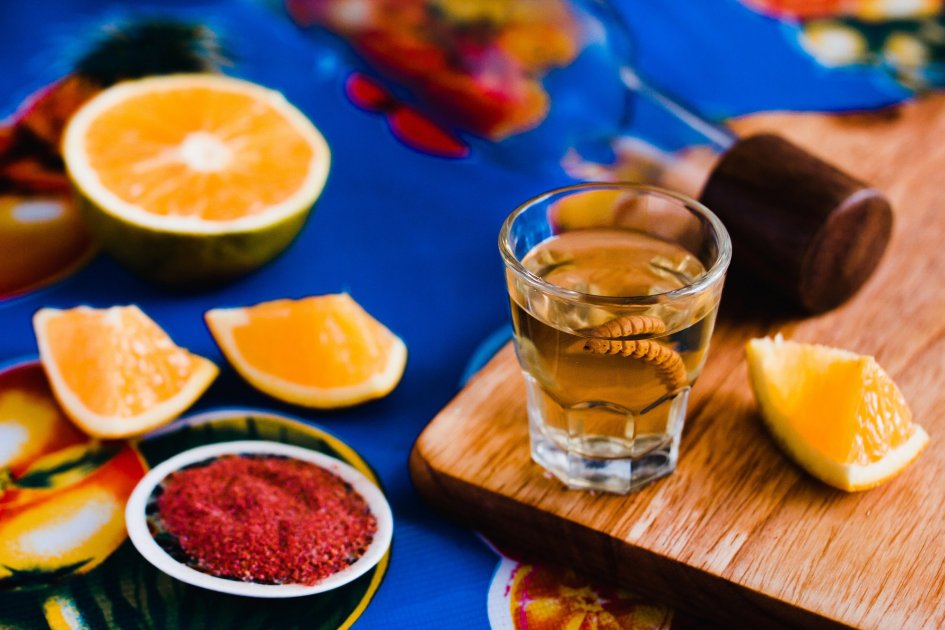
Mezcal
Mezcal is distilled from several species of agave, not only the blue one, and carries a distinctive smoky note that comes from roasting the agave hearts in an underground pit. Oaxaca is the cultural centre of production. The flavour is more complex and smokier than tequila, often with notes of wood and smoke. A bottle of mezcal sometimes contains an agave larva (gusano), regarded as a mark of quality.
 © depositphotos
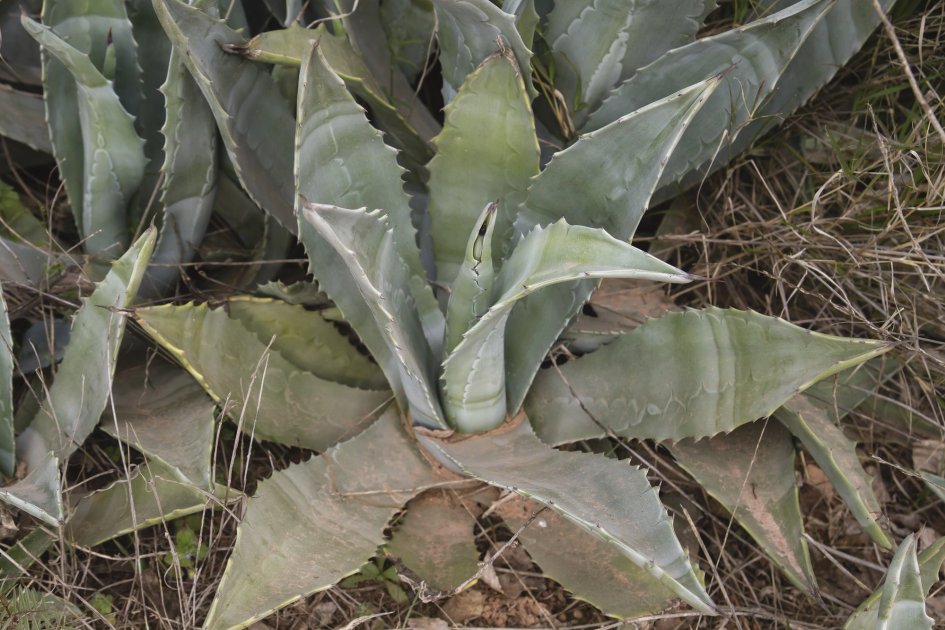
Pulque
Pulque is the fermented sap of the maguey, a species of agave — an ancient pre-Hispanic drink of the Aztecs, usually below five per cent alcohol. The taste is sour and yeasty, milky, and the texture is thicker than beer. It was traditionally drunk in honour of the gods and at festivals. Today pulque is less popular than tequila, but it is enjoying a revival in artisanal form.
 © depositphotos
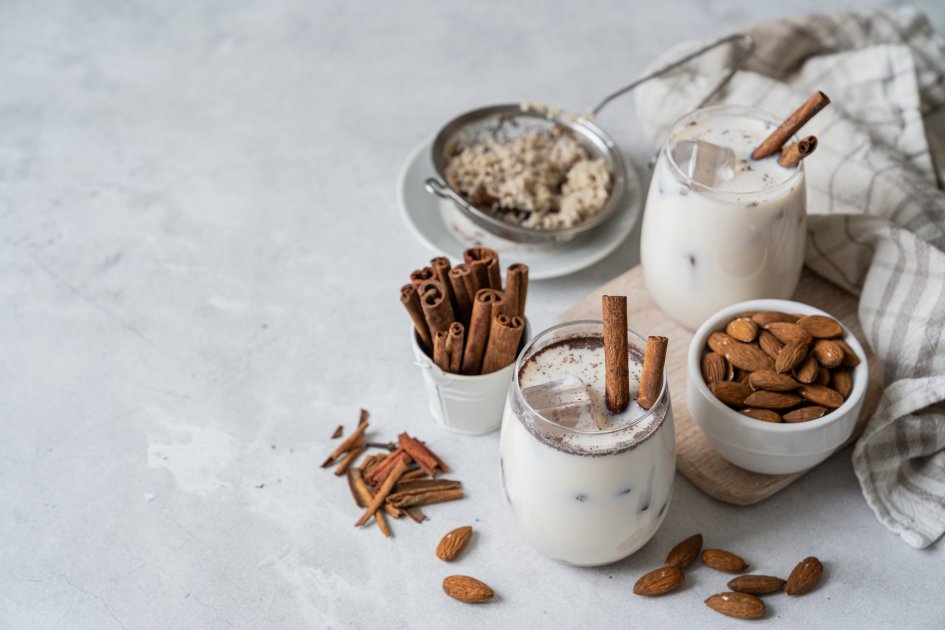
Horchata
Horchata is a cold milky drink based on rice, almonds or melon seeds, with cinnamon and sugar, opaque and sweet. It is non-alcoholic and served as a refreshing counterpart to spicy food, or as a breakfast drink. The consistency is thick, like milk.
 © depositphotos
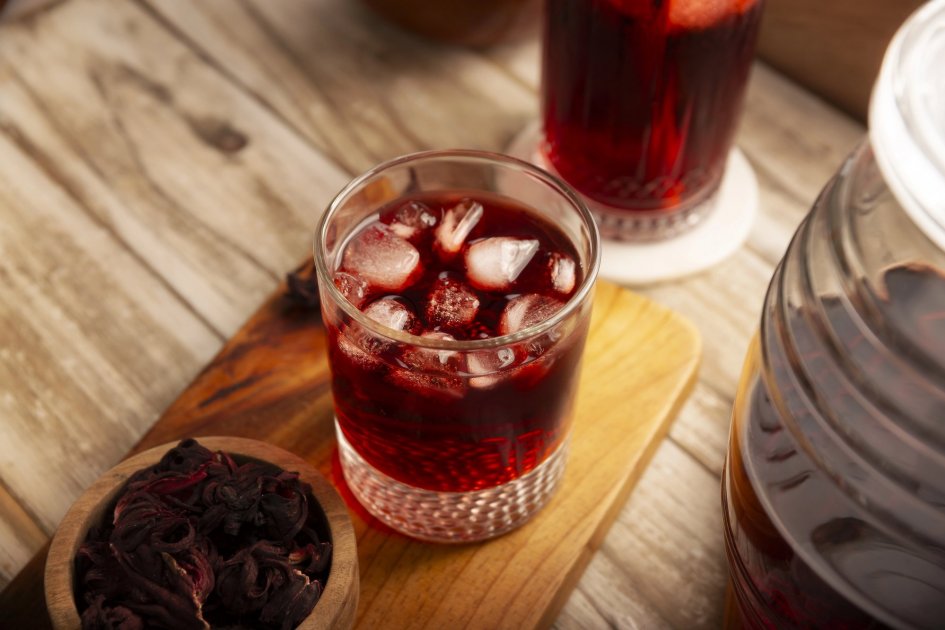
Agua de jamaica
Agua de jamaica is an infusion of dried hibiscus flowers, deep ruby in colour, sweetened and served cold over ice. The taste is tart and floral and the drink is refreshing. It is popular in summer and often served at markets and festivals. Cloves or cinnamon are sometimes added.
 © depositphotos
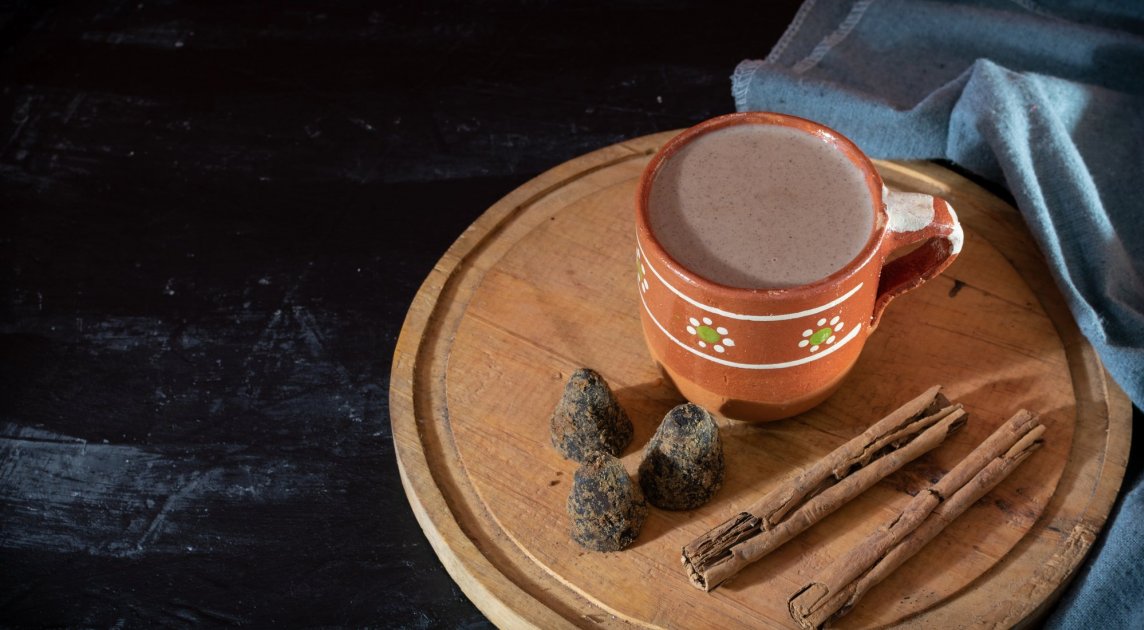
Atole
Atole is a hot, thick drink based on corn masa, sugar and cinnamon, made with milk or water. The chocolate version is called champurrado. It is pre-Hispanic in origin and carries ritual meaning, appearing often on the Day of the Dead and at Christmas. It is drunk from clay mugs and is warming and filling.
 © depositphotos
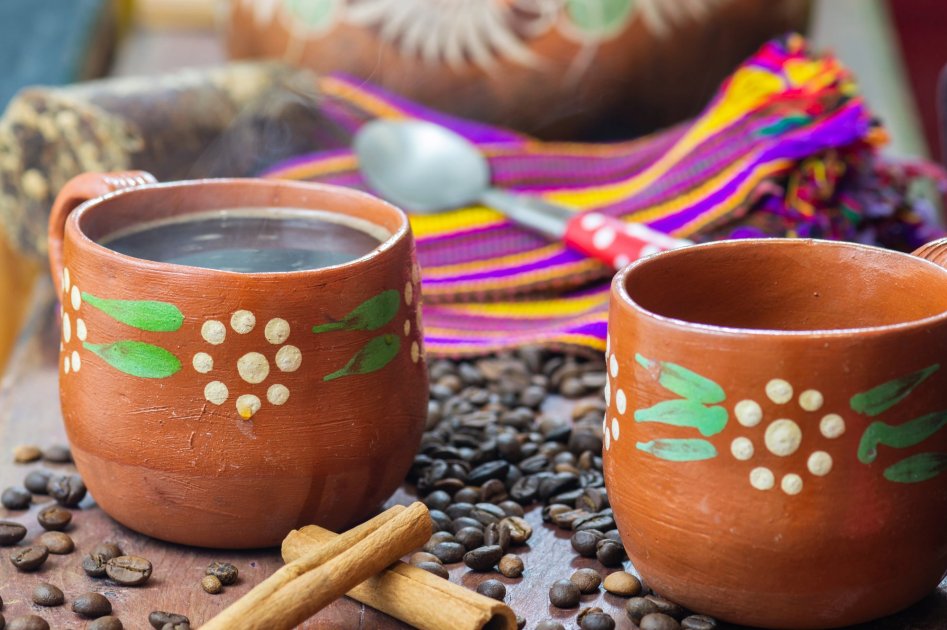
Café de olla
Café de olla is coffee brewed in a clay pot (olla) with cinnamon and unrefined brown sugar called piloncillo, sometimes with cloves. The taste is sweet, caramel-like and lightly spiced. It is a country drink, popular in rural areas and at markets. The grounds settle at the bottom, so it is sipped slowly.
 © depositphotos
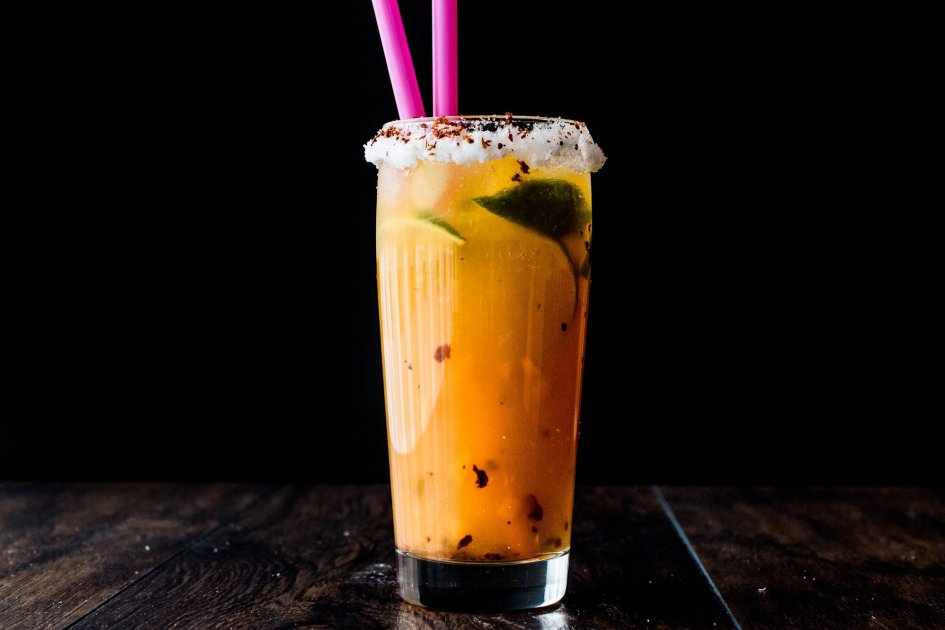
Michelada
A michelada is cold beer with freshly squeezed lime juice, soy sauce, Worcestershire sauce, Tabasco, salt and spices, served in a tall glass with a salted rim and ice. Maggi seasoning or spicy tomato juice is sometimes added. It is a hot-day drink, savoury and refreshing, popular in Mexico as an aperitif.
Where to start
Dish | What it is in a nutshell | Who it suits |
Tacos al pastor | Spit-roasted pork with pineapple | A first introduction; meat eaters |
Guacamole with totopos | Avocado and crisp tortillas | Vegans; as a starter |
Pozole | Soup of nixtamalised corn | Understanding the basics of the cuisine |
Mole poblano | Complex sauce with chicken and chocolate | Lovers of deep flavours |
Cochinita pibil | Pork from an earth oven | Lovers of traditional cooking |
Chilaquiles | Tortillas in salsa for breakfast | The morning meal |
Huachinango a la veracruzana | Fish without the heat | Anyone wary of spice |
Churros with hot chocolate | Fried dough with a sweet dip | With coffee, morning or evening |
 © depositphotos
Regional differences
Oaxaca is considered the gastronomic heart of Mexico and the land of seven moles: mole negro (black, the most complex), rojo (red), amarillo (yellow), verde (green), coloradito (reddish brown), chichilo (darker still) and manchamanteles (literally "tablecloth stainer"). This is also where mezcal with its smoky note is drunk, where the unique tlayuda is made and where Oaxacan quesillo cheese melts in the mouth. Oaxaca is a paradise for food lovers, full of regional specialities.
Yucatán carries the legacy of Mayan civilisation and Caribbean influence. Here cooks use achiote (a red paste), sour orange instead of lime and fiery habanero chilli, and they cook in an earth oven called a píib. Cochinita pibil, panuchos and sopa de lima are the Yucatán classics. The region's cooking is noticeably different from the centre and the west: different spices, different methods.
Puebla sat at the crossroads of ancient trade routes, which is why its complex, many-ingredient sauces were born there. Mole poblano is the symbol of its cuisine and chiles en nogada its seasonal pride. Puebla is also known for convent sweets (thanks to Spanish nuns) and for French bread, which took root in the region.
Jalisco is the cattle-raising west of Mexico, home of tequila and of mariachi music. Birria, torta ahogada and red pozole come from here. People eat a lot of meat, cook over open fire, and the cuisine is meatier and less spiced than in the south.
Veracruz is the Gulf coast, with Spanish and Afro-Caribbean influence. Vanilla came from here, as did huachinango a la veracruzana and rice dishes with seafood. The region's cooking is lighter, with a maritime note, and less hot than that of central Mexico.
Northern Mexico is the land of beef and of wheat tortillas rather than corn ones. Here meat is cooked over open flame and people eat barbacoa and carne asada. The cuisine is meaty and smoky, less spicy, with stronger Spanish influence.
 © depositphotos
Traditions and table etiquette
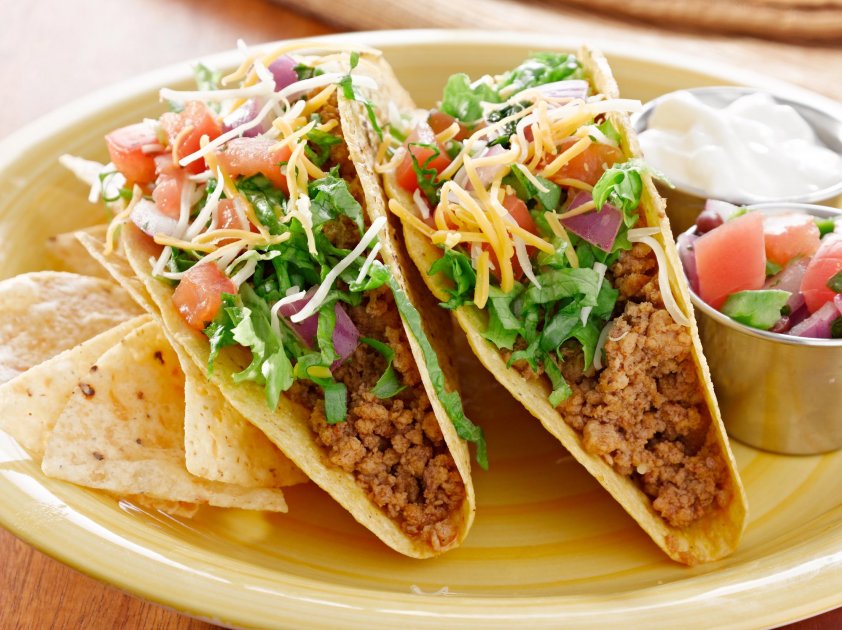
- Tacos are eaten with the hands only, never with a knife and fork. You fold the tortilla slightly and hold it with your fingers; it serves as both plate and cutlery.
- Heat is the diner's choice. Salsa, lime and pickled onion sit on the table separately and everyone adds as much as they want. In its basic form a dish is not obliged to be hot.
- The tortilla works as tableware: you use it to scoop up sauce, beans and pieces of meat left at the bottom of the plate. That is not bad manners, it is normal.
- La comida is the main meal of the day, roughly between 1pm and 4pm. It is a substantial lunch with soup, a main course, a drink and dessert. Supper is far lighter.
- Cheeses in Mexican cooking are white and crumbly (queso fresco, cotija) or stringy (quesillo, queso asadero). Yellow processed cheese is a sign of an inauthentic, tourist version.
- Street food is a full part of the culture, not a snack. Elote at four in the afternoon, pozole on a weekend morning, tamales for a celebration — every dish has its moment and its place.
Mexican cuisine is not simply food; it is a way of keeping the memory of ancestors, a connection to the land and respect for ingredients. Every dish has a history, every region has a character, and it is in that variety that its real beauty lies. Start with a simple taco on the street, move on to a complex mole in a restaurant, and you will understand why Mexican cuisine was recognised as heritage of humanity. It is a cuisine of life, of celebration and of constant care.