Folks, don't forget that we have an extremely comfortable iOS application in App Store
Please try it!

Advantages of living in Australia
- High standard of living – stable economy, competitive salaries, and a well-developed social system.
- High-quality healthcare – a modern healthcare system and access to public health insurance.
- Safety – low crime rate and high standards of public safety.
- Climate and nature – warm weather, ocean, beaches, national parks, and unique flora and fauna.
- Work-life balance – a culture of work-life balance, paid vacations, and flexible schedules in many areas.
- Multicultural society – large number of immigrants from around the world, tolerance, and openness.
- High-quality education – prestigious universities and a modern school education system.
- Clean environment – strict environmental standards, clean air and water.
- Career opportunities – demand for qualified specialists in various industries.
- Developed infrastructure – convenient transportation, modern cities, and comfortable living conditions.
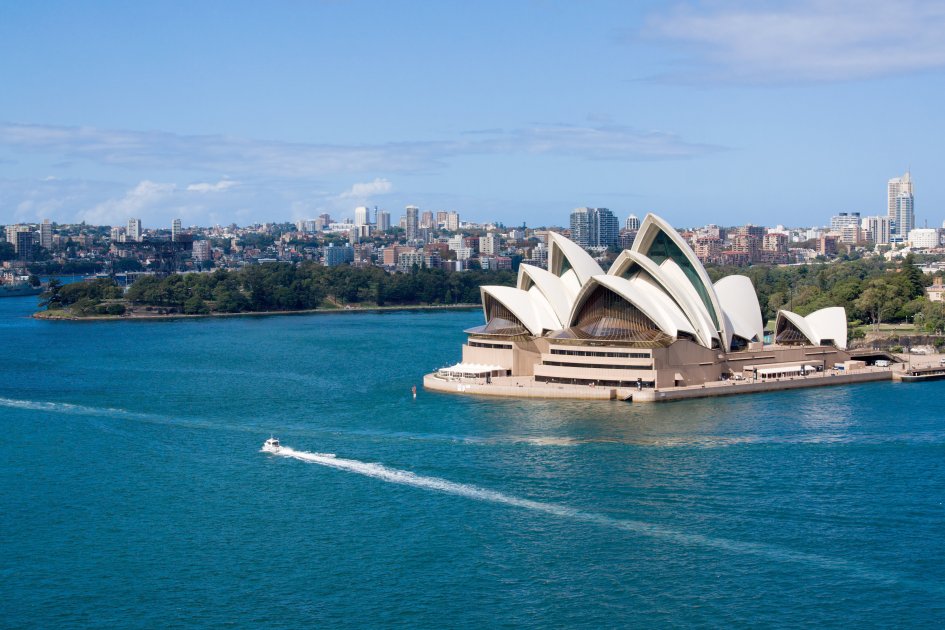 © depositphotos
Cons of living in Australia
- High cost of living – expensive housing, rent, food, and services, especially in large cities.
- Remoteness from Europe and Ukraine – long and expensive flights, making it more difficult to maintain frequent contact with family.
- Complex and lengthy immigration procedure – strict visa requirements, competition, and bureaucracy.
- Expensive real estate market – buying a home requires significant financial resources.
- Climate risks — heat, forest fires, floods, or droughts in certain regions.
- Unusual fauna – poisonous snakes, spiders, and other animals that may frighten newcomers.
- High taxes – a progressive tax system that can have a significant impact on income.
- Competition in the labor market – especially without local work experience.
- Cultural and mental differences – the adjustment period can be difficult.
- Limited public transportation outside of large cities – in some regions, it is difficult to get around without a car.
Subscribe to our Telegram channel @tripmydream to be the first to hear about travel news and promotions!
Demand for specialists and salaries
Australia is a country with high demand for qualified specialists in various fields. There is a particular need for specialists in IT, healthcare, engineering, education, and business services, as well as workers in construction and technical professions. Strong demand is driven by the development of the digital economy, an aging population, and large-scale infrastructure projects across the country.
The demand for specialists is also distributed differently across regions:
- Sydney and Melbourne – significant demand for IT and financial specialists, engineers, and project managers due to the development of business and technology centers.
- Brisbane, Perth, and Adelaide – an active market for engineers (civil engineering, energy), medical workers, and technical specialists.
- Regional centers and small towns – demand for nurses, teachers, builders, and skilled workers, especially in regions with population growth.
Salaries in Australia depend on the industry, skill level, and place of work:
- IT sector – Software Engineers and DevOps can earn approximately AUD 95,000–160,000+ per year.
- Healthcare: Nurses earn around AUD 70,000–110,000, and general practitioners earn AUD 200,000–350,000 and above.
- Engineers – AUD 75,000 to 180,000 depending on specialization.
- Teachers, finance, and business professionals – salaries often range from AUD 70,000 to 160,000.
- Construction, hospitality, and retail – starting levels may be lower, but they increase with experience.
The average salary in the country is approximately $2,200 USD per month (about AUD 3,000) — this is an average figure that varies significantly depending on the specialty and location.
In general, the most stable sectors in terms of growth and pay are IT, medicine, engineering, and finance, as well as professions that require high qualifications and local certification.
 © depositphotos
Cost of living in Australia
Here are the actual figures for Sydney (one of the most expensive cities):
|
Monthly expenses |
Per person (excluding rent) |
For a family of four (excluding rent) |
|
USD |
$1200 – $1350 |
$4300 – $4800 |
|
AUD (local dollars) |
$1800 – $2000 |
$6500 – $7300 |
Average monthly rent (AUD):
Studio (1 Bedroom Apartment): from $1320 to $2310+ USD.
Three-room apartment from $2310 to $3960+ USD.
How to obtain a residence permit, permanent residence, and citizenship in Australia
When planning to move to Australia, it is important to understand what types of legal residence exist and how to obtain citizenship. The main options are a temporary residence visa, permanent residence, and citizenship.
Temporary visa (residence permit)
A temporary visa is an official permit to live in Australia for a specific period (usually from 1 year to several years, depending on the type of visa).
Who is eligible:
- Employees who have received a job offer from an Australian employer
- Students who have been accepted to an Australian university
- Businesspeople and investors
- People moving for family reasons (e.g., spouses or children of Australian citizens)
How to obtain:
- Select the appropriate visa type (work, student, business/investor, family)
- Submit an online application through the official Department of Home Affairs portal.
- Provide documents: passport, proof of financial capacity, insurance, invitation from employer or educational institution
- Pay the administrative fee
- An interview or additional checks may be required
Duration: from 1 to 5 years, with the possibility of extension or change of status to permanent residence.
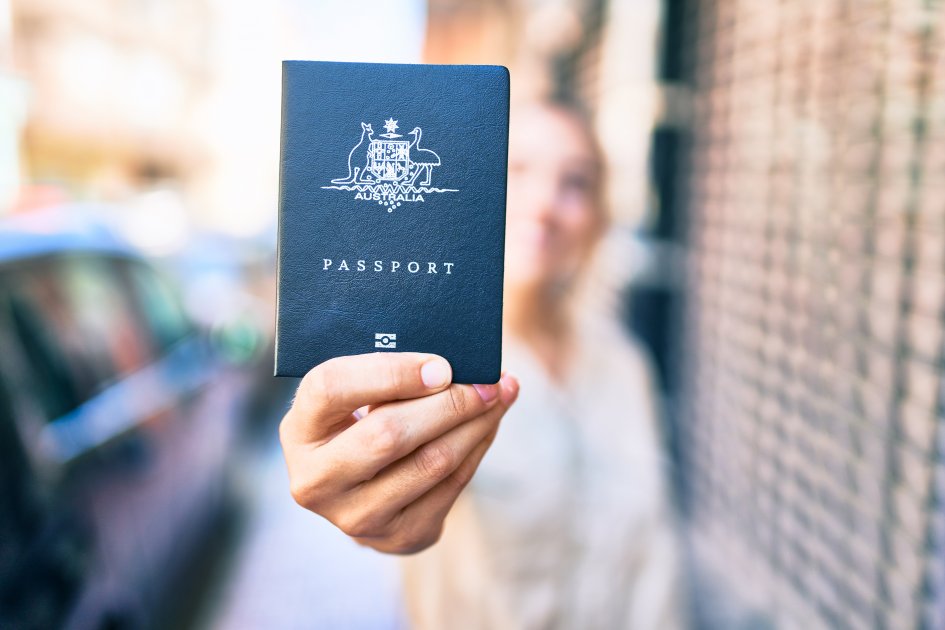 © depositphotos
Permanent residence (PR)
PR allows you to live, work, and access social services in Australia permanently, but without the right to vote in federal elections until you obtain citizenship.
Who is eligible:
- People who are legally living in Australia on a temporary visa (usually 2–4 years)
- Family members of Australian citizens
- Investors and skilled professionals who meet the requirements
How to obtain:
- Live legally on a temporary visa for the required period
- Apply for permanent residency through the Department of Home Affairs
- Provide documents: passport, proof of legal residence, proof of income and financial stability, insurance
- Comply with visa conditions and health and character requirements
Rights:
- Full employment without additional permits
- Access to medical and social services
- Ability to purchase your own home and run a business
Australian citizenship
Citizenship is full membership in the state with the right to vote, a passport, and full access to all social and economic rights.
How to obtain it:
- Live in Australia legally on a permanent residence visa for at least 4 years, the last of which must be continuous permanent residence
- Have sufficient English language skills for everyday life
- Have a stable income and no serious problems with the law
- Pass the Australian Citizenship Test
- Submit an application for citizenship with documents proving permanent residence, income, and no criminal record
- If approved, take the oath and receive an Australian passport
Processing time: usually 6–12 months.
Housing in Australia
Finding accommodation is one of the first steps when moving. The most common options are renting an apartment or house, buying your own home, or sharing accommodation. Rentals can be short-term or long-term, and buying a home is available to citizens and permanent residents with FIRB approval for foreigners.
Prices vary significantly depending on the city. In Sydney and Melbourne, renting a one-bedroom apartment in the center costs approximately AUD2000-3000/month, in Brisbane or Adelaide - AUD1500-2200, and in regional cities - from AUD900.The deposit is usually equal to 4 weeks' income, and a contract may be required.
Utilities (electricity, water, gas, internet) cost approximately AUD150-300/month.
The choice of housing depends on your budget and lifestyle: the city center is convenient for work and transportation, while housing outside the city is cheaper and more spacious.
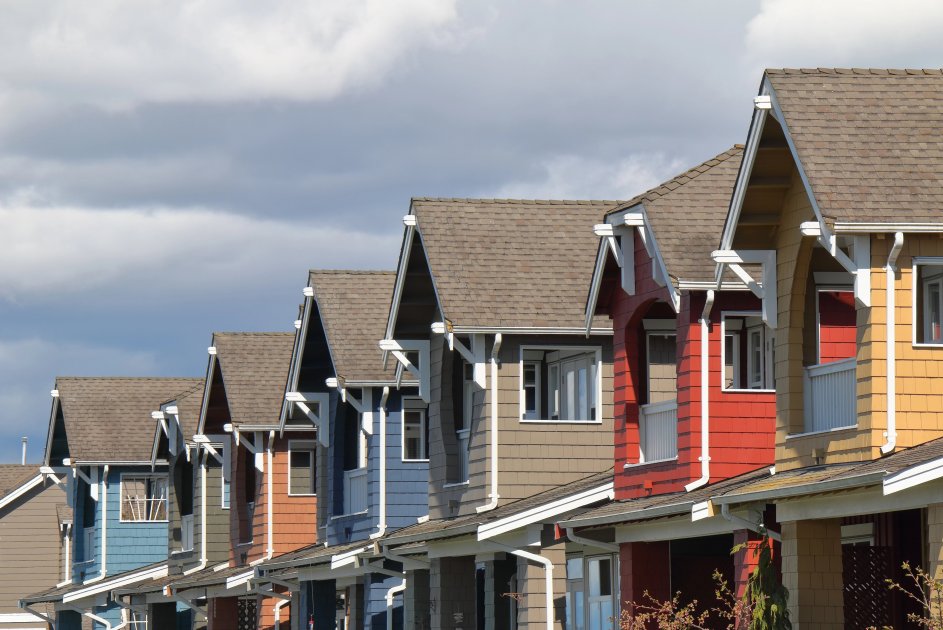 © depositphotos
Financial breakdown (for a family of three)
- Job search and city: Adelaide or Perth are best (rent is lower there). It is difficult to find a job in your field, but unskilled work can be found within 3-6 months.
- Income (2 working, minimum start): both parents work at minimum wage, about $15.84 USD per hour. Total gross income will be about $5450 USD. After taxes, you will receive approximately $4400 per month.
- Living expenses (big city, but not Sydney): minimum living expenses – rent for a 2-room apartment (about $1,500 USD), utilities, food, and transportation. Total minimum: $3,300 USD per month. A comfortable life will require $5,000+ USD per month.
- Balance and chances of getting by: balance for a minimal lifestyle: $1,100 USD per month.
Refuge for Ukrainians in Australia
Although Australia is not a member of the EU, it provides Ukrainians with special temporary protection through the Ukraine Humanitarian Visa program, introduced in 2022: this status entitles them to legal residence, work without additional permits, access to health insurance, education for children, and limited social support.
At the same time, it is important to remember that this is temporary protection – no official decisions have been made yet on further extension after the specified period (March 2027).
Benefits and programs for Ukrainians in Australia
Ukrainians who have moved to Australia under temporary or humanitarian protection programs can take advantage of a number of government benefits and support programs:
- Social payments and benefits. Ukrainians can receive financial assistance to cover basic needs, including payments for children and persons with disabilities. The amounts of payments depend on age, health status, and level of vulnerability, as well as the length of stay in the country.
- Access to the labor market. Temporary protection status or certain types of humanitarian visas entitle you to work in Australia without additional permission.
- Healthcare. People with the appropriate status have access to the public healthcare system, Medicare, which covers basic medical services.
- Housing. Initially, the government and community organizations may provide temporary housing or assistance in finding a rental, after which the person chooses permanent housing independently.
- Education. Children of Ukrainians are entitled to free education in public schools and access to preschool facilities on the same terms as Australian children.
- Support and integration programs. Australia has programs for young people and families to help them adapt, continue their education, acquire professional skills, undertake internships, and find employment.
- Legal, psychological, and social support. Ukrainians can receive free advice on legal issues, social and integration services, and psychological assistance through government and community programs.
These benefits and programs are available to people who have valid temporary or humanitarian protection status in Australia and are officially registered under Australian law.
Healthcare
Australia has a well-developed healthcare system, which includes the public sector Medicare and private health insurance programs. Medicare covers basic medical services, general practitioner consultations, examinations, and partial hospitalization.
Private insurance offers additional services, faster access to specialists, and more convenient hospitalisation conditions. Foreigners and temporary residents often use a combination of public and private insurance for full coverage.
Australian doctors and medical facilities meet high international standards, and medical care is available in all major cities and regional centers.
Education
Education in Australia is high quality and accessible to all children, including foreign residents.
Children attend public or private schools, with compulsory education lasting until the age of 16–17. Higher education institutions offer bachelor's, master's, and PhD degrees, with many programs in English for foreigners. The public system supports integration and equal opportunities for all students.
Climate
Australia has a very diverse climate. The northern regions have a tropical climate with hot, humid summers and dry winters, the central part of the country is predominantly desert and arid, and the southern regions have a temperate climate with warm summers and cool winters.
In large cities such as Sydney, Melbourne, or Brisbane, summers are usually warm and sunny, and winters are mild, although Melbourne can experience sharp temperature changes throughout the day. This diversity means that the weather varies greatly depending on the region, so when planning a move, it is important to consider the climate of a particular city.
Mentality and characteristics
Australians are known for their openness, friendliness, and directness in communication. They value equality, personal freedom, and a healthy work-life balance, so working hours and vacations are often organized with people's comfort in mind.
An active lifestyle is very important – sports, beach holidays, camping, and other outdoor activities. Australian culture is tolerant and embraces diversity: cultural differences and national traditions are respected, and inclusivity is supported, making the country a comfortable place for foreigners to live.
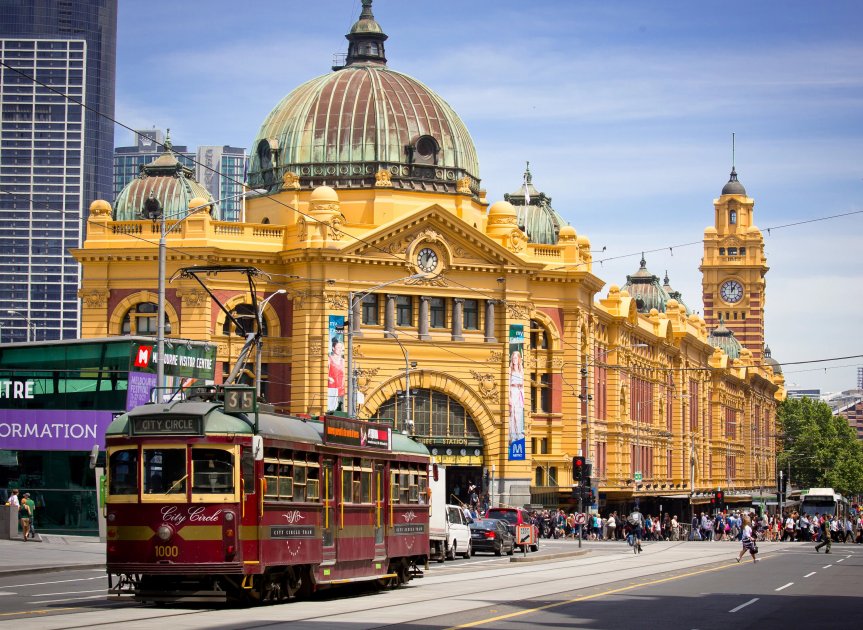 © depositphotos
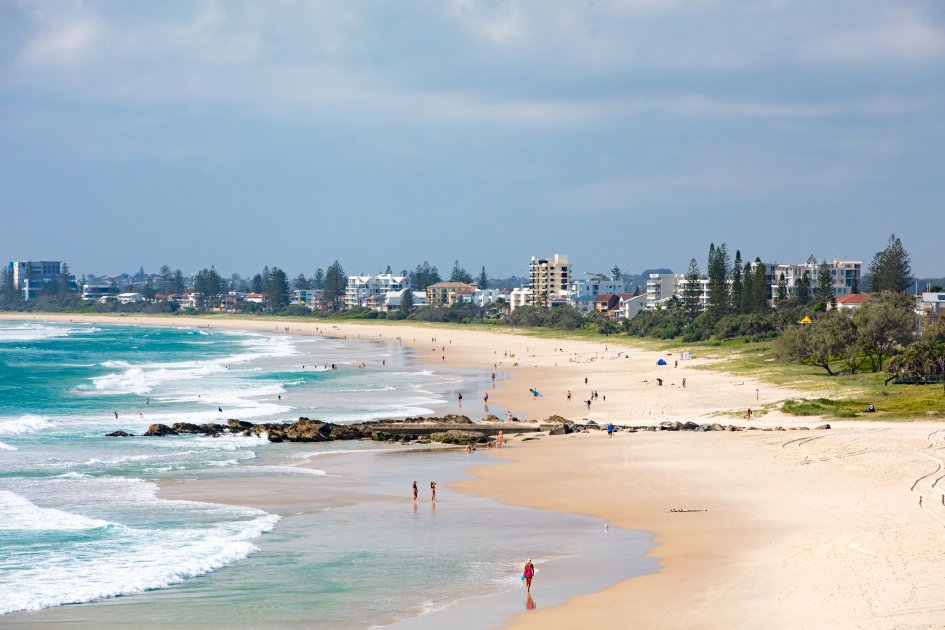
Safety
Australia is generally considered one of the safest countries in the world. Crime rates in major cities are low, especially when compared to other developed countries. The police force is effective, and the legal system provides strong protection for the rights of citizens and residents.
Natural hazards do exist, such as fires, floods, typhoons, and dangerous wildlife (particularly poisonous animals), but these are unlikely to affect ordinary residents of urban and suburban areas.
Overall, Australia is a safe country to live, work, and travel in, provided you follow standard precautions and pay attention to local warnings.
Who is Australia suitable for?
Australia is suitable for those who value a high standard of living, safety, and a stable society. The country is attractive to professionals in IT, medicine, engineering, science, and education—the demand for skilled specialists remains high, and salaries are competitive. Australia is also comfortable for families, as it offers quality education, safe cities, and access to medical services.
Young people and students will appreciate the wide range of opportunities for study, internships, and career development, while entrepreneurs and investors will appreciate the favorable business climate and business support programs.
The country is suitable for people who love an active lifestyle, nature, sports, and travel, as well as those who are ready to adapt to a new cultural environment and value tolerance, diversity, and a good work-life balance.
Get travel insurance for trips abroad in just a few clicks!