Travel Ideas

Brno: The 20 Best Attractions and Places to Visit

A Complete Guide to the Czech Republic's Second-Largest City: The 20 Best Places, Museums, Architectural Landmarks, and Parks. Discover Brno's Gothic cathedrals, modernist villas, unique museums, and charming neighborhoods.
02 october 2026
AUTHOR: Kateryna Lindt
0
11 min

Folks, don't forget that we have an extremely comfortable iOS application in App Store

Please try it!

Kateryna Lindt
I write routes the way I would advise a friend before a trip - nothing superfluous, just proven and at a comfortable pace.

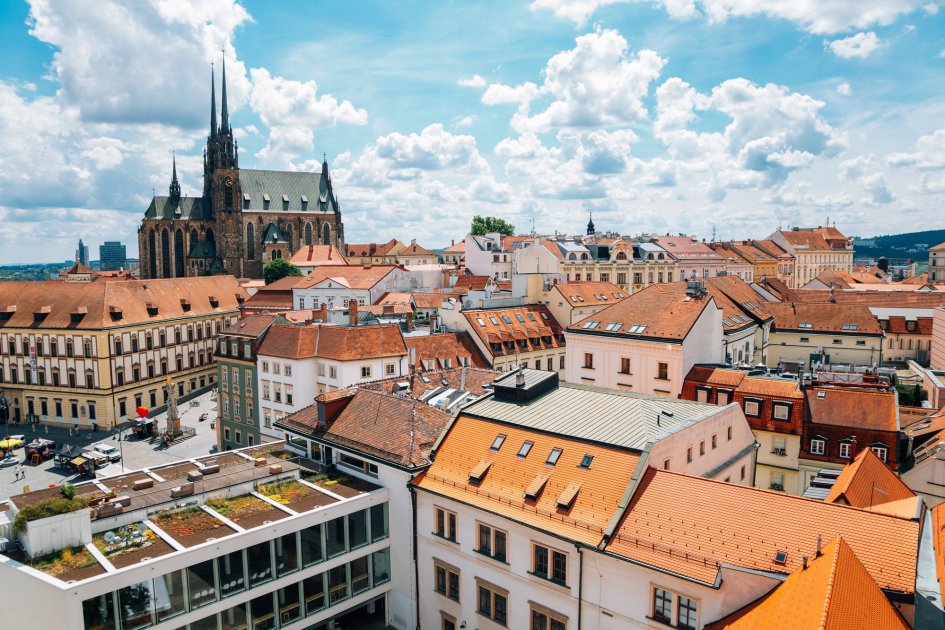
Brno is the second-largest city in the Czech Republic, where medieval architecture stands side by side with modernist landmarks, and every corner holds a piece of history. This guide will help you make sure you don’t miss the best parts.

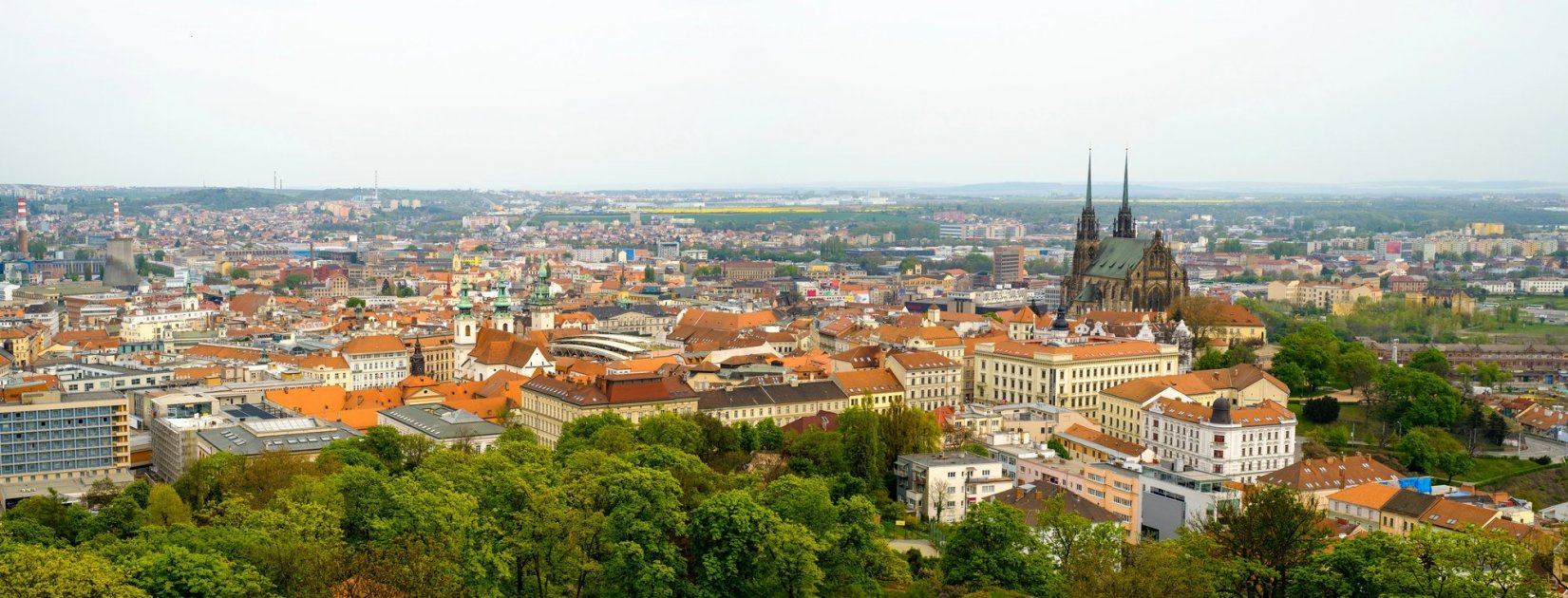
Brno is often overshadowed by Prague, but that’s unfair. The city is full of character: here you’ll find Gothic churches, Baroque palaces, contemporary design, and unique museums. Plus, Brno is a great base for exploring Moravia, a region with its own history and culture. If you’re traveling to the Czech Republic for a few days, make sure to set aside some time for this city. It’s well worth it.

St. Peter's Church

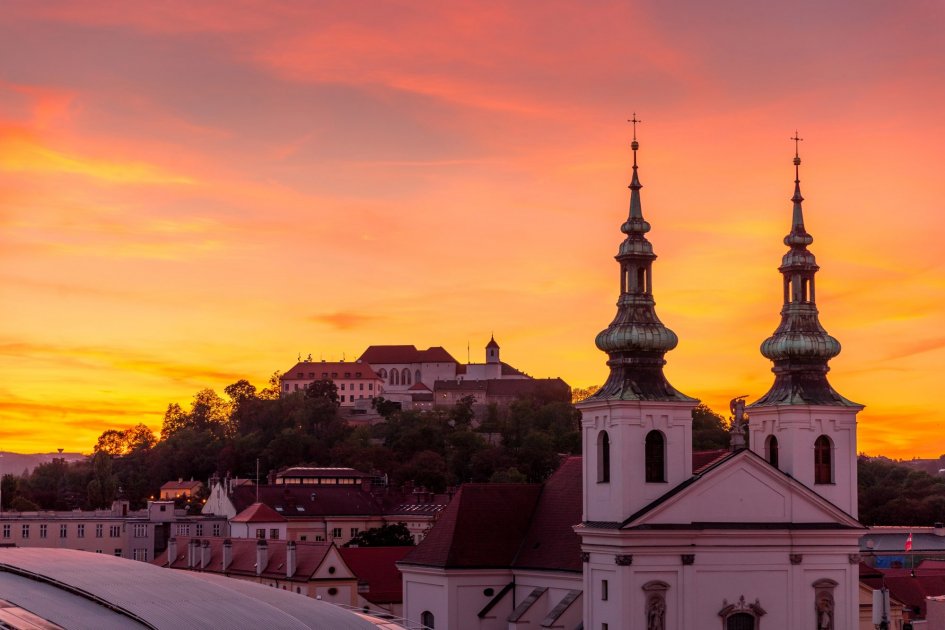
This Gothic church, with its distinctive pointed tower, stands on the edge of the Old Town and is visible from various points in Brno. St. Peter’s Church (Kostel Sv. Petra a Pavla) was built over several centuries, which is why its architecture blends Gothic and Renaissance styles. Inside, you’ll find a Baroque altar and stained-glass windows that create an atmosphere of tranquility even at the height of the tourist season.

The main attraction for tourists is the view from the tower. If you’re willing to climb 84 steps, you’ll be rewarded with a panoramic view of the city and its surroundings. Admission to the church is free, but there is a fee to climb the tower (check the official website of the Brno Tourist Office for current prices).

Spielberg Fortress

Špilberk is a medieval hilltop fortress that towers over the city. It was built in the 13th century and has since weathered sieges, fires, and renovations. Today, it houses the Brno History Museum, where you can learn about the city’s wars, culture, and daily life throughout the centuries.

The fortress has several levels: a dungeon (very atmospheric), living quarters, and halls displaying weapons and armor. A walk along the fortress walls is another way to enjoy a panoramic view of Brno. Even if you don’t go inside the museum, it’s worth climbing the hill just to admire the view from the outer grounds. It takes 15–20 minutes to walk there from the city center.

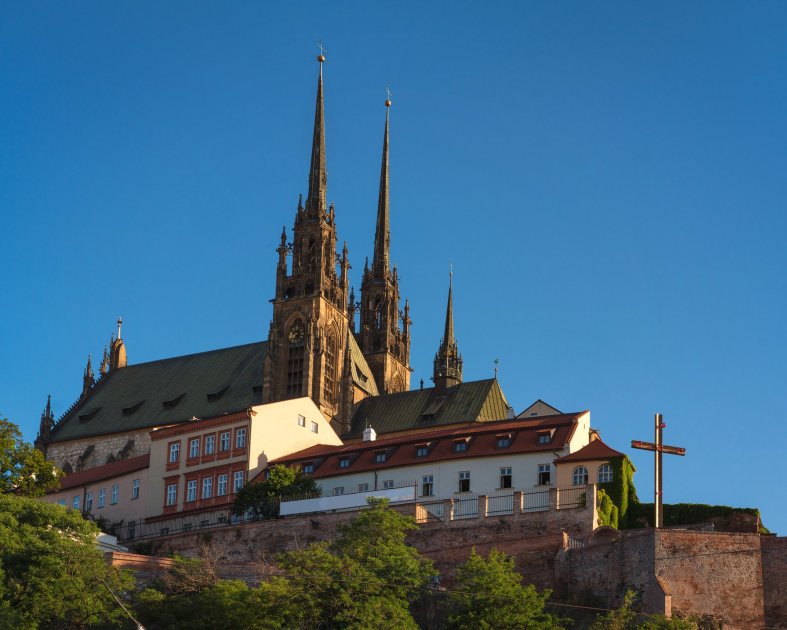
Cathedral of Saints Peter and Paul

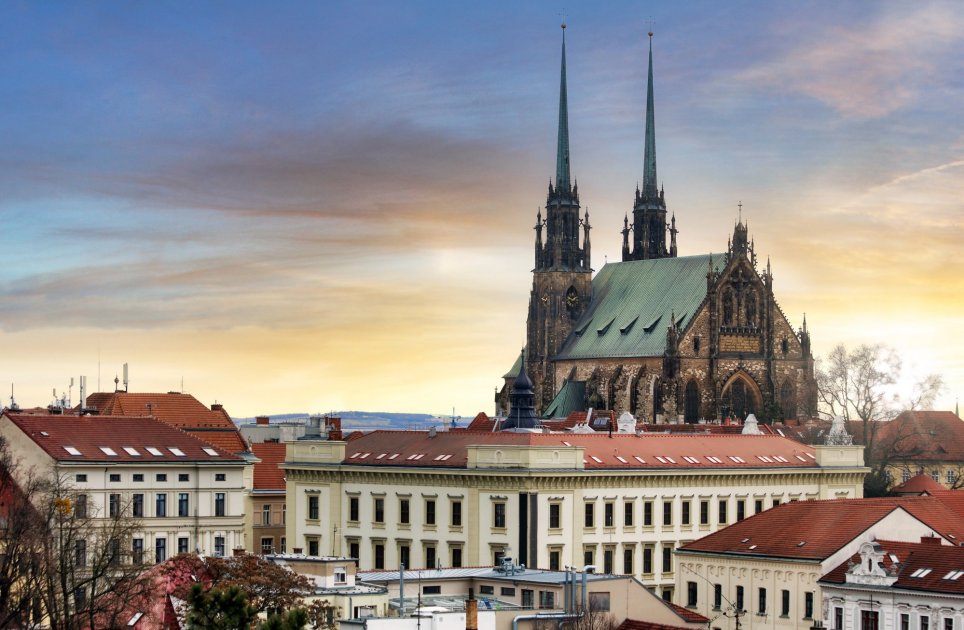
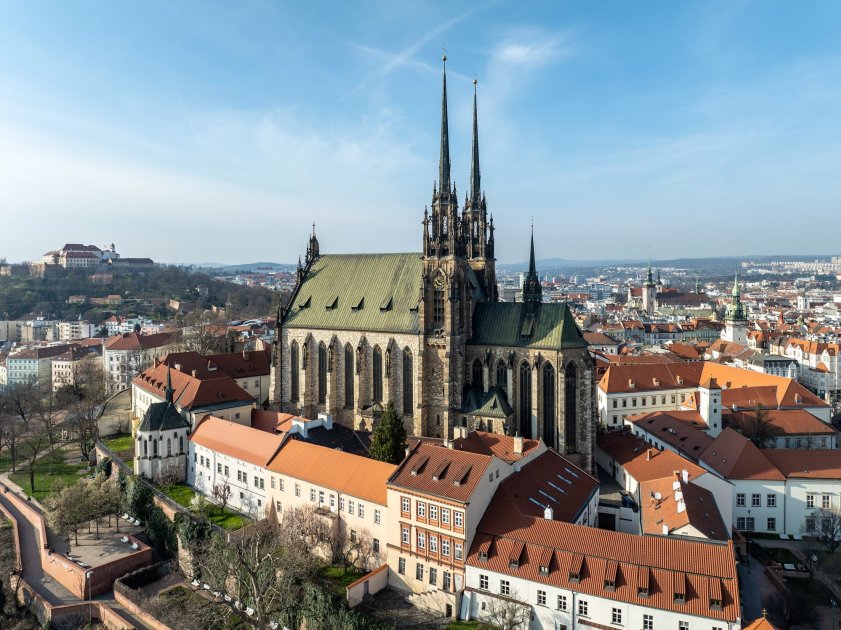
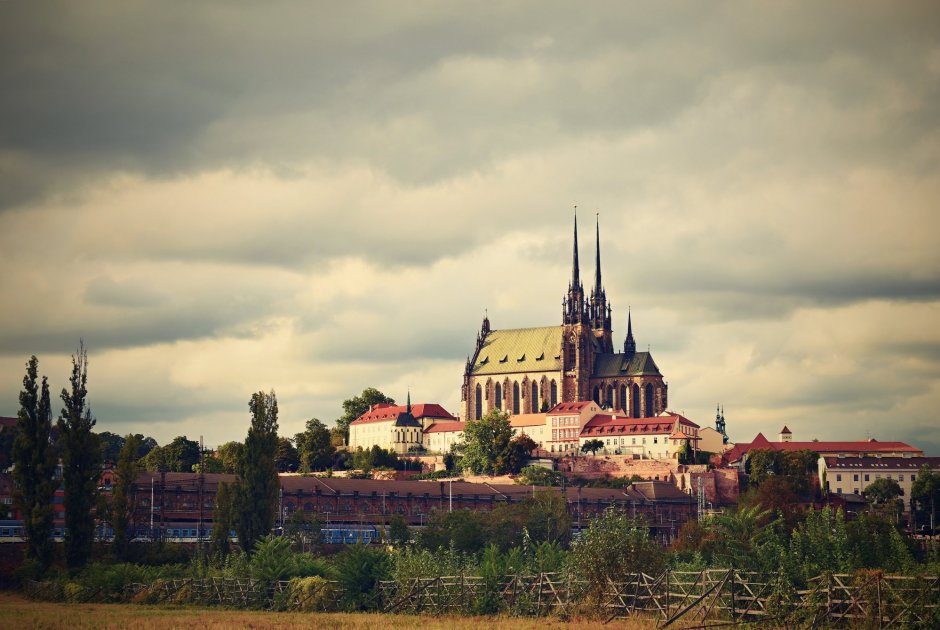
This massive Gothic cathedral is located on a hill next to the Špilberk Fortress. Its two towers with pointed spires are visible from afar and serve as a symbol of Brno. The cathedral was built in the 14th century, but its current appearance has evolved over the centuries.

Inside the cathedral, you’ll find high ceilings, carved pews, and stained-glass windows. If you visit during a service, you’ll hear organ music that is simply mesmerizing in such a space. The cathedral’s bell tower houses 10 bells, the oldest of which dates back to the 15th century. Admission to the cathedral is free.

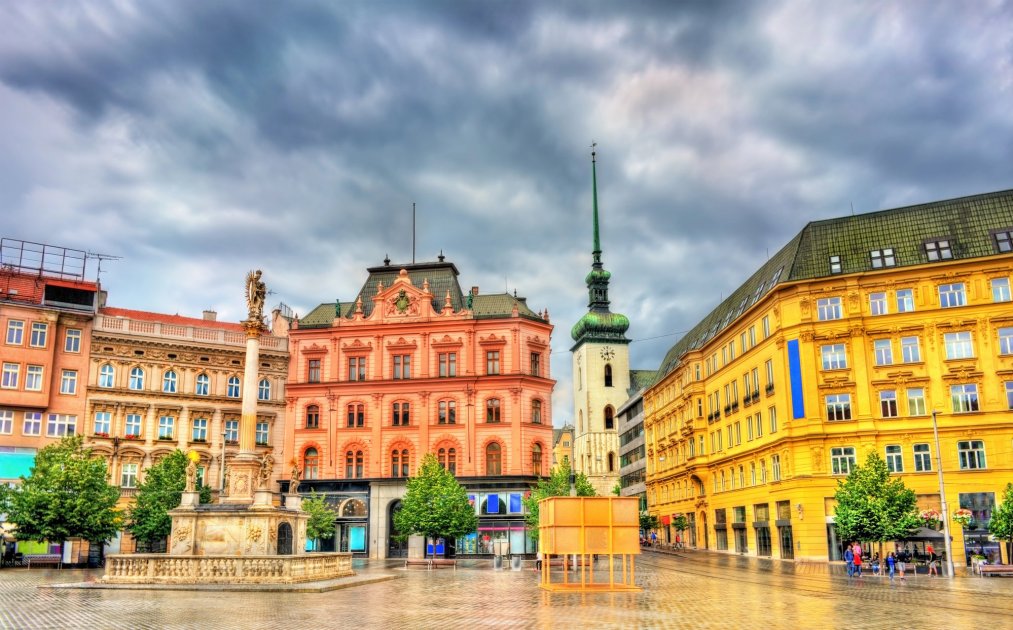
Old Town Square

The heart of Brno is its central square, where city life thrives. Here stands the 16th-century town hall with its distinctive facade and Gothic details. The square is home to cafes and shops, and in the summer, markets and concerts are held here.

On the corner of the square, you’ll find one of the city’s main legends: a wagon wheel embedded in the wall of a house. According to local lore, the wheel was installed in honor of a craftsman who managed to build it in just one day. Explore the square on foot, sit down at one of the cafes, and soak up the rhythm of life in Brno.

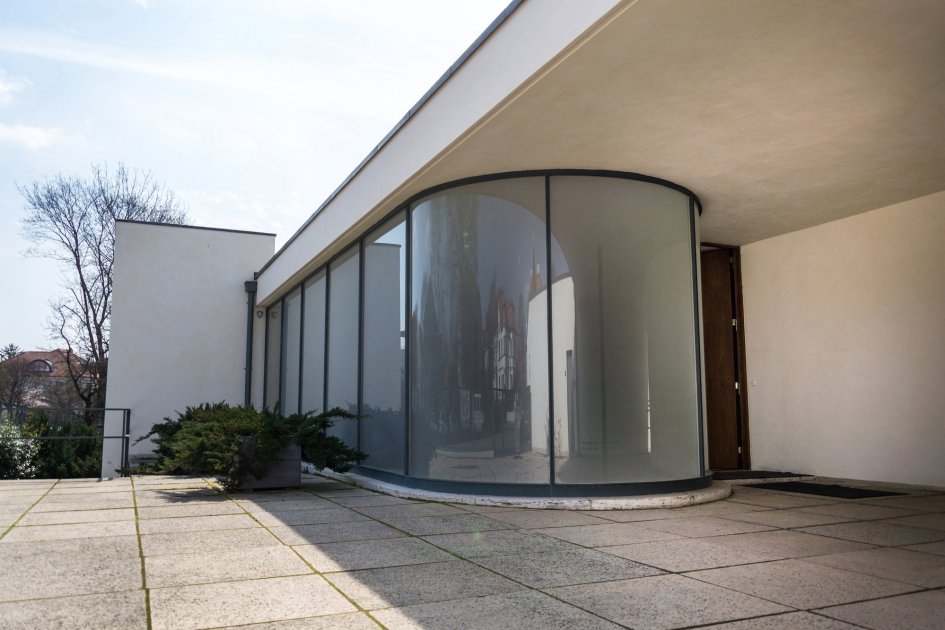
Villa Tugendhat

This is one of the most significant architectural landmarks of the 20th century in Central Europe. The villa was designed by Ludwig Mies van der Rohe, a legend of modernism. The building was constructed in 1930 and is listed as a UNESCO World Heritage Site.

A distinctive feature of the villa is its enormous glass panels, which blur the boundary between the interior and the garden. The interior is minimalist yet luxurious: polished onyx, chrome, and leather. The villa is located on the outskirts of the city, and you must book in advance, as admission is by guided tour only. It’s a must-see for anyone interested in architecture and design.

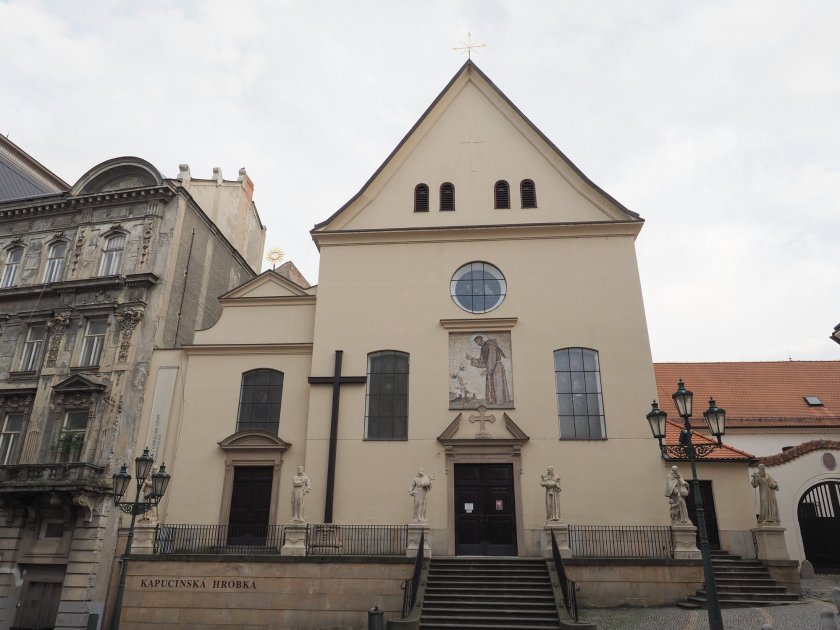
The Capuchin Crypt

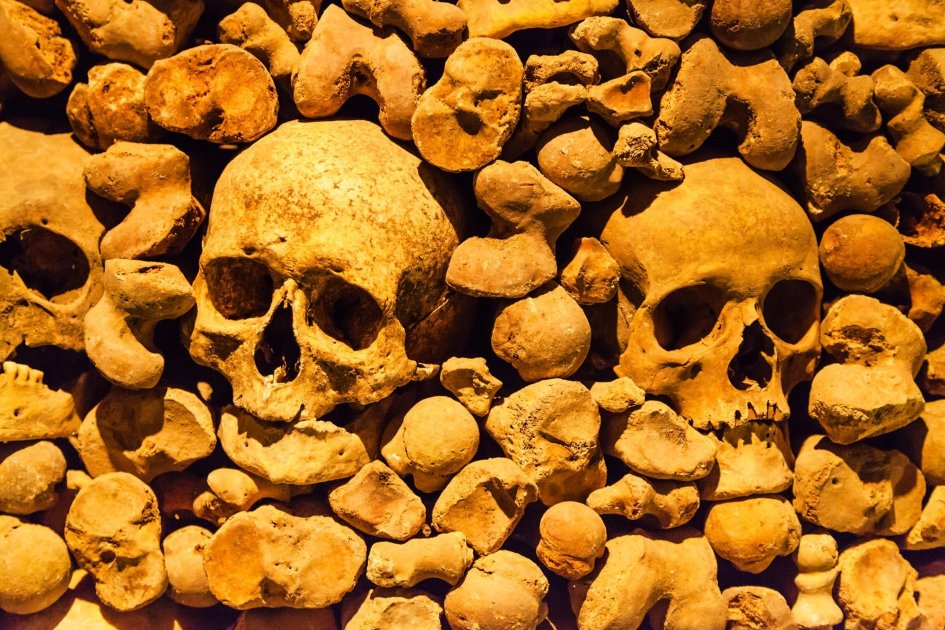
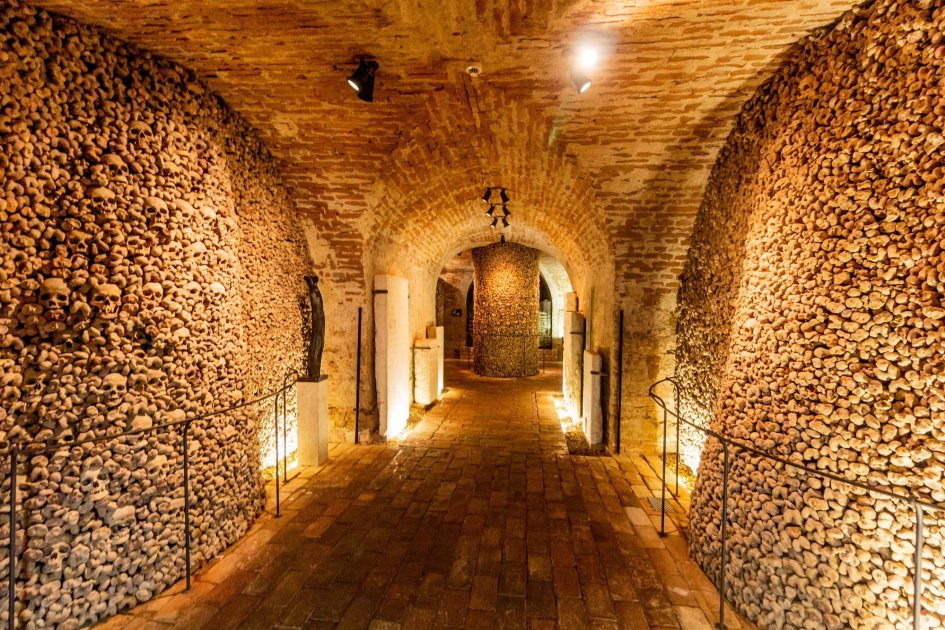
Beneath the Capuchin monastery in Brno lies one of the most unusual attractions—an underground crypt containing the remains of monks. The Capuchin monks believed in simplicity and renunciation of worldly things, so after their deaths, they were naturally mummified in a special crypt.

A walk through the crypt is not scary, but rather contemplative. You’ll see more than 150 mummified bodies dressed in monastic robes. It serves as a reminder of human mortality, but in a calm and respectful setting. The crypt is located in the Capuchin Church, is open to visitors, and guided tours are conducted throughout the day. Photography is not allowed, but this adds to the atmosphere of reverence.

Moravian Gallery

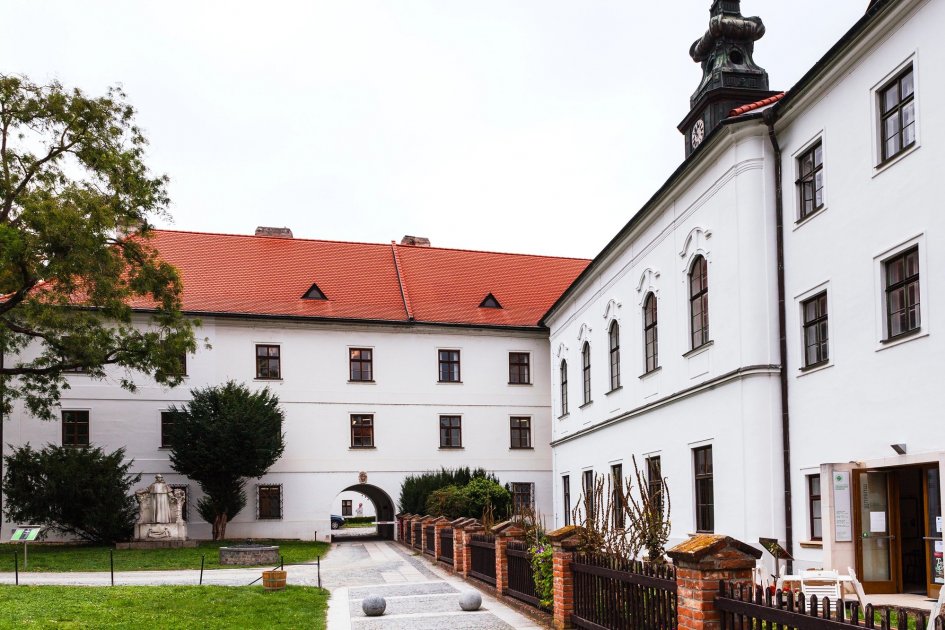
If you’re interested in art, the Moravian Gallery is the place for you. The collection features European art from the 15th century to the present day: medieval icons, Renaissance paintings, Baroque works, and modernist pieces. The gallery is housed in several buildings, including the Dietrichstein Palace.

The exhibition is well-organized, with information available in English and Czech. You can easily spend a few hours here if you take the time to examine the works closely. Guided tours are offered daily, and you can purchase catalogs and souvenirs.

Gregor Mendel Museum

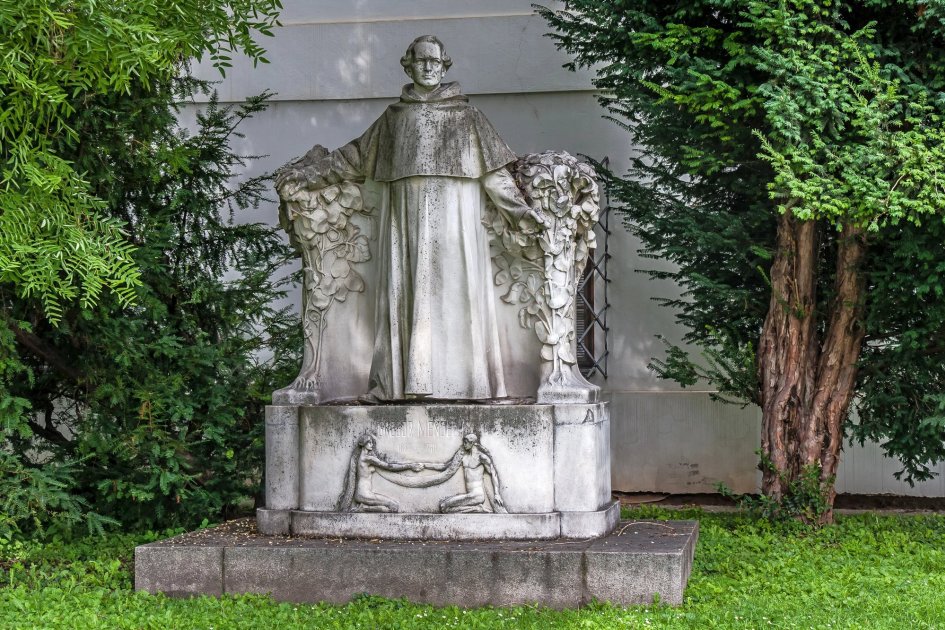
Gregor Mendel was an Augustinian monk who lived in Brno and laid the foundations of modern genetics. His museum showcases the scientist’s life, his experiments with plants, and how he discovered the laws of inheritance. It’s very interesting, even if you’re not into science.

The museum features Mendel’s laboratory, letters, documents, and modern interactive exhibits that explain complex scientific ideas in simple terms. The place is small but atmospheric. It’s located in the monastery where Mendel once lived and worked. Admission is inexpensive, and guided tours are held several times a day.

Luzhany Park

This is Brno’s largest park, where locals go for walks, play sports, and relax. The park covers 55 hectares and features a lake, lawns, forest trails, and sports facilities. Concerts and festivals are held here in the summer.

If you need a break from sightseeing, come to Lužanky. You can go for a bike ride (bikes are available for rent), go swimming during the summer, or just sit on the grass. The park is open year-round and is completely free. It’s the perfect place to experience Brno the way the locals do.

Slavin Monument

On a hill southwest of the city center stands the monumental Slavín Monument, dedicated to the Soviet soldiers who died during the liberation of Brno in 1945. The sculpture depicts a Soviet soldier holding a flag. Surrounding the monument is a cemetery where approximately 2,000 Soviet soldiers are buried.

The monument is a place of remembrance, and fresh flowers are often left here. The view of the city from the hill is beautiful. It’s a quiet and peaceful place, even when there are tourists around. If you’re interested in the history of World War II, it’s worth a visit. You can get there from the city center on foot in 20–25 minutes or by public transportation.

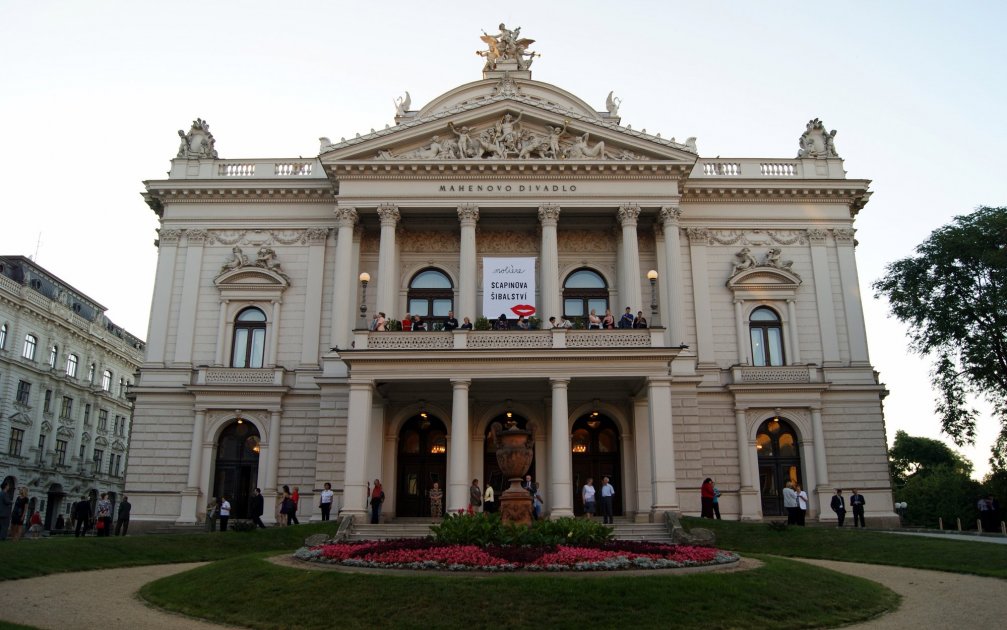
Máchen Theater

Brno’s main theater is a beautiful Art Nouveau building constructed in the early 20th century. The facade is adorned with sculptures, and the interior is lavish: gold, red velvet, and chandeliers. Even if you don’t attend a performance, take a look at the building from the outside and, if you’re lucky, peek inside the lobby.

The theater hosts operas, ballets, and plays. The program is available on the theater’s official website. Tickets aren’t always expensive, and an evening at the theater can be one of the highlights of your time in Brno. The building is located on the city’s main street, so you’re sure to spot it.

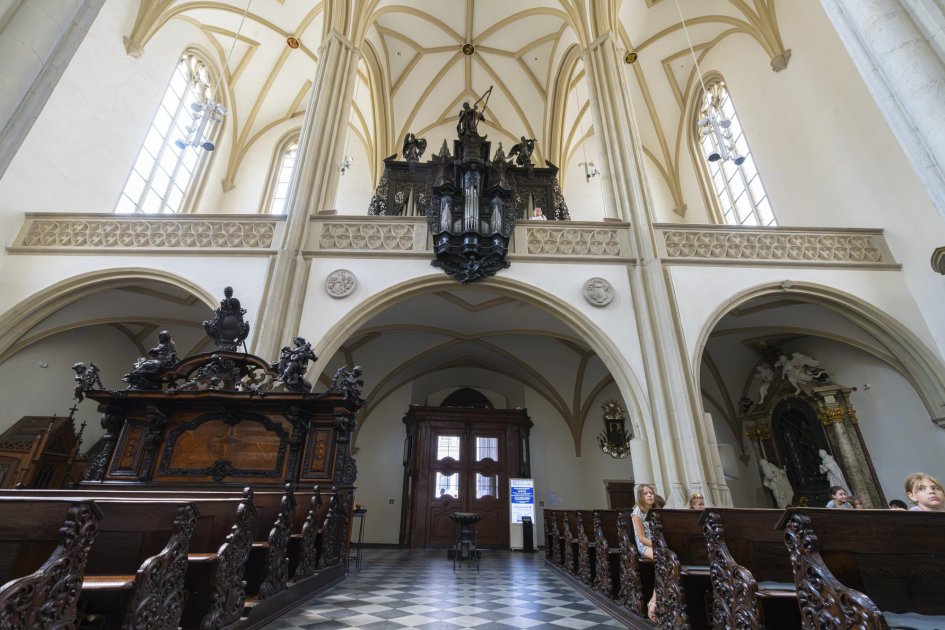
St. James Church

Another magnificent Gothic church in the center of Brno. St. James Church was built over several centuries, beginning in the 13th century. Its high vaults and narrow windows create a unique atmosphere, and on a clear day, the light streaming through the stained-glass windows bathes the interior in a variety of colors.

The church is less well-known than its neighbors, so it’s quieter here. You can enjoy the architecture without crowds of tourists. Nearby are old, narrow streets that are fun to stroll through. Admission is free.

Museum of Technology

If you’re interested in the history of transportation and technology, this museum will be a real find for you. It features a collection of airplanes, cars, motorcycles, and rail vehicles from various eras. The exhibits aren’t just display models—they’re authentic vehicles with a history of their own.

The museum is located in former barracks, so most of the exhibits are housed in large hangars. You can easily spend several hours exploring if you’re interested in technology. There are information stands in Czech and English, as well as a café. Children especially love this place.

The Funicular in Brno

One way to get up the hill to Špilberk Castle and the cathedral is by funicular. It’s not the longest funicular in the world, but it’s quite interesting. The funicular has been in operation since the early 20th century and is considered a symbol of the city.

The cable car cars offer a view of the city. The descent takes a few minutes, but it adds an element of adventure to your trip. Tickets are inexpensive, and it’s a good way to save your energy if you’re tired from walking.

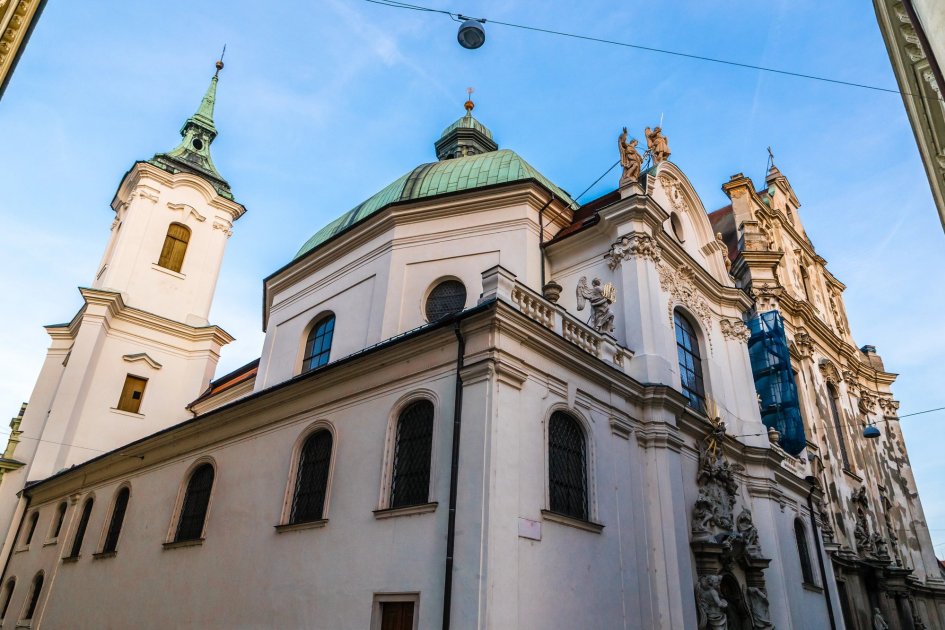
St. Thomas Church

This Baroque church is located next to the Augustinian monastery, where Gregor Mendel once lived and worked. The church is notable for its white facade and simple yet elegant architecture. Inside, you’ll find Baroque altars and organ music.

The church is in a quieter part of the city, away from the main tourist crowds. If you’re looking for peace and quiet and a spiritual atmosphere, this is the place for you. Classical music concerts are often held here. Admission is free.

The Zabovreski District

This historic district lies on the banks of the Svrátka River, where you’ll find medieval houses, narrow streets, and small squares. Žabovresky was once home to artisans and merchants, and it still retains the atmosphere of an old town.

A stroll through Žabovřesky offers a break from the main tourist attractions. Here you’ll find small cafes and shops selling local goods. Locals call this neighborhood “the soul of Brno.” Even though there are no official museums here, the architecture and atmosphere alone make it worth a visit.

Villa Salerno

Another monument to modernist architecture, though less famous than Villa Tugendhat. Villa Salerno was built in 1910 in the Jugendstil (European Modernism) style and combines beauty with functionality. Today, it houses a cultural center.

If you’re interested in early 20th-century architecture, Villa Salerno is well worth a visit. The exterior is well-preserved, and exhibitions and events are occasionally held inside. It’s a few tram stops from the city center, but it’s worth the trip to get a complete picture of Brno’s architectural heritage.

St. John's Church

A small church located in the city center, but one that often goes unnoticed by tourists. St. John’s was built in the Gothic style and is notable for its compact size and the beautiful details of its facade. Inside, the interior is modest but very atmospheric.

This is a place for those who want to delve deeper into Brno’s history and architecture, rather than just see the main attractions. It’s always quiet and peaceful here. Admission is free.

Lužanky City Park and the Open-Air Museum

In addition to Luzhany Park itself, the grounds also feature an open-air museum showcasing wooden houses and farm buildings from various regions of Moravia. It’s like a trip back in time without a time machine. You’ll see how peasants and craftsmen lived several centuries ago.

The museum is open during the warmer months (usually from April through October). Guided tours are available in Czech and English. It’s interesting not only for tourists but also for locals, who can reconnect with their cultural roots. Admission to the park is free, but you’ll need to buy a ticket to enter the museum.

Tips for Planning a Visit to Brno

What do you want to do?

How much time do you need?

When is the best time to go

Main Attractions (Old Town, Cathedrals, Square)

1–2 days

Early in the morning to avoid the crowds

Museums and galleries

2–3 days

Tuesday–Thursday (fewer visitors)

Walks through parks and neighborhoods

1–2 days

Weekends for a better atmosphere

Architectural tour (villas, churches)

1–2 days

Any day, but avoid rainy days

Trip to the Brno area (wineries, castles)

1–2 days

Spring and fall are ideal for this trip

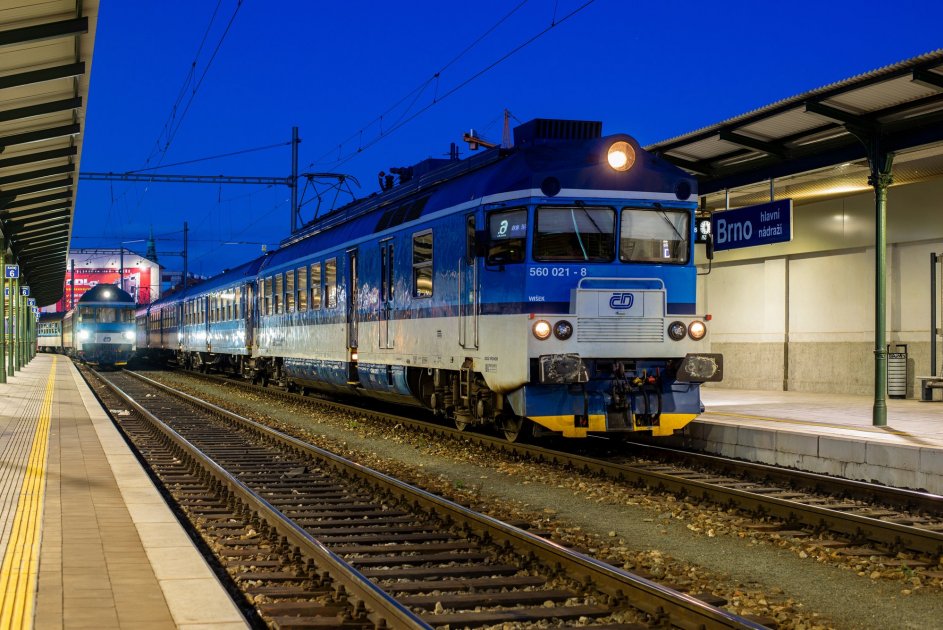
Ideally, you should spend 3–4 days in Brno. This will give you time to explore the city at a leisurely pace, visit a few museums, and take walks in the parks. Brno has a well-developed public transportation system, so it’s easy to get around between attractions. You can buy public transportation tickets at kiosks or through an app—which is more convenient.

Practical Information

  • Currency: Czech koruna (CZK). You can withdraw money from ATMs, and cards are accepted everywhere, but you may need cash at small cafes and markets.
  • Language: Czech. English is understood in tourist areas, but learn a few phrases in Czech—it helps and the locals appreciate it.
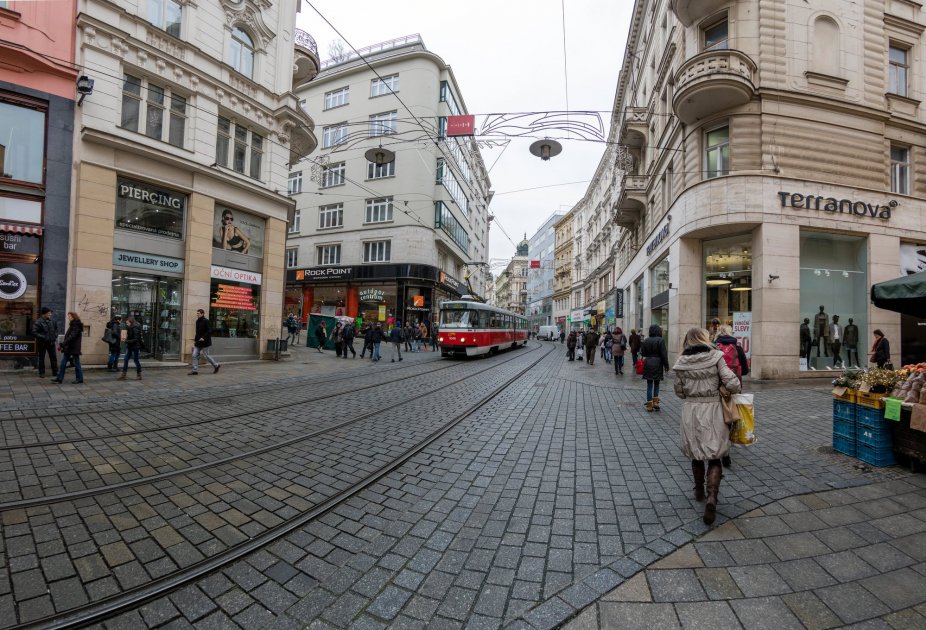
  • Public transportation: trams, buses, and a funicular. A one-day pass is inexpensive and gives you access to all public transportation in the city.
  • Safety: Brno is a safe city, but as always, keep an eye on your belongings in crowded places and avoid walking alone in unfamiliar neighborhoods at night.
  • Food: Try the local beer, meat dishes (goulash, schnitzel), and Czech poppy seed rolls. Restaurants offer European cuisine at reasonable prices.

Frequently Asked Questions

How many days do you need to explore Brno?

Ideally, 3–4 days. In two days, you’ll be able to see the main sights without rushing. In four days, you’ll explore the city in more detail, visit museums, and go on a few walks.

When is the best time to visit Brno?

Spring (April–May) and fall (September–October) are the ideal times. The weather is pleasant, not too hot, and the parks are beautiful. Summer attracts tourists, so it gets crowded. Winter is cold, but if you enjoy the Christmas atmosphere, December is a good time to visit.

What public transportation should you use?

Brno has a well-developed tram and bus network. Buy a pass for one or several days—it’s more convenient than buying individual tickets. Tickets are sold at vending machines, kiosks, and through a mobile app.

Is Brno a good place to visit with a young child?

Yes, Brno is a family-friendly city. Parks, museums, safe streets, ramps, and playgrounds make the city convenient for traveling with children. The Museum of Technology and Lužanky Park are particularly popular with young travelers.

What souvenirs should you buy in Brno?

Czech beer, Czech crystal, traditional-style wooden toys, and books on the city’s architecture and history. At local markets and shops, you’ll find handmade jewelry, ceramics, and other items crafted by local artisans.

Conclusion

Brno is a city that opens the door to the heart of the Czech Republic. Once you’ve finished exploring its main attractions, you’ll understand why the locals love their city so much. Architecture, museums, parks, history, and modernity all come together here as one. Even if you’re visiting the Czech Republic for the first time and plan to focus on Prague, set aside a few days for Brno. It’s an investment in a fuller understanding of the country and its culture.

Come to Brno without rushing, wander its streets, sit down at a café, and chat with the locals. The city will reveal itself to you in a completely different way than it does in guidebooks. And when you leave, Brno will be more than just a stop on your itinerary—it will be a place you’ll want to visit again.

Хочешь путешествовать чаще?
280 000 подписчиков уже получают наши письма с авиаскидками до -85% и путешествуют чаще. Теперь твоя очередь!
ok
или
Did you like the article?
😍
😂
😄
😐
🤔
😩
SHARE WITH FRIENDS:
No comments
tripmydream - travel service, that helps to find compare and buy best flights and rooms worldwide with the given budget. All necessary information for travelers - is right here!