Travel Ideas

Cascais: Portuguese Beaches Worth Visiting

A seaside town 30 km from Lisbon, featuring rugged cliffs, cozy coves, and beaches to suit every taste. It’s the perfect base for a day trip or a few days’ getaway, with fishing villages, medieval forts, and hiking trails along the rocky coastline.
10 august 2026
AUTHOR: Kateryna Lindt
0
6 min

Folks, don't forget that we have an extremely comfortable iOS application in App Store

Please try it!

Kateryna Lindt
I write routes the way I would advise a friend before a trip - nothing superfluous, just proven and at a comfortable pace.

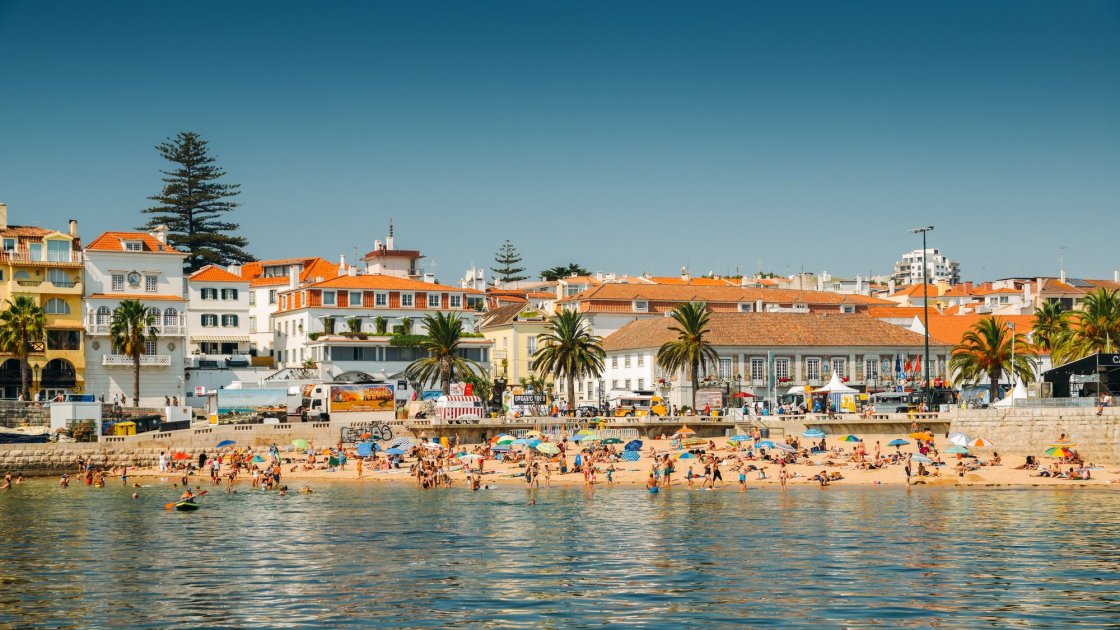
Cascais is a seaside town 30 km from Lisbon, featuring rugged cliffs, cozy coves, and beaches to suit every taste—from family-friendly and peaceful to thrilling for surfers.

If you’re planning a trip to Portugal, Cascais is the perfect base for a day trip or a few days’ getaway. This town attracts tourists not only with its beautiful beaches but also with the atmosphere of the Portuguese Riviera. Here you’ll find fishing villages, medieval forts, and hiking trails along the rocky coastline.

The Most Beautiful Beaches in Cascais

The Cascais coastline is diverse. Each beach has its own character and appeals to different types of travelers. Don’t rush to visit them all at once—it’s better to pick a few and spend plenty of time there.

Praia da Ursa

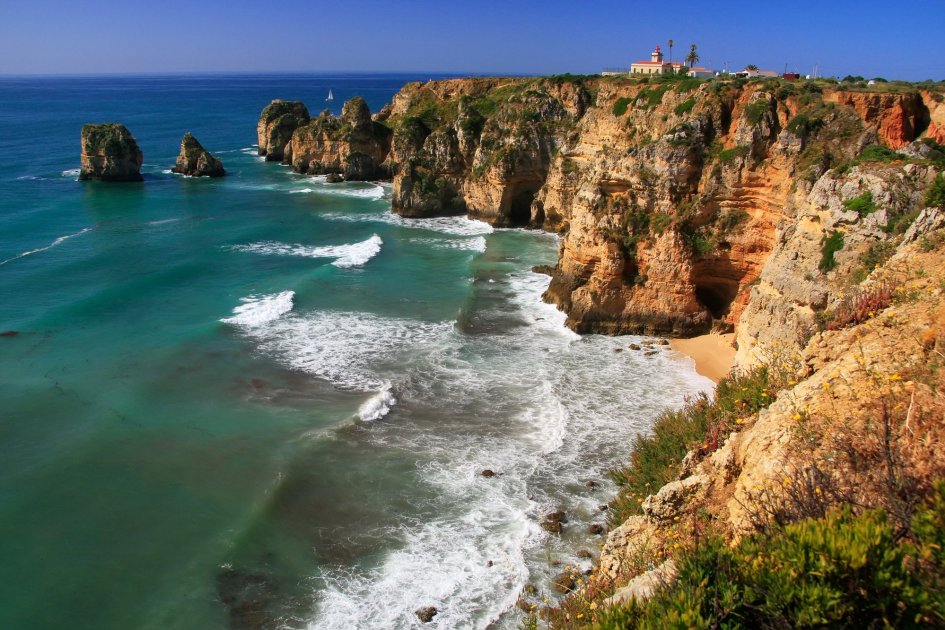
This is one of the most photographed beaches in Portugal. It’s located in a small cove surrounded by tall, sheer cliffs of yellow-orange color. The name “Ursa” translates to “she-bear”—according to legend, bears once roamed this area. Getting to Praia da Ursa isn’t easy: you’ll need to park your car and walk down a narrow trail for about 15–20 minutes. But it’s worth it—the beach remains uncrowded even during peak season.

Praia do Guincho

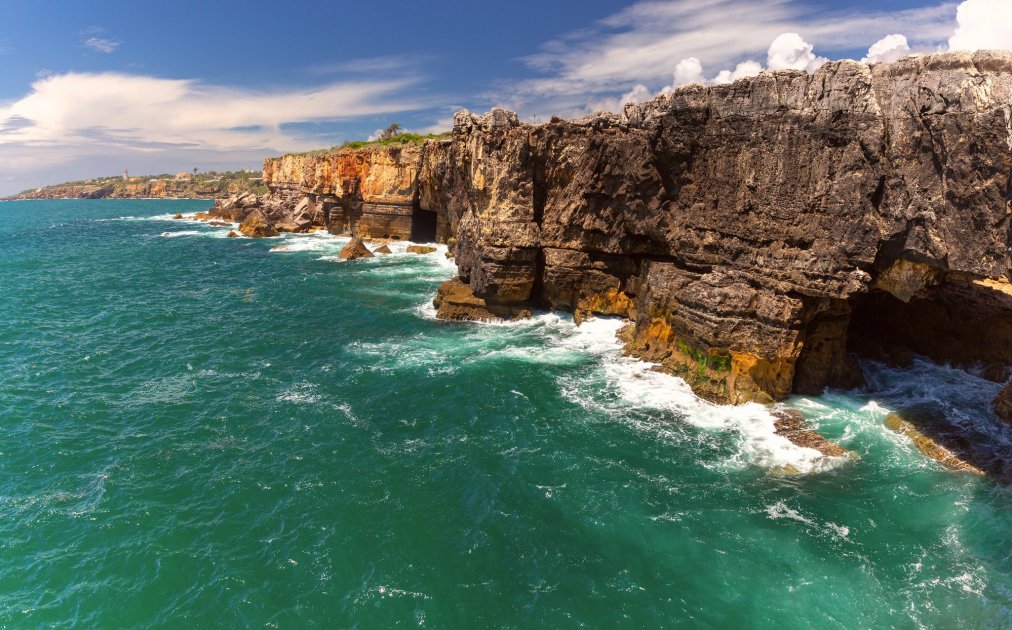
A wild, windy beach with powerful waves—a surfer’s paradise. Even if you don’t surf, come here for sunset: the huge waves, rocky shores, and nearly deserted landscape create a feeling of being at the end of the world. It gets crowded here in the summer, but you’ll find peace and quiet in the morning or late in the evening. At the edge of the beach stands the historic Forte do Guincho—it now houses a restaurant.

Praia da Conceição

A compact city beach in the center of Cascais. It’s protected by breakwaters, so the water is calmer than at neighboring beaches. Families with children, seniors, and those who want to stop by a café or shop after the beach often come here. Near the beach are restaurants with ocean views and a promenade lined with benches.

Praia da Rainha

A small, cozy beach in a cove, surrounded by pretty little houses and cliffs. The name translates to “Queen’s Beach.” The water here is usually cleaner and calmer than at open beaches. It’s ideal for peaceful swimming and photo shoots.

Praia do Tamariz

A well-maintained beach with lounge chairs, bars, and soft sand. It borders a beautiful park. It’s suitable for families who prefer comfort over nature. It’s packed with tourists in the summer, but in the winter it becomes almost a private spot.

When to Visit Cascais

The best time to go depends on what you’re looking for: a beach vacation or a photography trip.

Season

Water Temperature

Pros

Cons

June–August

18–20 °C

Warm weather, long days, all tourist services are available

Lots of tourists, high prices, crowded beaches

May, September

16–18 °C

Mild weather, fewer people, good for surfing

Unpredictable weather, too cold for swimming

October–April

12–16 °C

Virtually no tourists, beautiful storms and sunsets—best for photography

Cold, short days, frequent rain, many places are closed

Tip: If you’re traveling for the experience and to take photos, choose May or October. If you’re looking for a comfortable beach vacation, go in June or September. In August, be prepared for crowds—and expect your bill to go up.

How to Get to Cascais

It’s easy to get there from Lisbon. The distance is about 30 km.

By train

This is the most convenient and cheapest way. Direct trains run from downtown Lisbon (Santa Apolónia or Oriente stations) to Cascais in about 35–40 minutes. Tickets are inexpensive. Check the current schedule on the official website of the Portuguese railways. The train arrives in the city center, near the beaches and the old town.

By car

Rent a car—if you plan to explore all the beaches. From Lisbon, take the A5 highway toward Sintra, then take the exit for Cascais. The drive takes about an hour, depending on traffic. You can park your car in one of the parking lots in the center or at each individual beach.

By bus

Several companies offer direct routes. It’s cheaper than the train, but a bit slower. Head to the Rede Expressos station or buy a ticket online.

Hiking Trails and Coastal Paths

Cascais is famous not only for its beaches but also for its trails along the cliffs. If you enjoy hiking, you’ll love it here.

The most popular route goes from Praia do Guincho, past the fort, to Praia da Ursa, and on to Cabo da Roca. It takes 3–4 hours. The trail runs right along the edge of the cliffs; the views are breathtaking. Bring comfortable sneakers, water, and sunscreen. If you run out of energy, you can turn back at any time.

An easier route is a walk through the city center from the Citadela Fort along the waterfront to Conceição Beach. This takes about an hour and is suitable for all ages.

Sights and History of Cascais

This town is anything but boring. Besides the beaches, there’s plenty to see.

  • Citadela (Citadel) — a 17th-century fortress built to defend against pirates. Today, it frequently hosts exhibitions and cultural events. It is open to the public.
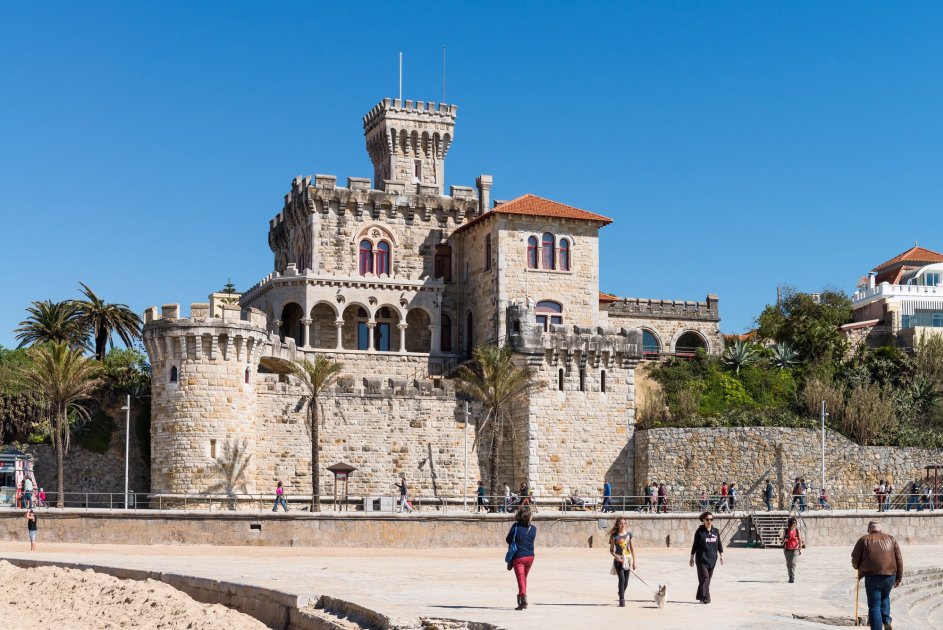
  • Museu dos Condes de Castro Guimarães (Museum of the Counts of Castro Guimarães) is a palace with a collection of Portuguese art, located in a beautiful park on the waterfront.
  • The Old Town and the fishing port are perfect for strolling, taking photos, and having dinner at a seafood restaurant.
  • Cabo da Roca—the westernmost point of continental Europe—is located just beyond Cascais. The scenery is breathtaking.

Practical Tips

  • The ocean is cold even in the summer—bring a wetsuit for surfing or just get used to the cool water.
  • Wind is a defining feature of Cascais. On open beaches like Guinho, the wind blows almost constantly. If you don’t like the wind, choose sheltered beaches like Conceição or Rainha.
  • Park in advance or use public transportation. Parking spots are hard to come by in the summer.
  • Bring a towel, sunscreen, and water. Some beaches don’t have a single store nearby.
  • If you’re surfing, bring your own board or rent one there. There are several surf schools operating at Ginho Beach and in the surrounding areas.
  • If you’re hiking the trail along the cliffs, wear comfortable shoes and bring a hat. The sun reflects off the water more intensely than it seems.

Where to Eat

Kashkais has plenty of restaurants—from tourist spots to local eateries. Fish and seafood are the region’s specialties.

  • The restaurants along the waterfront in the city center are a bit pricey, but the ocean view is worth it.
  • The small fishermen’s cafes near the port are inexpensive, authentic, and serve fresh food.
  • Fort Guincho—a restaurant inside the historic fortress—is a beautiful spot for dinner, but be sure to make a reservation in advance.
  • Beach bars are perfect for a light lunch right by the water.

Frequently Asked Questions

Which beach in Cascais is the best?

It depends on what you’re looking for. For wild beauty and photo opportunities—Praia da Ursa and Praia do Guincho. For families with children—Praia da Conceição. For a peaceful getaway—Praia da Rainha. They’re all close by, so check out a few in one day.

Is it safe to swim in Cascais?

Yes, if you follow the signs. Lifeguards are on duty at the main beaches during the summer, and flags are displayed: green means it’s safe to swim, yellow means exercise caution, and red means swimming is prohibited. On wild beaches like Ursa and Guincho, there may not be any flags, so swim with extra caution or avoid swimming altogether if the waves are high.

Do I need to book accommodations in Cascais for the summer?

Yes. July and August are peak season, and accommodations are in short supply. If you’re traveling during these months, book 1–2 months in advance. During the other months, you can find a place to stay even on short notice, such as a week before your trip.

How much time should you set aside for a visit to Cascais?

If you’re taking a day trip from Lisbon, 5–6 hours is enough to see 2–3 beaches and the town center. If you want to take your time, stay for 2–3 days. It’s worth it.

What should you bring to the beach?

Sunscreen (SPF 50—the sun is strong), a towel, water, a snack, comfortable walking shoes, and a hat. If you plan to photograph the sunset, bring your camera. There’s not much shade on the beaches—try to rent a beach umbrella or a beach tent.

When’s the best time to go: in the morning or in the afternoon?

There are fewer tourists in the morning, and the light is softer for photos. If you don’t mind getting up early, arrive between 8 and 9 a.m. By noon, the beaches will be packed. Sunset (from 5 to 7 p.m.) is also beautiful, but it’s always crowded.

Conclusion

Cascais isn’t just a Portuguese beach resort—it’s a whole travel destination. The beaches here are diverse, each with its own atmosphere. You can spend a day in the wilderness at Praia da Ursa, catch some waves at Praia do Guincho, or relax at the family-friendly Conceição Beach. The town is easily accessible from Lisbon, making it ideal for a day trip or a short getaway. When planning a trip to Portugal, be sure to add Cascais to your itinerary—you’ll definitely want to come back here again.


Хочешь путешествовать чаще?
280 000 подписчиков уже получают наши письма с авиаскидками до -85% и путешествуют чаще. Теперь твоя очередь!
ok
или
Did you like the article?
😍
😂
😄
😐
🤔
😩
SHARE WITH FRIENDS:
No comments
tripmydream - travel service, that helps to find compare and buy best flights and rooms worldwide with the given budget. All necessary information for travelers - is right here!