Travel Ideas

Pisa: 20 Must-See Places

A comprehensive guide to Pisa, covering the city’s 20 top attractions: from the famous Leaning Tower and the cathedral to museums, churches, waterfronts, and medieval neighborhoods. The article includes practical tips for planning a 2- or 3-day trip and answers to frequently asked questions.
15 october 2026
AUTHOR: Kateryna Lindt
0
11 min

Folks, don't forget that we have an extremely comfortable iOS application in App Store

Please try it!

Kateryna Lindt
I write routes the way I would advise a friend before a trip - nothing superfluous, just proven and at a comfortable pace.

Pisa isn’t just home to the famous Leaning Tower—it’s also one of Italy’s most beautiful cities, with a rich history, world-class museums, and authentic medieval neighborhoods. In this travel guide, you’ll find everything you need for the perfect trip.

For many centuries, Pisa, located in Tuscany, was one of the most influential maritime republics in the Mediterranean. The city preserves the memory of its former glory in its architecture, art, and urban layout. Whether you’re interested in history, architecture, or simply want to stroll through beautiful Italian streets, Pisa won’t disappoint. You can see all twenty sites in 2–3 days of leisurely walking, provided you take your time.

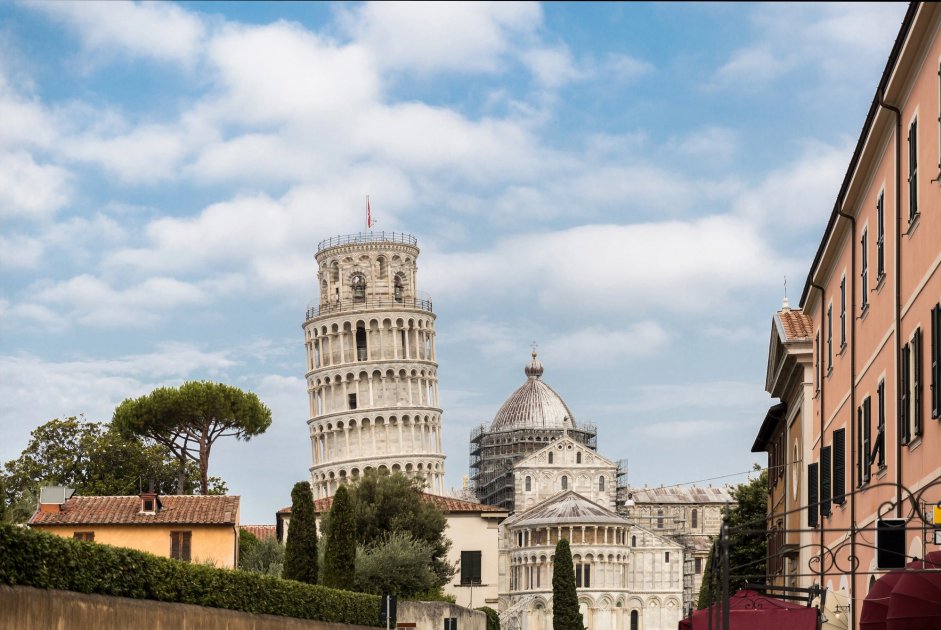
The Leaning Tower of Pisa

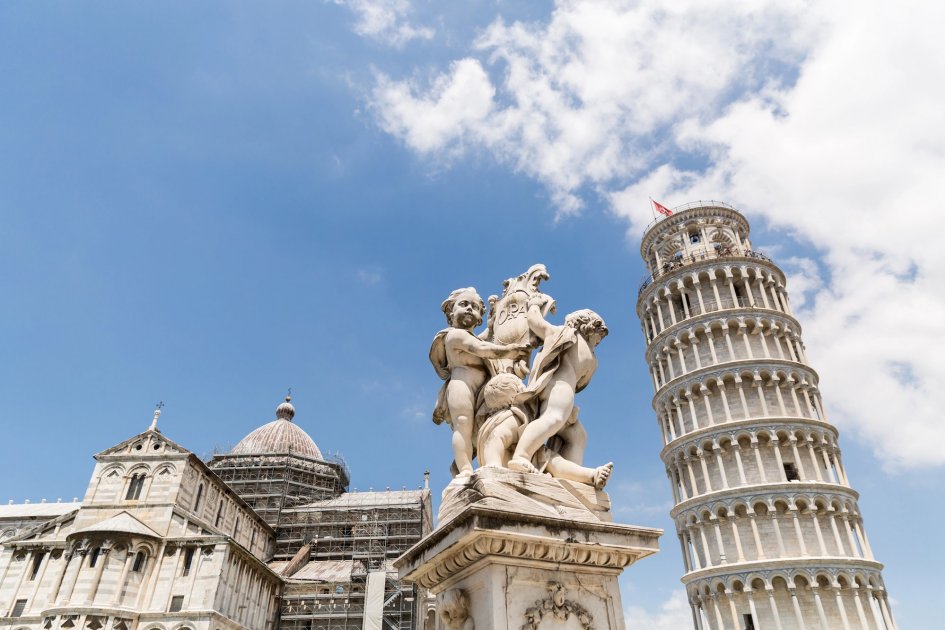
This is the city’s most recognizable landmark, although it is often mentioned simply because of its tilt rather than its beauty. In fact, the tower is a freestanding bell tower (campanile) of the Cathedral, built in the 12th century. It stands about 56 meters tall, but its tilt of about 3.97 degrees has made it legendary around the world.

If you want to climb the tower, be prepared for steep spiral staircases—a total of 294 steps. The view from the top of the city and the surrounding Tuscany is well worth it. Tickets must be booked in advance through the official website, especially during the summer season. Check the admission price on the official website of the Opera della Piazza dei Miracoli —the organization that manages the main monuments.

Pisa Cathedral

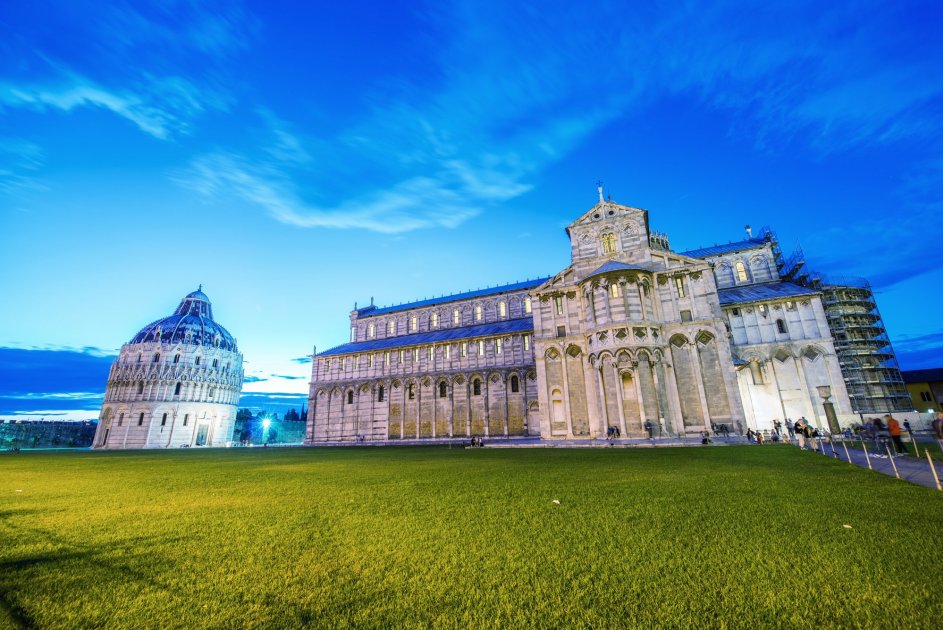
The Cathedral of Santa Maria Assunta is a masterpiece of Romanesque architecture, construction of which began in 1063. The white and gray marble facade, the multi-tiered arcades, and the wooden ceiling inside—all of this makes a striking impression at first glance.

Inside the cathedral, you’ll see mosaics, frescoes, and works of art that tell the story of medieval religious art. The apse, with its golden mosaic of Christ Pantocrator, is particularly beautiful. In the left aisle is a bronze chandelier which, according to legend, the young Galileo used to study oscillations—though this is more of a poetic myth than a historical fact.

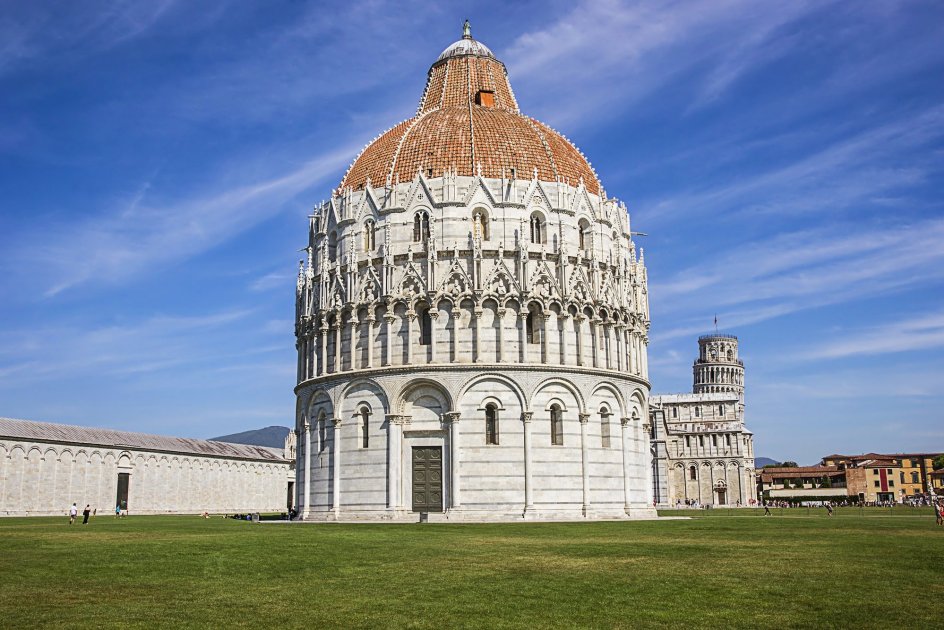
The Baptistery of Pisa

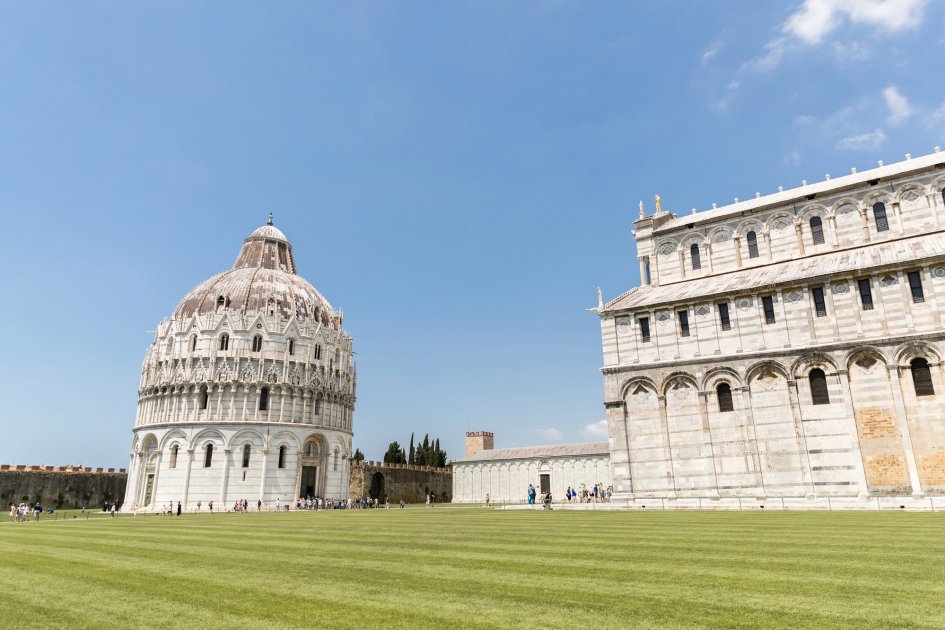
A separate circular building dedicated to St. John, built in the 13th century. It is one of the largest baptisteries in Europe. White and gray marble, arcades, and sculptural decorations make it an architectural masterpiece in its own right.

Inside, the acoustics will surprise you: if you or someone else walks quickly in the center, sounds and voices echo in a unique way, creating an almost musical effect. Some people even sing on purpose just to hear their voices echo under the dome.

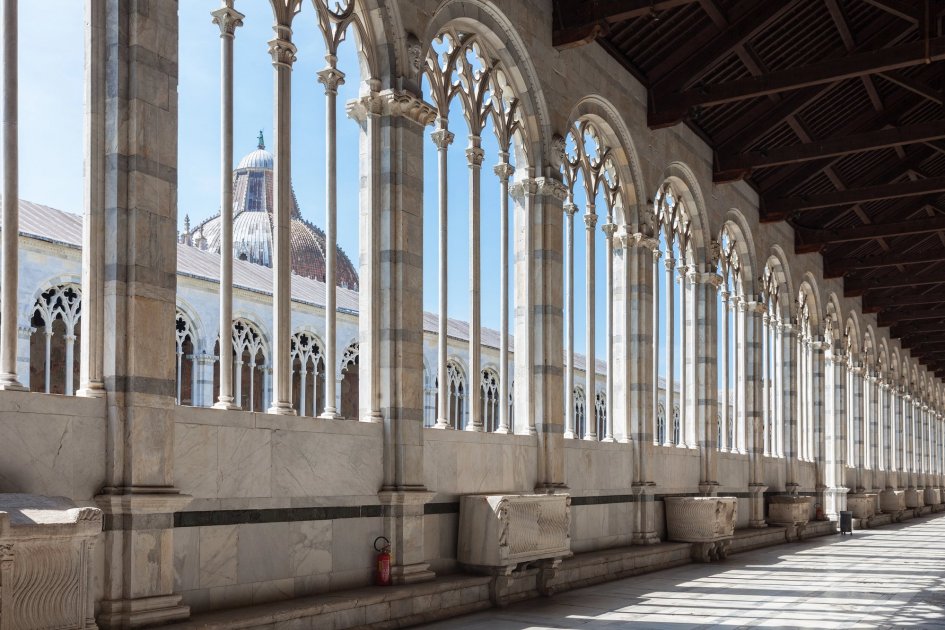
Monumental Cemetery (Campo Santo)

This is one of the most unusual cemeteries in the world. Construction began in 1278 on the site where, according to legend, soil brought from Golgotha was buried. A covered gallery with Gothic arches surrounds the courtyard where noble Pisans are buried.

The walls are adorned with 14th- and 15th-century frescoes, although many of them were damaged during World War II. What remains and has been restored is still striking in its beauty and detail. The atmosphere here is peaceful, almost meditative, despite the fact that it is a cemetery.

Museum of Sinopias

This museum houses a collection of sinopias—preparatory drawings for frescoes that artists made directly on the wall before applying paint. During the bombing of Campo Santo in 1944, the fire destroyed the frescoes, but the sinopias survived beneath the top layer of plaster.

This unique collection offers a glimpse into the creative process of medieval masters. You can see sketches, corrections, and detailed studies—all of which are usually hidden from view. The museum is small but very interesting for art and history enthusiasts.

National Museum of Pisa

This museum houses one of the most important collections of Tuscan art. Here you’ll find works by Masaccio, Lippi, Cimabue, and other masters of the 13th–16th centuries. Sculptures, altar panels, and reliefs—all demonstrate the evolution of art from the Romanesque period to the Renaissance.

The museum is located in a beautiful palazzo on the Arno riverfront. A visit takes 2–3 hours if you take the time to appreciate each piece. Many of the exhibits are rarely seen in other museums, so if you’re interested in Italian art, this is a must-see.

Piazza dei Miracoli

This is Pisa’s main square, home to four major landmarks: the Leaning Tower, the Cathedral, the Baptistery, and the cemetery. The square is located in the northern part of the city and is surrounded by a high wall. You wouldn’t call it bustling, but that’s exactly what makes it magical—it feels like a world of its own within the city.

It’s best to visit at sunset or in the early morning, when there are fewer tourists and the light is softer. If you want to take a photo of the Leaning Tower without a crowd in the background, be prepared to get up early or wait until the end of the day.

The Arno River and Its Embankments

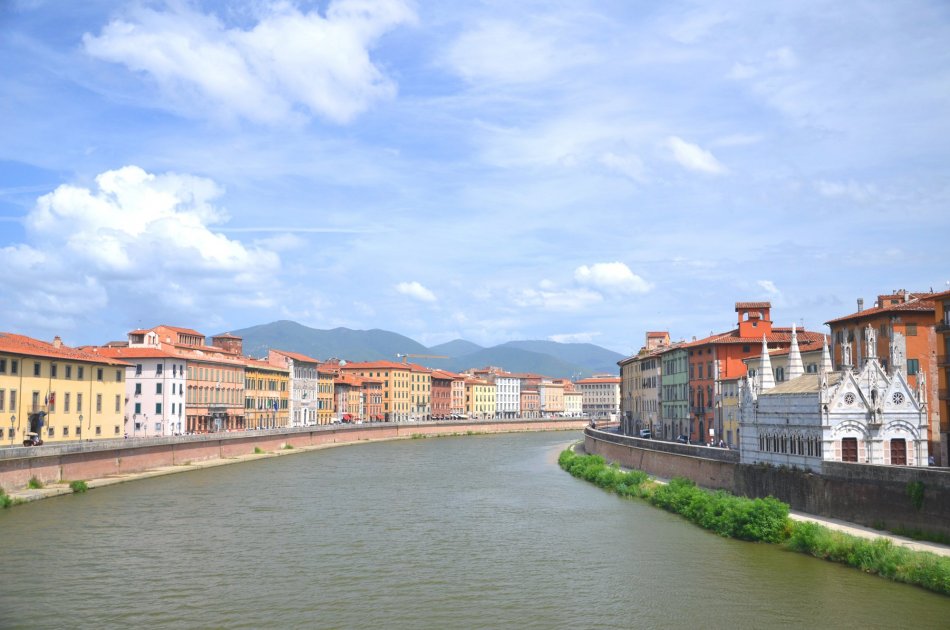
The Arno flows through Pisa, creating one of the city’s most atmospheric areas—the Lungarnos embankments. A stroll along the river reveals old Pisa, with its palaces, churches, and medieval houses reflected in the water.

Several important buildings and monuments line the promenade. In the evening, when the building facades are illuminated, the promenade becomes especially beautiful. It’s the perfect place for a stroll before dinner or after visiting the main attractions.

Church of San Paolo a Ripa d'Arno

This 11th-century Romanesque church stands right on the banks of the Arno River. Its name literally means “St. Paul on the Banks of the Arno.” White and gray marble, simple architectural forms, and a lack of excessive ornamentation make this a classic example of early Romanesque architecture.

The interior is simple yet elegant. If you’re tired of the elaborate decorative elements found in other churches, this church will offer you a sense of calm and clarity. It’s located near the National Museum, so you can visit both places on a single walk.

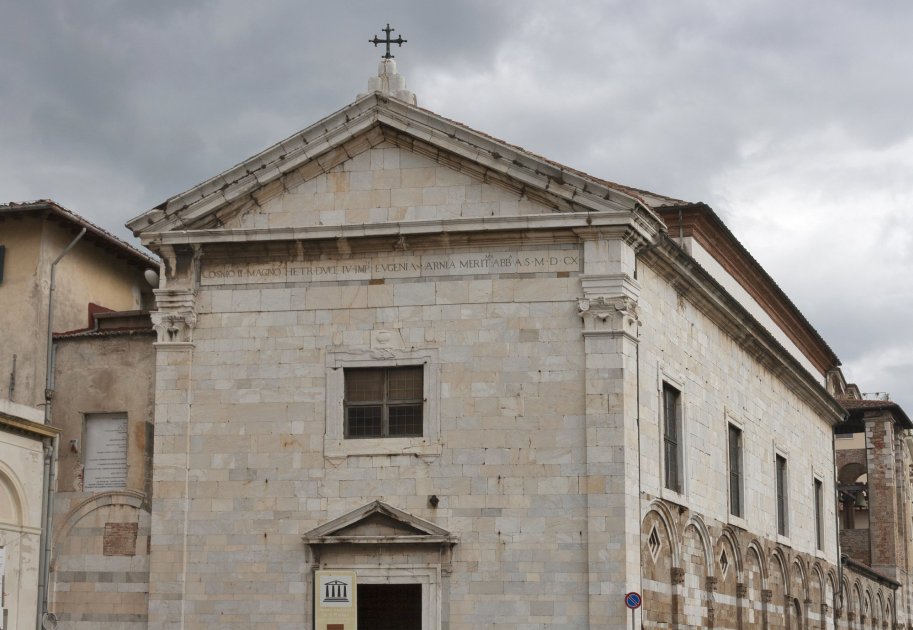
Santo Stefano dei Cavalieri

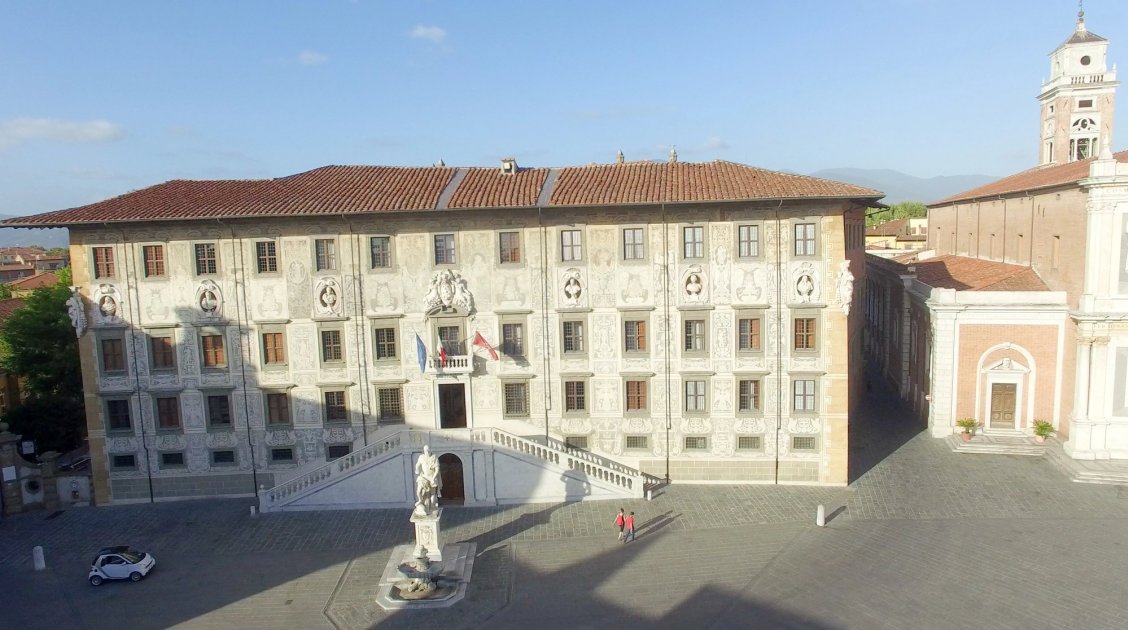
This 16th-century church was built as the chapel of the Papal Order of St. Stephen. The façade is adorned with the order’s symbols and military trophies. Inside, you’ll see paintings depicting the history of the order and Pisa’s naval victories.

The church stands in St. Stephen’s Square, which is beautiful in its own right and surrounded by historic buildings. If you’re interested in Pisa’s history as a maritime power and in knightly orders, this church will give you a vivid insight into these topics.

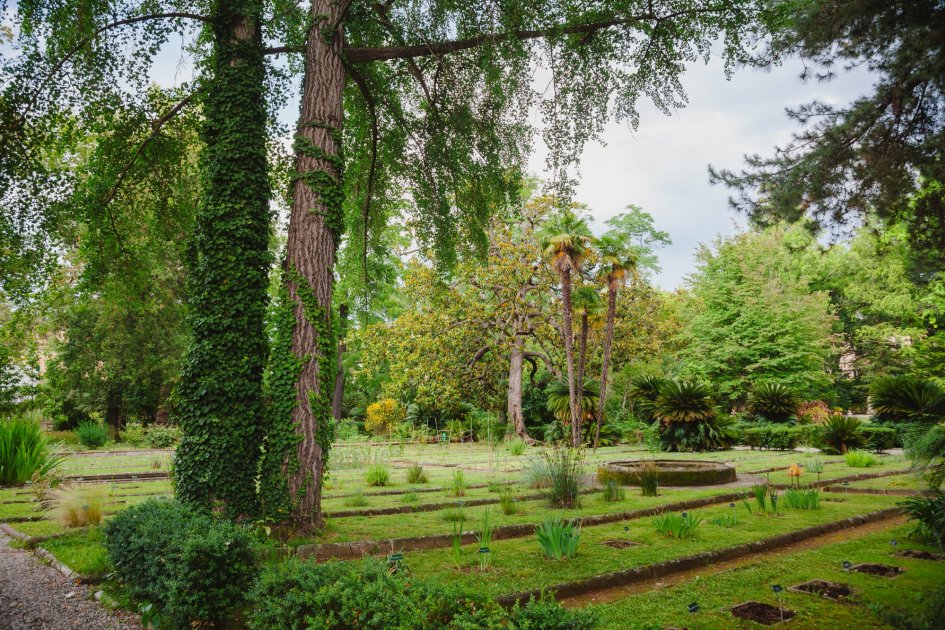
The University of Pisa Botanical Garden

This garden was founded in 1544 and is one of the oldest botanical gardens in Europe. It is located on the outskirts of the city center but remains easily accessible. The garden features rare and exotic plants from various climate zones.

It’s a peaceful place to take a stroll away from the crowds of tourists. If the weather is nice, the garden is a great place to spend an hour or two sitting on a bench surrounded by greenery. It’s especially beautiful here in the spring, when everything is in bloom.

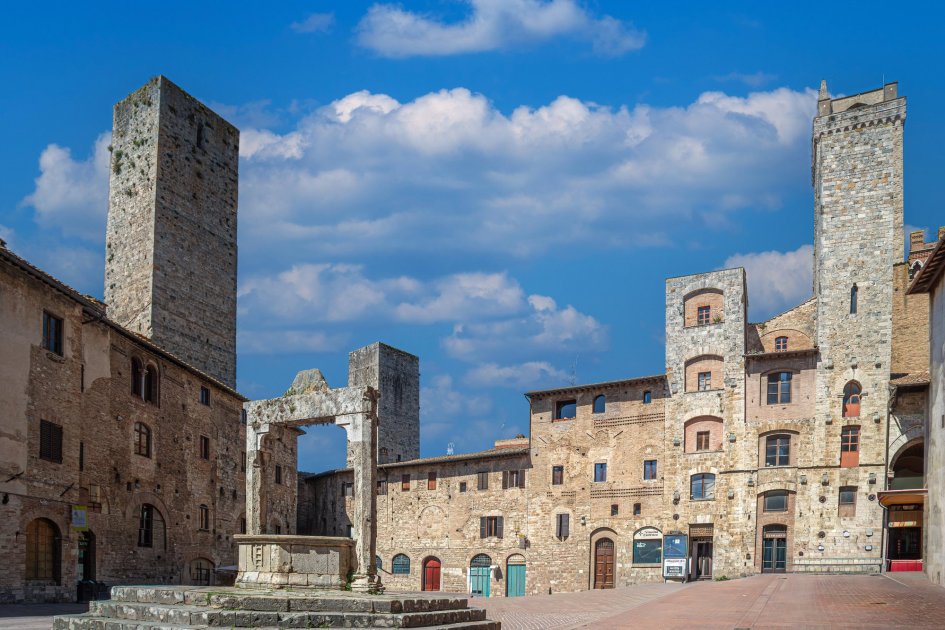
Towers of the Old City

Medieval Pisa had many defensive towers, which aristocratic families built as symbols of power. Although the most famous one—the Leaning Tower of Pisa—is tilted, there are other towers you can see in the residential neighborhoods.

The Guelph Tower, the Angioini Tower, and others are located in a neighborhood that dates back to the 13th century. They aren’t as tall or as well-known, but they give you a sense of what medieval Pisa looked like. Some of them have been incorporated into modern residential buildings, creating an interesting contrast between the eras.

Palazzo degli Anziani

This 16th-century building served as the residence of the city’s governing body. It features a stone facade and typical Renaissance architecture, with cozy and beautiful inner courtyards. Today, it houses municipal offices, but you can enter the courtyard to admire the architecture.

The palazzo is located in the city’s main square, close to the Cathedral. Even if you don’t go inside, the building’s exterior is worth seeing as a prime example of Pisa’s Renaissance architecture.

University of Pisa

The University of Pisa was founded in 1343 and is considered one of the oldest universities in Italy. Galileo studied here, and important scientific discoveries were made here. The main historic building is located in the city center.

You can stroll through the corridors and courtyards to see where students in medieval Europe studied. Although modern classrooms are located elsewhere, the university’s historic core remains impressive to this day. Some parts are open to the public.

The Lumière Cinema

If you are interested in the history of cinema, look in at the Lumière on Vicolo del Tidi — one of the oldest working cinemas in the world. It opened on 22 December 1914 as the Splendor and, apart from short closures for the war years and for renovations, it has been showing films ever since. Over a century it has also gone by the names Splendore, Supercinema and Mignon.

It is not a museum but a living venue: films, concerts, talks and festival screenings all happen here. It is worth stepping inside for the auditorium itself and the sense of unbroken history — two minutes from the tourist centre, but already in the Pisa where locals actually live.

Church of San Fridiano

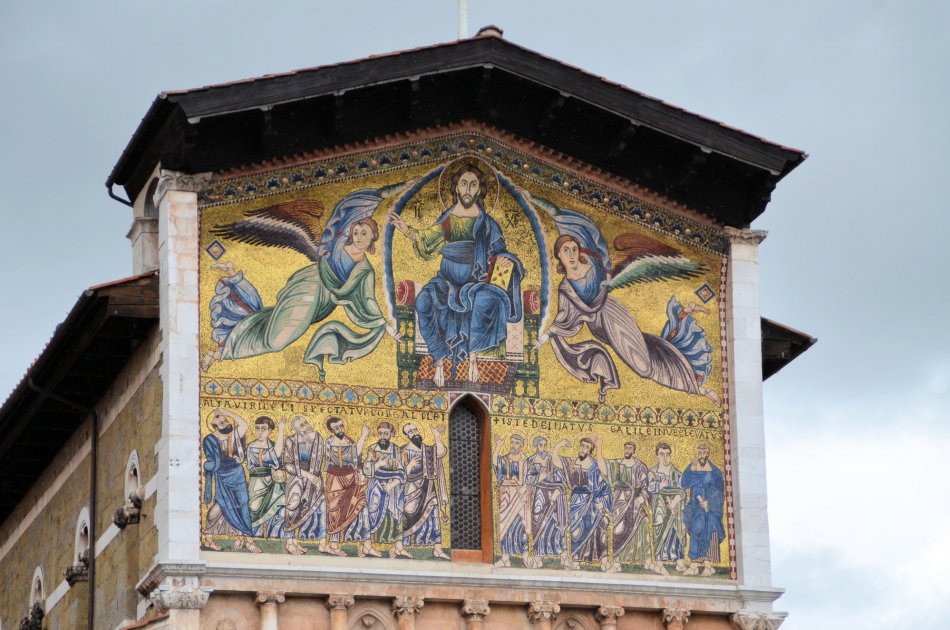
This 12th-century church stands on the western side of downtown Pisa. Its white marble façade is adorned with a Romanesque-style mosaic of Christ. Inside, you’ll find interesting sculptures and altars.

The church is often overlooked by tourists who focus on the main attractions, but it’s well worth a visit. The atmosphere here is authentic, without the crowds. If you want to experience real Pisan life, be sure to visit churches like this one.

Etruscan Heritage in Pisa and Around It

There are Etruscan traces in the city itself: between Via San Jacopo and Via Pietrasantina stands the tumulus of an Etruscan prince from the 8th–7th centuries BC. It is a cenotaph — a memorial mound rather than an actual burial — and the finds from it include an iron trident and fragments of a stone altar.

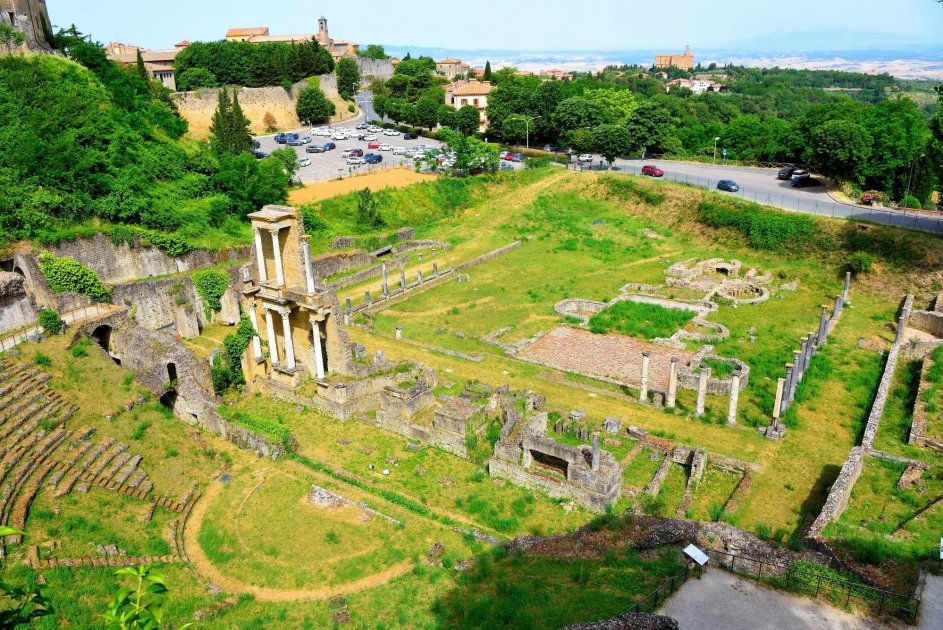
If you have a spare day, head out of town. A few kilometres from Pisa, the archaeological museum in Peccioli displays finds from the Etruscan sanctuary at Ortaglia (6th–3rd centuries BC). Further along the route lie Volterra, with its Etruscan museum, and coastal Populonia — the only Etruscan city built right on the sea, with necropolises and an acropolis inside its archaeological park.

The Synagogue and the Jewish Quarter

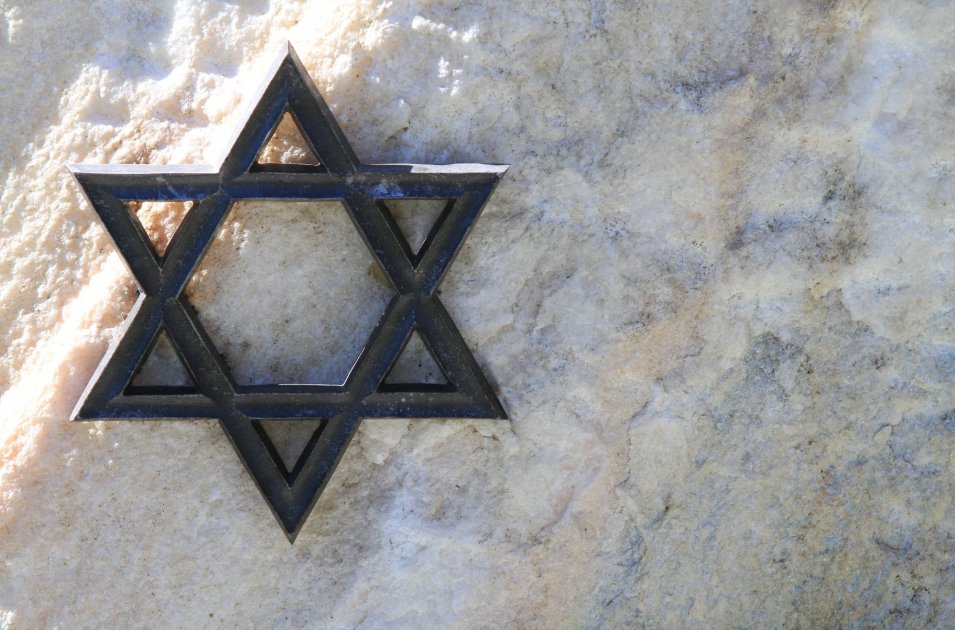
Pisa was home to a thriving Jewish community, and you can visit a synagogue dating back to the 18th century. The building is located in a residential neighborhood, and its interior is richly decorated with wood and gold, typical of that period.

The Jewish Quarter is located not far from the city center. Narrow streets, low ceilings (historically, Jews were restricted to living in certain areas), and traces of their centuries-long presence in the city—all of this tells an important part of Pisa’s history. Some museums offer information about this history.

Keith Haring's Mural

In the late 1980s, American artist Keith Haring painted a wall in Pisa in his signature style—bright, dynamic figures. Although this work of street art is much younger than most other landmarks, it adds a contemporary dimension to the city’s art history.

The mural is located in the city center and is relatively easy for tourists to access. It offers an interesting contrast to the medieval murals found elsewhere in the city—demonstrating how art evolves and how cities remain vibrant by adding new layers of history.

Pisa Days: How to Plan Your Visit

You can visit all twenty places listed above in 2–3 days if you plan ahead. The main attractions—Piazza dei Miracoli with its four main buildings, the National Museum, the churches, and the promenade—take about 1–1.5 days to explore at a leisurely pace.

Tip: If you want to climb the Leaning Tower of Pisa and visit the baptistery and the cemetery, book your tickets in advance. Lines can be long in the summer, especially between 11:00 a.m. and 4:00 p.m. Early morning or late evening are the best times to visit.

Spend your second day at the National Museum, the surrounding churches, and a stroll along the Arno. The third day, if you have time, is ideal for a trip to the surrounding area—Etruscan sites, other Tuscan cities, or simply some quiet time in the botanical garden and a café.

Frequently Asked Questions

How much time do you need to visit the Leaning Tower of Pisa?

The climb takes 15–20 minutes round trip. If you want to enjoy the view and take photos, add another 10–15 minutes. Add 30–60 minutes for waiting in line and buying tickets, depending on the season.

Is it possible to see everything in one day?

Technically, yes, but you’ll have to take it slow. If you start in the morning and stay focused, you can cover the main sights in 6–8 hours. However, you’ll miss a lot of details and end up feeling tired. Two days is the best option.

What’s the best time of year to visit Pisa?

April–May and September–October are ideal: the weather is warm but not hot, and there are fewer tourists than in the summer. The summer months (July–August) are very hot and crowded. It rains frequently in the winter, but the museums are open and there are far fewer tourists.

Are there any free attractions in Pisa?

Yes. You can stroll through Piazza dei Miracoli for free and admire the buildings from the outside. Walking along the Arno, visiting the Jewish quarter, and checking out street art—all of this is free. You’ll need tickets to go inside the buildings, but admiring the architecture from the outside is often enough.

Do I need a visa to visit Pisa?

Pisa is located in Italy, which is part of the European Union. Citizens of Ukraine and other CIS countries need a Schengen visa. Check the official website of the visa centers in your country for details on the application process. The typical processing time is 15 days.

Are there any dangers or scams for tourists?

Pisa is a relatively safe city, but, as in any tourist destination, there is a risk of pickpocketing. Keep an eye on your belongings in crowded places. Scammers sometimes offer counterfeit tickets to attractions—buy tickets only through official sources or authorized travel agencies.

Conclusion

Pisa is a city that deserves more than just a quick photo with the Leaning Tower of Pisa. Behind its walls lie centuries of history, art, and architecture that have shaped not only Tuscany but all of Europe. From the Romanesque architecture of its cathedrals to Renaissance palaces, from world-class museums to quiet medieval streets—the city has something for everyone.

Whether you’re an art lover, a history buff, or simply looking for a beautiful place to relax, these twenty spots will give you a complete picture of Pisa. Come without rushing; give yourself time for leisurely walks and exploration, and you’ll discover the city as pilgrims and merchants saw it seven centuries ago. Pisa awaits you.

Хочешь путешествовать чаще?
280 000 подписчиков уже получают наши письма с авиаскидками до -85% и путешествуют чаще. Теперь твоя очередь!
ok
или
Did you like the article?
😍
😂
😄
😐
🤔
😩
SHARE WITH FRIENDS:
No comments
tripmydream - travel service, that helps to find compare and buy best flights and rooms worldwide with the given budget. All necessary information for travelers - is right here!