Travel Ideas

Porto: Top 20 Places to Visit

Discover Porto’s most interesting spots: historic neighborhoods, museums, bridges, and traditional wine bars. A comprehensive guide to this Portuguese city, featuring descriptions of the 20 best attractions, local cuisine, and practical information for tourists.
20 september 2026
AUTHOR: Kateryna Lindt
0
12 min

Folks, don't forget that we have an extremely comfortable iOS application in App Store

Please try it!

Kateryna Lindt
I write routes the way I would advise a friend before a trip - nothing superfluous, just proven and at a comfortable pace.

Porto isn’t just a port city on the banks of the Douro River—it’s the heart of Portuguese culture, where history, art, and tradition are closely intertwined. In this guide, you’ll find the twenty most interesting places in Porto—from legendary bookstores to picturesque neighborhoods and palaces—that will help you truly understand the spirit of the city.

Porto attracts travelers from all over the world with its authenticity and atmosphere. It’s not a tourist hub polished to a shine, but a city that lives its own life while retaining its incredible charm. If you’re planning a trip to Portugal and don’t know where to start, this guide will help ensure you don’t miss anything important.

Livraria Lello — Europe’s Most Beautiful Bookstore

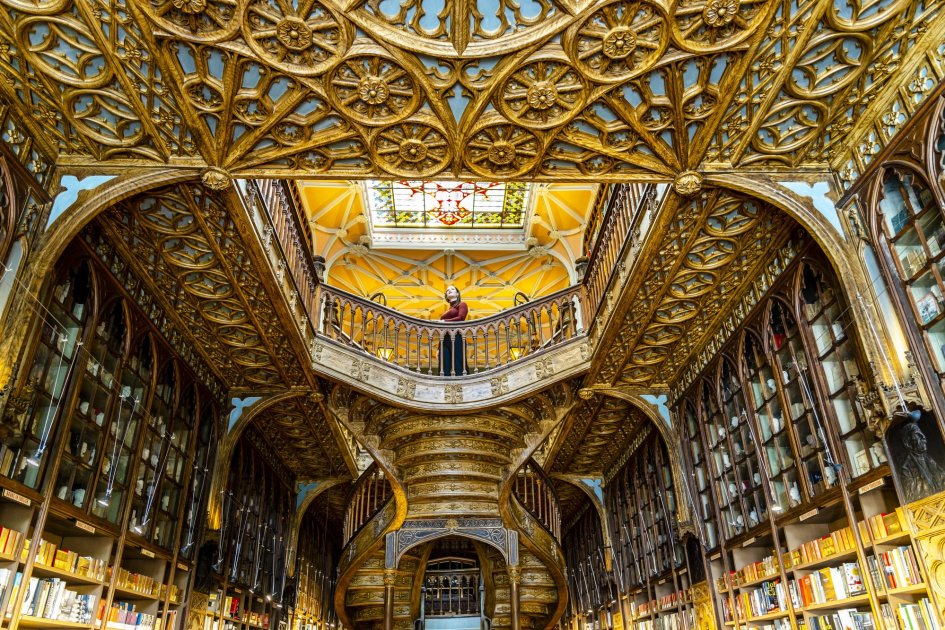
When you walk into Livraria Lello, you immediately understand why this place is so famous. The store was founded in 1881 and has remained one of the most atmospheric in Europe ever since. The majestic red staircase, thousands of books on wooden shelves, and the stained-glass window above the entrance—all of this creates the feeling that you’ve stepped into some kind of magical castle straight out of a novel.

You should definitely visit the bookstore, even if you don’t plan on buying any books. Admission costs a few euros, but you can use that money toward a purchase. The bookstore carries books in Portuguese, English, and other languages. Keep in mind that it gets very crowded here during peak season—it’s best to visit in the morning or on weekdays.

The Ribeira District—a living museum on the riverbank

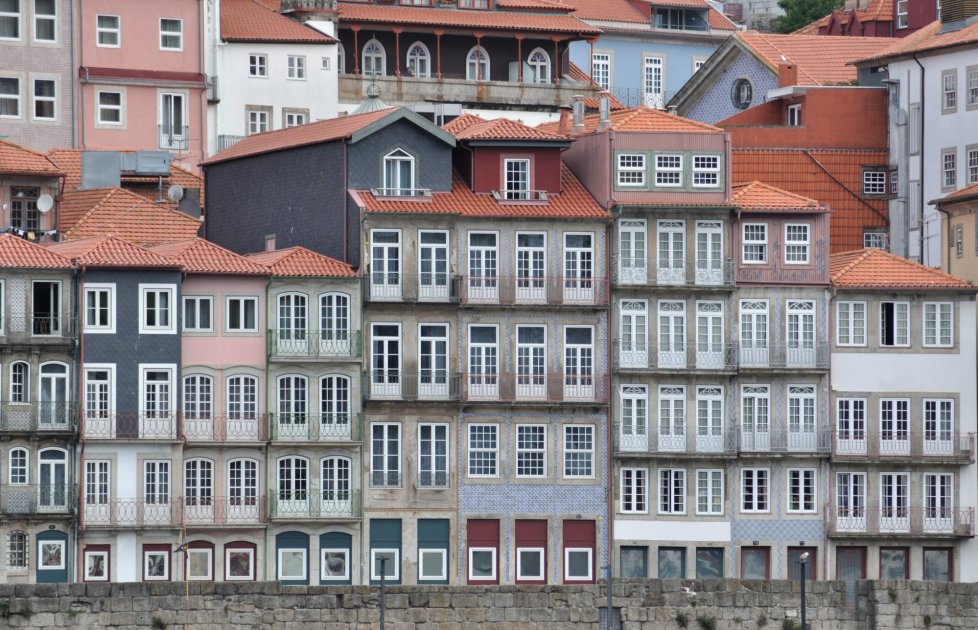
Ribeira is the historic heart of Porto, listed as a UNESCO World Heritage Site. Narrow cobblestone streets, houses adorned with azulejos (Portuguese ceramic tiles), and residential buildings that literally hang over the Douro River—all of this creates the unique atmosphere of an old Portuguese city.

It’s best to stroll through Ribeira at a leisurely pace, popping into small cafés and shops. Take a look at the azulejos on the walls of the houses—each pattern tells its own story. It’s especially beautiful here in the evening, when the streetlights come on and the river reflects the city’s lights. There are many restaurants along the riverfront serving traditional Portuguese dishes.

The Dom Luís Bridge—a symbol of Porto

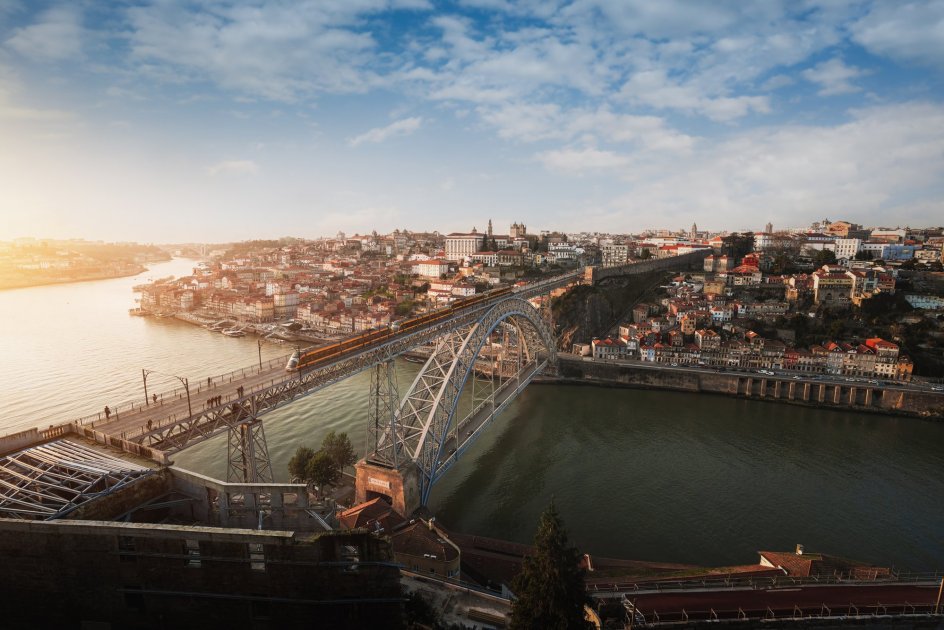
This two-level iron bridge, built in 1886, is one of Porto’s most recognizable landmarks. The upper deck is for pedestrians and the metro, while the lower deck is for cars. If you’re not afraid of heights, walk up to the upper deck—it offers a stunning view of the city and the river.

Although many find the upper deck intimidating (it reaches a height of 45 meters), it’s definitely worth walking across. There’s an admission fee to access the upper deck. The best time to cross the bridge is at sunset, when the city is bathed in golden hues and the bridge looks even more impressive. If heights aren’t your thing, even the view of the bridge from below, from the Ribeira side, is worth stopping to take a photo.

Clérigos Tower — A View of the Entire City

The Clérigos Tower (Torre dos Clérigos) is a 76-meter-tall Baroque tower built in the 18th century. It is one of the tallest towers in Portugal and one of Porto’s main attractions. If you’re up for climbing 225 steps, you’ll be rewarded with a panoramic view of the entire city, the river, and the surrounding area.

Next to the tower is the Clérigos Church, which is also worth seeing for its architecture. There is an admission fee, but it’s inexpensive. It’s best to climb the tower when the weather is nice to ensure the best possible visibility. There may be a line during peak season, so be sure to arrive early.

Francesinha—Porto’s legendary sandwich

This dish is one of the symbols of Portuguese cuisine, and it originated right here in Porto. A Francesinha is a thick sandwich made with several types of meat (usually ham, sausage, and roast beef), topped with melted cheese and doused with hot beer sauce. At first glance, it might seem heavy, but the taste is worth it.

You should try a Francesinha at an authentic restaurant or café in Porto. Not all tourist spots prepare it equally well. The sandwich is usually served with french fries or a salad. The portion is large, so one sandwich is often enough for two people. Pair this dish with fresh Portuguese beer—it’s a classic combination.

Port wine bars in Ribeira

Port wine is a fortified wine produced in the Porto region, and it’s best enjoyed in an authentic setting. The Ribeira district is home to numerous wine bars where you can sample different varieties of this drink. Many of these wine bars are located in historic buildings steeped in Portuguese history.

When visiting a wine bar, ask the owner or staff for recommendations—they’ll be happy to tell you about the different types of port, from young and fruity to aged and complex. Many wine bars offer small snacks to pair with the wine. Prices per glass are quite reasonable, so you can try several varieties without breaking the bank.

The Stock Exchange Palace (Palácio da Bolsa)—Baroque and opulence

The Palácio da Bolsa is an impressive Baroque-style building constructed in the 19th century. Inside, you’ll find opulent halls, including the famous Arab Hall, covered in gilding and adorned with wood carvings. This place truly looks like a palace straight out of a fairy tale.

Visits to the Palace are only available as part of a guided tour, which makes sense, as the guide shares interesting details about the building’s history and architecture. Tours are conducted in several languages, including English and French... (note: there may be a line for tours during peak season). The visit takes about an hour; plan ahead.

Chapel of the Souls (Capela das Almas)—Azulejos and History

This small but incredibly beautiful chapel is known for its striking azulejo tiles, which completely cover its exterior walls. The blue and white tiles form religious scenes and decorative patterns created in the 17th century. The chapel is located on the street, so you can see it at any time, even if it’s closed.

It’s worth taking a few minutes to examine the details of the azulejo—it’s one of the finest examples of Portuguese decorative art. If the chapel is open to visitors, be sure to step inside. This spot is often overlooked by tourists, so you might find it almost empty, which adds to its charm.

Serralves Museum of Contemporary Art (Fundação de Serralves)

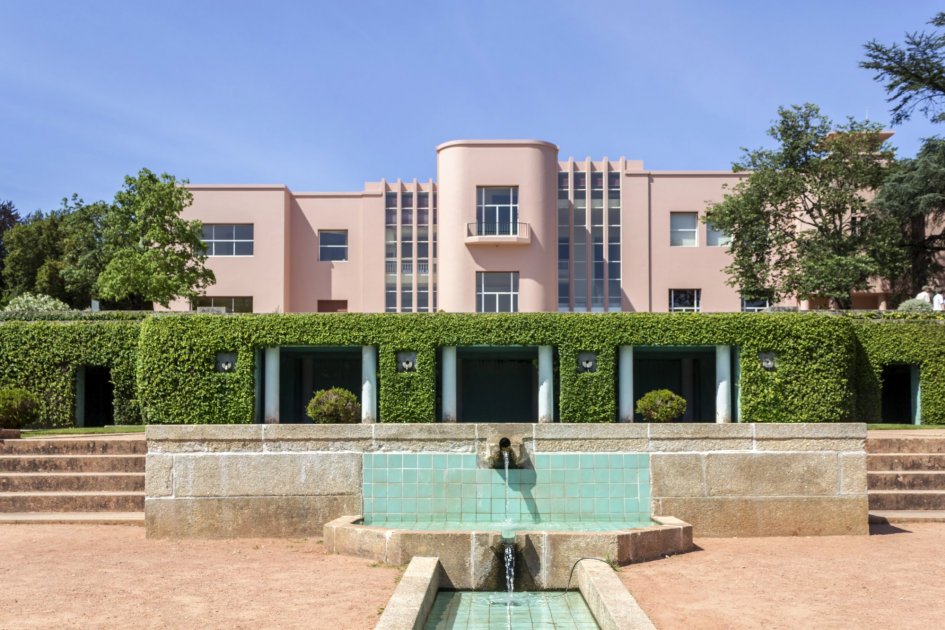
If you're interested in contemporary art, the Serralves Museum is an excellent choice. It is one of the most important contemporary art museums in Portugal. The museum building itself is a work of architecture, with its white walls and minimalist design. Inside, you’ll find exhibitions of Portuguese and international art.

The museum frequently hosts temporary exhibitions, so you can discover something new every time you visit. There’s also a lovely park surrounding the museum where you can take a stroll. Admission costs a few euros, and on some days it may be free (check the schedule on the official website). There are some nice cafes near the museum where you can grab a bite to eat.

Livraria Bertrand — One of the Oldest Bookstores in the World

If you like Livraria Lello, then Livraria Bertrand is another legendary bookstore in the center of Porto. Founded in 1732, it’s one of the oldest bookstores in the world that’s still in operation. Here you’ll find not only books but also an atmosphere steeped in history.

Unlike Livraria Lello, there’s no admission fee here. The store is smaller but no less charming. If you speak Portuguese, the staff will be happy to recommend books to you. Even if you don’t plan on buying anything, it’s worth stopping by for at least a few minutes to soak up the history of the place.

Rua de Miragaia—Azulejos and Graffiti

This street in the Ribeira neighborhood is famous for its colorful Portuguese azulejos and contemporary street art. A stroll down Miragaia is a journey through the centuries, where historic tiles stand side by side with modern graffiti and art installations. It’s one of the most photogenic spots in Porto.

This street is lined with small souvenir shops, cafes, and bars. Pay attention to the details—almost every wall here tells a story. It’s best to take a stroll here when the weather is nice so you can take good photos and take your time admiring all the details.

Batalha Monastery (Mosteiro de Santa Maria da Vitória)—An Architectural Marvel

Although technically the Batalha Monastery isn’t in Porto but in the town of Batalha (about 80 km away), it’s one of the region’s top attractions and well worth a day trip. This late-Gothic monastery is one of the finest examples of Portuguese architecture. Listed as a UNESCO World Heritage Site, it will impress you with its scale and intricate details.

It’s easy to get from Porto to Batalha by bus or car. Plan to spend at least 2–3 hours there. The interior of the monastery is very beautiful, especially the courtyard. Some parts of the monastery are still undergoing restoration, but that doesn’t prevent you from experiencing its grandeur. The admission fee is modest, and it’s well worth it to experience history firsthand.

Aveiro — Canals and Molicheiro Boats

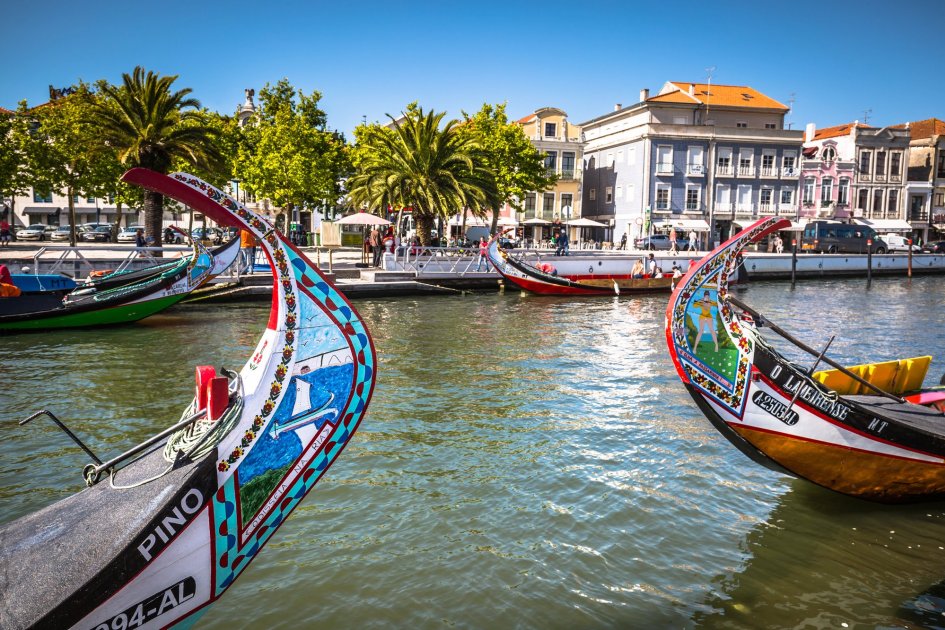
Aveiro is another city in the region, located on the shores of a lagoon, about 60 km from Porto. It is often called the “Venice of Portugal” because of its network of canals and traditional molicheiro boats. These colorful, gilded boats are a true symbol of Aveiro, and a ride on one of them is an unforgettable experience.

It’s worth spending at least half a day in Aveiro. Take a boat ride along the canals, admire the azulejos on the buildings, and visit the local museums. The city is smaller and less crowded with tourists than Porto, so you can experience a more authentic atmosphere. It’s easy to get from Porto to Aveiro by train (about an hour’s ride).

The City of Guarda—a Medieval Fortress

Guarda is a historic town perched atop a hill in the Beira Alta region, about 100 km from Porto. It is one of Portugal’s oldest and best-preserved medieval towns. If you’re interested in history and medieval architecture, a trip to Guarda is well worth it.

In Guarda, you’ll find fortress walls, an ancient cathedral, and typical Portuguese streets lined with azulejos. The town is less touristy than Porto, so you can explore it at a leisurely pace. It offers beautiful views of the surrounding countryside. Plan a day trip from Porto or stay overnight to fully immerse yourself in the atmosphere of this medieval town.

Church of St. Francis (Igreja de São Francisco)—Baroque and Gold

This church is one of the most impressive examples of Portuguese Baroque architecture. Inside, it’s entirely covered in gilded details, wood carvings, and opulent decor. The church’s façade is understated and simple, but the interior is strikingly opulent. The church is located in the Ribeira district, next to the Stock Exchange Palace.

There is an admission fee to visit the church, but it’s quite reasonable. It’s often a bit dim inside, but this only adds to the mystique of the gilded decor. Even if you’re not particularly interested in churches, it’s worth stopping by for at least a few minutes to see this architectural marvel. Photography is usually allowed, but check the rules at the entrance.

Beaches near Porto — Espinho and Maia

If you want to spend some time at the beach without traveling far from Porto, there are several options. The beaches of Espinho and Maia are located not far from the city and are easily accessible by train or bus. They’re perfect for walks, swimming (during the summer season), and relaxing after a day spent in the city.

The beaches here aren’t as touristy as those in the Algarve, so you’ll find a more authentic atmosphere here. The beaches have cafes where you can grab a bite to eat, as well as changing rooms. The water in the Atlantic Ocean is quite cold even in summer, but it’s perfect for building up your resistance to the cold. It’s a great place to get a feel for the Portuguese way of life.

Luz da Palava—Lighthouse and Walks

If you’re looking for a peaceful spot to take a walk with a view of the ocean, the Luz da Palava lighthouse is an excellent choice. Located on the edge of the Ribeira district, it offers panoramic views of the Douro River and the city on the other side. A walk here is ideal at sunset.

It’s not a particularly well-known spot among tourists, so you’ll likely find it almost empty. It’s beautiful here any time of year, but especially when the weather is nice and visibility is at its best. Bring a drink and a snack, and just enjoy the view and the peace and quiet.

Shopping Centers and Local Markets

If you want to experience local life and buy souvenirs, it’s worth visiting not only tourist shops but also local markets. The Bolhão Market (Mercado do Bolhão) is one of the oldest and most interesting markets in Porto, where they sell fruits, vegetables, fish, and cheese. Here you’ll meet locals and get a sense of how they really live.

For shopping for clothes and gifts, there are modern shopping centers. But you’ll find truly interesting items and souvenirs in the small shops in the Ribeira and Mizarcsa neighborhoods. They sell local art, ceramics, azulejos, and traditional Portuguese crafts. The prices are more reasonable than at tourist shops.

A Culinary Experience: Local Cuisine

Portuguese cuisine isn’t just food—it’s an experience. In addition to the francesinha, you should try other traditional dishes. Grilled fish, octopus in sauce, and black beef soup—all of these are worth trying. Portuguese wine isn’t limited to just port—there are excellent table wines from the Douro region.

Look for small, traditional restaurants (called taverns or tascas) rather than large tourist establishments. Prices in these places are reasonable, and the cuisine is authentic. Portuguese people usually have lunch between 12:00 p.m. and 2:00 p.m. and dinner between 7:00 p.m. and 9:00 p.m. If you go during these times, you’ll find the places packed with locals, which is always a good sign.

Practical Information for Visiting Porto

Question

Answer

Best time to visit

April–May and September–October. It’s hot in the summer and there are a lot of tourists; it rains often in the winter

How to get there from Ukraine

Fly to Francisco Sá Carneiro International Airport, then take a bus or taxi to the city center (about 20 km)

Currency

Euro (EUR). Credit cards are accepted almost everywhere, but it’s good to have cash on hand for small shops

Language

Portuguese. English is understood in tourist areas and by young people

Transportation in the city

Buses, trams, and the metro. A day pass is cheaper than individual tickets

Where to Stay

Ribeira for the atmosphere, Mizarksha for the city center, or quiet neighborhoods further from the center for a budget-friendly stay

FAQ

How many days should you spend in Porto?

At least 2–3 days to see the main attractions. If you want to explore the city in more detail and take day trips to the surrounding areas (Batalha, Aveiro, Guarda), plan on 4–5 days.

Do I need a visa to visit Portugal from Ukraine?

If you have a biometric Ukrainian passport, a visa to Portugal is not required for stays of up to 90 days. The Schengen Visa Info portal has up-to-date information on the requirements. Be sure to check the requirements before your trip, as they are subject to change.

What’s the budget for a trip to Porto?

Porto is cheaper than many European capitals, but more expensive than it used to be. Modest budget: 40–50 euros per day for food, hostel accommodations, and free sightseeing. Moderate budget: 80–100 euros per person, including a three-star hotel and restaurants. Luxury: 150 euros and up.

Is Ribeira safe for nighttime walks?

Ribeira is generally safe, especially in the main tourist areas. But, as in any big city, avoid empty, narrow streets late at night. Try to walk in a group. The waterfront and main streets are safe and well-lit.

Which Portuguese port should a beginner choose?

Start with a young port (Ruby or Tawny), which are sweeter and fruitier. They’re affordable and easier to drink. Older ports (Vintage or Colheita) are more expensive and complex. Ask the staff at a wine shop for advice—they’ll help you choose something that suits your taste.

Do I need to book museums and attractions in advance?

During peak season (July–August), it’s recommended to book popular spots like Livraria Lello and the Stock Exchange Palace in advance. For other places, there are usually no lines. Check the attractions’ official websites for specific schedules and booking requirements.

Conclusion

Porto is a city you can’t miss if you’re traveling through Portugal. It offers a unique blend of history, culture, gastronomy, and natural beauty. From legendary bookstores to picturesque neighborhoods adorned with azulejos, from traditional wine bars to modern museums—there’s something for everyone in Porto.

The key is to take your time. Let yourself get lost in the narrow streets of Ribeira, sit in a café overlooking the river, sample local specialties, and experience the authentic Portuguese way of life. Porto isn’t just a place to check off your list of cities visited—it’s an experience that will stay with you for years to come. Come and discover for yourself why so many travelers consider this city one of the most beautiful in Europe.


Хочешь путешествовать чаще?
280 000 подписчиков уже получают наши письма с авиаскидками до -85% и путешествуют чаще. Теперь твоя очередь!
ok
или
Did you like the article?
😍
😂
😄
😐
🤔
😩
SHARE WITH FRIENDS:
No comments
tripmydream - travel service, that helps to find compare and buy best flights and rooms worldwide with the given budget. All necessary information for travelers - is right here!