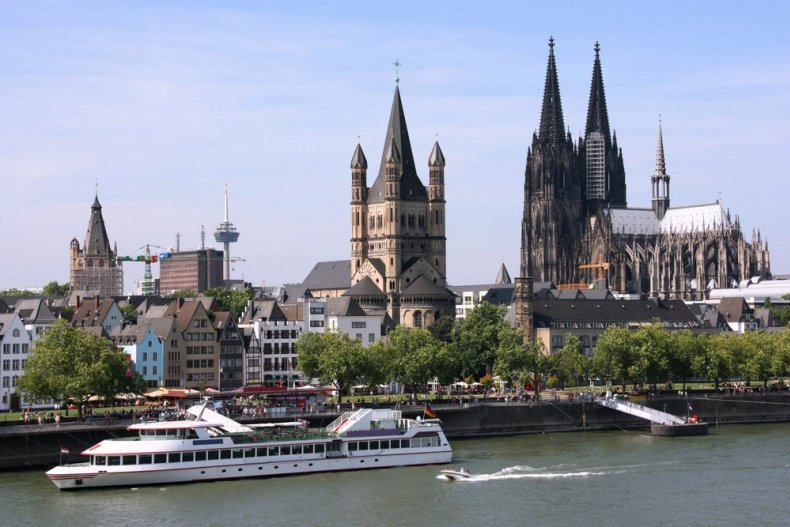
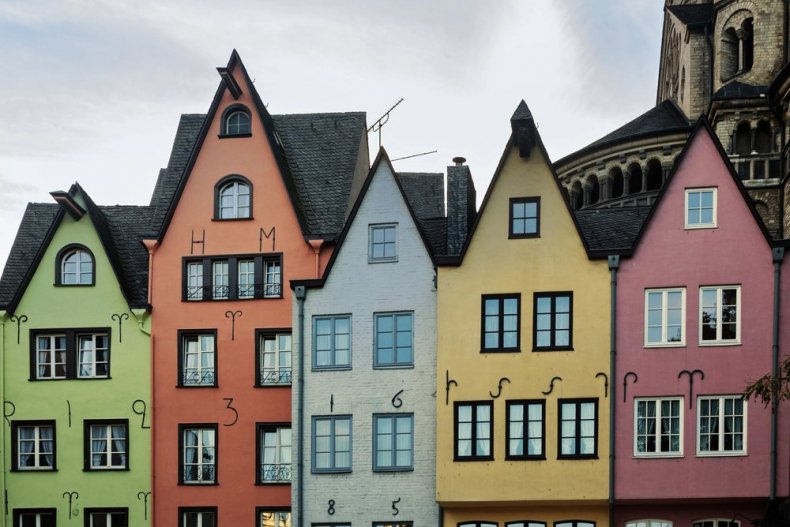
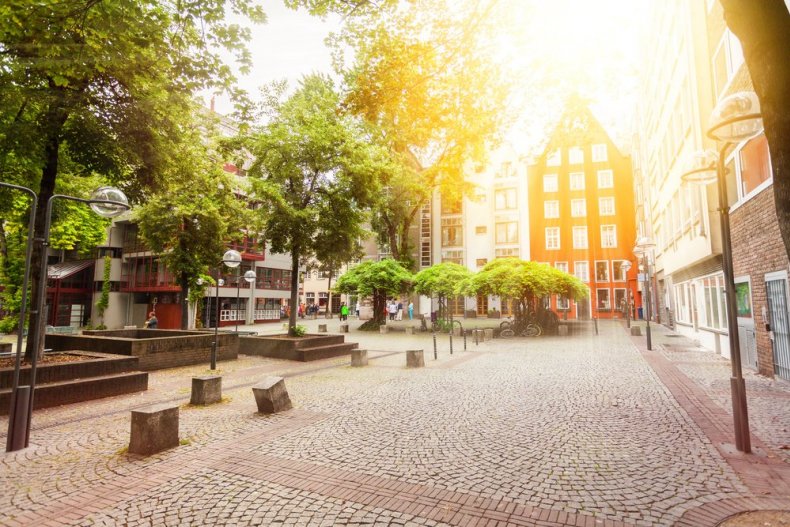
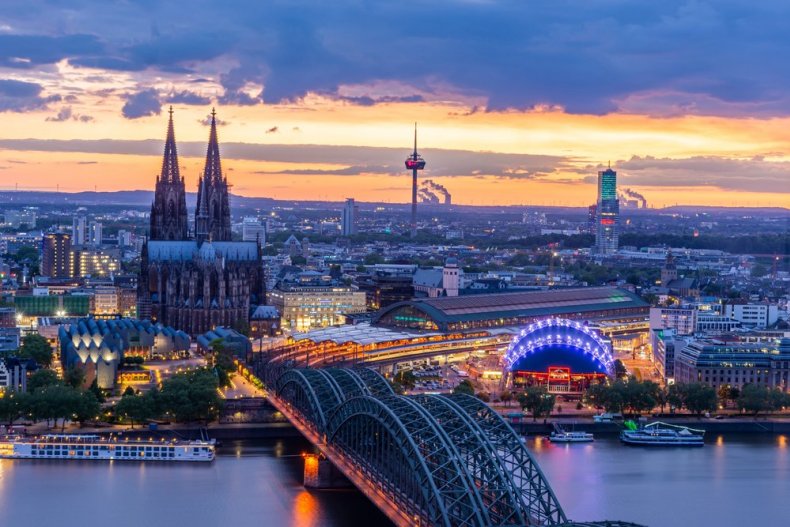
A brief guide to the weather in Cologne — for those who want to plan a vacation without surprises.
The best time to visit Cologne is from late May to early July and September, when it is no longer too hot, but the days are warm and the crowds of tourists are not as large as in the height of summer. During these months, you can comfortably stroll around the city, visit all the interesting museums, enjoy river cruises, and catch a couple of interesting events and festivals.
But the other months have their advantages too. July and August offer the ultimate summer atmosphere, with long days, lots of street cultural events, and a vibrant city life. In early spring, nature awakens, the trees begin to bloom, and the first warm days lift your spirits. In winter, Cologne is filled with Christmas markets, and the city becomes incredibly festive and cozy. So when is the best time to visit Cologne? It depends on your preferences.
Cologne's climate: what you need to know
The city is located in western Germany, on the Rhine River, and Cologne's climate is classified as temperate maritime. The average annual temperature is around +11 degrees Celsius. Summers are warm but not too hot, mostly up to +25 degrees Celsius. Winters are cool, but there are almost no serious frosts. The temperature rarely drops below 0 degrees Celsius.
When choosing when to go to Cologne, keep in mind that it is quite rainy — from 160 to 250 days with precipitation per year, depending on the method of calculation. That is, almost every second or third day there may be drizzle or rain. There are not as many sunny days as in southern countries, especially in winter. Most often, the sky is cloudy and overcast. The sunniest months are July and August.
When is the best time to visit Cologne by season
Despite Cologne's less than ideal climate, each season has its own charm.
Spring — nature awakens
Spring is a transitional season when the city awakens after winter. March can still be cool, but by April it is much more comfortable, and in May it is warm. This is the time when parks bloom, trees turn green, and you can feel the energy of awakening. It is an excellent season for visiting museums, strolling through the streets of the old town or along the embankment, and even for photo shoots.
Summer — street life
Summer is the peak season in Cologne. The days are long and bright, the evenings are warm, and it can even get hot during the day. Life is bustling everywhere — street cafes, festivals, concerts, evening walks along the Rhine, and parties until late at night. This is the best time if you want to combine cultural activities with a classic summer vacation in the city. The downside is that attractions can be crowded due to the large number of tourists.
Autumn — the golden season
Autumn is a great option for those who want beautiful nature, soft light, fewer crowds, and still pleasant weather. September is still warm, despite the cool nights. October brings golden foliage and cozy colors, but by November it is already noticeably colder. It's a great time for walks, excursions, and romantic autumn photos.
Winter — a Christmas fairy tale
The climate in Cologne in winter is not the best — there is very little sun, and it is cold, damp, and cloudy. However, there are no severe frosts or heavy snowfalls. Instead, winter in Cologne offers the magic of Christmas markets, cozy cafes, decorations, and warm seasonal drinks. Fans of this kind of atmosphere will definitely be delighted.
Cologne by month: weather
The climate in Cologne is humid and fairly cool. Here is a table showing average temperatures and precipitation throughout the year to help you plan your trip.
Month
Daytime temperature (°C)
Nighttime temperature (°C)
Precipitation (mm)
Sunshine hours/month (≈)
January
+5
-1
60–70
53
February
+5
-1
50–60
74
March
+9
+2
60–70
102
April
+13
+4
50–60
152
May
+17
+8
70–80
184
June
+21
+11
80–90
177
July
+24
+13
80–90
184
August
+24
+13
70–80
189
September
+21
+10
70–80
135
October
+15
+7
70–80
104
November
+8
+3
70–80
73
December
+5
0
70–80
50
Rainfall is spread across almost all months — there is no distinct "dry season." Winters are often cloudy, humid, and cool, so the dampness can make it feel colder than it actually is. There are hot days in summer, but not extreme heat like in southern Europe. Spring and fall are unpredictable in terms of weather.
Holidays and events in Cologne
Cologne is one of Germany's most active cities in terms of mass events, festivals, and holidays. Therefore, if you are planning a trip to Cologne, you can decide when to go based on this fact.
Cologne Carnival. A legendary event throughout Germany. It is also called the fifth season and begins at 11:11 a.m. on November 11 and ends a month and a half before Easter. During this time, there are many street parades with costumes and processions. Be sure to check the current program for the specific year.
Christmas markets. From late November to January, Cologne turns into a winter wonderland. Many Christmas markets open in different parts of the city, the most popular of which are near the cathedral and on the embankment. This is one of the most atmospheric times in the city.
SummerJam Festival. A major reggae and hip-hop music festival held in the summer on Lake Fühlinger See near Cologne.
Cologne Pride. One of the largest LGBT events in Germany with a rich musical, cultural, and street program. Held in the summer.
Museum Night. Once a year, all of Cologne's museums open for the night. Keep an eye on the program so you don't miss out on special exhibitions, tours, and events.
Cologne Marathon. The city's main sporting event, which has been held every October since 1997.
Wine Week. Usually held in May on Heumarkt Square. Guests can enjoy tastings, appetizing snacks, and traditional music.
If you want to visit Cologne specifically for the carnival or Christmas markets, plan your trip in advance and book your accommodation as early as possible — the city is particularly busy during these periods.
Budget tips: high and low season
The main questions when planning a trip to Cologne are when is the best time to go and how much does it cost?
High season. This is at the end of July, August, carnival week, and the Christmas period. During this time, prices for accommodation, flights, and even restaurants are significantly higher than average.
Low season. November and the whole winter, except for the Christmas and carnival weeks. The main downside is the cool and cloudy weather. But this is the most affordable period in terms of prices: cheap accommodation, discounts on flights, and a minimum of tourists. Keep in mind that some entertainment venues may be closed.
Shoulder seasons. May–June and September–October. The weather remains comfortable for walking, and prices are lower than in the high season.
When buying airline tickets and booking accommodation, always check several dates. Sometimes a difference of just a couple of days can significantly reduce the cost of a flight or hotel. Accommodation that is a little further from the center but with convenient transport links is often just as comfortable and significantly cheaper.
What to bring
To ensure that Cologne's climate does not cause discomfort, you simply need to plan your wardrobe correctly.
Summer — light and breathable clothing in light colors, comfortable walking shoes, a hat, sunglasses, and sunscreen.
In late spring and early fall, you will need layers — a T-shirt, a light sweater, and a jacket. This will help you easily adapt to the changeable weather. A light scarf will also come in handy.
In winter, you will definitely need warm clothes — sweaters, down jackets, a scarf, a hat, gloves, warm socks, and shoes. Thermal underwear will also come in handy.
At any time of the year, it is useful to have a light umbrella or raincoat, a waterproof bag for documents and electronics, and waterproof shoes for long walks.