Contents
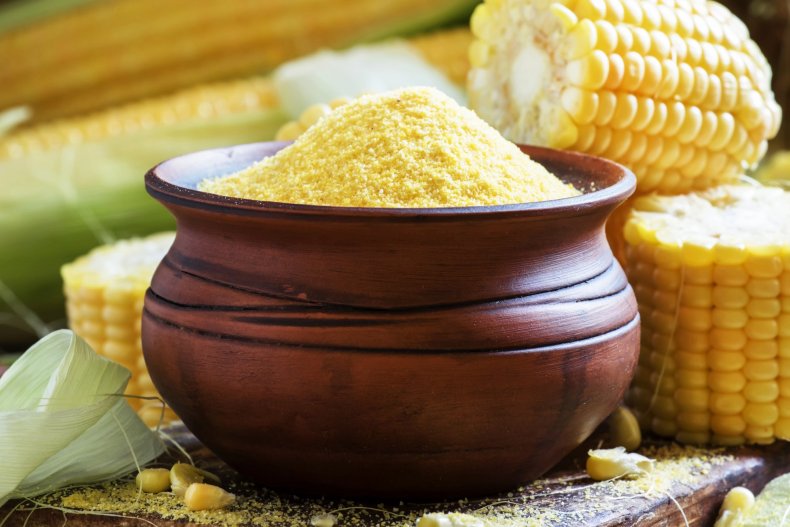
Mămăligă—Moldova’s signature dish
Mămăligă is a thick porridge made from cornmeal, the Moldovan equivalent of polenta. But in Moldova, it’s not a side dish—it’s a standalone, full-fledged meal. It’s eaten with brynza, sour cream, cracklings, fried mushrooms, or simply with butter. Classic serving: mămăligă on a cutting board, with a knife replacing a spoon—it’s cut into strips. If you haven’t yet eaten mămăligă with brynza and sour cream, you haven’t truly experienced Moldovan cuisine.
Variations: tocană cu mămăligă —mamaliga with meat stew; mămăligă cu jumări —with pork cracklings.
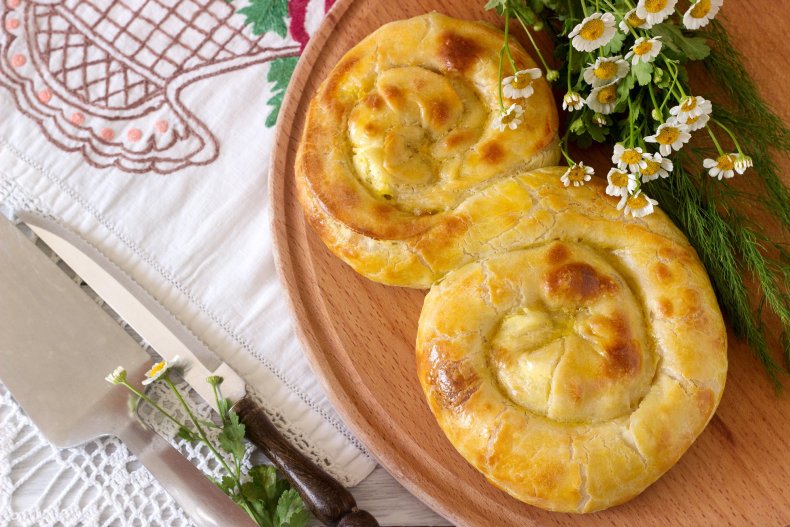
Plăcinte — Moldovan street food
A plăcintă is a flaky or yeast-based pastry filled with various ingredients. The most popular fillings include brynza (fresh Moldovan cheese), potatoes, cabbage, apples, and cherries. They’re sold everywhere—in bakeries, cafes, and from market stalls. One plăcintă costs 15–25 MDL (~0.80–1.20 EUR). It’s street food, lunch, breakfast, and a snack all in one.
La Placinte is the most well-known chain that has turned placinte into a brand: it has several locations throughout Chisinau, offers a wide selection of fillings, is affordable, and consistently delicious.
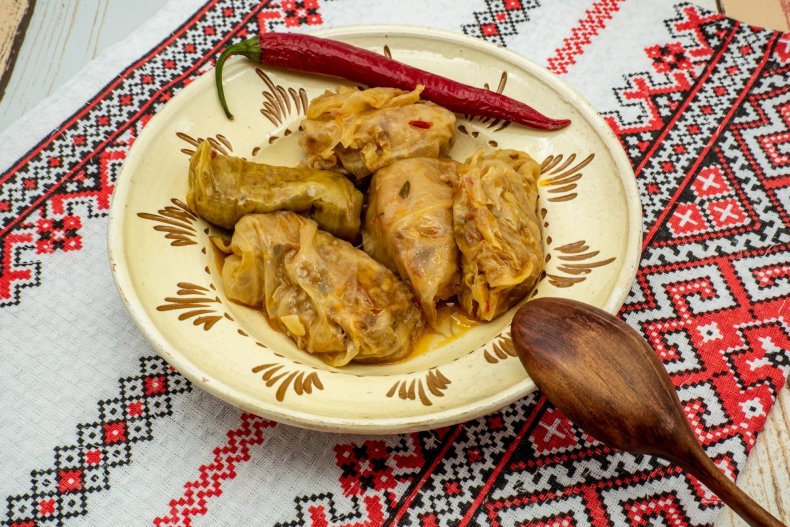
Sarmale and Zama
Sarmale (sarmale) are stuffed cabbage rolls wrapped in grape leaves or cabbage, filled with ground meat and rice, and simmered in tomato sauce. Moldovan sarmale wrapped in grape leaves are smaller and slightly tangier than the traditional Slavic stuffed cabbage rolls. You’ve got to try them.
Zeamă is a Moldovan chicken soup with homemade noodles, acidulated with sorrel or lemon, and topped with a generous portion of fresh dill. A classic of Moldovan cuisine, it’s eaten both on holidays and every day. Clear broth, tender meat, and a home-cooked flavor.
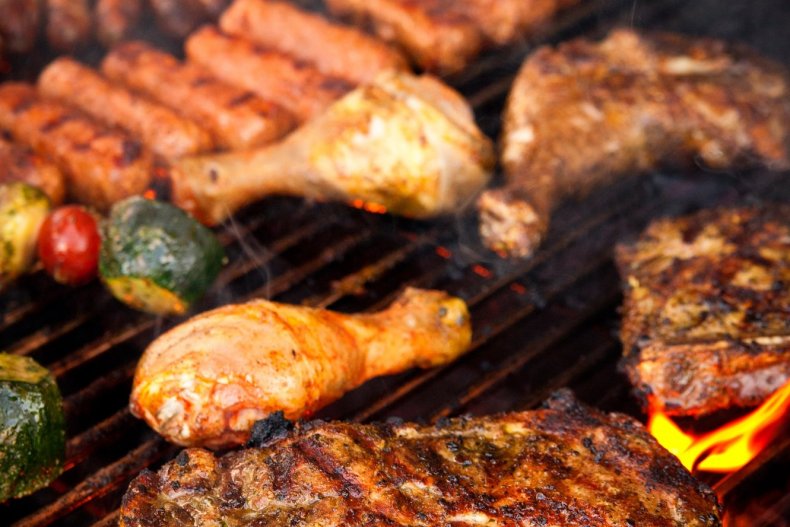
Meat and Grilling
Mici are Moldovan and Romanian skinless sausages made from beef, pork, and spices, grilled over an open flame. They’re served with mustard or bread. This is “festive street food”—they’re grilled at any outdoor event.
Friptură is Moldovan grilled pork or lamb on the bone, often served with fresh vegetables and mamaliga. It’s simple, but the flavor is unforgettable.
Rasol de pui —boiled chicken with horseradish and sauce. A heartwarming, home-style dish.
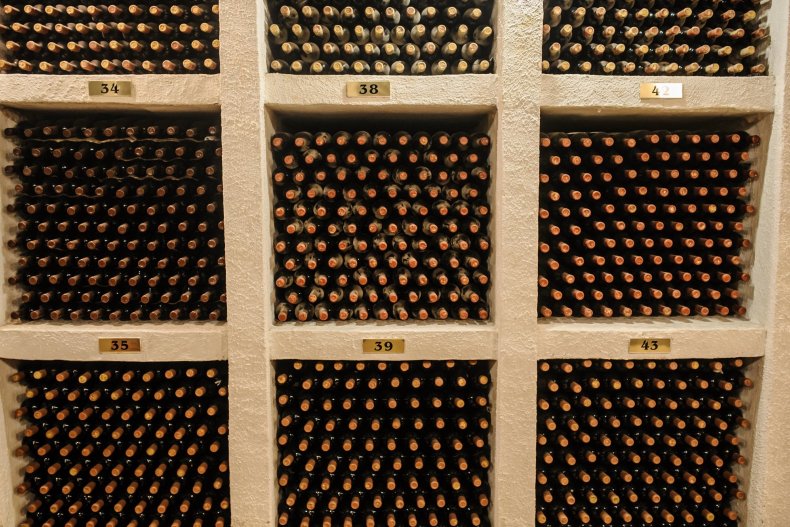
Wine and divin are a must-have at the table
Moldova is one of Europe’s largest wine-producing countries in terms of vineyard area. Local wine is cheaper than water in restaurants. The main local varieties are: Fetiasca Albă and Fetiasca Neagră (indigenous Moldovan varieties), Cabernet Sauvignon, and Merlot. A bottle costs 60 MDL (3 EUR) or more in a store and 150 MDL or more in a restaurant.
Divin is a Moldovan brandy produced using a process similar to that of cognac. It is considered the best in the region. The name “cognac” cannot be used—hence “divin” (divine). Buy a bottle as a souvenir.
Sweets and Culinary Souvenirs
Prune (prune uscate) —Moldovan dried plums, caramelized or plain, often with nuts. The best culinary souvenir.
Honey and jam —sold at the farmers’ market. Moldovan honey is considered one of the purest in the region.
Brynza —fresh Moldovan brined cheese, similar to Greek feta but softer. Stop by after the market—pick up a few varieties to sample.
Where to Eat Moldovan Cuisine in Chisinau
La Placinte
A chain of traditional cafes serving Moldovan cuisine—the easiest way to experience local food. Placinte, mamaliga, zama, sarmale. Average bill: 100–200 MDL.
Basarabia
A restaurant offering a more refined take on Moldovan cuisine—here, classic dishes are reimagined in a modern style. A great choice for dinner on a special occasion.
Restaurant Moldovenesc
Strictly Moldovan cuisine—no deviations, no compromises. The atmosphere is traditional, and the menu features classic dishes. Ideal for those seeking genuine authenticity without the tourist trappings.
Andante
An upper-mid-range restaurant with a stylish interior and a chef’s take on Moldovan cuisine. Good wine list.
Central Market (Piața Centrală)
Not a restaurant, but a must-visit spot: here you’ll find fresh brynza, homemade wine (be careful about the quality), freshly baked placinte, smoked sausages, honey, jam, and nuts. The market is open every day—it’s busiest in the morning.
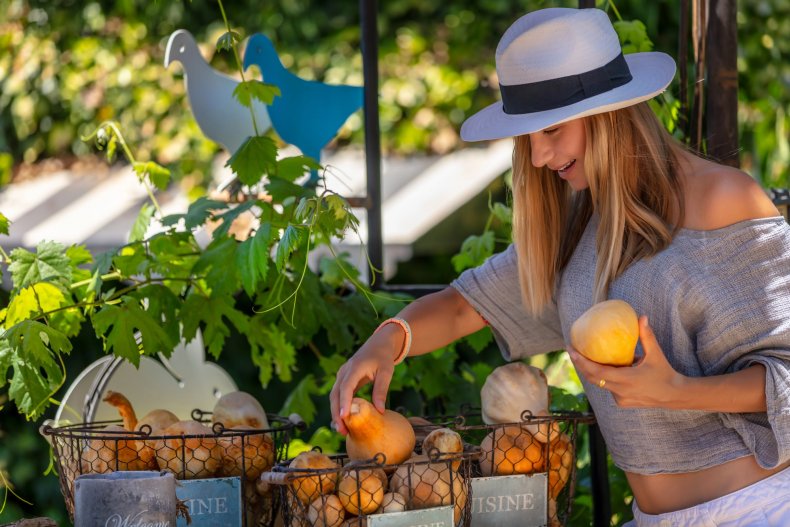
The Market as a Culinary Adventure
A stroll through the Central Market is one of the best free experiences in Chisinau. It has everything: from homemade pasta to moonshine (tsuika), from fresh vegetables to lavash and roasted corn. The market is Moldova in miniature: generous, bustling, and delicious.
FAQ
Are Moldovan and Romanian cuisines the same?
They’re very similar, since Moldova and Romania share a common cultural area. But there are some Moldovan specialties: more wine in dishes, grape leaves in sarmale, and a distinctive type of mamaliga.
Is there vegetarian food in Chisinau?
Traditional Moldovan cuisine is very meat-heavy. But placinte with cheese or potatoes, mamaliga with cheese, and mushroom soup are suitable for vegetarians. Modern cafes in the city center offer a wide selection of vegetarian options.
How much does lunch cost at a café in Chișinău?
80–150 MDL (4–8 EUR) for a lunch consisting of a first course, a main course, and a drink at a mid-range restaurant.
Where can you try the best mamaliga?
At La Placinte—it’s affordable and consistently good. At Restaurant Moldovenesc—it’s as authentic as it gets.