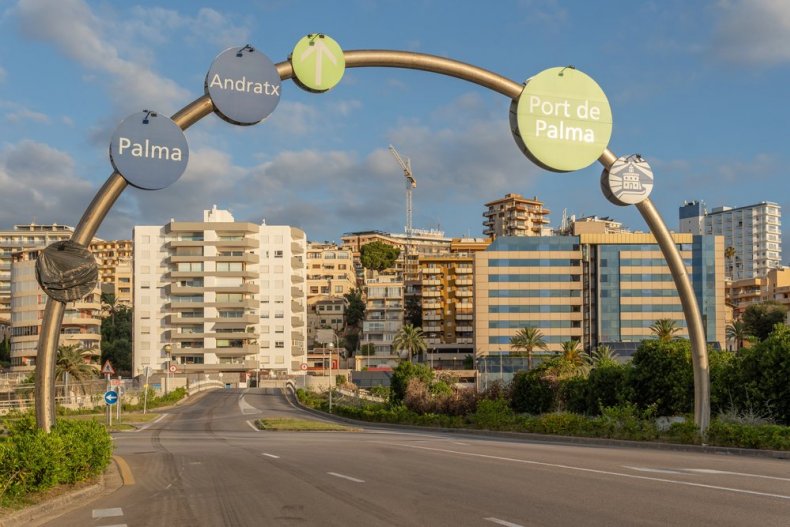
Let's talk about the weather in Palma, the climate in different seasons, and when it's best to plan your trip.
The best time to visit Palma is in late spring and early fall. During these periods, the climate in Palma is most comfortable for various activities, without the exhausting heat of August and the rains of the off-season. In late spring and early summer, the sea is already warm, the parks are in bloom, and street fairs and festivals are starting everywhere. Autumn is good for walks through the old town and wine or gastronomic tours, but the water is still warm. But don't forget that other months also have their advantages — August is for beach holidays and club nightlife, January is for budget flights, Christmas fairs, and warm days after snowy Europe.
Palm's climate: what you need to know
Palma has a Mediterranean climate with warm, dry summers and mild, humid winters. The average annual temperature in the city is around +18 degrees, but the height of summer can be very hot, with temperatures exceeding +30 during the day.
The number of hours of sunshine in Palma is one of the highest in Spain, around 2700-2900 hours per year, which makes the city so attractive for travel in any season. On average, there is approximately 400-430 mm of precipitation annually and around 70-100 rainy days.
When is the best time to visit Palma by season
The best time to visit Palma depends entirely on your plans.
Spring — comfortable, beautiful, and nature is in bloom
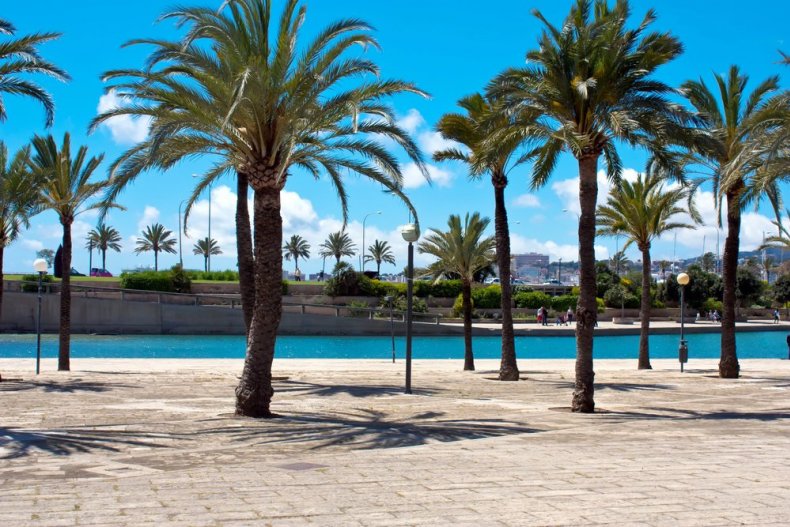
Spring is one of the most pleasant times of the year. The air is warming up, but it is not yet hot. The temperature ranges from 15 to 22 degrees Celsius, depending on the month. Nature and the city come to life after winter. This is the season of blossoms, street markets, pleasant walks through the old town without the heat, and many local festivals. For those who love hiking and long trips to the countryside, late spring is the perfect choice. There is grass, flowers, and comfortable temperatures for hiking. Also, in May, the sea becomes warmer and more pleasant for swimming.
Summer — beach boom, sea trips, nightclubs
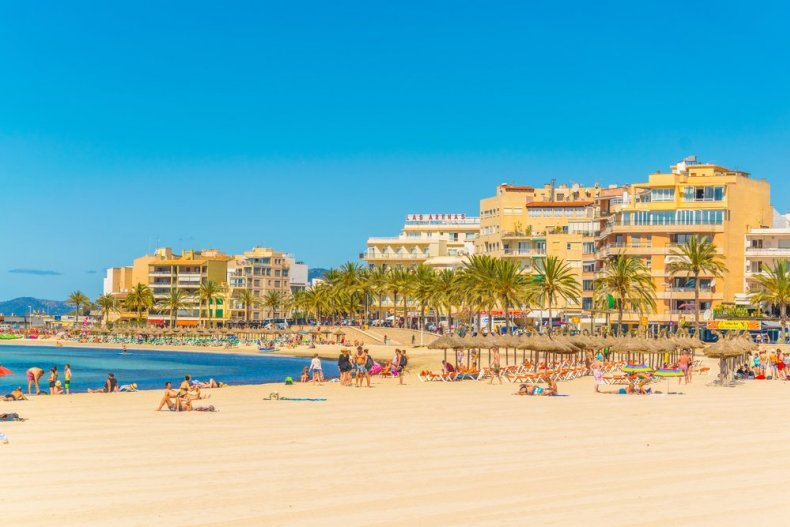
Daytime temperatures range from +28 degrees and above, and at night they rarely drop below +22. This is the peak season for beach lovers and water sports enthusiasts. Evening life is also bustling, with beach clubs open and plenty of excursions for tourists. For those who love festivals, evenings at restaurant terraces, and boat trips, there is no better time. But keep in mind that prices and crowds are at their peak, and sunscreen is a must.
Autumn is the perfect season for photo shoots
In autumn, the temperature remains comfortable, and the water has not yet cooled down, but there are fewer tourists. The autumn landscapes in parks and squares are impressive — a real find for photo shoots. From the end of October, humidity and precipitation increase, but short rainy periods do not spoil the overall picture and romantic atmosphere. Choose autumn for photo shoots, gastronomic tourism, and wine tours.
Winter — a respite from the cold and Christmas
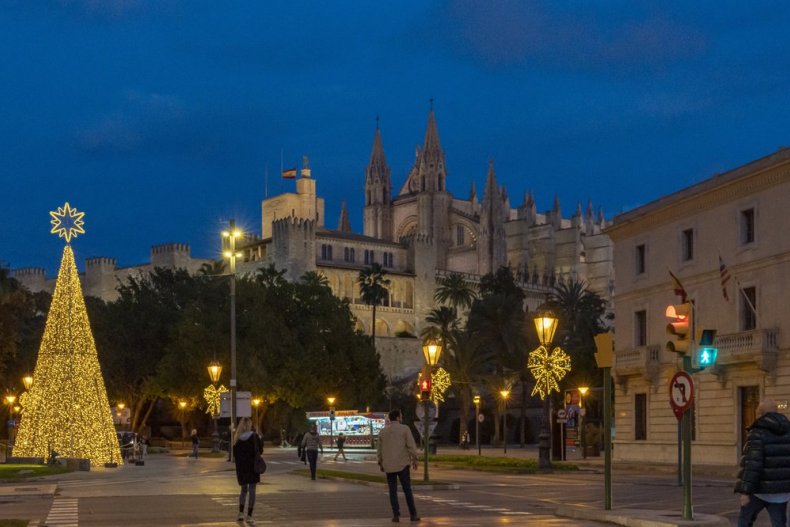
Winter is mild compared to northern Europe. Even at night, the temperature rarely drops below +9. There is practically no snow in the city itself, but in cold years it can be seen on the peaks of the Tramuntana mountains. The winter months are good for budget trips, museum visits, Christmas markets, and quiet city relaxation. However, many beach and some seasonal establishments operate on a reduced schedule.
Palm by month: weather
Below is a table showing average air and water temperatures, precipitation, and hours of sunshine. The data is compiled from information from several sources.
Month
Daytime temperature (°C)
Nighttime temperature (°C)
Water temp. (°C)
Precipitation (mm)
Sunshine hours/month (≈)
January
+15
+8
+14
50
150
February
+15
+8
+14
40
150
March
+16
+9
+15
35
180
April
+18
+11
+17
30
20
May
+21
+14
+18
25
260
June
+25
+18
+21
20
300
July
+29
+22
+24
10
340
August
+30
+23
+26
15
350
September
+26
+20
+24
50
280
October
+22
+15
+21
60
20
November
+17
+11
+18
60
160
December
+15
+9
+16
55
15
The swimming season gradually begins in May, as the water becomes noticeably warmer with each passing week. The rainiest months are October and November, with frequent autumn showers, while there is very little precipitation in summer. July and August have the most hours of sunshine for beach holidays.
Holidays and events in Palma
To finalize your plans in Palma, when is the best time to go and what you shouldn't miss, take note of the main holidays and events in the city.
Royal Regatta. One of the largest summer sailing competitions in the Mediterranean takes place in the bay of Palma. Ships of various categories take part in the regatta, so you can see beautiful yachts, the spirit of competition, and simply enjoy the maritime atmosphere.
Summer music festivals. From June to August, the city hosts many events, including open-air concerts, jazz evenings, and festivals of various genres of music. Posters are published by local resources.
Festival of Saint Sebastian, patron saint of the city. One of the largest festivals lasts about a week at the end of January. The concerts in the old squares are especially good. Bonfires are lit and barbecues are held throughout the city.
Carnival. The week before Lent. A classic carnival with street parades and costume parties throughout the island.
Easter. During the Easter holidays, processions are held in Palma and traditional food is blessed. Hundreds of people in costumes walk from the town hall to Bellver Castle accompanied by musicians.
Festival of Saint John. Usually celebrated on June 24. Huge bonfires and impressive fireworks mark the beginning of a series of summer festivals in Mallorca.
Fiesta of Mare de Deu de la Salut. Takes place in September. It is worth seeing the large procession with floral offerings accompanied by national music and a solemn mass in honor of the Virgin Mary.
Fiesta of Santa Catalina Tomas. Held every year on the third Saturday of October. The main event is a colorful parade of floats through the streets of the city to the sounds of orchestras.
When to go to Palma to combine a beach holiday, cultural program, and some interesting events? Aim for the end of May, beginning of June, or end of September. At this time, the weather is still comfortable, the crowds of tourists are moderate, and the leisure program is quite varied.
Budget tips: high and low season
The main questions when planning a trip to Palma are when to go and how much it will cost. The high season is July and August. This is when prices for hotels, apartments, car rentals, and tourist services reach their peak.
From late May to early June and from September to early August, the climate in Palma is still pleasant, the sea is warm, but prices are lower. The low season is November and December, except for the Christmas period. It also includes January, February, and early March. Prices are lower, but keep in mind that many tourist services, such as excursions and boat rentals, operate on a reduced schedule or are closed.
Tips for saving money are simple:
Book in advance — the earlier you book, the more likely you are to get a good price, especially on flights from Europe, which are often served by low-cost airlines.
Fly during the "in-between" months between high and low season.
Consider flights on weekdays — they are often cheaper than on weekends.
Book your accommodation in advance too — especially for high season and Christmas.
Apartments or flats with kitchens are more cost-effective for groups, families, or simply for long stays of more than 5-7 days.
Check local rental platforms — sometimes there are discounts for direct bookings or long-term stays.
What to bring
The climate in Palma is quite comfortable at any time of year, but you can make your trip even more enjoyable by planning your wardrobe in advance.
For summer, pack light cotton clothing, a hat, sunscreen, beach shoes, sunglasses, water for day trips, and sunburn relief in your first aid kit.
For spring and early fall, bring layers, keeping in mind that mornings and evenings are cooler than afternoons. Also, bring a light waterproof jacket in case of rain, comfortable shoes for walking around the old town and the promenade, and sunscreen for warm days.
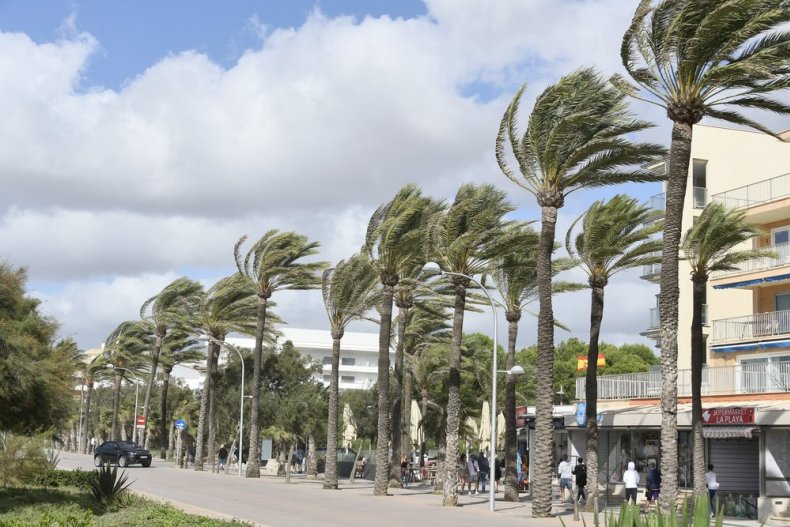
For winter, bring a light coat or jacket for evenings, especially by the sea, where it can be windy. Warm sweaters, closed shoes for walking, and if you plan to go to the mountains, warm shoes and thermal underwear.
Band-Aids, a bag for documents, a beach towel, a basic first aid kit, and spare batteries for your devices in case of long excursions will always come in handy.