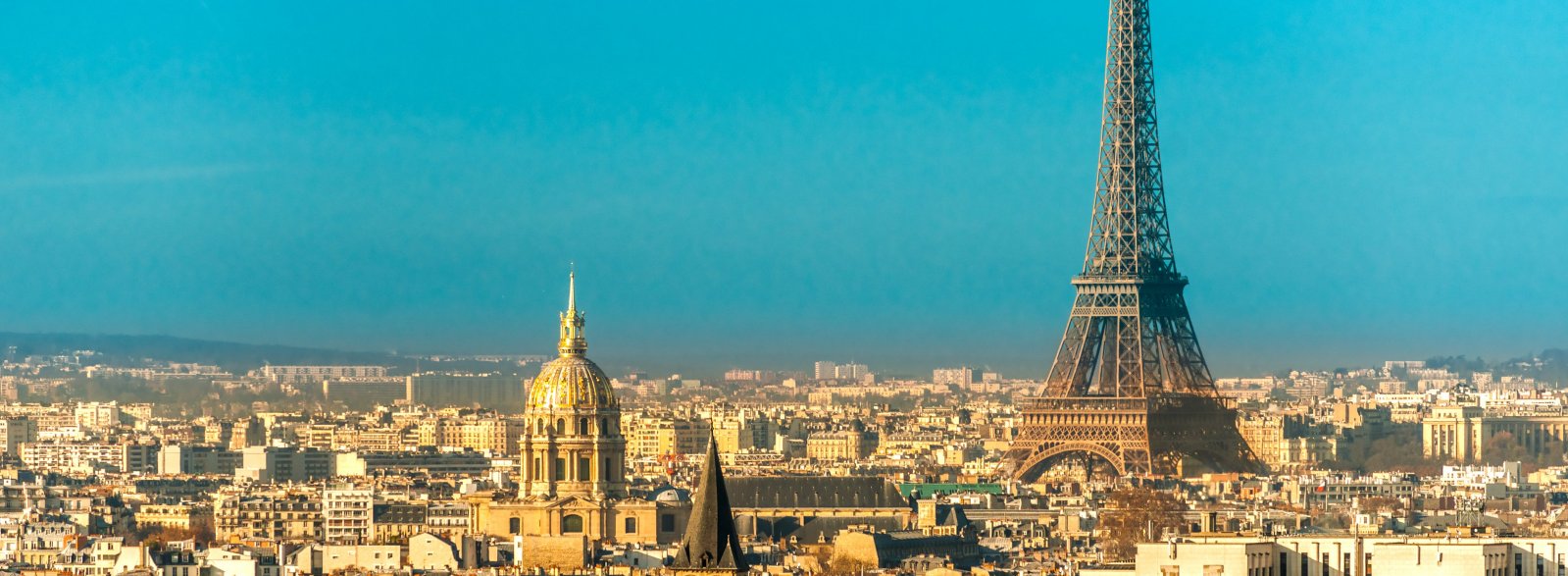
Almost every second traveler dreams of visiting France, but few people know that a visit to the country of the Eiffel Tower and croissants carries a number of nuances. We will tell you about them below.

Safety
No matter what people say, the overall crime rate in France is relatively low. However, the number of petty thefts (including personal belongings) is, unfortunately, quite high. Therefore, the following tips will surely be useful for any traveler:
-
Do not leave your personal belongings unattended for long periods or ask strangers/acquaintances to watch them.
-
Be especially vigilant in crowded places: at train stations and metro stops, in museums, airports, and public transport. This applies particularly to suburban RER trains (line B).
-
Do not leave belongings on the car’s front seat, as break-ins are not uncommon. Also, make sure to lock your doors.
-
Avoid visiting the outskirts of large cities (for example, in Paris — the 17th to 20th districts, and the suburbs of Clichy and Saint-Denis) due to the high activity of local criminal groups.

Traveler’s Guide
While in France, remember a few simple rules that will help make your stay as pleasant and comfortable as possible:
Foreign tourists should always carry an identity document (in case of police checks).
French drivers are not known for their caution, so cross the road only on a green light and stay alert.
Learning a few simple words and phrases in French before your trip will surely earn you the locals’ goodwill.
It is not customary in France to speak loudly in public places, so keep that in mind.
If you see someone in need of help, you must stop and assist them. Failing to help a person in distress is considered a crime in France and may result in fines or even criminal charges.
In France, service charges are usually included in the bill at hotels and restaurants. Still, it is polite to leave a small tip or round up the total.
Avoid shopping on the Champs-Élysées in Paris — prices are inflated, and the street is full of tourist shops. Instead, visit the 19th-century covered passages (like Galerie Vivienne), where you can find unique items at reasonable prices.
If you plan to visit Paris museums, choose lesser-known ones such as the Musée de l’Orangerie or the Marmottan Museum. Their collections are just as impressive, and there are fewer crowds.
Smoking is prohibited in public places such as cafes, bars, restaurants, clubs, airports, hospitals, and government buildings. However, smoking is allowed at bus stops, open terraces, train platforms, and stadiums.
Banks are open Monday to Saturday from 9:00 a.m. to 12:00 p.m. and from 2:00 p.m. to 4:30–5:00 p.m. They close early before weekends and holidays and may remain closed the day after a holiday.

Paris
It’s worth talking about Paris separately, since a traveler’s impression of a country often forms primarily through its capital. So, what should you know before heading to Paris?
-
Disneyland
Probably the main entertainment attraction of the French capital is the famous Disneyland. Its festive atmosphere and abundance of rides attract crowds of tourists, and getting a ticket often means waiting in long queues. To avoid this, we recommend booking tickets in advance on the park’s official website.
Tip: try to plan your visit so as not to come during school holidays, when the number of visitors increases sharply. In France, students have holidays five times a year: one week at the end of October, two weeks at Christmas, two in February and spring, and also in summer — in July and August.

-
Gastronomic Tips
The capital of France can undoubtedly be considered the capital of haute cuisine and a true paradise for gourmets. However, if you don’t plan to spend a fortune on a simple lunch or want to explore French cuisine from the inside, keep in mind a few simple tips:
-
Visit a bistro
Many renowned chefs open simpler establishments, but the quality of their dishes remains top-notch, while prices are much more affordable. For instance, you can have lunch at Le Comptoir du Relais (in the 6th arrondissement—come by 11:45 to get a table) or Café Constant in the 7th. Prices range from €15 to €50 per order.
-
Try macarons
We’re not talking about Italian pasta, but about the world-famous French pastry. In Paris, there are patisseries where traditional macarons have been made for decades—or even centuries—such as Ladurée, Pierre Hermé, and Gérard Mulot.
-
Eat like the locals
Parisians have their own culinary habits (or rather, traditions) that you should definitely try to adopt. A traditional Parisian breakfast includes coffee, croissants, and orange juice with toast and jam, though you can replace them with a baguette or a couple of fresh rolls from a local boulangerie.
For lunch, try a croque monsieur — a baked ham and cheese sandwich — or a croque madame (the same, but with a fried egg on top). These hot sandwiches are usually served with salad. As for the main course, be sure to taste the famous French onion soup, the fish soup-purée bouillabaisse (served with croutons and garlic chili mayo), ratatouille, or julienne.

-
Shopping
Shopping in Paris is, without a doubt, the dream of every (or almost every) fashion lover. That’s why our tips will surely come in handy.
-
Sales in Paris take place twice a year: after Christmas (in January–February) and at the beginning of summer (in June–July).
-
Most shops are open from 9:00 to 19:00 without a break, Monday through Saturday (note that small stores may close from 12:00 to 14:00 and on Mondays).
-
Large department stores stay open until 21:00–22:00 one day a week (usually on Thursdays).
-
Use the Tax Free system: if you spend more than €175 in a single store on the same day and return home within three months after the purchase, you can get a VAT refund. Ask the seller for a Tax-free Shopping France receipt and present it at customs.

When is the best time to go to France
When planning to visit France, keep in mind that July and August are traditional vacation months. Because of this, the coast and the capital are crowded with local vacationers and tourists, so there may be some problems, such as booking tickets or finding accommodation. So if your vacation falls during this time, it's best to look at the provincial areas of France, as the crowds will be much less and you'll have more time and opportunity to take your time and explore the local beauty.
Cheap airfare to Paris you can always find it at tripmydream
Have a great trip!