Guide to Tunisia
Basic Information
Tunisia is a country where oriental charm seamlessly blends with European-style tourist services. You'll encounter no difficulties with accommodations or transportation, and Tunisia is renowned for having some of the world's finest thalassotherapy facilities.
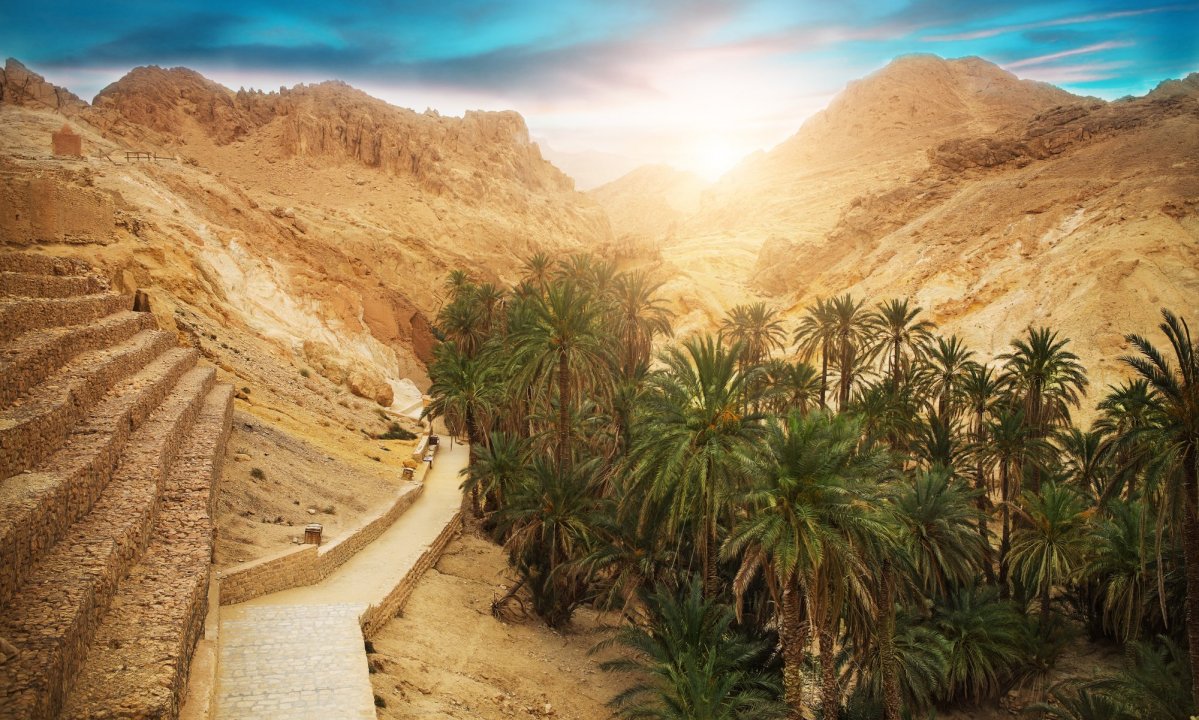
During your visit, you can admire the golden sands of the Sahara Desert, explore picturesque ancient ruins, take respite in lush oases, and swim in the crystal-clear waters of the Mediterranean Sea. Your vacation in Tunisia will undoubtedly allow you to experience a wide array of what this country has to offer its guests, and we are confident you will be thoroughly satisfied.
Photos of Tunisia
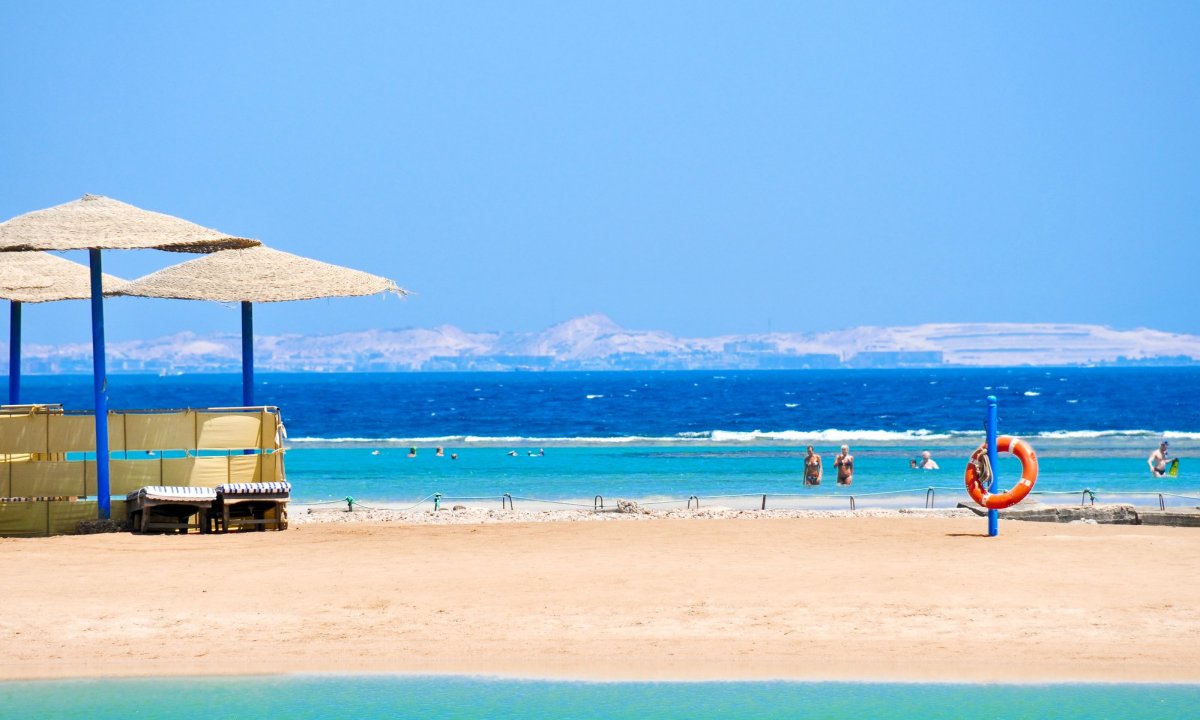
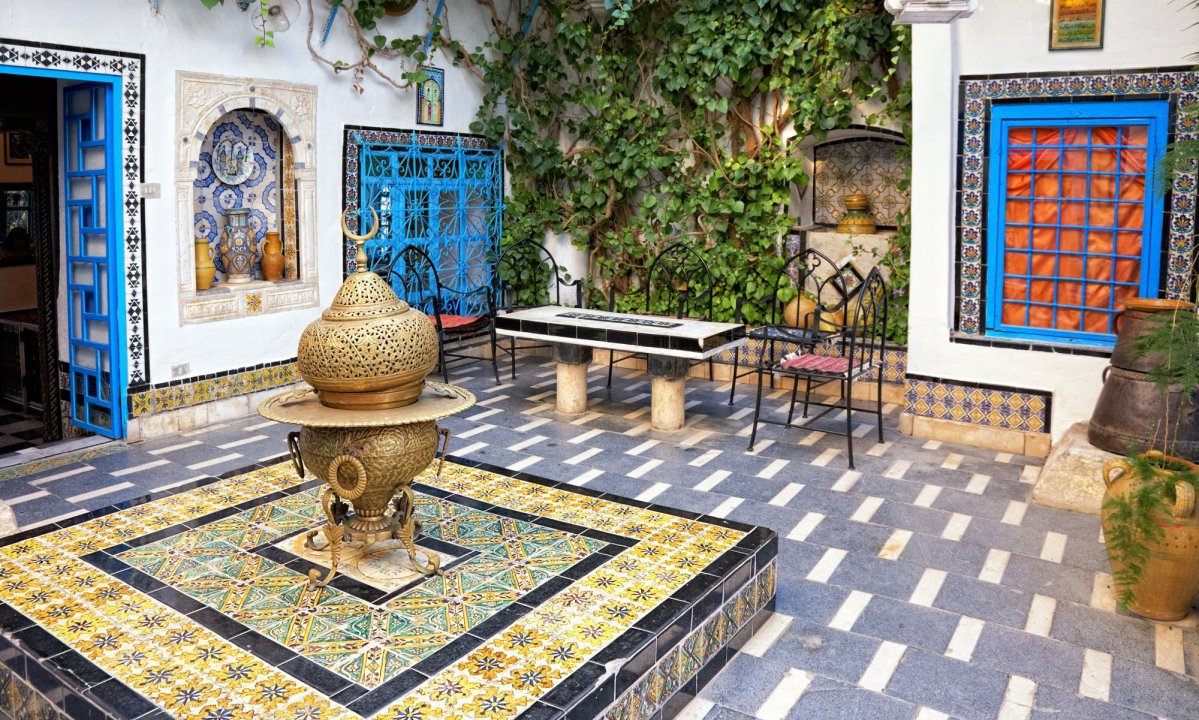
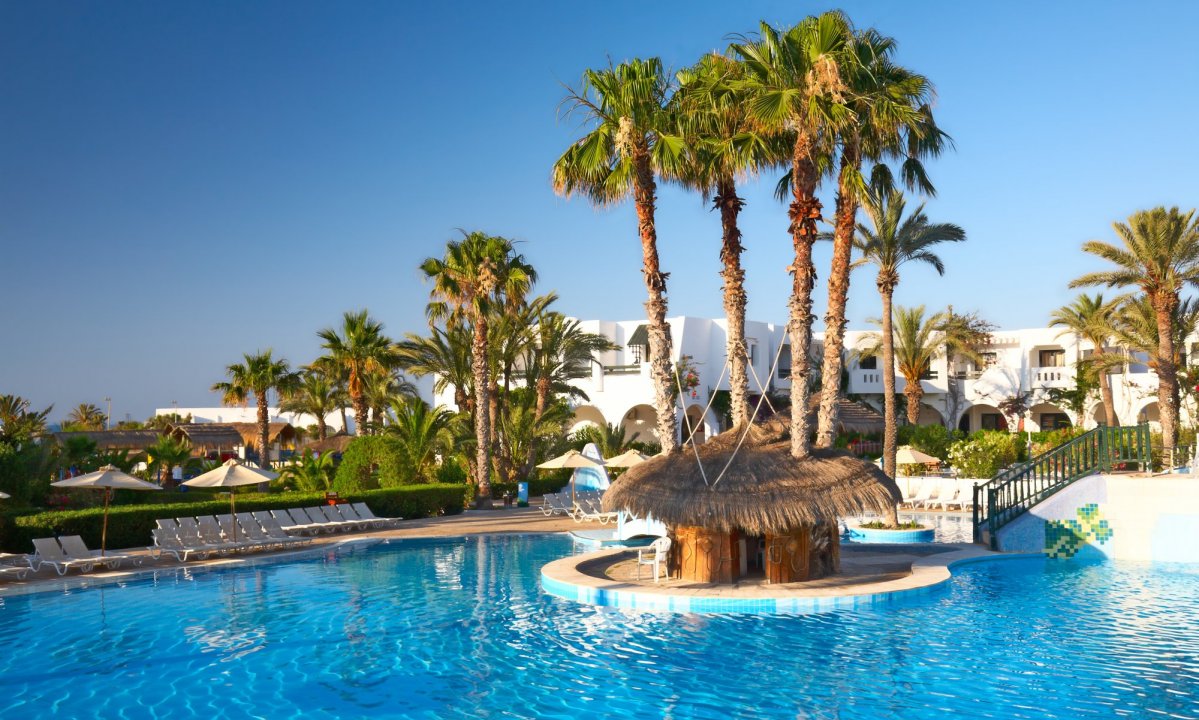
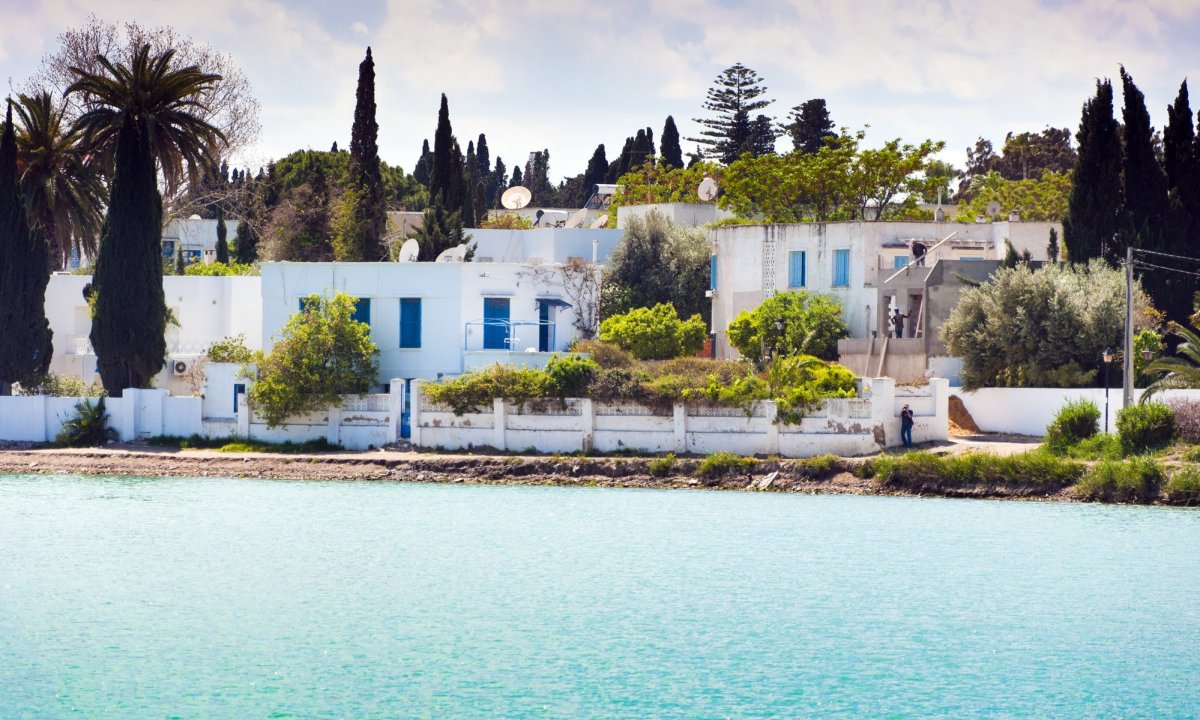
Dishes worth trying:
Chorba — This thick and flavorful soup is prepared on the basis of veal with the addition of vegetables.
Ozhej — It's basically the same omelet, except pepper sausage replaces the meat.
Tazhin ez-Zitoun — is a veal stew with olives.
Genaoia — meat is braised with the addition of cilantro, sweet pepper slices and chilies.
Meshuya — tuna salad with tuna, sardines, roasted peppers and tomatoes.
Things to do in to Tunisia
- Admire the salt lake of Schott el Jerid.
- Get a taste of Tunisian cuisine at the Houmt Souk restaurants on Djerba Island.
- Travel through the Atlas Mountains on the Red Lizard excursion train.
- Watch crocodiles feeding on the island of Djerba.
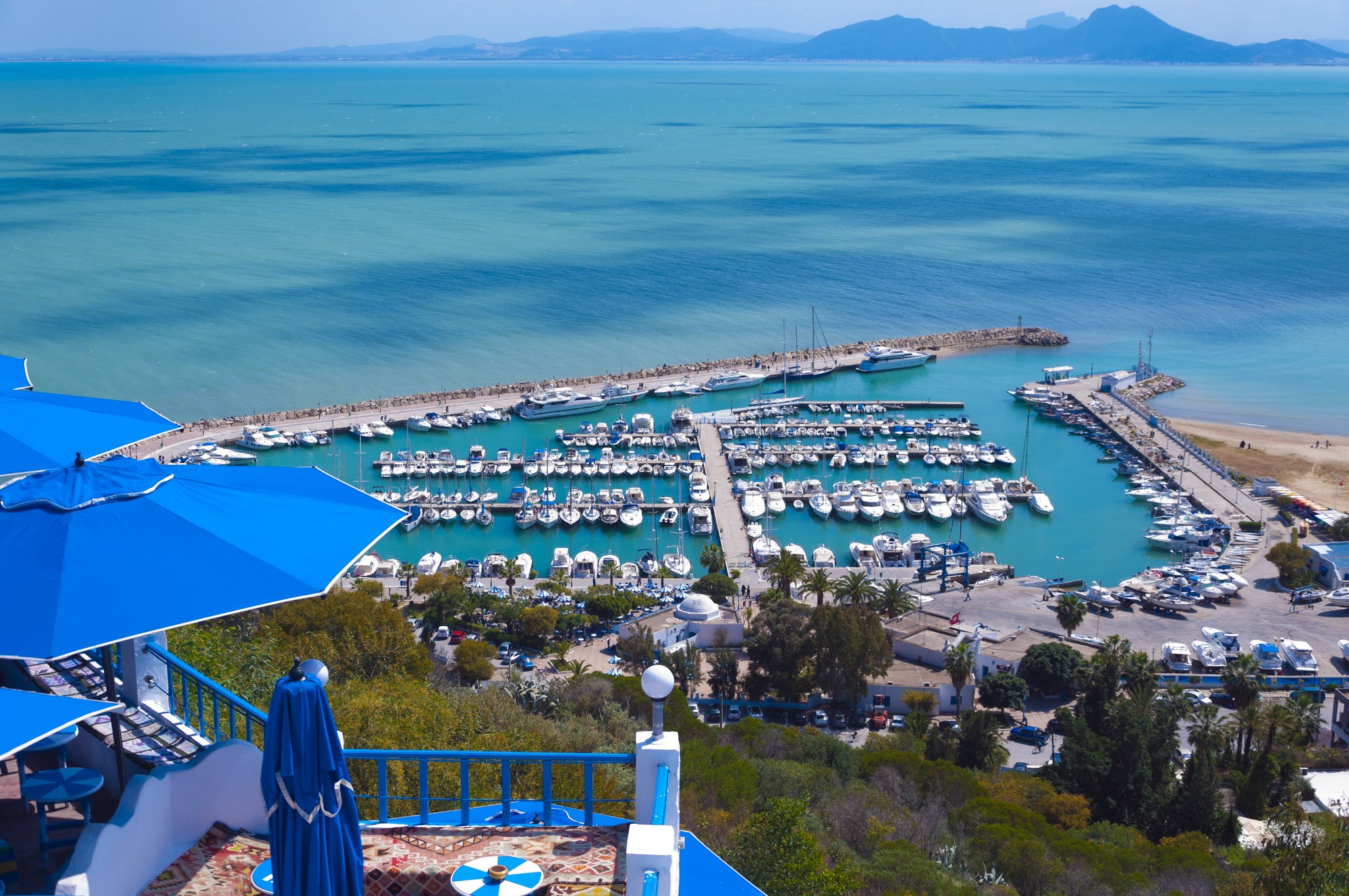
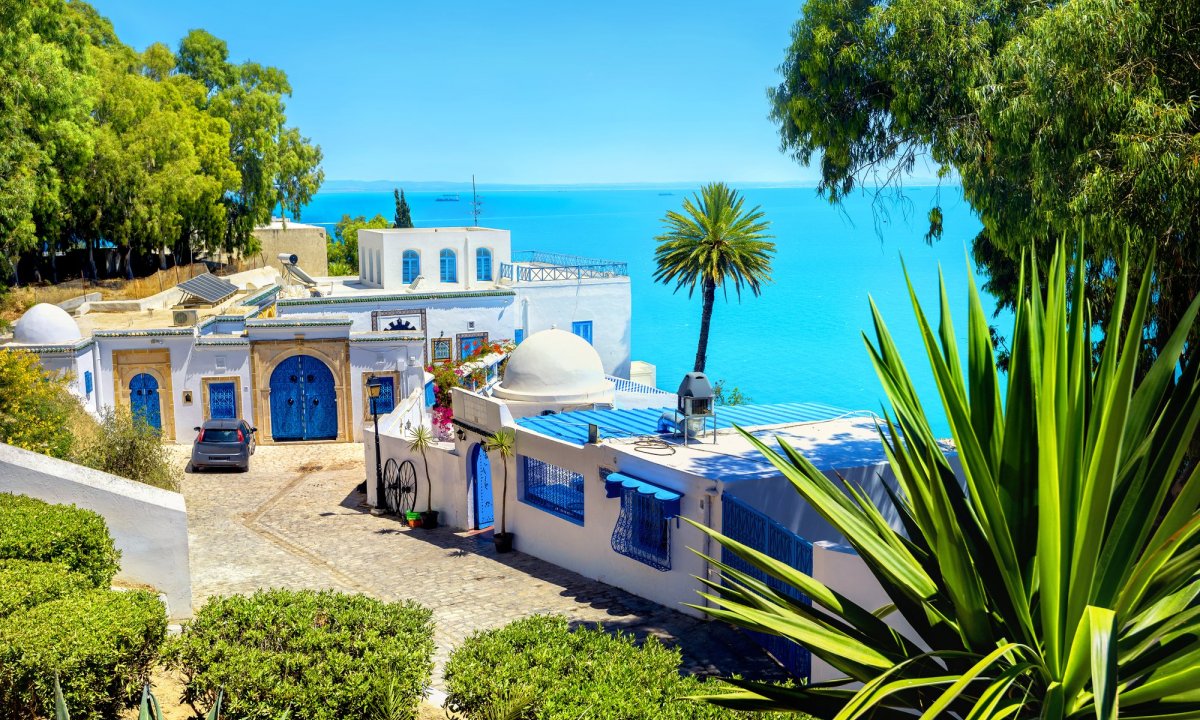
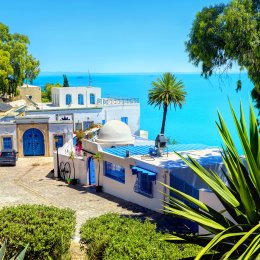
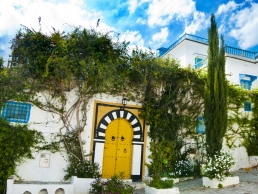
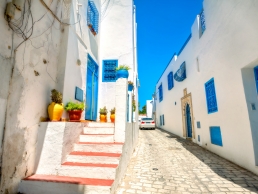
- Walk the blue and white streets of Sidi Bou Said.

Sights
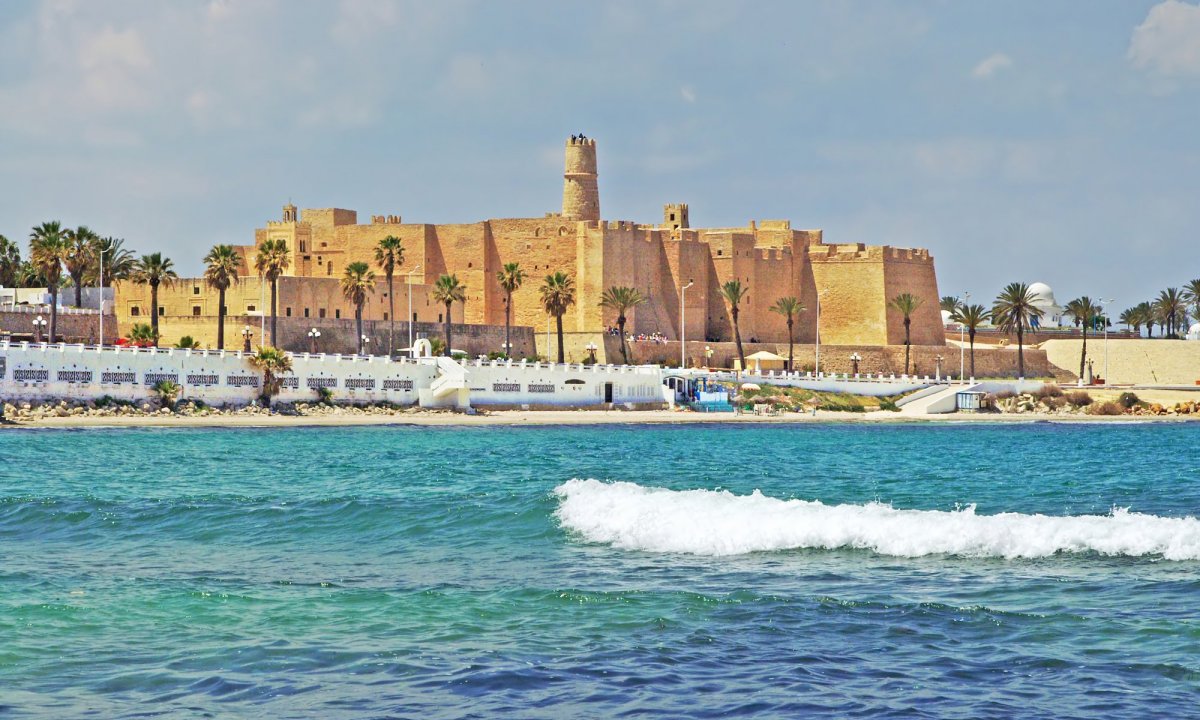
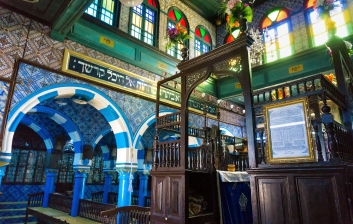
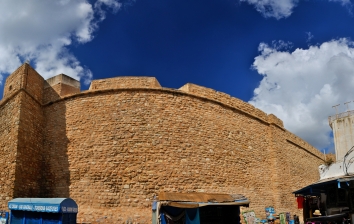
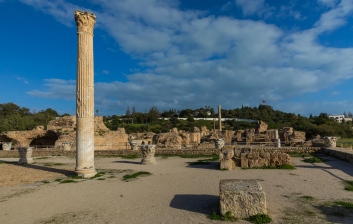
Tunisia is an ancient country with a history spanning over three thousand years, and it has witnessed many significant events throughout its existence. The primary attractions of Tunisia are the picturesque ruins scattered across the country, preserving the memory of bygone eras. If you have a penchant for delving into history and relishing the profound sense of centuries past, touching the ancient stones and exploring historic buildings, then Tunisia will undoubtedly captivate your curiosity.
Tours to Tunisia
Tunisia may not be as popular among domestic travelers as Egypt, but it's rapidly gaining ground and is poised to become a sought-after destination in terms of tour sales.
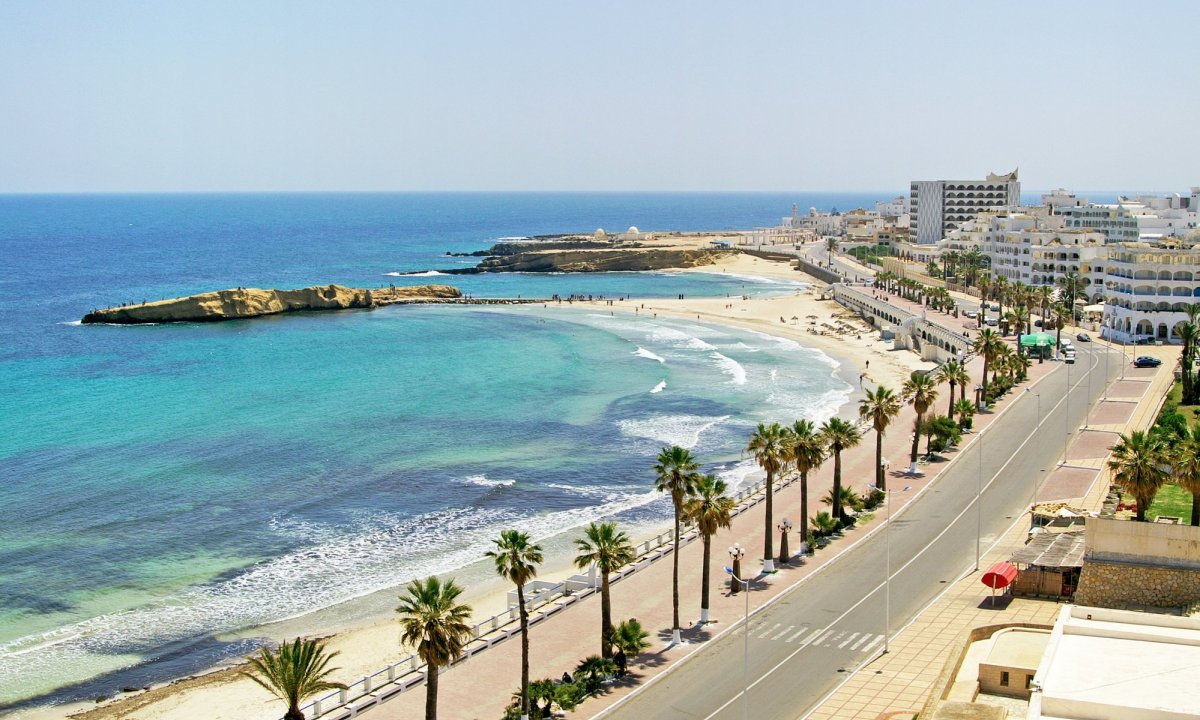
Despite its relatively small size, Tunisia offers a diverse range of experiences for vacationers. Access to the Mediterranean Sea provides the country with excellent beaches. Many of the best hotels along the coast offer packages that include thalassotherapy treatments.
For those seeking active adventures, there are opportunities for water sports and inland exploration. Excursion tours to Roman ruins, including visits to the ancient city of Carthage, are available. Travelers can also embark on desert tours to discover indigenous settlements.
However, when it comes to the cost of travel, Tunisia still falls slightly behind Egypt. For example, a ten-day trip to the resort town of Sousse can cost around 2,200 USD, even for a hot offer. You might find a slightly cheaper hot trip to Hammamet for nine days, priced at around 830 USD. Generally, though, finding truly inexpensive offers in this direction can be quite challenging.
Where to go to Tunisia?
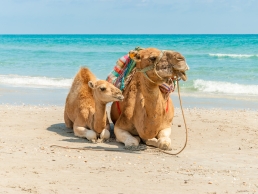
In Tunisia, you can spend your vacation relaxing in the gentle waves of the Mediterranean Sea and lounging on pristine white sandy beaches. Alternatively, you can indulge in rejuvenating thalassotherapy treatments, a draw for many travelers visiting Tunisia. For those seeking adventure, exciting excursions to the renowned Sahara Desert or to explore ancient Tunisian ruins await. The key is to select from this diverse list what aligns most with your desires, and the tripmydream service is here to assist you in deciding where to go in Tunisia.
When to go to Tunisia
Traveling to Tunisia, like most Southern countries, has its unique charms throughout the year. However, even in warm climates, there's a period when visiting is particularly productive and comfortable, which in Tunisia falls between June and September. Nonetheless, other times of the year can also offer intriguing experiences, especially for enthusiasts of thalassotherapy, which is available year-round. Consult tripmydream to help you decide when the best time to visit Tunisia is for you.
Tunisia in spring
Tunisia in summer
Tunisia in the fall