Traveling to another country is always exciting and educational, which is why most tourists prefer to take organized tours. But it's just as interesting to go on a voyage "on your own", personally handling all the organizational aspects.
Where to go in Bulgaria
First of all, you should decide on the purpose of your visit to this magnificent country - the choice of where you can go depends entirely on this.
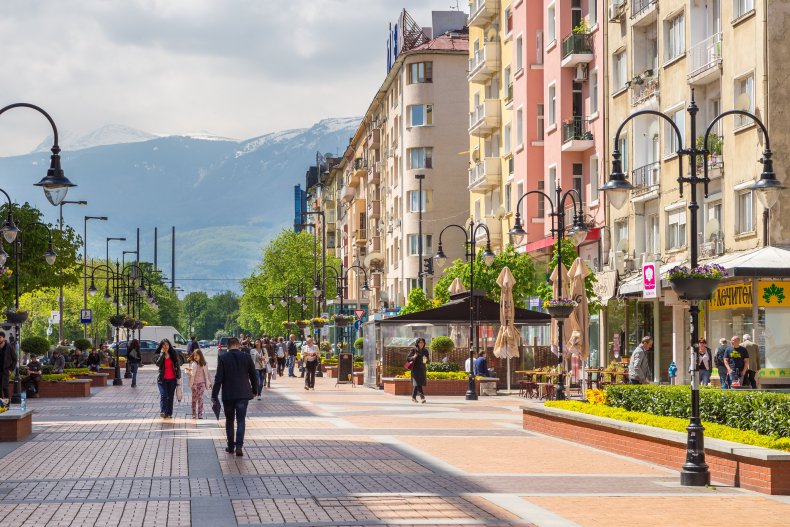
Excursion Tour. If you want to familiarize yourself with the country's historical past and see its main attractions, then you should visit Sofia, the Valley of Roses, Plovdiv or Veliko Tarnovo.
Beach vacations. Beach lovers most often choose Sunny Beach, St. Vlas, Golden Sands, Ahela, Obzor and other seaside resorts.
Family Vacation. For mud treatment, as well as a quiet cozy family vacation is better to go to Pomorie.
Active vacation. You can combine sea relaxation, entertainment and informative excursions if you go to Nessebar, Varna, Sozopol or Burgas.
Insurance
According to Bulgaria’s requirements, all incoming foreigners must have insurance. Therefore, a medical insurance policy is mandatory in this case.
Such documents may vary greatly in both overall cost and the list of included services. This means you should approach the matter responsibly in order to choose insurance that best suits your specific trip.
In addition to medical coverage, the policy may also include protection against expenses related to baggage theft, loss of documents, and more.
Accommodation
This is one of the key aspects of planning a trip. You can book an apartment, a room, or a villa in advance through specialized platforms. Payment is usually made for the entire property, regardless of the number of guests, ranging from 36 to 100 EUR or more per night. In addition to lodging, guests can enjoy various amenities, including kitchenware, a washing machine, internet, and television.
Food Expenses
Bulgaria offers travelers the freedom to choose between restaurant dining, fast food, or cooking meals on their own.
A three-course lunch for two at a restaurant may cost from 60 to 80 BGN, while breakfast in a casual café starts at around 5 to 10 BGN.
How to Get There
By Bus
International bus companies connect Bulgaria with dozens of European capitals. There are direct routes from Athens, Bucharest, Prague, and Berlin. A trip from Vienna or Budapest to Sofia costs around 50–70 EUR and takes 10–12 hours. From more distant cities such as Paris or Munich, ticket prices reach 90–120 EUR, and the journey can take up to a full day. The main advantages of traveling by bus are the affordable prices and frequent departures, especially in summer.
By Car
For travelers who prefer the freedom of movement, driving is an excellent option. The trip from Bucharest to Sofia takes about 6–7 hours, while from Belgrade it takes around 5–6 hours. Fuel and toll costs usually range from 70 to 120 EUR depending on the route and distance. This option is particularly convenient for those planning not only a beach holiday but also sightseeing across the country.
By Plane
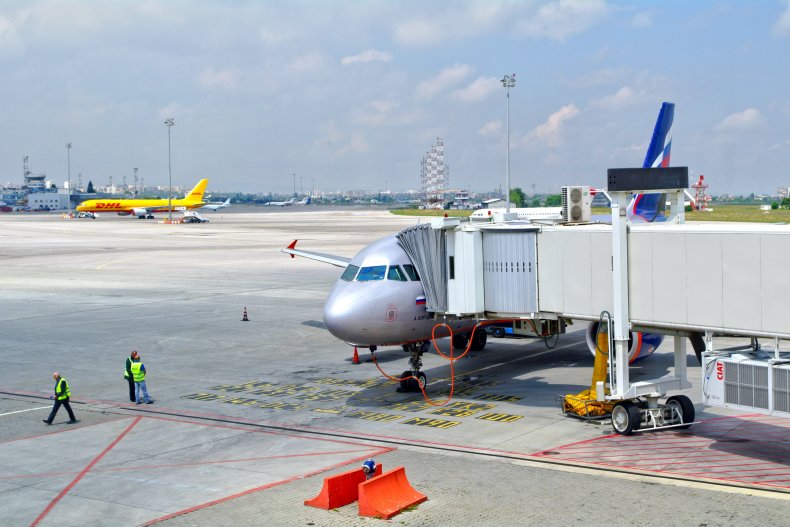
The fastest and most convenient option is to fly. Direct flights operate from major cities such as Berlin, Vienna, Budapest, Rome, and Paris. Most travelers arrive at the airports of Sofia, Varna, and Burgas. The average flight time is between 2 and 3 hours. Round-trip tickets range from 120 to 250 EUR, depending on the season and the airline. During the summer months, prices may rise by 20–30% due to high demand.
By Train
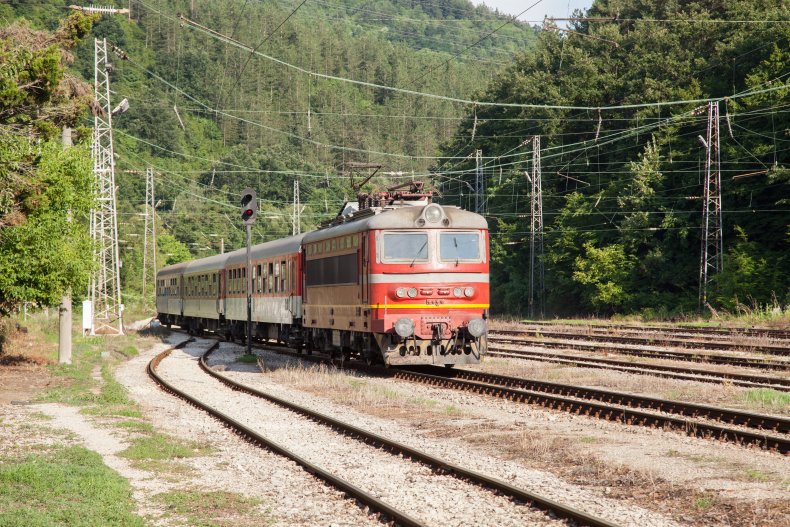
Travelers from Central Europe can take advantage of the railway connections. For example, there are direct trains from Budapest to Sofia, with a journey time of around 15 hours. Ticket prices range from 60 to 100 EUR one way. Routes from Vienna and Belgrade to Bulgaria are also available, although they often require transfers.