Tenerife is one of Europe’s leading centers for professional cycling. The INEOS team (formerly Team Sky) and other professional teams hold their winter training camps here. It offers an ideal climate, mountain roads with a total elevation gain of 3,700 meters, and the opportunity to ride year-round.
Contents
- The Island’s Topography
- Types of Bikes
- Where to Rent a Bike
- Rental Prices
- Easy Routes
- Intermediate Routes
- Challenging Routes
- Climbing Mount Teide
- Mountain biking
- Organized bike tours
- Safety
- FAQ
The Island's Topography
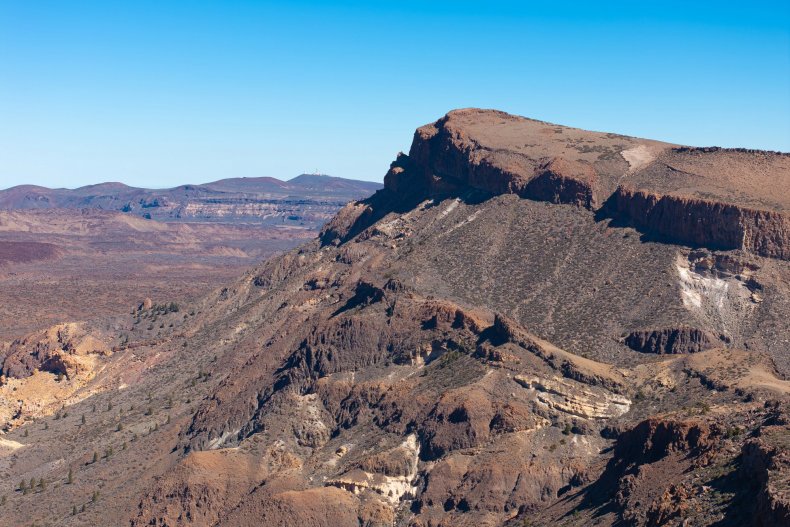
Tenerife is a mountainous island with a volcano at its center. The elevation range is 3,718 meters across an area of approximately 2,000 square kilometers. There are almost no completely flat roads. For beginners, only the coastal routes in the south (El Médano, the Los Cristianos–Las Américas promenade) and the Santa Cruz promenade are suitable. For everything else, you’ll need to be in good shape or ride an e-bike.
Types of Bikes
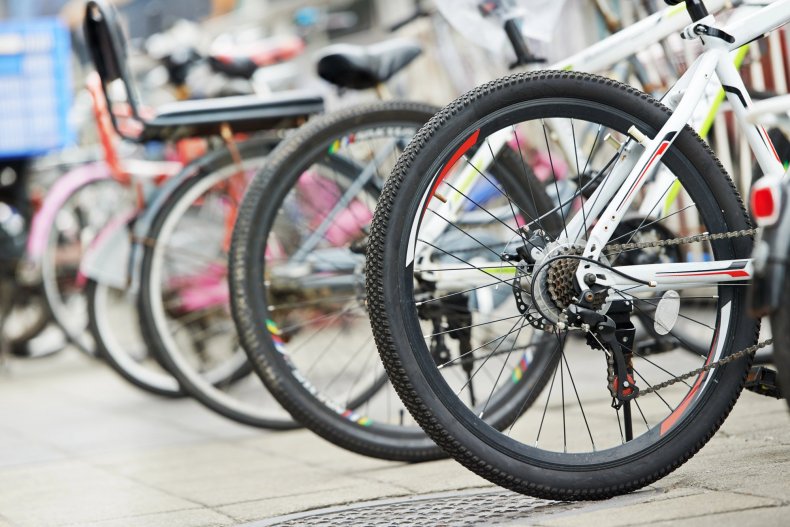
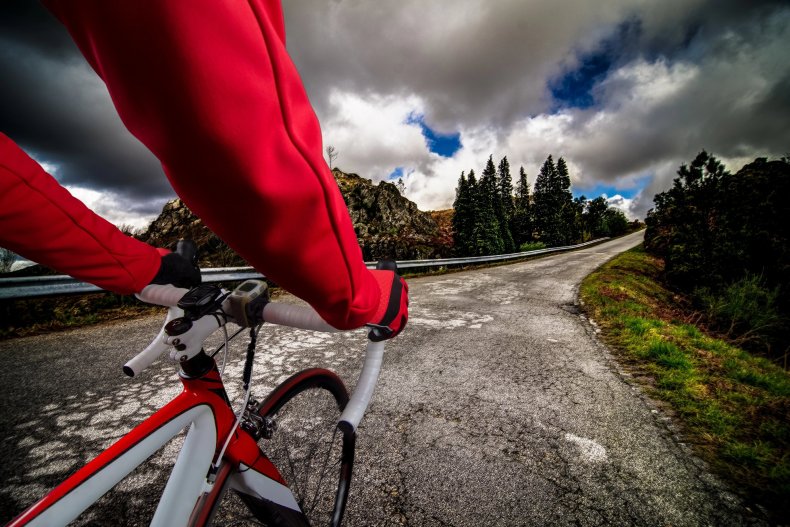
- Road bike —for roads and climbs; top brands include Cannondale, Trek, Giant, and BMC
- E-bike — a revolutionary option for tourists; 500–800 m of elevation gain with minimal effort
- Mountain bike (MTB) —for the trails of Anaga, Corona de Forestal, and the Teide area
- City/hybrid — for waterfronts and cities
Rental Rates
| Type | Per Day | 3 days | Week |
|---|
| City/Hybrid | €15–25 | €35–60 | €80–140 |
| Mountain (MTB) | €20–35 | €50–90 | €120–200 |
| Road | €25–45 | €65–120 | €150–280 |
| E-bike | €35–55 | €90–140 | €200–330 |
| Top-of-the-line Carbon | €50–80 | €130–200 | €280–500 |
A helmet is usually included. Deposit: €50–200.
Easy Routes
Los Cristianos – Las Américas Waterfront
~8 km, minimal elevation gain. A paved promenade along the beaches. Great for a morning ride or an evening stroll.
El Medano: Coastal Road
10–15 km along the coast. Relatively flat. Kitesurfers, windsurfers. A laid-back surfer town.
Santa Cruz Promenade
5–10 km along the capital’s promenade with views of the harbor.
Intermediate-level routes
Puerto de la Cruz → La Orotava
~12 km uphill, elevation gain ~400 m. Banana plantations in the Orotava Valley. Views of Mount Teide from La Orotava. Return trip—20–30-minute descent.
South Coast: Las Galetas — El Medano
~25 km round trip. Fishing villages, views of the Atlantic. Suitable for everyone on an e-bike.
Challenging Routes
Santa Cruz → La Laguna → Teide
~80 km total route, 2,000+ m elevation gain. Through laurel forests (TF-24) to the national park. One of the best long-distance routes on the island.
Climbing Mount Teide: The Legendary Bike Climb
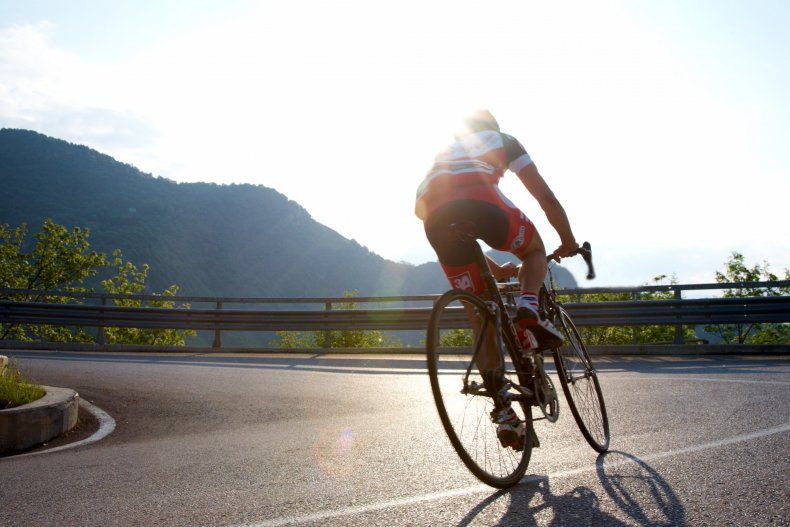
One of Europe’s most famous cycling challenges. Tour de France teams train here.
- Elevation gain: 1,500–2,300 m from the starting point
- Distance: 30–45 km
- Average gradient: 5–7%
- Highest point: cable car station (3,555 m)
- Time for a pro: ~1 hr 20 min; for an amateur: 2.5–4 hrs
At altitudes of 2,500+ m, the air is thin. Food, water, and a windbreaker are essential. The descent along the switchbacks requires caution.
Mountain biking
- Corona de Forestal —forest roads and trails around Teide (cross-country)
- Anaga —technical terrain, narrow trails in a relict forest
- Guimara Area —eastern part of the island, rural roads
- Southern part of the island —lava fields and dirt roads; best in winter
Organized bike tours
- Ascent of Teide with a guide and transfer
- Group tours along the northern coast
- E-bike tours through villages and plantations
- Price of group tours: €50–120 per person
Safety
- Helmets are mandatory outside of populated areas (Spanish regulations)
- On mountain roads, watch out for tour buses; move to the right well in advance
- Long mountain descents are the main cause of accidents. Use both brakes smoothly
- Water: at least 1.5 liters for a long climb (there are no stores at the top)
- Sun protection: SPF 50, long sleeves, sunglasses
- Temperature differences: +28°C at the beach, +5–10°C on Mount Teide—a windbreaker is essential
FAQ
Is it suitable for beginners? Coastal routes—yes. Mountain routes—no, not without training. An e-bike changes everything.
Is it possible to climb Teide without training? A serious challenge even for fit riders (1,500–2,300 m). Don’t attempt it without basic fitness. A partial ascent to 2,000–2,200 m is doable and impressive.
When is the best season? For professionals: November–March. For tourists, it’s good year-round, though it gets hot in the summer. Winter is the best option for serious climbs.
Are there bike paths? Dedicated bike paths are rare. The waterfront paths are partially equipped. This is offset by the quality of the roads and the scenic beauty of the routes.