Tenerife is an island that you can’t truly explore without your own transportation. Buses will take you to popular resorts, but Mount Teide at dawn, the secluded village of Masca perched on a cliff, and the ancient forests of Anaga—all of these are accessible only to those who rent a car. We’ll tell you everything: where to rent, how much it costs, and what to look out for.
Tenerife is an island that you can’t truly experience without your own transportation. Buses will take you to popular resorts, but Mount Teide at dawn, the secluded village of Masca perched on a cliff, and the ancient forests of Anaga—all of these are accessible only to those who rent a car. We’ll tell you everything: where to rent, how much it costs, and what to look out for.
Table of Contents
Where to Rent a Car
Rental Prices
Rental Terms and Documents
Roads and Driving Tips
Fuel in Tenerife
Practical Tips
FAQ
Where to Rent a Car in Tenerife
Both international chains and local Canarian companies operate in Tenerife. You can pick up a car at airports, in city centers, or have it delivered to your hotel.
Tenerife South Airport (TFS, Reina Sofía)
The island’s main tourist airport. All major rental companies are represented right in the arrivals terminal:
Hertz — a reliable choice, a convenient app, and a wide selection of cars
Sixt — good, new cars, often with promotional prices online
Avis — consistent quality, loyalty program
Europcar — extensive network, many drop-off locations
Budget — a budget-friendly option from a major chain
Cicar — a local Canary Islands company, the most popular among tourists
Record — another local company, often with no deposit required
Tenerife North Airport (TFN, Los Rodeos)
It mainly handles domestic flights and flights from the mainland. There are fewer car rental companies here, but Cicar, Hertz, and Europcar are present.
Cicar — the best choice for tourists
Cicar (Canary Islands Car) is a legend in the Canary Islands. The company operates on all seven islands of the archipelago and enjoys a well-deserved reputation:
Often does not require a security deposit on a credit card
A simple and straightforward booking process
Fair terms with no hidden fees
Offices at both airports and in cities across the islands
Prices are lower than those of international brands while offering comparable quality
The only downside to Cicar is that you have to go to their office (sometimes a 2–3-minute walk from the terminal) instead of checking in at a counter right in the arrivals hall.
Online comparison sites
Use aggregators to compare prices: discovercars.com, rental24h.com, rentalcars.com. They let you compare dozens of offers at once and often offer discounts for early bookings. Book in advance—during peak season (December–January, July–August), cars get booked up quickly, and prices go up.
Car Rental Prices in Tenerife
Car Class
Example Model
Price per day
Estimated Weekly Budget
Economy
Fiat 500, Seat Ibiza, VW Polo
€15–20
€105–140
Standard
Seat León, VW Golf, Toyota Corolla
€25–40
€175–280
SUV / Crossover
Nissan Qashqai, Seat Ateca, Tiguan
€40–60
€280–420
Minivan
Ford Galaxy, VW Touran
€55–80
€385–560
Prices are valid for advance bookings during the low and mid seasons. During the high season, prices may increase by 30–50%.
What’s Included in the Price
A standard rental typically includes: basic CDW insurance (partial damage coverage), TP insurance (theft coverage), and VAT (in the Canary Islands—IGIC at 7%, not 21% as on the mainland). Additional charges apply for: full Super CDW insurance with no deductible, an additional driver, a child seat, and a GPS navigator (though most tourists use a smartphone).
Deposit
Most international companies place a €200–500 deposit hold on your credit card for the duration of the rental. Cicar and Record often operate without a deposit —please confirm this when booking. Not all companies accept debit cards.
Rental Terms and Required Documents
Driver Age
The minimum age to rent a car in Tenerife is 21. For certain vehicle categories (SUVs, minivans, and premium cars), the minimum age may be 23–25. Drivers under 25 often pay an additional “young driver” surcharge (~€5–10/day).
Driver’s License
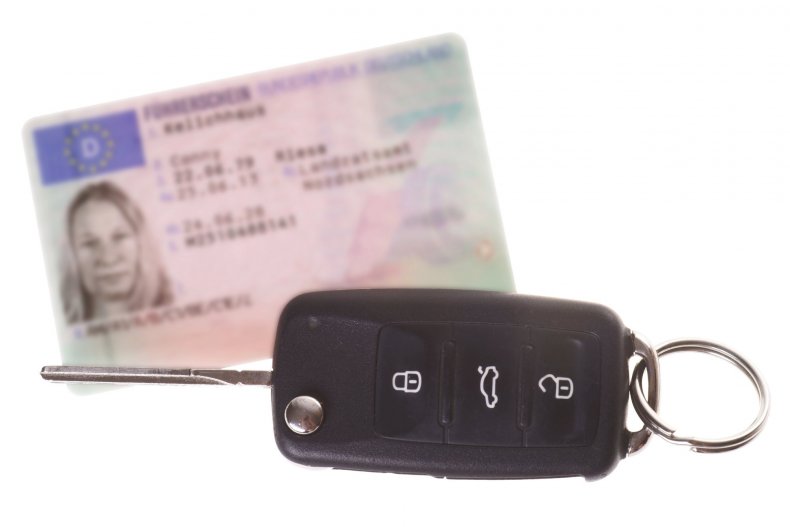
An EU driver’s license is accepted directly
For non-EU citizens, an international driver’s license plus a national license is required
Licenses must be valid for the entire rental period
Driving experience—typically at least 1–2 years
Insurance
We recommend purchasing full coverage insurance with no deductible (Full Coverage / Super CDW), especially if you plan to drive on mountain roads to Masca or Teide. Scratches on narrow roads are common, even for experienced drivers. Full coverage insurance typically costs an additional €8–15 per day.
Roads and Driving Conditions in Tenerife
General Rules
In Spain (and the Canary Islands), traffic drives on the right side of the road
Speed limits: 30 km/h in cities (up to 20 km/h in residential areas), 50/90 km/h on public roads, and 120 km/h on highways (autopista)
Seat belts are mandatory for all passengers
Using a cell phone while driving without a hands-free device results in a fine
Zero-tolerance policy for alcohol for drivers with less than 2 years of experience; for others, the limit is 0.5 per mille
Special Routes
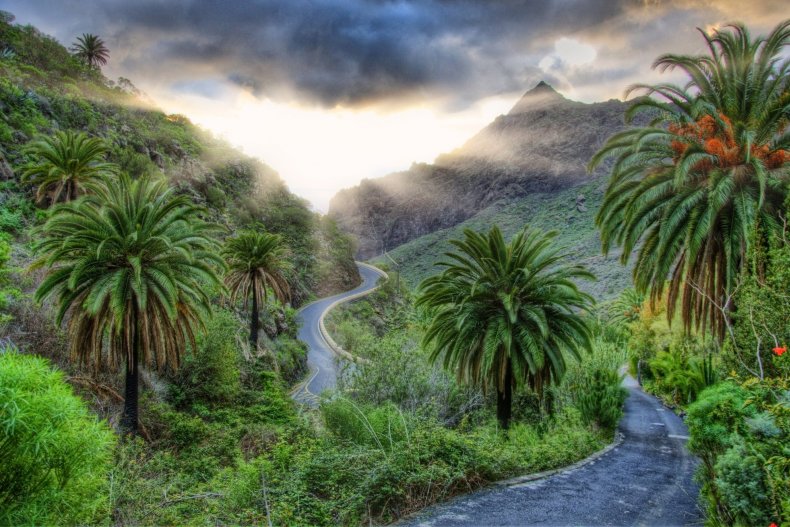
The road to Masca (TF-436) is one of the island’s most breathtaking and, at the same time, most dangerous routes. It’s a winding road with sharp turns, sheer cliffs, and virtually no guardrails. The road is so narrow that two cars can barely pass each other. Drive slowly and stay focused.
The Road to Teide (TF-21, TF-24) is a steep serpentine road with elevation changes of up to 2,200 meters above sea level. In winter, there may be ice or snow at the summit. At high altitudes, the engine may perform slightly worse due to the thin air—this is normal. Make sure the air conditioning and brakes are in good working order before your trip.
The Anaga Mountains in the northeast feature narrow roads through laurel forests, steep inclines, and fog. They require careful driving, especially early in the morning.
Parking
In the tourist areas of the island’s south, parking is usually free or costs €0.5–1 per hour. In Santa Cruz de Tenerife (the capital), there are paid parking lots and underground garages. Never park where prohibited by signs—fines and towing are a real possibility.
Fuel in Tenerife
The Canary Islands have a preferential tax regime: fuel here is significantly cheaper than on the Spanish mainland. On average, the difference is €0.15–0.25 per liter.
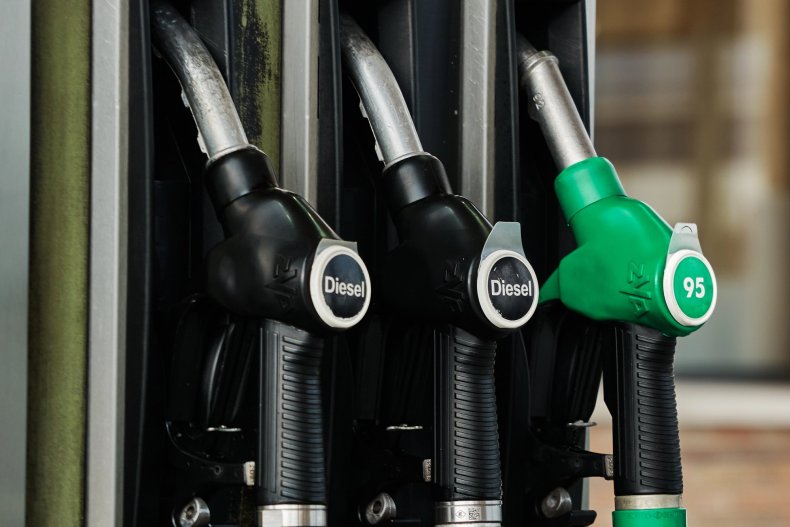
Gasolina 95 (AI-95 gasoline) is the most common type of fuel
Gasolina 98 (AI-98 gasoline) — for engines requiring high-octane fuel
Gasóleo / Gasoil (diesel) — available at all gas stations
Electric charging stations (Carga eléctrica) — are appearing on the islands, but the network is still limited
The price of Gasolina 95 is approximately €1.45–1.65 per liter. Fill up at Repsol, Cepsa, or BP stations. There are no gas stations on the mountain road to Teide—be sure to fill up in advance.
Practical Tips
Book in advance —prices are significantly lower and there’s a wider selection 2–4 weeks before your trip
Take photos of the car when you pick it up —capture all scratches and dents from different angles and in different lighting conditions, and send the photos via email or messaging app before leaving the parking lot
Read the contract carefully —pay attention to the clauses regarding underbody, tire, and glass coverage (these are often excluded from standard insurance)
You don’t need a car in the southern resort areas —Playa de las Américas, Los Cristianos, Costa Adeje—everything is within walking distance. Rent a car only if you plan to take tours around the island
Navigation —Google Maps and Maps.me work great in Tenerife; download an offline map in advance in case there’s no internet in the mountains
Additional driver —add everyone who will be driving the car to the rental agreement. Driving without being listed on the agreement risks voiding your insurance
Return with a full tank —check the return option when renting (full-to-full or pre-paid fuel). The first option is more cost-effective: you fill up yourself and return the car with a full tank
FAQ
Do I need an international driver’s license in Tenerife?
For citizens of EU countries, a national driver’s license is sufficient. Citizens of Russia, Ukraine, Belarus, and other non-EU countries need an international driver’s license (IDL) in addition to their national license to rent a car. The IDL is issued by the traffic police (GIBDD) in your home country.
Can I rent a car without a credit card?
Most major companies require a credit card to secure a deposit. Cicar and Record often operate without a deposit or accept debit cards—be sure to clarify this when making your reservation.
Should you get full insurance?
We strongly recommend it—especially if you plan to drive in the mountains, to Masca, or on narrow country roads. The cost of repairing even minor scratches can end up being higher than the price of insurance for the entire trip.
Does it make sense to rent a car for just a few days?
Yes. The best strategy is to spend 1–2 days relaxing on the beach, then rent a car for 2–3 days to explore the island—Teide, Anaga, Masca, Garachico, and La Laguna. Many agencies offer short-term rentals.
What class of car should you choose for Tenerife?
For most routes, an economy-class car (Fiat 500, Seat Ibiza) is sufficient. If you plan to drive on many mountain roads or are traveling with your family and luggage, choose a standard car or a small SUV. You don’t need an all-wheel-drive SUV in Tenerife: all roads, including the climb up to Teide, are paved.