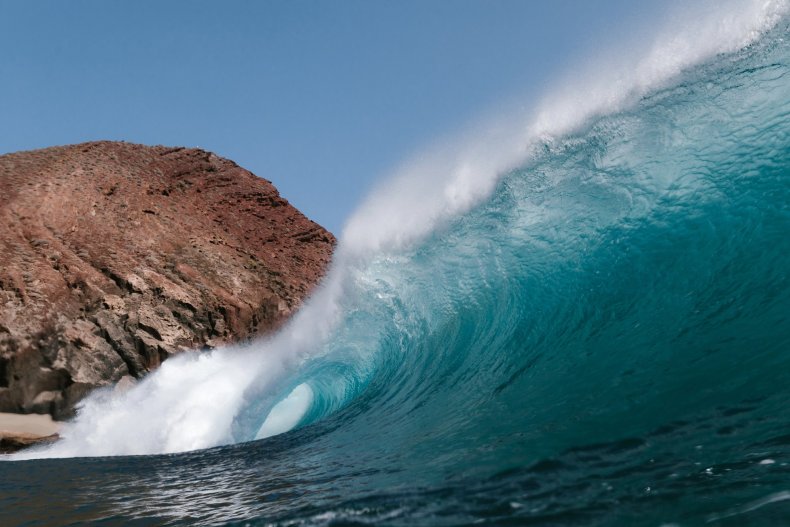
Tenerife is bordered by the Atlantic Ocean—it’s not the Mediterranean, and the difference is noticeable: more lively waves, a rich underwater world, and a variety of beaches ranging from black volcanic sand to snow-white artificial beaches made from sand brought from the shores of the Sahara. The island offers everything for lovers of the sea: calm lagoons for families with children, rugged Atlantic waves for surfers, crystal-clear waters for divers, and daily encounters with pilot whales—right from the boat in the open ocean.
Contents
- Water Temperatures by Month
- Beaches in Southern Tenerife
- Beaches in the North and East
- Marine Life and the Underwater World
- Water Sports
- Tips for Safe Swimming
- Whale and Dolphin Watching
- Natural lava pools
- FAQ
Beaches in Southern Tenerife
Playa Las Vistas (Los Cristianos)
One of the island’s best urban beaches. It’s about 800 meters long, with golden imported sand and very calm waters thanks to a system of breakwaters. Blue Flag. Ideal for families with small children.
Playa del Duque (Costa Adeje)
The island’s most upscale beach. White sand, lounge chairs with umbrellas (for a fee, about €10–15 per set), and luxury restaurants and bars.
Playa de la Arena (Puerto de Santiago)
Famous for its black volcanic sand and picturesque basalt cliffs. Nearby are the Los Gigantes cliffs, 400–600 m high.
Beaches in the North and East
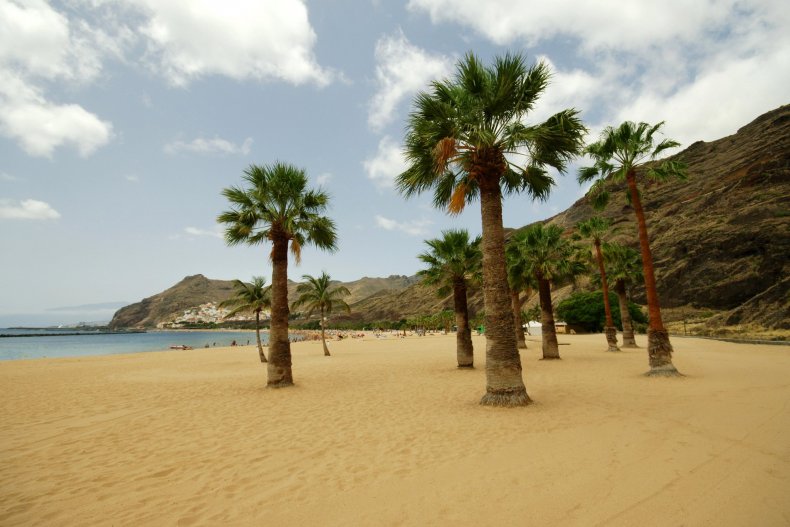
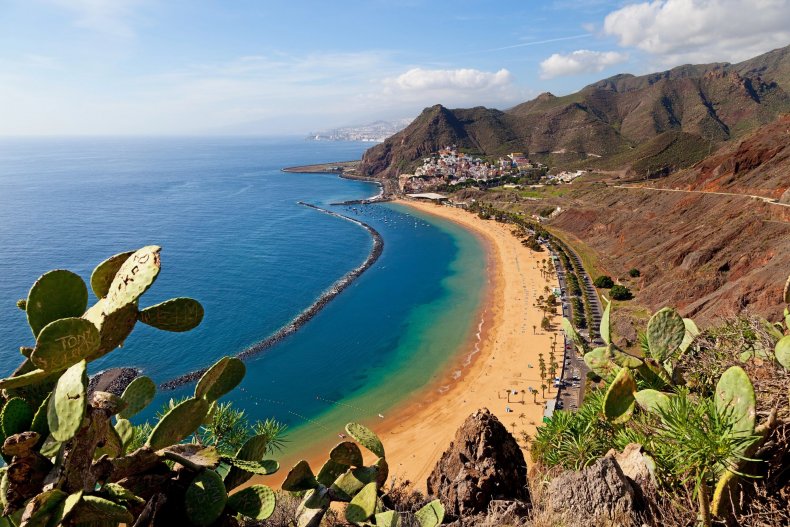
Playa de las Teresitas (a suburb of Santa Cruz)
The island’s most famous natural beach—1.2 km of bright yellow sand from Western Sahara. It has a local, non-touristy atmosphere.
El Médano (southeast)
Tenerife’s windiest beach—a mecca for kitesurfers and windsurfers. Hosts international PWA competitions.
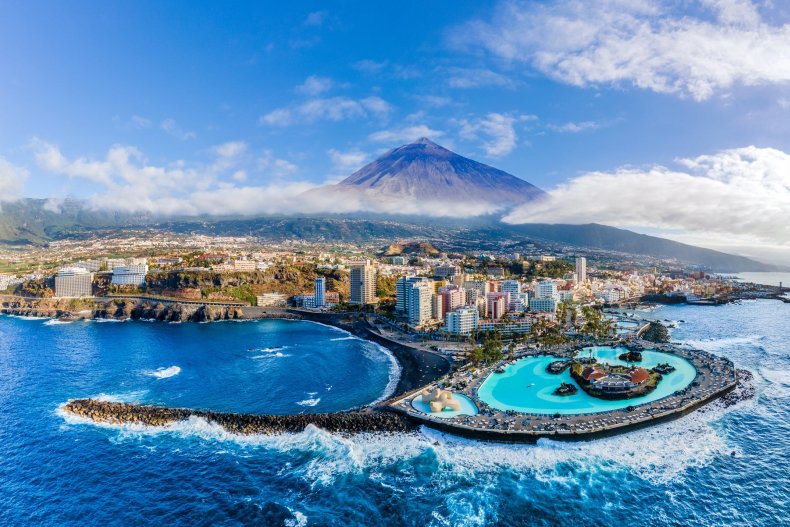
Playa Jardín (Puerto de la Cruz)
A beach designed by César Manrique: black volcanic sand with lava gardens.
Playa de Benijo (Anaga)
A wild, hard-to-reach beach in the Anaga Mountains. For experienced swimmers only.
Water Sports
Surfing—north coast (Punta del Hidalgo, El Socorro). Windsurfing—El Médano (PWA World Cup stages). Diving: Los Gigantes (visibility up to 30 m), Roca Negra, Las Galletas. Cost per dive: ~€40–60. Stand-up paddleboarding (SUP): ~€15–20/hour.
Tips for Safe Swimming
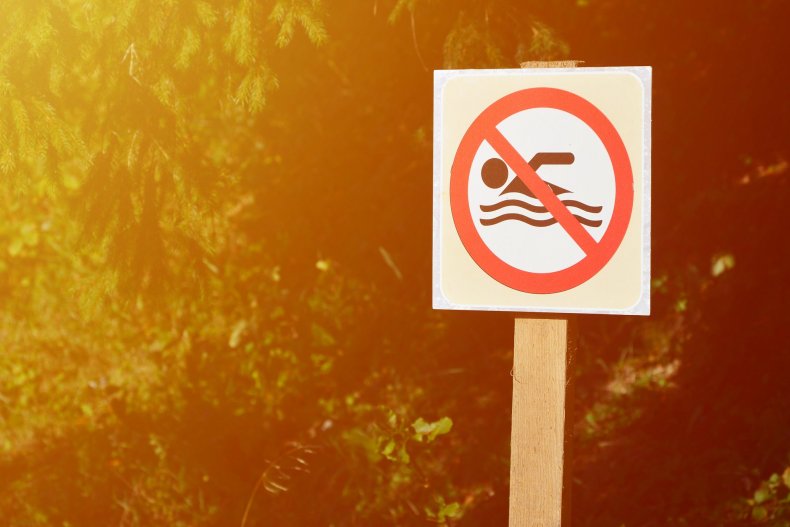
- Pay attention to the flags: green means it’s safe, yellow means exercise caution, and red means swimming is prohibited
- Sunscreen is a must, even on cloudy days
Whale and dolphin watching
Tours depart daily from Los Cristianos, Puerto Colón, and Los Gigantes. Cost: ~€30–45 for adults, ~€15–20 for children.
Natural lava pools
Garachico (Charco El Ancla and Charco de la Suerte) — the most famous natural swimming pools formed in solidified lava. Free. La Caleta (La Caleta de Adeje) — a fishing village with natural swimming pools.
FAQ
When is the sea warmest in Tenerife? August and September—23°C.
Are there any white sand beaches in Tenerife? Yes, in the south—Las Vistas and Playa del Duque—have white imported sand.
Is it dangerous to swim in Tenerife? The southern beaches with breakwaters are completely safe.